
Worktops.
Whether you’re renovating your old kitchen, planning to build a brand new home, or simply want to refresh the look of your bathroom, countertops are one of the…
-
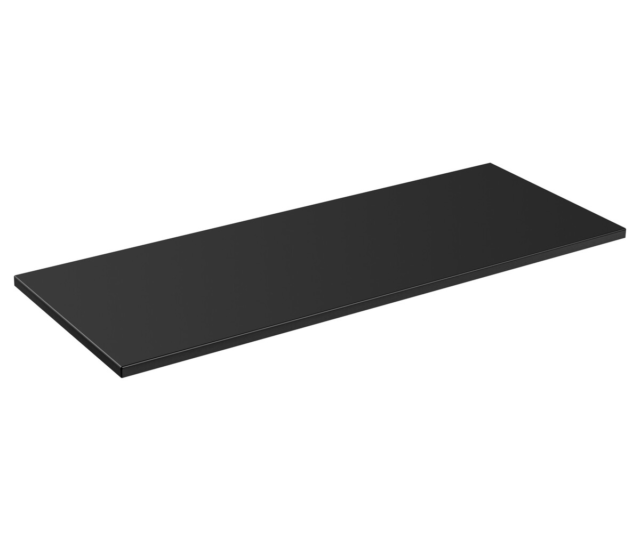 ADEL BLACK 89-120-B
Comad ADEL BLACK bathroom worktop 120 × 46.5 × 2.2 cm, matt black
Available to order116.30 € 3 × 38.77 € -
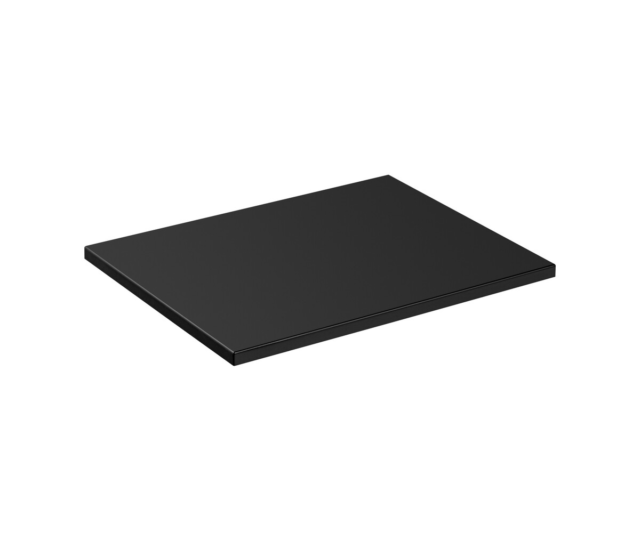 ADEL BLACK 89-60-B
Comad ADEL BLACK bathroom worktop 60.6 × 46.5 × 2.2 cm, matt black
Available to order60.98 € 3 × 20.33 € -
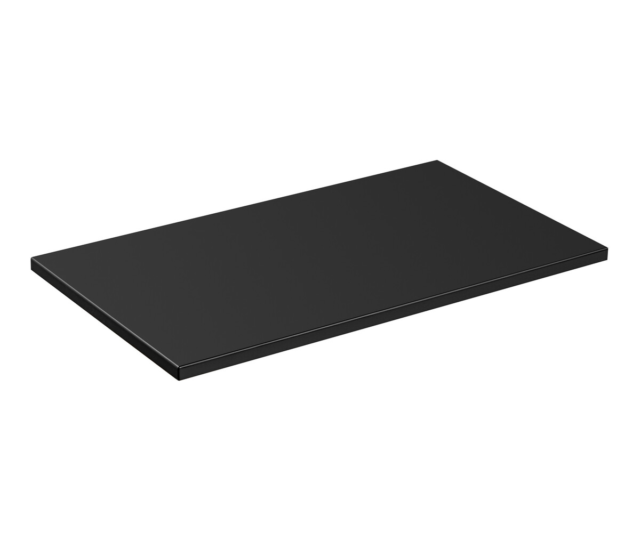 ADEL BLACK 89-80-B
Comad ADEL BLACK bathroom worktop 80.6 × 46.5 × 2.2 cm, matt black
Available to order80.65 € 3 × 26.88 € -
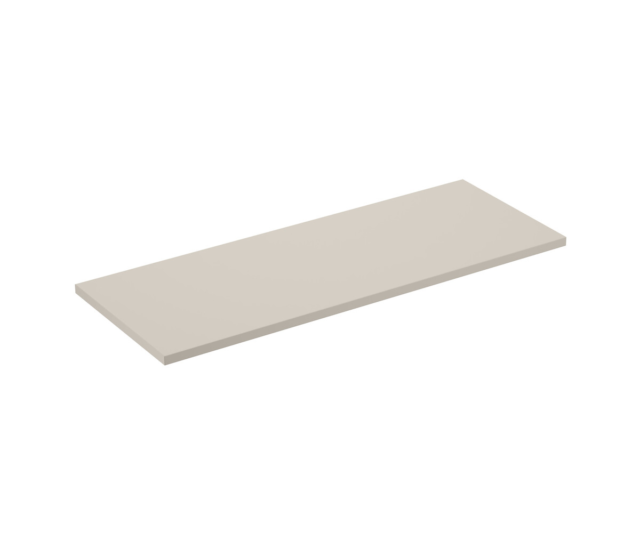 ADEL CASHMERE 89-120
Comad ADEL CASHMERE bathroom worktop 120.6 × 46.6 × 2.2 cm, matt cashmere
Available to order113.46 € 3 × 37.82 € -
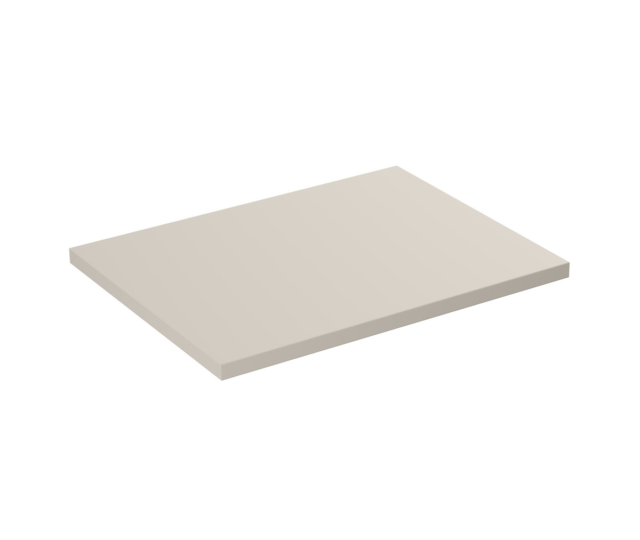 ADEL CASHMERE 89-60
Comad ADEL CASHMERE bathroom worktop 60.6 × 46.5 × 2.2 cm, matt cashmere
Available to order60.45 € 3 × 20.15 € -
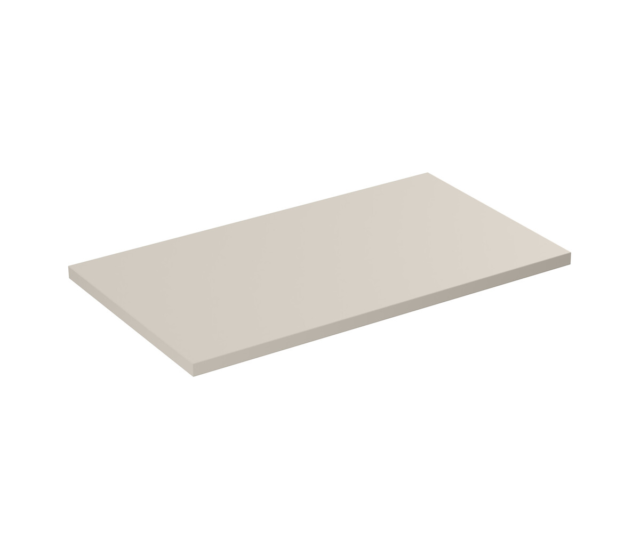 ADEL CASHMERE 89-80
Comad ADEL CASHMERE bathroom worktop 80.6 × 46.5 × 2.2 cm, matt cashmere
Available to order80.27 € 3 × 26.76 € -
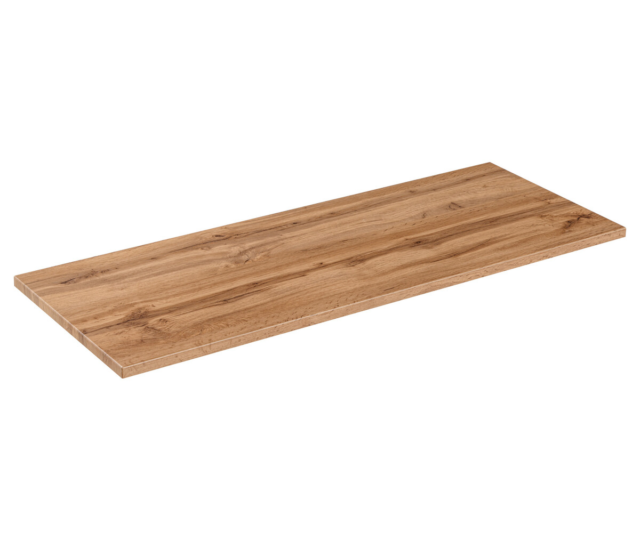 ADEL OAK 89-120-B
Comad ADEL OAK bathroom worktop 120.6 × 46.6 × 2.2 cm, Wotan oak
Available to order125.95 € 3 × 41.98 € -
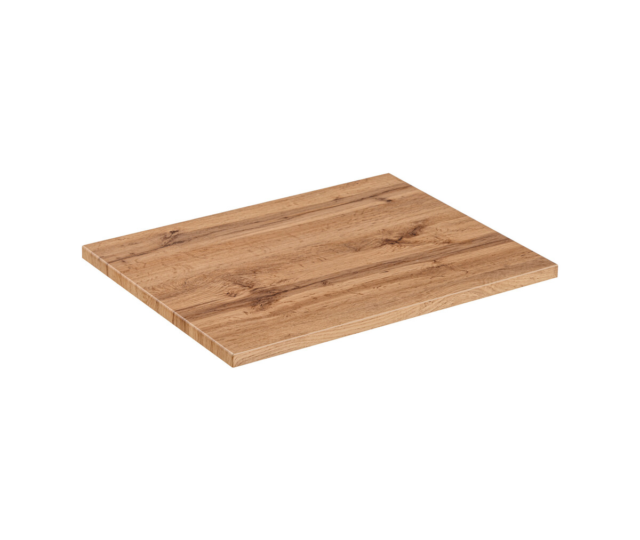 ADEL OAK 89-60-B
Comad ADEL OAK bathroom worktop 60 × 46.5 × 2.2 cm, Wotan oak
Available to order70.44 € 3 × 23.48 € -
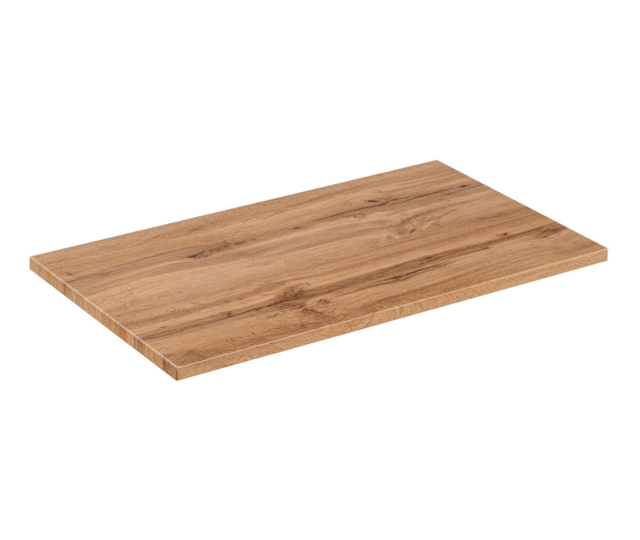 ADEL OAK 89-80-B
Comad ADEL OAK bathroom worktop 80.6 × 46.5 × 2.2 cm, Wotan oak
Available to order96.53 € 3 × 32.18 € -
 ADEL WHITE 89-120-B
Comad ADEL WHITE bathroom worktop 120.8 × 46.5 × 2.2 cm, matt white
Available to order116.11 € 3 × 38.70 € -
 ADEL WHITE 89-60-B
Comad ADEL WHITE bathroom worktop 60.6 × 46.5 × 2.2 cm, matt white
Available to order61.37 € 3 × 20.46 € -
 ADEL WHITE 89-80-B
Comad ADEL WHITE bathroom worktop 80.6 × 46.5 × 2.2 cm, matt white
Available to order81.12 € 3 × 27.04 € -
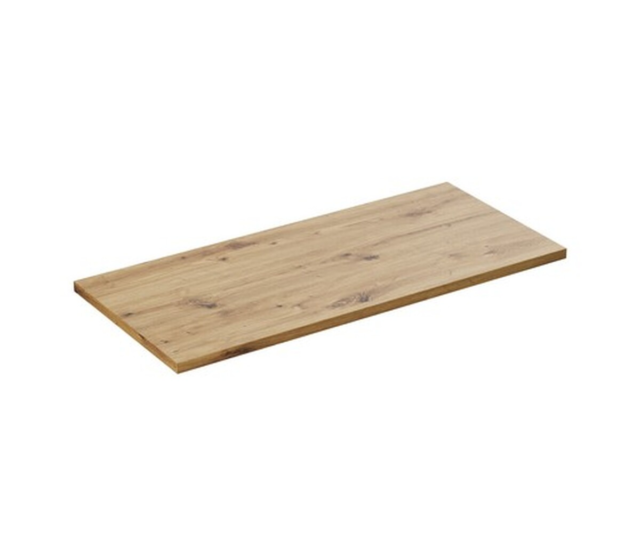 ARTISAN UN 89-100-46
Comad Bella Cashmere bathroom worktop 100 × 46 × 2.5 cm, Artisan oak
Available to order104.16 € 3 × 34.72 € -
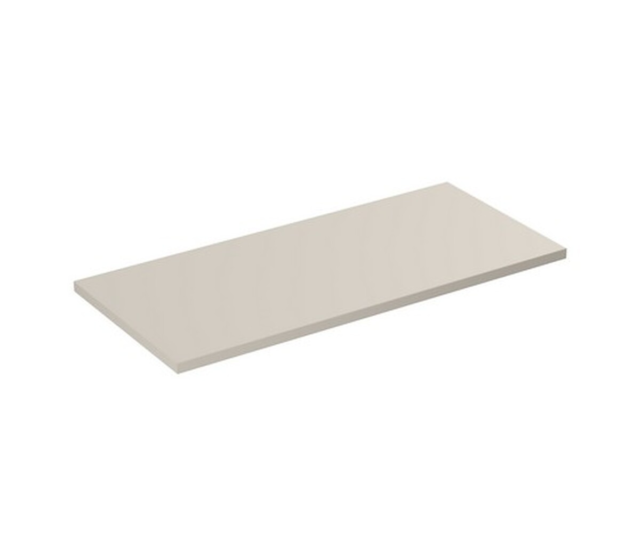 CASHMERE UN 89-100-46
Comad Bella Cashmere bathroom worktop 100 × 46 × 2.5 cm, matt cashmere
Available to order96.72 € 3 × 32.24 € -
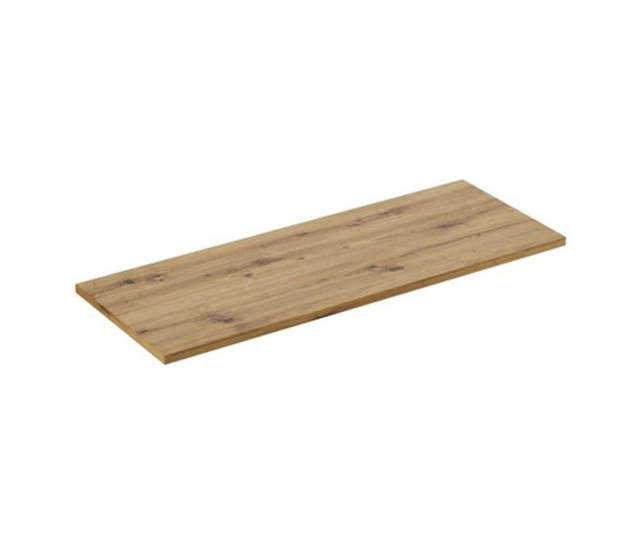 ARTISAN UN 89-120-46
Comad Bella Cashmere bathroom worktop 120 × 46 × 2.5 cm, Artisan oak
Available to order119.04 € 3 × 39.68 € -
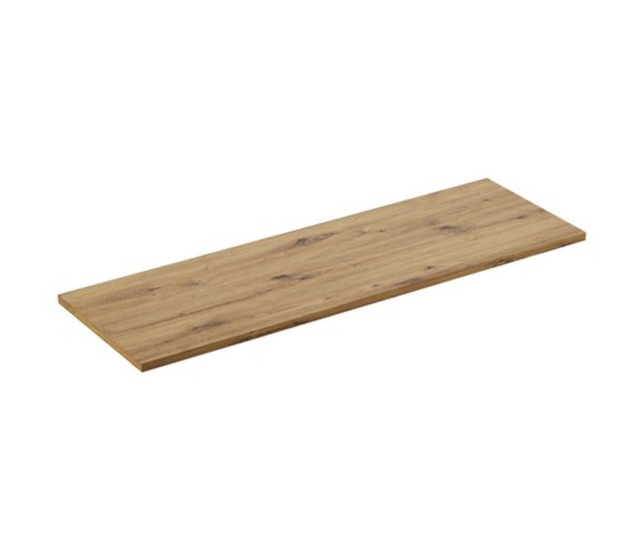 ARTISAN UN 89-140-46
Comad Bella Cashmere bathroom worktop 140 × 46 × 2.5 cm, Artisan oak
Available to order146.94 € 3 × 48.98 € -
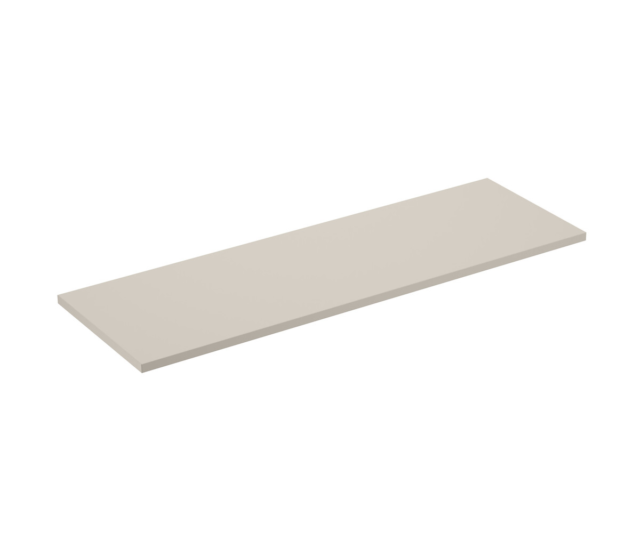 CASHMERE UN 89-140-46
Comad Bella Cashmere bathroom worktop 140 × 46 × 2.5 cm, matt cashmere
Available to order146.94 € 3 × 48.98 € -
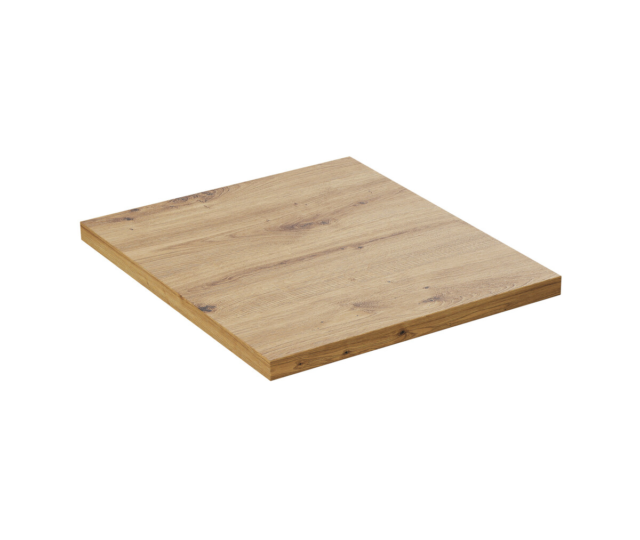 ARTISAN UN 89-40-46
Comad Bella Cashmere bathroom worktop 40 × 46 × 2.5 cm, Artisan oak
Available to order46.41 € 3 × 15.47 € -
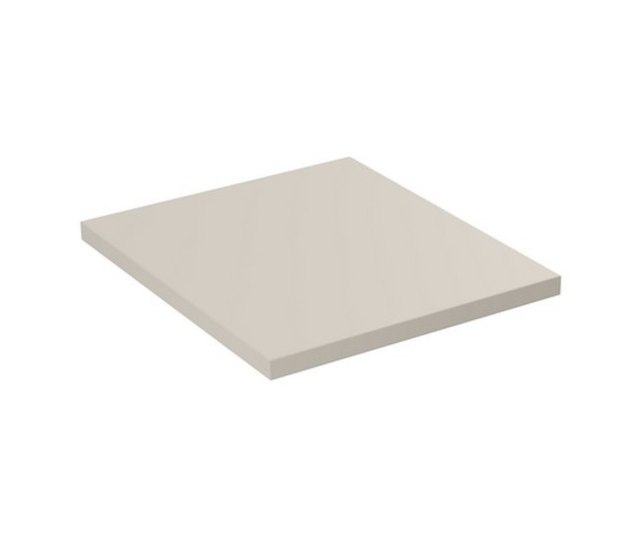 CASHMERE UN 89-40-46
Comad Bella Cashmere bathroom worktop 40 × 46 × 2.5 cm, matt cashmere
Available to order46.41 € 3 × 15.47 € -
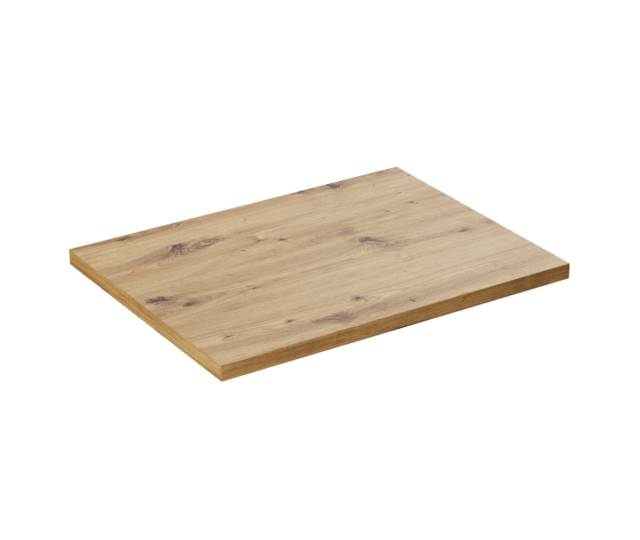 ARTISAN UN 89-60-46
Comad Bella Cashmere bathroom worktop 60 × 46 × 2.5 cm, Artisan oak
Available to order66.03 € 3 × 22.01 € -
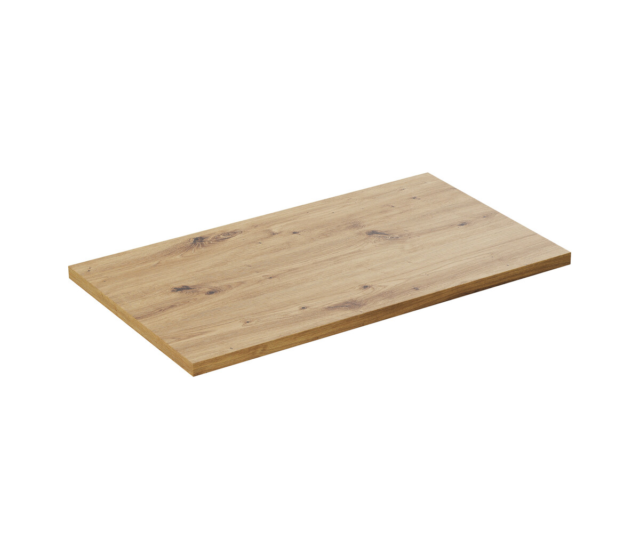 ARTISAN UN 89-80-46
Comad Bella Cashmere bathroom worktop 80 × 46 × 2.5 cm, Artisan oak
Available to order91.14 € 3 × 30.38 € -
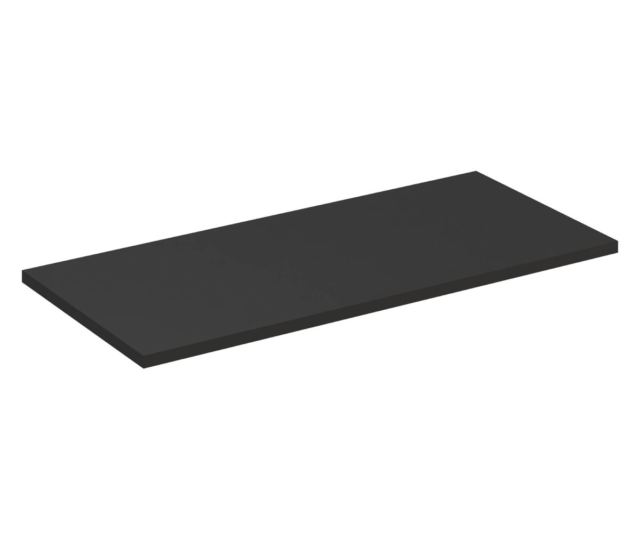 BLACK 89-120-46 L
Comad Black bathroom worktop 120 × 46 × 2.5 cm, matt black
Available to order64.73 € 3 × 21.58 € -
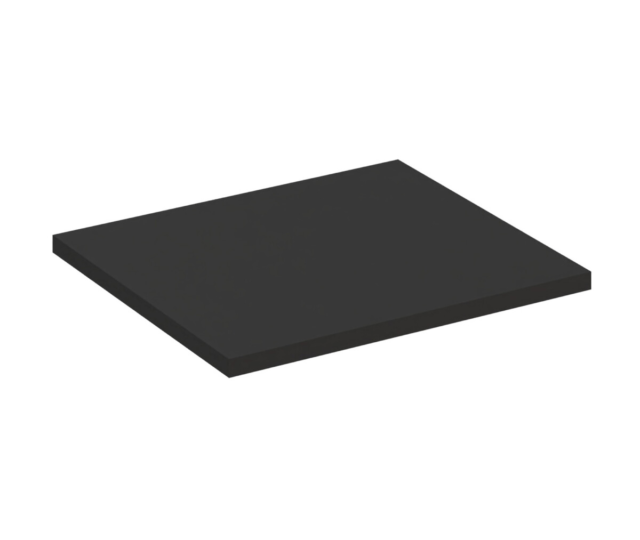 BLACK 89-60-46 L
Comad Black bathroom worktop 60 × 46 × 2.5 cm, matt black
Available to order37.11 € 3 × 12.37 € -
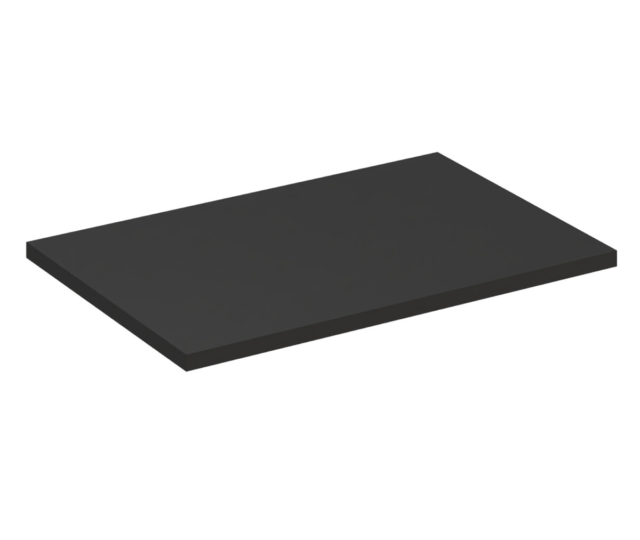 BLACK 89-80-46 L
Comad Black bathroom worktop 80 × 46 × 2.5 cm, matt black
Available to order46.31 € 3 × 15.44 €
Whether you’re renovating your old kitchen, planning to build a brand new home, or simply want to refresh the look of your bathroom, countertops are one of the most important and lasting investments you’ll make as a homeowner. A countertop is not just a horizontal surface to support things; it’s a real workhorse of the home, having to withstand daily chopping, hot pots, spilled coffee, and the constant humidity and cosmetics in the bathroom. Choosing the right countertop can seem like an overwhelming task at first glance, given the endless sea of materials, colors, and textures available on the market. In this comprehensive guide, we’ll dive deep into the world of different countertops. We’ll review the most popular countertop materials , explore their pros and cons, and share practical advice on how to choose the perfect surface for both your kitchen and bathroom. Read on to learn how to make a smart decision that will serve you flawlessly for decades and increase the value of your property. Why are high-quality worktops the heart of the home? As a homeowner, you probably already know that the kitchen and bathroom are the two rooms that sell houses and determine the comfort of everyday living. In these rooms, countertops are arguably the most heavily used elements. But how does one countertop affect the functionality and harmony of the entire room? How countertops affect the functionality of a room A lot happens on the kitchen worktop during the day . Heavy grocery bags are supported there, dough is rolled out there, vegetables are chopped (sometimes accidentally without a cutting board) and hot baking sheets are forgotten there. High-quality worktops must withstand all this without scratches, stains or cracks. A cheap and poor-quality worktop can show signs of wear and tear in just a few years: the edges of the laminate can swell due to moisture or the soft stone can turn matte due to acidic food products. In addition to physical durability, the worktop also dictates the ergonomics of the room. For example, the surface of a kitchen island must be spacious enough to allow comfortable cooking, while also being a social gathering place for family and friends. The right height, pleasant surface texture and easy-to-clean material make everyday tasks enjoyable. Visual harmony and increasing home value From a visual perspective, countertops tie together the design of the entire room. They are the bridge between the kitchen cabinets and the flooring. Imagine a snow-white minimalist kitchen, to which a natural oak countertop adds warmth, or a modern dark interior design, crowned by a dramatic natural marble. The choice of countertop gives the room character. A unique perspective that many designers emphasize is the reflection of light. A high-gloss stone countertop reflects light and makes a small room visually larger and brighter. A matte finish (such as brushed stone or ceramic) absorbs light, creating a cozier, more luxurious and intimate atmosphere. An investment in a durable and stylish countertop, such as quartz stone countertops , will always pay off, significantly increasing the market value of your property. The most popular countertop materials and their properties Material selection is arguably the most critical decision when ordering a new countertop. Each material has its own unique characteristics, maintenance requirements, and price range. Let's take a closer look at the most common choices that homeowners prefer today. Natural Stone (Granite and Marble) – Timeless Luxury Natural stone, especially granite, has been synonymous with luxury kitchens for decades. Granite is a volcanic rock that is exceptionally strong, scratch-resistant and heat-resistant. Since it is a natural material, each granite countertop is completely unique – no two identical patterns are found in nature. Marble, however, is the height of elegance. Its soft, flowing veins are a favorite of designers. But homeowners should be aware: marble is porous and soft. It scratches more easily and is very sensitive to acids (lemon juice, wine or vinegar can leave etching marks on the surface). Therefore, marble is more suitable for areas with less intensive use or for people who are not bothered by the natural "aging" and patina of stone. Quartz Stone – A Masterclass in Durability If you want the beauty of natural stone but don't want to deal with the maintenance, quartz stone countertops (man-made stone) are the perfect solution. Quartz is made from around 90-95% crushed natural quartz, bonded with polymer resins and pigments. The result is a non-porous, exceptionally durable and hygienic surface. It never needs to be specially treated and is highly stain resistant. However, it is worth remembering that quartz does not withstand extreme heat as well as ceramic or granite – you should not lift a hot pot directly from the stove onto quartz, as the resins can react and leave a light stain on the surface. Wood – Natural warmth and character Wood is a classic and breathable material that brings warmth and coziness to even the coldest and most modern spaces. Wood is easy to work with and matches different styles. In addition, wood has natural antibacterial properties. However, the biggest challenge for wood is moisture and heat. This material requires dedication: maintaining a wooden worktop includes regular (once a year or more often) oiling to protect it from drying out and water damage. The good news is that even if the wood gets damaged, it can be sanded down and re-oiled, making it look as good as new again. High Pressure Laminate (HPL) – Budget Friendly If you need to replace your worktop on a tighter budget, a laminate worktop is a sensible choice. Modern laminates are printed at high resolution and can very realistically imitate wood, stone and concrete. Laminate is maintenance-free and easy to clean. Its main weakness lies in the edges and joints – if moisture gets under the laminate layer (for example, around the sink), the chipboard inside can swell and ruin the surface. Ceramics and pressed stone – An innovative future Ceramic countertops (and ultra-compact surfaces like Dekton) represent the pinnacle of material technology. They are made by pressing minerals together under extreme heat and pressure. The result is a material that is absolutely heat-resistant (you can place a hot pan directly on the surface), 100% UV-resistant (won’t fade in the sun) and scratch-resistant. The downside of ceramic is its brittleness – a hard blow to the edge of the countertop with a heavy object can cause fragments to fly out. It is also one of the most expensive countertop materials on the market. How to choose the right countertop for the bathroom? The kitchen and bathroom environments are radically different. While in the kitchen we worry about hot pots and knife marks, in the bathroom the main enemies are constant moisture, water splashes and chemical beauty products such as hairspray, acetone and perfume. Therefore, bathroom surfaces require a slightly different approach. Moisture resistance is paramount In the bathroom, non-porous materials are the best choices. Quartz stone and ceramic are absolute winners here, as they do not absorb water or cosmetics, thus eliminating the formation of stains and the growth of bacteria. A moisture-resistant laminate with heavily laminated and properly sealed edges is also a good and more affordable alternative. Using wood in the bathroom is risky, but not impossible. If you dream of a wooden surface, it must be treated with a special boat varnish or a very high-quality wax/oil mixture that completely repels water. Of the natural stones, you should be careful with marble in the bathroom, as toothpaste and certain facial cleansers can damage its surface, leaving dull marks. However, marble or granite will add irreplaceable spa-like luxury to the room if you are prepared to maintain it regularly. Matching worktop: bathroom furniture and sink cabinet A countertop doesn’t just float in the bathroom – it needs a strong and stylish base. When planning a new bathroom, it’s crucial to ensure that the bathroom furniture you choose can support the weight of the countertop. Natural stone or quartz can be extremely heavy; if you place a thick stone countertop on top of a fragile wall-mounted cabinet, it may require special metal fasteners or a reinforced frame. To achieve the ideal result, countertops and, for example, a sink cabinet should be ordered or planned together. This ensures that the color of the countertop harmonizes with the cabinet facade and the dimensions (including the sink and plumbing cutouts) fit with millimetre precision. Monolithic designs are particularly popular at the moment, where the countertop and sink cabinet are in a similar shade, or vice versa – a strong contrast is created (for example, a matte black sink cabinet with a snow-white ceramic moisture-resistant countertop ). Worktop maintenance and longevity secrets Even the most durable countertops require some care to maintain their original beauty for decades. Maintenance requirements vary drastically depending on the material chosen. Daily cleaning by material For daily maintenance, the best tool for almost all surfaces is a soft microfiber cloth and warm water with a drop of neutral dishwashing detergent. Quartz and Ceramic: Very easy to maintain. Glass cleaner often gives them a nice shine (especially high-gloss quartz) while removing fingerprints. Natural Stone (Granite and Marble): Strictly avoid acidic cleaners (containing vinegar, lemon or bleach) and abrasive scrubbing pastes. These will etch the stone surface and remove its protective layer. Use only pH neutral cleaners designed for stone. Wood: Wipe up spills immediately. Caring for a wooden worktop avoids using excessive water. Always dry the surface after cleaning. Wood needs re-oiling at least 1-2 times a year to maintain its elasticity and moisture resistance. Test: drop water on the surface – if the water beads up, the wood is protected; if the water soaks in, it’s time to oil! How to remove stains and restore shine? When an accident happens, speed is your best friend. To remove tougher stains (such as turmeric or red wine) from quartz stone, special creamy, non-abrasive cleaners can be used. Dark water marks or scratches on wood can be removed by sanding along the grain with fine sandpaper and then re-oiling the surface. Natural stone that has absorbed grease or liquid requires a special compress (such as a paste of baking soda and water) to remove the stain, which draws the dirt out of the pores. Granite and marble must be re-treated with a special stone protector (impregnator) every 1-3 years. Planning and Installation: What the Homeowner Should Know The beauty and functionality of a countertop is nullified if its installation fails. While a skilled homeowner can do it themselves with laminate, professional countertop installation is critical for stone countertops. Taking the right measurements and templates Stone (quartz, ceramic, granite) cannot be bent or stretched on site. Therefore, measurements are only taken on site once the lower cabinets have been installed completely and level. Today, professionals use laser measurement, which creates an accurate 3D model of the room. This also takes into account uneven walls (which is common in old houses). Based on these digital templates, the surface is cut out precisely in the factory, minimizing dust and noise during installation. If you are planning to replace your countertop , keep in mind that there may be a 2-4 week waiting period between the removal of the old surface and the arrival of the new stone. Sink and hob integration One of the most important decisions in the planning phase is how to install the sink. Worktops offer different options here: Surface-mounted: The edge of the sink rests on a flat surface. Suitable for all materials, especially laminate. Undermount (Recessed): The sink is glued under the countertop. Cleaning is a breeze as crumbs can be wiped directly into the sink. Ideal for stone and ceramic. Flush-mount: The sink or hob is flush with the worktop (without a raised edge). Requires extreme precision in manufacturing and looks extremely luxurious. Quick summaries and recommendations Choose the material according to your lifestyle: If you cook a lot and intensively, prefer ceramic or quartz stone; if you value warmth, wood is the best choice. Quartz stone is a safe bet: It combines the beauty of natural stone with near-zero maintenance, being stain and scratch resistant. Only moisture-resistant materials for the bathroom: Avoid porous stone and unfinished wood; carefully match the countertop to the load-bearing capacity of the sink cabinet. Proper maintenance extends the lifespan: Wood requires regular oiling and natural stone impregnation, while quartz and laminate are limited to daily cleaning with a damp cloth. Professional installation is critical: Especially with stone countertops, laser measurement and specialist installation ensure a perfect and long-lasting result. Frequently asked questions Which worktop material is the most heat-resistant? Ceramic worktops and granite have the best heat resistance . These surfaces can usually be used to place a hot pot directly from the stove or oven without damaging the surface. A hot mat should always be used for quartz stone and laminate. How often should you oil a wooden worktop? The maintenance of a wooden worktop depends on the intensity of use, but a general rule of thumb is to oil the worktop 1-2 times a year. A new worktop may require more frequent oiling in the first month until the wood is fully saturated. Can I repair a scratched stone countertop? It depends on the stone. Fine scratches on granite and marble can be polished out on site by a professional using special diamond pads. Quartz stone countertops are so hard that they are difficult to scratch, but if they are severely damaged, repair is more difficult and requires special filling resins. What is the difference between an undermount and a countertop sink? The edge of a countertop sink rests on the countertop, which means that dirt can accumulate around it. An undermount sink is attached below the countertop, leaving the countertop smooth and allowing water and crumbs to be wiped directly into the sink. The latter option is only suitable for water-resistant countertops (stone, quartz, ceramic). How difficult is it to replace an existing countertop? Replacing a countertop is a relatively quick process (removing the old one and installing the new one takes 1-2 days), but it requires careful planning. Plumbing and electrical connections (sink, faucet, hob) must be disconnected first. If the lower cabinets are in good condition and level, a new countertop will give your kitchen or bathroom a completely new look with minimal effort.