
Mirror.
Imagine a room that feels a little too dark, a little too cramped, and somehow lifeless. What is this one magical design element that can instantly double the…
-
 AURA LU LED 120
Comad Aura LU LED bathroom mirror 120 × 80 cm
Available to order167.31 € 3 × 55.77 € -
 BROOKLIN 840 FSC
Comad Brooklin mirror 60 × 75 cm, matt black
Available to order169.36 € 3 × 56.45 € -
 LUSTRO JULIET 120
Comad Juliet mirror 120 × 70 cm
Available to order207.39 € 3 × 69.13 € -
 LUSTRO JULIET 60
Comad Juliet mirror 60 × 70 cm
Available to order153.45 € 3 × 51.15 € -
 LUSTRO JULIET 80
Comad Juliet mirror 80 × 70 cm
Available to order169.26 € 3 × 56.42 € -
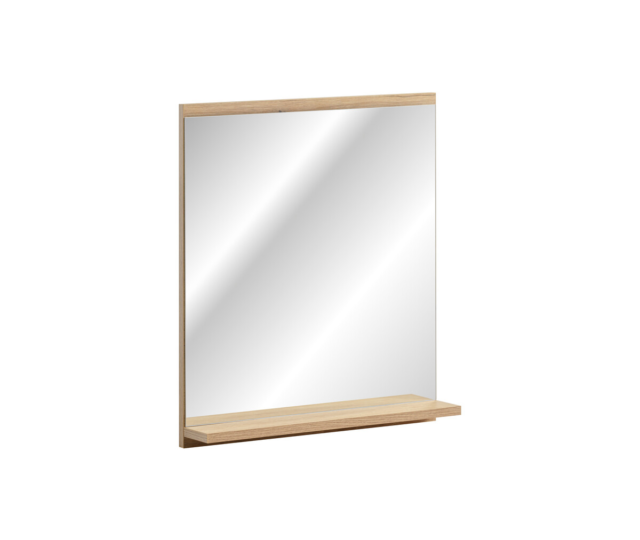 NOVA OAK A 84-50
Comad Nova Oak mirror 50 × 57 cm, Coast Evoke oak and mirror
Available to order57.85 € 3 × 19.28 € -
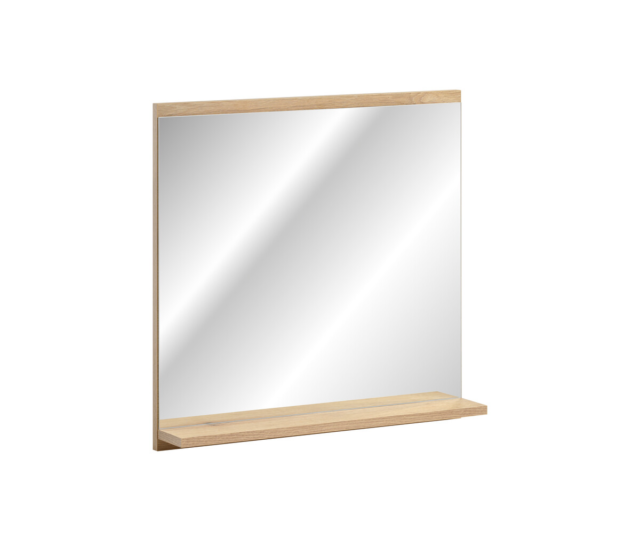 NOVA OAK A 84-60
Comad Nova Oak mirror 60 × 57 cm, Coast Evoke oak
Available to order64.36 € 3 × 21.45 € -
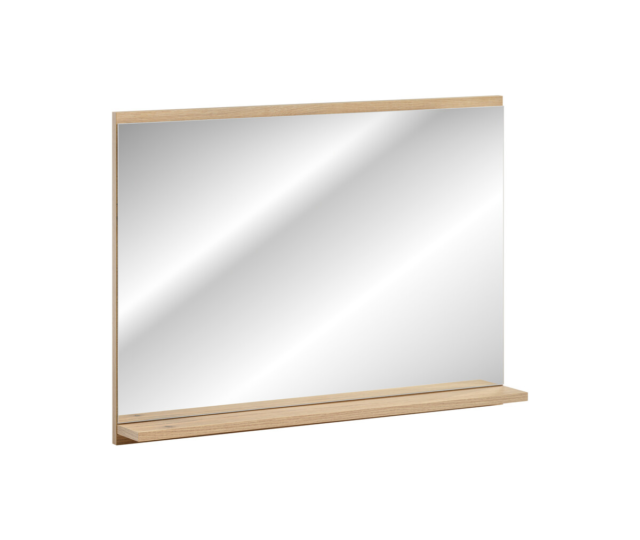 NOVA OAK A 84-80
Comad Nova Oak mirror 80 × 57 cm, Coast Evoke oak
Available to order76.45 € 3 × 25.48 € -
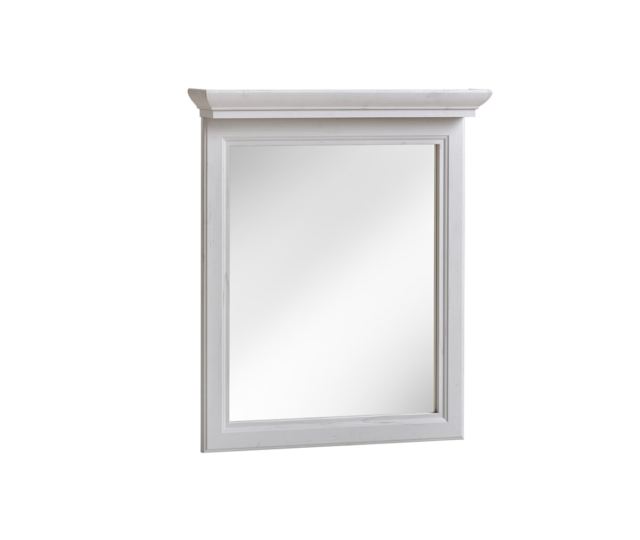 PALACE WHITE 840 -60CM FSC
Comad Palace White mirror 65 × 76 cm, white
Available to order103.96 € 3 × 34.65 € -
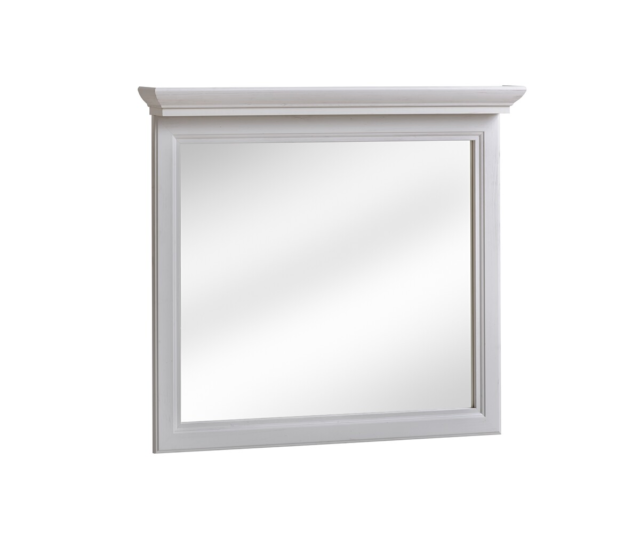 PALACE WHITE 841 -80CM FSC
Comad Palace White mirror 85 × 76 cm, white
Available to order116.51 € 3 × 38.84 € -
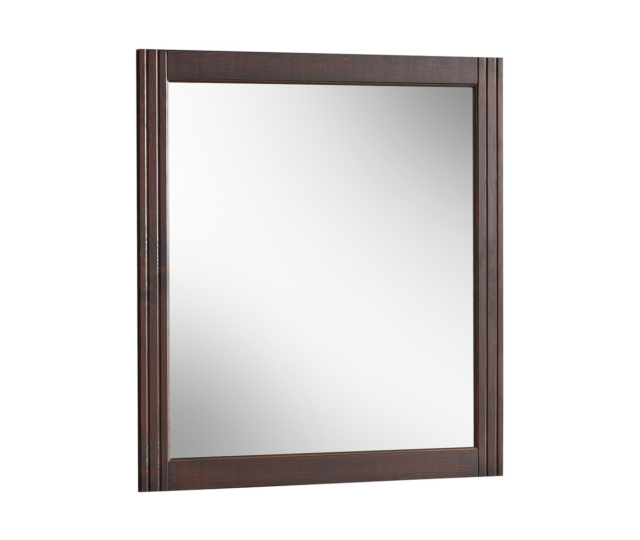 RETRO 840 FSC
Comad Retro mirror 73 × 80 cm, brown
Available to order66.03 € 3 × 22.01 € -
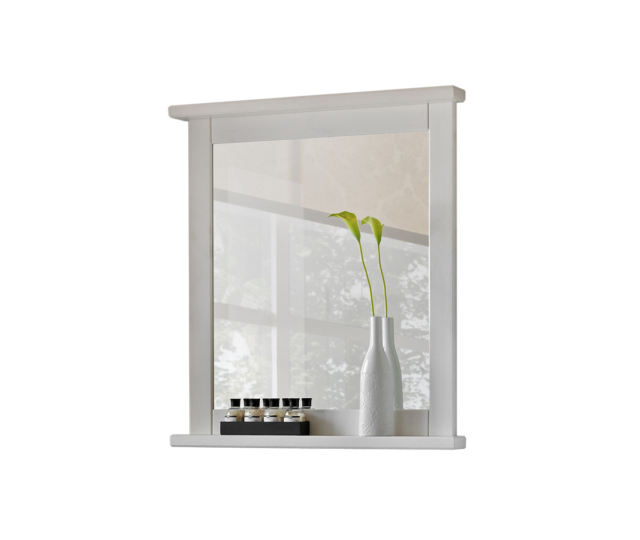 ROMANTIC 840
Comad Romantic mirror 70 × 80 cm, white
Available to order80.91 € 3 × 26.97 € -
 NIL_E8LA
Deante Lehnen tilting bathroom mirror 600 × 450 mm, left
Supplier stock · 4 pcs466.49 € 3 × 155.50 € -
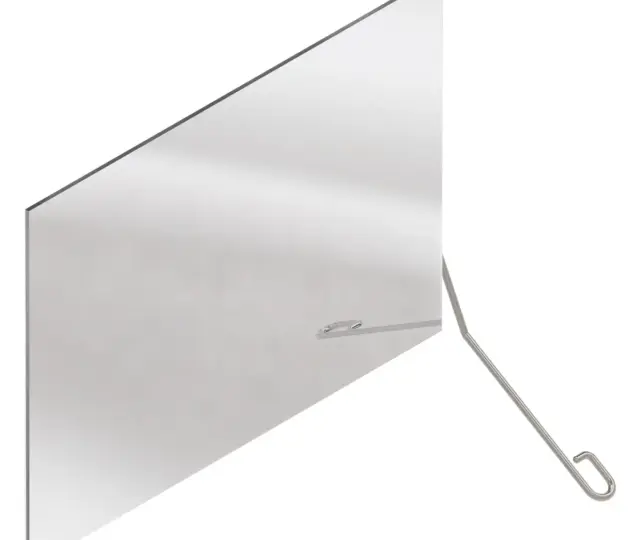 NIL_E8PA
Deante Lehnen tilting bathroom mirror 600 × 450 mm, right
Available to order466.49 € 3 × 155.50 € -
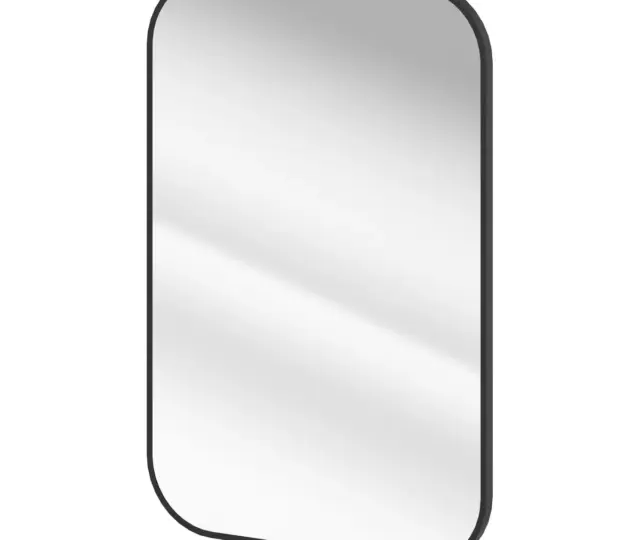 ADM_N801
Deante Mokko rectangular bathroom mirror 500 × 750 mm, matt black frame
Supplier stock · 12 pcs128.12 € 3 × 42.71 € -
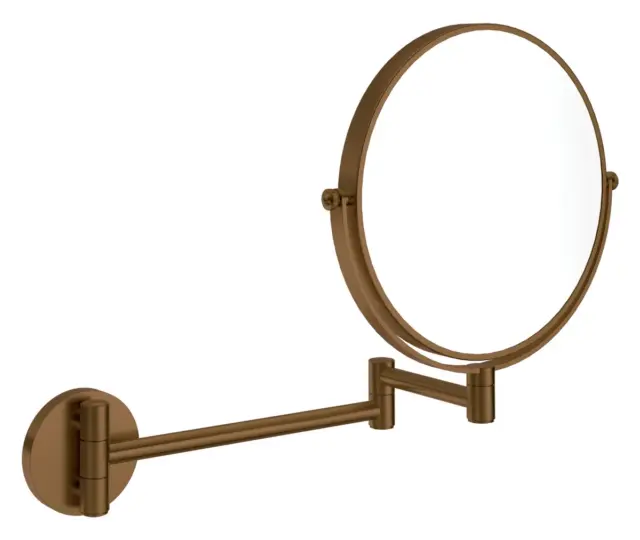 ADR_C811
Deante Round double-sided cosmetic mirror with hinged arm 232 × 282 mm, brushed bronze
Available to order151.45 € 3 × 50.48 € -
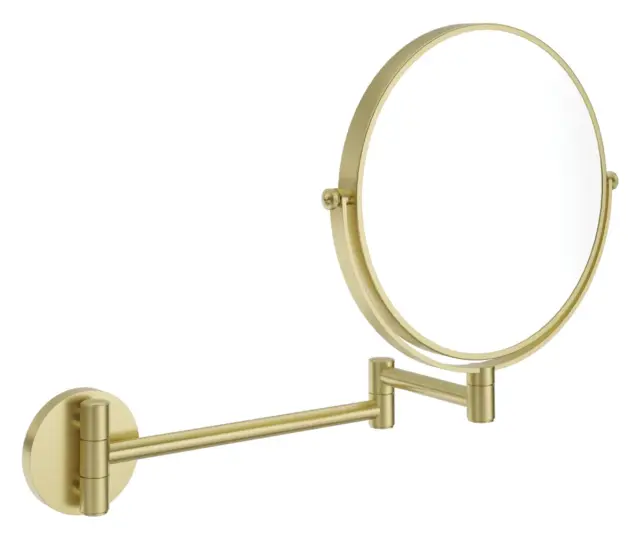 ADR_R811
Deante Round double-sided cosmetic mirror with hinged arm 232 × 282 mm, brushed gold
Supplier stock · 39 pcs151.45 € 3 × 50.48 € -
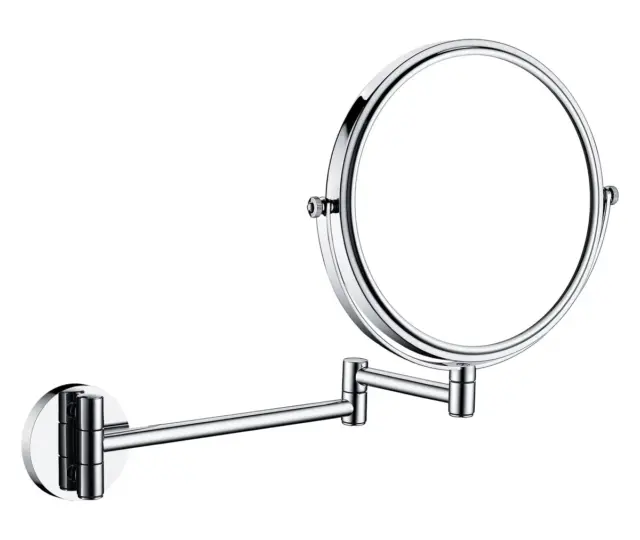 ADR_0811
Deante Round double-sided cosmetic mirror with hinged arm 232 × 282 mm, chrome
Supplier stock · 72 pcs97.77 € 3 × 32.59 € -
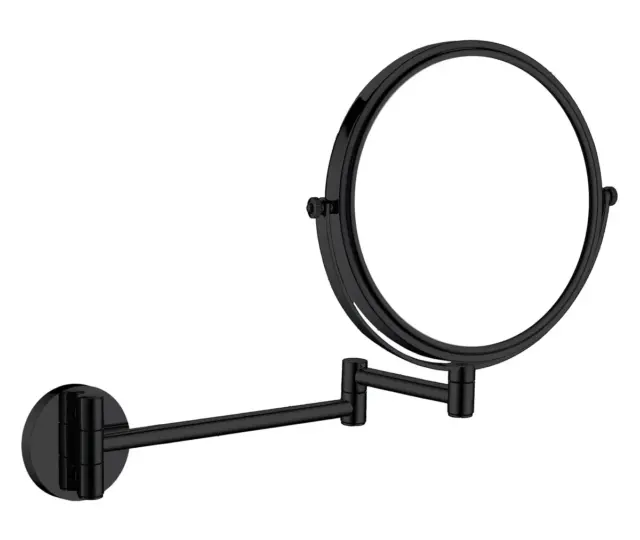 ADR_N811
Deante Round double-sided cosmetic mirror with hinged arm 232 × 282 mm, matt black
Supplier stock · 100+ pcs116.45 € 3 × 38.82 € -
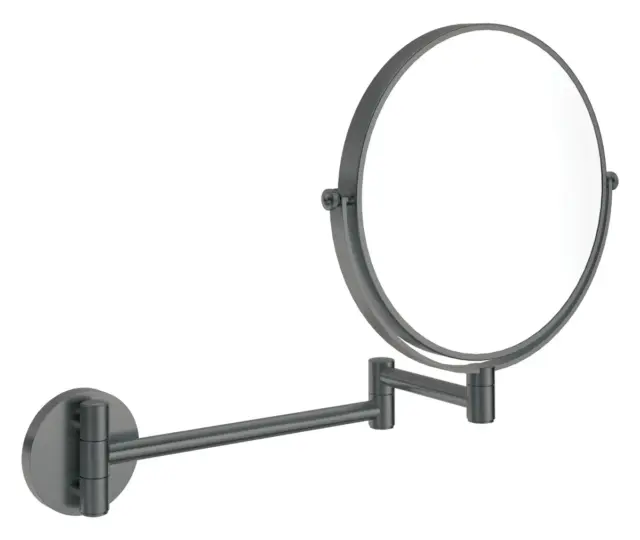 ADR_D811
Deante Round double-sided cosmetic mirror with hinged arm 232 × 282 mm, titanium
Supplier stock · 49 pcs151.45 € 3 × 50.48 € -
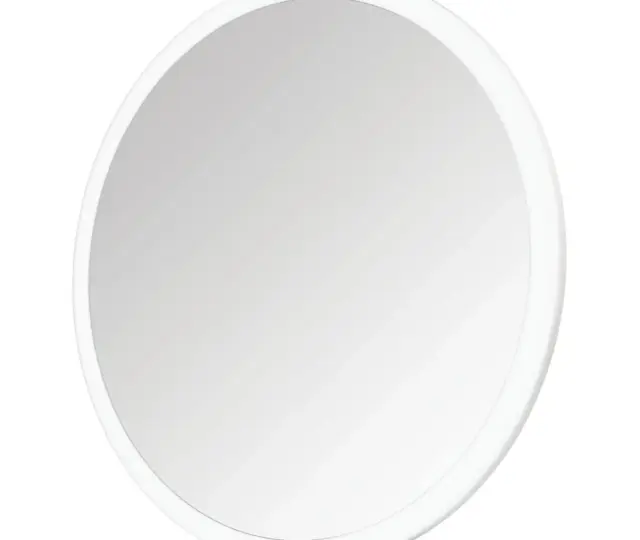 ADR_0821
Deante Round magnetic cosmetic mirror with LED lighting 220 × 220 mm, chrome
Supplier stock · 100+ pcs139.79 € 3 × 46.60 € -
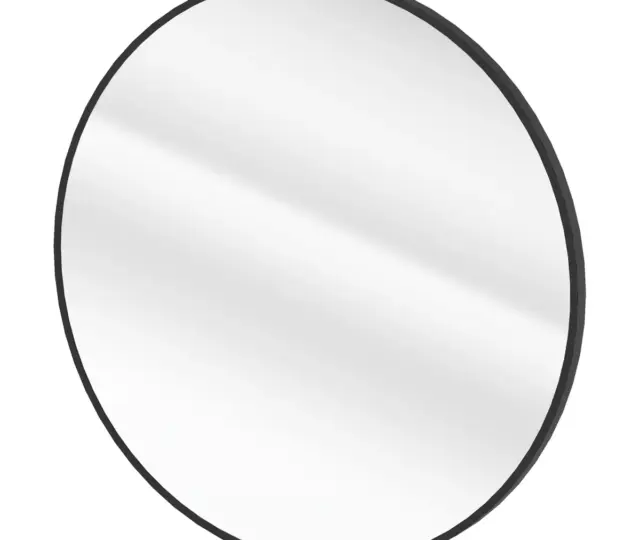 ADR_N831
Deante Round Ø600 mm round bathroom mirror, matt black frame
Supplier stock · 100+ pcs123.45 € 3 × 41.15 € -
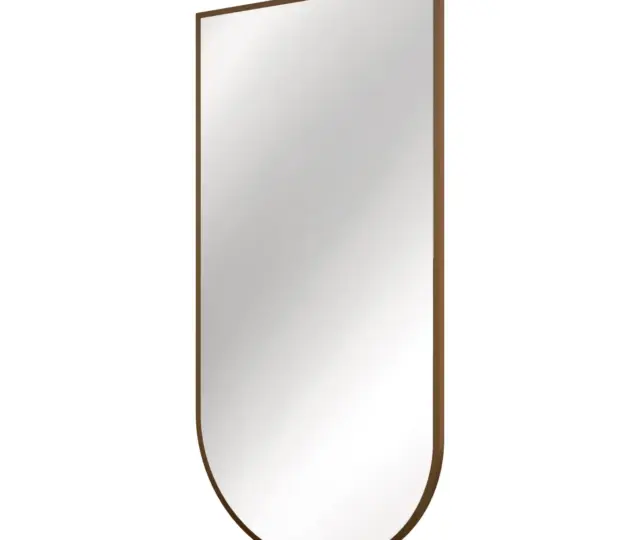 ADI_C851
Deante Silia asymmetric bathroom mirror 500 × 1000 mm, brushed bronze finish frame
Available to order170.12 € 3 × 56.71 € -
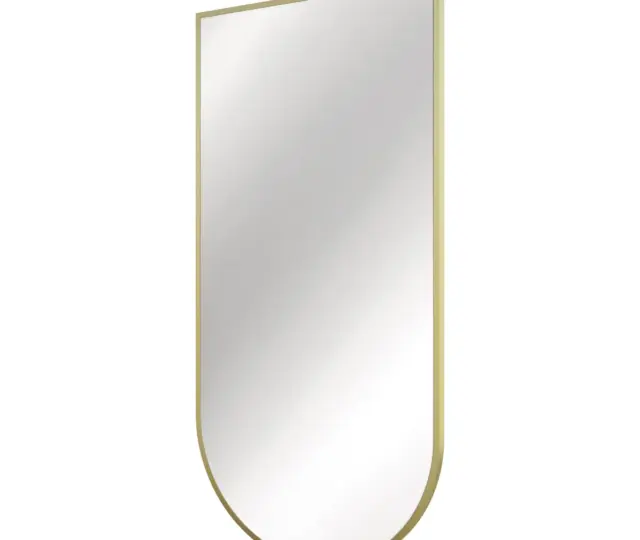 ADI_R851
Deante Silia asymmetric bathroom mirror 500 × 1000 mm, brushed gold finish frame
Supplier stock · 100+ pcs170.12 € 3 × 56.71 €
Imagine a room that feels a little too dark, a little too cramped, and somehow lifeless. What is this one magical design element that can instantly double the amount of light, create the optical illusion of space, and add character to an interior? The right answer is, of course, a mirror . It’s no longer just a tool for fixing your hair in the morning; it’s one of the most powerful tools a homeowner and interior designer can use to change the mood and proportions of a room. In this comprehensive guide, we’ll dive into the sparkling world of mirrors. Whether you’re renovating a newly purchased house or simply looking to give your current home a breath of fresh air, this article will help you make smart choices. We’ll find out which bathroom mirror is moisture-resistant, why LED mirrors have become an absolute hit, and how the right wall mirror can transform even the narrowest hallway into a spacious gallery. We talk honestly about materials, share practical installation tips, and reveal interior designer secrets on how one carefully selected mirror can increase the visual value of your entire property. Why is the right mirror so important in home design? We all know that a mirror reflects our own image. But as a homeowner, it's worth understanding that a piece of mirrored glass hanging on a wall does much more in a room – it's an active architectural element that interacts with both the light and the geometry of the room. Creating space and light in a room One of the main reasons why interior designers love to use large mirrors is their ability to manipulate the perception of space and light. When you strategically place a large mirror in the right place, both natural daylight and artificial light bounce back into the room, instantly making the room brighter and airier. This is a lifesaver in small apartments or houses with low ceilings. Unique interior design tip: It is often believed that for the greatest lighting effect, a mirror should be placed directly against a window. In reality, however, it is much more clever to place it on the wall adjacent to the window! A mirror directly opposite a window will simply reflect the light back out of the window and can create a blinding glare, while a designer mirror on the side wall will capture the light and diffuse it softly deeper into the room. Mirror as an independent design element In addition to its practical function, a mirror is a powerful decorative detail. An antique mirror with a rich frame can be a dramatic focal point in a minimalist living room, while frameless, modern glass with clean-cut edges supports Scandinavian simplicity. It's like a work of art, "painting" your own carefully designed home. Different tinted glasses – such as bronze or smoky gray mirrors – bring a luxurious and warm atmosphere to the room, acting more as mood-makers than as practical objects. How to choose a mirror for different rooms? Each room in your home has its own specific purpose, and therefore different rooms have different technical and visual requirements for mirrors. What is perfect for a hallway may not hold up at all in a bathroom. Bathroom mirror and moisture resistance The bathroom is the harshest environment in the home. Constant humidity, temperature fluctuations and water splashes mean that the bathroom mirror must be specially treated. The silver layer on the back of cheap mirrors quickly begins to oxidize when exposed to moisture, creating unsightly black stains on the edges of the mirror. Therefore, always invest in a high-quality moisture-resistant mirror or choose a practical and space-saving mirror cabinet that also hides all your daily cosmetics and clutter behind it. When planning a bathroom, it is crucial to observe harmony with other furniture. Make sure that your new mirror fits perfectly with the selected bathroom furniture , creating a unified and stylish whole in the room. Hallway mirror – practicality meets style The hallway is the calling card of your home – it’s the first thing you see when you enter and the last thing you see before you leave. A hallway mirror should be practical above all else. Ideally, it should be full-length (at least 120-150 cm high) so you can check your outfit from head to toe before you step out the door. In narrow hallways, a full-length wall mirror is indispensable, as it creates the illusion of a wider corridor, making an otherwise claustrophobic space feel inviting and spacious. Focal points for the living room and bedroom In the living room and bedroom, the emphasis is more on design. In the bedroom, soothing, rounded shapes are often preferred, or even massive floor mirrors leaning against the wall, which add a bohemian luxury to the room. In the living room, a framed mirror placed above the fireplace mantel is a true classic, attracting the eye and visually tying the seating area together. Shapes and Styles: Round Mirror vs. Square Shape is just as important as size when choosing a mirror. Different geometric shapes subconsciously convey different messages and influence how we perceive the architecture of a space. Modern minimalism and rounded shapes The biggest trend in interior design in recent years is undoubtedly the round mirror . Why is it so popular? Modern homes are often full of sharp corners and straight lines – square kitchen cabinets, rectangular doors, televisions and worktops. A large round mirror breaks up this strict geometry, bringing softness, fluidity and organicity to the space. It is soothing to the eye and creates a nice spa-like atmosphere, especially in the bathroom. Oval and asymmetrical (so-called teardrop) mirrors, however, add an unexpected and playful twist to the interior. Classic framed mirror and angular shapes A rectangular or square mirror represents order, structure and tradition. If you have a large bathroom with double sinks, a single large rectangular mirror is often the most practical choice, providing maximum reflection. However, a mirror with a rich frame (such as a solid wood frame or baroque gold ornament) is a statement piece in its own right . It does not try to blend into the space, but demands attention, being an ideal choice for a classic or vintage -style interior. Illuminated mirrors and smart solutions Technological developments have not left sanitary and home design untouched. A modern mirror can be a smart device that makes your daily beauty rituals many times more convenient. LED mirror – functionality and mood The LED mirror , or illuminated mirror, is a real revolution in bathrooms. Unlike traditional wall or ceiling lights, which often cast harsh and unnatural shadows on the face (making it difficult to apply makeup or shave), lighting integrated directly into the mirror provides even, direct light directed at the face. Many models can be adjusted in both the intensity (dimmer) and color temperature – from warm, cozy light for a relaxing bath to cold, bright light for precision work. In order to achieve the ideal balance of light in a room, it is very important to understand how [bathroom mirror lighting floor tiles] and the texture of the entire room are highlighted. The right number of lumens (luminosity) at the mirror ensures that the room is practical but not dazzling, creating a harmonious dialogue with the light floor tiles. Mirror heating and fog-free solutions Who wouldn't be familiar with the situation where the entire bathroom mirror is thickly fogged up after a hot shower? Wiping the fog with a towel leaves unsightly streaks on the glass. A smart solution is a heating pad (defogger) integrated into the back of the mirror. This gently warms the surface of the mirror, preventing condensation from forming. You step out of the shower and your bathroom mirror is crystal clear – a small detail that gives your home the feel of a luxurious five-star hotel! Mirror Installation and Safety for the Homeowner You've found the perfect model, but now comes the technical part. Installing the mirror is a step where you can't make any compromises, especially when it comes to large and heavy glass. Choosing the right height and location Golden rule for homeowners: the center of the mirror should be at about eye level for the average user (approximately 150-160 cm from the floor). In the bathroom, the mirror is usually installed 15-20 cm above the edge of the sink to avoid constant water splashes on the glass. When installing a full-length mirror in the hallway, make sure that the top edge of the mirror is higher than the head of the tallest member of the family, and the bottom edge reaches at least knee height so that the entire figure is comfortably visible. Fasteners and safety of heavy mirrors Unique perspective: Often, mirrors are hung using a rope or wire that is attached to both sides of the frame. However, for large and heavy mirrors, experts strongly recommend using a Z-profile (so-called French cleat ) . This is a solution where one metal profile is attached along the entire length of the wall and the other to the back of the mirror. This distributes the weight evenly on the wall and prevents the mirror from "sinking" over time. If you are installing a mirror on a plaster wall, it is absolutely mandatory to find a wooden or metal frame behind the wall, or use special high-load plaster anchors. A wall mirror is very heavy and its falling is a direct threat to the safety of your family! How to properly maintain a mirror? In order for your new mirror to retain its shine for decades, proper mirror cleaning is critical . The biggest mistake people make is spraying harsh window cleaners (especially those containing ammonia) directly onto the mirror surface. The liquid quickly runs down and seeps into the edges of the mirror, where it begins to quietly destroy the silver layer behind, causing the mirror to "rust". The correct technique is as follows: always spray the cleaner onto a soft microfiber cloth first, not directly onto the mirror. Clean the glass in circular motions and dry the edges immediately. This will keep your mirror glass flawless and shiny for many years. Quick summaries More light and space: A strategically placed large mirror (for example, on a side wall catching the light from a window) will visually make the room many times larger. Match the room: In humid conditions, always prefer a special bathroom mirror or a smart mirror cabinet , but for the hallway, choose a practical full-length model. Geometry matters: In a modern interior with sharp corners, a round mirror brings softness and harmony to the space. Smart features: LED mirror and integrated mirror heating (fog-free solution) make morning routines luxuriously comfortable. Safety first: Always install the mirror safely – for heavy mirrors, use drywall anchors or Z-profiles and do not rely on regular wire fastening. Frequently asked questions How do I keep my bathroom mirror from fogging up if I don't have a heated mirror? The easiest home trick is to lightly rub the bathroom mirror with a dry bar of soap or apply a thin layer of shaving foam and then wipe it completely clean with a microfiber cloth. This leaves an invisible protective layer on the glass that prevents fogging for a couple of weeks. How big should a mirror be above a bathroom sink? The golden rule is that a mirror should be either as wide as the sink cabinet or a few inches narrower. It should never be wider than the cabinet below, as this will make the proportions of the room "heavy" and visually unbalanced. Can I install an LED mirror myself or do I need an electrician? If the mirror is connected directly to a 230V electrical network coming from the wall (without a regular plug), the work must be carried out by a licensed electrician according to safety regulations, especially in the bathroom (wet room). You can install and connect models with a plug yourself. What is mirror silver disease (black edges) and how can you prevent it? Black edges occur when moisture or harsh chemicals get between the paint that protects the silver layer on the back of the mirror and cause it to oxidize. To avoid this, keep the room well ventilated and always spray the product onto a cloth when cleaning the mirror , not directly onto the edges of the glass. How to hang a heavy mirror on drywall? Never use regular nails or plastic dowels on drywall. Use special metal drywall anchors (like Molly's) that open behind the drywall and distribute the weight. It's even safer to find a framing post that supports the drywall and attach the mirror directly to it.