
Shower channel and drain.
Renovating a bathroom is an exciting but often stressful journey. As a homeowner, you are faced with dozens of decisions – which tiles to choose, which lighting is…
-
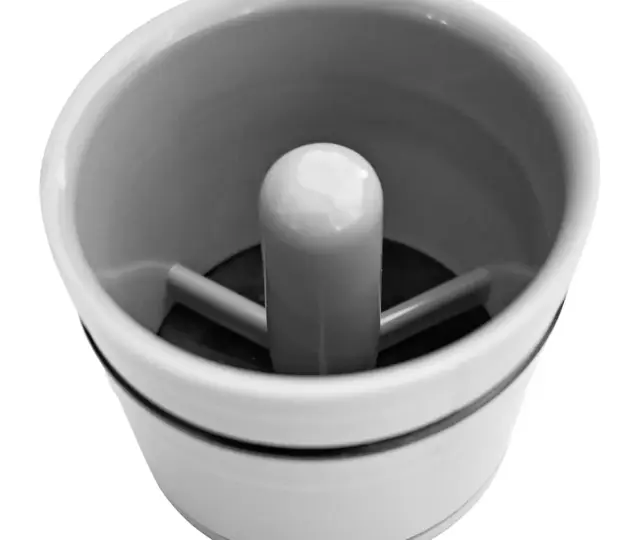 KXYY9936
Deante KXY_9936 wet/dry trap insert, grey
Supplier stock · 12 pcs16.11 € -
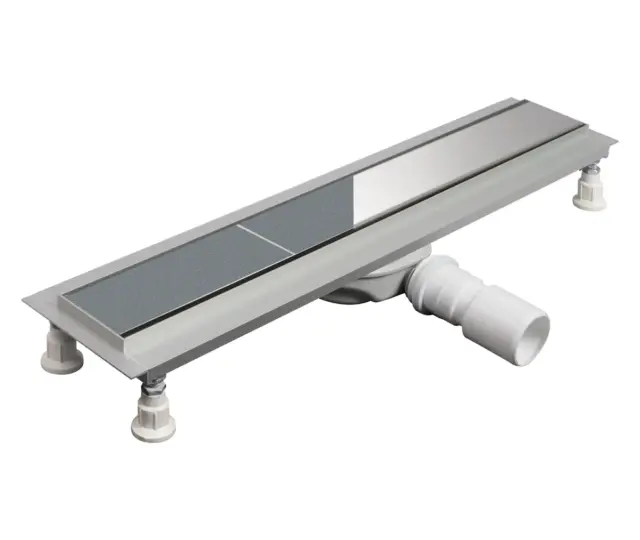 KNS_005D
Deante Neo linear shower drain with reversible grate 50 cm, chrome
Supplier stock · 100+ pcs104.78 € 3 × 34.93 € -
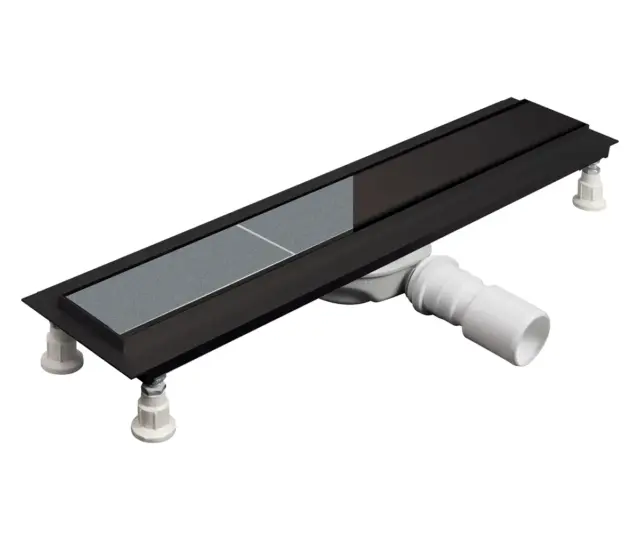 KNS_N05D
Deante Neo linear shower drain with reversible grate 50 cm, matt black
Supplier stock · 100+ pcs104.78 € 3 × 34.93 € -
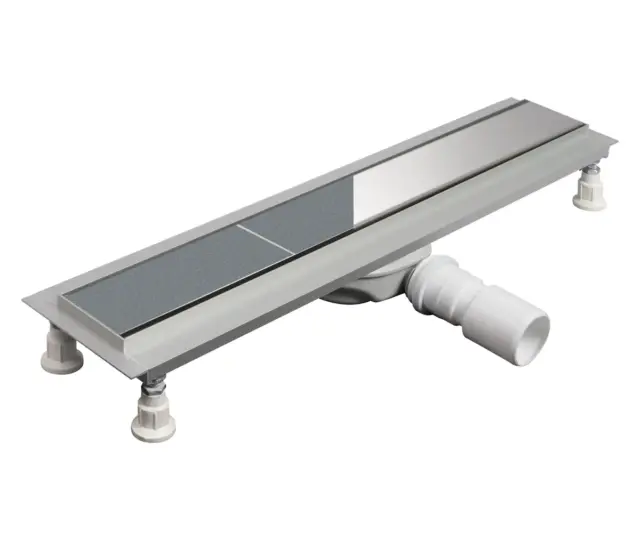 KNS_006D
Deante Neo linear shower drain with reversible grate 60 cm, chrome
Supplier stock · 100+ pcs116.45 € 3 × 38.82 € -
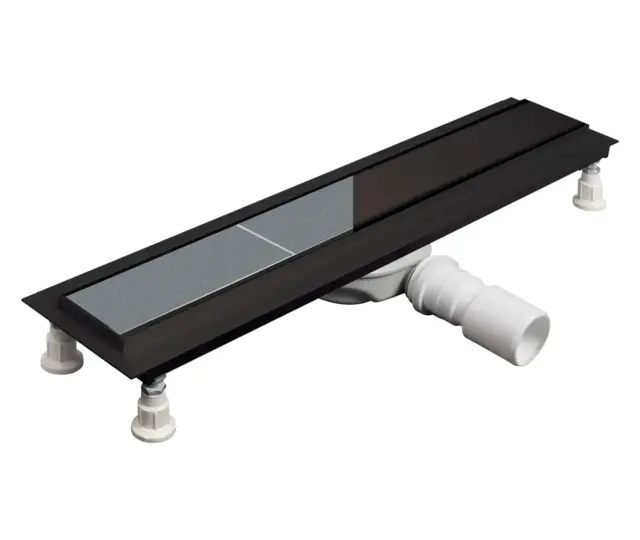 KNS_N06D
Deante Neo linear shower drain with reversible grate 60 cm, matt black
Supplier stock · 100+ pcs116.45 € 3 × 38.82 € -
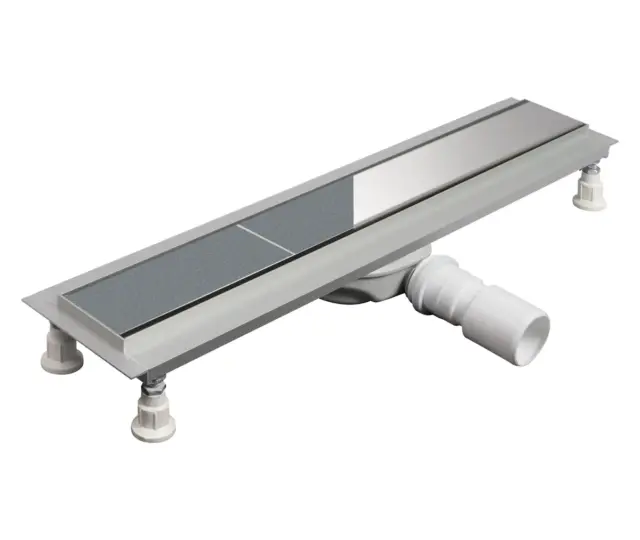 KNS_007D
Deante Neo linear shower drain with reversible grate 70 cm, chrome
Supplier stock · 45 pcs128.12 € 3 × 42.71 € -
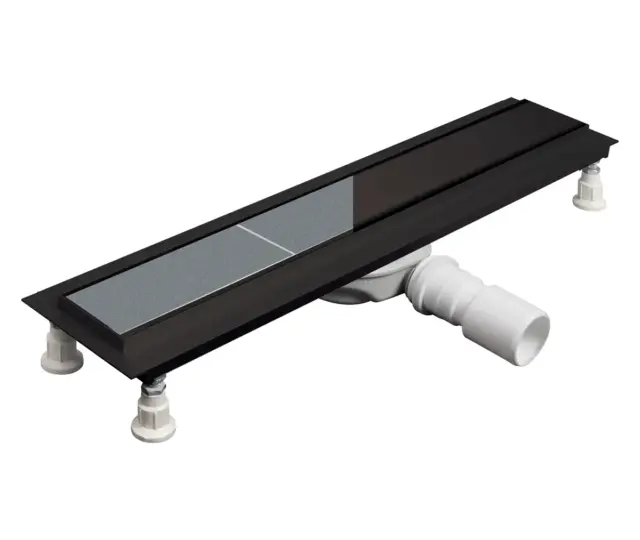 KNS_N07D
Deante Neo linear shower drain with reversible grate 70 cm, matt black
Supplier stock · 100+ pcs128.12 € 3 × 42.71 € -
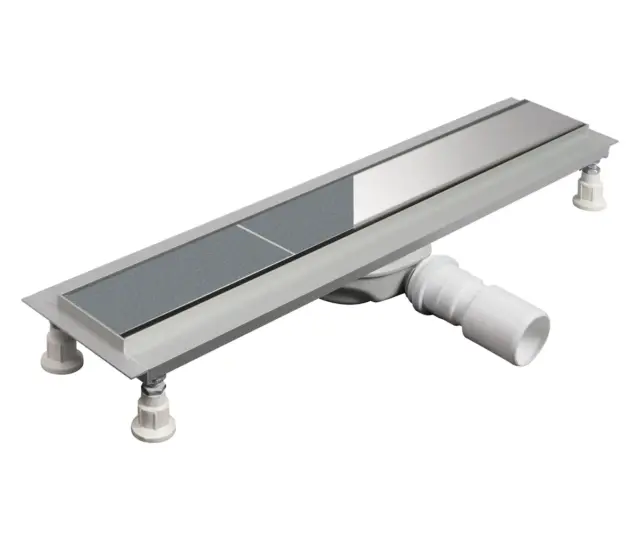 KNS_008D
Deante Neo linear shower drain with reversible grate 80 cm, chrome
Supplier stock · 100+ pcs139.79 € 3 × 46.60 € -
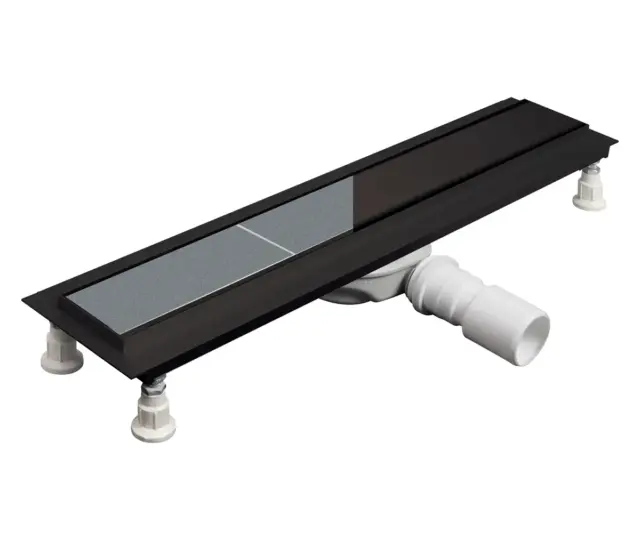 KNS_N08D
Deante Neo linear shower drain with reversible grate 80 cm, matt black
Supplier stock · 100+ pcs139.79 € 3 × 46.60 € -
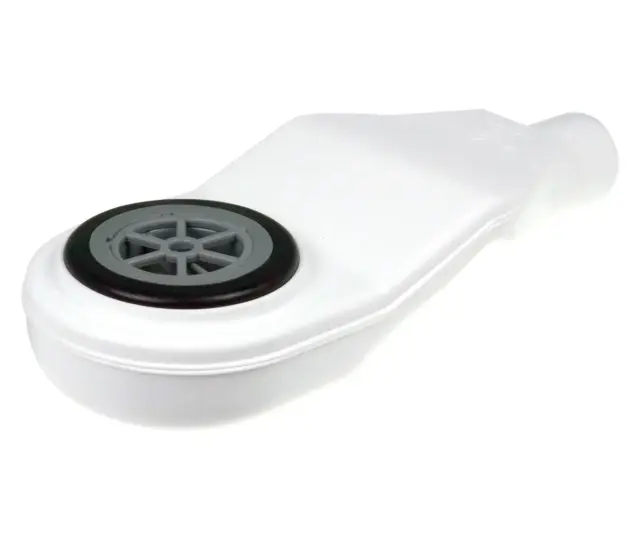 KXY_9936
Deante shower channel trap 40 mm, white
Supplier stock · 10 pcs23.31 € 3 × 7.77 € -
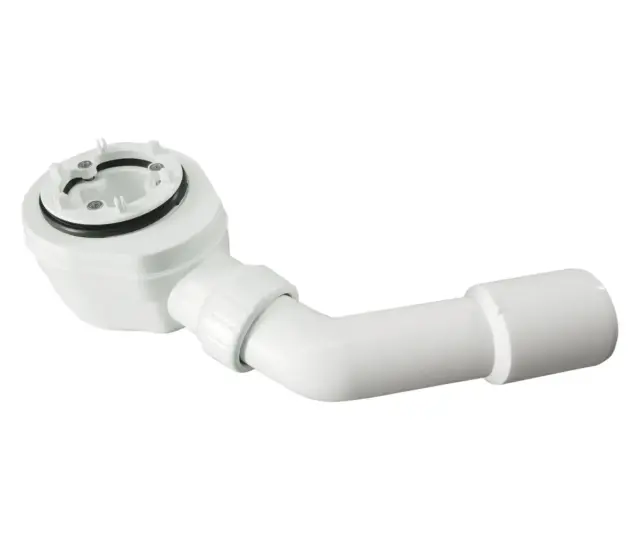 KXY_9956
Deante shower channel trap 50 mm, white
Supplier stock · 37 pcs8.87 € -
SOODUS -24%
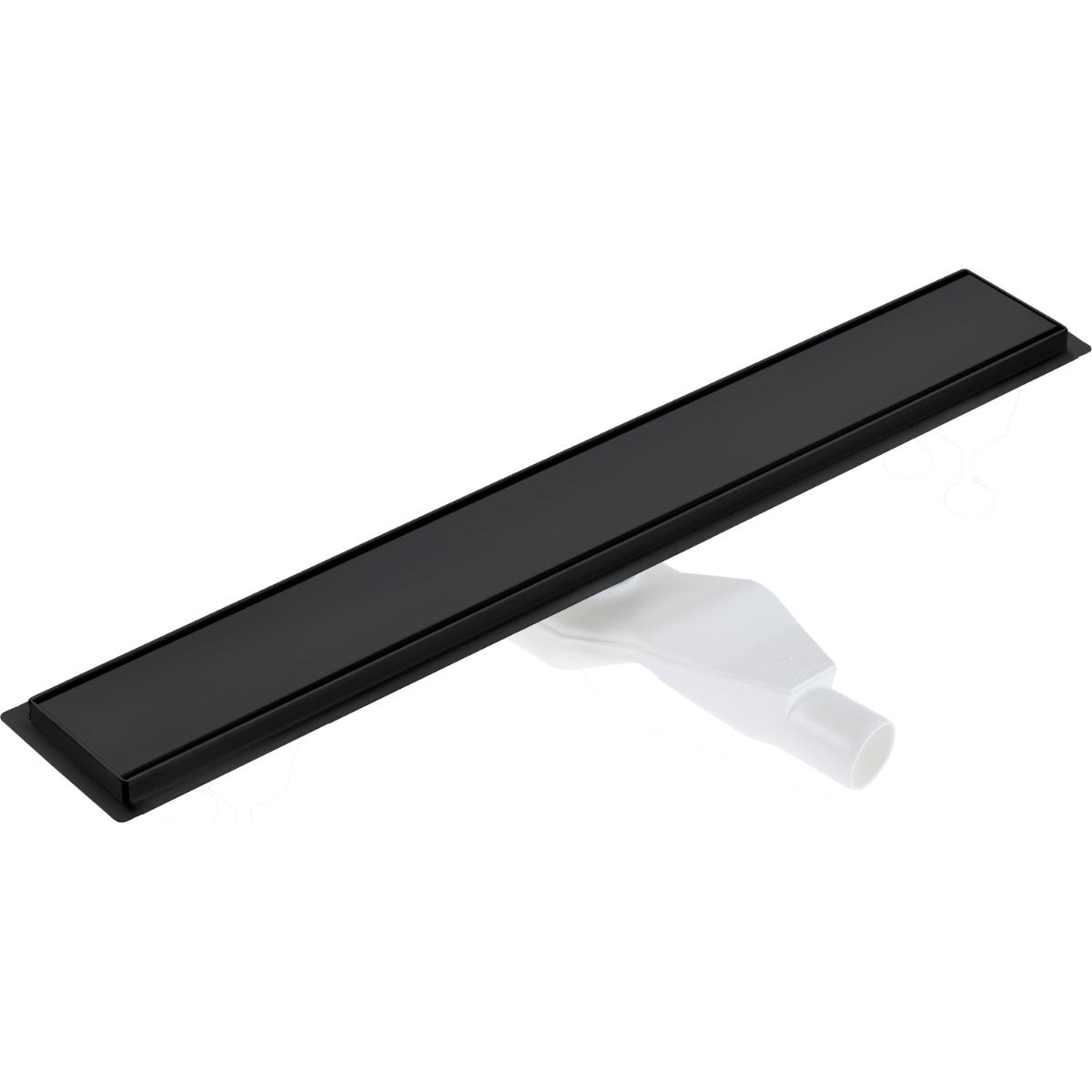 KOS_N10D
Shower channel with drain and reversible cover 100 cm, Deante black
Supplier stock · 90 pcsOriginal price was: 177.12 €.133.90 €Current price is: 133.90 €. 3 × 44.63 € -
SOODUS -20%
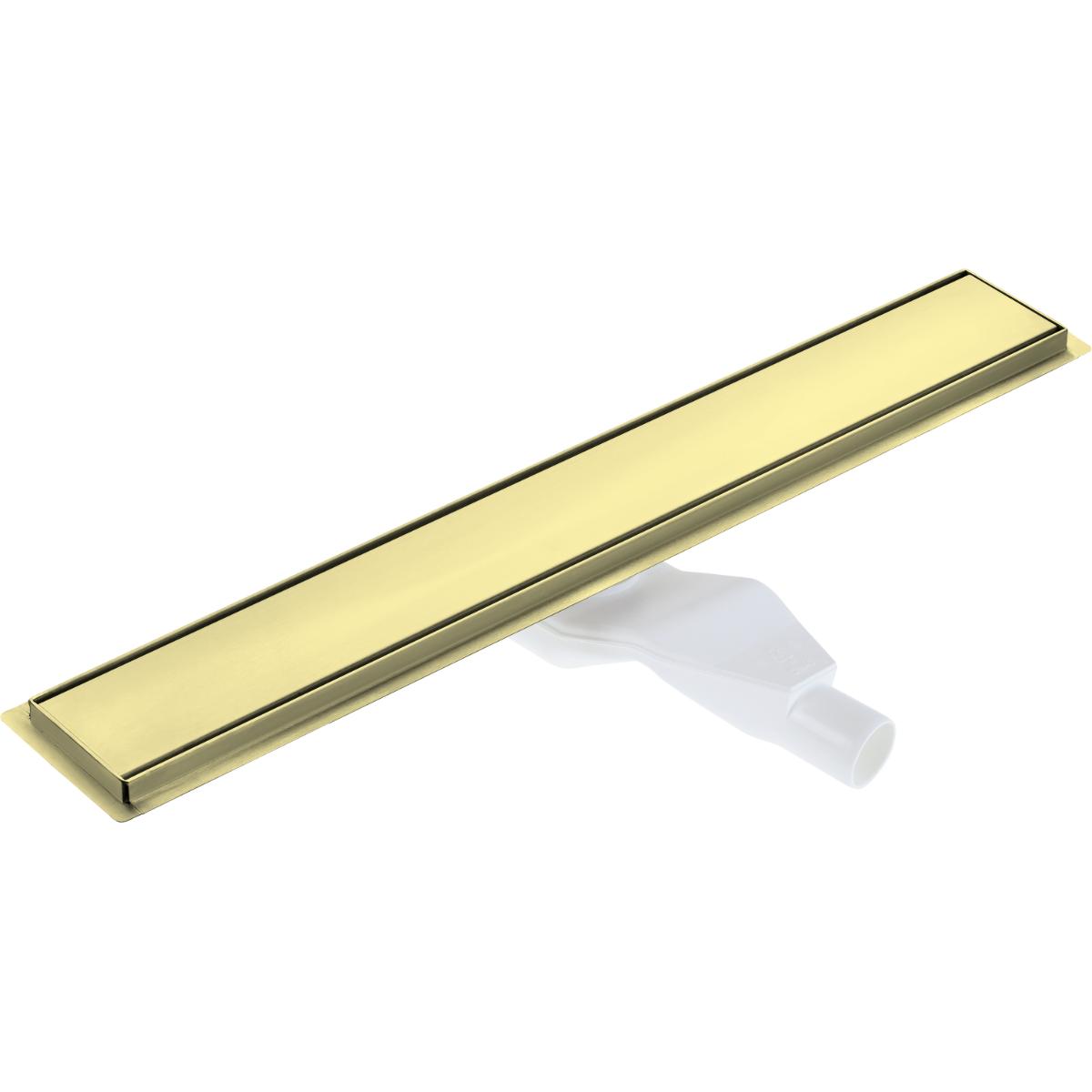 KOS_R10D
Shower channel with drain and reversible cover 100 cm, Deante brushed gold
Supplier stock · 20 pcsOriginal price was: 286.80 €.229.44 €Current price is: 229.44 €. 3 × 76.48 € -
SOODUS -25%
 KOS_010D
Shower channel with drain and reversible cover 100 cm, Deante brushed steel
Supplier stock · 100+ pcsOriginal price was: 163.12 €.122.90 €Current price is: 122.90 €. 3 × 40.97 € -
SOODUS -24% KOS_N06D
Shower channel with drain and reversible cover 60 cm, Deante black
Supplier stock · 100+ pcsOriginal price was: 149.12 €.112.90 €Current price is: 112.90 €. 3 × 37.63 € -
SOODUS -24% KOS_R06D
Shower channel with drain and reversible cover 60 cm, Deante brushed gold
Supplier stock · 26 pcsOriginal price was: 240.14 €.181.90 €Current price is: 181.90 €. 3 × 60.63 € -
SOODUS -24% KOS_006D
Shower channel with drain and reversible cover 60 cm, Deante brushed steel
Supplier stock · 100+ pcsOriginal price was: 139.79 €.105.90 €Current price is: 105.90 €. 3 × 35.30 € -
SOODUS -24% KOS_N07D
Shower channel with drain and reversible cover 70 cm, Deante black
Supplier stock · 100+ pcsOriginal price was: 158.45 €.119.90 €Current price is: 119.90 €. 3 × 39.97 € -
SOODUS -24% KOS_R07D
Shower channel with drain and reversible cover 70 cm, Deante brushed gold
Available to orderOriginal price was: 251.79 €.190.90 €Current price is: 190.90 €. 3 × 63.63 € -
SOODUS -25% KOS_007D
Shower channel with drain and reversible cover 70 cm, Deante brushed steel
Supplier stock · 100+ pcsOriginal price was: 144.45 €.108.90 €Current price is: 108.90 €. 3 × 36.30 € -
SOODUS -25% KOS_N08D
Shower channel with drain and reversible cover 80 cm, Deante black
Supplier stock · 100+ pcsOriginal price was: 163.12 €.122.90 €Current price is: 122.90 €. 3 × 40.97 € -
SOODUS -20% KOS_R08D
Shower channel with drain and reversible cover 80 cm, Deante brushed gold
Supplier stock · 27 pcsOriginal price was: 263.46 €.210.78 €Current price is: 210.78 €. 3 × 70.26 € -
SOODUS -24% KOS_008D
Shower channel with drain and reversible cover 80 cm, Deante brushed steel
Supplier stock · 100+ pcsOriginal price was: 149.12 €.112.90 €Current price is: 112.90 €. 3 × 37.63 € -
SOODUS -25% KOS_N09D
Shower channel with drain and reversible cover 90 cm, Deante black
Supplier stock · 83 pcsOriginal price was: 172.46 €.129.90 €Current price is: 129.90 €. 3 × 43.30 €
Renovating a bathroom is an exciting but often stressful journey. As a homeowner, you are faced with dozens of decisions – which tiles to choose, which lighting is best, and how to arrange furniture. In this chaos, one of the most important but often overlooked details tends to take a back seat: water drainage. The right shower drain and trap is not just a hole in the floor; it is a system that keeps your bathroom dry, protects against water damage, and directly dictates which floor tiles you can use. Should you prefer a traditional floor drain or invest in a modern linear drain or shower channel? Both solutions have their own clear advantages, specific installation requirements, and maintenance needs. In this comprehensive guide, we will make the world of drainage systems simple and understandable for you. We will talk honestly about the specifics of installation, building floor slopes, and provide valuable interior design tips on how to harmoniously integrate the drain with the rest of the bathroom. Read on and make an informed choice that will serve you worry-free for decades! Why is choosing the right water drain in the bathroom so important? The bathroom is the wettest room in the home. How water is drained from the floor directly affects the hygiene, safety and longevity of the building structure. As a homeowner, you know that water damage is one of the most costly and unpleasant problems to face. Functionality meets design For decades, a bathroom drain was a purely practical necessity – a small white plastic grate somewhere in the middle of the shower. Today, however, sanitary technology has made a huge leap forward. The drain has become a design element. An elegant brushed steel shower channel and trap , hidden directly on the wall border or tiled with the same ceramic tiles as the rest of the floor, makes the room visually more spacious and luxurious. In addition to the design, a high-quality drainage system also ensures that water does not spill over the floor, but is quickly and efficiently directed into the sewer. Shower tray vs. traditional trap: What's the difference? To make the best decision for your bathroom, it's important to understand what distinguishes a traditional point drain from a modern linear drain. Both have their own place in construction. Classic floor drain (point drain) A traditional drain is square or round (usually 10×10 cm or 15×15 cm) and is often installed in the middle of the shower area. Pros: This is a more economical solution and is ideal for tight spaces. A point drain often has a higher capacity and is easy to maintain. Cons: Installing a point drain requires building floor slopes from four different directions towards the drain (so-called envelope slope). This means that using large floor tiles is almost impossible – the tiler has to cut the tiles diagonally in half, which ruins the visual integrity. Therefore, mosaic tiles (e.g. 5×5 cm) are usually used around a traditional drain. Designer shower channel (line drain) A shower channel is a long, narrow drain channel that is usually installed against the shower wall or at the entrance to the shower area. Pros: It offers maximum design freedom. Since water flows into the channel from only one direction, the floor slope only needs to be built in one plane. This allows the use of large ceramic tiles, such as 60×60 cm or even 120×120 cm, on the bathroom floor, creating a uniform and monolithic look. In addition, the channels are often reversible – one side is stainless steel, the other side is tiled. Cons: A shower channel is more expensive than a regular drain, and its installation and waterproofing require greater precision and skill from the builder. How to choose the best solution for your bathroom? Making the right choice depends on the size of your bathroom, your budget, and your desired interior design. Construction of slopes and size of floor slabs As mentioned earlier, this is the most important decision point for the homeowner and tiler. If you dream of a spacious bathroom covered with uniform large tiles, a shower drain is the only right choice. It gives the room a minimalist spa-like feel. However, if you prefer, for example, a rustic or bohemian style, where the shower area is separated by a stone or glass mosaic, a compact floor drain is perfect. It is important to plan the solution early, because the type of drain determines the logic of the floor drain and slopes. Permeability and water pressure As a homeowner, you also need to consider the capacity of your shower system. If you choose a luxurious system with a large overhead shower, for example, the shower channel and drain you choose must be able to absorb this amount of water quickly. Always check the technical specifications of the device for its capacity (liters per minute). As a rule, modern high-quality channels and drains can handle normal water pressure perfectly. This is similar to the logic when matching a sink faucet and a washbasin – the flow rate and drainage must be balanced. Wall-mounted shower channel: Innovation in the bathroom Here's a unique perspective that's often not even considered when planning a bathroom: an in-wall drain . Space-saving and minimalist What if there were no grates or metal parts on the floor at all? An in-wall shower drain is installed directly into the wall frame (similar to a wall-mounted toilet). The floor slope simply leads the water under the wall border, where a discreet gap is located. The biggest advantage of this solution is that the floor in the shower area remains 100% smooth, providing ultimate comfort and safety for bare feet. Also, dirt does not accumulate between the parts installed on the floor. This is the ideal solution for those who want to create a completely purist and clean bathroom experience. By combining such a drain with a Shower Wall with invisible fastening , the shower corner becomes almost unnoticeable in the room. Installation and waterproofing – what a homeowner needs to know Even the most expensive and beautiful drainage system in the world can become a nightmare if its installation and waterproofing fail. While it's best to leave plumbing work to the professionals, as a homeowner, you need to know the critical points to ensure the quality of the work. Correct height and installation depth When building a bathroom floor, every centimeter counts. The installation depth of the shower channel depends on the model, usually ranging from 60 to 100 millimeters. For very low floors (for example, when renovating older apartment buildings), special low shower channels are available that save height, but it should be noted that their throughput and odor trap capacity may be slightly smaller. Before pouring the floor, the drain must be fixed and level, and the thickness of the ceramic tile and tile adhesive must be taken into account. Ensuring water tightness Waterproofing is the life insurance of a bathroom. The shower channel and the drain are the most critical nodes in the system, because that is where the water load is the greatest. A special waterproofing collar (collar) must always be installed around the drain, which is often already included with the gutter at the factory. This collar is integrated into the rest of the floor's moisture barrier system with liquid waterproofing mastic. This ensures that even if water somehow seeps through the grout, it is safely directed directly into the sewer, not onto your downstairs neighbor's ceiling. How to maintain and clean shower drains and stairs? Regular maintenance of the drainage system is key to preventing blockages and unpleasant odors in the bathroom. Fortunately, modern products are designed in such a way that the homeowner can easily clean them themselves. Tips for cleaning a stink trap (siphon) Almost all stairs and shower drains have an integrated odour trap (water trap) that prevents sewer gases from entering the living space. There is also a hair catcher (strainer). Remove the grate: The shower drain cover plate or drain grate can usually be removed by simply lifting it up using the included hook. Clean the screen: Remove the hair catcher and clean it of soap scum and hair. It is recommended to do this at least every few weeks. Wash the siphon: On many higher-quality models, the contents of the siphon can be completely removed and washed under running water. This will remove any unpleasant sewer odors . Avoid harsh chemicals: Try to avoid overusing strong chemical pipe cleaners as they can damage the seals in the long run. Regular mechanical cleaning is the most effective and economical solution! How to match the drain with other plumbing fixtures? If you choose an elegant brushed brass (gold) or matte black bath faucet for your bathroom , your shower channel and drain should also visually harmonize with it. Sanitary ware manufacturers today offer various cover plates for drains – from classic chrome and stainless steel to matte black, gold or even bronze. If you want complete design harmony and do not want to risk a difference in shades, the safest and most elegant solution is a "tileable shower channel". In this case, the exact same ceramic tile as the one on the floor is glued onto the cover of the channel. This way, only a thin gap where the water flows is visible on the floor, and it matches perfectly with faucets or ceramics of any shade. Quick summaries The gutter allows for large tiles: If you want large ceramic tiles and a monolithic look on your bathroom floor, choose a linear drain (shower gutter) as it only requires a one-way slope. The trap is compact: In smaller shower enclosures or when using mosaic tiles, a traditional floor trap (point drain) is a more affordable and highly efficient option. Flow capacity: Make sure the flow capacity of the drain you choose matches the water consumption of your shower system (especially a large rain shower). Waterproofing is vital: The area around the drainage system is the most critical area for leaks; make sure that a special waterproofing collar is always used during installation. Regular cleaning: Clean the drain screen and trap mechanically at least once a month to prevent blockages and unpleasant odors. Frequently asked questions Can a shower channel be installed in every bathroom? Generally yes, but the main limitation is the thickness of the floor. A shower channel requires a specific installation depth (often 60–100 mm). If you are renovating an apartment in a panel house where the floor is very thin, you will either have to choose a special low model or raise the floor in the shower area a little. Why does my bathroom drain smell bad? The most common reason is that the trap in the drain or shower channel has evaporated (for example, due to a long absence from home or underfloor heating) or a lot of soap scum and hair have accumulated there. Clean the trap thoroughly and run clean water through it, which will close the path of gases from the sewer into the living room. What is a tileable shower drain? A tileable shower drain is a special linear drain with a swivel or recessed cover that can be cut and glued into the exact same ceramic tile that covers the bathroom floor. This makes the drain virtually invisible on the floor. How big of a ceramic tile can I use for a shower drain? Since a shower drain only slopes in one direction (usually towards the wall), there are no strict restrictions on the size of the tile. You can use large tiles (e.g. 60×60 cm or even 120 cm long) without having to cut them diagonally, which keeps the design clean and minimalist. Does a traditional point drain clog faster than a shower channel? The rate of clogging depends not so much on the shape of the drain (line vs. point) as on the size of the integrated strainer and trap, and your maintenance habits. Both systems require regular cleaning of the hair trap. However, a long shower channel collects water and flow over a wider area, often providing a visually smoother drain.