
Baseboard.
Have you ever thought that your house is like a person that needs proper "shoes" in Estonia's changeable and harsh weather conditions? This is exactly the role played…
-
LAOTOODE
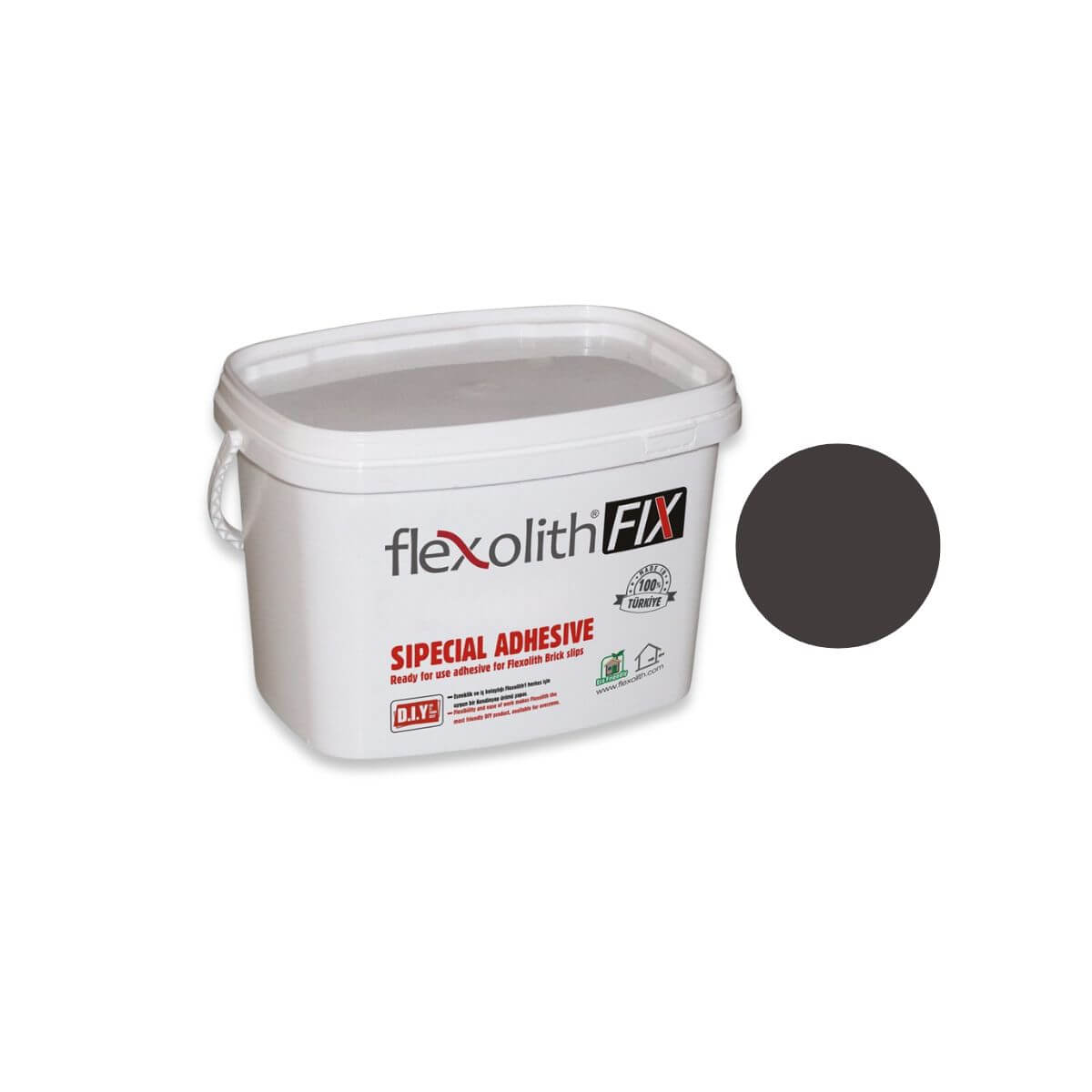 FLEXOLIIM-ANTHRACIT25
Colored adhesive and grout mixture Flexolith for decorative stone, anthracite gray, 25 kg
In stock62.00 € 3 × 20.67 € -
LAOTOODE
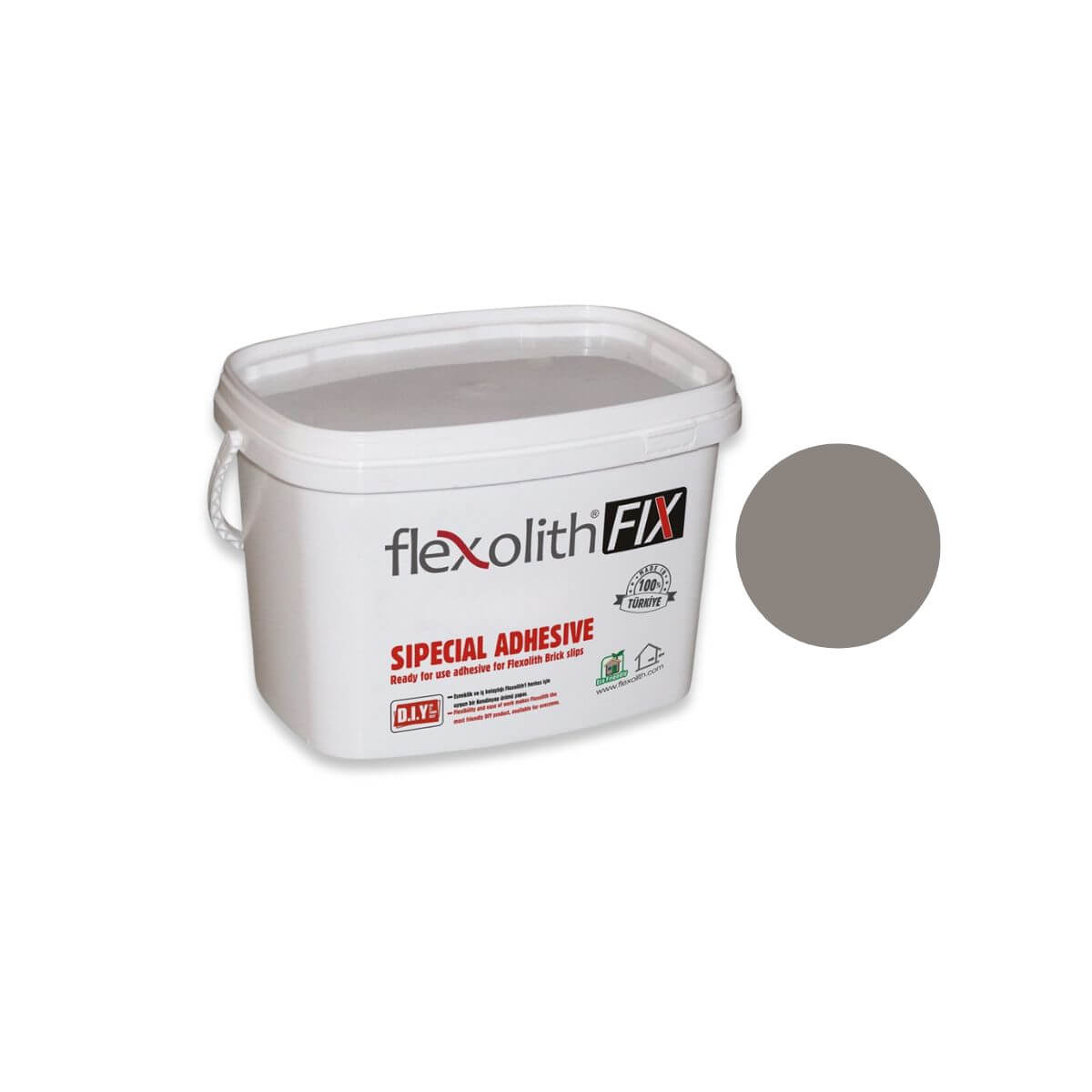 FLEXOLIIM-GREY25
Colored adhesive and grout mixture Flexolith for decorative stone, gray, 25 kg
In stock62.00 € 3 × 20.67 € -
SOODUS -10% LAOTOODE
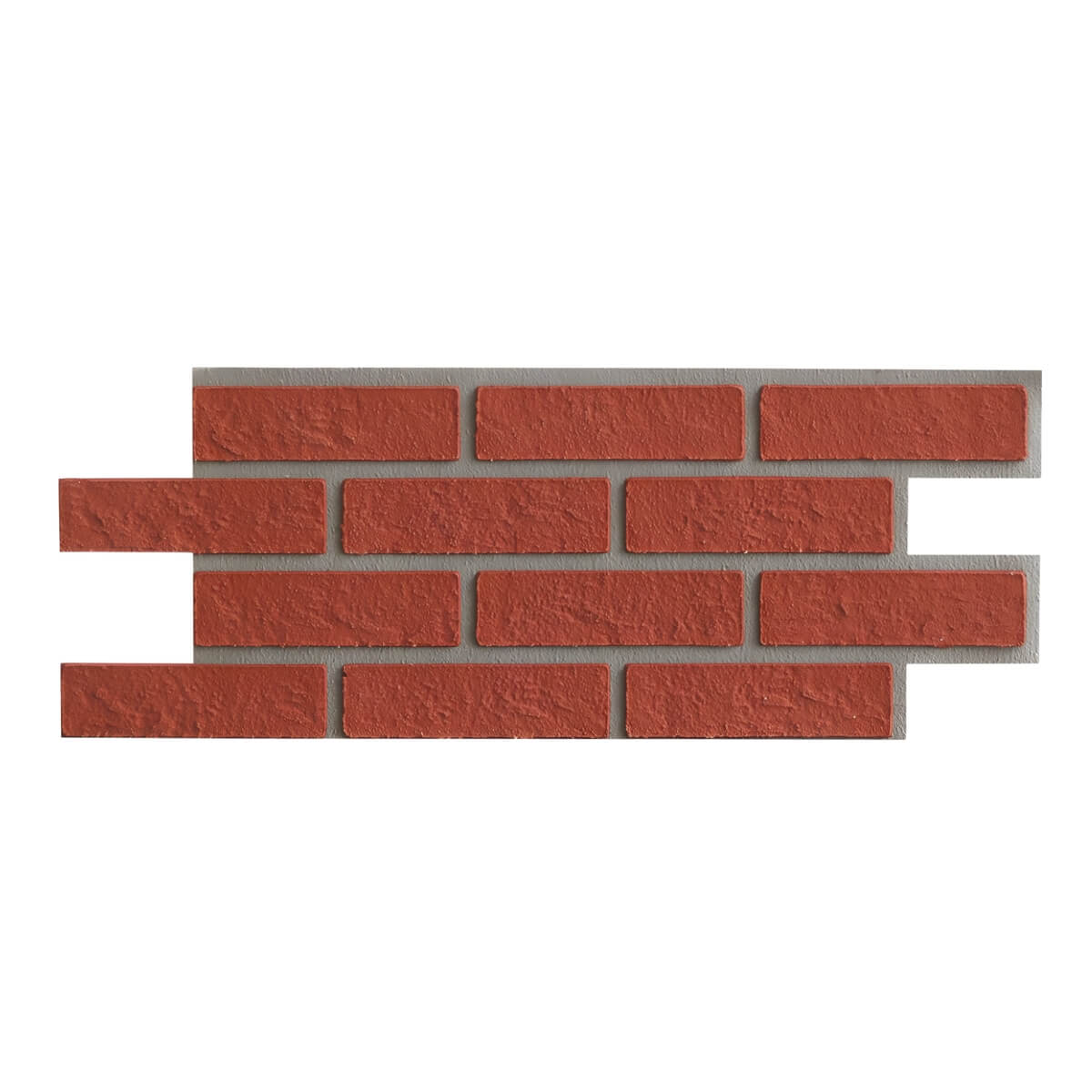 S-RUSTIC-114-V-GREY
Decorative stone imitating facade and skirting board Flexolith 328x880 mm, S-RUSTIC 114 red, 4.25 m2
In stockOriginal price was: 137.02 €.123.32 €Current price is: 123.32 €. 3 × 41.11 € -
SOODUS -10% LAOTOODE
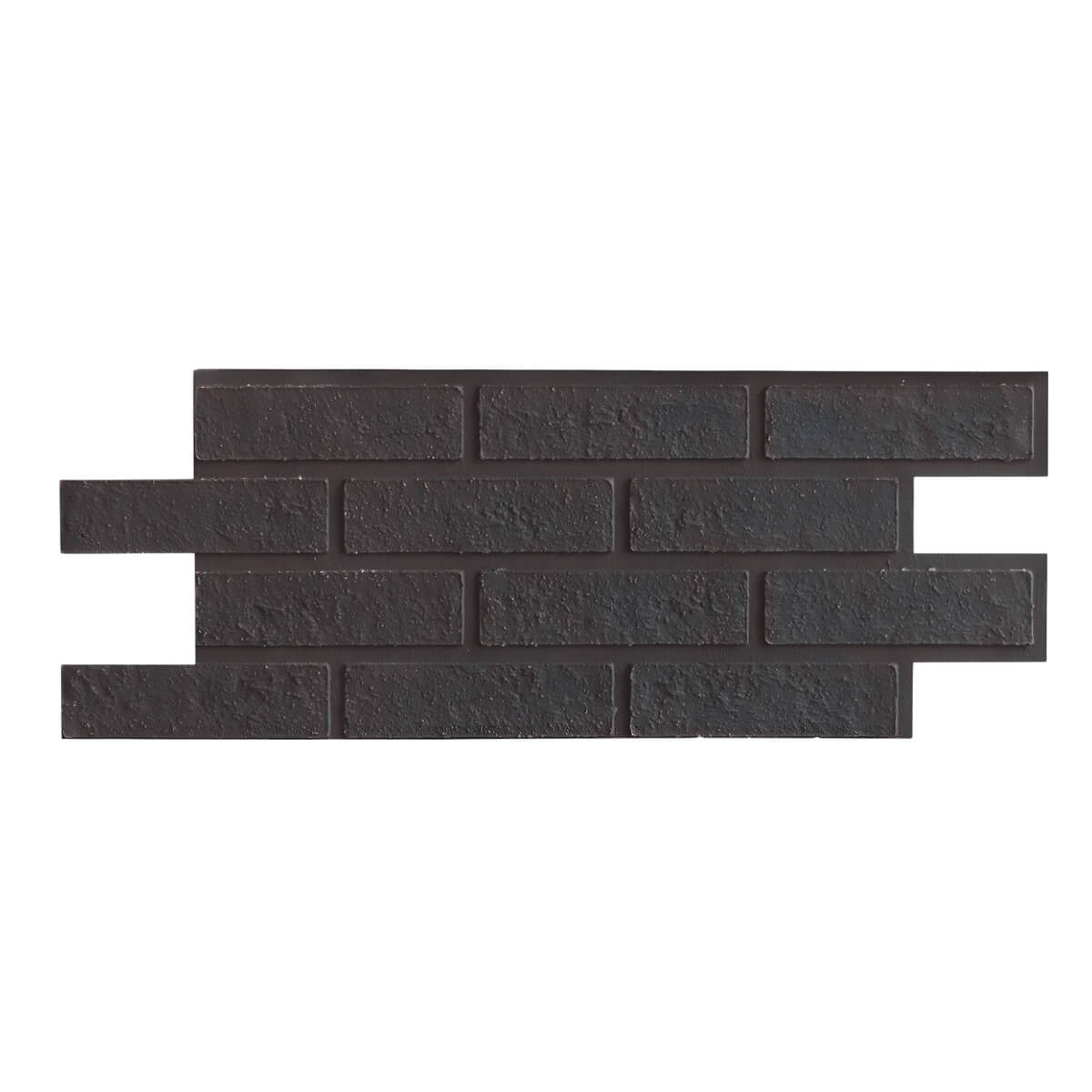 S-RUSTIC-119-V-ANTRA
Decorative stone imitating facade and skirting board Flexolith 328x880 mm, S-RUSTIC 119 black, 4.25 m2
In stockOriginal price was: 137.02 €.123.32 €Current price is: 123.32 €. 3 × 41.11 € -
LAOTOODE
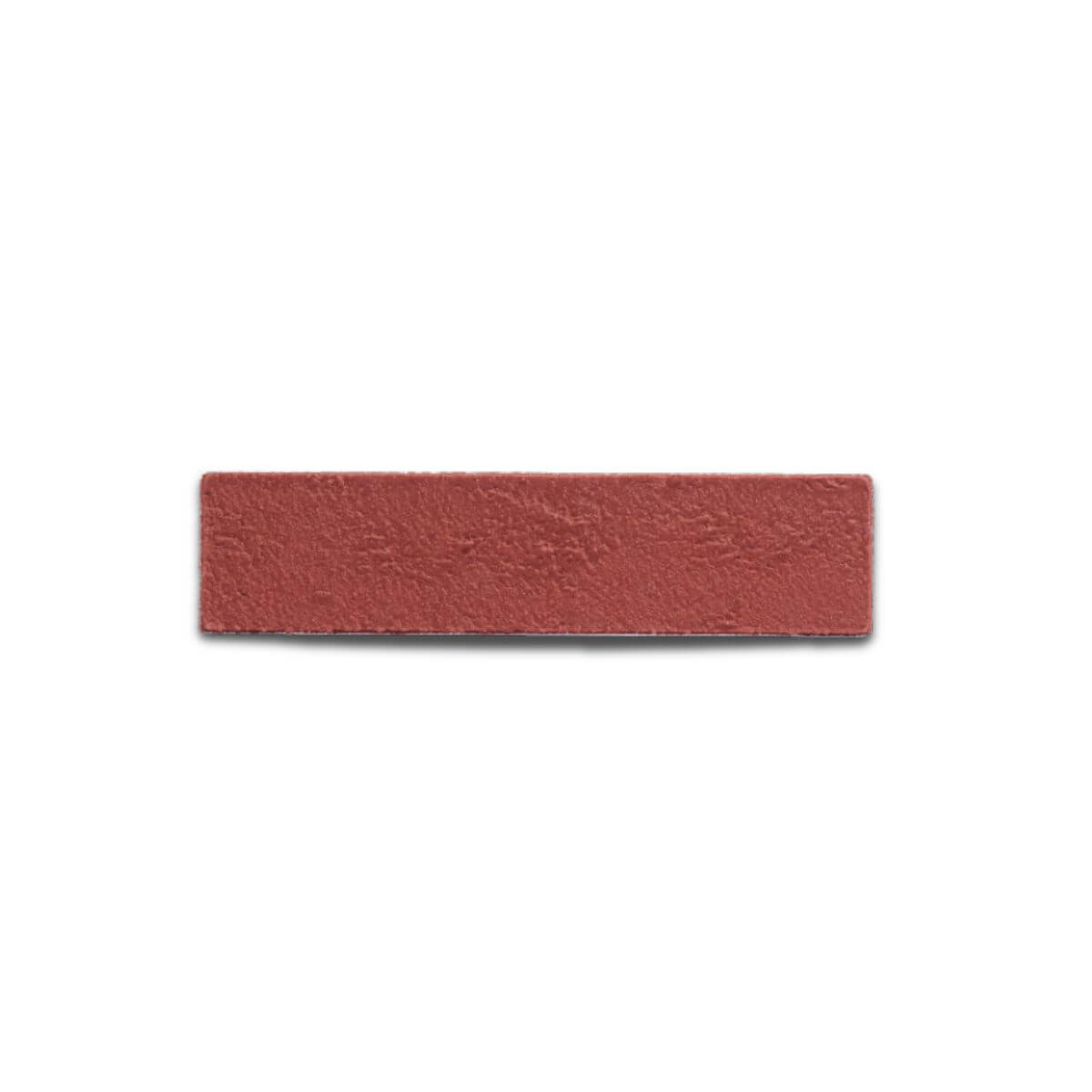 RUSTIC-314-RED
Decorative stone imitating facade and skirting board Flexolith 70x240 mm, RUSTIC 314 red, 1 m2
In stock24.18 € 3 × 8.06 € -
LAOTOODE
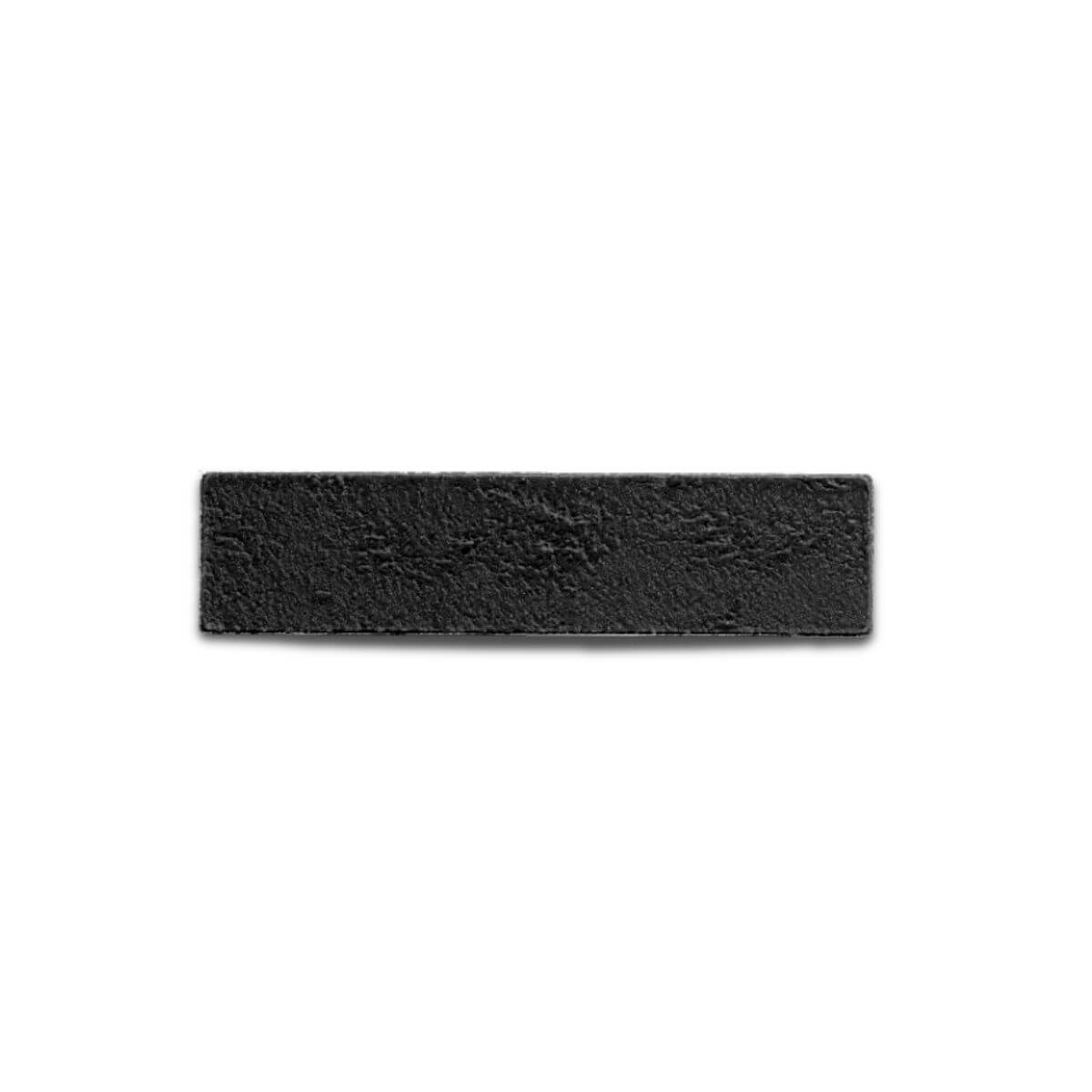 RUSTIC-315-BLACK
Decorative stone imitating facade and skirting board Flexolith 70x240 mm, RUSTIC 315 black, 1 m2
In stock24.18 € 3 × 8.06 €
Have you ever thought that your house is like a person that needs proper "shoes" in Estonia's changeable and harsh weather conditions? This is exactly the role played by the above-ground part of the building's foundation, or plinth. A high-quality plinth is not just an aesthetic detail that gives the house a finished look; it is your home's first and most important line of defense against moisture, frost and mechanical damage. As a homeowner, sooner or later you will be faced with the question: how to choose and install the right plinth that will last for decades and not require new repairs every spring? There are a huge variety of materials on the market – from traditional crushed stone slabs to innovative roll-up solutions. In this comprehensive guide, we will make the complex world of construction easy for you. We will talk openly and clearly about why foundation protection is so critical, introduce the best plinth covering materials , give advice on installation and share design tips that will help your home truly shine. Read on and make the best possible decision for your home! Why is baseboard critical to the health of your house? Building or renovating a house is a huge investment. Often, the focus is on the gorgeous roof or spacious windows, leaving the plinth as an orphan. But the fact is: if the "legs" of the house are wet and cold, the entire structure suffers. A properly selected and installed plinth is the key to the health of the foundation. How foundation protection affects the lifespan of a building The foundation is in constant contact with the ground, which means constant exposure to moisture (rain, melting snow, groundwater). If the base is unfinished or covered with an unsuitable material, moisture will seep into the structure. When cold weather arrives, this moisture freezes and expands, creating microcracks. Over the years, these cracks will increase, leading to crumbling of the concrete and rusting of the reinforcement. A proper weatherproof base plate acts as a shield that repels direct rainwater and protects the substructure from wind and mechanical impacts (such as lawnmower stones or winter snowdrifts). Unique perspective: Many do not realize that the base also directly affects the indoor microclimate. If the foundation is wet and cold, this moisture will move up the walls into the living spaces, increasing heating costs and creating a favorable environment for mold to form behind the baseboards on the first floor. Prevention of dampness and frostbite Insulating the foundation with the right baseboard is an ideal tandem. The insulation (for example, XPS or EPS board) keeps the cold out, while the baseboard protects the insulation itself from rodents, birds and UV radiation. During autumn rains and spring thaws, the ground around the house is often saturated with water. A high-quality and strong board does not allow capillary moisture to climb upwards. This is especially critical in the Estonian climate, where temperatures fluctuating around zero degrees are the most exhausting for building materials. An investment in a good board pays off many times over simply because you don't have to deal with repairing peeling plaster every five years. The most popular baseboard covering materials in the Estonian climate Nowadays, homeowners don't have to limit themselves to a gray and boring concrete surface. There are several materials on the market that offer both visual appeal and iron-like durability. Let's take a look at the options best suited to the Estonian climate so that covering the base of the house goes smoothly. Stone chip baseboard – timeless and durable If you drive around new housing estates in Estonia, you will probably notice that a baseboard with crushed stone is one of the most popular choices. It is usually a material based on a strong cement-based chipboard or a board reinforced with fiberglass mesh, which is covered with natural crushed stone. Its biggest advantage is its extreme resistance to impacts and weathering. The crushed stone gives the house a solid and rustic look, while perfectly hiding the smaller splashes and dust that fly up from the ground with the rain. However, you must take into account that it is a heavy material that requires a strong frame and a helping hand during installation. Cement fiberboard – strength and fire resistance Another very common moisture-resistant board is cement fiberboard . It is a material with a smooth or slightly textured surface that stands out for its exceptional fire resistance and wear resistance. These boards can be ordered pre-painted in the factory in hundreds of different colors, making it a breeze to match the facade. Cement fiberboards do not rot, are not afraid of pests or fungus. Although the initial investment may be slightly higher, their lifespan is often over 50 years, making it a very sustainable choice. Innovative skirting board Flexolith What if you want a stone look but don't want to deal with cutting heavy tiles and building a frame? This is where modern technology comes to the rescue. A great alternative is Flexolith skirting board . It is a flexible covering material that imitates decorative stone and is extremely easy to install, even on more complex curves or uneven surfaces. It is lightweight, breathable and weatherproof, offering the homeowner the opportunity to finish the skirting board in style and quickly, often without the help of a professional builder. Unique perspective: Traditional heavy tiles often require strong anchors that create thermal bridges. With lightweight solutions that are glued directly to insulation or a leveled surface (such as Flexolith), this risk is absent, ensuring better energy efficiency of the building. Baseboard installation: Do it yourself or hire a specialist? One of the most common questions on forums is: "Can I install my own skirting board ?" The answer is – yes, if you are conscientious and follow the rules, but it requires precision and physical effort. An incorrectly installed skirting board will do more harm than good to the house. Preparatory work and foundation insulation Before any tiles are laid on the wall, the substrate must be in good condition. Facade renovation and plinth repair starts with cleaning. Old loose plaster must be removed and cracks repaired. The next vital step is to install the plinth insulation boards (usually extruded polystyrene, or XPS, as it does not absorb moisture). The insulation must be firmly fixed, avoiding thermal bridges. Only after the foundation is warm and dry can you start thinking about the tile itself. Unique perspective: Many DIYers make the mistake of bringing the soil layer of the ground directly against the plinth slab. In fact, there should be a drainage strip of rubble about 20-30 cm wide between the plinth and the soil surface. This prevents rainwater splashes from falling directly onto the slab and helps moisture to soak into the soil faster, saving your tiles from constant mud. Leaving the correct ventilation gap The most critical part of the installation is ensuring ventilation. Heavier boards (cement fiber or stone chips) are always installed on a frame (wooden battens or metal profiles). There must be at least a 20-30 mm ventilation gap between the insulation and the baseboard. This "chimney" allows moisture from inside the wall to freely ventilate. If you attach the baseboard directly to the insulation, moisture will accumulate behind the board, causing mold and premature decay of the board. The ventilation gap must remain open at the top and bottom, often protected with a special rodent net. How to match the baseboard to the facade of the house? Your house is a whole. How the baseboard interacts with the rest of the house's exterior determines the visual value of the entire building. The baseboard should never compete with the facade, but rather support and enhance it. Harmony of colors and textures Designers know the 60/30/10 rule, which can also be applied to the exterior of houses. 60% is the facade, 30% is the roof, and 10% is the base and other details (window sills, doors). A slightly darker base goes well with a dark and heavy roof, which visually "anchors" the house to the ground. If you have a light wooden facade, a dark gray or brownish baseboard with stone chips will create a beautiful contrast. However, if you want a modern and monolithic impression, you can tint the baseboard exactly the same color as the facade, using paintable cement fiberboard . Transitions and Facade cladding and material Just as important as the color is the smooth transition of materials. The place where the baseboard meets the main Façade cladding and material needs special attention. Usually, a vein, or plinth sheet, is installed there, which directs water flowing down the facade away from the baseboard. Make sure that the color of the vein sheet matches the color of either the window or roof sheets. Such a well-thought-out synergy of details gives visitors and neighbors a first-class impression of your home. Plinth maintenance and ensuring longevity Even the best skirting boards in the world require minimal maintenance to maintain their original beauty. Fortunately, maintaining skirting boards is usually easy and does not require much effort from the homeowner. Cleaning and moss removal In the humid climate of Estonia, especially on shady and northern sides, a greenish layer of algae or moss tends to form on the plinth over time. A plinth with crushed stone should never be washed with a high-pressure cleaner that is too close! The pressure can break the crushed stone loose and irreversibly damage the surface of the plate. The safest thing to do is to use a soft brush, lukewarm water and a special facade cleaner that destroys the spores of biological dirt. Apply the product, let it work and rinse with a gentle stream of water. Unique perspective: Winter snow removal is the hidden enemy of the plinth. Try to avoid throwing snow-melting agents containing salt or chlorides directly at the plinth of the house. These chemicals are extremely aggressive and can damage even the most durable cement and the resin solution that bonds the crushed stone over time. When is it time to renew the baseboard finish? Regular inspections in spring and autumn will help prevent problems. If you notice cracks in the tiles, rusted and loose mounting screws, or an old baseboard is letting moisture through, it's time to plan a facade renovation . Replacing old tiles with a modern, lightweight, and weatherproof solution will give your home a new lease of life and protect the underlying structures from further damage. Quick summaries The foundation is the foundation of a home: A high-quality baseboard protects your house from moisture, frost, and weather conditions. Choose the right material: Stone chips offer a timeless look, cement fiber ensures fire resistance, while innovative roll-on solutions make installation a breeze. Don't forget the insulation: Foundation insulation (XPS) and baseboard always go hand in hand – one keeps you warm, the other protects the insulation. Ventilation is vital: When installing tiles on a framework, always leave a 20-30 mm ventilation gap so that moisture can evaporate from the structure. Design holistically: The plinth is 10% of the visual appearance of the house; use appropriate colors and plinth stains (veining) to tie it into an elegant whole with the facade. Frequently Asked Questions (FAQ) Can the skirting board be installed directly on top of the insulation? If it is a heavy and rigid board (crushed stone, cement fiber), then definitely not. In these cases, a framework must be built that leaves a ventilation gap. The exception is certain specific, lighter decorative solutions and plasters that are designed to be glued directly to EPS/XPS skirting board insulation . How deep into the ground should the plinth slab extend? The general rule is that the plinth slab of a ventilated facade should not extend to the very ground or into it. The slab should end about 5-10 cm above the ground to ensure air access to the ventilation gap from below and to prevent capillary rise of moisture. The foundation itself (and its waterproofing) must of course go deeper. What is the best solution for renewing an old and rough plinth? If the old surface is strong but unsightly, solutions such as Flexolith plinth cover offer an excellent and visually effective solution for covering the plinth of a house without major demolition work. However, if the base is crumbling, it must be removed and the frame rebuilt. How often should the skirting board be maintained or washed? As a rule, a visual inspection once a year is sufficient. Washing is only necessary if the board has a noticeable layer of moss, algae or a large layer of dirt that no longer washes off with rain. Usually, a light wash is done every 3-5 years with a soft brush. 5. Do I need to insulate the base if I have a slab foundation without a basement? Yes, definitely. Insulating the foundation from the outside perimeter (using moisture-resistant XPS board) avoids thermal bridges and prevents the cold from the ground from spreading to the floor slab, keeping the floors in your home significantly warmer.