
Bathtub.
Home renovation is a journey where every decision shapes your daily living environment. One of the most emotional and important choices when creating a new bathroom is undoubtedly…
-
SOODUS -25%
 KZG_N28W
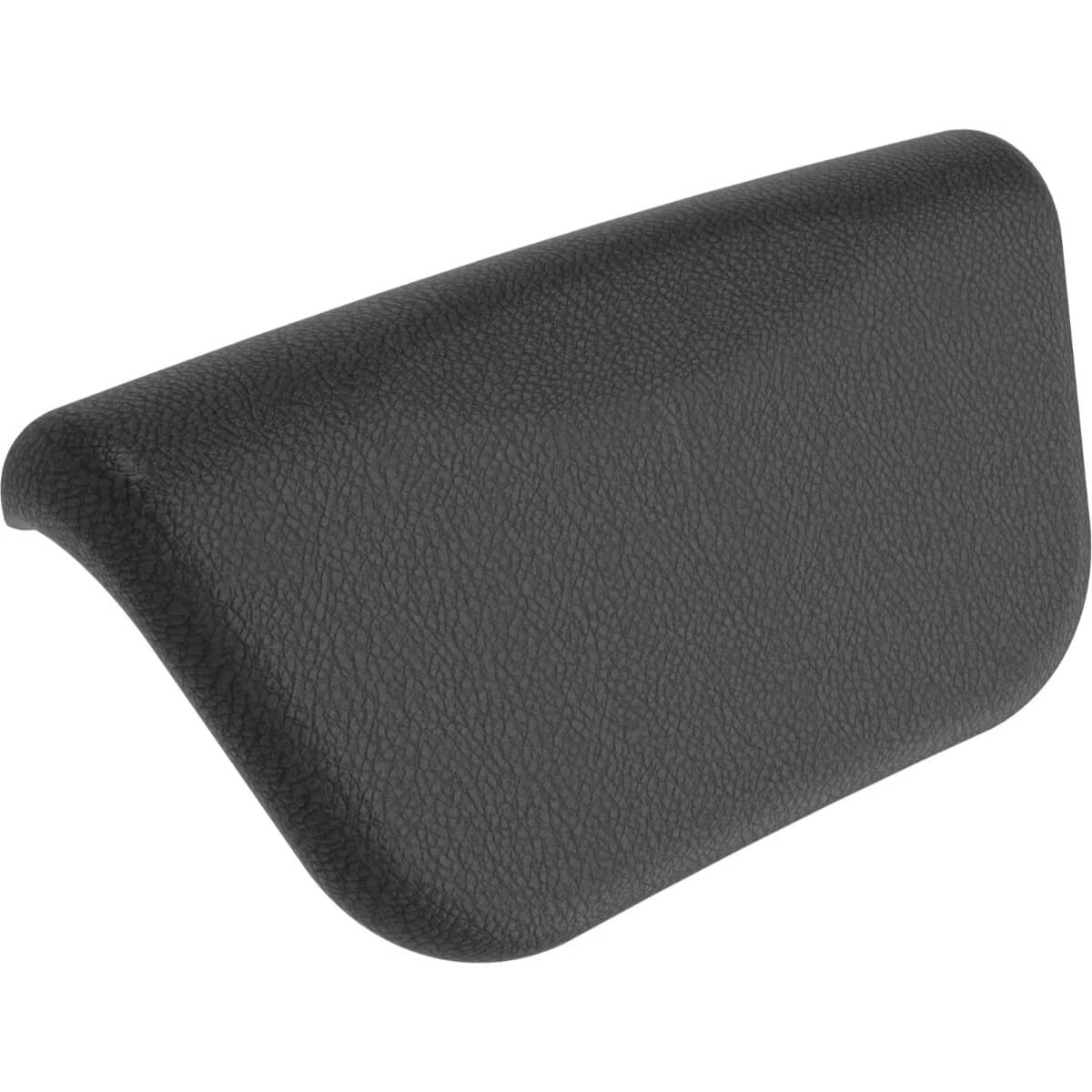
Bath headrest Deante 28 x 14 cm, faux leather
Supplier stock · 100+ pcsOriginal price was: 74.44 €.55.90 €Current price is: 55.90 €. 3 × 18.63 € -
SOODUS -20%
 KDU_015W
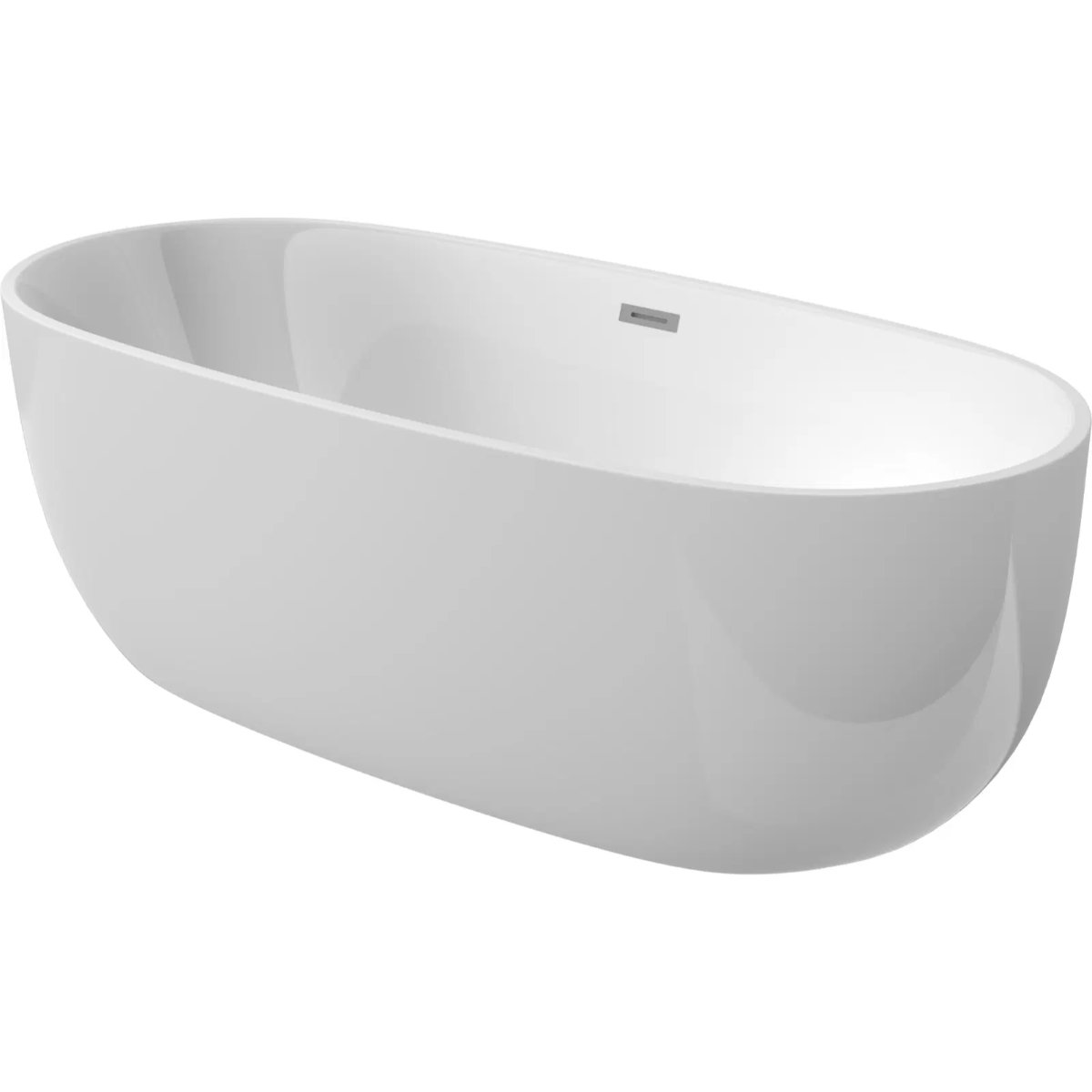
Freestanding acrylic bathtub Deante Alpinia 150x73x58 cm, oval
Supplier stock · 16 pcsOriginal price was: 1,166.58 €.933.26 €Current price is: 933.26 €. 3 × 311.09 € -
SOODUS -20% KDU_016W
Freestanding acrylic bathtub Deante Alpinia 160x75x58 cm, oval
Available to orderOriginal price was: 1,213.25 €.970.60 €Current price is: 970.60 €. 3 × 323.53 € -
SOODUS -20% KDU_017W
Freestanding acrylic bathtub Deante Alpinia 170x79x58 cm, oval
Available to orderOriginal price was: 1,259.93 €.1,007.95 €Current price is: 1,007.95 €. 3 × 335.98 € -
SOODUS -29%
 KDA_015W
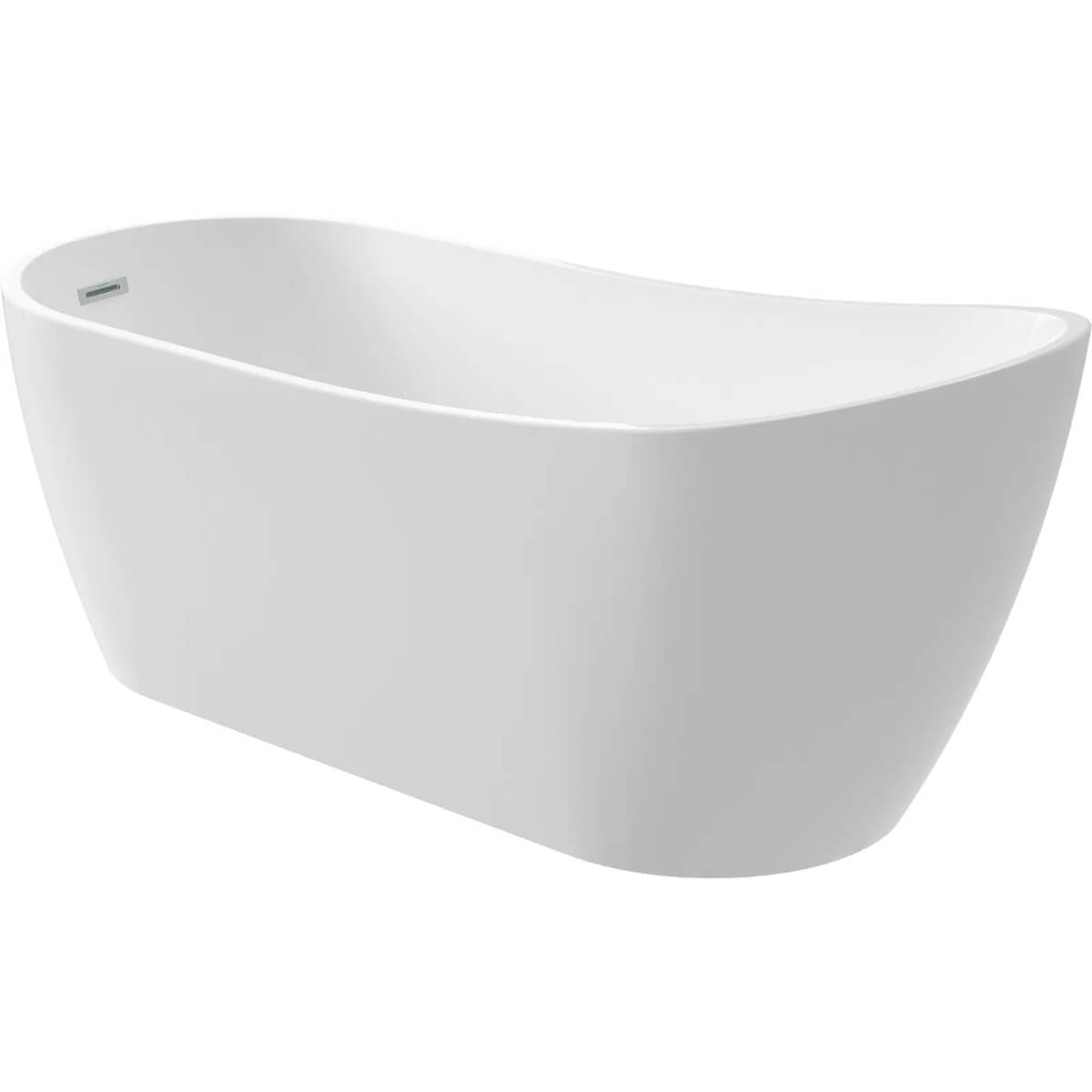
Freestanding acrylic bathtub Deante Arnika 150x72x72 cm, asymmetrical
Available to orderOriginal price was: 1,166.58 €.828.27 €Current price is: 828.27 €. 3 × 276.09 € -
SOODUS -29%
 KDA_015V
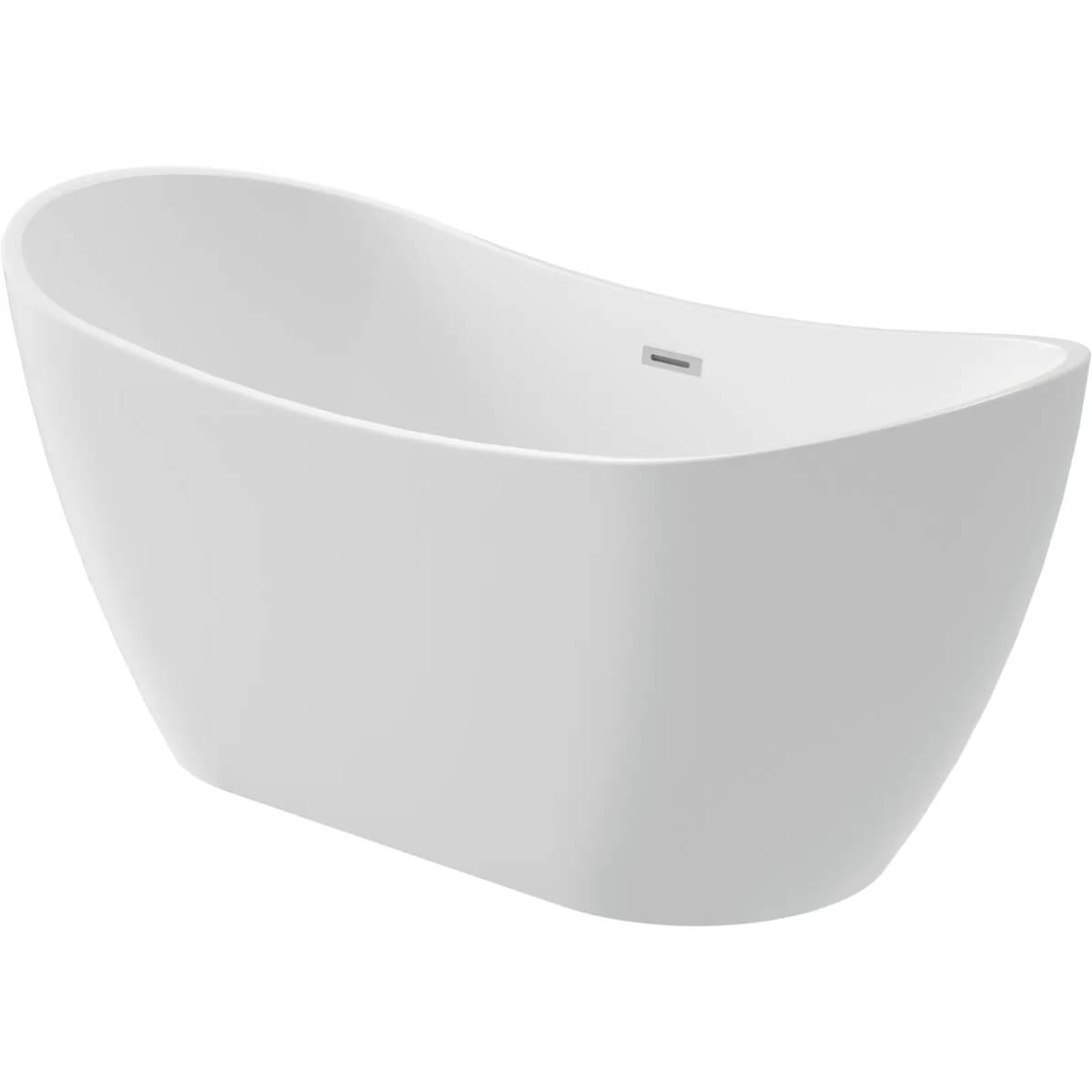
Freestanding acrylic bathtub Deante Arnika 150x72x72 cm, oval
Supplier stock · 39 pcsOriginal price was: 1,166.58 €.828.27 €Current price is: 828.27 €. 3 × 276.09 € -
SOODUS -29% KDA_016W
Freestanding acrylic bathtub Deante Arnika 160x72x72 cm, asymmetrical
Supplier stock · 75 pcsOriginal price was: 1,213.25 €.858.01 €Current price is: 858.01 €. 3 × 286.00 € -
SOODUS -29% OTSAS KDA_016V
Freestanding acrylic bathtub Deante Arnika 160x72x72 cm, oval
Out of stockOriginal price was: 1,213.25 €.858.01 €Current price is: 858.01 €. 3 × 286.00 € -
SOODUS -30% KDA_017W
Freestanding acrylic bathtub Deante Arnika 170x72x72 cm, asymmetrical
Available to orderOriginal price was: 1,259.93 €.888.00 €Current price is: 888.00 €. 3 × 296.00 € -
SOODUS -30% OTSAS KDA_017V
Freestanding acrylic bathtub Deante Arnika 170x72x72 cm, oval
Out of stockOriginal price was: 1,259.93 €.888.00 €Current price is: 888.00 €. 3 × 296.00 € -
OTSAS
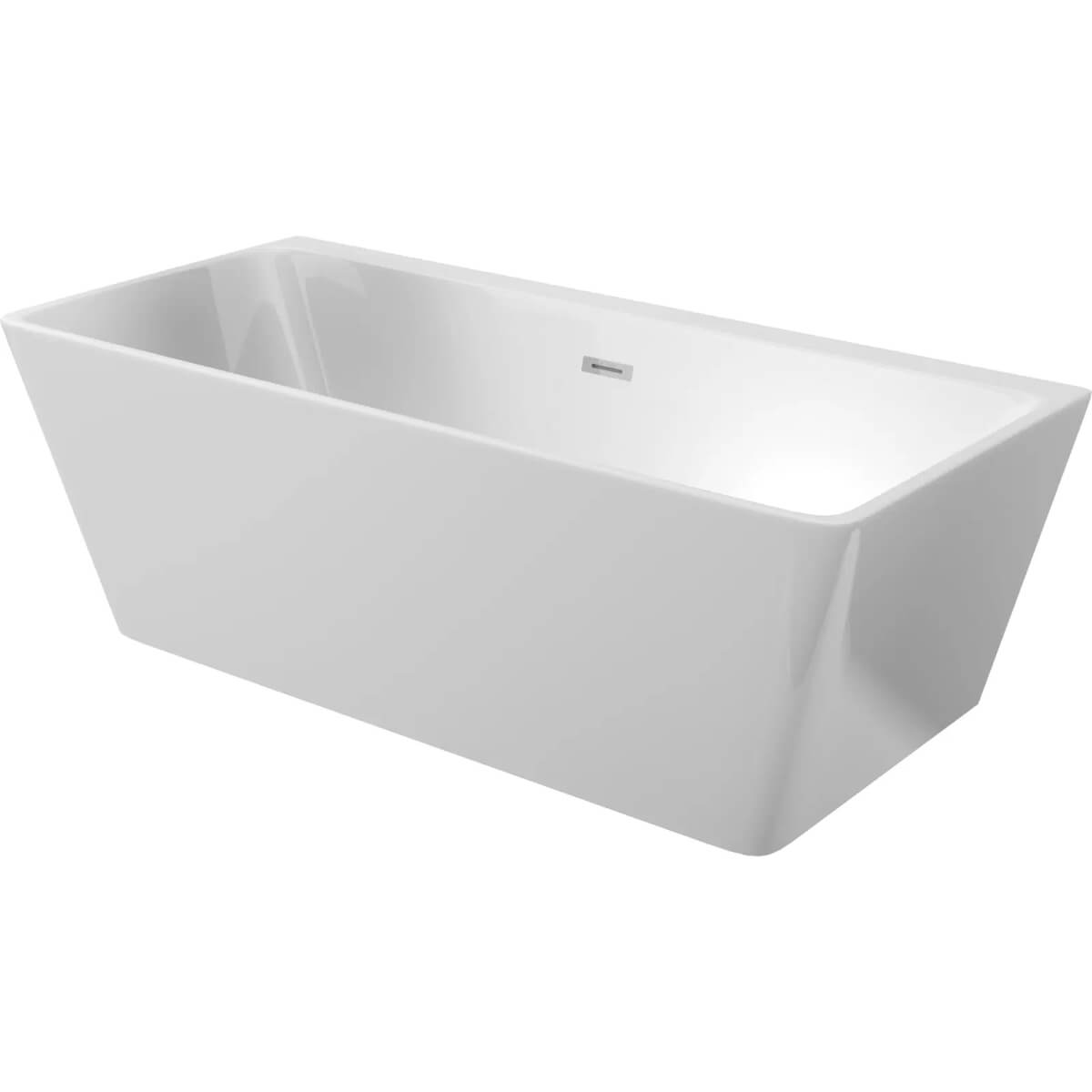 KDH_016W
Freestanding acrylic bathtub Deante Hiacynt 160x75x58 cm, rectangular
Out of stock -
OTSAS KDH_017W
Freestanding acrylic bathtub Deante Hiacynt 170x80x58 cm, rectangular
Out of stock -
SOODUS -20%
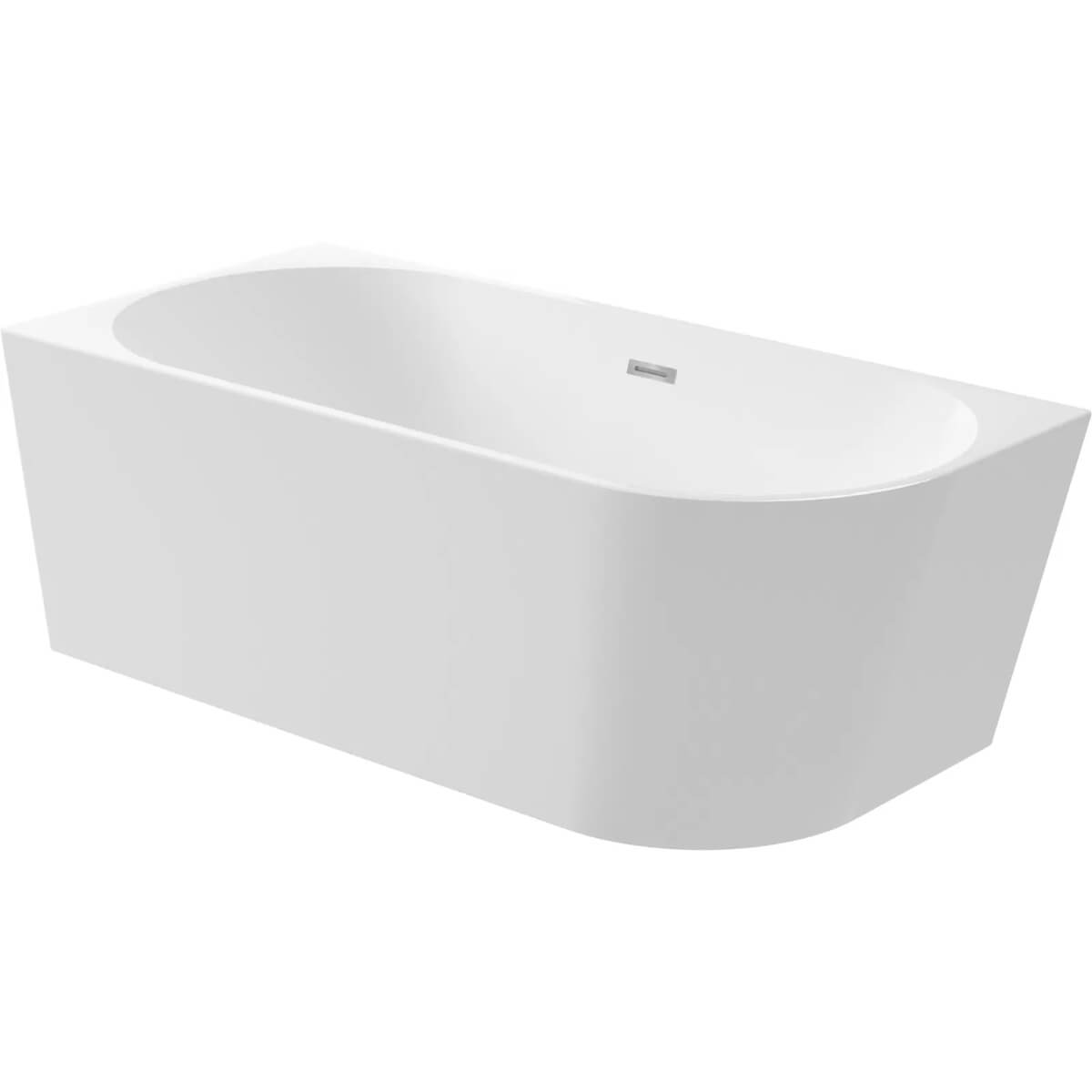 KDS_014L
Freestanding acrylic bathtub Deante Silia 140x73x58 cm, left corner
Supplier stock · 7 pcsOriginal price was: 1,166.58 €.933.26 €Current price is: 933.26 €. 3 × 311.09 € -
SOODUS -20%
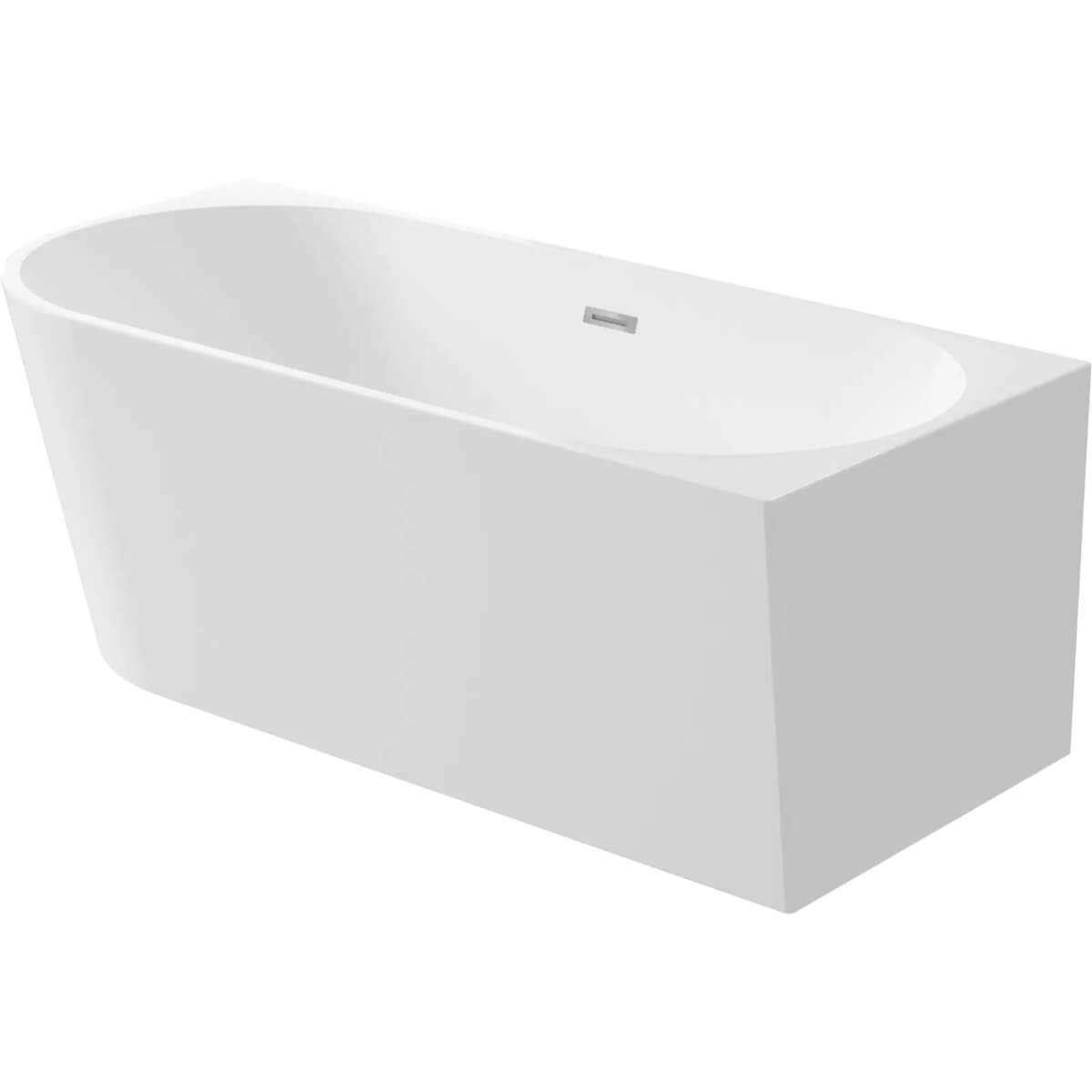 KDS_014P
Freestanding acrylic bathtub Deante Silia 140x73x58 cm, right corner
Available to orderOriginal price was: 1,166.58 €.933.26 €Current price is: 933.26 €. 3 × 311.09 € -
SOODUS -20% KDS_015L
Freestanding acrylic bathtub Deante Silia 150x75x58 cm, left corner
Supplier stock · 9 pcsOriginal price was: 1,166.58 €.933.26 €Current price is: 933.26 €. 3 × 311.09 € -
SOODUS -20%
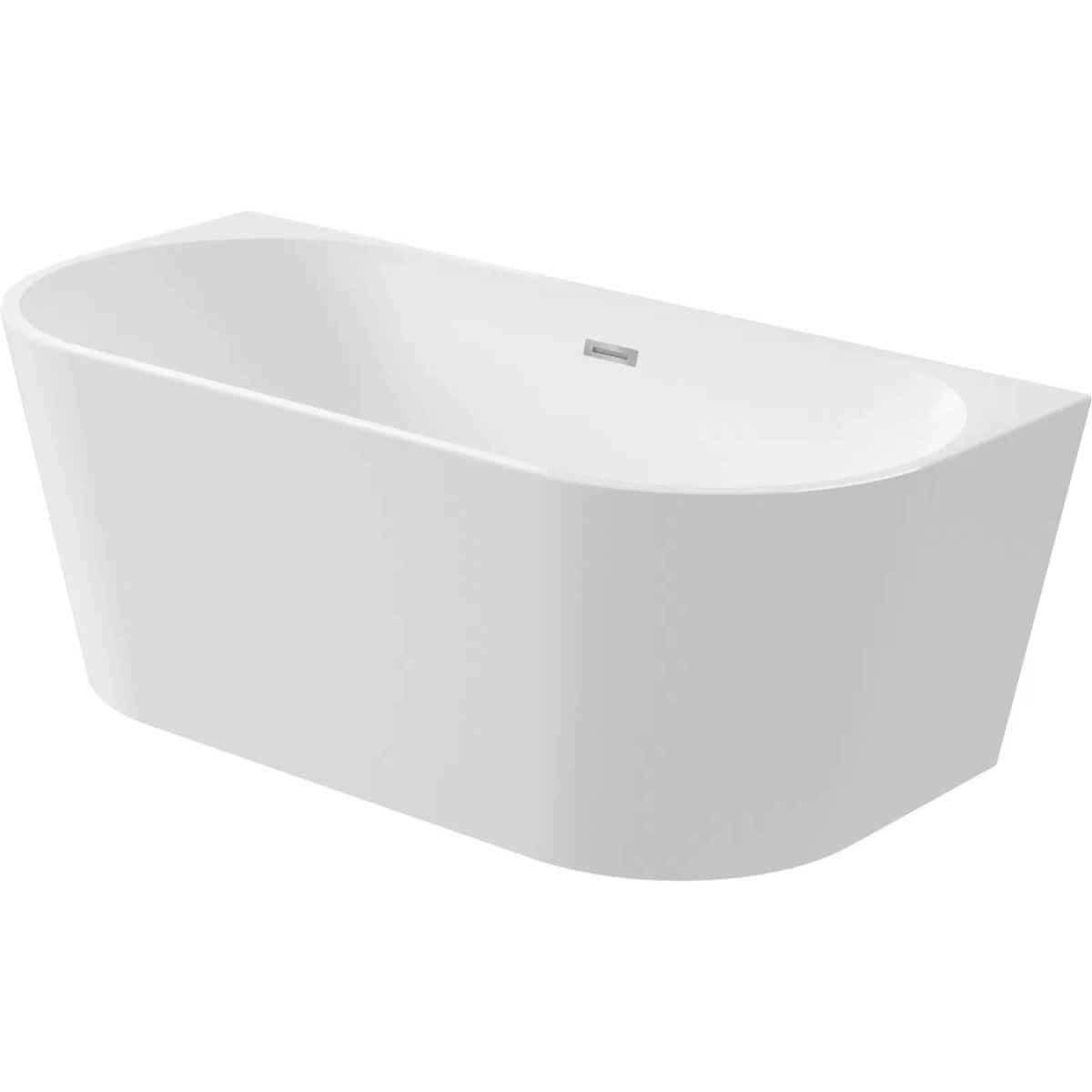 KDS_015W
Freestanding acrylic bathtub Deante Silia 150x75x58 cm, oval
Supplier stock · 15 pcsOriginal price was: 1,166.58 €.933.26 €Current price is: 933.26 €. 3 × 311.09 € -
SOODUS -20% KDS_015P
Freestanding acrylic bathtub Deante Silia 150x75x58 cm, right corner
Supplier stock · 2 pcsOriginal price was: 1,166.58 €.933.26 €Current price is: 933.26 €. 3 × 311.09 € -
SOODUS -20% KDS_016L
Freestanding acrylic bathtub Deante Silia 160x75x58 cm, left corner
Available to orderOriginal price was: 1,213.25 €.970.60 €Current price is: 970.60 €. 3 × 323.53 € -
SOODUS -29% KDS_016W
Freestanding acrylic bathtub Deante Silia 160x75x58 cm, oval
Supplier stock · 72 pcsOriginal price was: 1,213.25 €.858.01 €Current price is: 858.01 €. 3 × 286.00 € -
SOODUS -25% KDS_016P
Freestanding acrylic bathtub Deante Silia 160x75x58 cm, right corner
Supplier stock · 87 pcsOriginal price was: 1,213.25 €.908.00 €Current price is: 908.00 €. 3 × 302.67 € -
SOODUS -30% KDS_017W
Freestanding acrylic bathtub Deante Silia 169x75x58 cm, oval
Supplier stock · 26 pcsOriginal price was: 1,259.93 €.888.00 €Current price is: 888.00 €. 3 × 296.00 € -
SOODUS -30% KDS_017L
Freestanding acrylic bathtub Deante Silia 170x75x58 cm, left corner
Available to orderOriginal price was: 1,259.93 €.888.00 €Current price is: 888.00 €. 3 × 296.00 € -
SOODUS -30% KDS_017P
Freestanding acrylic bathtub Deante Silia 170x75x58 cm, right corner
Available to orderOriginal price was: 1,259.93 €.888.00 €Current price is: 888.00 €. 3 × 296.00 €
Home renovation is a journey where every decision shapes your daily living environment. One of the most emotional and important choices when creating a new bathroom is undoubtedly finding the right bathtub . It is no longer just a place to wash; today it is the heart of your personal home spa, a refuge from everyday worries and a place where time stands still. As a homeowner, however, you may feel a little lost in the maze of hundreds of different models, materials and sizes. In this comprehensive guide, we will make choosing a bathtub a clear and enjoyable process for you. We will explore which bathroom planning tips will help maximize the potential of even the smallest space. We will honestly compare the most popular materials – from lightweight acrylic to luxurious stone – and provide valuable recommendations for installation and maintenance. Regardless of whether you dream of a modern freestanding design element or a space-saving corner solution, this guide will help you make an informed decision that will bring joy for decades. Let's explore this exciting world together! Why is choosing the right bathtub so important? The bathroom is often the anchor for the beginning and end of the day. It is a space that needs to be both utterly practical for those rushed mornings and deeply soothing for those long evenings. The bathtub is a central element in this equation, often dictating the design and layout of the rest of the room. The bathtub as the heart of a home spa Our pace of life is getting faster and faster, which is why creating a personal relaxation area at home has gone from a trend to a real necessity. A well-chosen bathtub turns an ordinary bathroom into a real home spa . As a homeowner, you have probably noticed that a high-quality and well-designed bathroom significantly increases the value of a home in the real estate market. This is not just an expense, but a direct investment in the market value of your property and, more importantly, in your personal well-being. From an interior design perspective, a spacious and stylish designer bathtub creates a strong focal point in the room. It draws the eye, adds character and visually ties the rest of the sanitary ware into a single whole. How taking a bath affects mental and physical health It may sound cliché, but the therapeutic effects of warm water are scientifically proven. Regular baths help lower blood pressure, relax tense muscles (especially important after a long day in an office chair or working in the garden) and promote deeper sleep. It's 20-30 minutes of complete digital detox, where smartphones and emails can't reach you. Unique perspective: Many people forget to consider ergonomics when choosing the size of a bathtub . A model that is too short won't allow your legs to stretch, while a bathtub that is too long will constantly slide down, putting strain on your neck. The ideal inner length of the bathtub should match your body length from shoulders to heels, ensuring optimal support for your back. The most popular bathtub types in Estonian homes Before we start choosing materials, it's important to decide on the shape and type. Choosing the right shape directly depends on your bathroom renovation plans and the square footage of the room. Freestanding bathtubs – luxury and elegance The biggest trend of recent years that shows no signs of slowing down is the freestanding bathtub . It's a real statement piece ! These models bring grandeur to a room and can be placed either in the middle of the room, diagonally or even in the bedroom if the plumbing allows it. Classic models with lion's paw legs offer a vintage feel, while minimalist egg-shaped forms fit perfectly into Scandinavian interiors. Will a freestanding bathtub fit in a small space? There is a common misconception that freestanding solutions are only the preserve of large private houses. In fact, many brands produce specially compact freestanding bathtubs (even 140-150 cm long), which fit nicely even in a small apartment bathroom . In addition, there are "back-to-wall" models. These look completely freestanding from the front, but they save valuable space along the wall and make cleaning easier. Corner bathtubs and asymmetrical solutions When square footage is limited and every corner needs to be used wisely, a corner bathtub is indispensable. Asymmetrical bathtubs (where one end is wider and the other is narrower) offer a spacious washing area, while leaving more floor space for, for example, a washing machine or a sink cabinet. They are extremely practical for families where children love to play in water, providing a safe and spacious environment. Recessed and paneled bathtubs Traditional rectangular bathtubs , which are tiled or covered with an acrylic panel, continue to be popular due to their lower price and easy integration. A tiled front panel allows the bathtub to visually blend into the room. Practical tip: for a paneled bathtub, it is worth creating a small tiled step or edge for shampoo bottles, which will make daily use significantly more convenient. Material comparison: Acrylic, stone mass or cast iron? The material will determine the lifespan, weight, heat retention, and ease of cleaning of your new bathtub. Let's break down what each common material actually offers the homeowner. The lightness and warmth of acrylic bathtubs Acrylic bathtubs are by far the most common choice on the Estonian market. And for good reason! High-quality sanitary acrylic is pleasantly warm to the touch, it is not cold like steel and dampens the noise of falling water well. In addition, acrylic is very light, which makes installing and transporting bathtubs in apartment buildings much easier. Since the material is easily moldable, acrylic offers the largest selection of different shapes and designs. Pros and cons of acrylic The advantages are the favorable price, light weight and easy polishing of minor damages. The disadvantage, however, is the relative softness of the surface – strong abrasive cleaning agents or pet nails can scratch the surface. It is also important to make sure that the model you buy is supported by a strong metal frame at the bottom, otherwise the bottom may "spring" under your feet. Solid stone bathtub – a master class in durability If you are looking for uncompromising quality and a lifetime of durability, a stone bathtub (often known as polymer concrete or artificial stone) is your best choice. These bathtubs are cast from a mixture of minerals and resins. The result is an incredibly strong, stable and scratch-resistant product. Unique perspective: The biggest advantage of stone, which is rarely talked about, is its exceptional heat capacity . The material absorbs the temperature of the hot water and retains it for hours. This means that you do not have to add hot water halfway through your bath. Stone has a luxurious silky finish (available in both glossy and matte), but be aware that they are very heavy (often 100-150 kg), requiring a strong floor and a helping hand during installation. Classic cast iron bathtub and steel mass A cast iron bathtub is the choice of the homeowner who appreciates nostalgia and timelessness. Coated with strong enamel, they last for generations, are not afraid of strong chemicals or scratches. Steel bathtubs are a lighter alternative to cast iron. Steel is also coated with enamel, being extremely hygienic, but its disadvantages are poor heat retention and a high noise level when water hits the metal (this can be mitigated with special noise-dampening mats under the bathtub). Bathtub installation and selection of suitable sanitary ware A bathtub does not exist in a vacuum; it requires high-quality and properly selected plumbing to function . As a homeowner, you should start planning your bathtub installation before you start tearing out the old tiles, as the location of the plumbing will largely dictate your options. Finding the right bathtub faucet Your bath experience is only as good as the device that serves it. Choosing the right bath faucet is critical. It must fit not only visually, but also functionally. For example, for an asymmetrical bath with a wide rim, a rim-mounted faucet is the ideal solution – it keeps the wall clean and hides the shower hose discreetly under the rim. However, if you have small children at home, it is definitely worth investing in a thermostatic bath faucet , which keeps the water temperature even and eliminates the risk of unexpected scalding water. Floor and wall mounted faucets A freestanding bathtub requires a specific approach. Since there are often no holes on the edge of the bathtub, the preferred choice is a high faucet that rises directly from the floor. This is a very effective architectural solution, but it requires that the water pipes have been routed into the floor in advance. If the renovation has already been done and you do not want to break up the floor, an alternative is to place the freestanding bathtub close enough to the wall and use a classic wall-mounted (or recessed) faucet with a spout that comfortably extends over the edge of the bathtub. Bathtub maintenance and cleaning – tips for longevity You've made a big investment, found the perfect model, and it's in place. Now it's time to talk about everyday life. Proper bathtub cleaning ensures that the surface stays shiny for years and doesn't become a breeding ground for bacteria. Each material requires a slightly different approach. The biggest enemy of an acrylic bathtub is abrasive cleaning paste (e.g. Cif) and rough scrubbing sponges. They scratch the soft surface microscopically, turning it matte, where dirt and scale will adhere very easily in the future. For acrylic, always use only soft washing gels, dishwashing detergent, or special bathtub cleaners with a soft microfiber cloth. Bathtubs made of stone are more scratch-resistant, but to prevent porosity, certain manufacturers have added a special protective layer (gelcoat) to the surface. If you notice fine micro-scratches on the stone over the years, the solution is ingeniously simple: in the case of matte bathtubs, you can polish them out yourself at home with very fine wet sandpaper, completely restoring the bathtub's original appearance! For a classic enameled cast iron bathtub, avoid strong acids (such as scale removers), which can etch the enamel surface into spots. The simplest and most effective trick to extend the life of any material is a basic routine: rinse the bathtub with warm water after each use and dry it with a soft towel. This will prevent 90% of the build-up of scale and soap scum. Quick summaries Choose the right size and type: Measure your space carefully. If space is tight, an asymmetrical corner bathtub or a compact freestanding bathtub are the best options. The material dictates the experience: An acrylic bathtub offers warmth and lightness at a more affordable price; a stone bathtub is an investment in lifelong durability and exceptional heat retention. Plumbing first: Installing a bathtub requires early planning, especially if you're dreaming of a floor-standing faucet. Always consider the locations of water and drains. The right faucet makes all the difference: Your bathtub needs the right faucet . In a family with children, always opt for a safe thermostatic faucet. Gentle cleaning: Forget abrasive sponges! Clean surfaces with gentle products and dry after use to keep your sanitary ware sparkling. Frequently asked questions Does a freestanding bathtub require special plumbing? Yes, it usually does. Since a freestanding bathtub is often located away from the walls, the drain must be located in the floor directly below the bathtub. If you also want a floor-mounted faucet, the water pipes must be installed in the floor casting early in the construction phase. How do I know if my floor can withstand a stone bathtub? A stone bathtub can weigh 100-150 kg, plus the weight of water (approx. 200-300 kg) and the weight of a person. This is not a problem for concrete floors, but in old wooden houses and apartments with wooden ceilings, you should definitely consult a structural engineer before installation, who will recommend reinforcing the beams if necessary. Why does my acrylic bathtub creak when I step on it? A slight creak is often a sign of poor support. An acrylic bathtub should always rest on a solid metal frame, not just the legs at the corners. Sometimes the reason is that the bathtub's adjustable legs are not evenly balanced on the floor. How to remove limescale stains from a stone bathtub? For matte stone, stubborn stains or micro-scratches can be gently removed with fine-grained (grit 800-2000) wet sandpaper. For glossy finishes, special non-abrasive limescale removers should be used and strong rubbing should be avoided, which can make the surface matte. Does installing a bathtub in a corner help save water? The shape doesn't directly save water, but the volume of water does. Compact corner bathtubs or asymmetrical solutions are often designed to be deeper but shorter. This means that fewer liters of water are needed to completely cover the water compared to very long and wide freestanding models, thereby supporting a more sustainable lifestyle.