Bathroom cabinet and shelf.
Have you ever walked into your bathroom and felt like it was a constant mess, despite the beautiful tiles and new faucet? Shampoo bottles are scattered around, there’s…
-
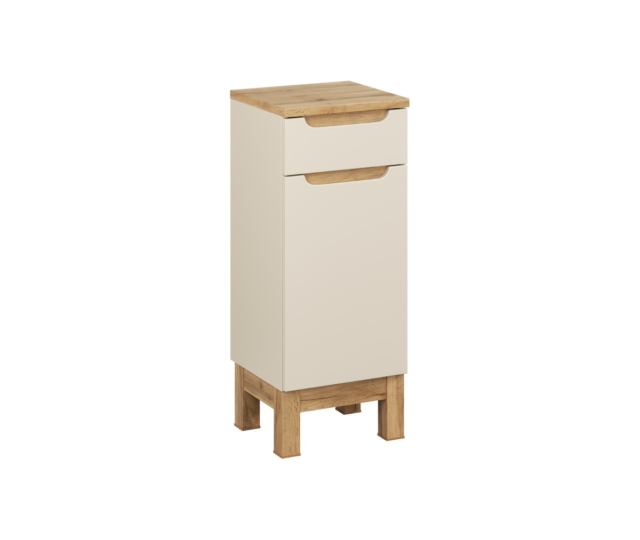 BALI CASHMERE 81-35-1D1S
Comad BALI CASHMERE side cabinet 35 cm, matt cashmere
Available to order142.02 € 3 × 47.34 € -
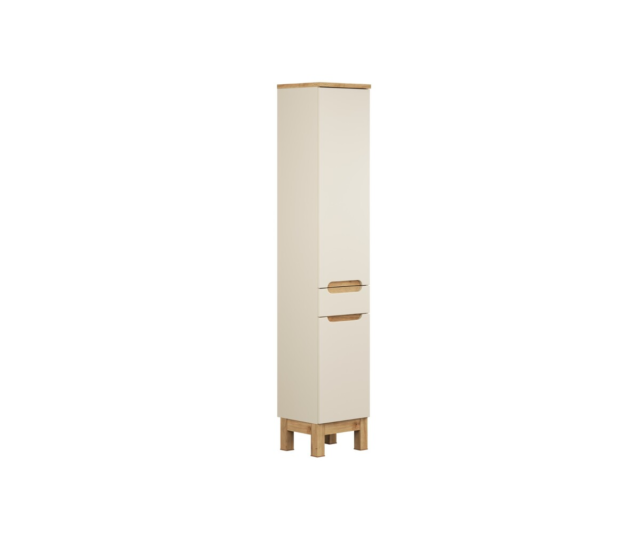 BALI CASHMERE 80-35-2D1S
Comad BALI CASHMERE tall bathroom cabinet 35 cm, 2 doors and 1 drawer, matt cashmere
Available to order245.10 € 3 × 81.70 € -
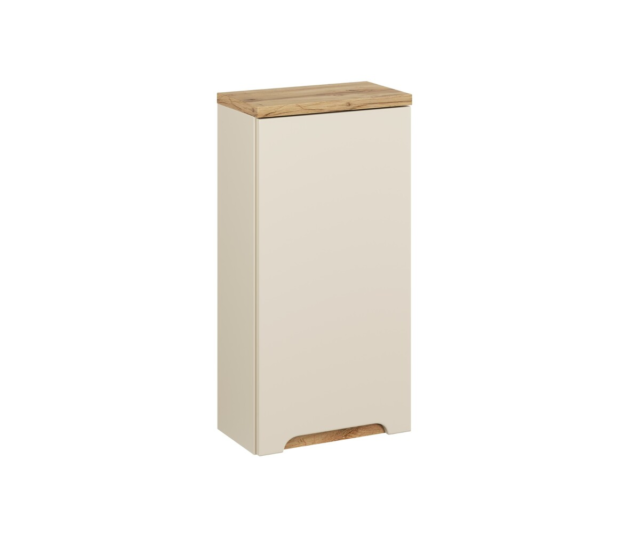 BALI CASHMERE 83-35-1D
Comad BALI CASHMERE wall cabinet 35 cm, matt cashmere
Available to order85.85 € 3 × 28.62 € -
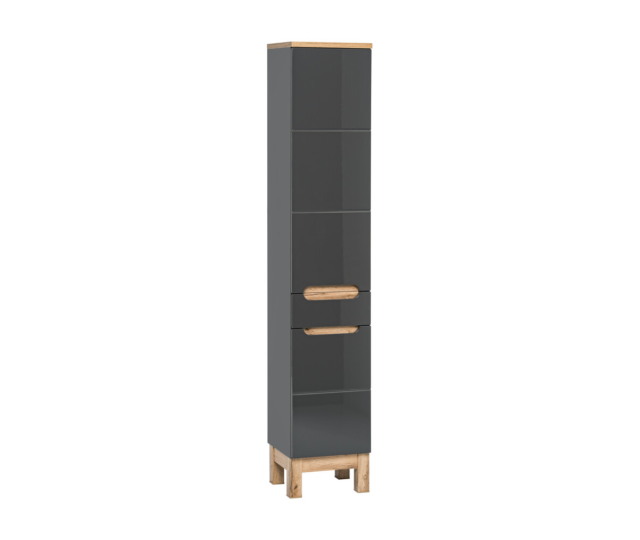 BALI GRAFIT 800 FSC
Comad BALI GRAFIT tall bathroom cabinet 35 cm, 2 doors and 1 drawer, grey
Available to order256.33 € 3 × 85.44 € -
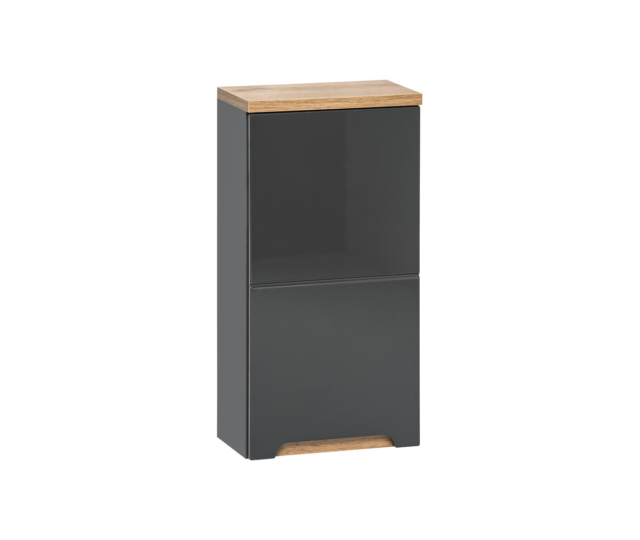 BALI GRAFIT 830 FSC
Comad BALI GRAFIT wall cabinet 35 cm, grey
Available to order87.57 € 3 × 29.19 € -
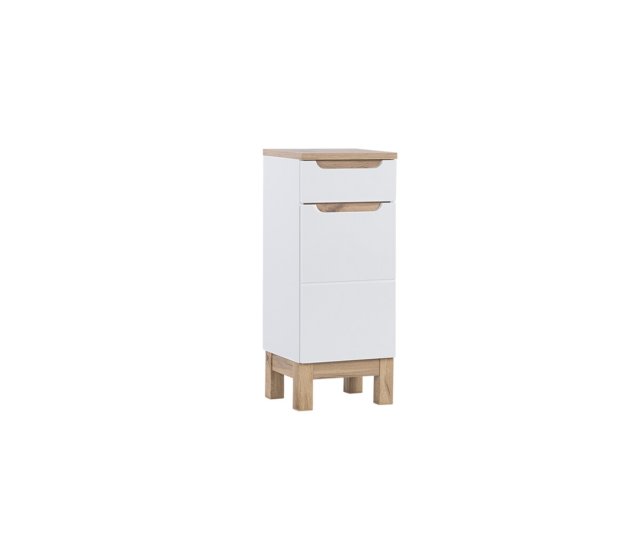 BALI WHITE 810 FSC
Comad BALI WHITE side cabinet 35 cm, white
Available to order133.98 € 3 × 44.66 € -
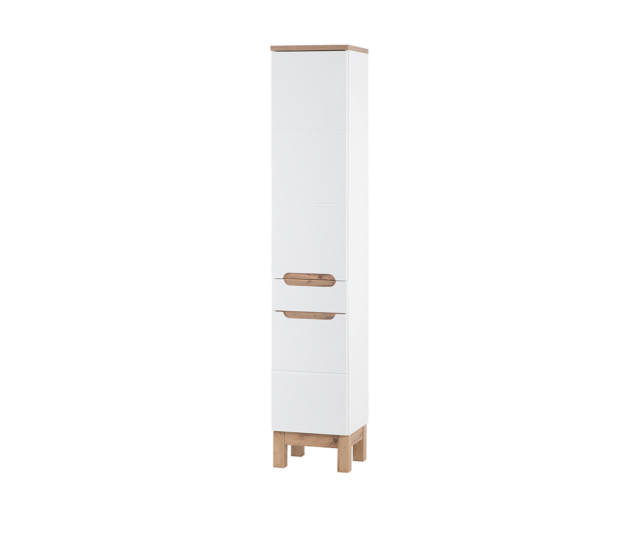 BALI WHITE 800 FSC
Comad BALI WHITE tall bathroom cabinet 35 cm, 2 doors and 1 drawer, white
Available to order231.22 € 3 × 77.07 € -
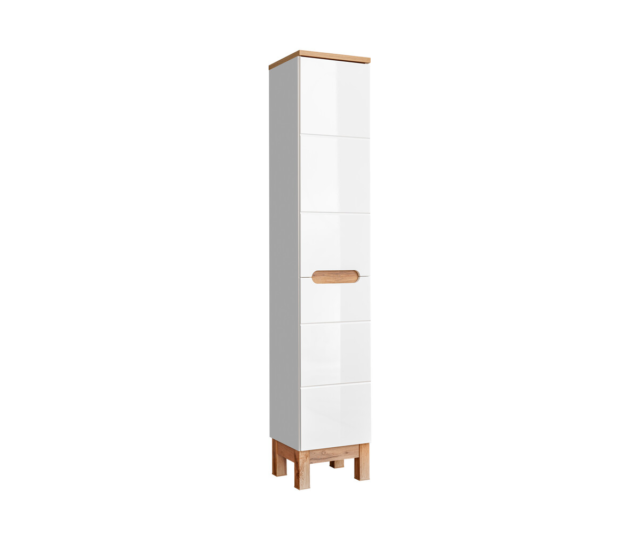 BALI WHITE 804 FSC
Comad BALI WHITE tall bathroom cabinet 35 cm, 2 doors, white
Available to order251.87 € 3 × 83.96 € -
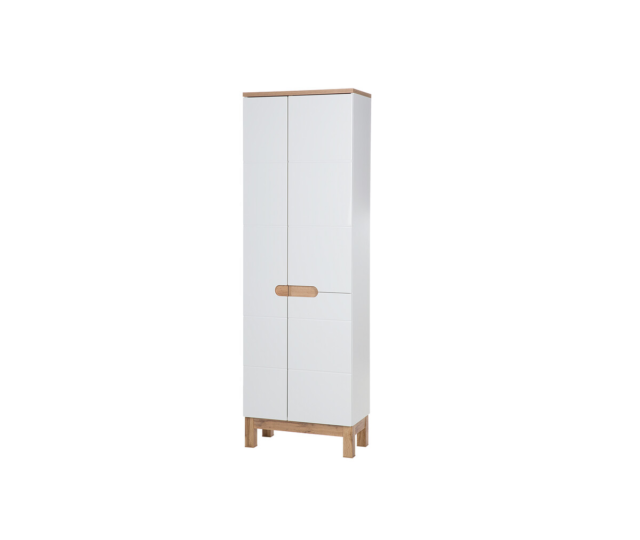 BALI WHITE 900 FSC
Comad BALI WHITE tall bathroom cabinet 60 cm, 3 doors, white
Available to order307.92 € 3 × 102.64 € -
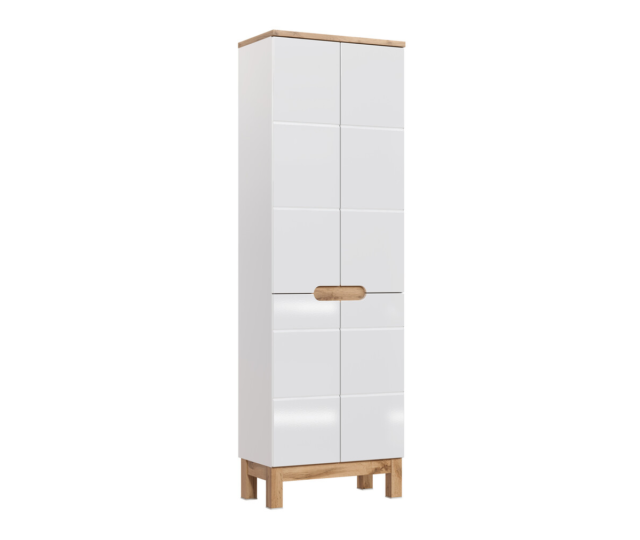 BALI WHITE 805 FSC
Comad BALI WHITE tall bathroom cabinet 60 cm, 4 doors, white
Available to order305.25 € 3 × 101.75 € -
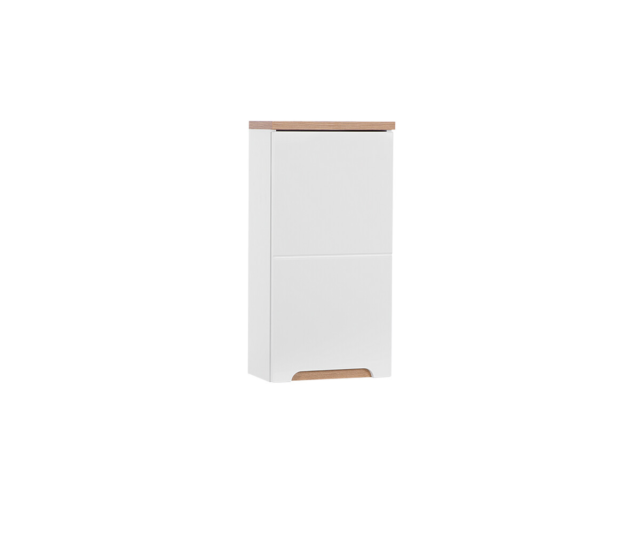 BALI WHITE 830 FSC
Comad BALI WHITE wall cabinet 35 cm, white
Available to order80.98 € 3 × 26.99 € -
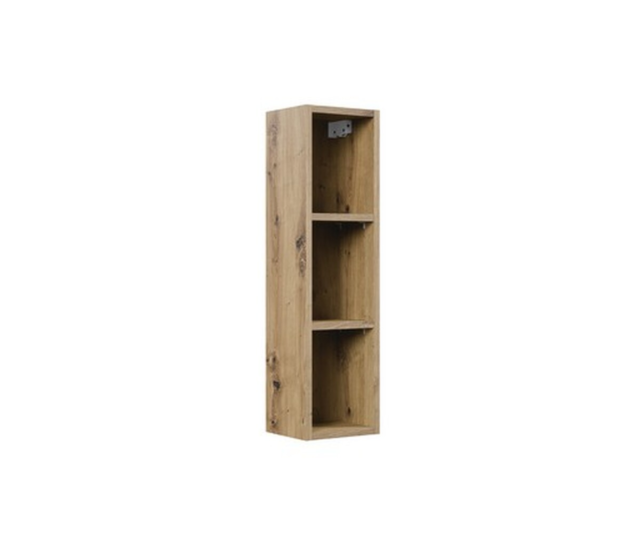 ARTISAN UN 83-20-74
Comad Bella Cashmere open shelf 20 cm, Artisan oak
Available to order51.25 € 3 × 17.08 € -
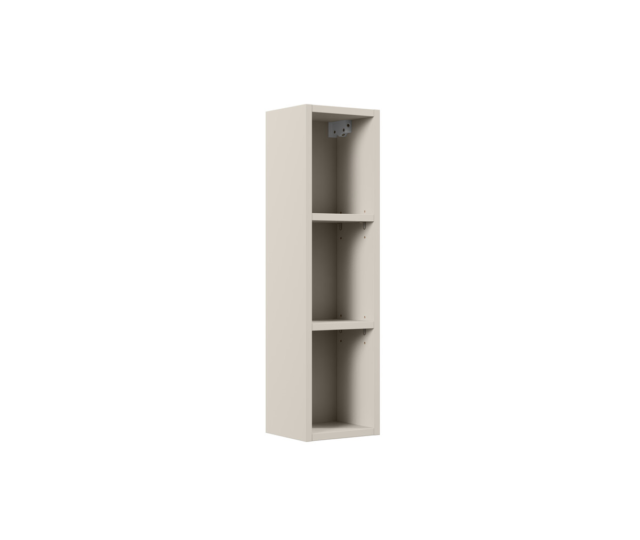 CASHMERE UN 83-20-74
Comad Bella Cashmere open shelf 20 cm, matt cashmere
Available to order51.25 € 3 × 17.08 € -
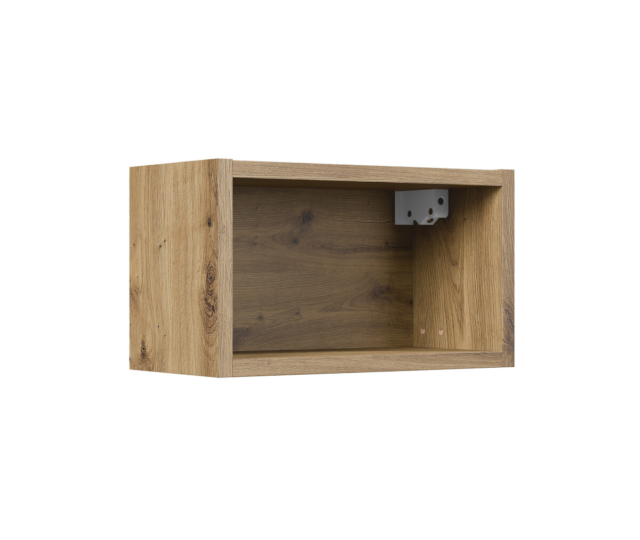 ARTISAN UN 83-35-20
Comad Bella Cashmere open shelf 35 cm, Artisan oak
Available to order34.14 € 3 × 11.38 € -
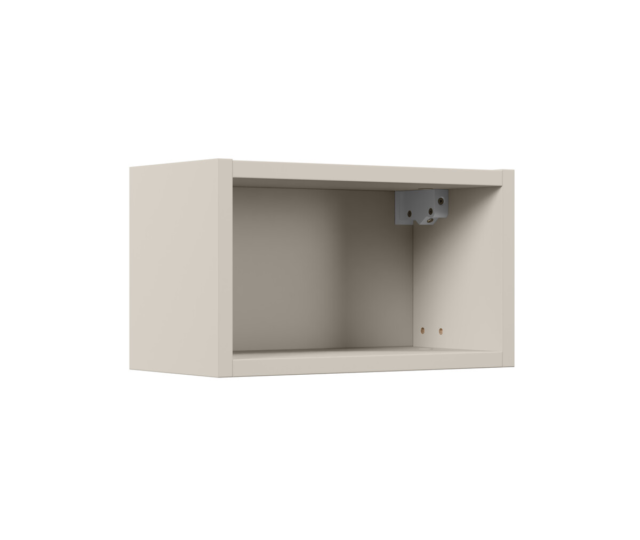 CASHMERE UN 83-35-20
Comad Bella Cashmere open shelf 35 cm, matt cashmere
Available to order34.14 € 3 × 11.38 € -
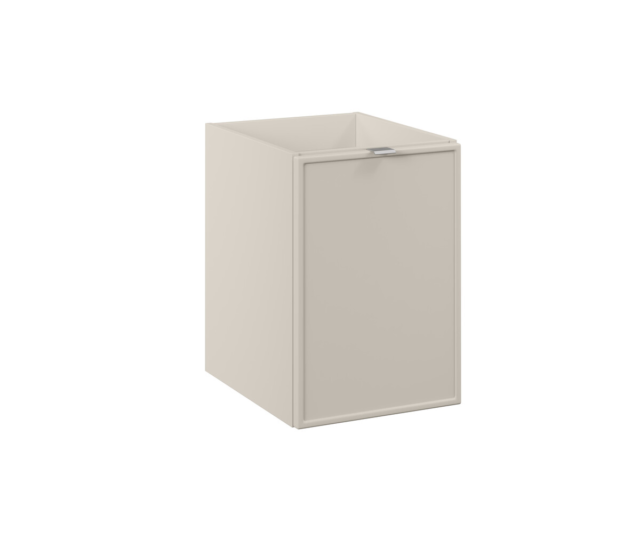 BELLA CASHMERE 81-40-1DK
Comad Bella Cashmere side cabinet 40 cm, matt cashmere
Available to order137.18 € 3 × 45.73 € -
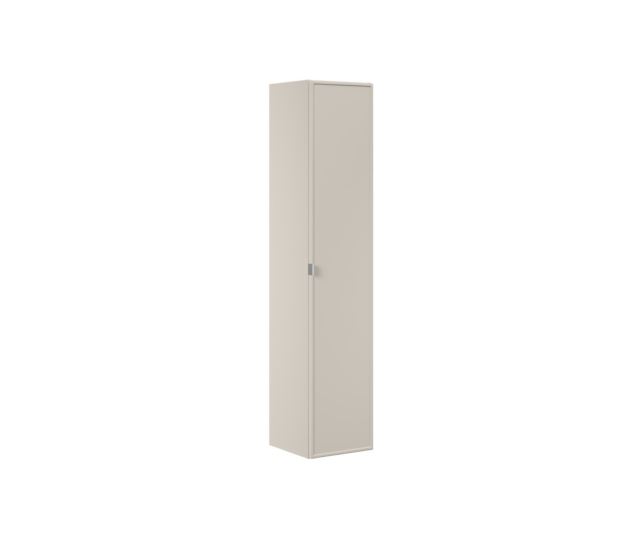 BELLA CASHMERE 80-35-1D
Comad Bella Cashmere tall bathroom cabinet 35 cm, 1 door, matt cashmere
Available to order182.47 € 3 × 60.82 € -
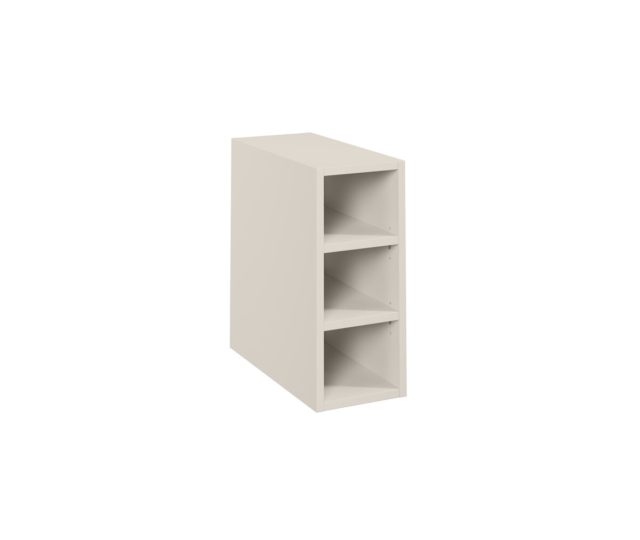 CASHMERE UN 81-20-44
Comad Bella Cashmere under-worktop bathroom cabinet 20 × 44 × 57 cm, matt cashmere
Available to order92.54 € 3 × 30.85 € -
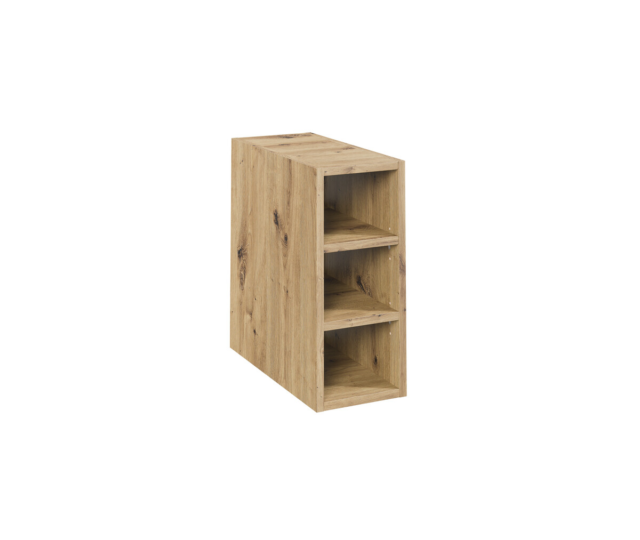 ARTISAN UN 81-20-44
Comad Bella Cashmere under-worktop bathroom cabinet 20 × 44.2 × 57 cm, Artisan oak
Available to order92.54 € 3 × 30.85 € -
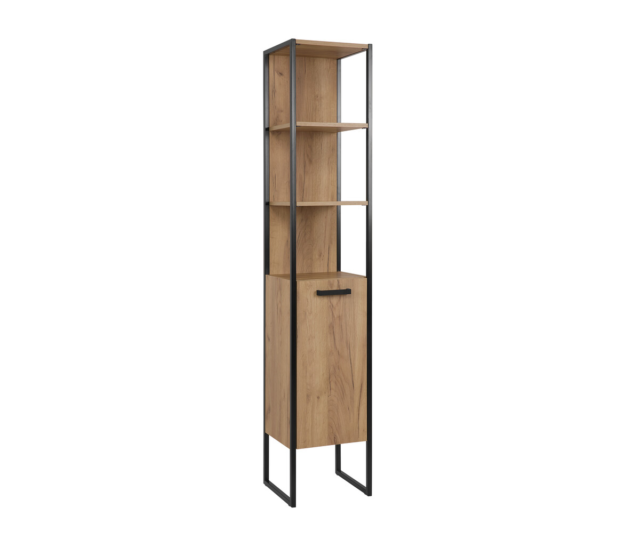 BROOKLIN 800 FSC
Comad Brooklin tall bathroom cabinet 35 cm, 1 door, Craft oak
Available to order406.47 € 3 × 135.49 € -
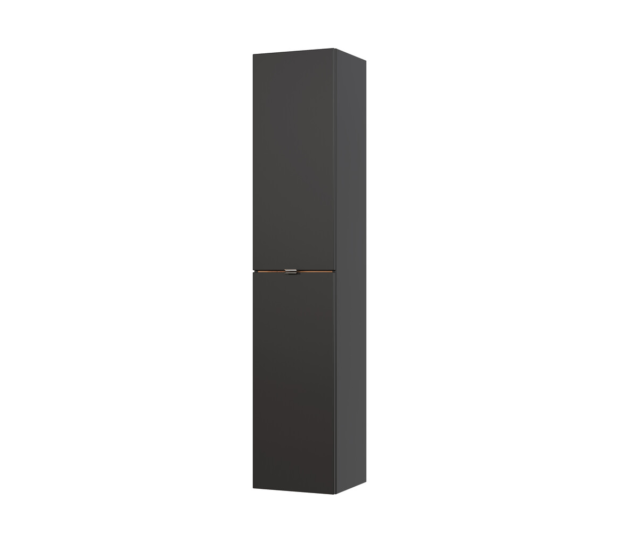 CAPRI COSMOS 800 FSC
Comad CAPRI COSMOS tall bathroom cabinet 35 cm, 2 doors, Cosmos grey
Available to order160.64 € 3 × 53.55 € -
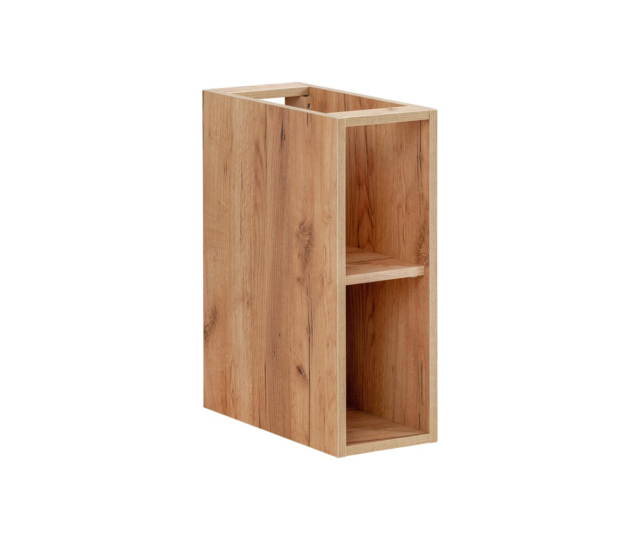 CAPRI OAK 810A FSC
Comad CAPRI OAK open shelf 20 cm, Craft oak
Available to order49.51 € 3 × 16.50 € -
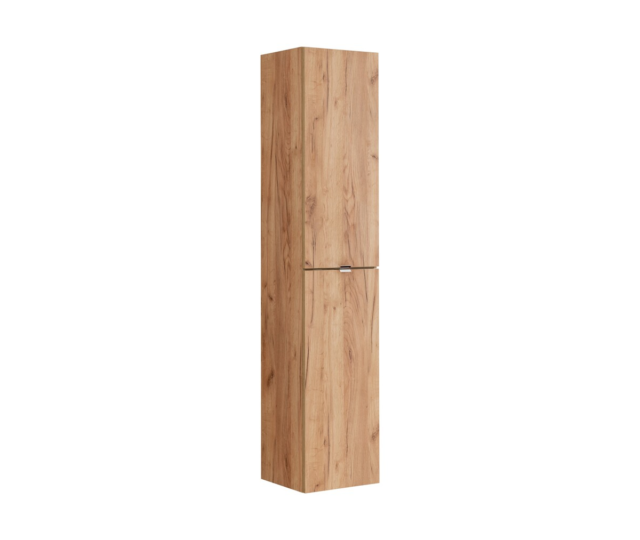 CAPRI OAK 800A FSC
Comad CAPRI OAK tall bathroom cabinet 35 cm, 2 doors, Craft oak
Available to order175.76 € 3 × 58.59 € -
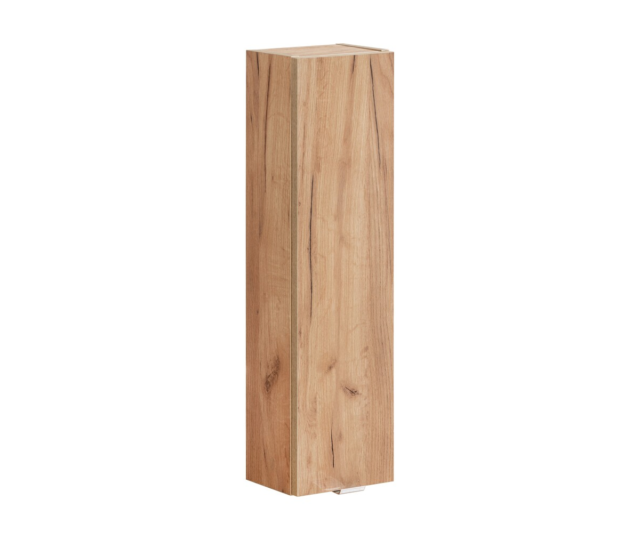 CAPRI OAK 830A FSC
Comad CAPRI OAK wall cabinet 20 cm, Craft oak
Available to order63.13 € 3 × 21.04 €
Continue where you left off
Have you ever walked into your bathroom and felt like it was a constant mess, despite the beautiful tiles and new faucet? Shampoo bottles are scattered around, there’s nowhere to put clean towels, and your morning routine always starts with searching for things. If this sounds familiar, then you know that the real savior of bathroom functionality is a proper and well-thought-out bathroom cabinet . It’s not just a piece of furniture, but a creator of order and harmony in the space that is the heart of your home. As a homeowner, you’re faced with a number of choices: which material will withstand daily humidity? How can you store the necessary things so that the space doesn’t feel oppressively cramped? In this comprehensive guide, we’ll break down the basics of choosing the perfect bathroom cabinet that will serve you flawlessly for years to come. We’ll explore different cabinet types, analyze moisture-resistant materials, share design tips, and talk about proper maintenance. Whether you’re doing a light renovation or building a new home, you’ll find all the answers you need here. Why is the right bathroom cabinet indispensable in your bathroom? The bathroom is often one of the smallest rooms in the home, but it has to accommodate a surprisingly large number of everyday items. A well-chosen bathroom cabinet is absolutely critical in optimizing space and keeping it organized. How does a bathroom cabinet solve storage problems? Every homeowner knows that bathroom design and storage go hand in hand. Imagine a situation where each family member’s personal toiletries, spare towels, toilet rolls and cleaning supplies are out of sight, hidden behind smooth-closing doors or drawers. A tidy bathroom cabinet helps create visual peace. Psychological studies show that a clutter-free, clean and organised bathroom reduces morning stress and helps you start the day on a more positive note. When things have a definite place, cleaning the room becomes much quicker and easier. Optimizing space in small bathrooms The need for a cabinet is especially acute in smaller apartments. Decorating a small bathroom requires cleverness, because every square centimeter counts. In this situation, furniture must work in your favor, offering space-saving solutions for the bathroom . A good trick is to make maximum use of vertical space. Instead of a regular open shelf, a system behind closed doors offers the opportunity to hide even those things that are not very aesthetically pleasing. A unique solution that many designers recommend is drawers with integrated internal compartments – this way even the smallest lip balms or hairpins will not get lost in a large drawer. What are the different types of bathroom cabinets? Choosing the right type is the cornerstone of a successful bathroom project. Depending on the size of the room and your needs, you can combine different elements. Classic sink cabinet: The heart of the bathroom The most common and often the most important element is the . It performs two functions at once: it hides unsightly water pipes and provides spacious storage space right where you need it most – under the sink. Modern sink cabinets are equipped with smart U-shaped drawers that "hug" the siphon to make maximum use of the drawer space. Wall cabinet and mirror cabinet: A smart two-in-one solution A mirrored bathroom cabinet mounted above the sink is a brilliant space-saving solution . It brings everyday essentials like toothbrushes and face creams conveniently at eye level. In addition, many modern mirror cabinets come with integrated LED lighting and even internal sockets for a hairdryer or shaver. This reduces the need for separate wall lights, keeping the design clean and minimalist. Tall bathroom cabinet (pencil cabinet): Maximum capacity When space is at a premium, a tall bathroom cabinet , or pencil cabinet, is your best friend. This narrow and long piece of furniture takes up very little floor space (often only 30–40 cm wide), but reaching almost to the ceiling, it can hold a huge amount of things. This is where the magic of using vertical space mentioned above comes into play. An interesting design tip: a tall and narrow cabinet draws the eye upwards, which makes a bathroom with a low ceiling visually more spacious and higher. Materials that withstand moisture and time The bathroom is a harsh environment – constant temperature fluctuations and high humidity are the biggest enemies of conventional furniture. Therefore, the materials used for bathroom cabinets must be carefully selected. As a homeowner, it is useful to know what you are really paying for when looking for moisture-resistant bathroom furniture . MDF and particleboard (moisture-resistant options) Most modern cabinets are made of MDF (medium density fiberboard) or high-quality moisture-resistant chipboard. These materials are cheaper than solid wood, do not expand or contract as much when exposed to moisture, and are stable. A unique perspective that is not often discussed: the real secret to a cabinet's durability is not always in the core of the board, but in its edge . Top-quality bathroom cabinets use PU (polyurethane) adhesive-bonded edges that are 100% waterproof. With cheaper EVA adhesive edges, microscopic moisture can get into the board over time and it will start to swell unsightly. When buying a new cabinet, always ask the seller what technology is used to seal the edges! Solid wood in the bathroom: A luxury that requires care Is a wooden bathroom cabinet a bad idea in the bathroom? Definitely not, if it is treated correctly. Certain types of wood, such as teak or oak, are naturally more resistant to moisture. A wooden cabinet brings irreplaceable warmth and luxury to a room. However, the homeowner must be prepared to maintain it regularly by oiling or varnishing the surface to prevent water droplets from absorbing into the wood. Finishing Materials: Paint vs. Veneer The finish of the cabinet front dictates both the appearance and ease of cleaning. MDF coated with polyurethane paint is a very durable and waterproof solution, available in an endless range of colors. High-gloss surfaces make a room look larger, but require more frequent cleaning due to fingerprints. A matte finish or natural wood veneer hides minor stains better, but veneer needs a strong coat of varnish to survive in the bathroom. How to match a bathroom cabinet to the style of the room? Your bathroom cabinet doesn't have to be just a practical box; it largely dictates the mood and design language of the entire room. Choosing the right facade, color, and fittings (handles, hinges) ties the bathroom together. Modern minimalism and handle-free design A minimalist approach is very popular in modern architecture. Handle-less doors and drawers (for example, with push-to-open systems or milled recesses) give an extremely clean and refined impression. This solution is ideal for narrow spaces, as there are no protruding details that clothes could get caught behind. The color palette here is often dominated by calm tones: matte black, anthracite gray, pure white or even muted sage green. Classic and Scandinavian coziness If you prefer a warmer and more homely atmosphere, Scandinavian style is a sure bet. Light wood combined with white surfaces plays a major role here. A wooden bathroom cabinet with minimalist ceramic or brushed brass knobs brings a touch of nature into the room. In a more classic or rustic bathroom, you can opt for frame-fronted (shaker-style) doors, which give the furniture depth and character. Bathroom cabinet installation and maintenance: Practical advice Even the best and most expensive cabinet in the world will lose its value if the bathroom cabinet installation is done incorrectly or if its daily maintenance is neglected. Wall-mounted vs. floor-standing cabinet One of the biggest decisions is the installation method. A wall-mounted bathroom cabinet (also known as a floating cabinet) is the most popular choice today, and for several reasons. Firstly, it leaves the floor completely free, which makes it a breeze to wash and clean the floor. Secondly, it makes a small room feel more airy. However, it should be remembered that wall mounting requires a strong load-bearing wall (in the case of a plasterboard wall, special reinforcements in the frame). A cabinet that stands on the floor is well suited for older houses where the strength of the walls is questionable, or for lovers of a classic style. A cabinet on legs often also offers a little more storage space. How to prevent water damage and mold? Cleaning your bathroom cabinet should be gentle. Never use abrasive scrubbing creams or strong acidic products that can damage the paint or varnish. In most cases, just warm water and a soft microfiber cloth are enough. Practical and unique advice: The biggest danger is not the front of the cabinet, which you dry regularly anyway, but the back of the cabinet! Hot vapors and moisture can condense on the back of the furniture. When installing a wall-mounted cabinet, always leave a small (a few millimeters) air gap between the back of the cabinet and the bathroom wall. This allows air to circulate and prevents the formation of hidden mold, significantly extending the life of your furniture. Quick summaries and key recommendations Functionality is king: A good bathroom cabinet hides clutter and makes your morning routines stress-free. Use the walls: Especially in a small bathroom, a tall wall-mounted pencil cabinet or a smart mirror cabinet solves storage problems. Material matters: Always look for moisture-resistant bathroom furniture that uses durable MDF boards and PU-glued edges to prevent water damage. Wall-mounted is more practical: A floating cabinet makes the bathroom look more spacious and makes cleaning the floors much easier. Air gap is important: When installing furniture, allow air circulation behind the cabinet to prevent mold and ensure a long service life. Frequently asked questions Can I install a bathroom cabinet myself? Yes, if you have basic skills and the right tools, installing a bathroom cabinet is doable. However, for a wall-mounted cabinet, it is extremely important to find framing posts or use the right drywall anchors, as the cabinet with its contents (and especially the sink) is very heavy. If in doubt, definitely hire a professional. How to clean a bathroom cabinet with a mirror to avoid streaks? The best way to clean the mirror part of a bathroom cabinet is with a microfiber cloth and warm water or a special glass cleaner. Spray the cleaner onto the cloth, not directly onto the mirror – if the liquid runs between the edges of the mirror, it can damage the silver layer behind the mirror over time and create unsightly black spots. What is the best material for furnishing a small bathroom? Light-colored, glossy MDF cabinets are ideal for a small bathroom, as they reflect light and make the room feel spacious. Moisture-resistant bathroom furniture is even more critical in cramped conditions, as shower splashes are more likely to land on the furniture. Will a solid wood bathroom cabinet rot from moisture? No, as long as the wood is properly finished (varnished, oiled or waxed) and the bathroom is properly ventilated. A wooden bathroom cabinet simply requires more careful drying from splashes and occasional refinishing. What to do if the cabinet doors are sagging? This is a very common occurrence and does not mean that the cabinet is damaged. Modern furniture hinges are equipped with adjustment screws. Using a standard Phillips screwdriver, you can raise and lower the doors and move them in and out to restore the ideal and even gap between the doors.