
Roof safety products.
Every experienced builder knows that building a roof does not end with the installation of the last roof tile, metal tile or corrugated sheet. A truly professional and…
-
LAOTOODE
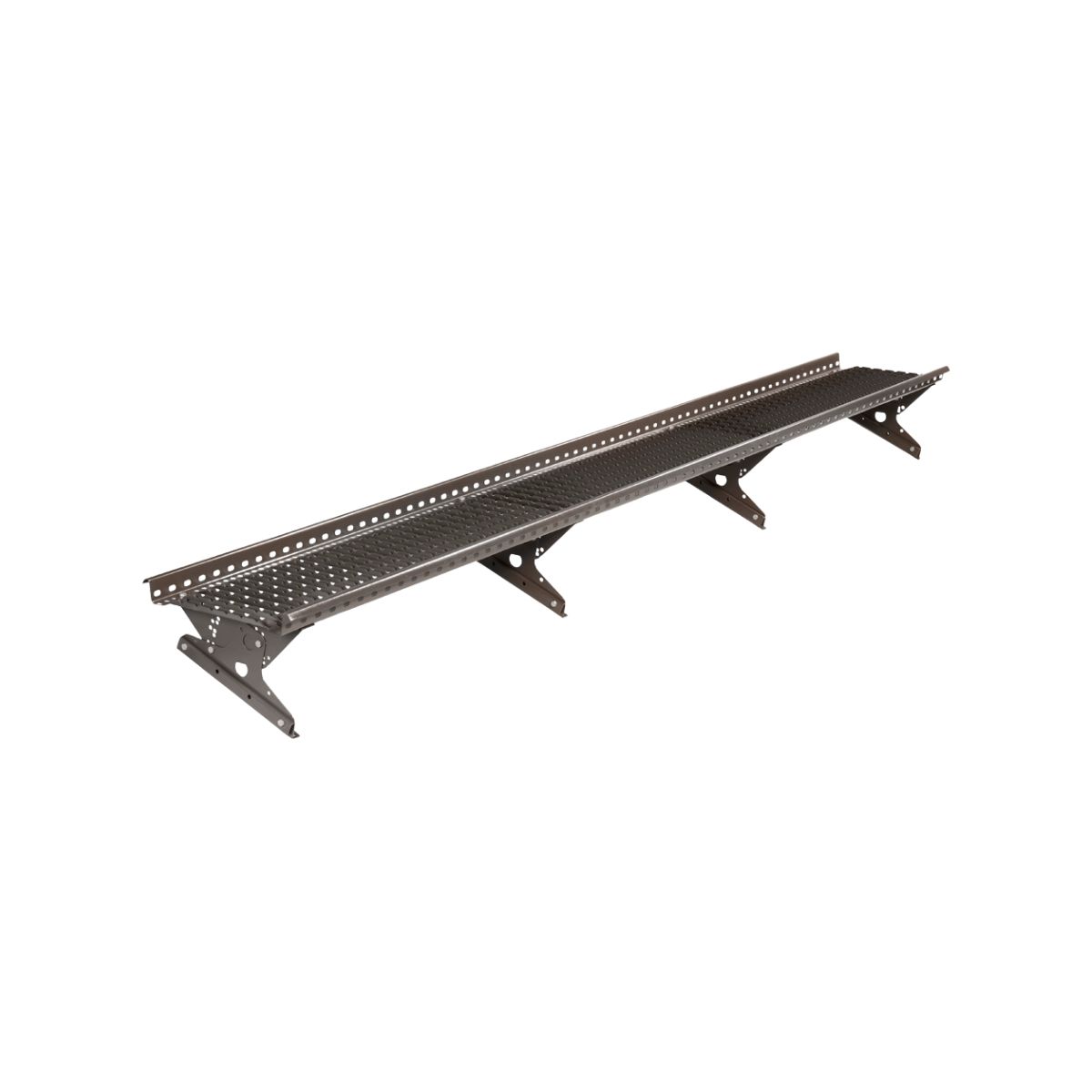 KOMP3501-RR32
Roof bridge RR32 brown, for Eternit roof, 3000 mm
In stock386.31 € 3 × 128.77 € -
LAOTOODE
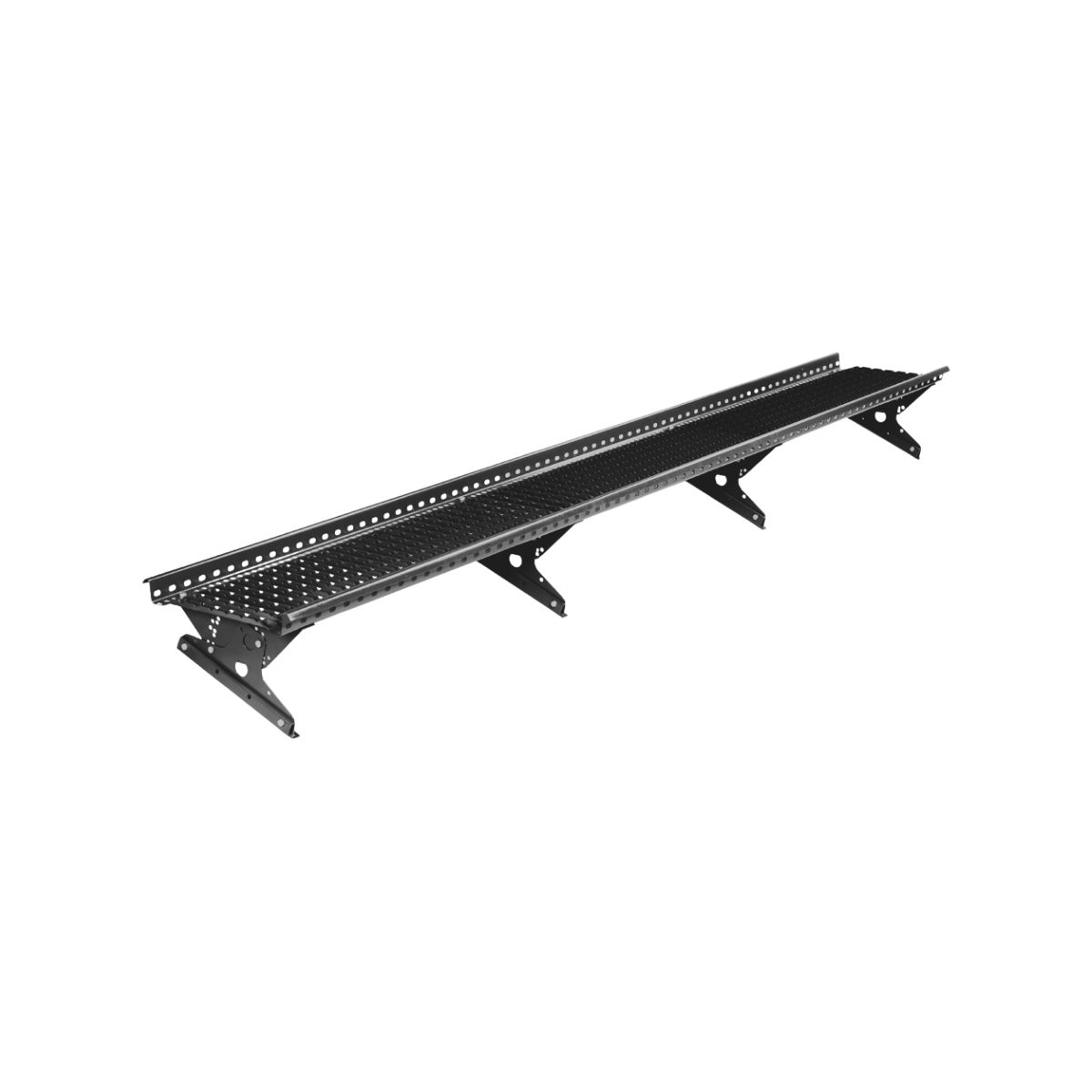 KOMP3501-RR33
Roof bridge RR33 black, for Eternit roof, 3000 mm
In stock386.31 € 3 × 128.77 € -
LAOTOODE
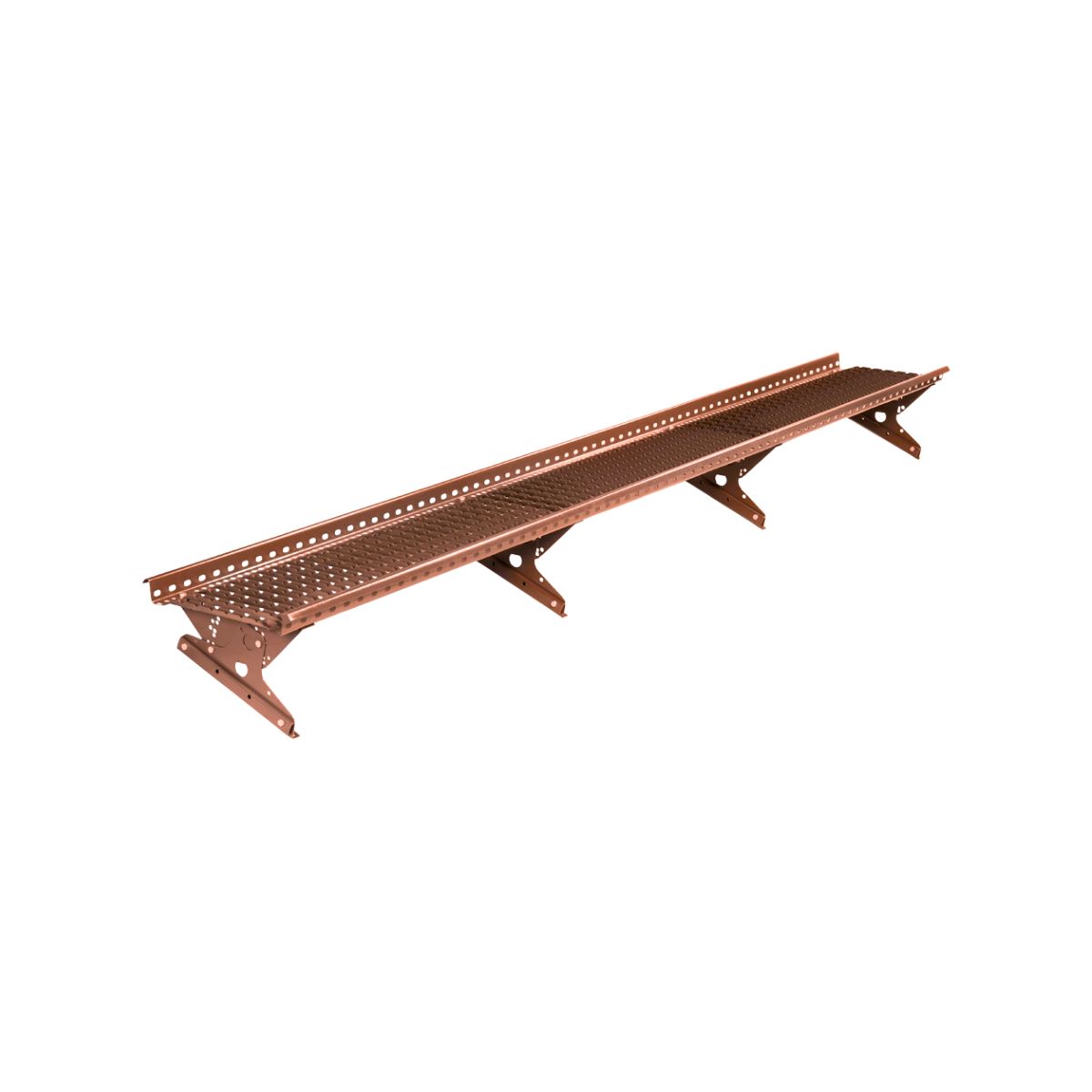 KOMP3501-RR750
Roof bridge RR750 brick red, for Eternit roof, 3000 mm
In stock386.31 € 3 × 128.77 € -
LAOTOODE
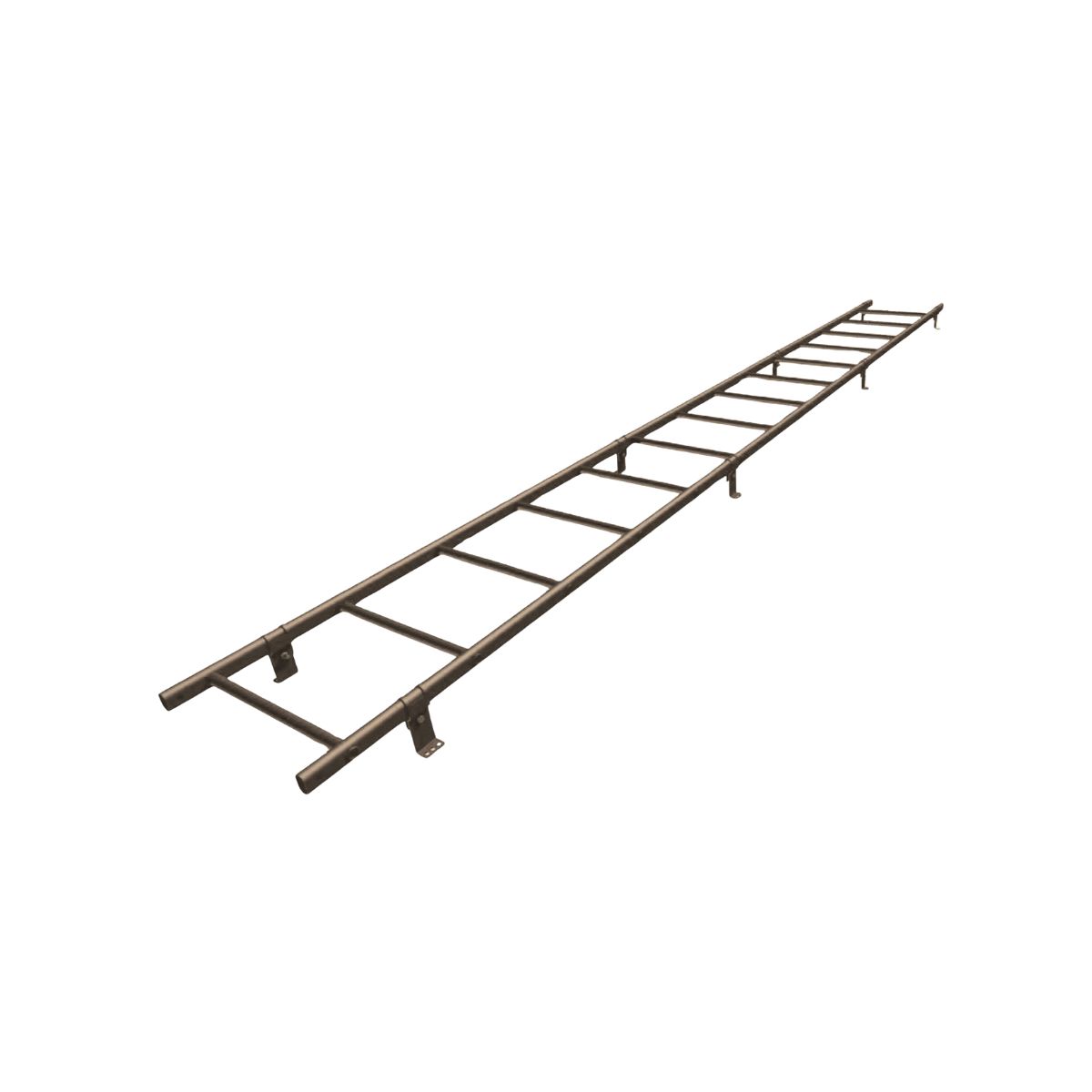 KOMP5701-RR32
Roof rafters RR32 brown, for Eternit roof, 3000 mm
In stock208.36 € 3 × 69.45 € -
LAOTOODE
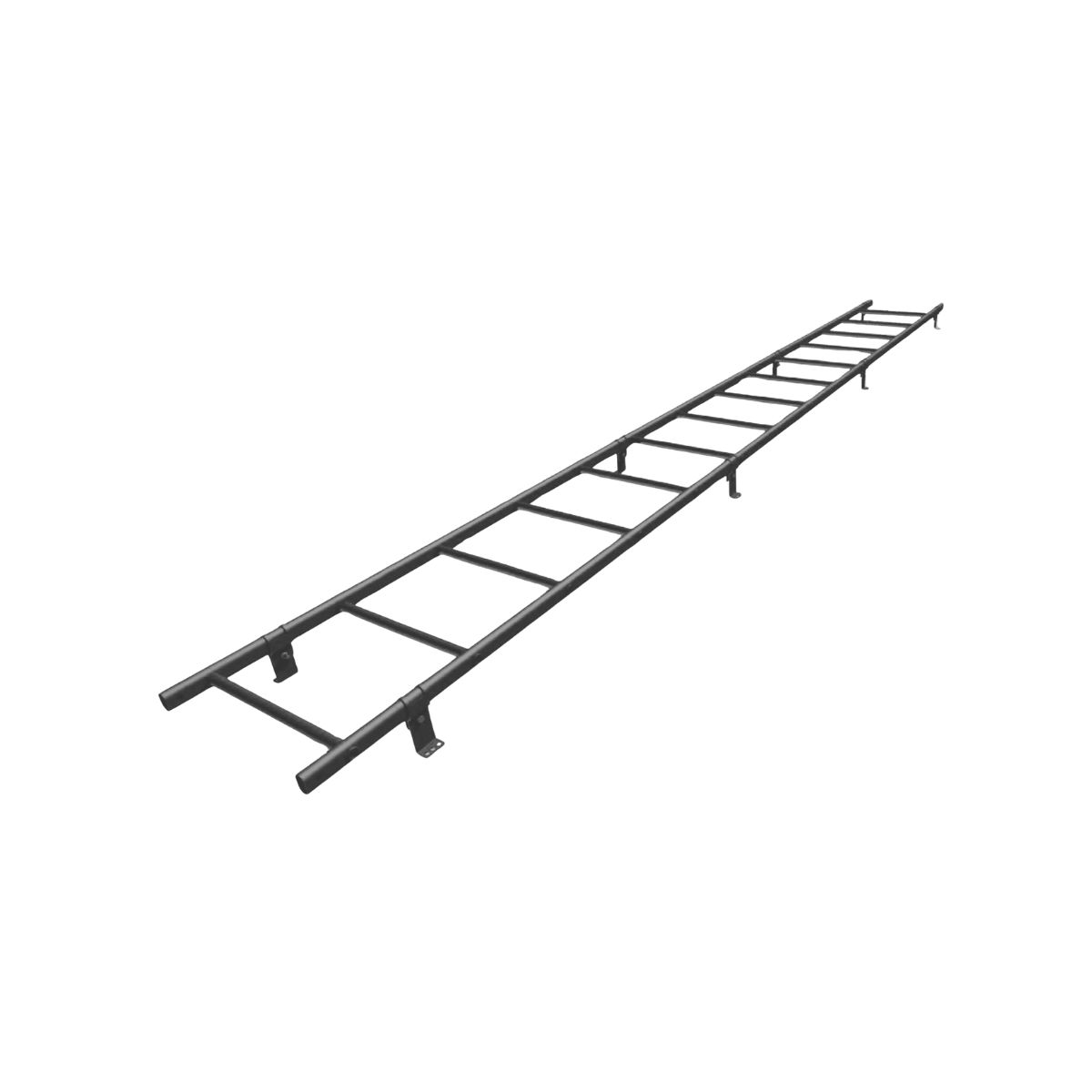 KOMP5701-RR33
Roof rafters RR33 black, for Eternit roof, 3000 mm
In stock208.36 € 3 × 69.45 € -
LAOTOODE
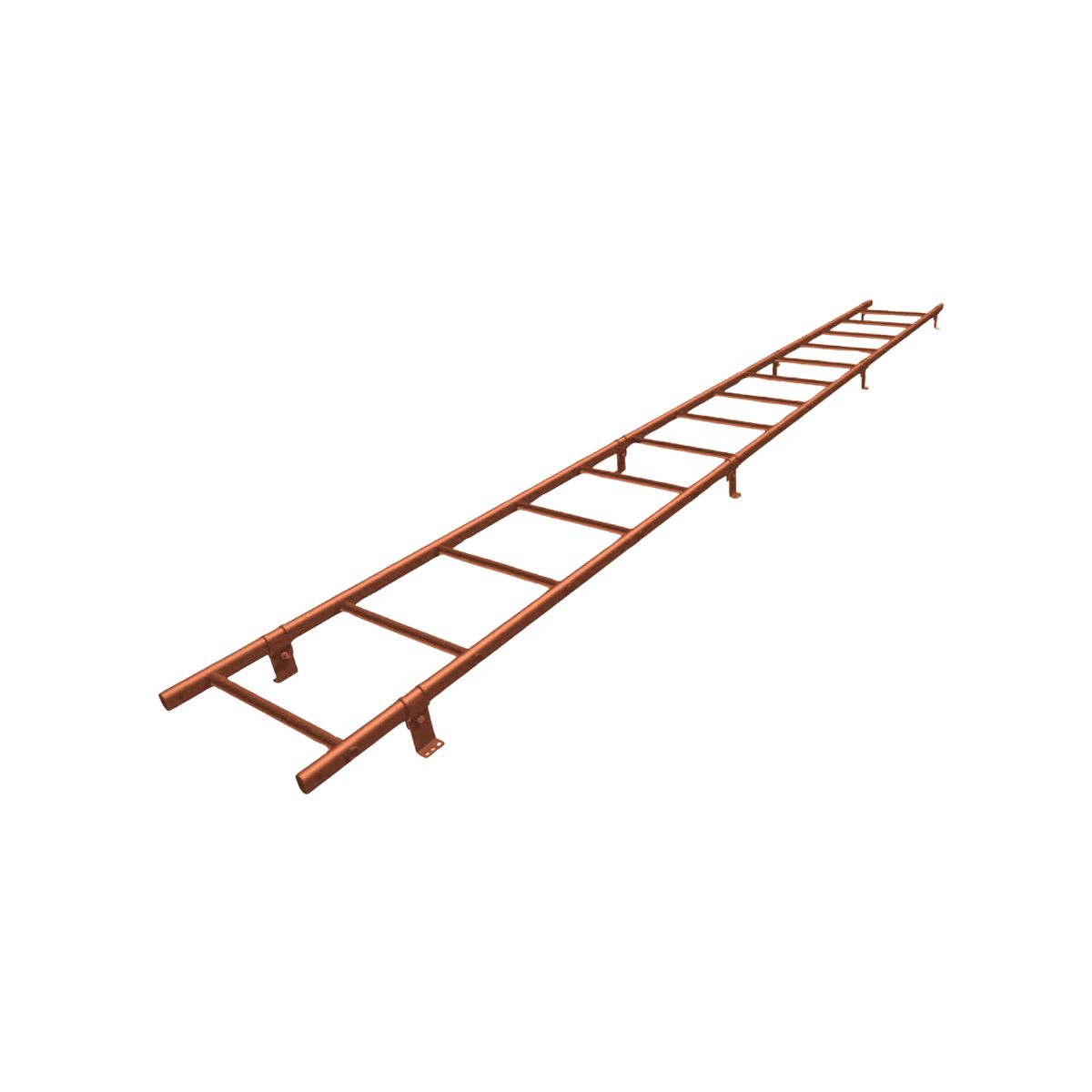 KOMP5701-RR750
Roof rafters RR750 brick red, for Eternit roof, 3000 mm
In stock208.36 € 3 × 69.45 € -
LAOTOODE
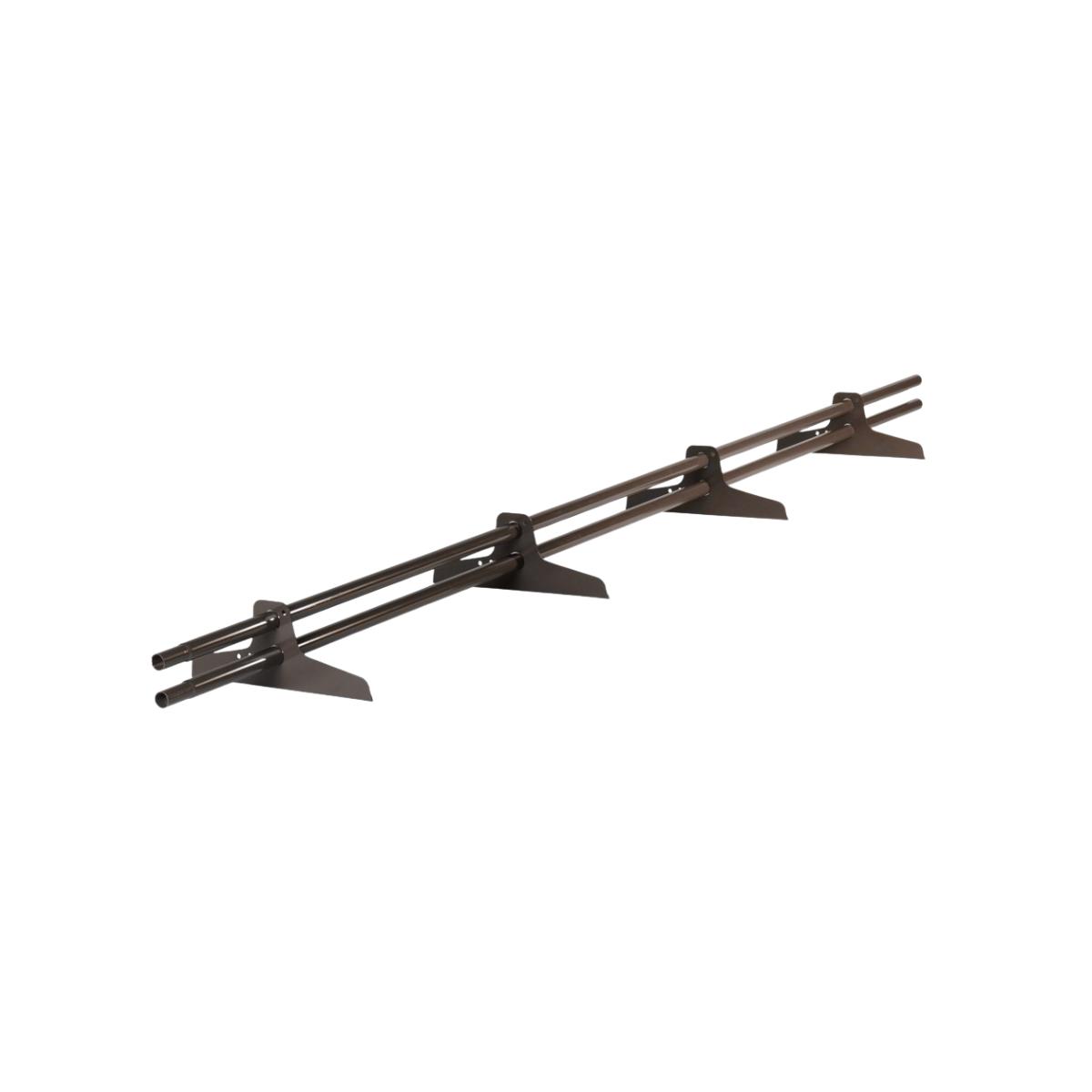 KOMP3793-RR32
Roof snow guard RR32 brown with two pipes, for Eternit roof, 3000 mm
In stock142.25 € 3 × 47.42 € -
LAOTOODE
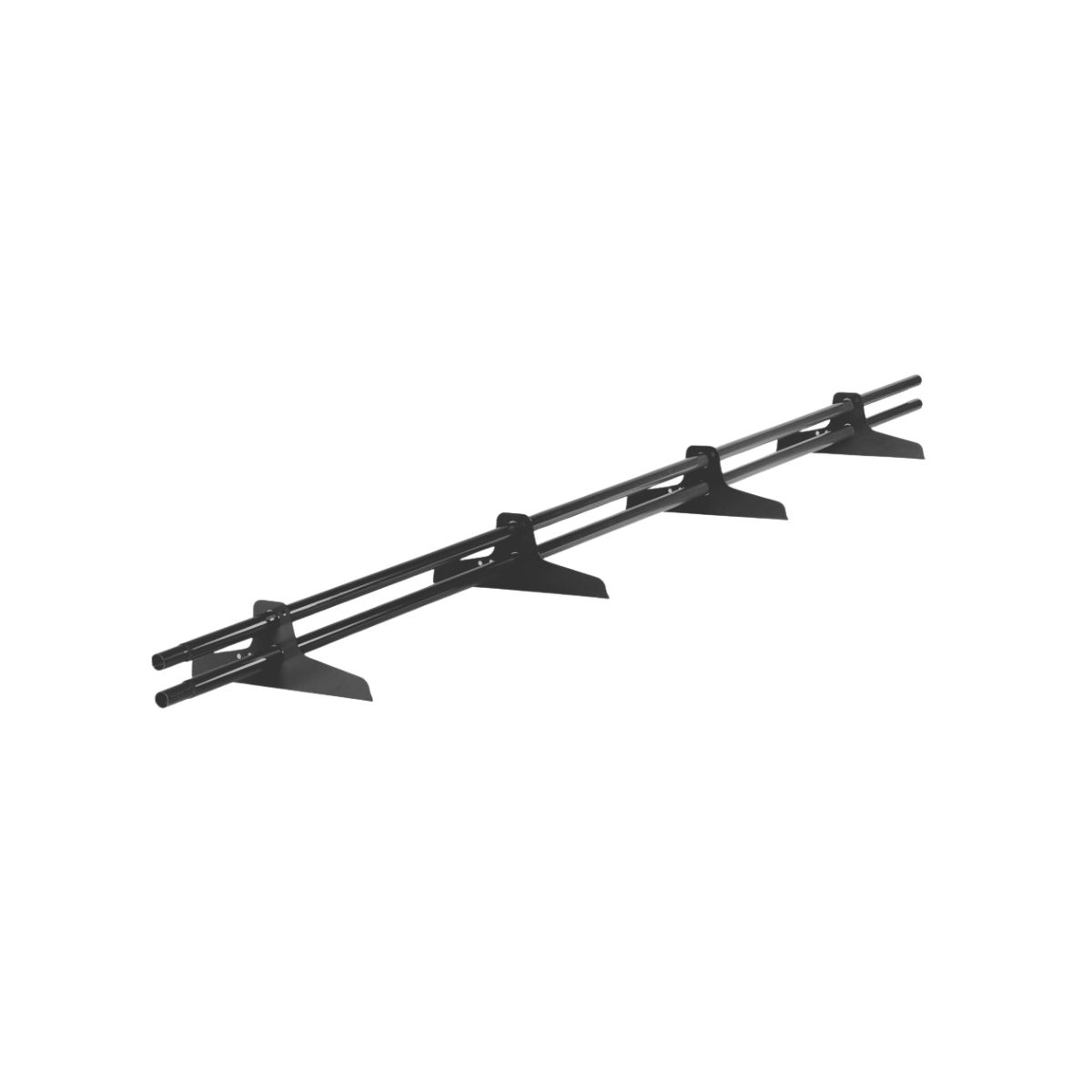 KOMP3793-RR33
Roof snow guard RR33 black with two pipes, for Eternit roof, 3000 mm
In stock142.25 € 3 × 47.42 € -
LAOTOODE
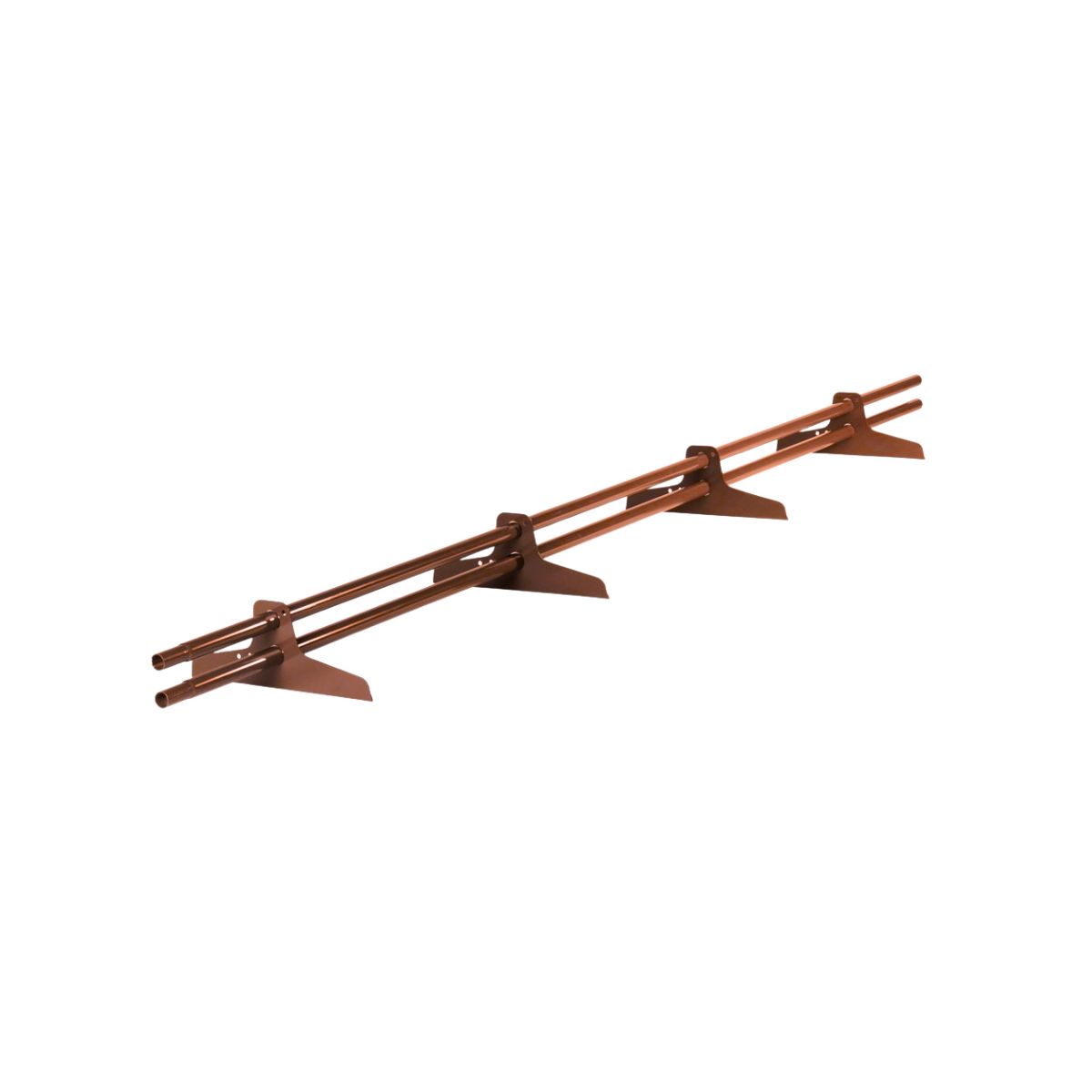 KOMP3793-RR750
Roof snow guard RR750 brick red with two pipes, for Eternit roof, 3000 mm
In stock142.25 € 3 × 47.42 €
Continue where you left off

Every experienced builder knows that building a roof does not end with the installation of the last roof tile, metal tile or corrugated sheet. A truly professional and compliant roof is equipped with systems that ensure safety even decades later when the building needs to be maintained. Roof safety products are not just an accessory or a place to cut the client's budget; they are vital elements that protect both the lives of maintenance workers and the property surrounding the house. In this comprehensive guide, we approach the topic directly from the builder's perspective. We talk honestly about why specific roof safety products are essential, how to avoid typical installation mistakes and which solutions are best suited for different profiles. Whether you are building a new building or renovating an old roof – correctly selected roof bridges, snow guards and ladders are a sign of the quality and responsibility of your work. We also look at how to cleverly combine these elements with modern materials, for example using specialEternit roof accessories , to ensure a watertight and safe solution. Let's dive into the world of safe roofing! Why are roof safety products the foundation of every construction project? As a builder, you are often faced with a client who wants to optimize costs. One of the first things a client tends to pull out of a quote is roof safety products . It is your job as a professional to explain why this is a fatal mistake. Legislation and building codes in Estonia In Estonia, roof safety is regulated by strict building codes and the Rescue Board’s regulations. Every roof with a slope greater than 1:8 (approximately 7 degrees) must have safe roof walkways to chimneys, ventilation equipment and other nodes requiring maintenance. Chimney sweeps have the legal right to refuse to carry out work if the roof does not have proper roof safety products such as roof bridges and safety rope attachment points. This means that the building owner will not receive a permit for use or a maintenance certificate for the heating system, which in turn may void their home insurance. As a builder, you need to know that the responsibility for providing a proper solution lies with you at the time of submitting the bid. If you do not include the necessary safety equipment in the quote and it later turns out that the roof does not meet the standards, your company will suffer reputational damage and often the cost of reconstruction. Customer responsibility vs. builder responsibility Unique perspective from the site: Many builders view safety products as an "annoying obligation" that spoils the visual appearance of the roof. In reality, high-quality roof safety products that harmonize with the color of the roof covering are a sign of the highest construction quality. They are the builder's so-called insurance policy. If a massive snowdrift falls from the roof in winter and crushes a car parked below or, worse, injures a person, the first question is: who built the roof and why were there no snow guards? A properly designed and installed fall protection on the roof eliminates the builder's legal liability and ensures the client's peace of mind. Always reinforce your quotes with a note that your solution includes all the safety elements required by law. Snow barriers: How to prevent property damage and accidents? Snow guards are arguably the most important roof safety products in the Estonian climate . The mass of snow and ice on a roof can reach tons, and its uncontrolled descent is potentially fatal. Pipe snow barriers and their installation specifications The most common and effective solution is pipe snow guards . They consist of special mounting brackets and oval or round pipes running through them. Unlike old-school triangular sheet metal barriers, which tended to deform under the weight of snow and break the roof covering, pipe snow guards distribute the load evenly. As a builder, you must pay critical attention to the placement of snow guards. A snow guard is never simply placed "hanging in the air" on the edge of the eaves. The mounting brackets must be installed so that the snow load is transferred directly to the load-bearing wall, i.e. the masonry batten. A ton of snow falling on the eaves box will simply break the eaves. Attaching snow guards to different profiles The installation of the snow guard pipe depends 100% on the roof covering. In the case of a stone roof, special fasteners resting on the additional rafter are used. In the case of sheet metal roofs (classic profile), the barriers are attached to the rolls without penetrating the surface of the sheet metal, which ensures absolute water tightness. But what happens if you use profiled materials, for example, if the customer has chosen an affordable and durable Eternit corrugated sheet covering? In the case of corrugated sheet metal, it is vital to install the snow guard brackets at the bottom of the wave , using proper EPDM rubber seals, and the screws must extend firmly through the sheet directly into the reinforced wooden rafters. For larger roofs (over 6-7 meters of rafter length), just one row of snow guards in the eaves is not enough – the mass of snow is too large and will tear out the fasteners. In this case, several rows of barriers must be installed, dividing the roof into zones. Roof bridges and walkways for safe movement While snow guards protect those on the ground, roof bridges and roof steps are the roof safety products that keep those who have to work on the roof alive. Roof bridge planning and chimney sweep requirements A roof bridge is a horizontal, non-slip surface (usually made of galvanized and powder-coated steel) that is installed on the roof slope. It must ensure safe access from a roof hatch or ladder to the chimney, ventilation equipment or solar panels. The requirements of the Rescue Board and chimney sweeps are strict: there must be a stable and safe working platform for servicing the chimney. If the chimney is over 1.2 meters high (measured from the roof bridge), there must also be a separate ladder attached to the chimney. As a builder, when planning bridges, you must consider reinforcing the rafters already during the installation phase of the underlay. The attachment points of a roof bridge often require additional rafters or a stronger board, because a person walking on the bridge creates a point load that can bend the roof covering if the rafters are weak. Construction physics and installation of roof walkways Roof walkways are often equipped with attachments that allow you to adjust the angle of the bridge so that the stepping surface is always perfectly horizontal, regardless of the roof slope. This is especially critical in winter when the metal surface is covered in frost. Unique tip for builders: When installing a roof bridge, always offer the client the installation of safety rope attachment points in the immediate vicinity of the bridges. A standard roof bridge is often not certified for attaching a safety harness (since it is attached to the rafter, not the rafter). True fall protection anchors are installed with long bolts directly through the roof covering into the rafter. Roof ladders: The correct combination of wall and roof ladders In order to reach the roof deck, you need a safe path from the ground to the roof. This is where wall and roof ladders come into play – fundamental roof safety products that are unfortunately very often mistakenly installed. Facade ladder and roof ladder transitions Wall ladders (facade ladders) and roof ladders must form a single and logical whole. The most dangerous moment when going to or coming from the roof is the transition time when a person steps over the edge of the eaves. The highest rung of the wall ladder must be exactly flush with the roof eaves (the permissible deviation is usually a maximum of 10 cm). This ensures that stepping from the ladder to the roof is natural. In addition, the handrails of the wall ladder must extend at least 1 meter above the edge of the eaves. This provides a strong point of support for the very moment when the body's center of gravity is transferred from the ladder to the roof slope. This rule is widely ignored by installing ladders that end under the eaves. Safety anchors and fall protection systems If the height of the building facade exceeds 8 meters, the wall ladder must be equipped with a backrest (safety cage) or a sliding fall protection rail to which the worker can attach his safety harness. Roof rafters are attached differently depending on the roof covering. For example, in the case of profiled sheets, the ladder is attached directly to the rafters with special legs. The ladder must be fixed both from below and above to prevent it from "floating" on the roof surface. When exiting through a roof hatch, the ladder or roof steps must start immediately next to the hatch. Specifics: Roof safety products on corrugated sheets (Eternit) As a builder, you work with a wide variety of materials. While stone and tin roofs are common in new buildings, asbestos-free eternit, or corrugated sheet, is an absolute leader in the renovation market. How do you install roof safety products on such a profile so that it doesn't start to drip? Special features of the wave profile and suitable accessories Corrugated sheeting cannot withstand bending or heavy point loads in the wrong place. Therefore, smooth metal roof fasteners cannot be used here. Corrugated sheeting must useEternit roof accessories specially designed for this material . Brackets for snow guards, ladders and bridges rest on Eternit with special plastic or rubber soles that follow the profile of the wave. Unlike the fastening of the roof sheeting itself (which is done from the crest of the wave), weight-bearing brackets are fastened from the bottom of the wave . This sounds a bit contradictory, because water flows from the bottom of the wave, right? That is why the fastening kits include thick rubber washers and EPDM seals, which expand completely when the screw is screwed in and close the hole watertight. Fastening from the bottom of the wave is necessary so that the bracket rests firmly on the rafter directly below – if you fasten the wave from the crest, the weight would simply press the wave in and break the sheet. The importance of comprehensive solutions A smart builder does not reinvent the wheel. Once the client has chosen a roofing material and researched the eternit sales offers, it is your duty to make sure that the correct and certified safety elements are also on the shopping list. Snow barriers made from combined angle irons and arbitrary pipes will not withstand the severity of the Estonian winter, and in the worst case, the roof will lose the manufacturer's material warranty due to incorrect fastenings. Quick summaries for the builder The law is strict: For roofs with a slope of more than 1:8, walkways to the chimney and equipment are mandatory. A roof without deficient safety products will not receive an operating permit. Load in the right place: Always install snow guards on top of a load-bearing wall (batten), not on an overhanging eaves, to prevent the structure from breaking. Reinforce the battens: Always install reinforced wooden battens (e.g. 50x100mm) under roof bridges and ladders to prevent deflections caused by point loads. Safely from wall to roof: The last rung of the wall ladder must be flush with the eaves and the handrails must extend at least 1m over the edge of the roof. Specific accessories: For corrugated sheets and Eternit, use only the manufacturer's original accessories and attach load-bearing parts with EPDM seals from the bottom of the wave directly to the rafter. Frequently asked questions When are roof safety products mandatory by law? According to building regulations, roof bridges, ladders and other walkways must be installed on all roofs with a slope greater than 1:8 to ensure safe access to chimneys, hatches and ventilation equipment. Snow guards are mandatory above entrances, walkways and parking areas. How to install snow guards on corrugated sheeting to prevent the roof from leaking? In the case of corrugated sheeting, roof safety products (including snow guard brackets) are attached to the wooden battens directly below the bottom of the wave with special bolts . It is crucial to use thick EPDM rubber seals, which, when tightened, completely seal the hole, making it watertight. Does a roof ladder replace a roof step? Not entirely, but they serve a similar function. Roof ladders are designed for longer horizontal movements along the roof (such as between chimneys), while roof steps or roof ladders are designed for vertical movements from the eaves or roof hatch up to the ridge. How far apart should the snow guard brackets be placed? The distance between the brackets depends on the roof pitch and the length of the rafters (snow load), but as a rule, the spacing between the brackets should not exceed 900–1000 mm. For long pitches, consult the manufacturer's tables and, if necessary, add an additional row of snow guards in the middle of the roof. Can safety rope attachment points be added to the roof later? Adding them later is complicated and often involves local dismantling of the roof covering. Certified safety attachments must usually pass through the roof covering and be attached directly to the load-bearing rafter with long bolts, which is why their installation is most sensible when the roof is being built or renovated.