
Kitchen sinks.
In Estonian homes, the kitchen has transformed from a mere place for cooking to a social hub where design and functionality must go hand in hand. Choosing the…
-
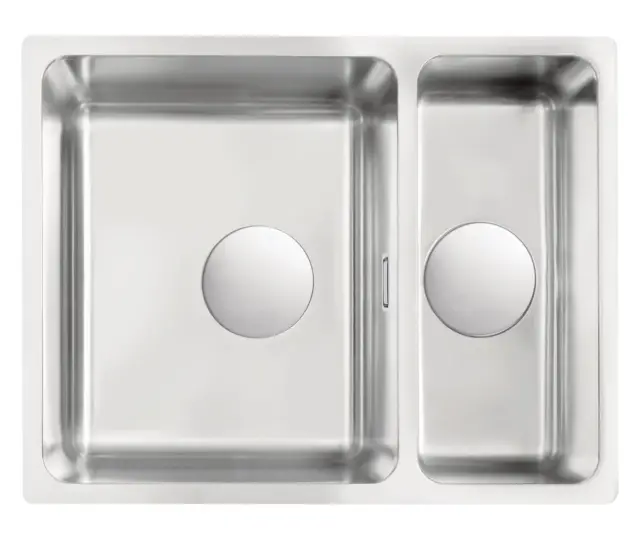 ZPE_050C
Deante Egeria double-bowl stainless steel kitchen sink 58 × 44 cm, brushed steel
Supplier stock · 21 pcs349.82 € 3 × 116.61 € -
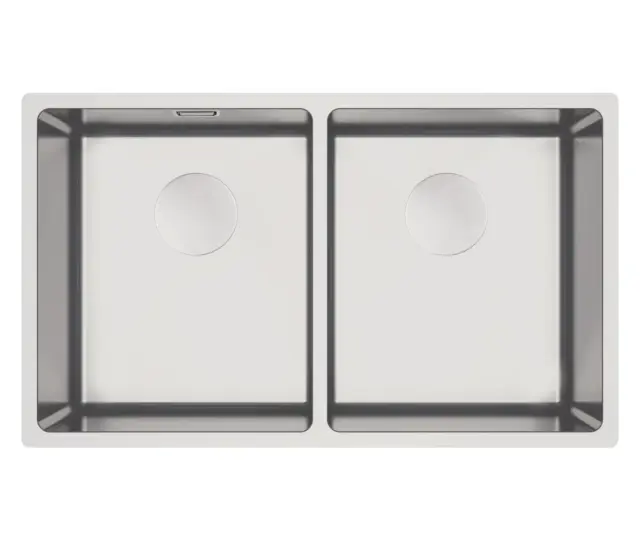 ZPE_020A
Deante Egeria double-bowl stainless steel kitchen sink 74 × 44 cm, brushed steel
Available to order419.81 € 3 × 139.94 € -
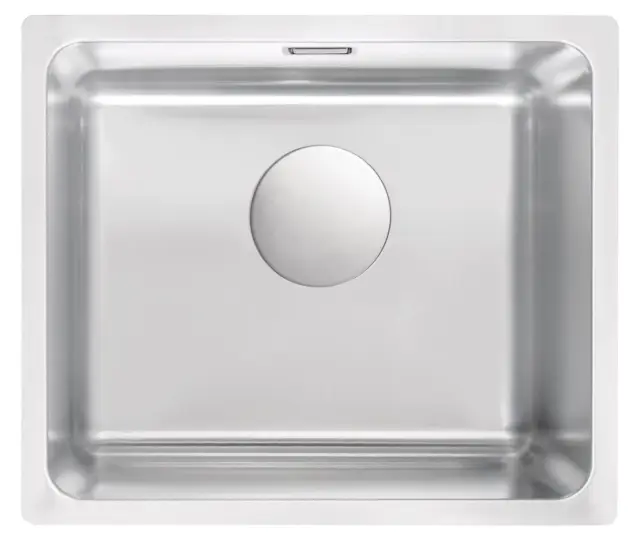 ZPE_010A
Deante Egeria single-bowl stainless steel kitchen sink 44 × 38 cm, brushed steel
Supplier stock · 20 pcs186.46 € 3 × 62.15 € -
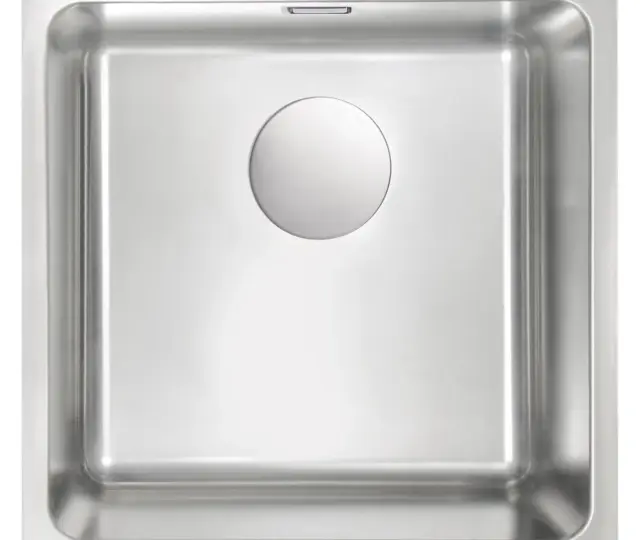 ZPE_010B
Deante Egeria single-bowl stainless steel kitchen sink 44 × 44 cm, brushed steel
Supplier stock · 69 pcs198.13 € 3 × 66.04 € -
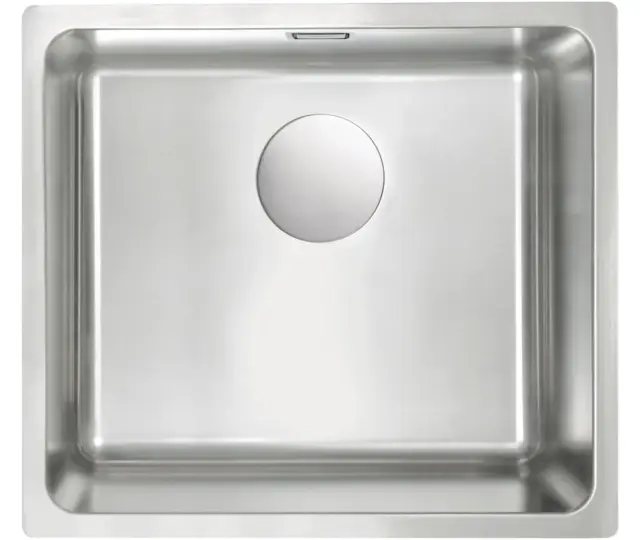 ZPE_010D
Deante Egeria single-bowl stainless steel kitchen sink 49 × 44 cm, brushed steel
Supplier stock · 65 pcs209.80 € 3 × 69.93 € -
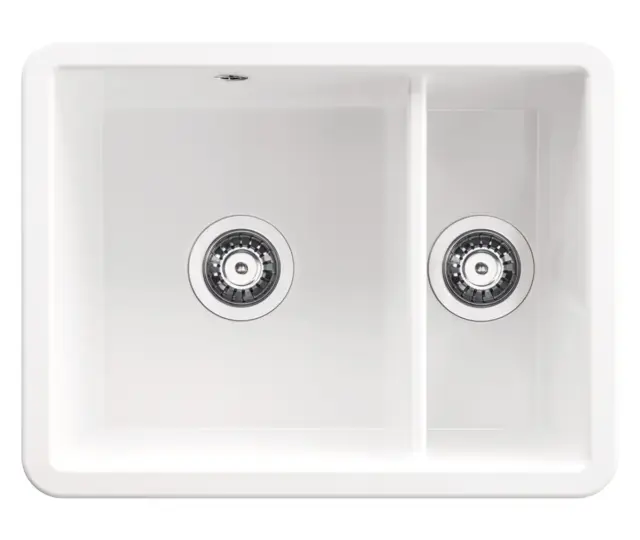 ZCU_6503
Deante Lumi double-bowl ceramic kitchen sink 55.5 × 43 cm, gloss white
Supplier stock · 20 pcs443.15 € 3 × 147.72 € -
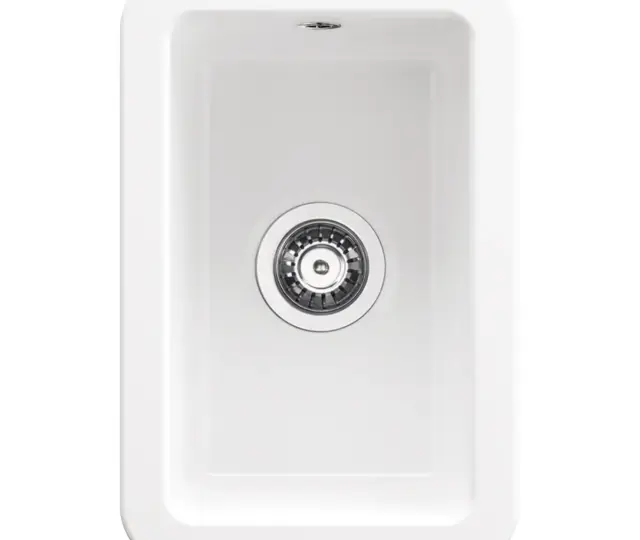 ZCU_610A
Deante Lumi single-bowl ceramic kitchen sink 30.4 × 45.7 cm, gloss white
Supplier stock · 5 pcs221.46 € 3 × 73.82 € -
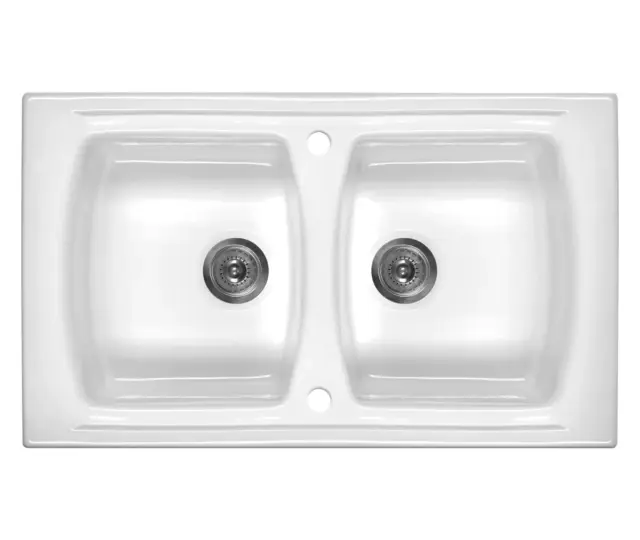 ZCL_620N
Deante Lusitano double-bowl ceramic kitchen sink 86 × 50 cm, gloss white
Supplier stock · 3 pcs326.48 € 3 × 108.83 € -
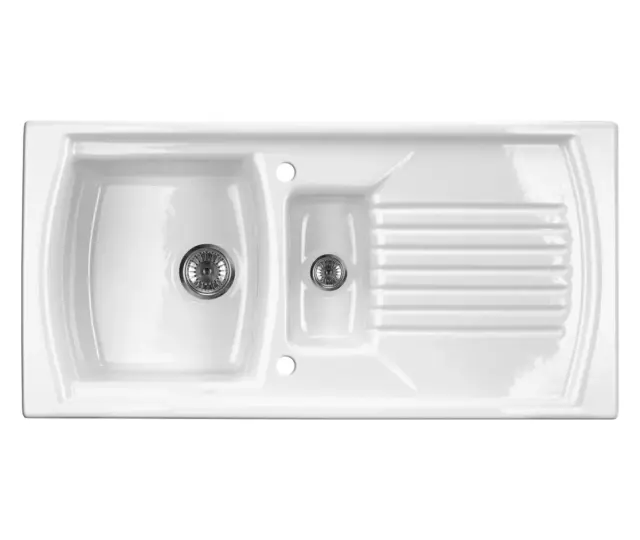 ZCL_651N
Deante Lusitano double-bowl ceramic kitchen sink with drainer 100 × 50 cm, gloss white
Supplier stock · 38 pcs326.48 € 3 × 108.83 € -
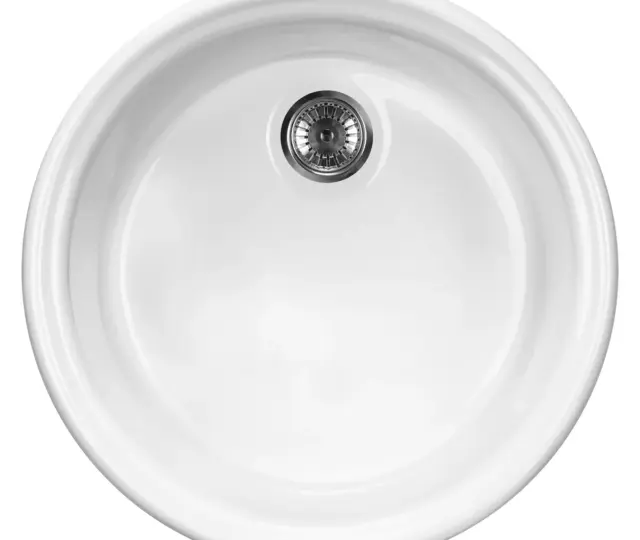 ZCL_680N
Deante Lusitano Ø44. Single-bowl ceramic kitchen sink 5 cm, gloss white
Supplier stock · 13 pcs221.46 € 3 × 73.82 € -
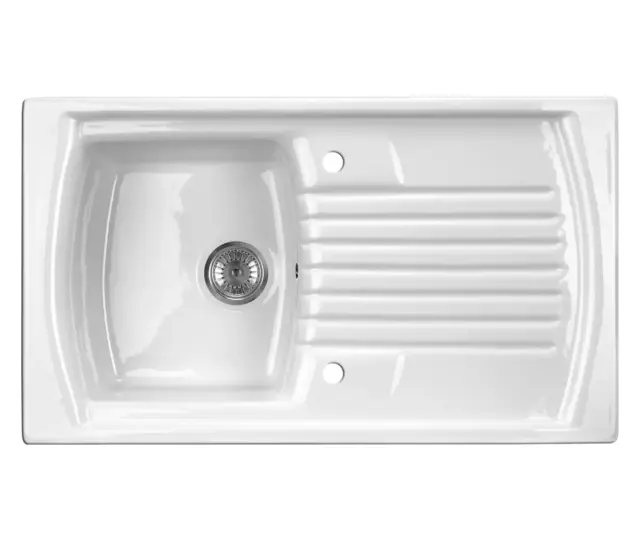 ZCL_611N
Deante Lusitano single-bowl ceramic kitchen sink with drainer 86 × 50 cm, gloss white
Supplier stock · 3 pcs279.81 € 3 × 93.27 € -
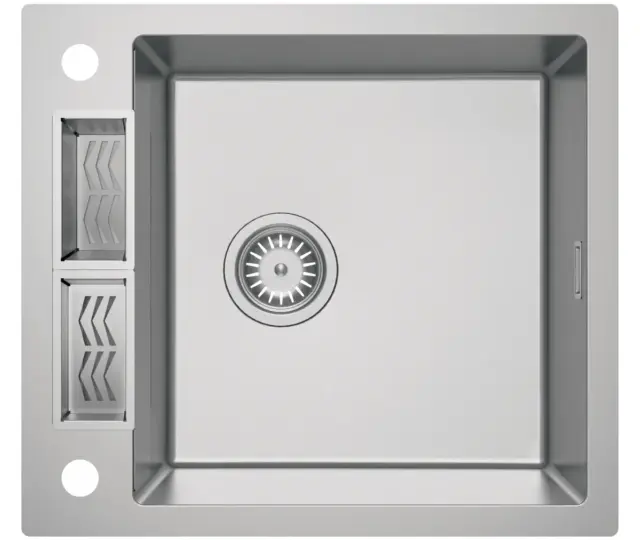 ZRM_0103
Deante Magnetic single-bowl stainless steel kitchen sink 56 × 50 cm, brushed steel
Supplier stock · 87 pcs396.49 € 3 × 132.16 € -
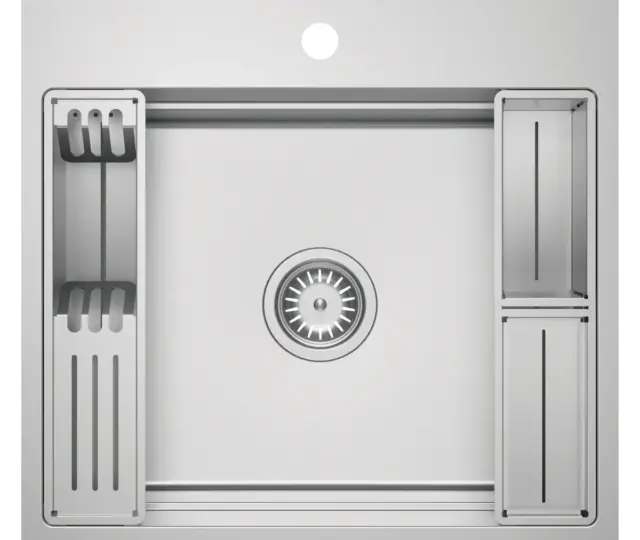 ZRM_010A
Deante Magnetic single-bowl stainless steel kitchen sink 56 × 52 cm, brushed steel
Supplier stock · 100+ pcs396.49 € 3 × 132.16 € -
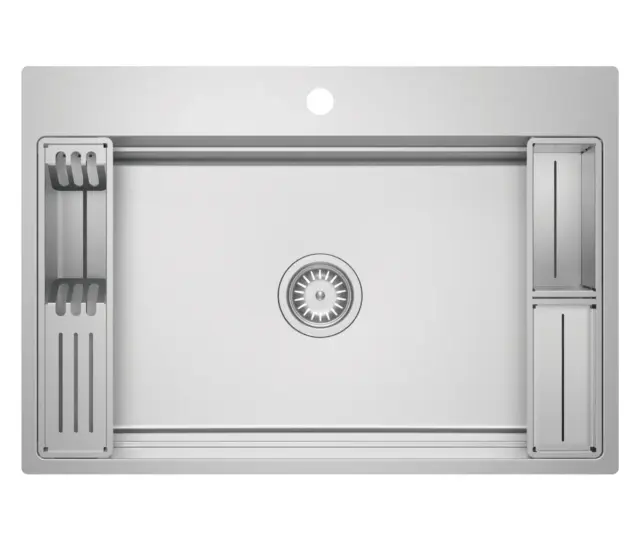 ZRM_010B
Deante Magnetic single-bowl stainless steel kitchen sink 76 × 52 cm, brushed steel
Supplier stock · 100+ pcs466.49 € 3 × 155.50 € -
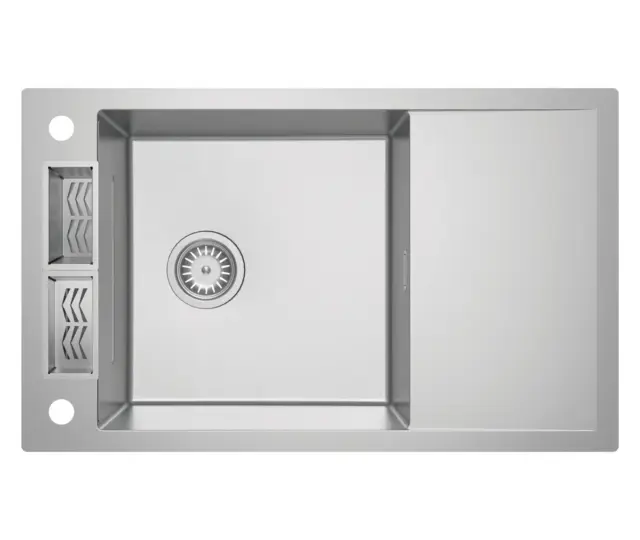 ZRM_0113
Deante Magnetic single-bowl stainless steel kitchen sink with drainer 82 × 50 cm, brushed steel
Supplier stock · 31 pcs466.49 € 3 × 155.50 € -
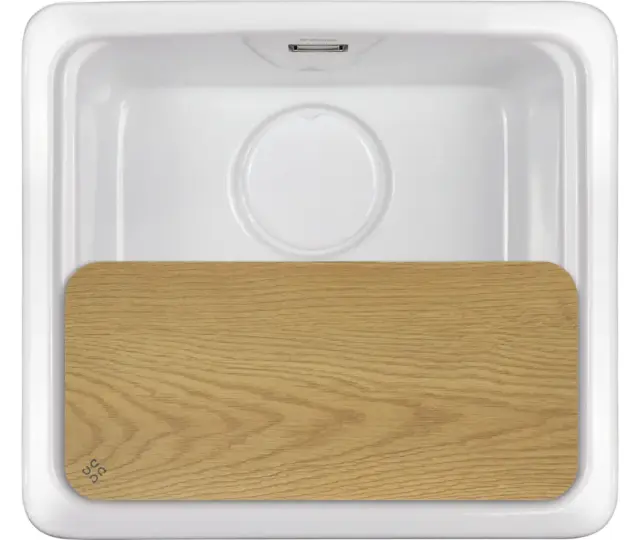 ZCM_610A
Deante Momi single-bowl ceramic kitchen sink 50 × 45 cm, gloss white
Supplier stock · 71 pcs326.48 € 3 × 108.83 € -
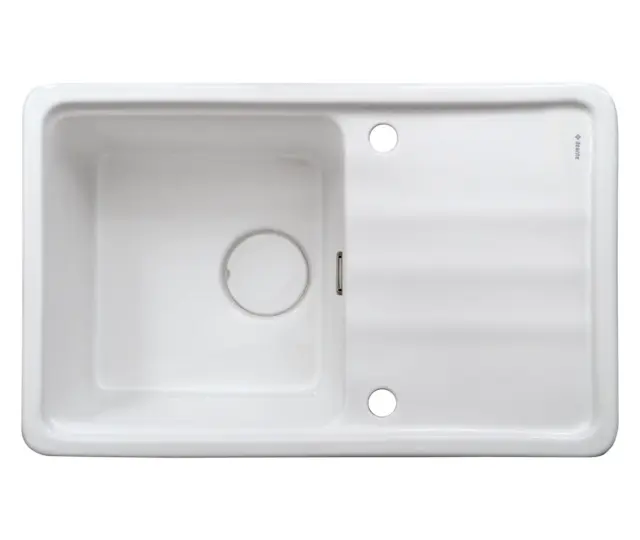 ZCM_6113
Deante Momi single-bowl ceramic kitchen sink with drainer 78 × 50 cm, gloss white
Available to order408.16 € 3 × 136.05 € -
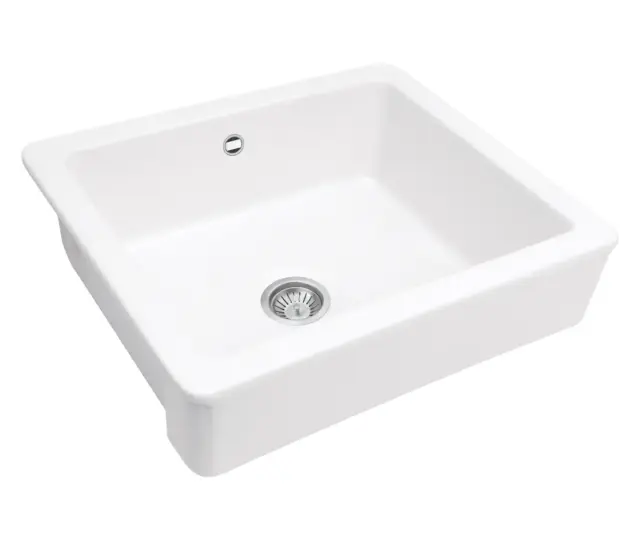 ZCB_610H
Deante Sabor farmhouse ceramic kitchen sink 61.5 × 48.5 cm, gloss white
Supplier stock · 19 pcs221.46 € 3 × 73.82 € -
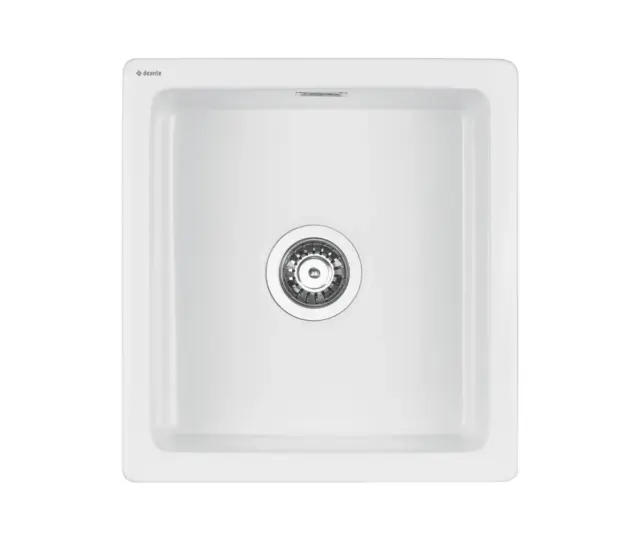 ZCB_6103
Deante Sabor single-bowl ceramic kitchen sink 45 × 47.5 cm, gloss white
Supplier stock · 100+ pcs279.81 € 3 × 93.27 € -
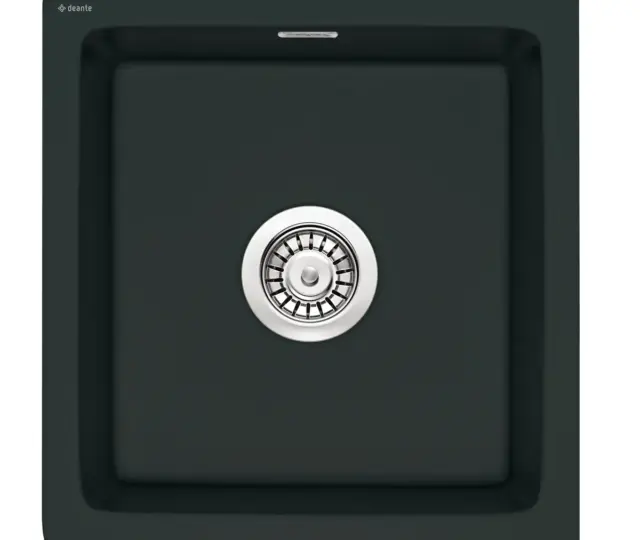 ZCB_N103
Deante Sabor single-bowl ceramic kitchen sink 45 × 47.5 cm, matt black
Available to order373.15 € 3 × 124.38 € -
OTSAS
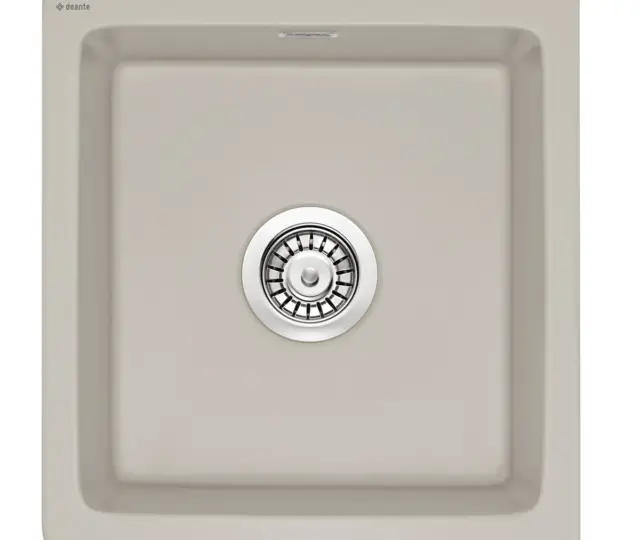 ZCB_C103
Deante Sabor single-bowl ceramic kitchen sink 45 × 47.5 cm, matt cappuccino
Out of stock303.14 € 3 × 101.05 € -
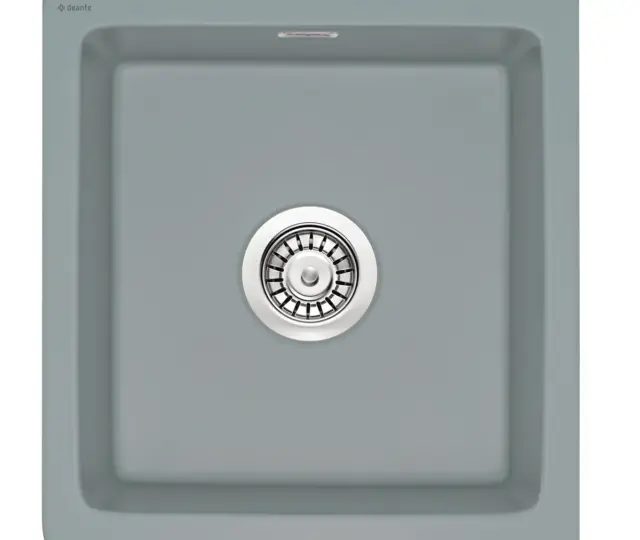 ZCB_3103
Deante Sabor single-bowl ceramic kitchen sink 45 × 47.5 cm, matt grey
Supplier stock · 1 pcs303.14 € 3 × 101.05 € -
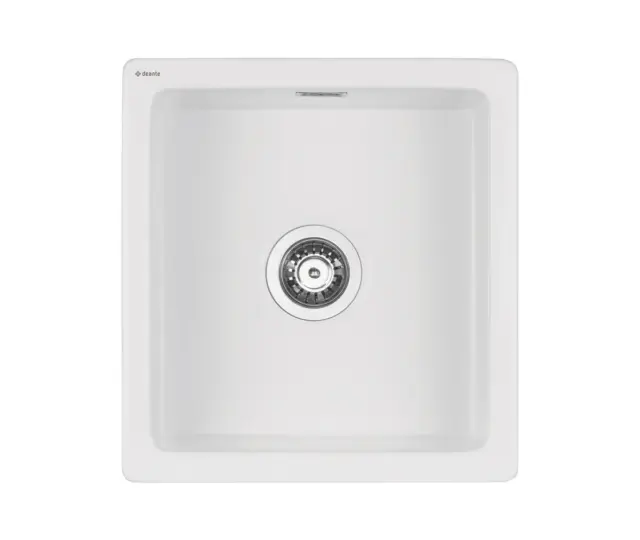 ZCB_A103
Deante Sabor single-bowl ceramic kitchen sink 45 × 47.5 cm, matt white
Supplier stock · 24 pcs303.14 € 3 × 101.05 € -
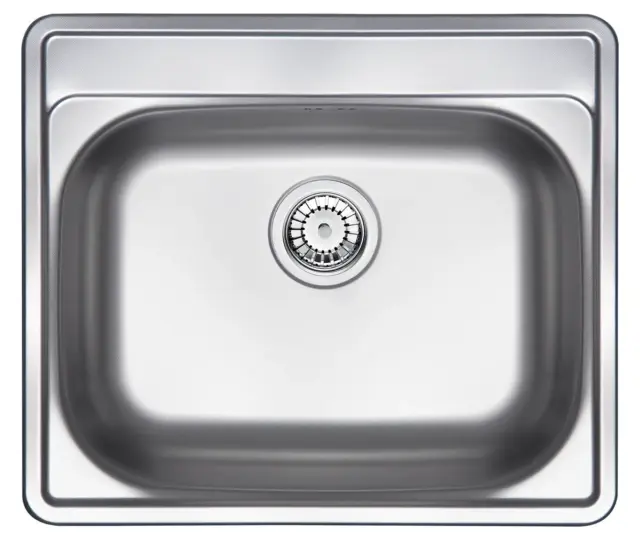 ZYU_3103
Deante Soul single-bowl stainless steel kitchen sink 60 × 50 cm, decor
Available to order114.12 € 3 × 38.04 €
In Estonian homes, the kitchen has transformed from a mere place for cooking to a social hub where design and functionality must go hand in hand. Choosing the right sink is no longer just a question of "stainless vs. stone." It's a decision that will affect your daily cleaning time, the overall look of your kitchen, and in some cases, even your water bill. Kitchen sink materials: pros and cons The choice of material is the first and most important step. It determines the durability of the sink, its ease of cleaning and, of course, its price. Stainless steel – classic and durable Stainless steel sinks have been the number one choice in Estonian kitchens for decades, and for good reason. Modern models are no longer thin and "stainless". A high-quality steel sink (preferably 18/10 chrome-nickel) is hygienic, heat-resistant and won't break if a heavy pot falls into it. Advantage: Cheaper price range, light weight, fits any interior. Disadvantage: Water droplets and scale show up well (especially on a glossy surface), cheaper models may "glow" under a water jet. Recommendation: Choose a surface with a brushed or satin finish, which hides scratches and water stains better. Granite sinks – style and strength of the stone mass Stone kitchen sinks (often referred to as composites) have made a huge splash in recent years. They are typically made up of around 80% natural granite chips and 20% acrylic binder. The result is a material that is rock hard and looks extremely luxurious. Advantage: Highly resistant to scratches and heat (up to 280°C). Available in many colors (black, beige, white, gray), allowing you to match the sink to the worktop. Disadvantage: Estonian hard water can leave light scale marks on dark sinks if they are not dried. Unique knowledge: Did you know that a high-quality granite sink is antibacterial? The density of the material is so high that there are no pores, preventing the accumulation of bacteria and mold. Ceramic sinks – timeless elegance Ceramics aren't just for the bathroom. A ceramic kitchen sink is a statement piece that's perfect for a farmhouse or classic kitchen. Advantage: Extremely easy to clean, smooth surface that does not attract dirt. Resistant to acids and stains. Disadvantage: Heavy (needs a strong base cabinet), can break if hit very hard, higher price range. Installation methods: how to choose the right one? The way you install your sink depends largely on your kitchen countertop. The wrong choice can ruin an expensive countertop. Inset This is the most common and easiest way. The sink is lowered from above into a hole cut into the worktop and its edges rest on the worktop. Compatibility: Laminate, wood and all other work surfaces. Advantage: Easy to install (often you can do it yourself), cheaper. Undermount Here, the sink is attached below the worktop. The result is a smooth transition where crumbs can be swept directly from the worktop into the sink. Compatibility: Only waterproof solid materials such as stone, quartz, granite or concrete. Not suitable for regular chipboard laminate as the cut edge remains exposed to moisture. Advantage: Very hygienic and stylish, visually spacious. Flush-mount and recessed (Flush-mount) The edge of the sink is exactly flush with the surface of the worktop (or milled into a recess). This requires a millimeter-precise CNC cut by the stone manufacturer. Advantage: No edges where dirt can collect. Ultimate luxury. Shape and size: one or two bowls? Space is often limited in Estonian homes, so size is of critical importance. Single-bowl sinks The trend is moving towards large, deep single-bowl sinks (so-called XL-bowls ). They can comfortably accommodate an entire baking sheet or a large pot that would be inconvenient to wash in a sink with two small bowls. Who: Those who use a dishwasher and only wash large items by hand. Solutions with two bowls and a drainer The classic 1.5 or 2 bowl solution is practical if you cook a lot and don't have a dishwasher. You can rinse vegetables in the smaller bowl while the pots soak in the larger one. Draining area: A stainless steel or stone draining surface is convenient for placing wet dishes, but it takes up valuable counter space. In modern kitchens, it is often replaced with a roll-up rack. Maintenance and cleaning with hard water in Estonia This is a point that many sellers don't mention. Estonian water is calcareous, or hard, in many areas (especially in Northern and Central Estonia). How to remove scale from a granite sink? Dark stone and white scale are a bad combination. Avoid harsh chemicals (e.g. Domestos) which can dull the surface of the stone mass. Homemade tip: Make a 50/50 solution of water and vinegar or use citric acid. Spray in the sink, let sit for 20 minutes, and scrub with a soft sponge. Then rinse and dry . Oiling: Once a month, you should oil your granite sink with cooking oil (or a special maintenance product). This creates a protective layer that repels water and makes the color shine. Stainless steel sink scratch care Stainless steel inevitably scratches – this is called "patina". However, finer scratches can be hidden with special polishing pastes (e.g. Franke Twister), which restore the surface's shine and create a water-repellent layer. Brand comparison: Franke, Deante, etc. The Estonian market is dominated by a few solid players: Franke: Swiss quality. Market leader with a huge selection (Fragranit, Tectonite, steel). Their sinks are known for their precise dimensions and high-quality accessories (siphons). Deante : A top Polish manufacturer that offers a very good price-quality ratio. Their granite sinks are very popular in Estonia due to their lower price but good durability. Cheaper brands (e.g. hardware stores' own products): May be a good choice for a summer house or rental apartment, but check the quality of the siphon – often the piping is the weak link that needs to be replaced. Self-installation vs. specialist: what to keep in mind? Is installing a kitchen sink a DIY project? YES , if it's a wooden or laminate countertop with a top-mounted sink. All you need is a jigsaw, silicone and a little courage. NO , if it is a stone countertop with a bottom-mounted or recessed sink. Leave this job to stonemasons, as a mistake can cost thousands of euros (cracked countertop). Pro tip: Before installing, make sure you have the right siphon (smell trap). Many modern sinks have a space-saving siphon, which leaves more space in the sink cabinet for trash cans. Environmental friendliness and water saving The choice of sink also affects the environment. Material: Granite sinks are long-lasting (lasting 15+ years), which reduces consumption. Stainless steel is 100% recyclable. Water consumption: Choose a sink that suits your habits. A bowl that is too large to fill for hand washing will waste water. Faucet: Combine the sink with a faucet with a water-saving aerator. Quick reminders Choosing a kitchen sink is an investment that will last for years. The right kitchen sink will make cooking smoother and your kitchen visually complete. Don't be afraid to invest in quality – saving a few to thirty euros on a cheaper brand can mean years of scrubbing and worry. Material matters: granite is stylish and durable, steel is classic and affordable, ceramic is luxurious and hygienic. Installation method: pay attention to your work surface! Stone allows underlayment, laminate generally only allows overlayment. Maintenance: In the case of hard Estonian water, dark sinks require regular drying and descaling (vinegar/citric acid). Size: If your kitchen allows, choose a large single-bowl sink (min. 50cm for the cabinet) – it's more convenient than two small ones. Trend: Matte black and gold details are the hottest words of 2025. Frequently Asked Questions (FAQ) Will a black kitchen sink become ugly with hard water? A black granite sink doesn't become ugly per se, but the white scale that builds up on it will stand out. The solution is simple: dry the sink with a towel after use and wash it with vinegar once a week. This will keep the sink looking new for years. What is the difference between Fragranit and Tectonite? Fragranit (and Silgranit) is a stone mass that contains 80% natural granite – it is heavier, more durable and more expensive. Tectonite is a synthetic material (fiberglass and polyester) that imitates stone. Tectonite is cheaper and withstands heat well, but scratches a little more easily than real stone mass. How do I measure to see if a sink will fit in my cabinet? The product information always states the "minimum cabinet width" (e.g. 45 cm, 60 cm). This refers to the outer width of the sink cabinet. The sink itself can be wider (if there is a drain area), because the drain area can extend over the dishwasher or adjacent cabinet, but the sink bowl must fit inside the cabinet. Can I pour boiling water directly into a granite sink? Yes, high-quality granite sinks can withstand heat up to 280°C for a short time. However, it is recommended to turn on the cold tap at the same time as you drain boiling water (e.g. pasta) to avoid thermal shock in the piping (siphon), which is usually made of plastic. Which sink is the quietest? Granite and ceramic sinks are naturally quieter due to their massiveness – the water jet does not create a rumble there. For stainless steel sinks, it is worth looking for models with special noise-absorbing mats under the bottom.