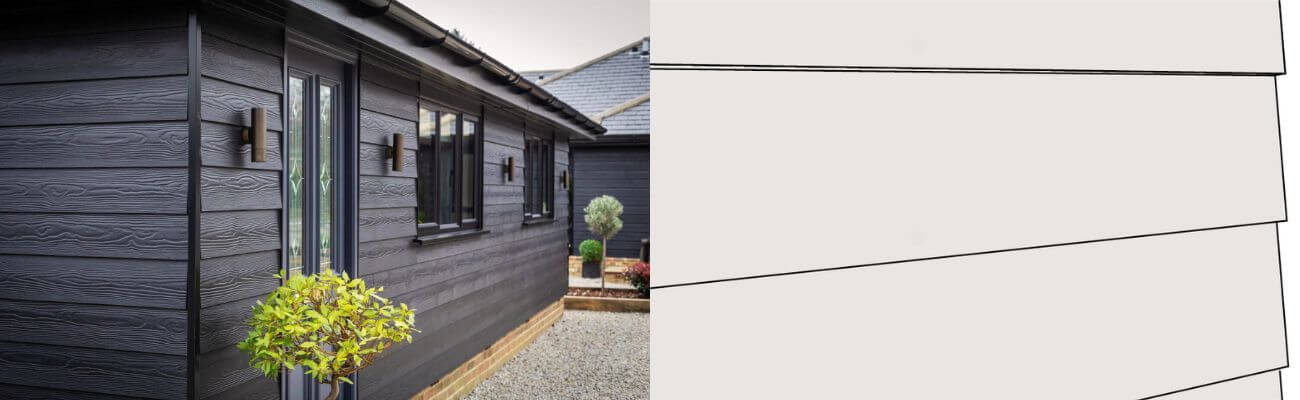
Horizontal overlay
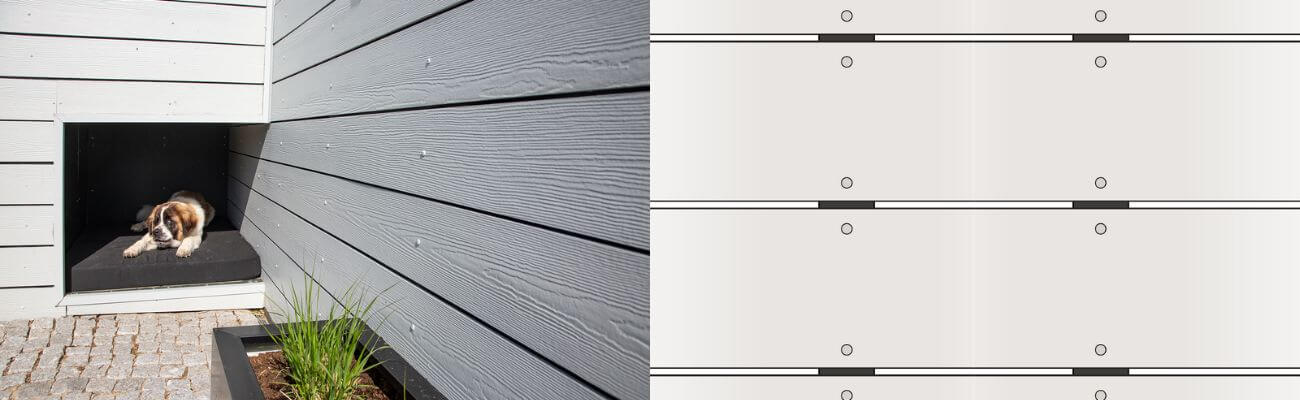
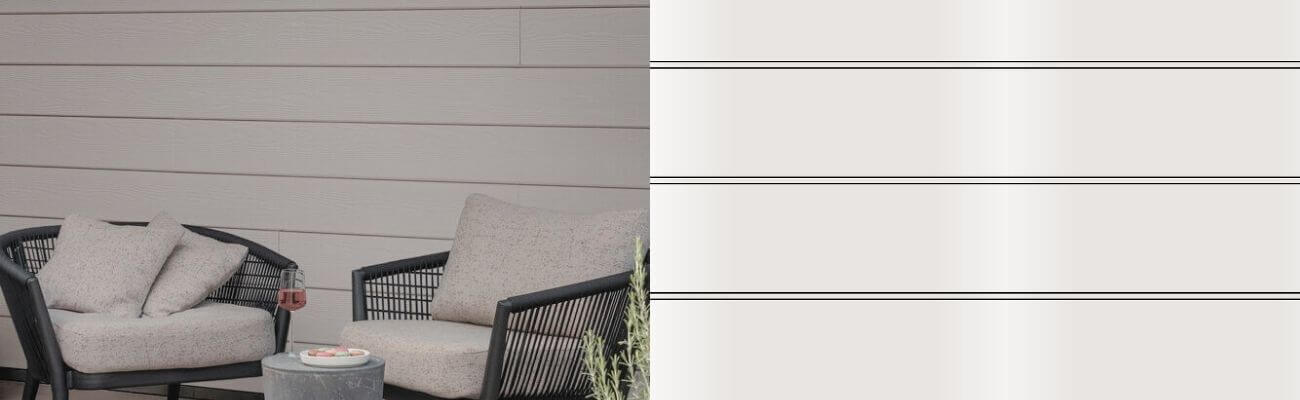
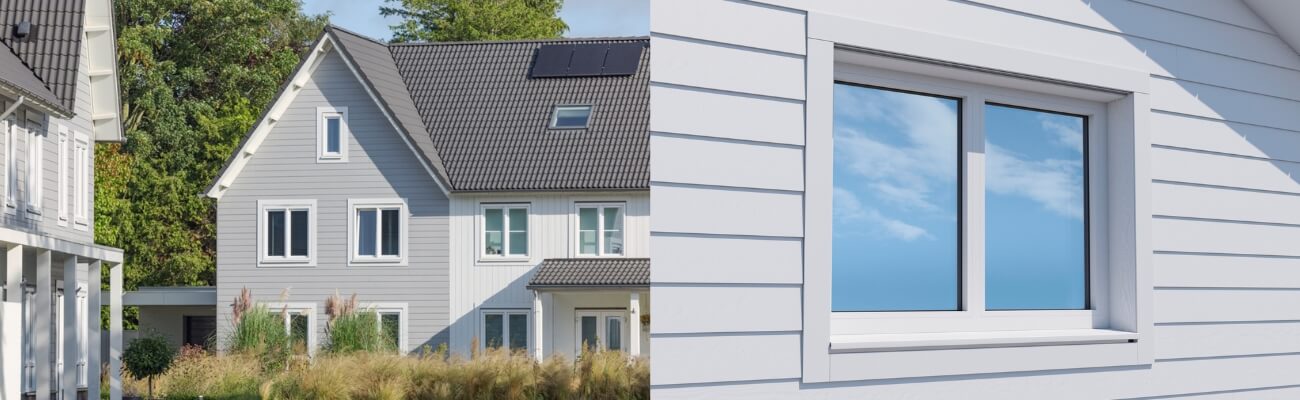
Horizontal lap siding means that the siding boards are installed on top of each other so that each board overlaps the one below by at least 30 mm. A classic rustic look, the fasteners remain visible.
Cedral and James Hardie fiber cement siding boards — five installation logics, window sash assemblies and brand comparison on one page. Long-lasting, non-combustible and maintenance-free exterior siding for the Northern European climate.

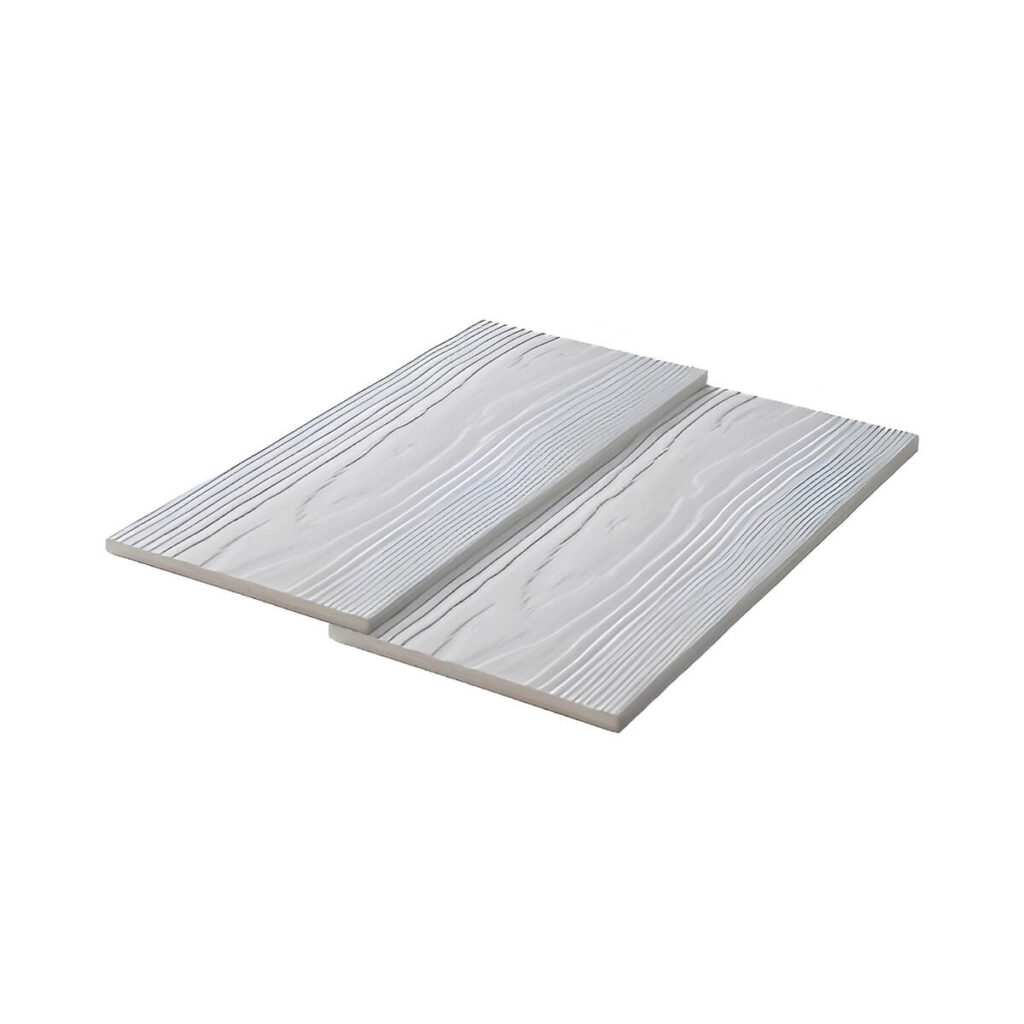
CEDRAL® Lap on saadaval puitu imiteeriva tekstuuriga ning 21 erinevas värvitoonis.
Sirvi värve →
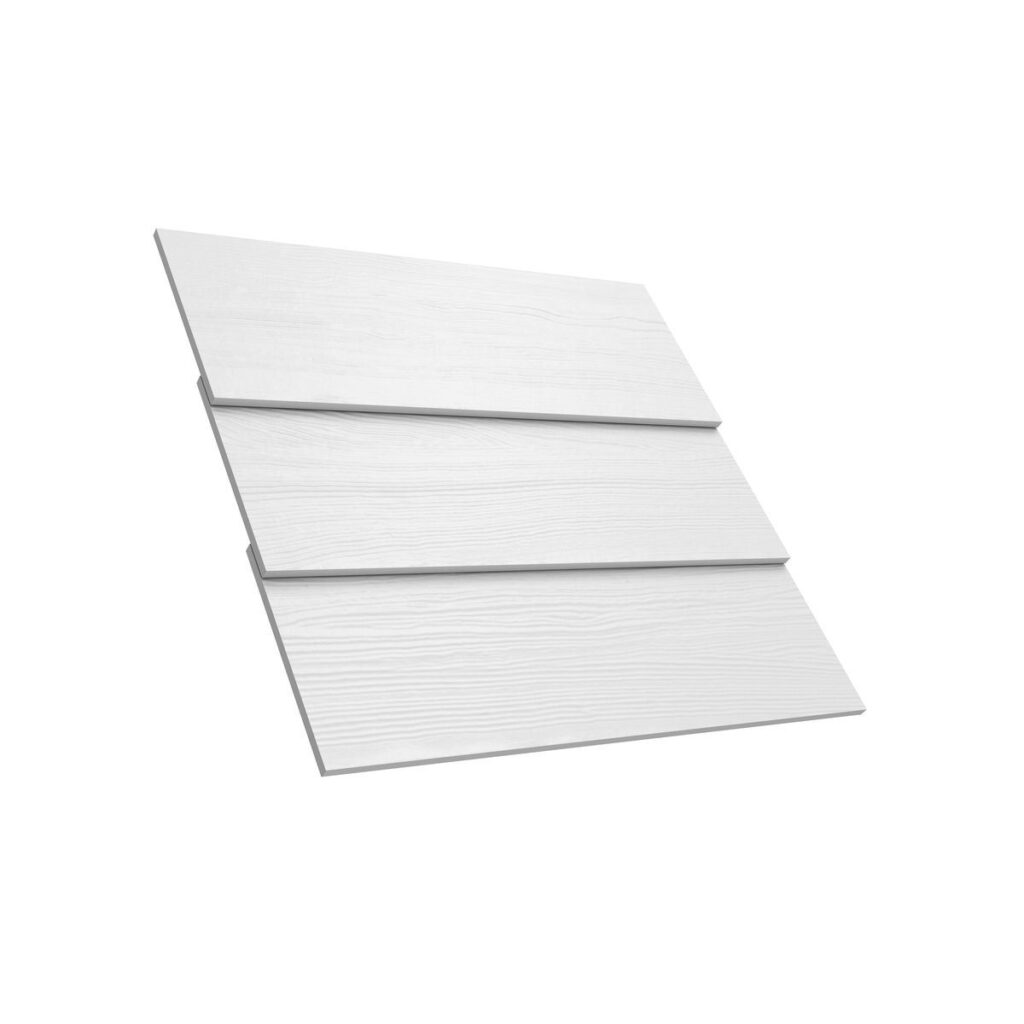
Hardie® Plank on saadaval puitu imiteeriva tekstuuriga ning 21 erinevas värvitoonis.
Sirvi värve →
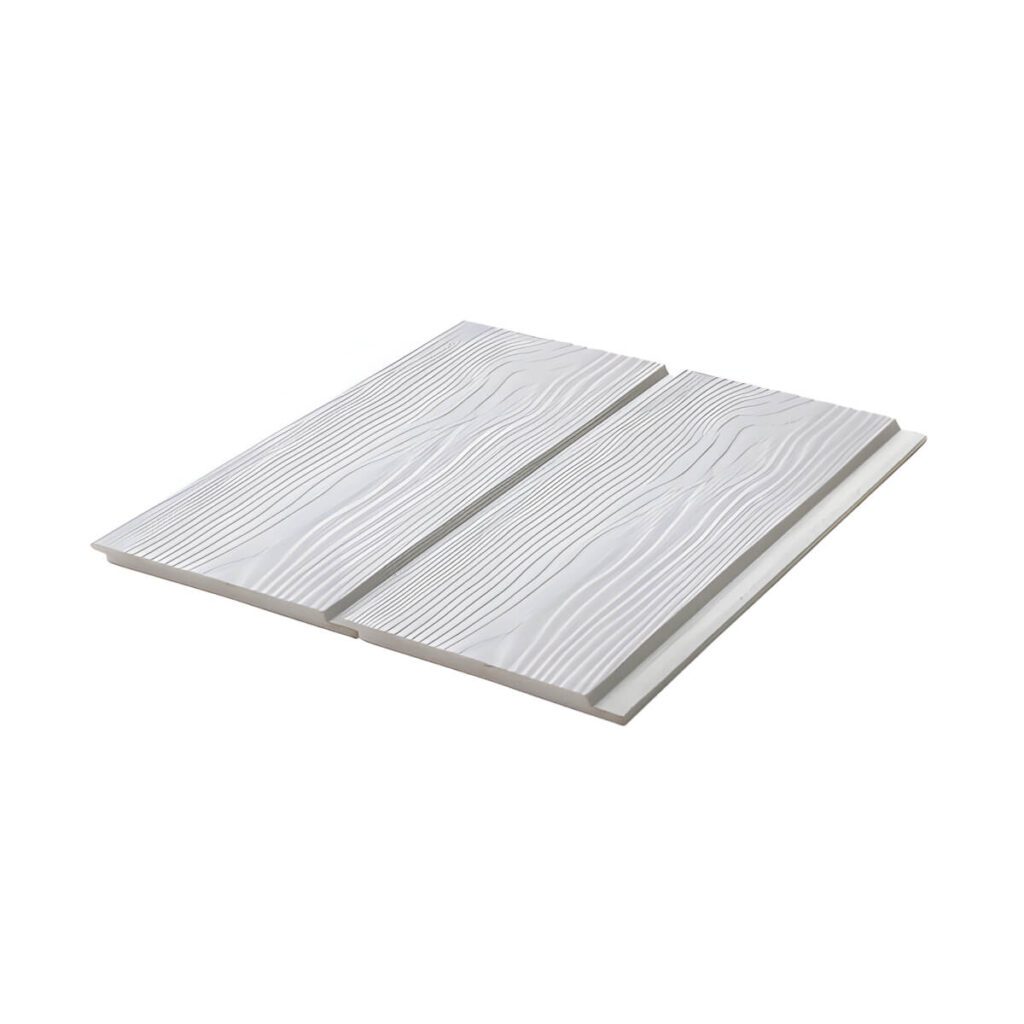
CEDRAL® Click on saadaval puitu imiteeriva tekstuuriga ning 21 erinevas värvitoonis.
Sirvi värve →
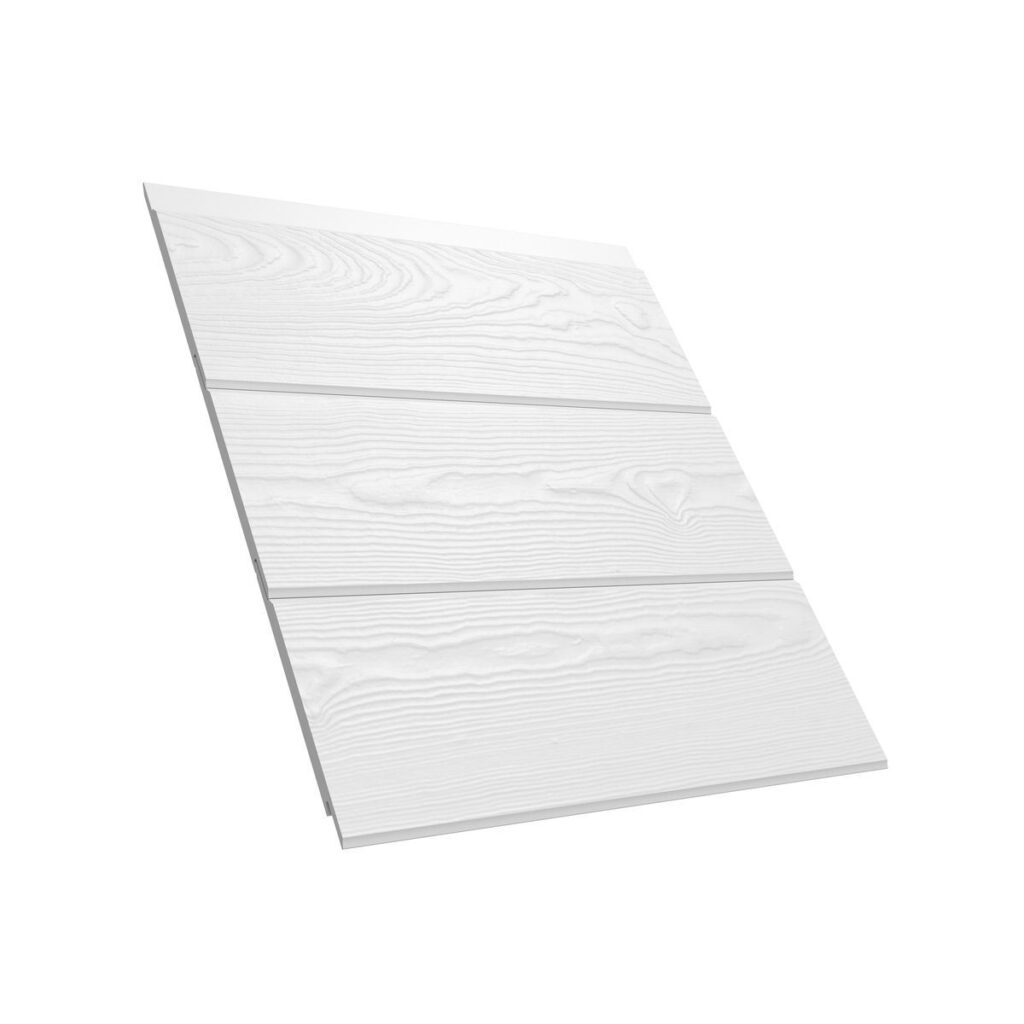
Hardie® VL Plank on saadaval puitu imiteeriva tekstuuriga ning 8 erinevas värvitoonis.
Sirvi värve →Fiber cement siding provides unparalleled protection and durability, whether the building is located on the coast or inland. The material is designed to withstand the most extreme weather conditions in our region — high humidity, extreme temperature fluctuations, snow and hail, and everything in between.
The edged profile gives you freedom: the boards can be installed with overlaps or side by side with joints, horizontally, vertically or diagonally.

Horizontal lap siding means that the siding boards are installed on top of each other so that each board overlaps the one below by at least 30 mm. A classic rustic look, the fasteners remain visible.

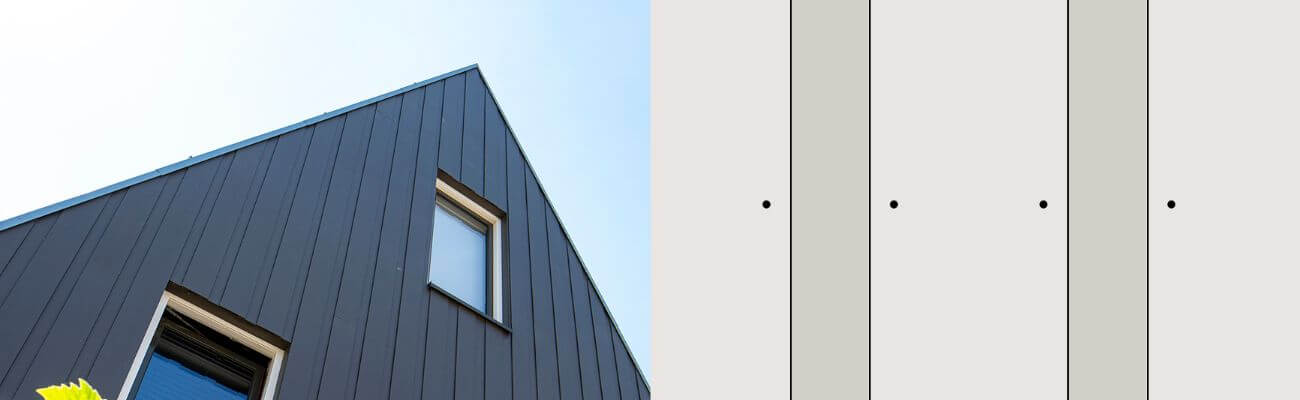
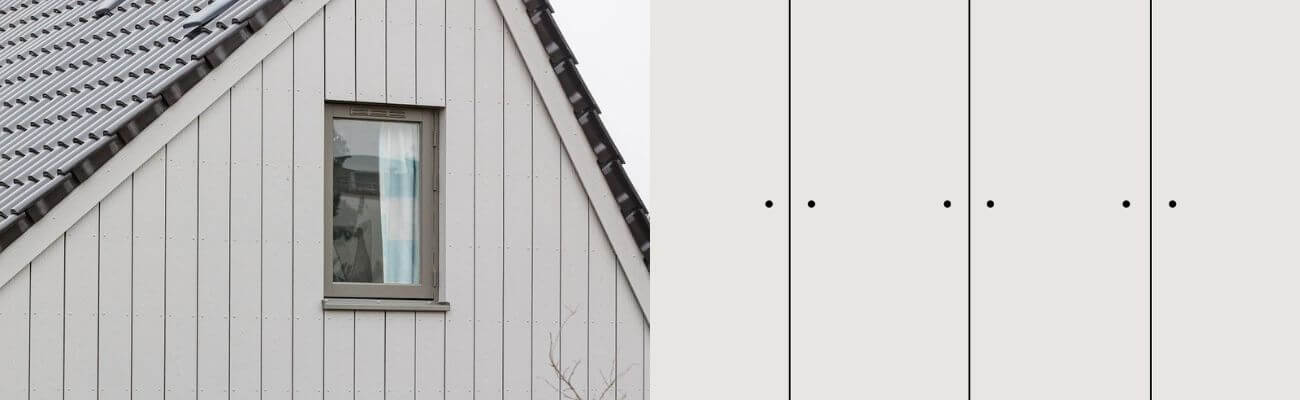
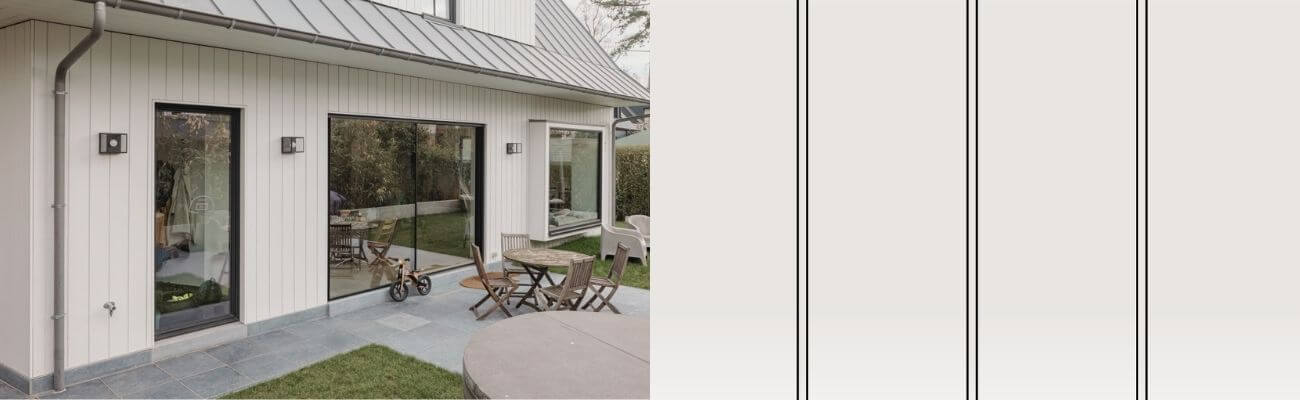
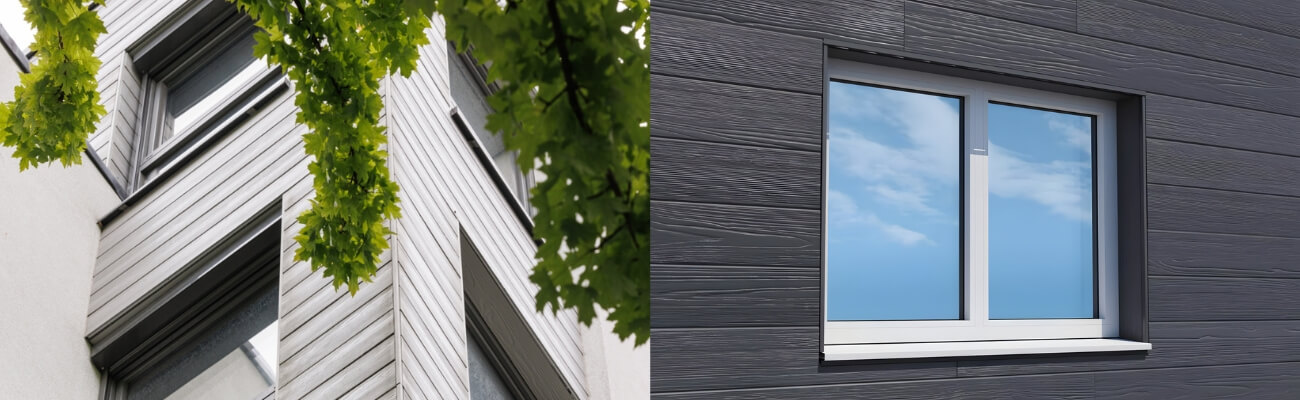
Vertical overlap siding (Swedish style) means that the boards are installed vertically with their edges overlapping by at least 30 mm. The fasteners remain visible as usual, adding a rustic style to the facade.

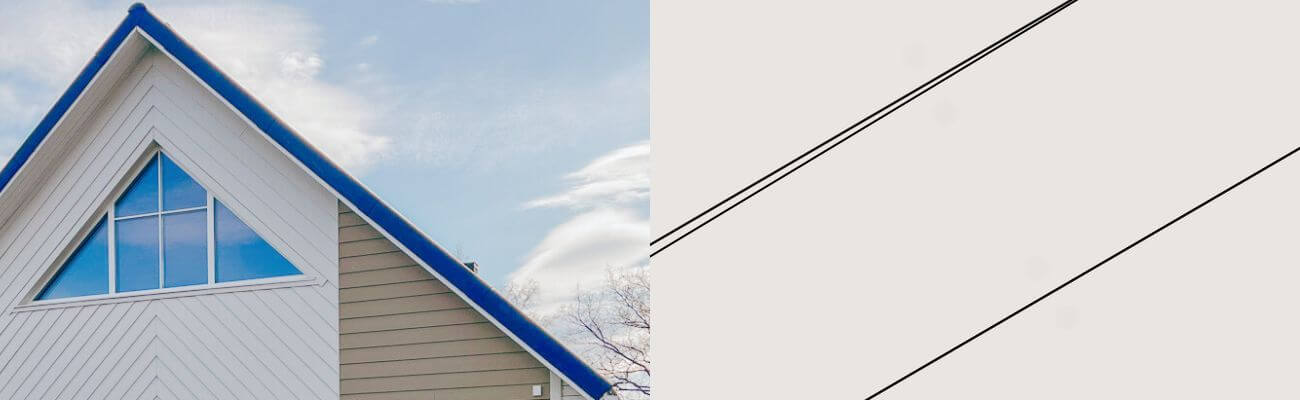
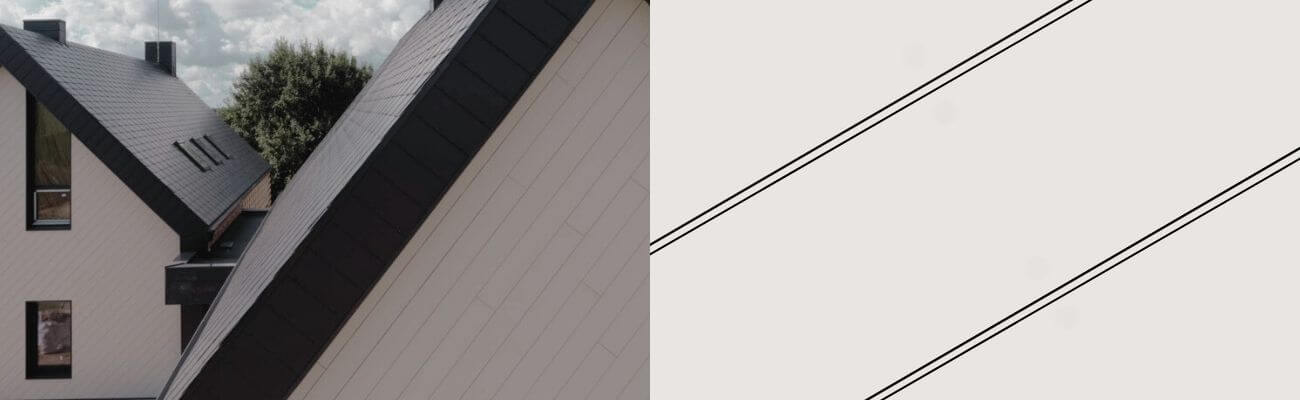
Diagonal overlap siding means that the boards are installed at an angle, usually at a 45° angle. The edges overlap by 30 mm and the fasteners are hidden. It is well suited for creating architectural accents.

Horizontal joint cladding means that the boards are laid side by side without covering, leaving regular horizontal joints visible. Creates a modern, geometric look. Preferred joints: 1–5 mm.

Vertical joint cladding means that the boards are installed vertically, side by side, leaving the regular vertical joints and fixings visible. The result is a clean, rhythmic and modern facade. Preferred joints: 1–5 mm.
The profile fastenings with tongue and groove joints remain hidden. A clean line remains between the boards — a modern and uniform facade.

Horizontal tongue-and-groove siding means that the siding boards are connected to each other using a tongue-and-groove system. The fasteners remain hidden and a horizontal line remains between the siding boards, which are laid flat next to each other.

Vertical tongue-and-groove siding means that the siding boards are connected to each other using a tongue-and-groove system. The fasteners remain hidden and there is a vertical line between the boards. A modern, uniform appearance.

Diagonal tongue-and-groove siding means that the siding boards are connected to each other using a tongue-and-groove system. The fasteners remain hidden and a rhythmic line running at a 45° angle is left between the boards.
The finish of the joints determines how clean and complete the facade will look in the end. Choose the option that suits your style and budget already in the design phase.

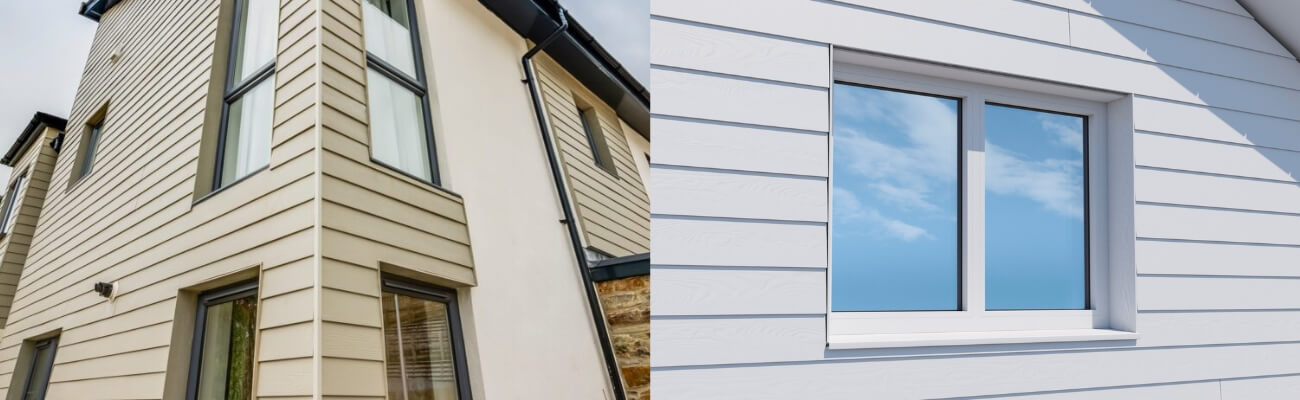
Edged fiber cement siding is used to finish door and window frames and building corners. The siding is cut in half lengthwise to create a suitable trim. The fasteners remain visible as usual.

When finishing window sills and corners, a separate fiber cement skirting board is used, which is thicker than the siding boards. There is usually a gap of about 1 mm between the board and the skirting board; it must be cut precisely.

Different aluminum profiles are used to finish window frames and corners. The profile attachments are behind the board; each node has its own special shape of strip. Some strips cover the cut edges, others do not.
Both brands offer fiber cement that is designed to be weatherproof and long-lasting in the Estonian climate. The differences are in profile width, thickness, color selection, and price.
Material, brands, advantages, bottlenecks and installation logic — the eight most frequently asked questions on one page.
There are several advantages to using fiber cement siding:
Like any material, fiber cement siding has some drawbacks:
Sisesta hoone mõõdud, vali Cedrali profiil ja värv, ning saada päring projektipakkumisele. Tehniline tiim võtab ühendust ühe tööpäeva jooksul.