
Heated towel rails.
A heated towel rail is one of the most practical and important fixtures in a modern bathroom, drying towels quickly while also acting as an extra source of…
-
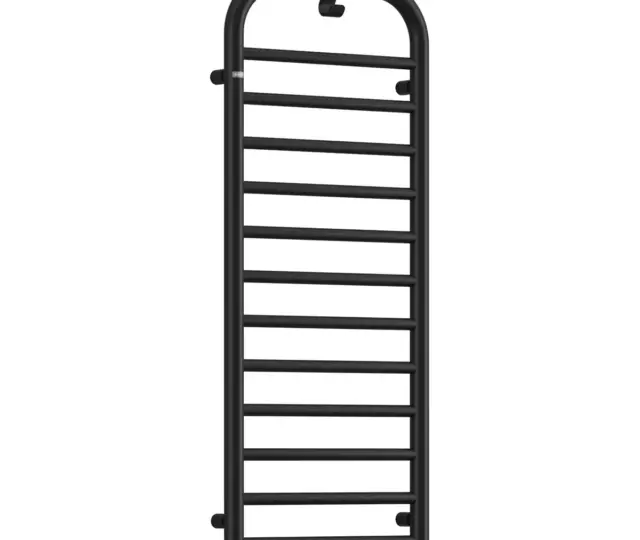 AGI_NG41
Deante Silia dual-fuel towel radiator 500 × 1210 mm, matt black
Supplier stock · 10 pcs559.84 € 3 × 186.61 € -
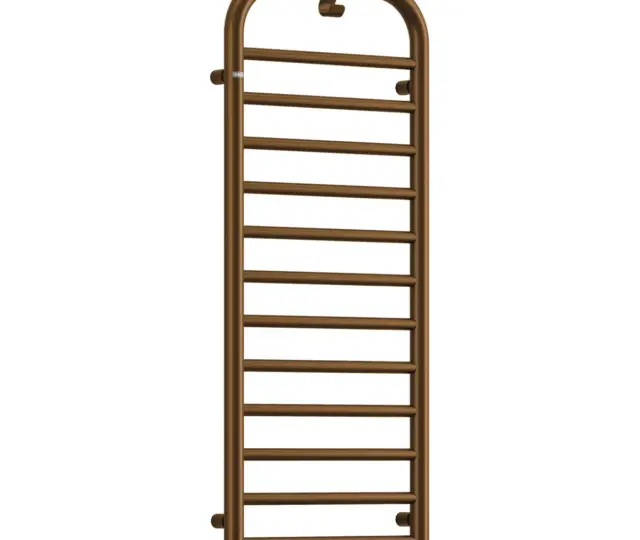 AGI_CG41
Deante Silia dual-fuel towel radiator 500 × 1210 mm, matt brown
Supplier stock · 18 pcs676.52 € 3 × 225.51 € -
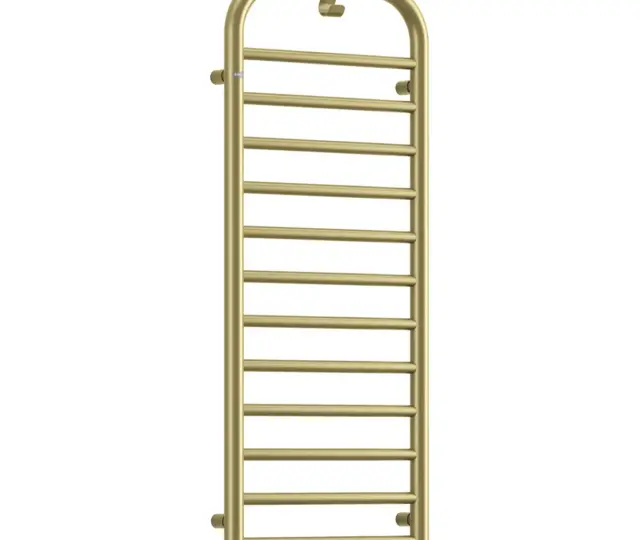 AGI_RG41
Deante Silia dual-fuel towel radiator 500 × 1210 mm, matt gold
Supplier stock · 11 pcs676.52 € 3 × 225.51 € -
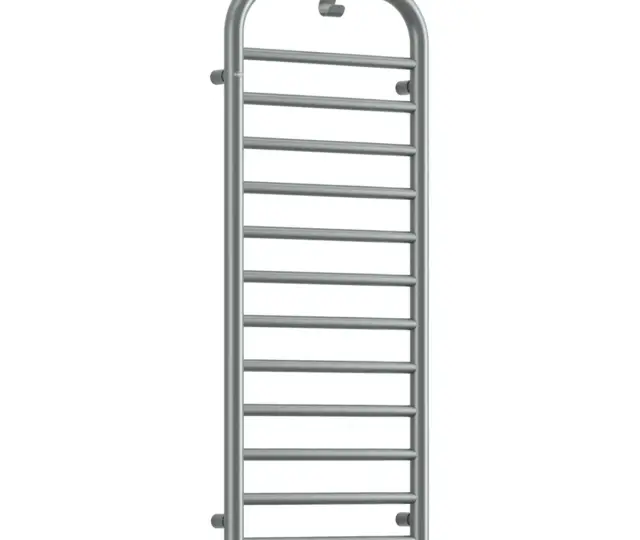 AGI_FG41
Deante Silia dual-fuel towel radiator 500 × 1210 mm, matt steel
Available to order676.52 € 3 × 225.51 € -
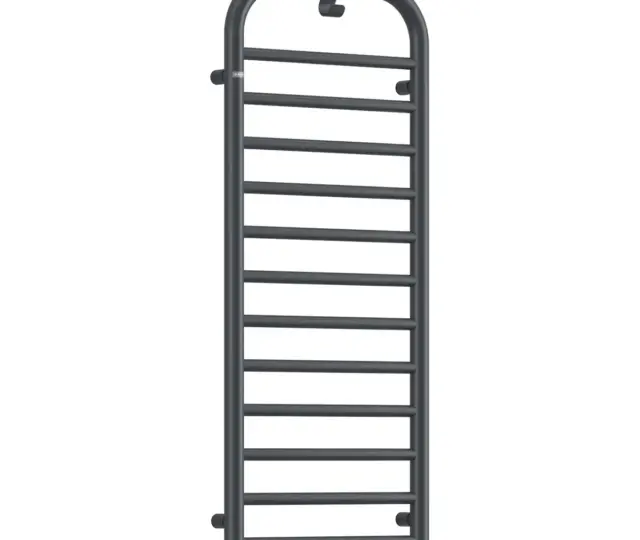 AGI_DG41
Deante Silia dual-fuel towel radiator 500 × 1210 mm, matt titanium
Supplier stock · 7 pcs676.52 € 3 × 225.51 € -
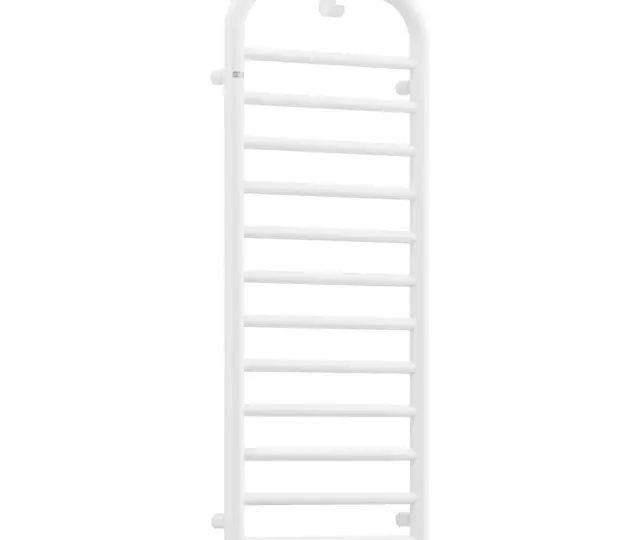 AGI_AG41
Deante Silia dual-fuel towel radiator 500 × 1210 mm, matt white
Supplier stock · 15 pcs559.84 € 3 × 186.61 € -
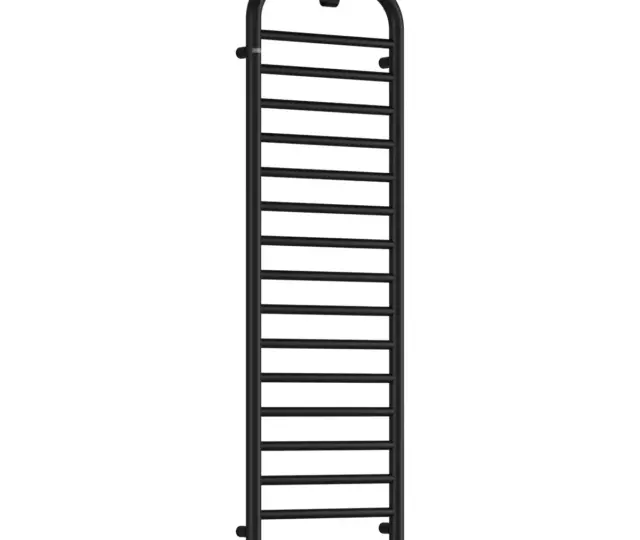 AGI_NG51
Deante Silia dual-fuel towel radiator 500 × 1570 mm, matt black
Supplier stock · 8 pcs660.19 € 3 × 220.06 € -
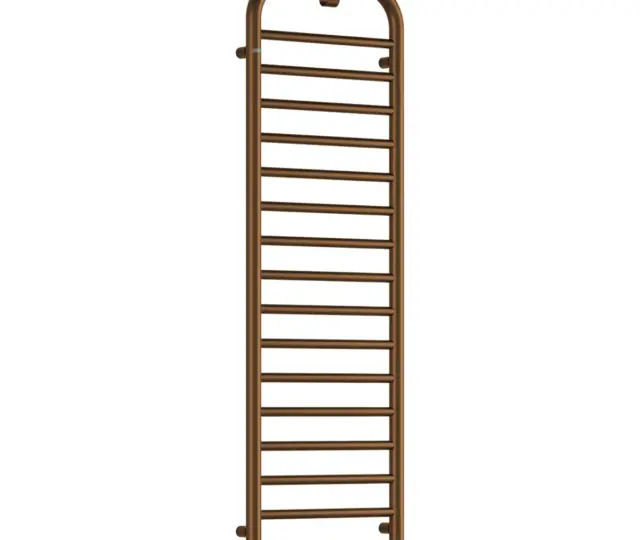 AGI_CG51
Deante Silia dual-fuel towel radiator 500 × 1570 mm, matt brown
Supplier stock · 14 pcs699.86 € 3 × 233.29 € -
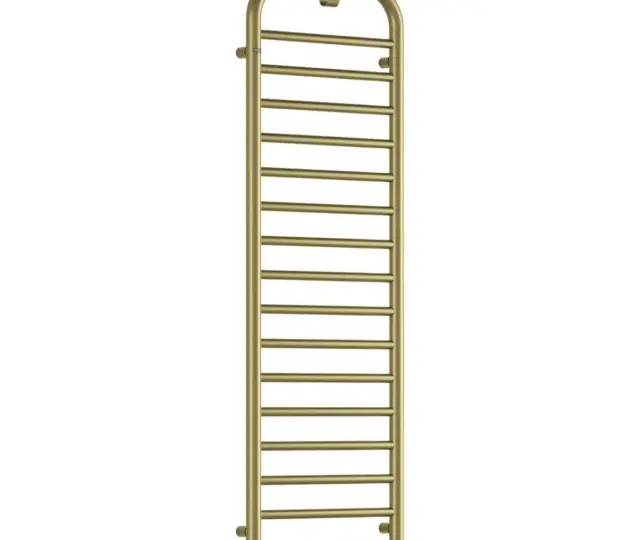 AGI_RG51
Deante Silia dual-fuel towel radiator 500 × 1570 mm, matt gold
Supplier stock · 7 pcs699.86 € 3 × 233.29 € -
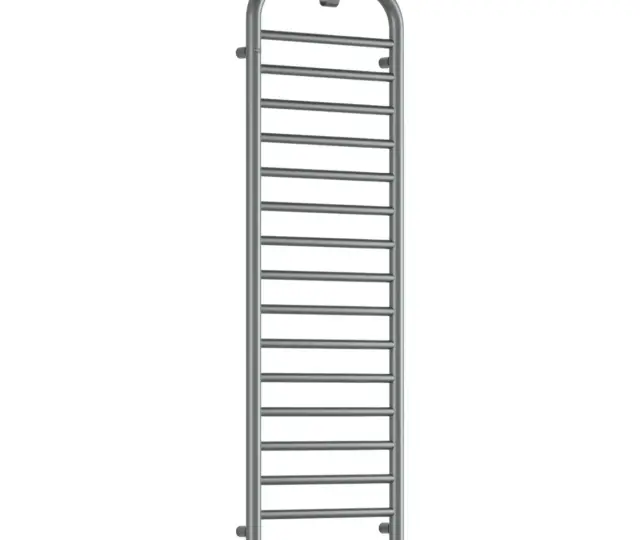 AGI_FG51
Deante Silia dual-fuel towel radiator 500 × 1570 mm, matt steel
Supplier stock · 5 pcs699.86 € 3 × 233.29 € -
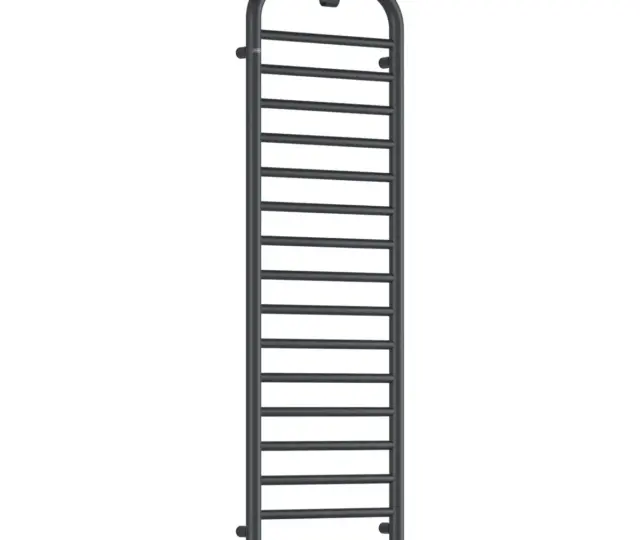 AGI_DG51
Deante Silia dual-fuel towel radiator 500 × 1570 mm, matt titanium
Supplier stock · 5 pcs699.86 € 3 × 233.29 € -
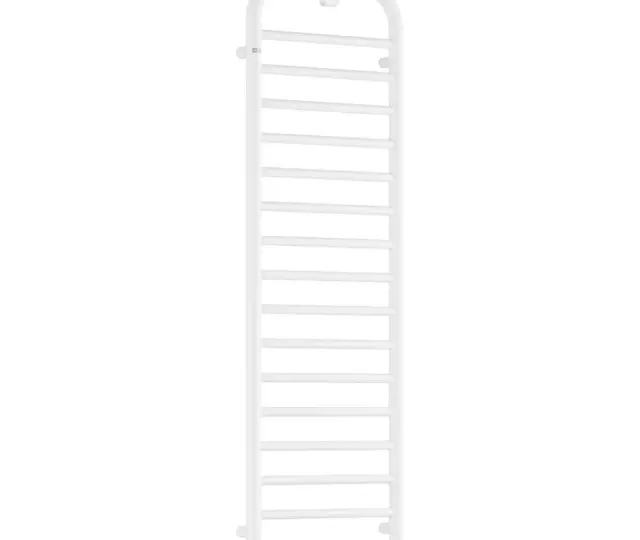 AGI_AG51
Deante Silia dual-fuel towel radiator 500 × 1570 mm, matt white
Supplier stock · 15 pcs660.19 € 3 × 220.06 € -
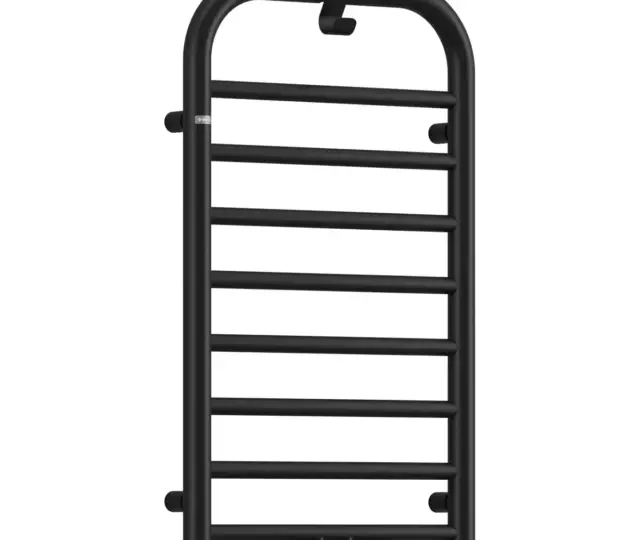 AGI_NG31
Deante Silia dual-fuel towel radiator 500 × 850 mm, matt black
Supplier stock · 3 pcs466.49 € 3 × 155.50 € -
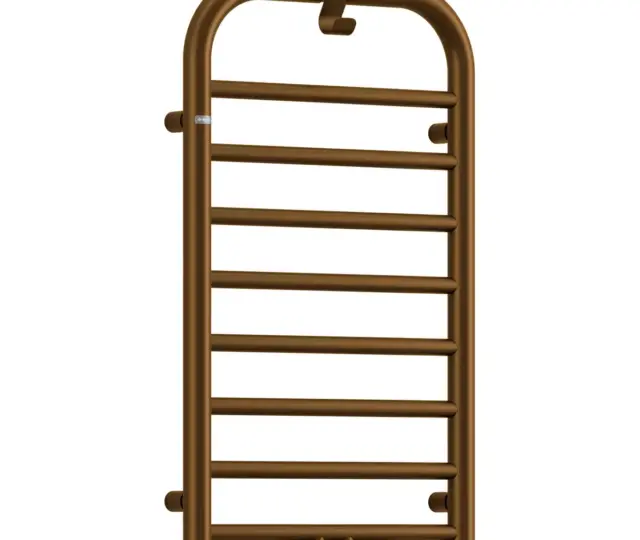 AGI_CG31
Deante Silia dual-fuel towel radiator 500 × 850 mm, matt brown
Supplier stock · 19 pcs629.85 € 3 × 209.95 € -
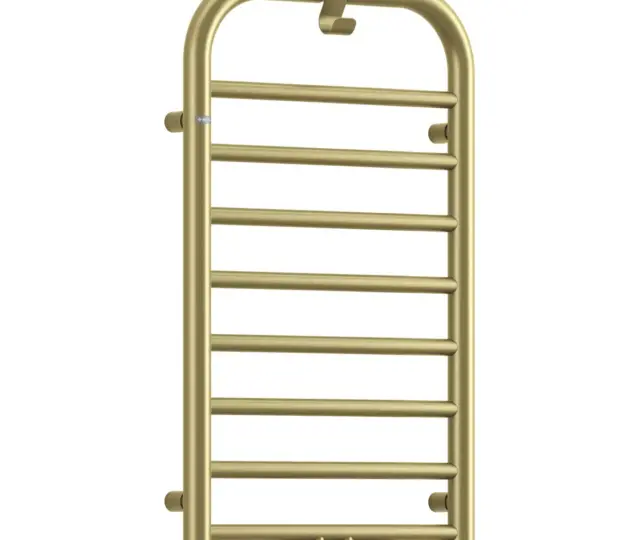 AGI_RG31
Deante Silia dual-fuel towel radiator 500 × 850 mm, matt gold
Supplier stock · 48 pcs629.85 € 3 × 209.95 € -
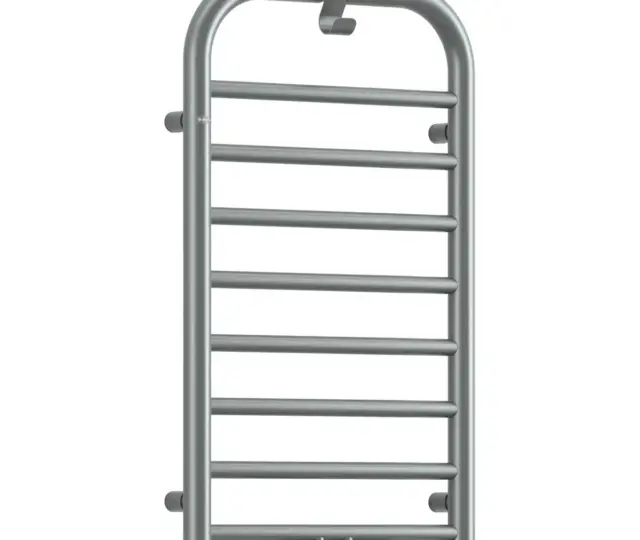 AGI_FG31
Deante Silia dual-fuel towel radiator 500 × 850 mm, matt steel
Supplier stock · 11 pcs629.85 € 3 × 209.95 € -
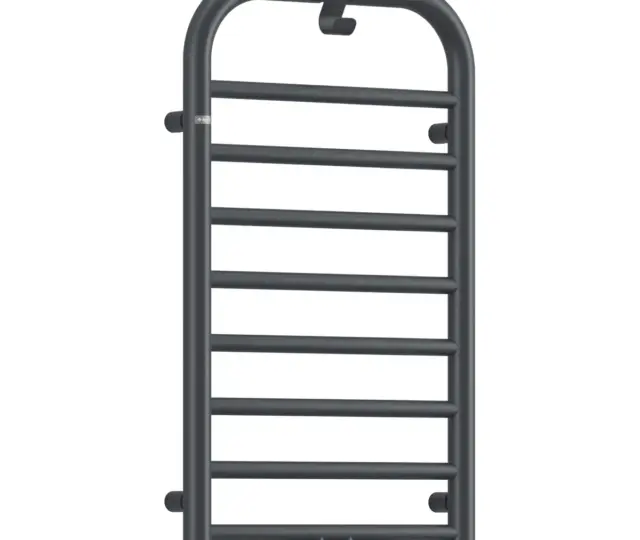 AGI_DG31
Deante Silia dual-fuel towel radiator 500 × 850 mm, matt titanium
Supplier stock · 18 pcs629.85 € 3 × 209.95 € -
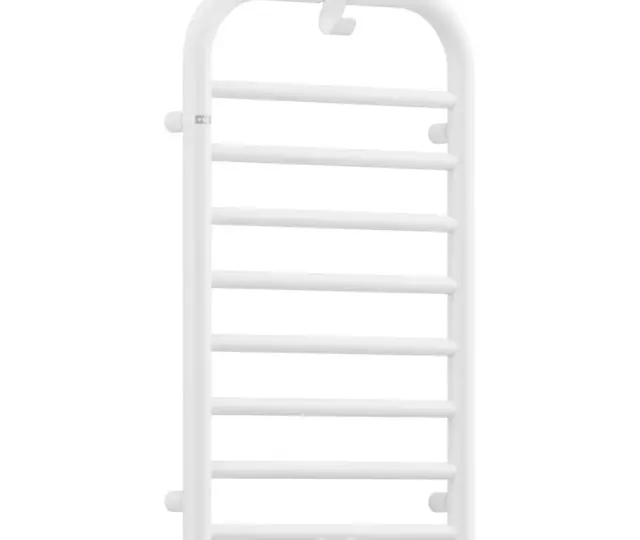 AGI_AG31
Deante Silia dual-fuel towel radiator 500 × 850 mm, matt white
Supplier stock · 15 pcs466.49 € 3 × 155.50 € -
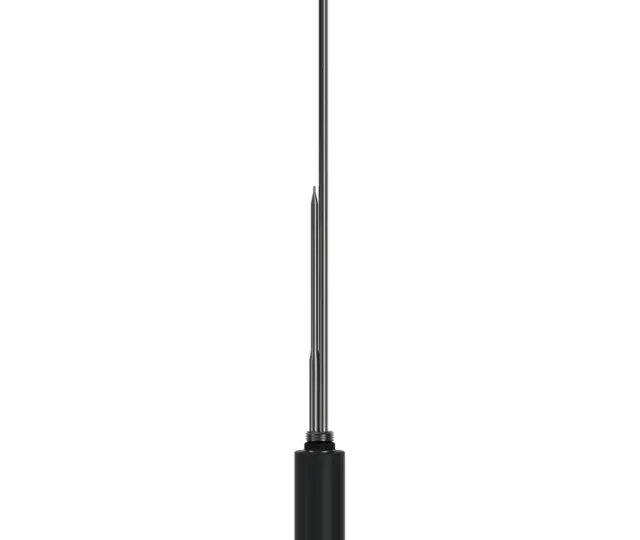 AGI_N401
Deante Silia electric heating element for towel radiator 400 W, matt black
Supplier stock · 8 pcs186.46 € 3 × 62.15 € -
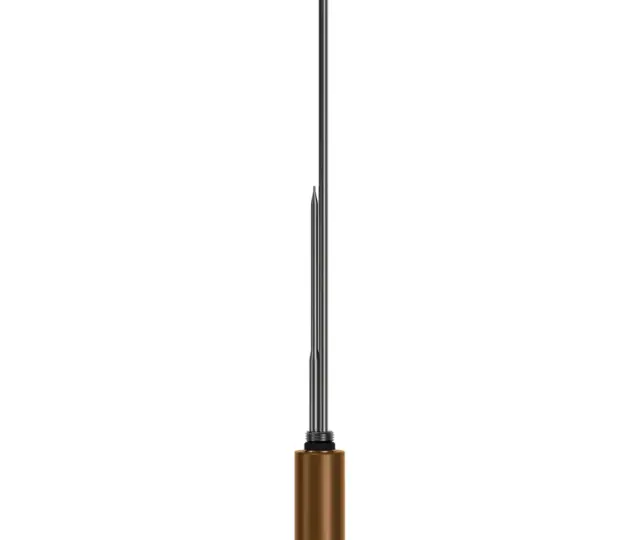 AGI_C401
Deante Silia electric heating element for towel radiator 400 W, matt brown
Supplier stock · 2 pcs209.80 € 3 × 69.93 € -
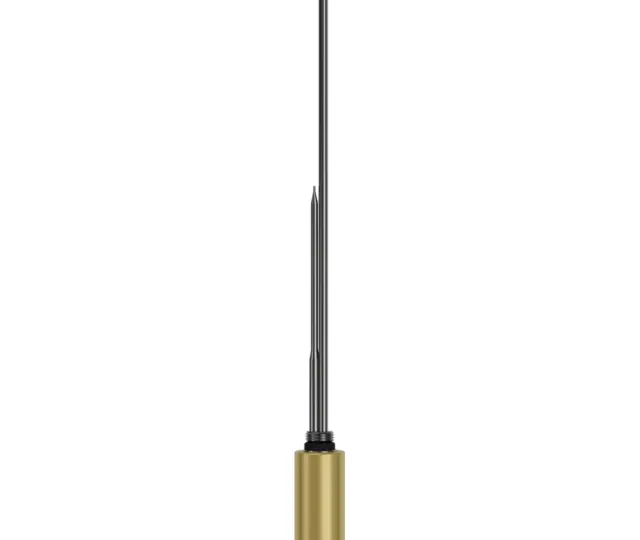 AGI_R401
Deante Silia electric heating element for towel radiator 400 W, matt gold
Supplier stock · 23 pcs209.80 € 3 × 69.93 € -
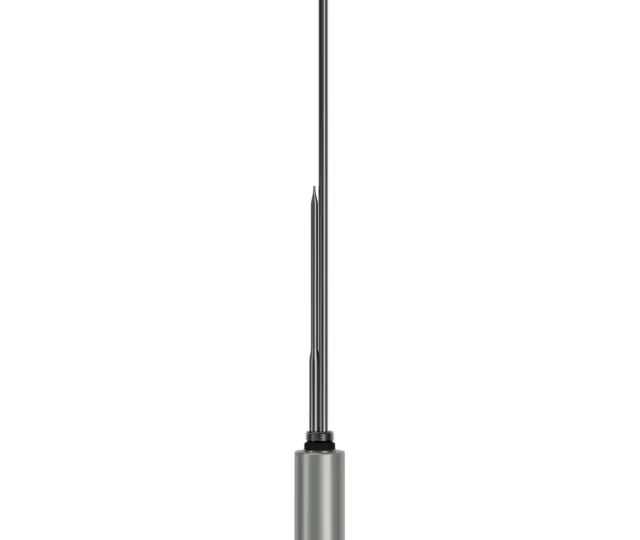 AGI_F401
Deante Silia electric heating element for towel radiator 400 W, matt steel
Supplier stock · 6 pcs209.80 € 3 × 69.93 € -
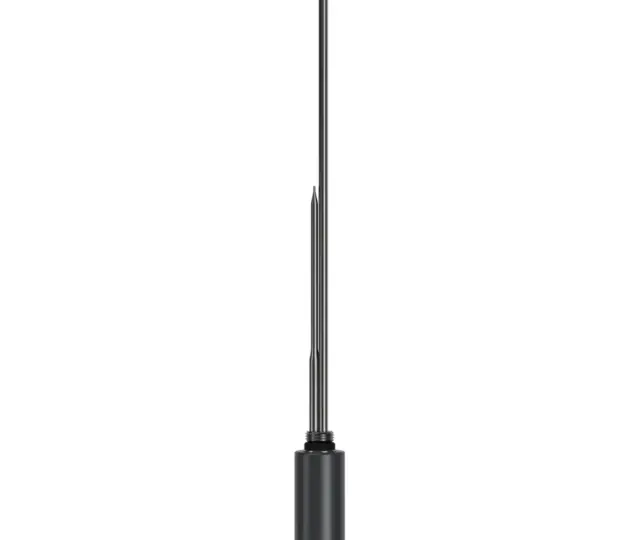 AGI_D401
Deante Silia electric heating element for towel radiator 400 W, matt titanium
Supplier stock · 12 pcs209.80 € 3 × 69.93 € -
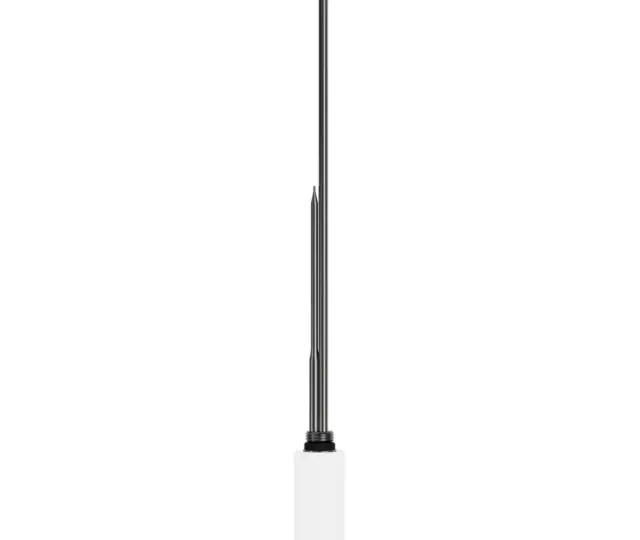 AGI_A401
Deante Silia electric heating element for towel radiator 400 W, matt white
Supplier stock · 5 pcs163.12 € 3 × 54.37 €
Everything you need to know.
- Electric heated towel rails
- Water-filled heated towel rails (central heating and hot water)
- Dual-fuel heated towel rails
- Floor area and heat demand
- Optimising energy consumption
- Installation height and position in the room
- Electrical safety and bathroom zones
- Connecting a water-filled model
- Finishes and colours
- Practical designs
- Limescale and bleeding
- Cleaning and draining the rail
- 1. Which heated towel rail is suitable for the hot water system in a block of flats?
- 2. How much electricity does an electric heated towel rail use?
- 3. Can a heated towel rail be left switched on all the time?
- 4. What should I do if the top of my water-filled heated towel rail is cold?
- 5. What is the ideal installation height for a heated towel rail?
A heated towel rail is one of the most practical and important fixtures in a modern bathroom, drying towels quickly while also acting as an extra source of heat for the room. This heated pipework or ladder keeps your towels fresh, soft and free of mould, while preventing excess moisture building up in the bathroom. A modern heated towel rail combines low energy consumption, precise temperature control and stylish design, giving homeowners everyday comfort and a better indoor climate.
Which model to choose and how to install it depends above all on the bathroom’s heating and water system. A heated towel rail can run off the mains electricity, the central heating or the domestic hot water system, or offer a combination of both. In this guide we take an in-depth look at the different types, sizing the output, installation rules and care tips, so you can make an informed, long-term decision for your home.
Types of heated towel rail and how they work
Choosing the right type is the first step towards a system that works well and is comfortable to use. Depending on the existing infrastructure, these appliances fall into three main categories.
Electric heated towel rails
An electric heated towel rail is a standalone heater connected directly to the home’s electricity supply. It is ideal for flats and houses without suitable heating circulation, or where you want to dry towels in the summer months too, when the central heating is switched off.
-
Dry-element models: Heat up very quickly and use little electricity (usually 30–80 W).
-
Fluid-filled (e.g. oil) models: Hold their heat for longer and give a more even surface temperature, although they take a little longer to warm up.
-
Timer and thermostat options: A heated towel rail with a timer lets you set the drying time (e.g. 2–4 hours after a shower), which helps save a significant amount of energy.
Water-filled heated towel rails (central heating and hot water)
Water-filled models are connected either to the building’s central heating system or to the domestic hot water circulation.
-
Hot water system connection: Requires a corrosion-resistant material, such as a stainless steel heated towel rail or special brass pipework, because domestic hot water contains oxygen, which quickly eats through ordinary steel.
-
Central heating connection: Works on the same principle as an ordinary radiator. The downside is that the rail doesn’t heat up in summer, outside the heating season.
Dual-fuel heated towel rails
A dual-fuel heated towel rail combines the best of both systems. In winter it is heated by the building’s central heating, while in summer it runs on electricity via a built-in heating element. This gives you warm towels 365 days a year without pushing up your winter electricity bill.
Note for homeowners: Only models certified for the purpose may be installed on the hot water circulation in blocks of flats. Choosing the wrong material can lead to the rail rusting through and a serious leak within just a couple of years!
Calculating output and energy efficiency
To keep the right indoor climate in the bathroom, the appliance must match the size of the room and how often it is used.
Floor area and heat demand
If the rail will be used as the main heating for the bathroom as well as for drying towels, base your calculations on this rule of thumb: 100 W of output per m² (for a normal ceiling height of ~2.5 m and good insulation).
Sample calculation for planning bathroom heating costs
-
5 m² bathroom: Recommended output of at least 500 W (as main heating) or 100–150 W (if there is a heated towel rail with wet underfloor heating or electric underfloor heating and the appliance is only used for drying).
-
8 m² bathroom: Recommended output of 800 W (as main heating) or 200–250 W (for drying only).
Optimising energy consumption
Heated towel rail energy consumption is easy to control with smart controls. A heated towel rail with a thermostat lets you hold a constant temperature (e.g. 45–50 °C), preventing overheating and saving up to 40% of electricity compared with an appliance running constantly at full power.
Installation height and position in the room
The optimum heated towel rail installation height is with the bottom edge of the rail about 90–110 cm above the floor. This makes it easy to reach for both adults and children and leaves enough room for longer towels to hang freely.
Electrical safety and bathroom zones
A bathroom is a high-humidity room where strict safety requirements apply:
-
IP rating: An electrical appliance must have a protection rating of at least IPX4 (splash-proof).
-
Safety zones: Neither the appliance nor its socket may be installed directly above the shower or bath (Zone 0 and Zone 1). The socket must be at least 60 cm from a water source.
-
Residual current protection: The entire bathroom circuit must be protected by a 30 mA residual current device (RCD).
Connecting a water-filled model
With a water system, connecting the heated towel rail to the heating pipes is critical. Use compliant connectors and isolation valves, so that the rail can be isolated from the water supply when needed without draining the whole building’s heating system.
Design, materials and functional special solutions
Today’s towel rails are important fixtures that complement the overall style of the bathroom.
Finishes and colours
Alongside classic chrome, special finishes are becoming increasingly popular:
-
Matt black heated towel rail: A modern, high-contrast choice that goes particularly well with black sanitary ware and ceramic tiles.
-
Brushed gold heated towel rail: Adds a luxurious, warm accent to the room.
-
White powder-coated heated towel rail: A timeless, clean solution for a light-coloured bathroom.
Practical designs
In small bathrooms, making efficient use of space is essential. A heated towel rail with swivel arms lets you move the bars through 180 degrees relative to the wall. This lets your towels air better and saves space when the rail isn’t in use.
Care, troubleshooting and extending service life
Regular maintenance keeps the rail in working order and avoids the energy wasted when it runs inefficiently.
Limescale and bleeding
A common problem with water-filled systems is air collecting in the pipework, which leaves the top of the rail cold. To get it working properly again, bleed the rail through the bleed valve (Mayevsky valve) at the top.
Cleaning and draining the rail
To clean the outer surfaces, use a soft microfibre cloth and a neutral cleaner. Avoid abrasive scouring powders and strong acids, which can damage the finish. When needed (for example during renovation), draining and servicing the heated towel rail involves closing the isolation valves and letting the water out through the bottom plug. Effective reduction of bathroom humidity also depends on not piling too many wet clothes onto the rail at once, as they would block the free flow of air.
Key takeaways
A quality heated towel rail is a functional and attractive addition to any bathroom. Not only does it keep your towels warm and dry, it also makes a real contribution to reducing bathroom humidity, preventing mould and unpleasant odours.
-
Matching the system: Choose the type of rail to suit the bathroom’s heating system (electric, central heating or domestic hot water).
-
The right material: Only a stainless steel heated towel rail or a brass model is suitable for a domestic hot water system.
-
Energy efficiency: A heated towel rail with a timer and a thermostat cut electricity use by up to 40%.
-
Safe installation: An electrical appliance must have a protection rating of at least IPX4 and be installed at a safe distance from water sources.
-
Optimum height: The recommended installation height is 90–110 cm from the floor.
-
Dual-fuel solution: Offers the greatest comfort, running on central heating in winter and electricity in summer.
Frequently asked questions
1. Which heated towel rail is suitable for the hot water system in a block of flats?
Only a stainless steel heated towel rail or a special brass rail is suitable for a domestic hot water system. Ordinary steel central heating radiators quickly rust through in oxygen-rich domestic hot water.
2. How much electricity does an electric heated towel rail use?
A typical dry-element model has an output of 40–80 W. With a heated towel rail with a timer running, say, 4 hours a day, monthly energy consumption is only about 5–10 kWh.
3. Can a heated towel rail be left switched on all the time?
Yes, modern rails are designed for continuous operation. Even so, using a thermostat or timer is recommended to optimise energy consumption.
4. What should I do if the top of my water-filled heated towel rail is cold?
This indicates air trapped in the pipework. Bleed the rail through the valve at the top until a steady flow of water comes out of the valve.
5. What is the ideal installation height for a heated towel rail?
The recommended installation height is 90–110 cm from the floor to the bottom edge, so towels are easy to hang and use.