
Toilets.
The toilet is one of the most basic and most frequently used sanitary fittings in any building, and its technology has taken a remarkable leap forward over the…
-
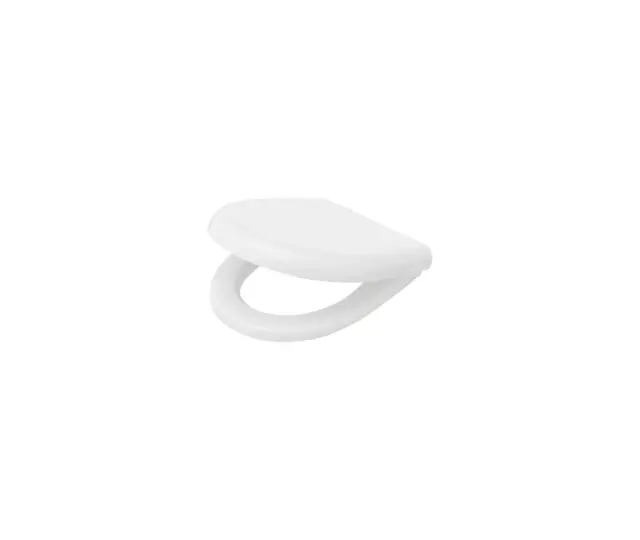 CDA_6DOZ
Deante Avis toilet seat, white
Supplier stock · 14 pcs69.54 € 3 × 23.18 € -
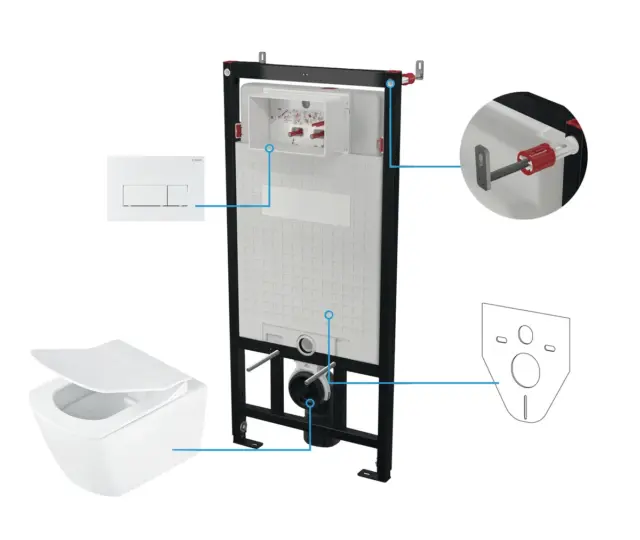 CDZA6ZPW
Deante Blur 6-in-1 concealed WC set, white
Supplier stock · 2 pcs629.85 € 3 × 209.95 € -
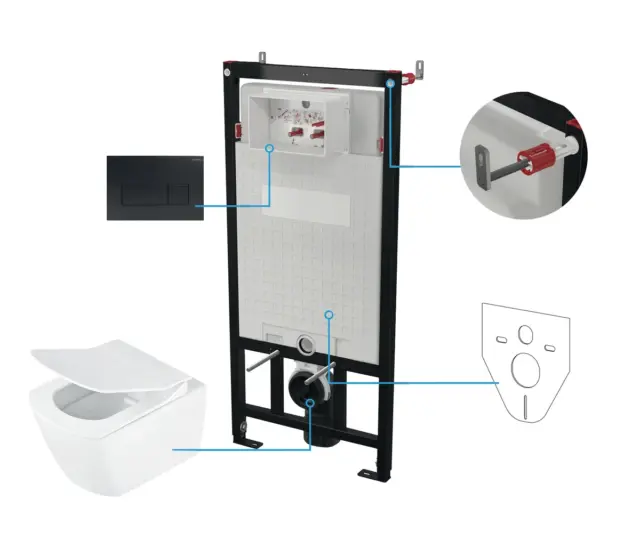 CDZN6ZPW
Deante Blur 6-in-1 concealed WC set, white/black
Supplier stock · 4 pcs629.85 € 3 × 209.95 € -
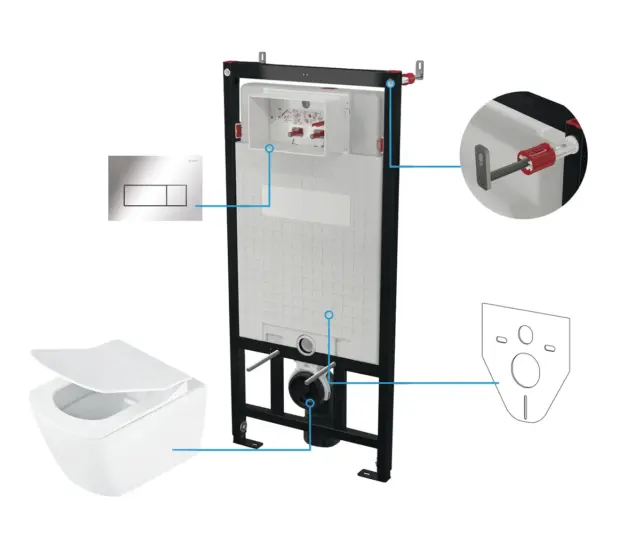 CDZS6ZPW
Deante Blur 6-in-1 concealed WC set, white/chrome
Supplier stock · 4 pcs606.51 € 3 × 202.17 € -
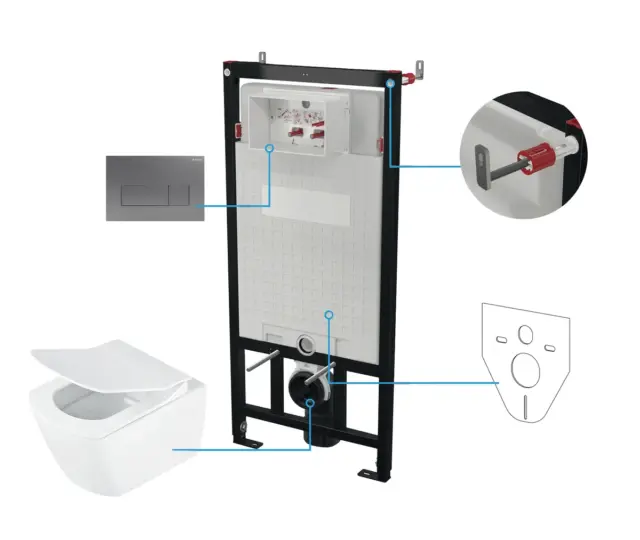 CDZT6ZPW
Deante Blur 6-in-1 concealed WC set, white/titanium
Supplier stock · 3 pcs629.85 € 3 × 209.95 € -
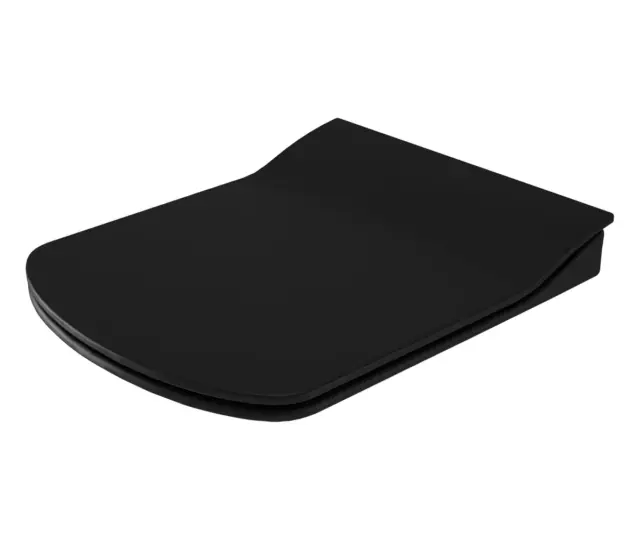 CDZ_NZOZ
Deante Blur slim toilet seat, black
Supplier stock · 29 pcs128.12 € 3 × 42.71 € -
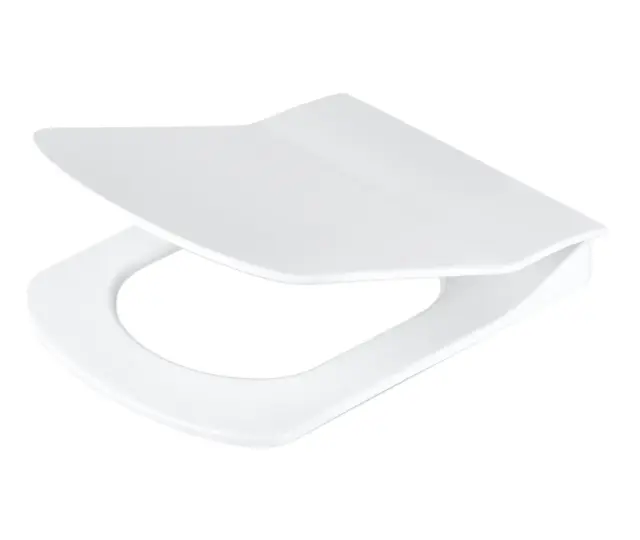 CDZ_6ZOZ
Deante Blur slim toilet seat, white
Supplier stock · 20 pcs93.11 € 3 × 31.04 € -
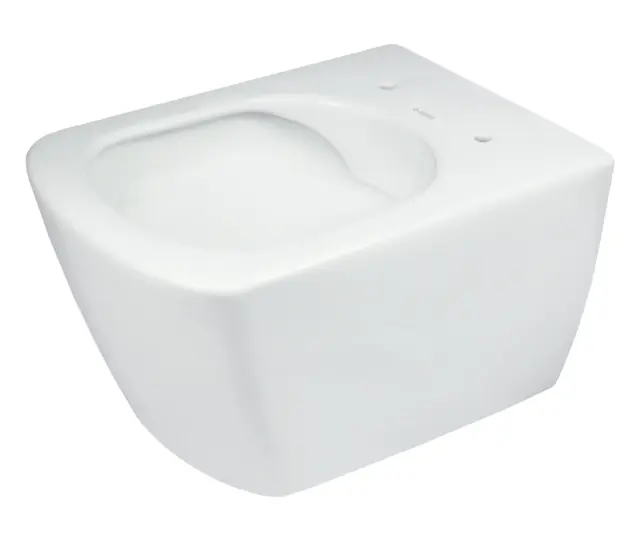 CDZ_6ZPW
Deante Blur wall-hung toilet 513 × 370 mm, white
Supplier stock · 19 pcs279.81 € 3 × 93.27 € -
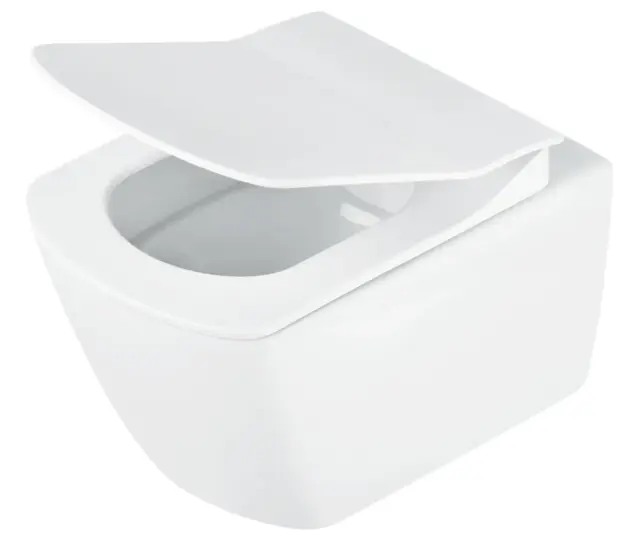 CDZD6ZPW
Deante Blur wall-hung toilet with seat 513 × 370 mm, white
Supplier stock · 55 pcs349.82 € 3 × 116.61 € -
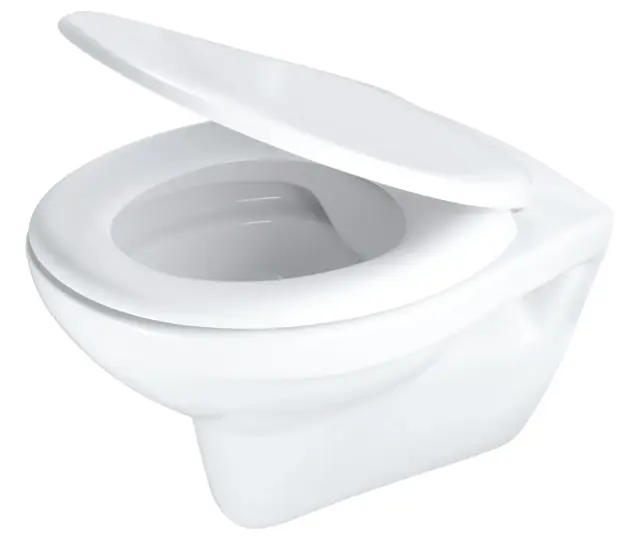 CMOD6SPW
Deante Boro wall-hung toilet with seat 529 × 375 mm, white
Available to order163.12 € 3 × 54.37 € -
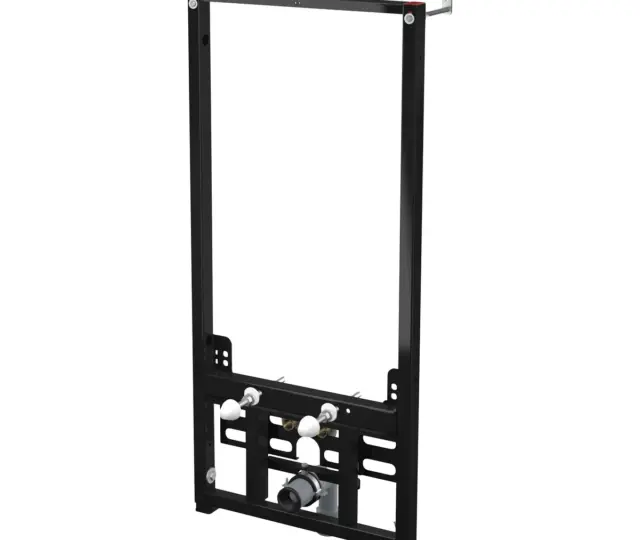 CST_BI01
Deante concealed installation frame for bidet 510 × 200 × 1120 mm
Supplier stock · 47 pcs209.80 € 3 × 69.93 € -
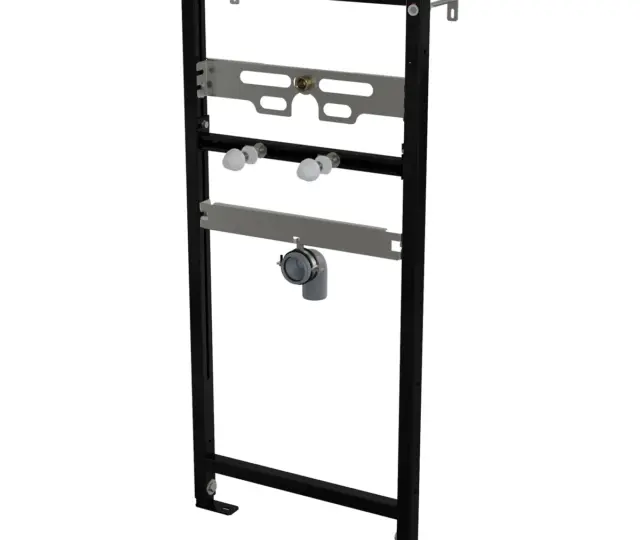 CST_PI01
Deante concealed WC frame for urinal 510 × 200 × 1120 mm
Supplier stock · 100+ pcs209.80 € 3 × 69.93 € -
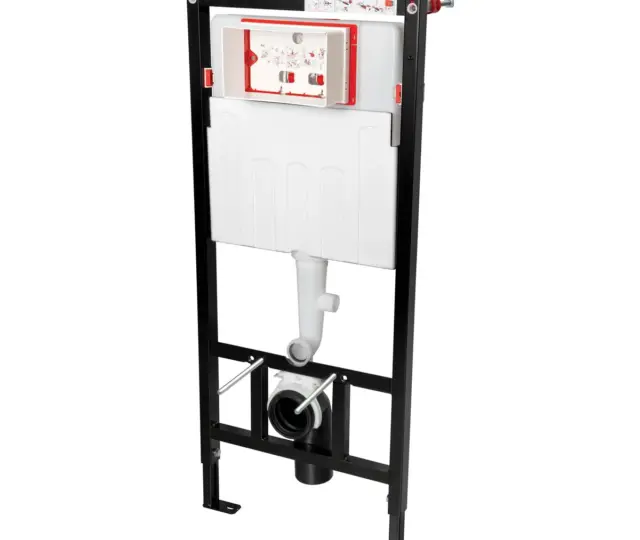 CSTKWC01
Deante concealed WC frame for wall-hung WC 510 × 125 × 1120 mm
Supplier stock · 48 pcs233.13 € 3 × 77.71 € -
LAOTOODE
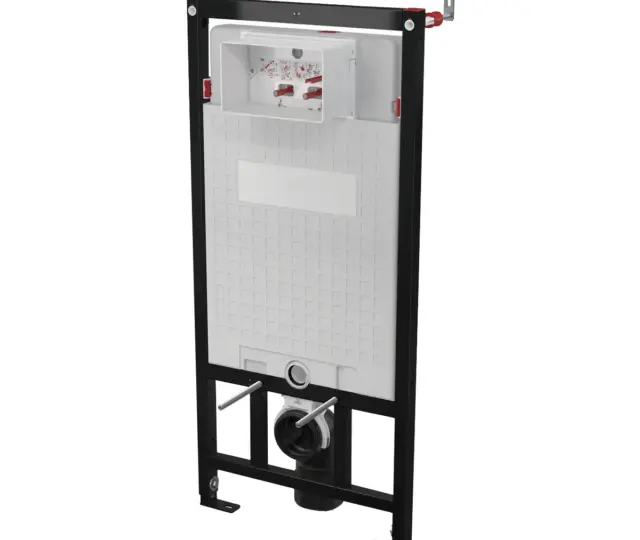 CST_WC01
Deante concealed WC frame for wall-hung WC 510 × 125 × 1176 mm
1 in stock209.80 € 3 × 69.93 € -
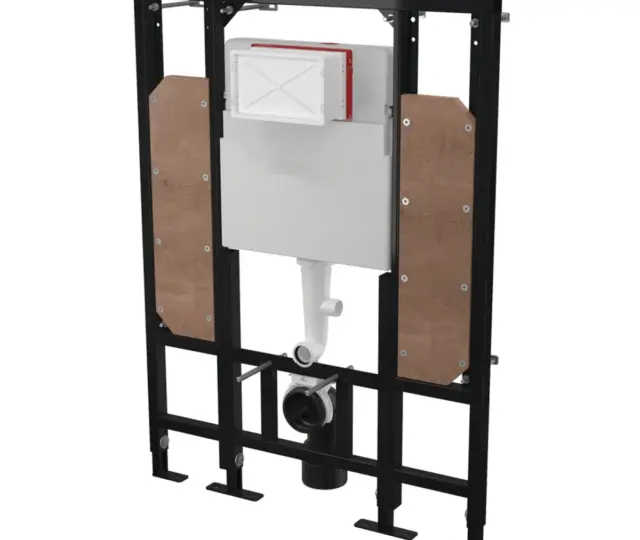 CST_WC02
Deante concealed WC frame for wall-hung WC 900 × 200 × 1215 mm
Supplier stock · 39 pcs583.17 € 3 × 194.39 € -
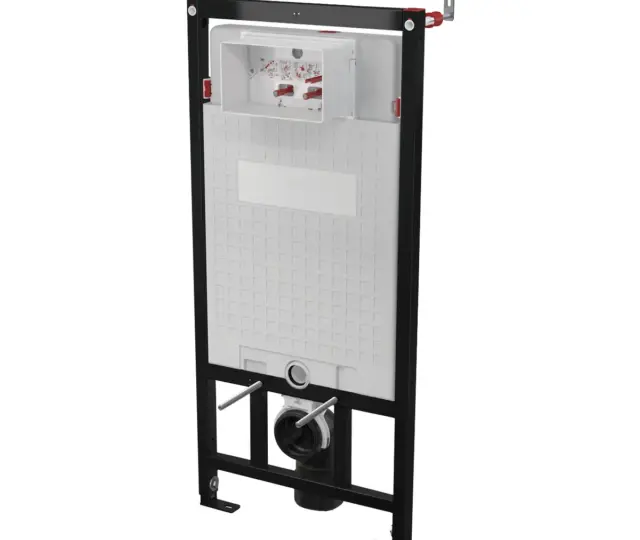 CSTEWC01
Deante concealed WC frame for wall-hung WC with ECO flush 510 × 125 × 1176 mm
Supplier stock · 17 pcs233.13 € 3 × 77.71 € -
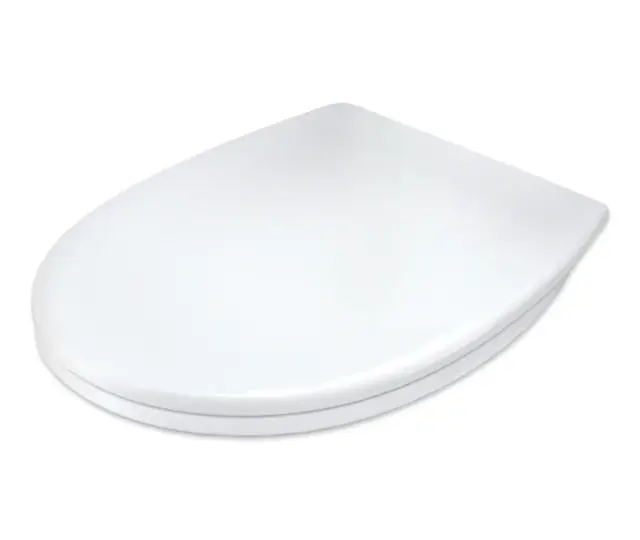 CDF_6SOZ
Deante Funkia Evo slim toilet seat, white
Supplier stock · 16 pcs46.44 € 3 × 15.48 € -
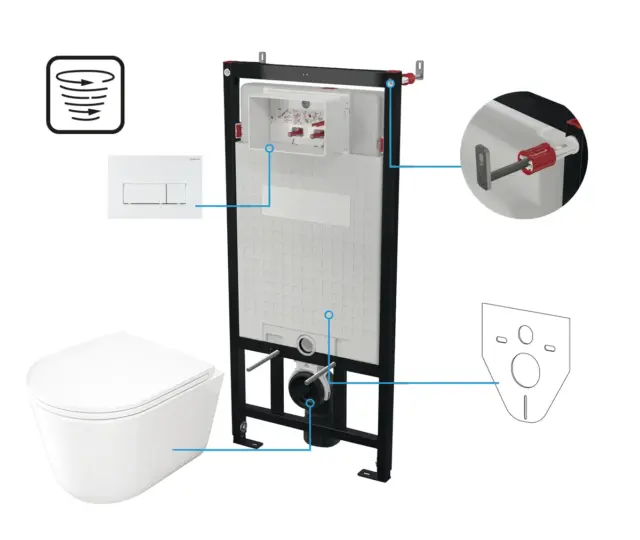 CDJA6ZPW
Deante Jasmin 6-in-1 concealed WC set, white
Supplier stock · 4 pcs457.16 € 3 × 152.39 € -
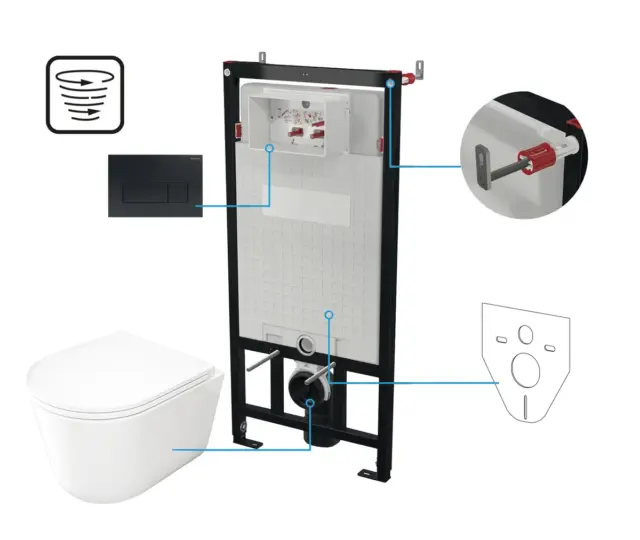 CDJN6ZPW
Deante Jasmin 6-in-1 concealed WC set, white/black
Available to order457.16 € 3 × 152.39 € -
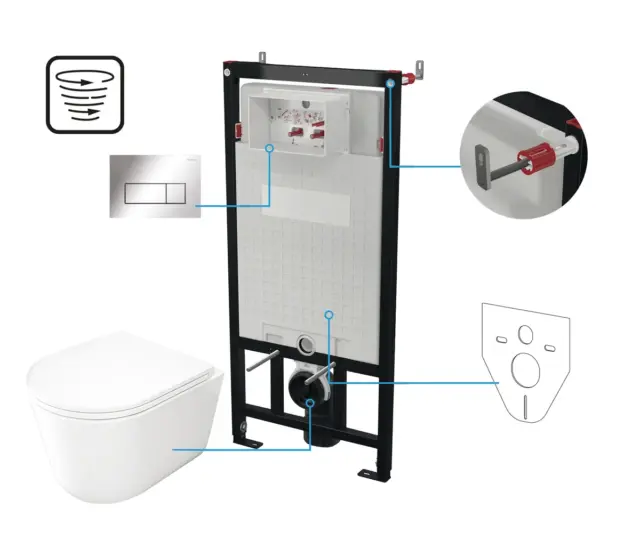 CDJS6ZPW
Deante Jasmin 6-in-1 concealed WC set, white/chrome
Available to order457.16 € 3 × 152.39 € -
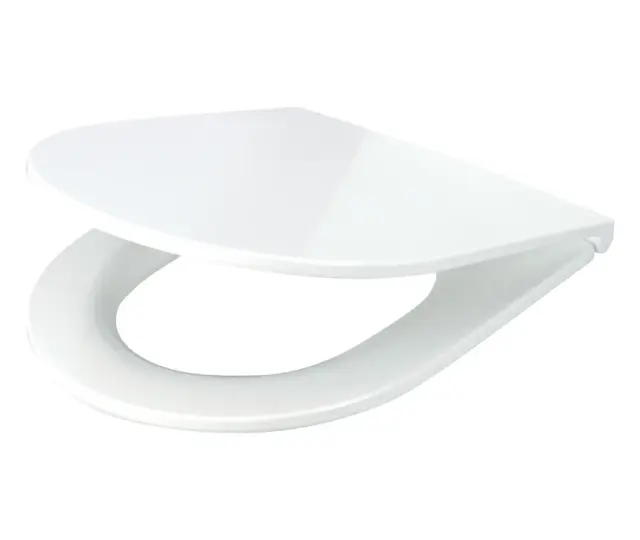 CDJ_6S1Z
Deante Jasmin slim toilet seat for floor-standing toilet, white
Supplier stock · 17 pcs46.44 € 3 × 15.48 € -
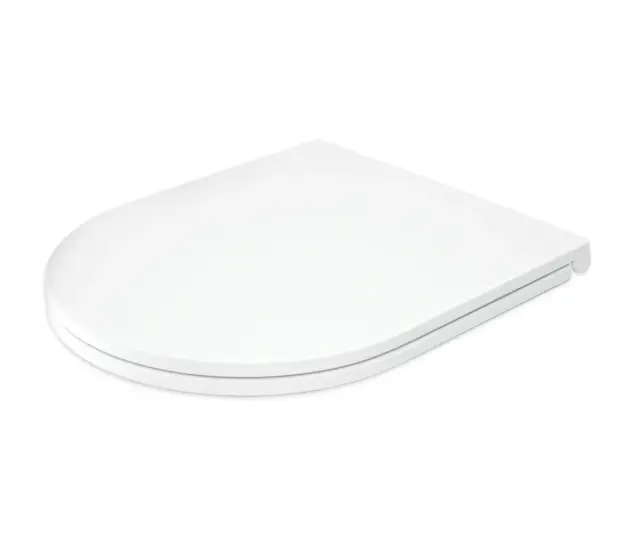 CDJ_6SOZ
Deante Jasmin slim toilet seat for wall-hung toilet, white
Available to order46.44 € 3 × 15.48 € -
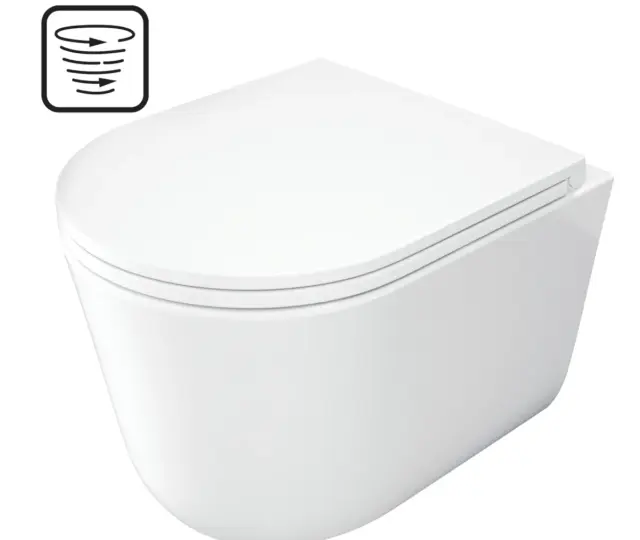 CDJD6ZPW
Deante Jasmin wall-hung toilet with seat 490 × 360 mm, white
Available to order223.80 € 3 × 74.60 € -
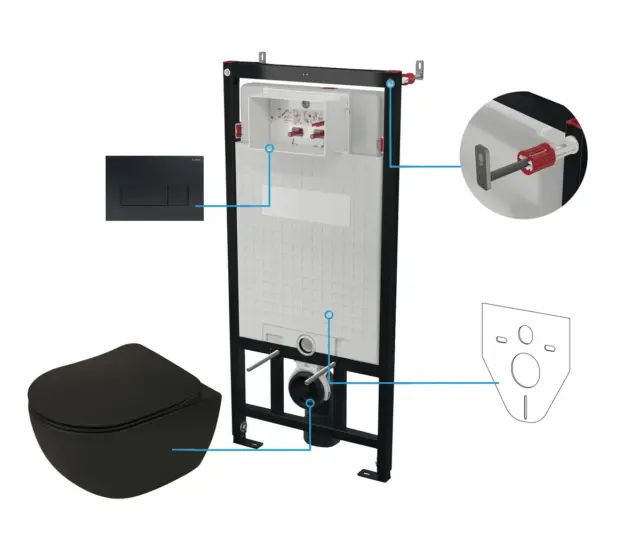 CDENNZPW
Deante Peonia 6-in-1 concealed WC set, black
Supplier stock · 5 pcs769.87 € 3 × 256.62 €
Everything you need to know.
- Floor-standing vs wall-hung toilet
- Rimless toilets
- Toilet seats and shower toilets
- Dual-flush mechanisms and adjusting flush volume
- Types of soil pipe outlet
- Installation steps and safety requirements
- Wall-hung toilet frame and installation height
- Cleaning the ceramic and removing limescale
- 1. Can a wall-hung toilet fall off the wall?
- 2. Why choose a rimless toilet?
- 3. How do you fix a floor-standing toilet without drilling?
- 4. What is the ideal toilet installation height?
The toilet is one of the most basic and most frequently used sanitary fittings in any building, and its technology has taken a remarkable leap forward over the past few decades. Today’s toilet is no longer just a cast-iron or earthenware vessel with a straight drain, but a high-tech sanitary ceramic system that optimises water use, minimises noise and keeps its surfaces as clean as possible. A modern toilet combines antibacterial glazes, hygienic rimless flushing technology and soft-closing parts to make everyday use comfortable.
For a homeowner, choosing a new toilet is a long-term investment. Whether you are replacing an old toilet during a renovation or fitting out a new building, you need to take into account the direction of the soil pipe outlet, the load-bearing capacity of the frame and water efficiency. In this in-depth guide we look at the structural differences between models, the installation steps, flushing system faults and care tips.
Main types of toilets and how they differ
When choosing a new toilet, the first question a homeowner faces is this: a traditional floor-standing ceramic pedestal or a wall-hung model with a concealed frame? Both options have their own spatial and technical advantages.
Floor-standing vs wall-hung toilet
A classic floor-standing toilet rests directly on the bathroom floor, with its cistern sitting visibly on top of the pan. It is a sturdy and usually affordable choice, and it also works well when renovating a room with existing pipework without opening up the walls.
-
Wall-hung toilet: Mounted on a special concealed in-wall frame. Its main advantage is easy cleaning: as the pan doesn’t touch the floor, you can simply run a mop underneath it.
-
Space saving: Although a Geberit concealed cistern frame or a similar frame needs 15–20 cm of depth behind the wall, you can build a handy shelf or cabinet above it and make the most of a small toilet room.
-
Load capacity and durability: A correctly installed wall-mounted toilet can withstand a static load of up to 400 kg in accordance with EN 997.
Rimless toilets
The biggest innovation in sanitary ceramics in recent years is the rimless toilet – a design with no inner rim.
| Feature | Traditional rimmed toilet | Rimless toilet |
| Hygiene | Dirt, rust and bacteria build up under the rim | No hidden rims; the surface is 100% accessible |
| Cleaning time | Needs strong acidic chemicals and scraping | Cleans with a soft cloth and a mild detergent |
| Flushing efficiency | Water falls by gravity from holes in the rim | A special shape sends the water round in a swirling vortex |
Toilet seats and shower toilets
Comfort starts with the right seat. Today the standard is a soft-close toilet seat, which closes slowly and silently, protecting the ceramic from knocks.
A more luxurious and hygienic alternative is a shower toilet (bidet toilet), which offers washing with water at an adjustable temperature, warm-air drying, a heated seat and odour-removal filters, all built into the ceramic toilet itself.
Expert tip for homeowners: If you are renovating your bathroom, run a power cable (230 V) inside the wall behind the toilet, even if you are fitting a standard toilet for now. If you add a shower toilet seat later, this saves you from running surface wiring and re-tiling!
2. Flushing systems and water efficiency
Toilets account for roughly 25–30% of an average household’s daily water consumption, so the efficiency of the flush mechanism has a direct impact on your utility bills.
Dual-flush mechanisms and adjusting flush volume
The now-standard dual-flush mechanism gives you two buttons: a small flush (usually 2–3 litres) and a full flush (4–6 litres).
On a modern water-saving toilet you can adjust the position of the float and valve in the cistern, bringing the full flush down to 4.5 litres and the small flush to 2 litres. For a family of four, this saves thousands of litres of clean drinking water – and the wastewater charges that go with them – every year.
Types of soil pipe outlet
Before you buy, check which way your building’s soil pipe runs:
-
Floor outlet (S-trap): The pipe goes straight down into the floor (common in older houses and standard-design flats).
-
Wall outlet (P-trap): The pipe runs back towards the wall (standard in new builds and with wall-hung systems).
-
Universal outlet (Vario): The shape of the ceramic lets you connect to either the wall or the floor using special bends.
Toilet installation and soil pipe connection
A properly carried out toilet installation or replacement ensures the system stays stable, odour-free and leak-free for decades.
Installation steps and safety requirements
-
Preparation and shut-off: Turn off the water supply valve and empty the cistern completely. Remove the old toilet and clean the floor/wall surface.
-
Sealing the soil connection: A proper toilet soil pipe connection requires a flexible rubber seal (connector) and lubricant. Don’t rely on silicone alone for the joint: temperature changes and building settlement cause micro-cracks that let sewer smells into the room.
-
Fixing: Floor-standing toilets are secured either with stainless steel screws or with a special high-strength polymer construction adhesive (so you don’t drill through underfloor heating pipes).
-
Water connection: Use new braided stainless steel hoses and make sure the seals are seated correctly.
Wall-hung toilet frame and installation height
With a wall-hung model, the steel frame is fixed firmly to the load-bearing wall and the floor with adjustable anchors.
3.2.1 Recommended standard height
The standard toilet installation height from the finished floor to the top of the seat is 40–42 cm.
-
Ergonomic recommendation: For older people or those with joint problems, the frame is installed higher – at 45–48 cm – which makes sitting down and getting up much easier.
4. Care, troubleshooting and cistern repair
Even with the best ceramics, the moving parts need regular maintenance, especially in hard-water areas.
Cleaning the ceramic and removing limescale
A good-looking toilet starts with a gleaming, undamaged glaze.
Effective limescale removal from the tap and the bottom of the bowl
To get rid of the brownish deposit that builds up below the waterline, the best toilet limescale removal method uses organic acids (citric acid or vinegar).
-
Pour 100–150 g of citric acid into the toilet in the evening, leave it to work overnight and give it a light brush in the morning.
-
Warning: Avoid abrasive scouring pads and steel brushes, which leave microscopic scratches in the glaze. Once the glaze is damaged, caring for sanitary ceramic glaze becomes many times harder, as the rough surface attracts dirt like a magnet.
Key takeaways
The right toilet is the cornerstone of bathroom comfort, hygiene and energy efficiency. When choosing, consider what the room needs: in compact, modern bathrooms a wall-hung toilet gives clean lines and easy floor cleaning, while a classic floor-standing toilet is a solid, simple choice for rooms with standard plumbing.
In terms of technology, go for a rimless design and a soft-close toilet seat – both noticeably raise everyday comfort.
-
Hygiene advantage: a rimless toilet stops bacteria and limescale building up under hidden rims and saves you cleaning time.
-
Clean floor: a wall-hung toilet makes cleaning the bathroom floor quick and easy, and makes the room look more spacious.
-
Water saving: a dual-flush mechanism cuts water use by up to 50%, letting you choose between a 2–3 litre and a 4–6 litre flush.
-
The right height: the standard installation height is 40–42 cm, but 45–48 cm suits older users better.
-
Careful maintenance: keep mild acid-based cleaners (citric acid) to hand and avoid abrasive brushes to preserve the ceramic’s protective glaze.
Frequently asked questions
1. Can a wall-hung toilet fall off the wall?
No. A correctly installed wall-hung system rests on a strong steel frame that is fixed to the floor and the wall and can bear up to 400 kg.
2. Why choose a rimless toilet?
A rimless toilet has no hidden rim for limescale and dirt to collect under. It is much easier to clean, and the flush rinses the whole surface of the bowl evenly.
3. How do you fix a floor-standing toilet without drilling?
In bathrooms with underfloor heating, the toilet is bonded to the floor with a sanitary polymer construction adhesive (e.g. a special hybrid adhesive), which gives a strong bond without damaging the heating circuits.
4. What is the ideal toilet installation height?
The standard height from the floor to the seat is 40–42 cm. For people with limited mobility or taller people, a height of 45–48 cm is more comfortable.