
Frames and flush plates.
In a modern bathroom, the concealed frame is the cornerstone of hygiene, good looks and functionality. It is a sturdy steel structure built into a partition wall or…
-
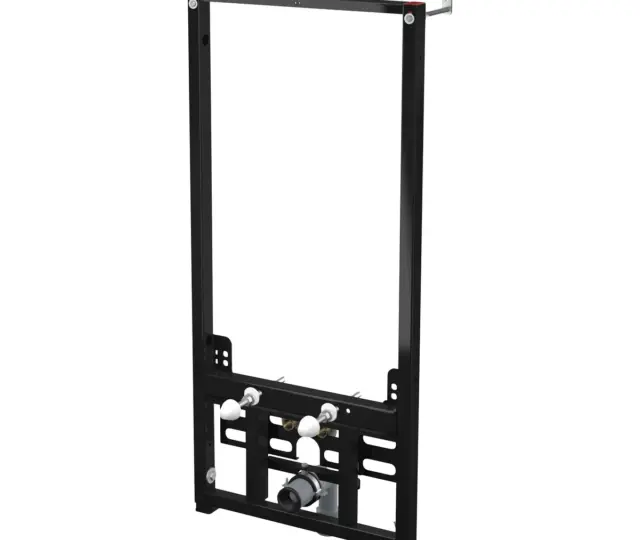 CST_BI01
Deante concealed installation frame for bidet 510 × 200 × 1120 mm
Supplier stock · 47 pcs209.80 € 3 × 69.93 € -
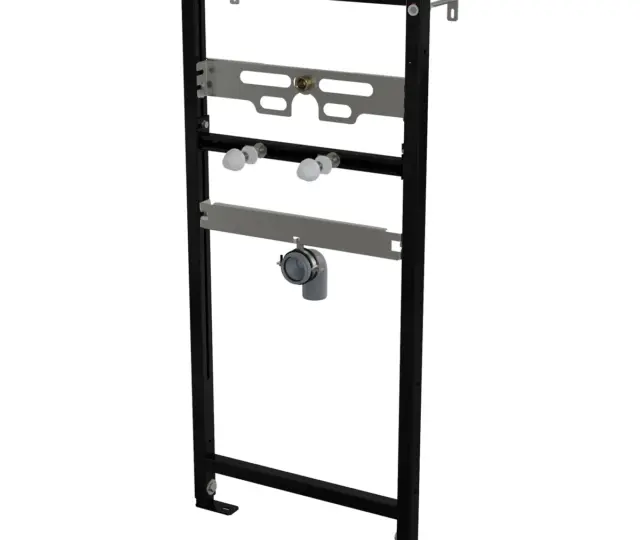 CST_PI01
Deante concealed WC frame for urinal 510 × 200 × 1120 mm
Supplier stock · 100+ pcs209.80 € 3 × 69.93 € -
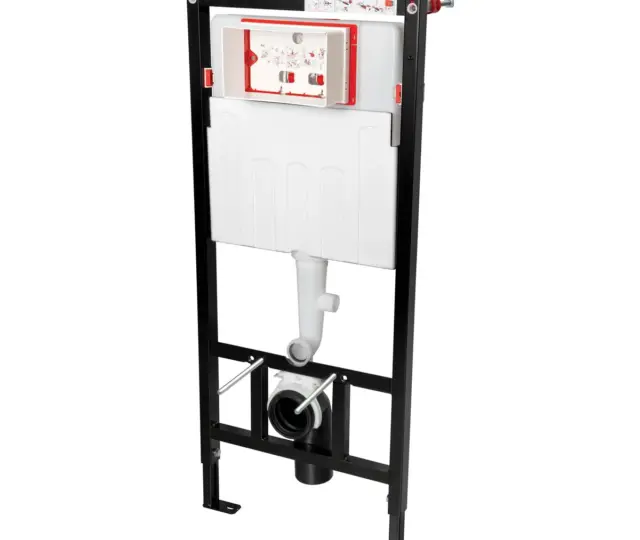 CSTKWC01
Deante concealed WC frame for wall-hung WC 510 × 125 × 1120 mm
Supplier stock · 48 pcs233.13 € 3 × 77.71 € -
LAOTOODE
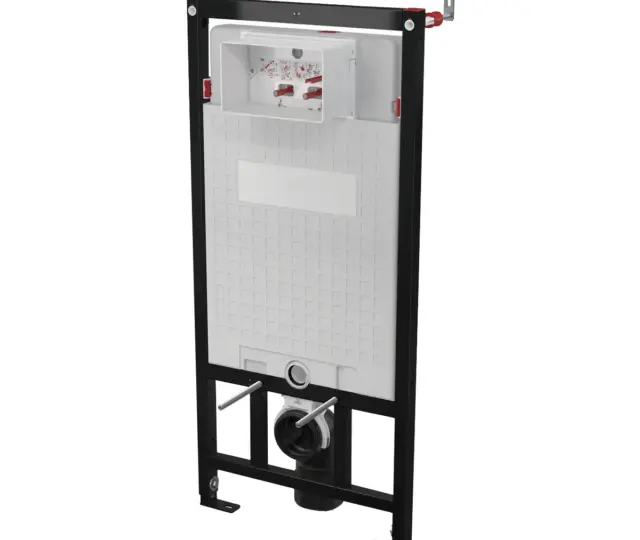 CST_WC01
Deante concealed WC frame for wall-hung WC 510 × 125 × 1176 mm
1 in stock209.80 € 3 × 69.93 € -
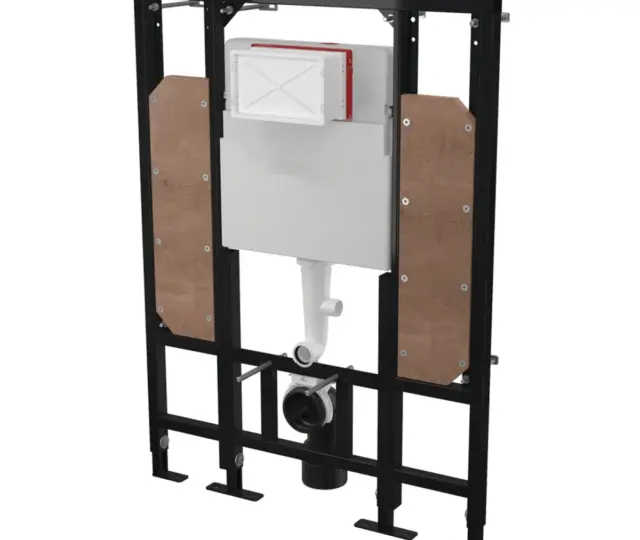 CST_WC02
Deante concealed WC frame for wall-hung WC 900 × 200 × 1215 mm
Supplier stock · 39 pcs583.17 € 3 × 194.39 € -
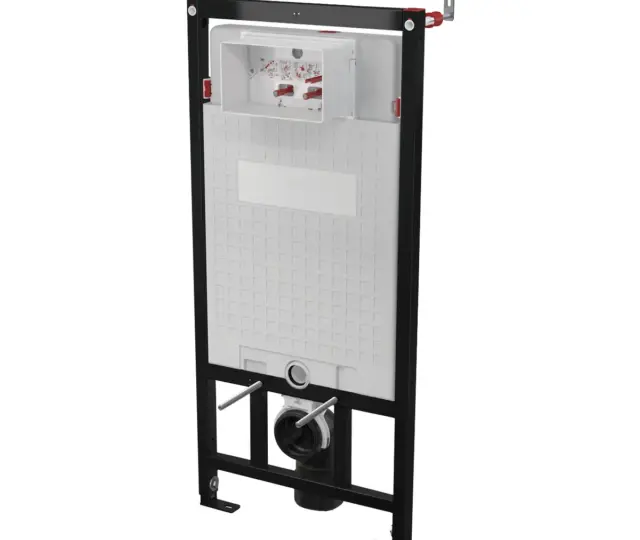 CSTEWC01
Deante concealed WC frame for wall-hung WC with ECO flush 510 × 125 × 1176 mm
Supplier stock · 17 pcs233.13 € 3 × 77.71 € -
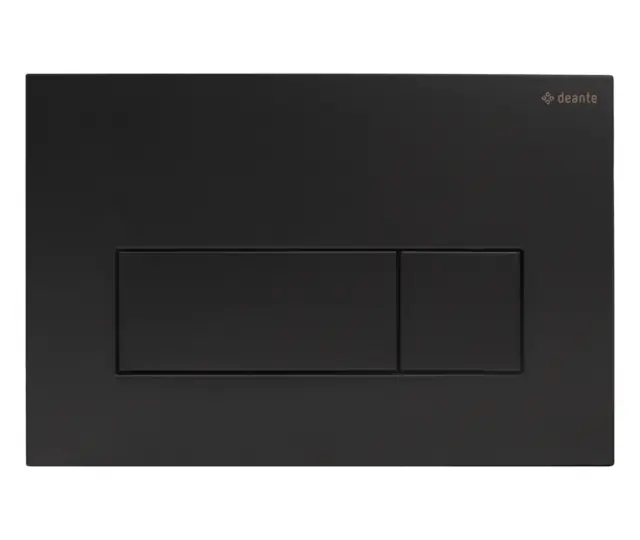 CST_N51P
Deante slim WC flush plate 247 × 165 mm, black
Supplier stock · 100+ pcs83.77 € 3 × 27.92 € -
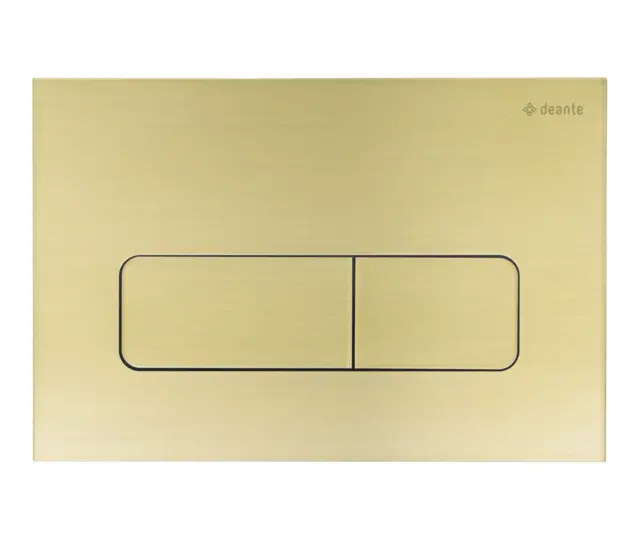 CST_R51P
Deante slim WC flush plate 247 × 165 mm, brushed gold
Supplier stock · 90 pcs326.48 € 3 × 108.83 € -
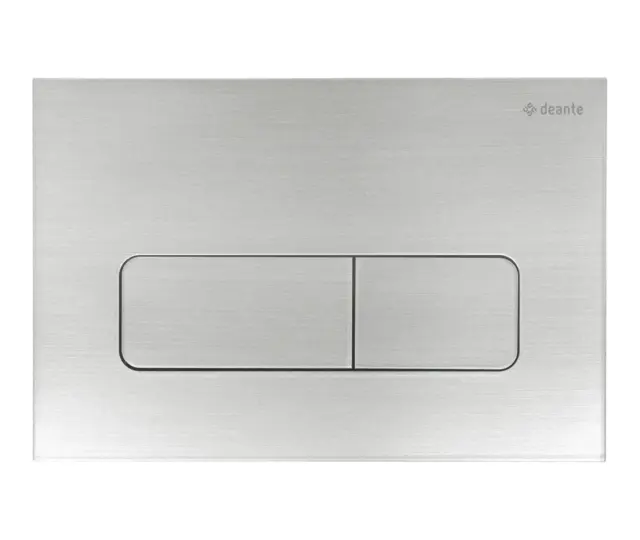 CST_F51P
Deante slim WC flush plate 247 × 165 mm, brushed steel
Supplier stock · 100+ pcs326.48 € 3 × 108.83 € -
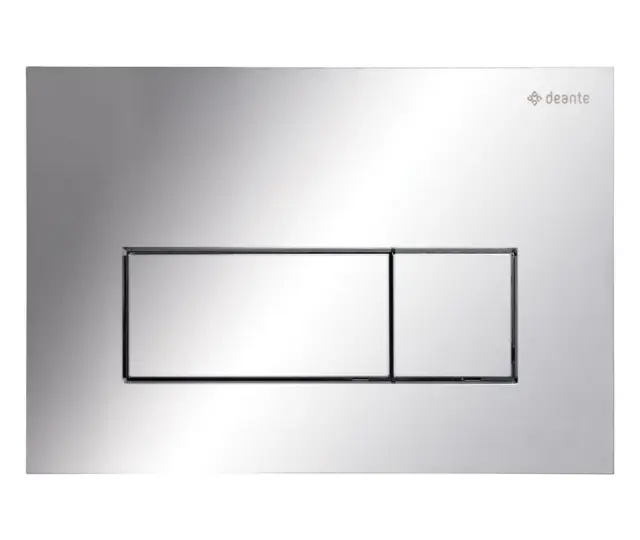 CST_051P
Deante slim WC flush plate 247 × 165 mm, chrome
Supplier stock · 100+ pcs58.11 € 3 × 19.37 € -
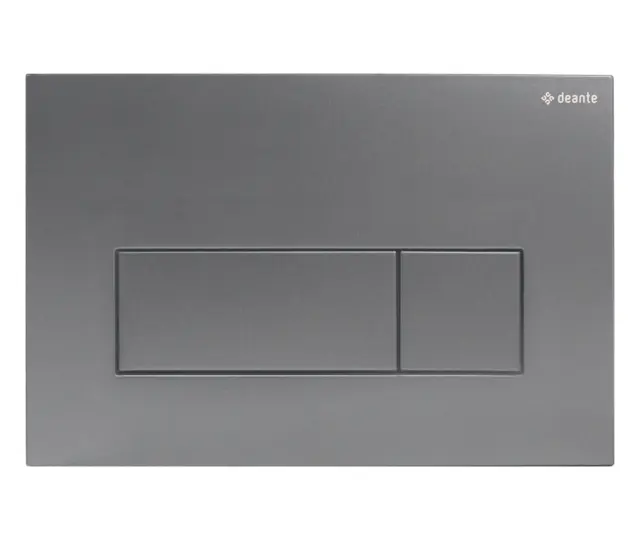 CST_D51P
Deante slim WC flush plate 247 × 165 mm, titanium
Supplier stock · 37 pcs116.45 € 3 × 38.82 € -
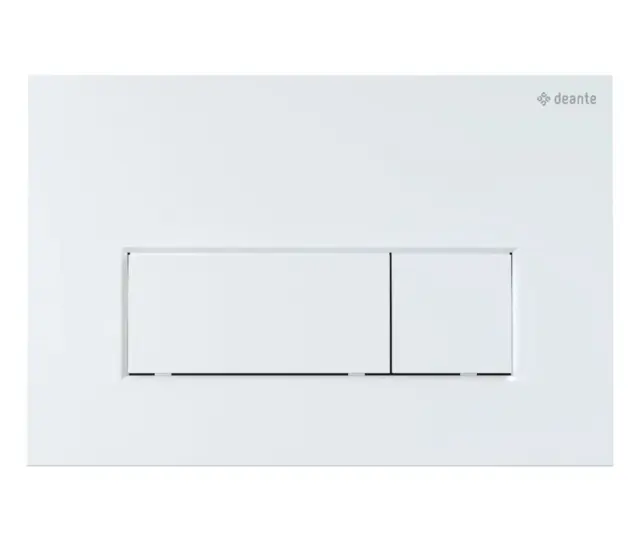 CST_A51P
Deante slim WC flush plate 247 × 165 mm, white
Supplier stock · 100+ pcs83.77 € 3 × 27.92 € -
 XCTS0MUS0
Deante toilet mounting frame noise barrier mat
Supplier stock · 100+ pcs9.31 €
Continue where you left off
Everything you need to know.
- Cleanliness and ergonomics
- Space saving and soundproofing
- Standard frames (height approx. 112–115 cm)
- Low frames (height 82–98 cm)
- Thin (Slim) frames
- Setting the frame height and the 1-metre mark
- Rigidity of the substrate for tiling
- Servicing through the flush plate opening
- 1. Is a concealed frame suitable for every wall?
- 2. How do you adjust the flush volume of a concealed cistern?
- 3. What is the difference between 180 mm and 230 mm fixing bolt spacing?
- 4. How do you prevent condensation around the cistern inside the wall?
In a modern bathroom, the concealed frame is the cornerstone of hygiene, good looks and functionality. It is a sturdy steel structure built into a partition wall or behind a lightweight stud frame, carrying the cistern, water connections, soil pipe outlet and the wall-hung toilet. This solution lets you hide all the technical parts – from the pipework to the cistern – inside the wall, leaving only a stylish flush plate and a ceramic bowl raised clear of the floor on view.
For a homeowner, a concealed frame means above all a more spacious look, easier cleaning and quieter cistern filling. The steel frame is designed to withstand an enormous static load (up to 400 kg), ensuring complete safety. For the system to last for decades without trouble, you need to understand the types of frame, the installation requirements, the flush mechanisms and the maintenance options.
1. What is a concealed frame and what are its advantages?
Cleanliness and ergonomics
A traditional floor-standing toilet creates narrow joints between the floor and the ceramic, where dust, limescale and moisture collect. With a concealed frame, the floor under the ceramic is completely clear, so you can mop the whole room in one go.
Space saving and soundproofing
Because the cistern and pipes sit inside the wall, you often save 10–15 cm of depth in the room. The cisterns in modern frames are also covered with a layer of expanded polystyrene insulation, which muffles the sound of running water and the cistern filling and prevents condensation forming inside the frame.
2. Main types and sizes of concealed frames
Different room layouts and wall constructions call for specific types of installation frame.
Standard frames (height approx. 112–115 cm)
The most common choice for ordinary bathroom walls. Their installation height puts the flush plate comfortably at eye level above the toilet.
Low frames (height 82–98 cm)
The ideal solution when a wall-hung toilet is installed under a low window, under a sloping roof or behind a half-height bathroom ledge. Many low models also allow the flush plate to be fitted on top.
Thin (Slim) frames
Designed for small flats and narrow toilet rooms, these frames have a depth of just 8–10 cm, keeping the loss of space to a minimum.
3. Installation steps and requirements for the frame
Correct installation ensures that the concealed frame stays stable and doesn’t later cause the ceramic tiles or grout to crack.
Setting the frame height and the 1-metre mark
All quality frames have a 1-metre height line marked on them. This line must be aligned with the future finished floor (the completed tiled surface), not with the bare concrete. This ensures that the seat height of the toilet ends up at the standard 40–42 cm (or 45–48 cm for people with special needs).
Rigidity of the substrate for tiling
Never clad the wall with just a single layer of ordinary plasterboard. As a minimum, you need:
-
A double layer of moisture-resistant plasterboard (2 × 12.5 mm) or
-
A special reinforced building board / fibre cement board that doesn’t flex under load or crack the ceramic tiles at the toilet’s fixing points.
4. Flush plates, maintenance and myths about access
For many homeowners, the biggest fear is this: “What if the cistern starts leaking or the mechanism needs replacing – will I have to break down the wall?”
Servicing through the flush plate opening
You never need to break into the wall. The flush plate panel doubles as a service hatch. Once the plate is removed, you can reach directly:
-
The fill valve and its filter.
-
The flush valve and its seals.
-
The shut-off valve inside the cistern.
Key points
A quality concealed frame is an investment that adds value to your bathroom, improves everyday hygiene and creates a clean, spacious interior. By choosing a frame from a well-known manufacturer, you can be confident that spare parts – such as seals and fill valves – will still be available in 15–25 years’ time.
If you are planning a bathroom renovation or building a new home, explore our professional range and find the right wall-hung toilet in the Nordhauser online shop to create a harmonious and reliable complete solution.
-
Load capacity and safety: A correctly installed wall frame withstands a load of at least 400 kg.
-
Maintenance is easy: All wearing parts and valves can be replaced directly through the flush plate opening.
-
Allow for the final floor level: Measure the installation height from the finished floor tiles, not the bare concrete.
-
A rigid substrate: Always clad the frame with double plasterboard or a special building board.
-
Quiet operation: Insulated cisterns keep noise levels low and prevent condensation.
Frequently asked questions (FAQ)
1. Is a concealed frame suitable for every wall?
Yes, but you need to choose the right fixing method. On concrete and masonry walls, the frame is fixed with strong wall brackets; with plasterboard and lightweight walls, the frame must bear its weight firmly on the floor structure, with reinforced floor fixings used where necessary.
2. How do you adjust the flush volume of a concealed cistern?
The flush volume (usually set to 3/6 litres at the factory) can be adjusted directly on the flush valve – for example to a more economical 2/4 litre setting or, if needed, to a larger 4/7.5 litre setting.
3. What is the difference between 180 mm and 230 mm fixing bolt spacing?
These figures refer to the distance between the fixing bolts of a wall-hung ceramic toilet. Most modern toilets use the 180 mm standard, but frames are prepared for both sizes with threaded holes.
4. How do you prevent condensation around the cistern inside the wall?
Quality concealed cisterns are covered at the factory with a special EPS insulation layer, which blocks heat exchange between the cold water and the room temperature and prevents water droplets forming inside the frame.