
Murals and paintings.
A home is much more than just four walls and a roof; it’s your personal sanctuary and a reflection of your inner self. You’ve done some renovations, picked…
-
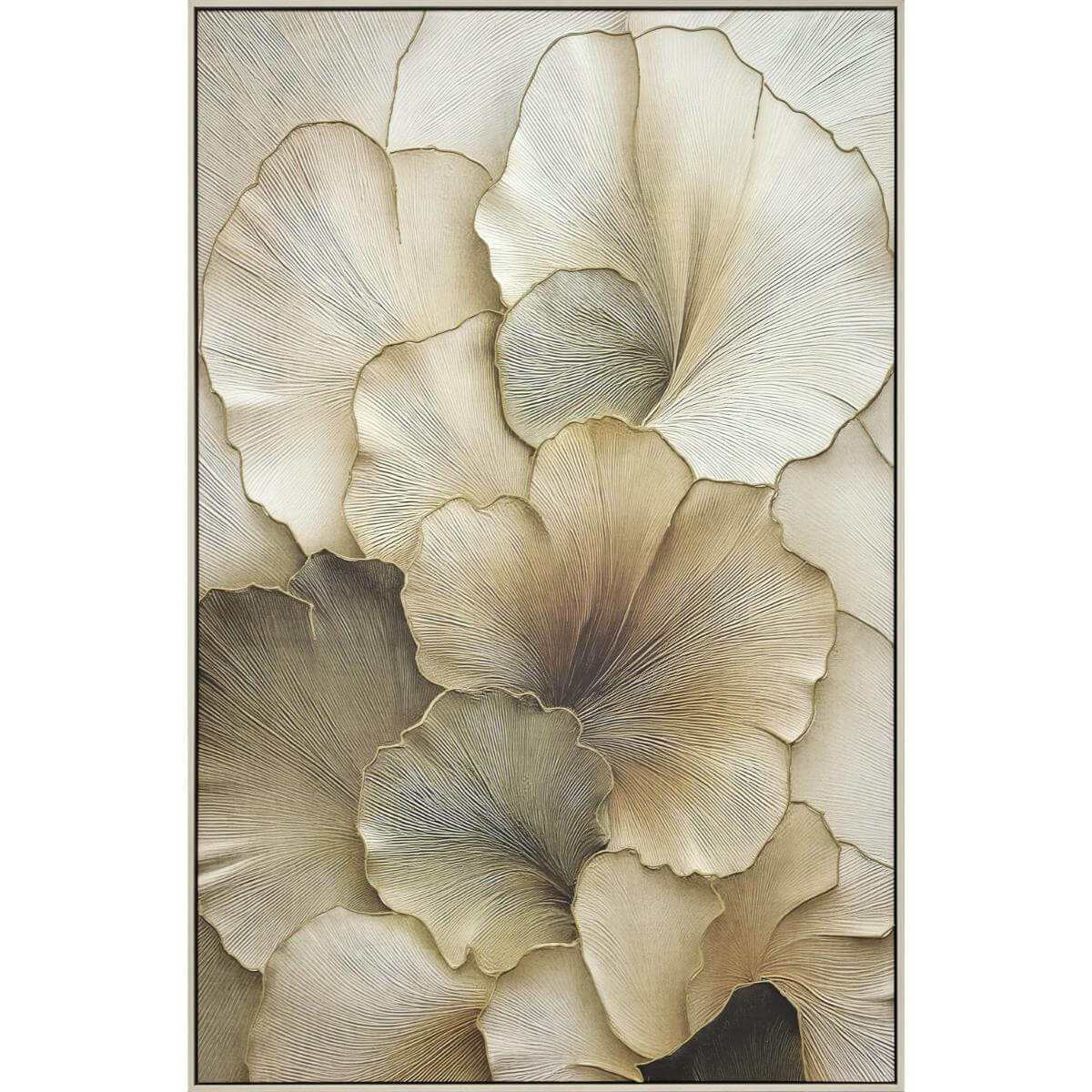 NDH-ART-BGPT-120800
Handcrafted wall art Petals 80x120 cm, framed
Available to order179.80 € 3 × 59.93 € -
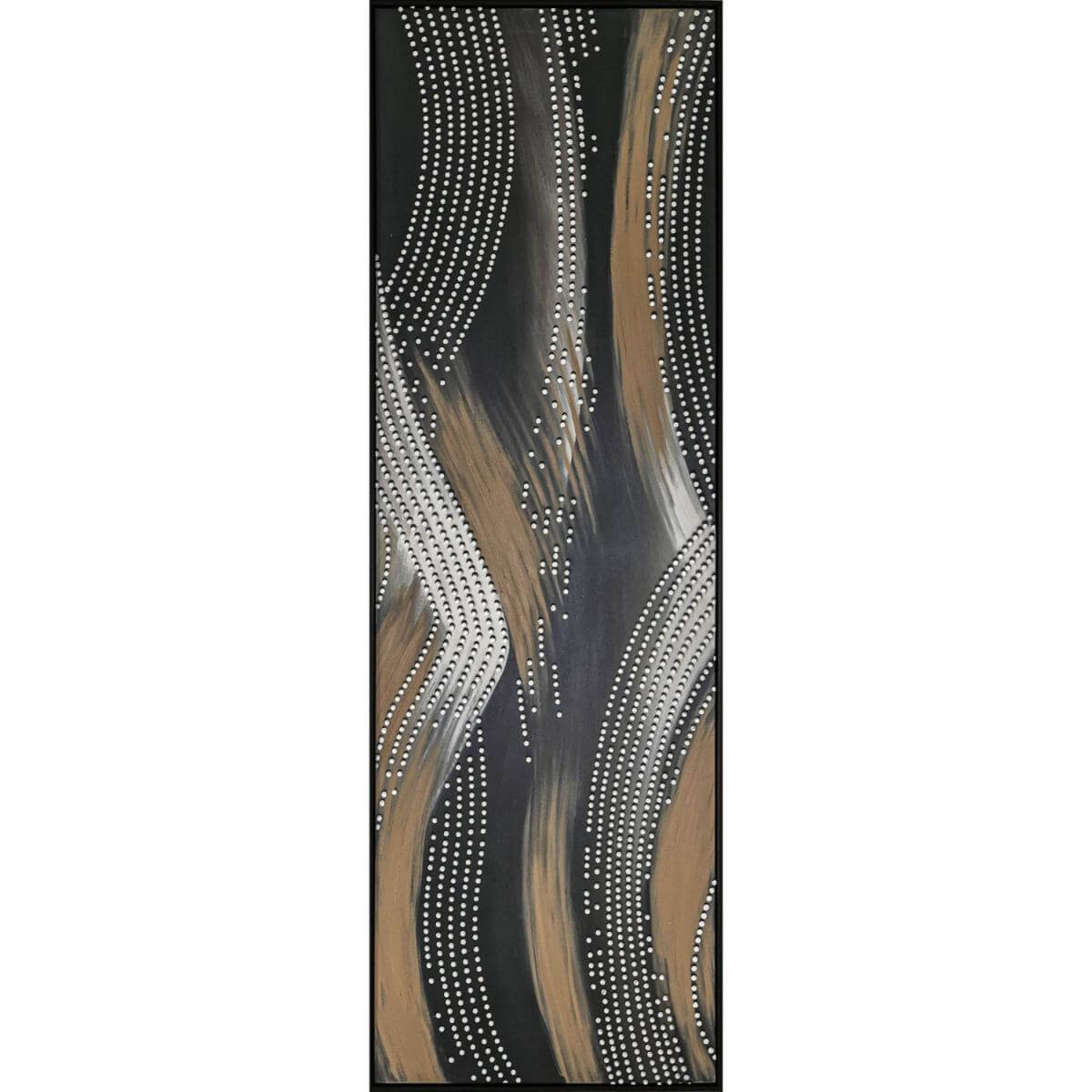 NDH-ART-DFLW-050150
Handmade texture painting Dots 50x150 cm, with frame
Available to order179.80 € 3 × 59.93 € -
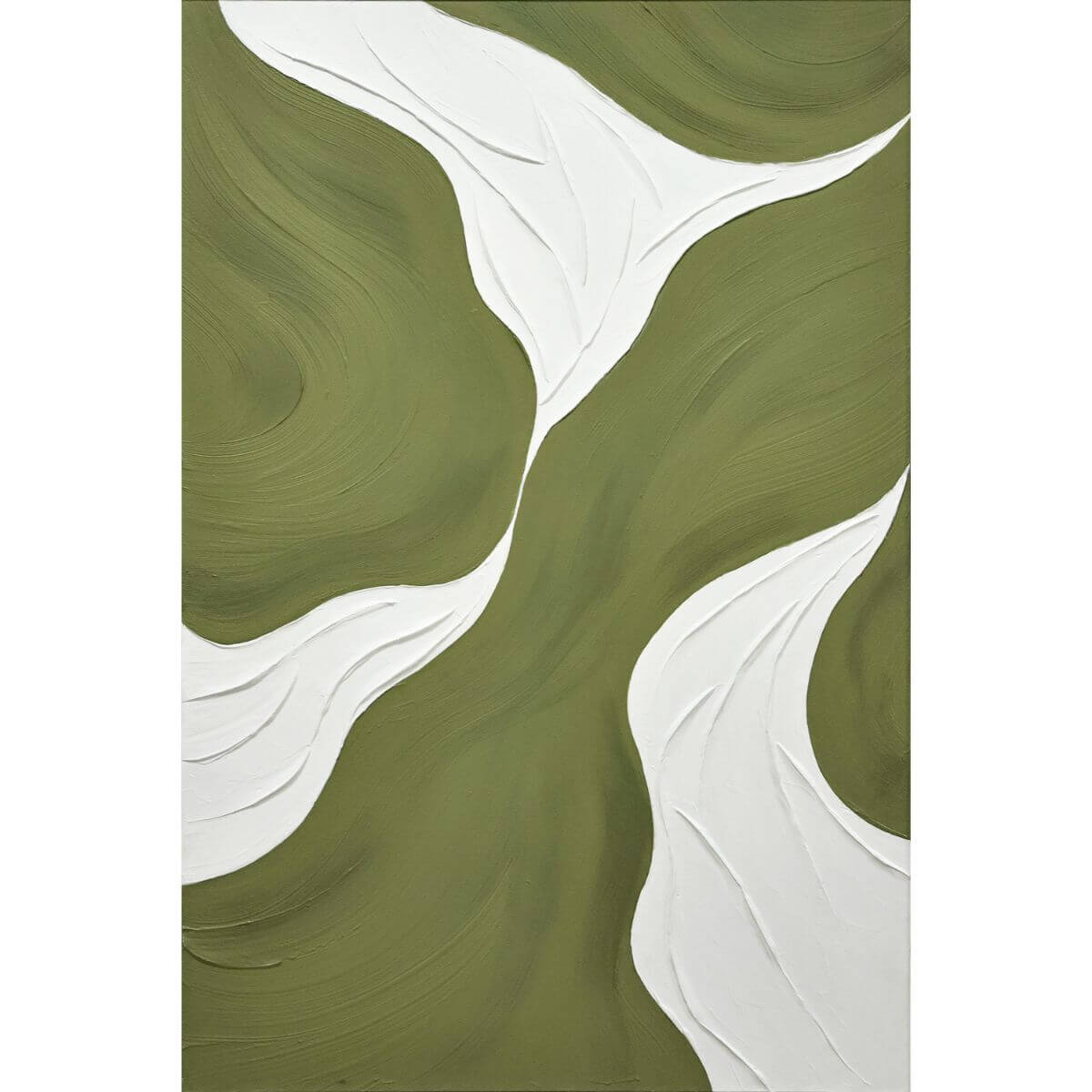 NDH-ART-PFHM-120800
Handmade texture painting Harmony I 80x120 cm, framed
Available to order179.80 € 3 × 59.93 € -
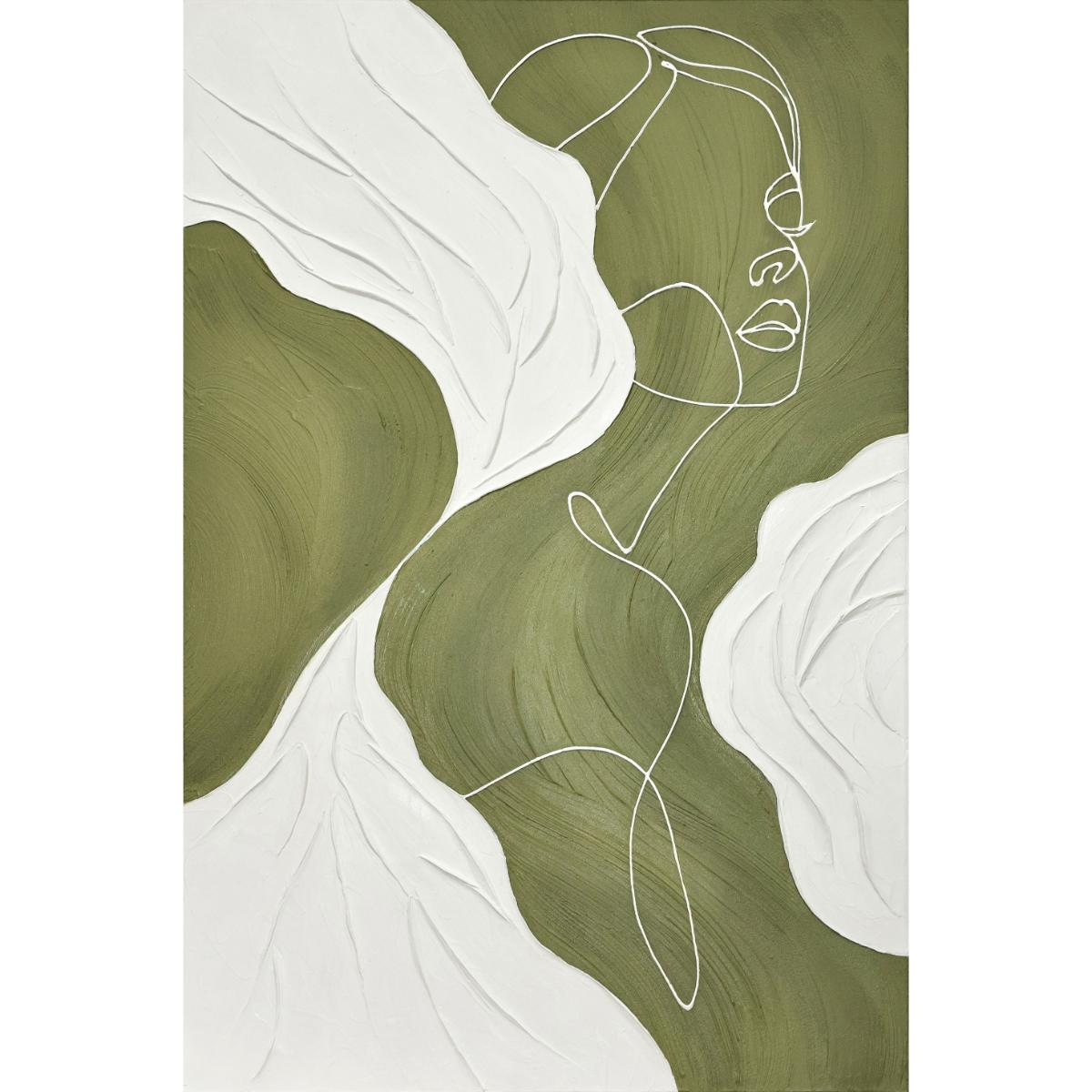 NDH-ART-PLHM-120800
Handmade texture painting Harmony II 80x120 cm, framed
Available to order179.80 € 3 × 59.93 € -
LAOTOODE
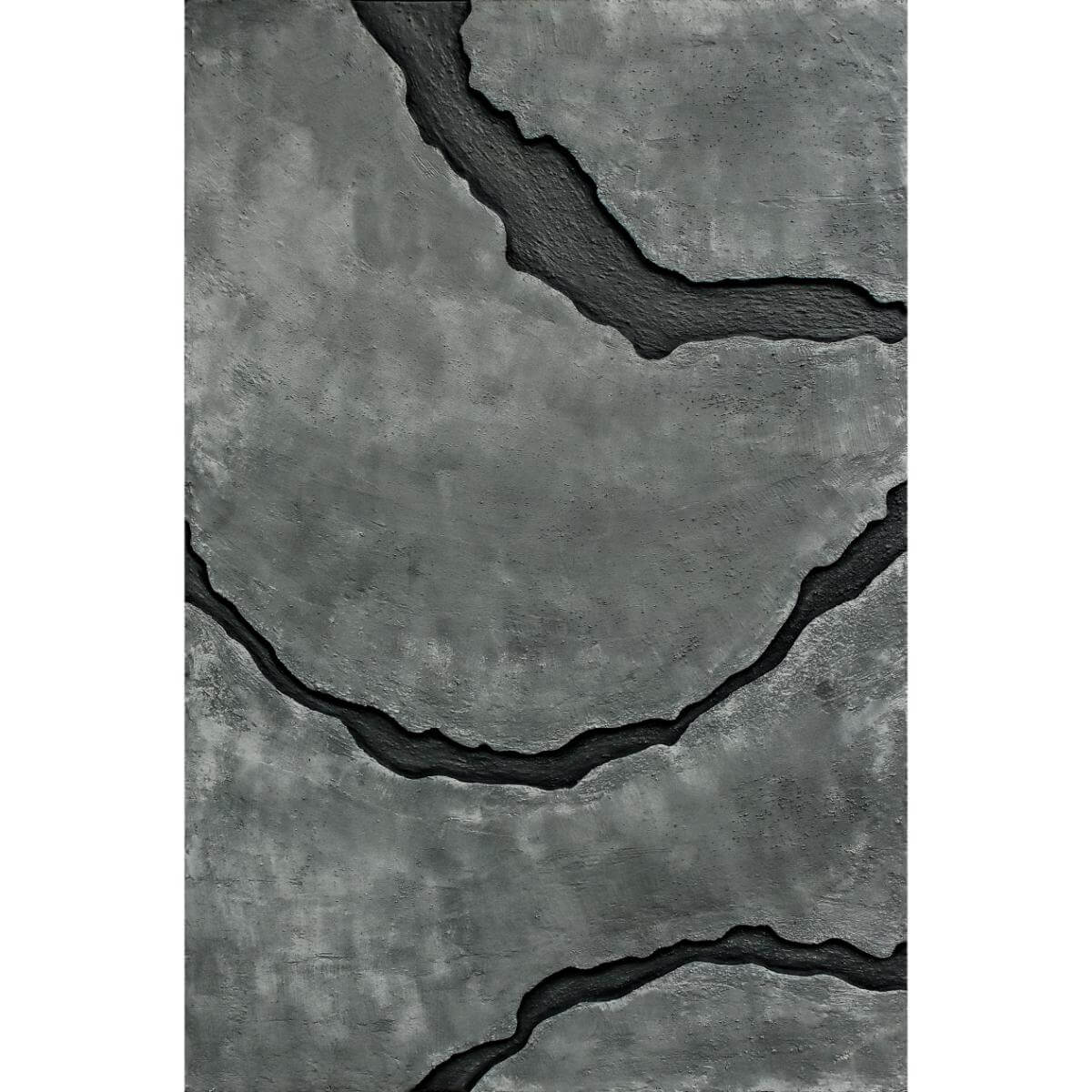 NDH-ART-POSR-120800-1
Handmade texture painting Slate I 80x120 cm
In stock179.80 € 3 × 59.93 € -
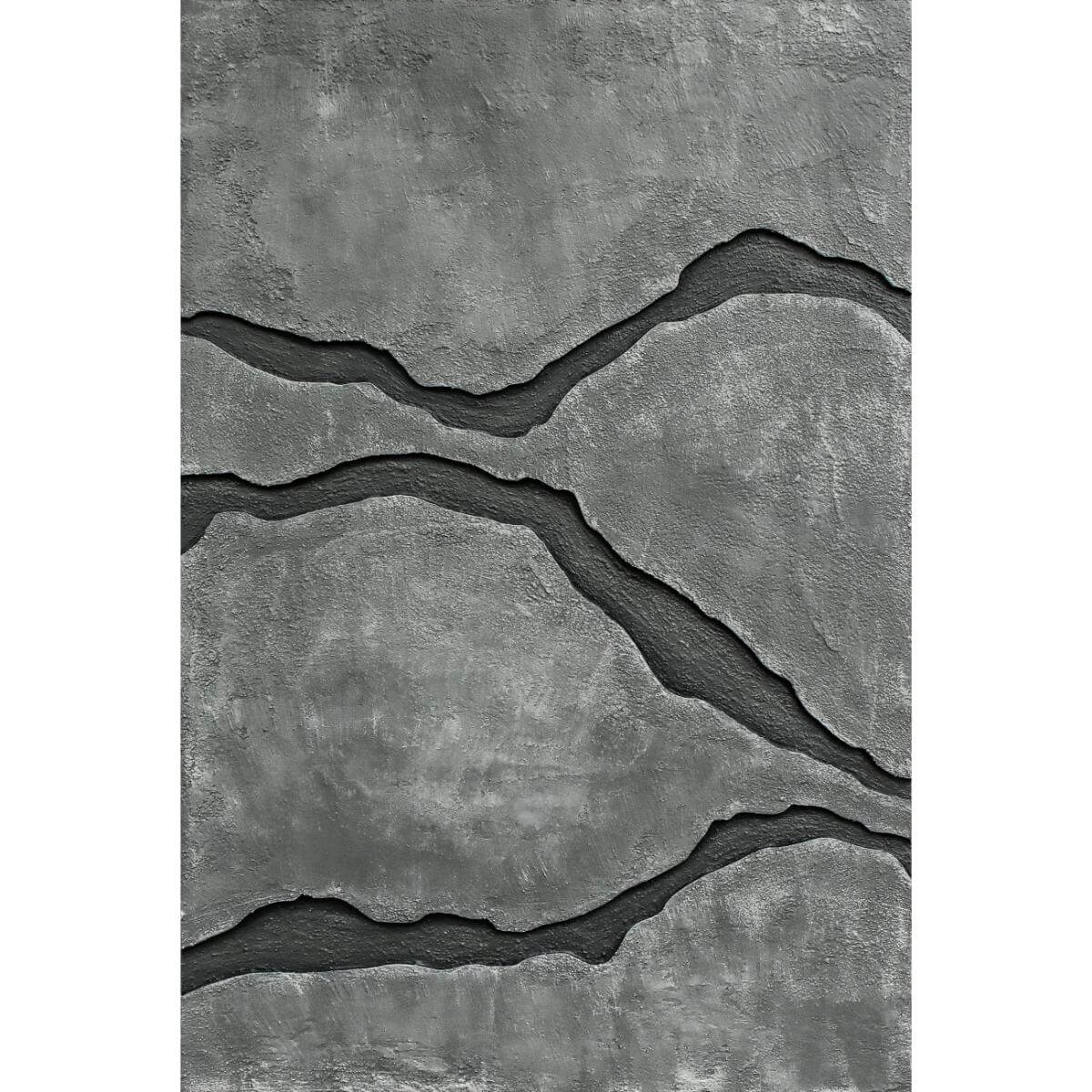 NDH-ART-POSR-120800
Handmade texture painting Slate II 80x120 cm
Available to order179.80 € 3 × 59.93 € -
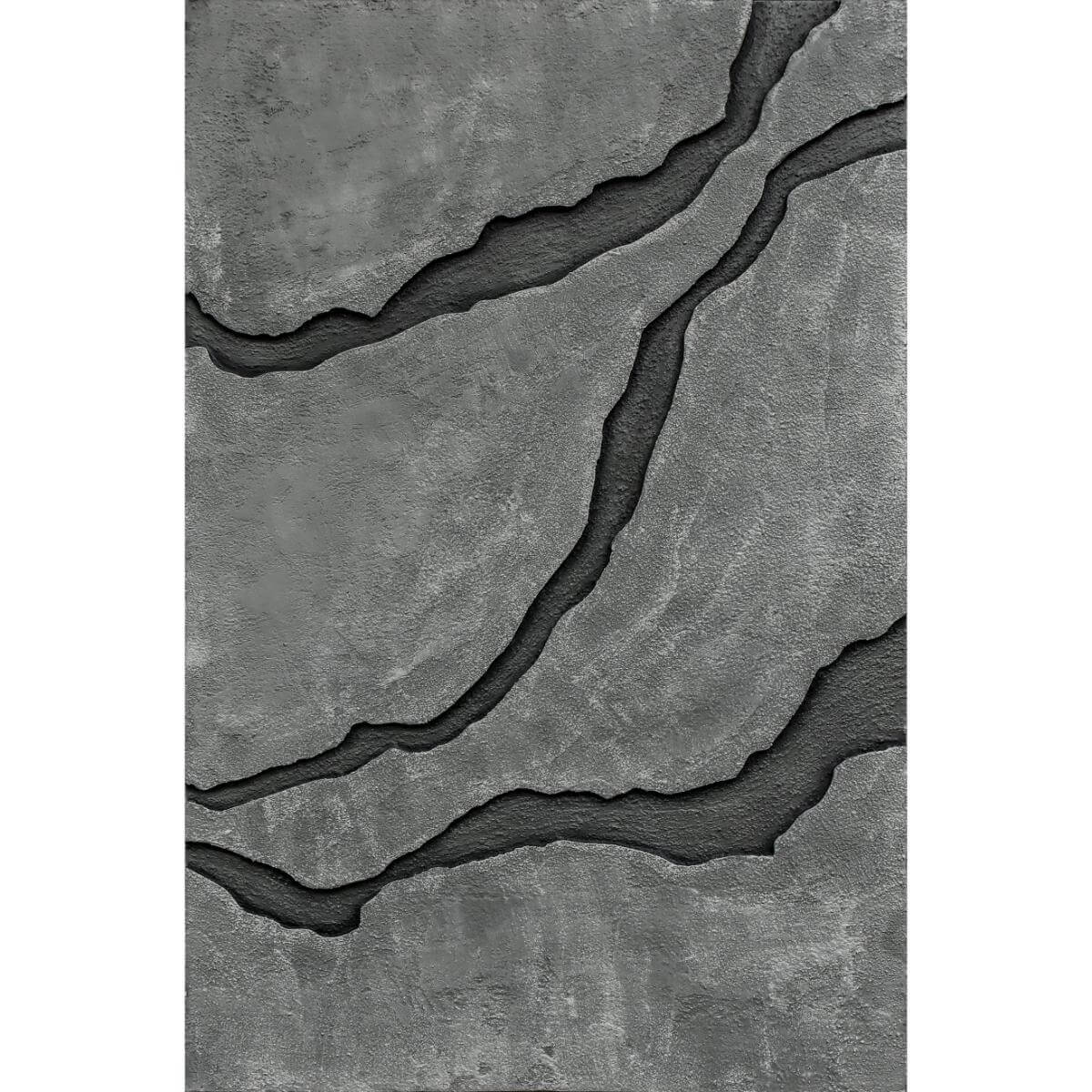 NDH-ART-POSF-120800
Handmade texture painting Slate III 80x120 cm
Available to order179.80 € 3 × 59.93 € -
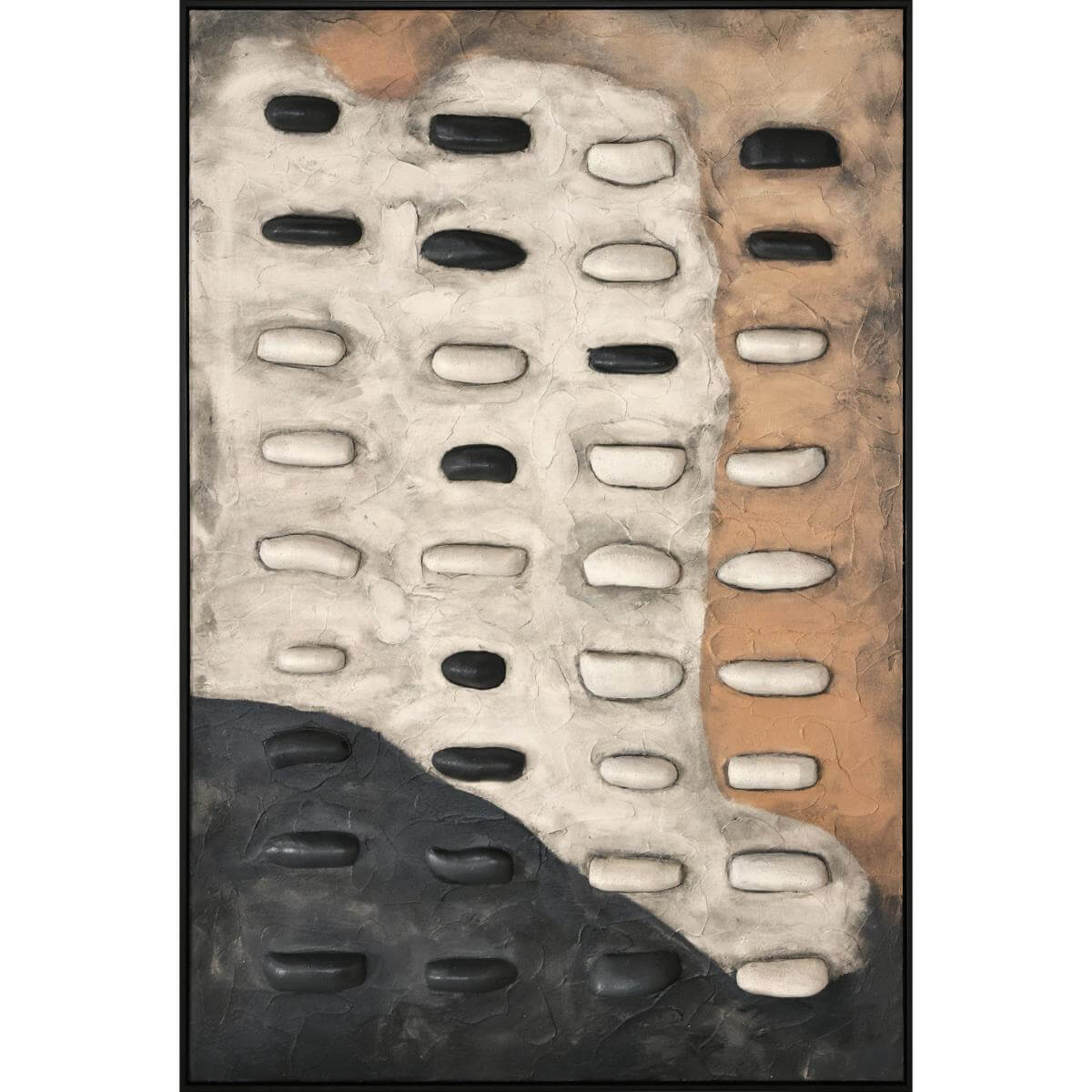 NDH-ART-ESMX-120800
Handmade texture painting Stone 80x120 cm, with frame
Available to order179.80 € 3 × 59.93 € -
LAOTOODE
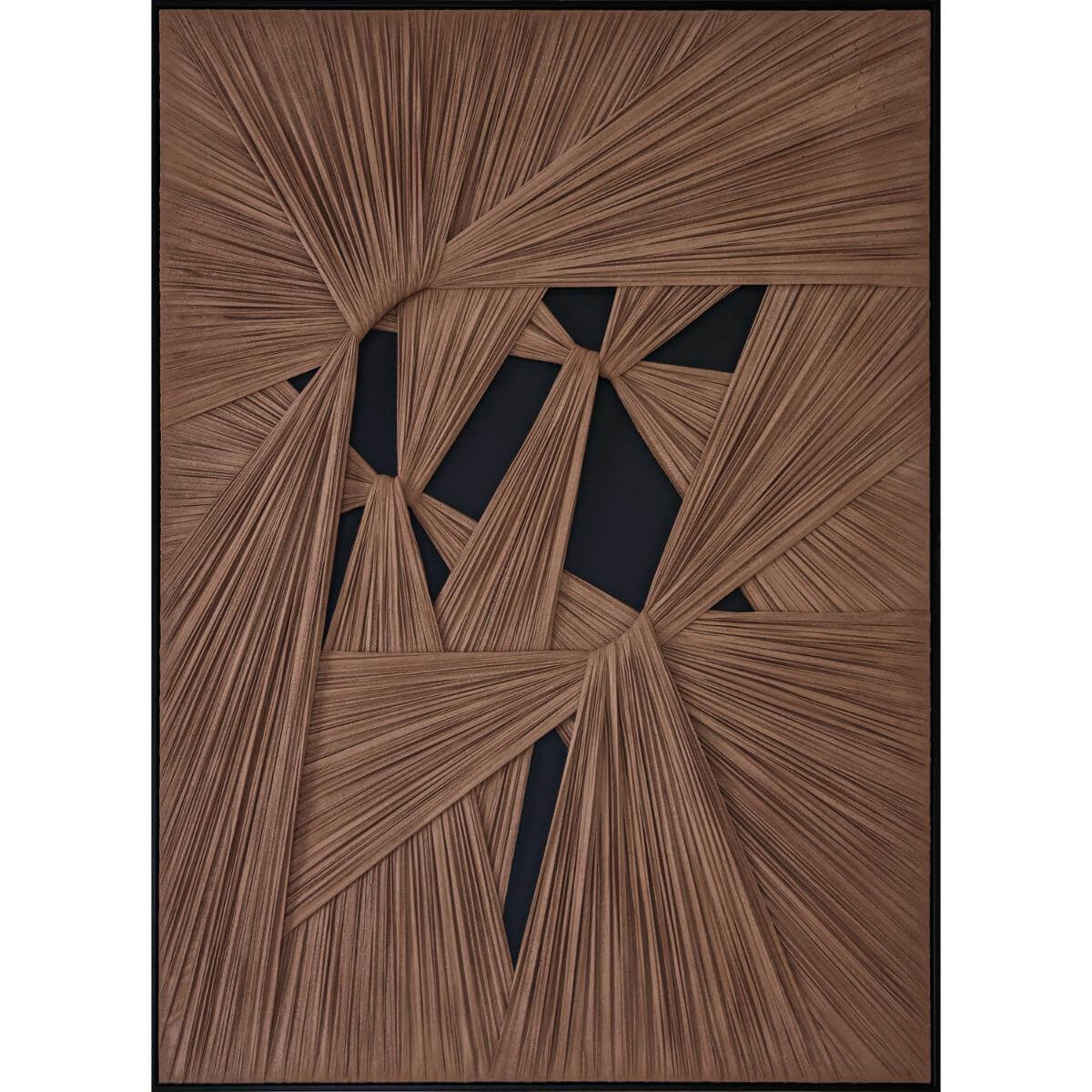 NDH-ART-KNST-BRBK-120800
Intertwined fabric installation Knot 80x120 cm, framed
In stock179.80 € 3 × 59.93 € -
LAOTOODE
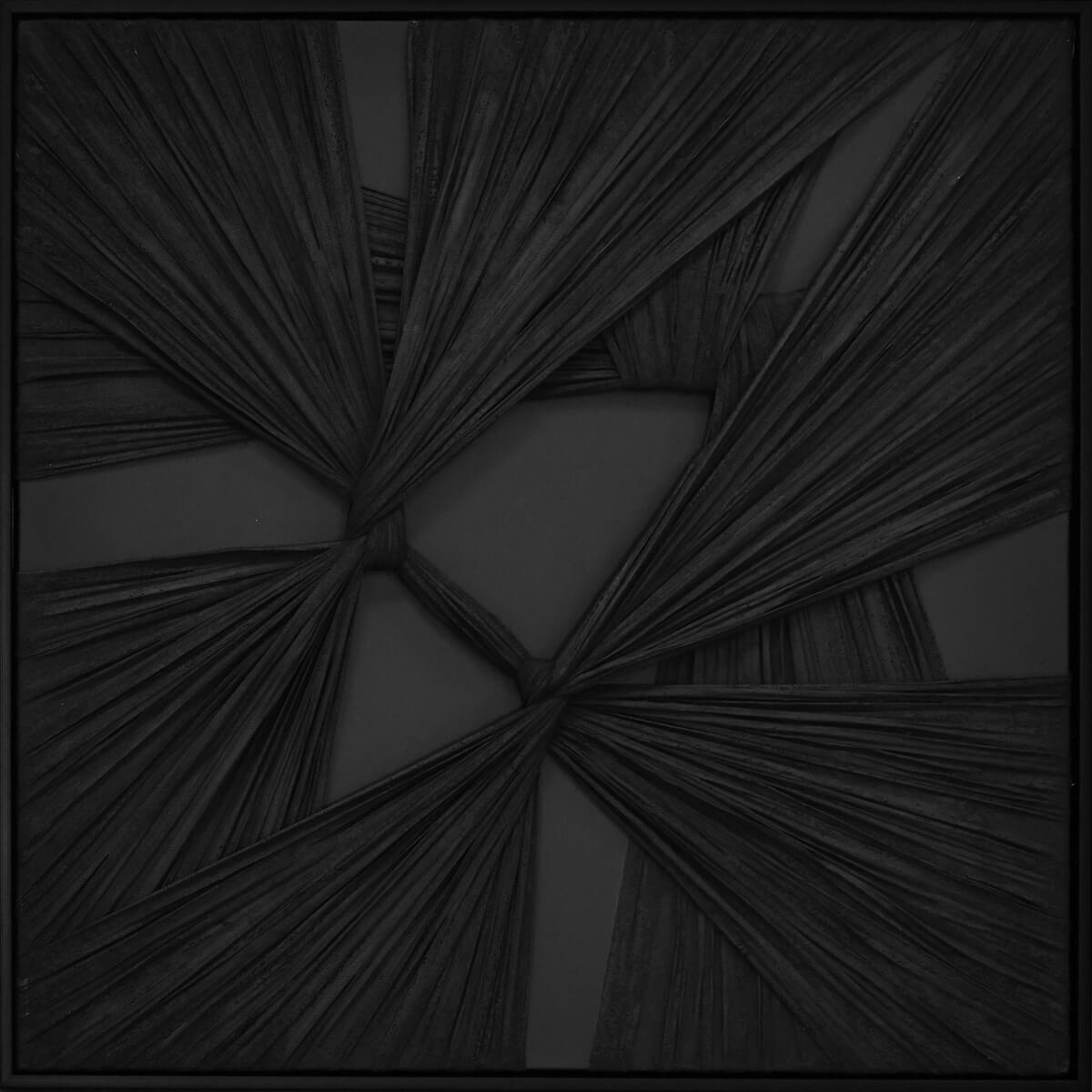 NDH-ART-KNST-BK-080080
Intertwined fabric installation Knot black 80x80 cm, with frame
In stock172.36 € 3 × 57.45 € -
LAOTOODE
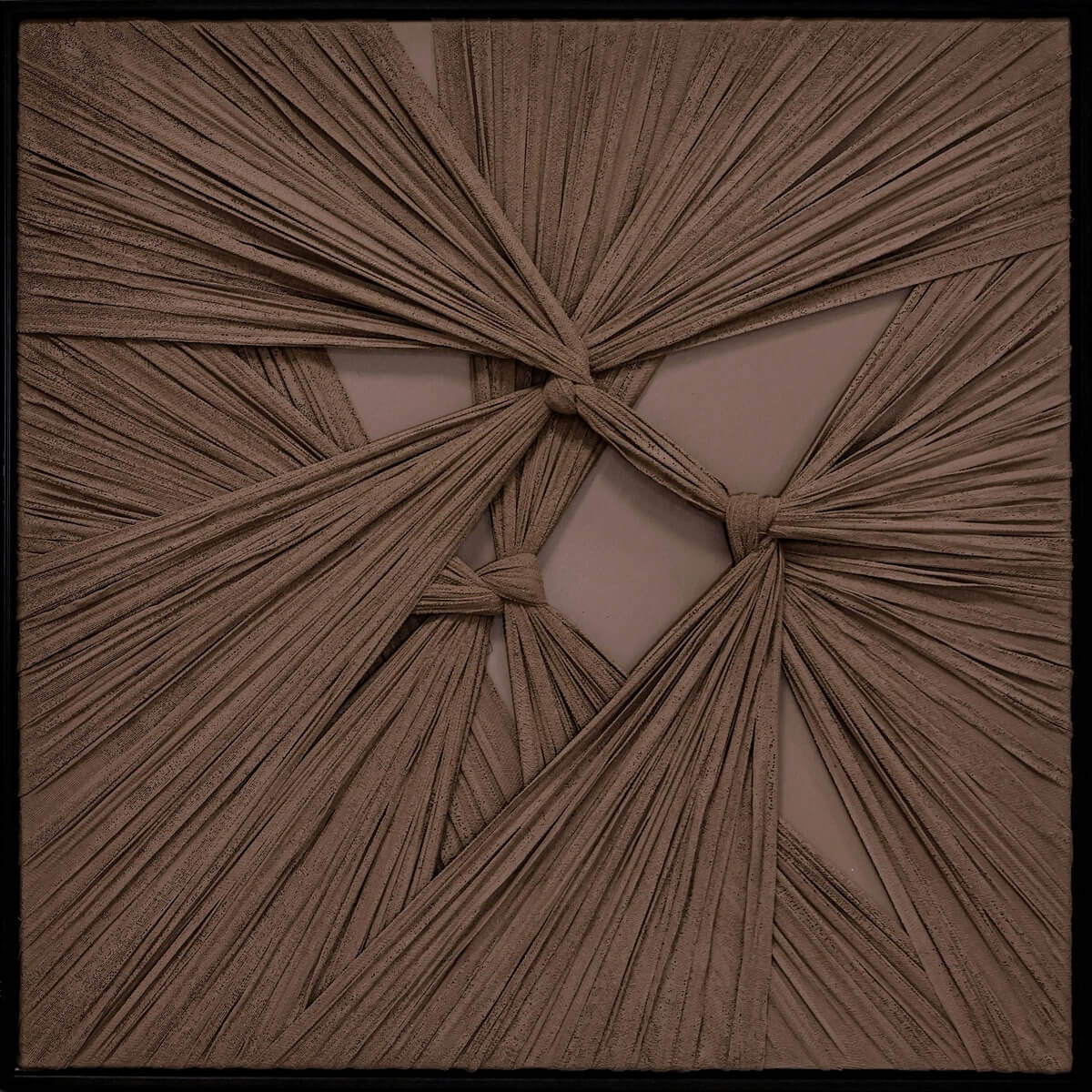 NDH-ART-KNST-BR-080080
Intertwined fabric installation Knot brown 80x80 cm, with frame
In stock172.36 € 3 × 57.45 € -
LAOTOODE
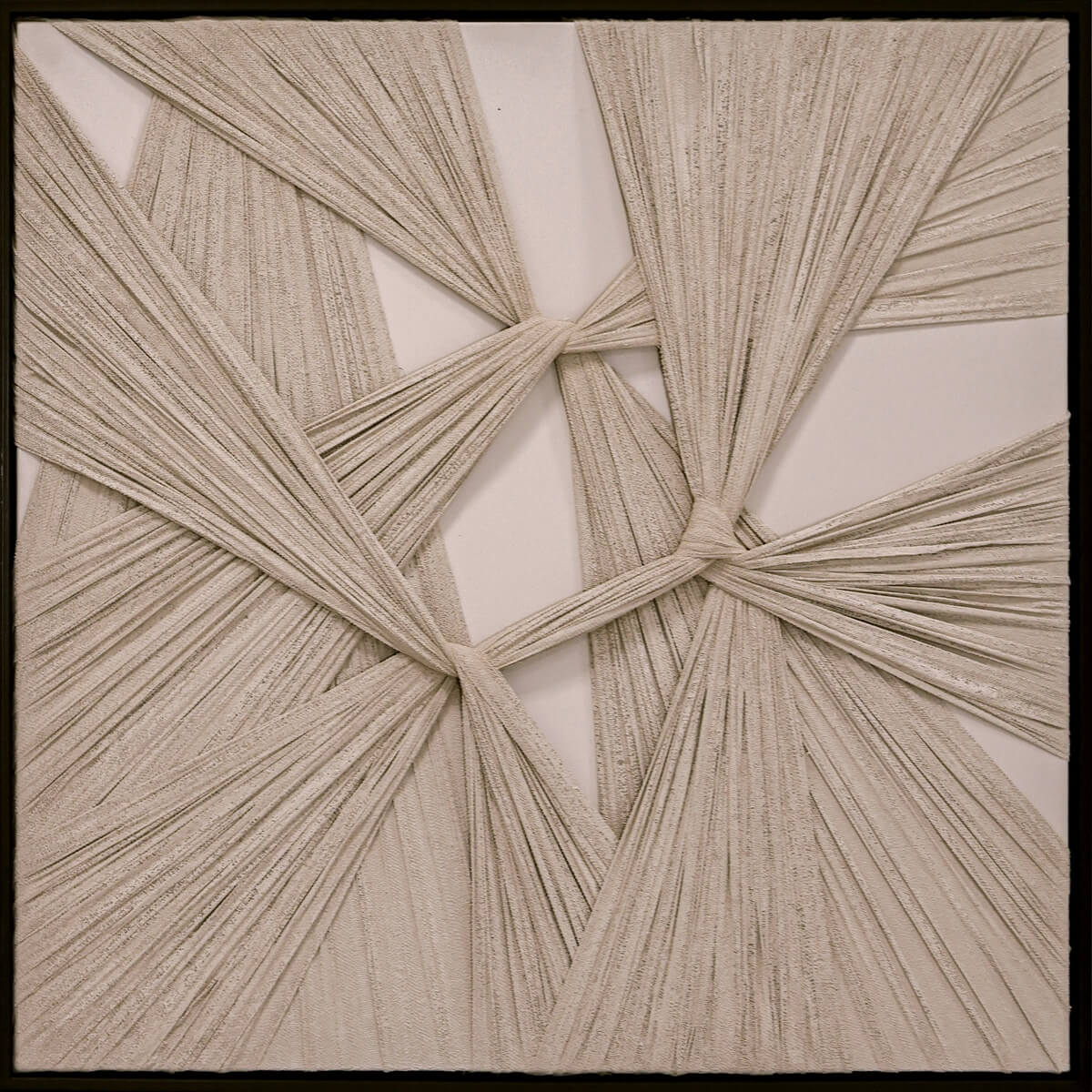 NDH-ART-KNST-BG-080080
Interwoven fabric installation Knot beige 80x80 cm, with frame
In stock172.36 € 3 × 57.45 € -
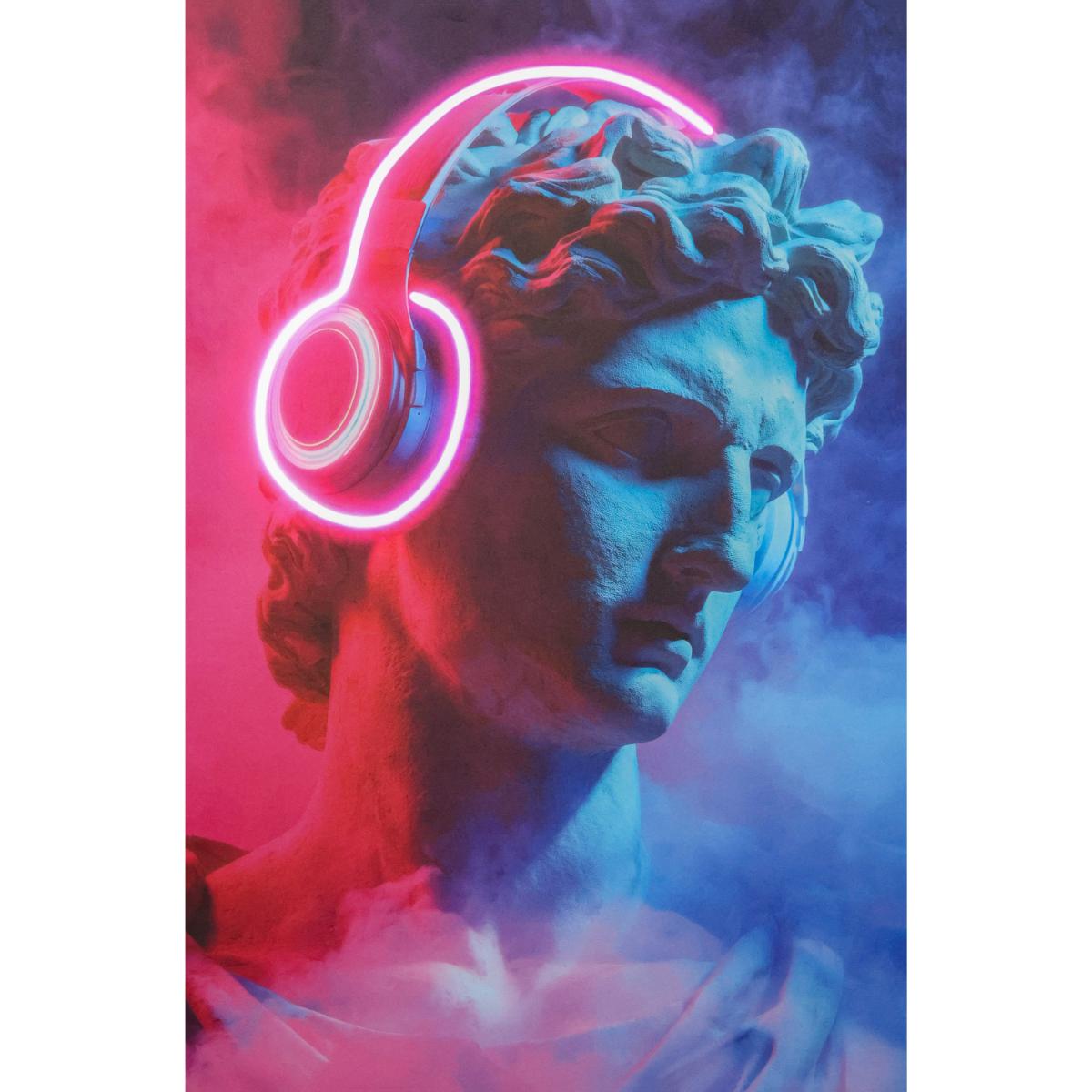 NDH-ART-NSBT-120800
LED wall picture Neo I 80x120 cm
Available to order179.80 € 3 × 59.93 € -
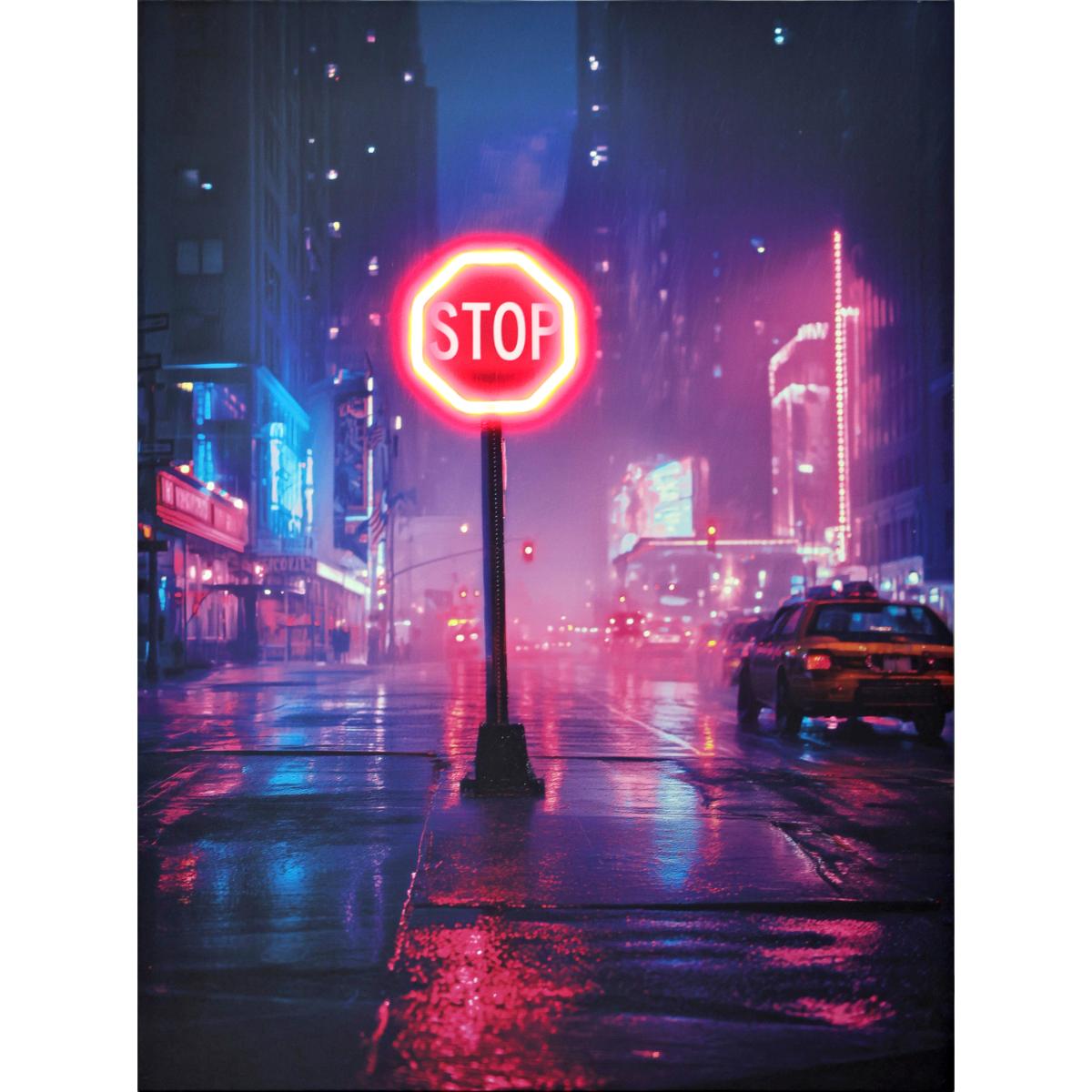 NDH-ART-USLG-120800
LED wall picture Neo II 80x120 cm
Available to order179.80 € 3 × 59.93 € -
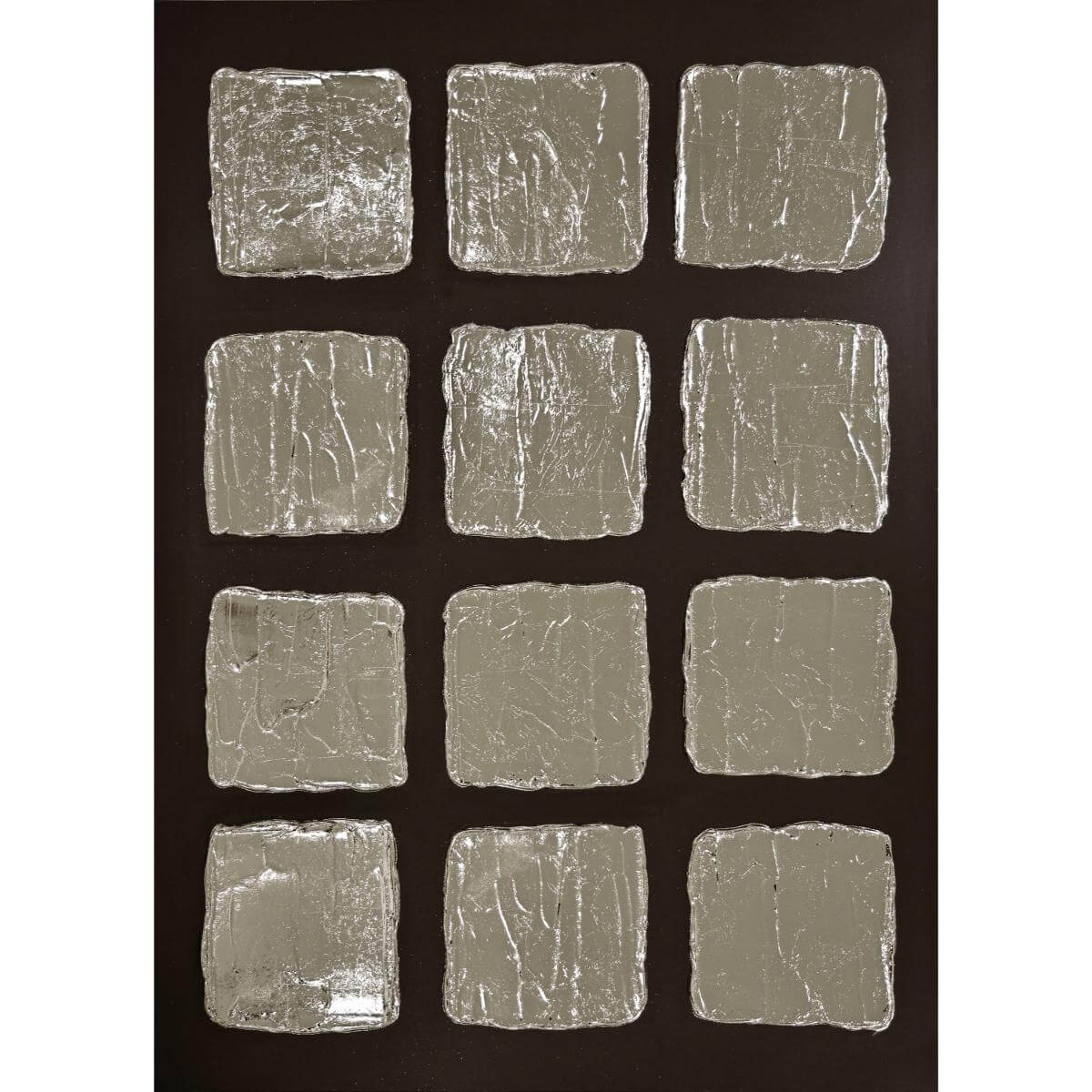 NDH-ART-FGMX-120800
Wall decoration Foil 80×120 cm, with frame
Available to order179.80 € 3 × 59.93 € -
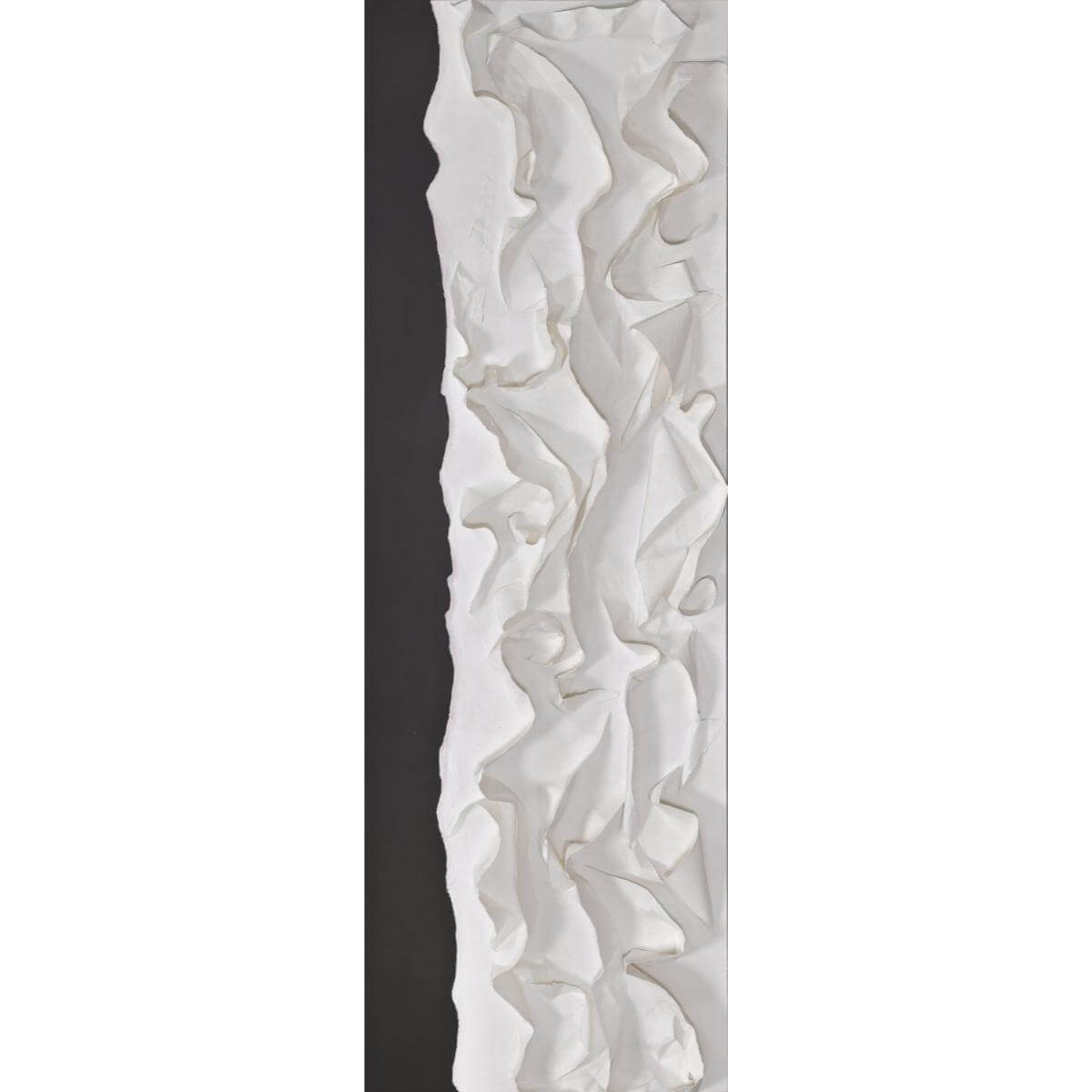 NDH-ART-PPEF-150050
Wall decoration Paper 50×150 cm
Available to order179.80 € 3 × 59.93 € -
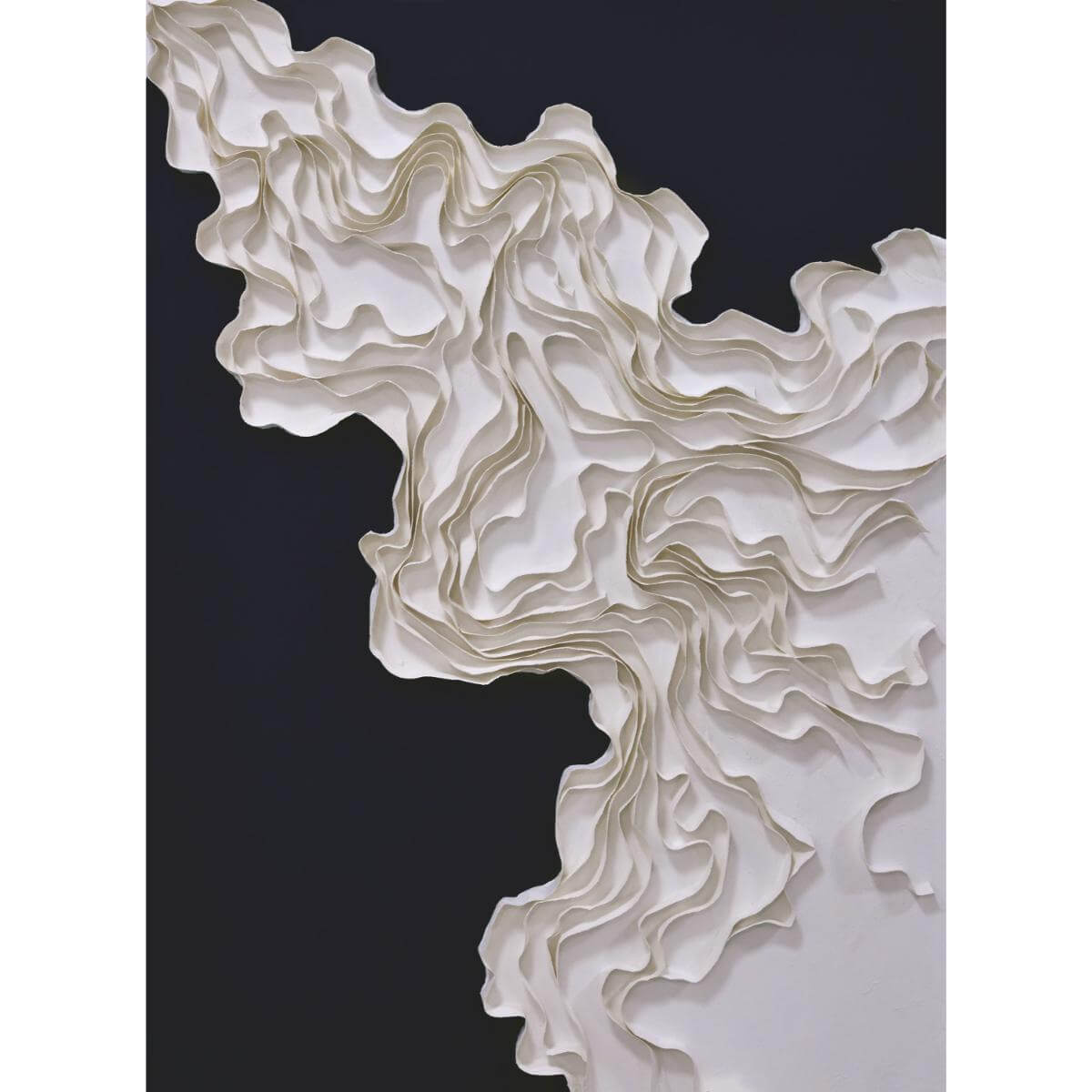 NDH-ART-PPFR-120800
Wall decoration Paper 80×120 cm, framed
Available to order179.80 € 3 × 59.93 €
A home is much more than just four walls and a roof; it’s your personal sanctuary and a reflection of your inner self. You’ve done some renovations, picked out the perfect furniture and installed beautiful lighting, but something still feels missing? Blank walls can turn even the most carefully designed space into a drab, unfinished-looking box. That’s where wall art and murals come into play – design elements that breathe life into a space. In this comprehensive guide for homeowners, we’ll dive into the fascinating world of wall art. We’ll look at how to choose the right style and size, how to create harmony with other materials in a room, and share some golden tips for hanging pictures correctly. Whether you’re looking for one big focal point in your living room or want to create a cozy gallery wall in your hallway, this article will give you all the knowledge you need to turn your home into a truly personal gallery. Why are murals and wall paintings the heart of the home? Many homeowners put off choosing wall art until the last minute, considering it a secondary detail. In reality, however, art is what makes a home unique . It is the bridge between functionality and emotion, making a house a true home. Emotional value and personality The wall art you choose tells your story without saying a word. It reflects your preferences, memories and dreams. When a guest walks into your home, the artwork hanging on the walls is the first clue to your personality. Abstract wall paintings can suggest a creative and free spirit, while a curated photo canvas with family photos on the wall creates a warm and family-centered atmosphere. Interior designers often emphasize that a room is only complete when there is something on the walls that evokes an emotion in the person in the room – be it peace, inspiration or pure joy. Improving acoustics and spatial perception Here’s a unique perspective that’s rarely discussed in interior design articles: wall art also has a purely practical, physical function. Modern minimalist homes, dominated by smooth surfaces, glass, and stone, tend to create echoes. This makes the room feel dreary and conversations tiring. Large canvas wall paintings (especially those without a glass frame) act as excellent sound absorbers. They refract sound waves and significantly improve the acoustics of the room. So, by investing in art, you’re not just buying visual beauty, you’re also buying acoustic comfort. Finding the right style and theme for every room Choosing art shouldn't be random. Every room has its own purpose and atmosphere, which the pictures hanging on the walls should support. But how do you find the right balance? Abstract vs. realistic murals Abstract wall paintings are extremely popular in modern interiors because they don't dictate the narrative of the space too much. They play with shapes, colors, and textures, allowing the viewer to find their own meaning in the work. They are perfect for a modern living room or home office where you want to avoid visual overload. Realistic paintings, such as natural landscapes or cityscapes, bring concreteness and depth to the space. They create a so-called "window" to another world, which is an ideal solution in smaller, windowless rooms or bedrooms where you want to create a calming, natural environment. Photographic art and personal memories Professional photography has gained immense popularity. Black and white architectural photos add an urban chic touch to a space. As a homeowner, you can also create a completely personal work of art by printing your travel photos on high-quality canvas. It is important to pay attention to tonality – if you want to hang family photos on the wall, it is worth harmonizing them when framing the pictures (for example, using the same filter or similar mount on all the pictures) so that the result does not look chaotic, but like a well-thought-out design. Art in humid spaces People often fear bringing art into the bathroom, but it can create a truly luxurious spa atmosphere there. Of course, you should avoid original paintings that are sensitive to moisture. Instead, use waterproof prints framed behind glass or printed surfaces on plexiglass. Think about how beautifully a graphic image in warm tones dialogues with cool ceramics – whether it’s durable ceramic tiles covering the floor or carefully selected bathroom tiles that create an elegant backdrop for the room. Art binds hard materials into a soft and personal whole. Size Matters: How to Choose Image Proportions One of the most common mistakes made when designing an interior is choosing pictures that are too small for a large wall. The wrong proportions make the wall look bulky and the picture insignificant. Planning a wall requires a little math and a good eye. Large wall paintings for the living room – a bold focal point If you have a spacious living room and a large blank wall behind the sofa, don't be afraid to think big! Large wall paintings in the living room are a real statement of courage. The golden rule is that the width of the art you hang above the furniture should be approximately 2/3 to 3/4 of the width of the piece of furniture below it (such as a sofa or chest of drawers). If the sofa is two meters long, the width of the painting or group of pictures above it should be about 130–150 centimeters. A large wall painting draws attention to itself and ties the seating area into a single whole, making the room a visually richer place. The art of creating a gallery wall If one large piece seems too dominant, a gallery wall is the perfect solution . It's a great way to combine different wall art , photos, and even small mirrors. When creating a gallery wall, a unifying element is important – whether it's a common color palette, a similar theme, or identical frames. Always start planning on the floor: spread out the pictures, find a suitable composition, and only then move on to the wall. Keep a consistent distance between the frames, usually 5–7 centimeters, so that the composition looks professional and doesn't become "colorful." Color psychology and interior matching Wall murals don't exist in a vacuum. They need to interact with your wall color, furniture, textiles, and lighting. Colors have a huge power to influence our subconscious and mood. Harmony or contrast? When choosing a work of art, you have two main paths: either create harmony or conscious contrast. To achieve harmony, choose wall paintings that echo the tones already in the room – for example, a painting that has a noticeable color identical to your sofa cushions or curtains. This creates a very calm and refined look. Contrast is for the bold. If your home is all white, gray, or beige (monochrome), wall art in deep gemstone tones (emerald green, ruby red, sapphire blue) will bring the space to life and become real eye-catchers. Frame material and texture Framing pictures is an art in itself. A frame is not just a holder for a picture, it is a bridge between the picture and the space. A dark oak frame brings warmth and fits the Scandinavian style, a thin black metal frame adds an industrial touch, while a printed canvas without a frame has a clean and modern look. Make sure that the material of the frame speaks to the other textures in the room – for example, by matching the door handles, the finish of the lighting fixtures or even the kitchen countertop. Practical tips: Placing pictures on the wall You've found the perfect wall art and murals , but now you have to face them – how to get them on the wall without them being crooked or at the wrong height? Placing pictures on the wall is a science in which designers follow specific rules. The golden 145 centimeter rule Have you ever been to someone’s home and found yourself craning your neck to look at a picture? This happens when pictures are hung too high. Art galleries and museums use a universal rule: the center of the picture (not the top or bottom edge) should be about 145–150 centimeters above the floor. This is the height of the average person’s eyes. The exception is in rooms where people mostly sit (like the dining room or living room), where you can even hang pictures a little lower so you can enjoy the art while sitting. Alternatives to drilling holes Homeowners are often reluctant to drill holes in their walls, especially in newly renovated areas. Fortunately, there are great alternatives to drilling holes these days. Use special picture mounting strips (such as Command tapes) that stick to the wall and the back of the picture. They hold even larger frames in place and, when removed, leave no marks or glue residue on the wall or wallpaper. Another elegant solution is to install gallery rails under the ceiling. This way, you can hang pictures with dowels and change their position at any time without damaging the wall. Quick summaries Choose the right size: The picture or group of pictures placed above furniture (sofa, bed) should be approximately 2/3 to 3/4 of the width of the furniture. Hang at eye level: Follow the museum rule – the center of the picture should be approximately 145–150 cm above the floor. Use art for acoustics: Large, unglazed canvas murals help reduce sound and echo in a room. Combine materials: Tie wall art to other elements in the room, such as bathroom tiles or textiles, to create a cohesive design. Save walls: Use damage-free mounting strips or rails if you want to avoid drilling holes and maintain flexibility when repositioning pictures. Frequently asked questions How to choose the right size wall art? Start from the proportions of the wall and furniture. A large focal picture or a rich gallery wall is suitable for a large empty wall. Above a sofa or bed, the art should cover about 2/3 of the width of the piece of furniture. A small picture on a large wall will "get lost". Is it okay to put a mural in the bathroom? Yes, definitely! However, you should avoid moisture-sensitive original paintings (watercolors, oil on canvas without protection). Use prints with glass and a sealed frame or photo art printed on plexiglass/aluminum, which withstands moisture well and blends beautifully with hard surfaces (like ceramic tiles). How to hang pictures without damaging the wall? For light and medium-weight frames, the best solution is to use special picture mounting tapes (such as 3M Command strips). They stick firmly but come off the wall without leaving any marks. For larger collections, it is smart to install gallery rails at the ceiling border. What is the difference between a photo canvas and a poster? A poster is printed on paper and usually requires a frame with glass to hold its shape and protect it. A photo canvas for a wall , however, is printed on fabric, which is stretched over a wooden frame. The canvas does not have the reflection of glass and gives a more painterly, spatial effect. How to clean and maintain wall paintings? Clean glazed frames with a soft microfiber cloth and a drop of glass cleaner (spray the cleaner onto the cloth, not onto the picture, to prevent the liquid from flowing between the frames). Clean canvases and wall paintings without glass only very gently with a dry duster. Avoid placing them in direct, bright sunlight to prevent the colors from fading.