
Toilet seats.
In everyday home use, the toilet seat is one of the most frequently touched items in the whole house, so its comfort, material and fixing mechanism go a…
-
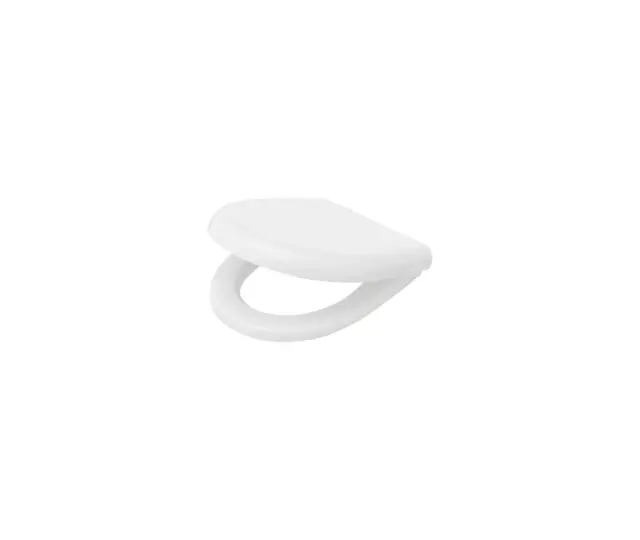 CDA_6DOZ
Deante Avis toilet seat, white
Supplier stock · 14 pcs69.54 € 3 × 23.18 € -
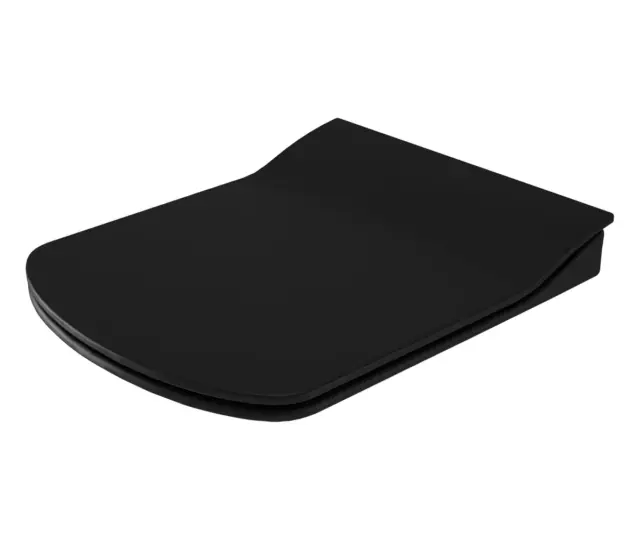 CDZ_NZOZ
Deante Blur slim toilet seat, black
Supplier stock · 29 pcs128.12 € 3 × 42.71 € -
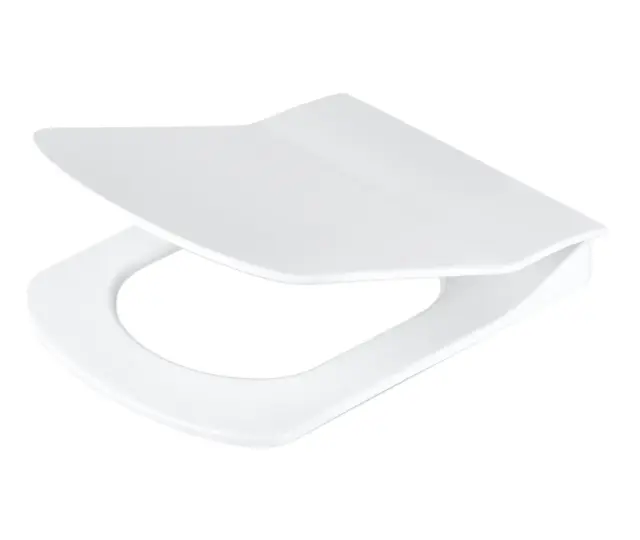 CDZ_6ZOZ
Deante Blur slim toilet seat, white
Supplier stock · 20 pcs93.11 € 3 × 31.04 € -
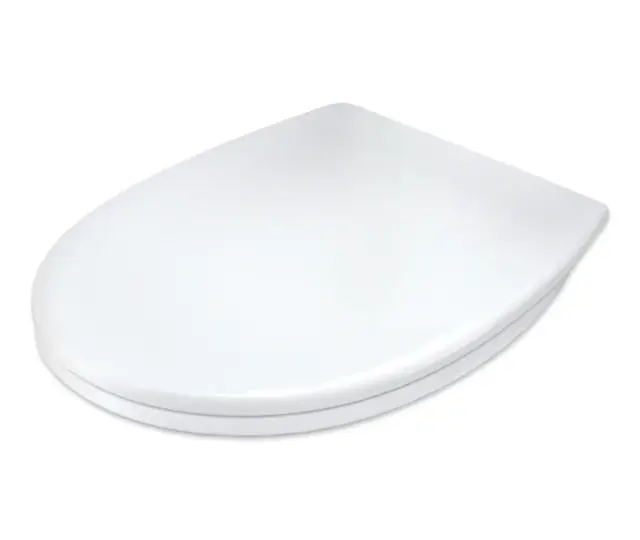 CDF_6SOZ
Deante Funkia Evo slim toilet seat, white
Supplier stock · 16 pcs46.44 € 3 × 15.48 € -
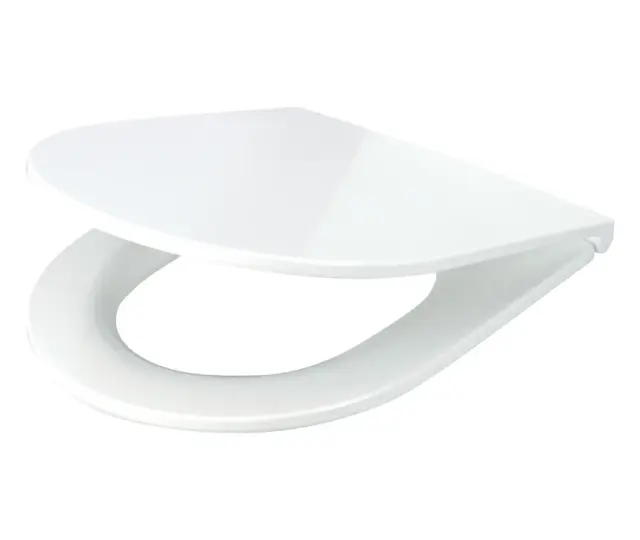 CDJ_6S1Z
Deante Jasmin slim toilet seat for floor-standing toilet, white
Supplier stock · 17 pcs46.44 € 3 × 15.48 € -
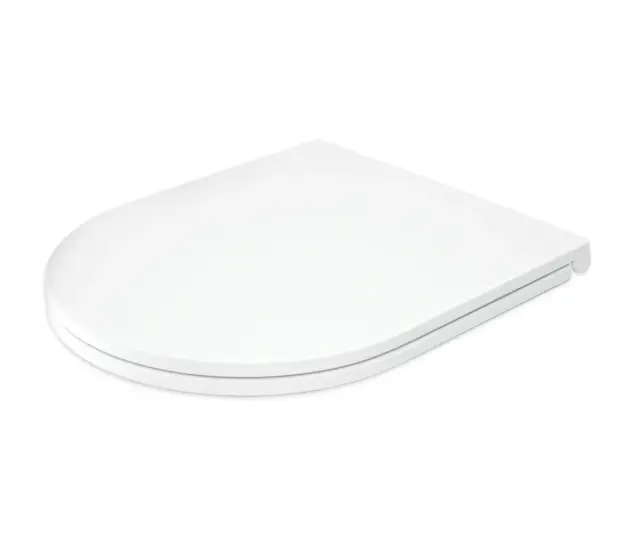 CDJ_6SOZ
Deante Jasmin slim toilet seat for wall-hung toilet, white
Available to order46.44 € 3 × 15.48 € -
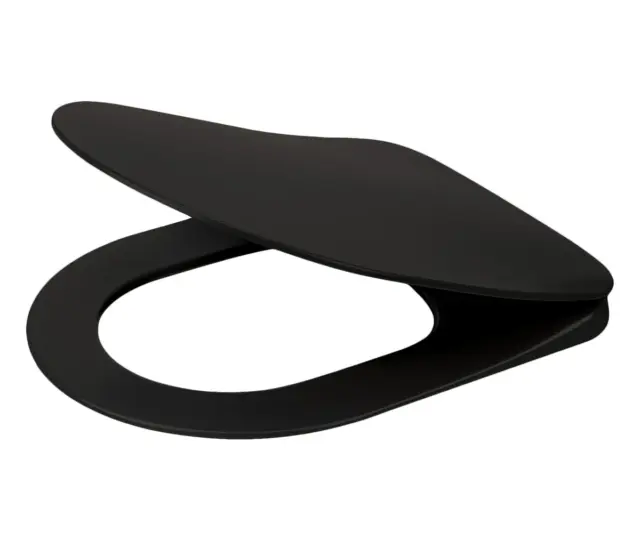 CDE_NSOZ
Deante Peonia slim toilet seat, black
Available to order128.12 € 3 × 42.71 € -
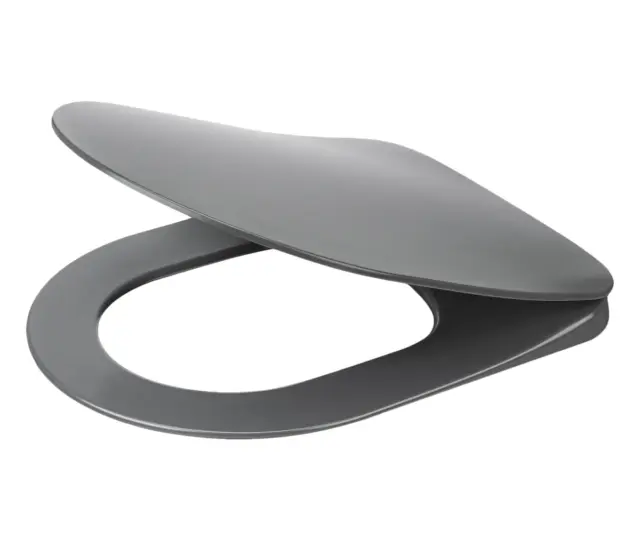 CDE_DSOZ
Deante Peonia slim toilet seat, titanium/anthracite
Supplier stock · 20 pcs128.12 € 3 × 42.71 € -
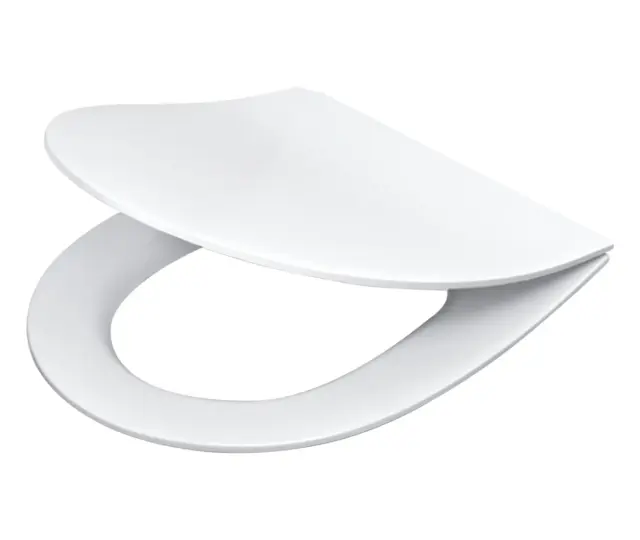 CDE_6SOZ
Deante Peonia slim toilet seat, white
Supplier stock · 100+ pcs86.11 € 3 × 28.70 € -
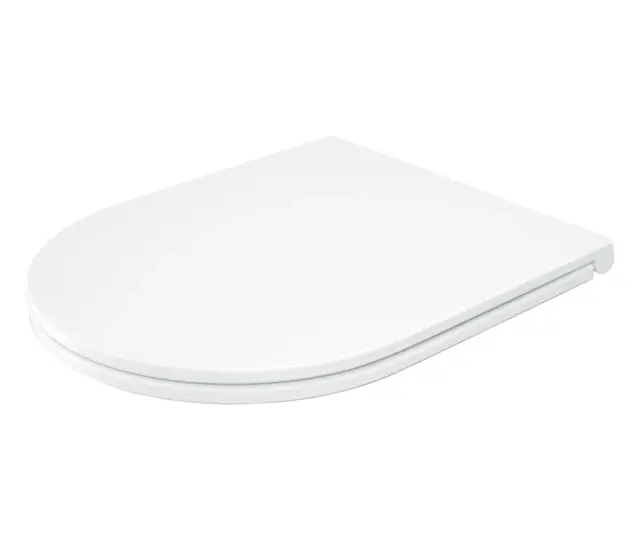 CGR_6SOZ
Deante Round slim toilet seat, white
Supplier stock · 11 pcs69.77 € 3 × 23.26 € -
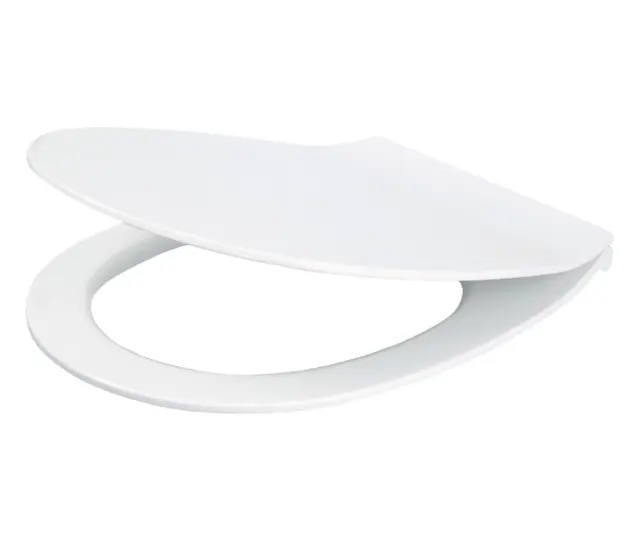 CDL_6SOZ
Deante Silia slim toilet seat, white
Supplier stock · 100+ pcs57.87 € 3 × 19.29 € -
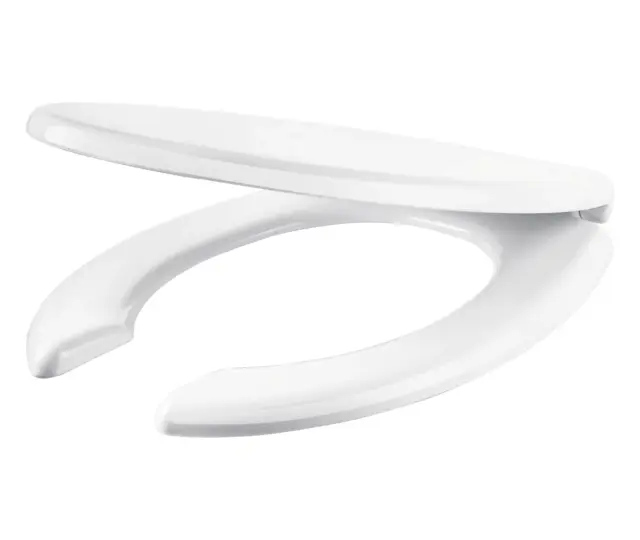 CDV_6DOZ
Deante Vital toilet seat, white
Supplier stock · 57 pcs128.12 € 3 × 42.71 €
Everything you need to know.
- Three essential measurements
- Matching the bowl shape
- Duroplast – the first choice for professionals and homes
- Thermoplastic and polypropylene (PP)
- Wood, MDF and veneer
- Soft Close – a quiet, smooth closing mechanism
- Quick Release / click system
- 1. Does a universal toilet seat fit every toilet?
- 2. Why does my Soft Close toilet seat no longer close smoothly?
- 3. How do you remove a toilet seat that has no quick-release button?
- 4. How do you stop a toilet seat from wobbling?
- 5. How do you clean a yellowed plastic toilet seat?
In everyday home use, the toilet seat is one of the most frequently touched items in the whole house, so its comfort, material and fixing mechanism go a long way towards determining the overall hygiene and ease of use of your bathroom. A good toilet seat is not just a cover for the ceramic, but an ergonomic, safe and functional seat that has to withstand mechanical loads, constant cleaning and a humid environment.
Choosing the right product gives you a coherent look, prevents the annoying bang when the lid closes and turns cleaning the toilet into a matter of seconds. To make sure your new toilet seat fits your toilet exactly, you need to consider the shape of the ceramic, the distance between the centres of the fixing bolts, how durable the material is and the latest technologies.
1. Choosing the size and shape: how to find the right toilet seat
The first and most critical step in choosing a new seat is to measure the ceramic accurately. A toilet seat of the wrong size will start to slide on the rim of the pan, is uncomfortable to sit on and puts uneven strain on the fixing bolts, which leads to early breakage.
Three essential measurements
For an exact fit, take three measurements with a tape measure:
-
Distance between fixing hole centres: the distance from the centre of one fixing hole to the centre of the other (usually 150–160 mm as standard, although anything from 130–180 mm is possible).
-
Overall width of the pan: the measurement across the widest point of the ceramic, from edge to edge.
-
Length from fixing to front edge: the measurement from the centre line of the fixing holes to the outermost front edge of the toilet.
Matching the bowl shape
A modern toilet can have a standard oval, round, long (elongated) or strictly square/D-shaped design. A universal toilet seat works well on classic oval toilets, but for designer toilets (e.g. square shapes) it is best to choose the manufacturer’s original seat or a product made to fit that exact model.
2. Comparing materials: Duroplast, thermoplastic or wood?
The material of a toilet seat directly affects its weight, scratch resistance, antibacterial properties and how warm the surface feels.
Duroplast – the first choice for professionals and homes
Duroplast is a hard thermosetting resin with a density similar to ceramic. It doesn’t deform under pressure, is extremely scratch-resistant and stands up to UV light (it won’t turn yellow over time). The material’s non-porous structure stops bacteria and dirt from collecting in micro-cracks.
Thermoplastic and polypropylene (PP)
Thermoplastic seats are lighter, more flexible and more affordable. They feel warmer to the touch than duroplast, but the softer surface is more easily scratched by abrasive cleaners.
Wood, MDF and veneer
Seats made of wood or MDF bring a natural, warm feel to the bathroom. With these, however, you need to keep an eye on the lacquer finish staying sealed, as moisture getting in through a cracked finish can make the wood fibres swell.
3. Modern features and fixing mechanisms
Today’s toilet seat does more than simply cover the pan – special mechanisms take ease of use to a new level.
Soft Close – a quiet, smooth closing mechanism
Fitted with hydraulic dampers, the Soft Close mechanism lowers the seat and lid slowly, silently and smoothly. This solution:
-
protects the glaze of the sanitary ceramic from knocks and hairline cracks.
-
removes the risk of trapped fingers in families with children.
-
prevents disturbing bangs at night.
Quick Release / click system
A quick-release system lets you unlock the whole toilet seat from the ceramic with one or two presses of a button. This gives you 100% access to the area around the seat fixings and the back of the pan, where urine scale and dirt usually build up.
Key points
A well-chosen toilet seat is a practical investment in the everyday comfort and cleanliness of your home. By choosing a quality duroplast model with soft close and quick release, you ensure your bathroom stays reliable and looks good for years to come.
If you are updating a whole toilet room or looking for a perfectly compatible solution, take a look at the professional range of toilets in the Nordhauser online shop, where you will find a wide choice of durable and stylish sanitary ware for any interior.
-
Measure accurately before you buy: Always check the distance between the fixing holes and the length and width of the seat.
-
Go for duroplast: With a strength similar to ceramic, duroplast offers the best hygiene and wear resistance.
-
Soft Close means peace and quiet: A slow-closing lid prevents noise and damage to the ceramic.
-
Quick Release makes cleaning easy: A removable seat gives you access to places you otherwise couldn’t reach.
-
Avoid harsh chemicals: Strong acids and chlorine damage the dampers and make plastic brittle.
Frequently asked questions
1. Does a universal toilet seat fit every toilet?
Not always. Although universal models have adjustable hinges (e.g. within a range of 130–180 mm), they may not suit toilets with a distinctive design, especially square toilets or those with a shortened bowl.
2. Why does my Soft Close toilet seat no longer close smoothly?
This is often due to mechanical wear of the damper, or to the lid having been forced down by hand, which damages the internal hydraulics. In that case, the toilet seat or its hinge unit needs replacing.
3. How do you remove a toilet seat that has no quick-release button?
To remove a traditional model, unscrew the plastic or metal fixing nuts from underneath the ceramic.
4. How do you stop a toilet seat from wobbling?
Make sure the correct rubber seals are in place between the ceramic and the hinges, and with top-fixing bolts, tighten them properly before fitting the cover caps.
5. How do you clean a yellowed plastic toilet seat?
For light soiling, a paste of bicarbonate of soda and water will help. If it is a cheaper thermoplastic whose structure has been permanently altered by sunlight or chemicals, the only hygienic solution is to replace the seat with a duroplast model.