
Shower enclosures and walls.
Renovating your home bathroom is an exciting but challenging journey. One of the most important decisions that will define the look of your space is creating the right…
-
SOODUS -24%
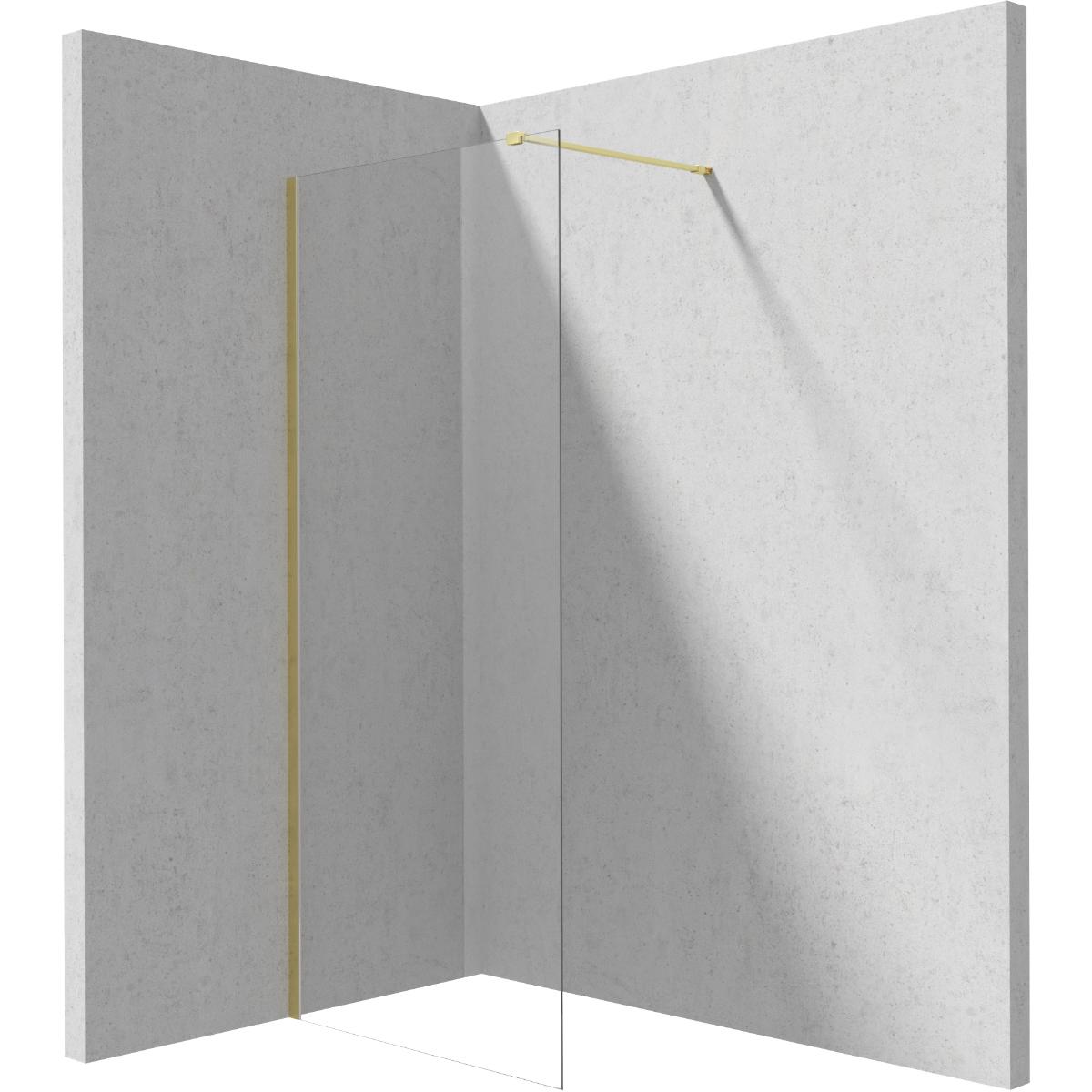 KTJ_R30P
Shower enclosure Deante Prizma 100x195 cm, brushed gold
Tarnija laos · 9 tkOriginal price was: 256.47 €.193.90 €Current price is: 193.90 €. -
SOODUS -27%
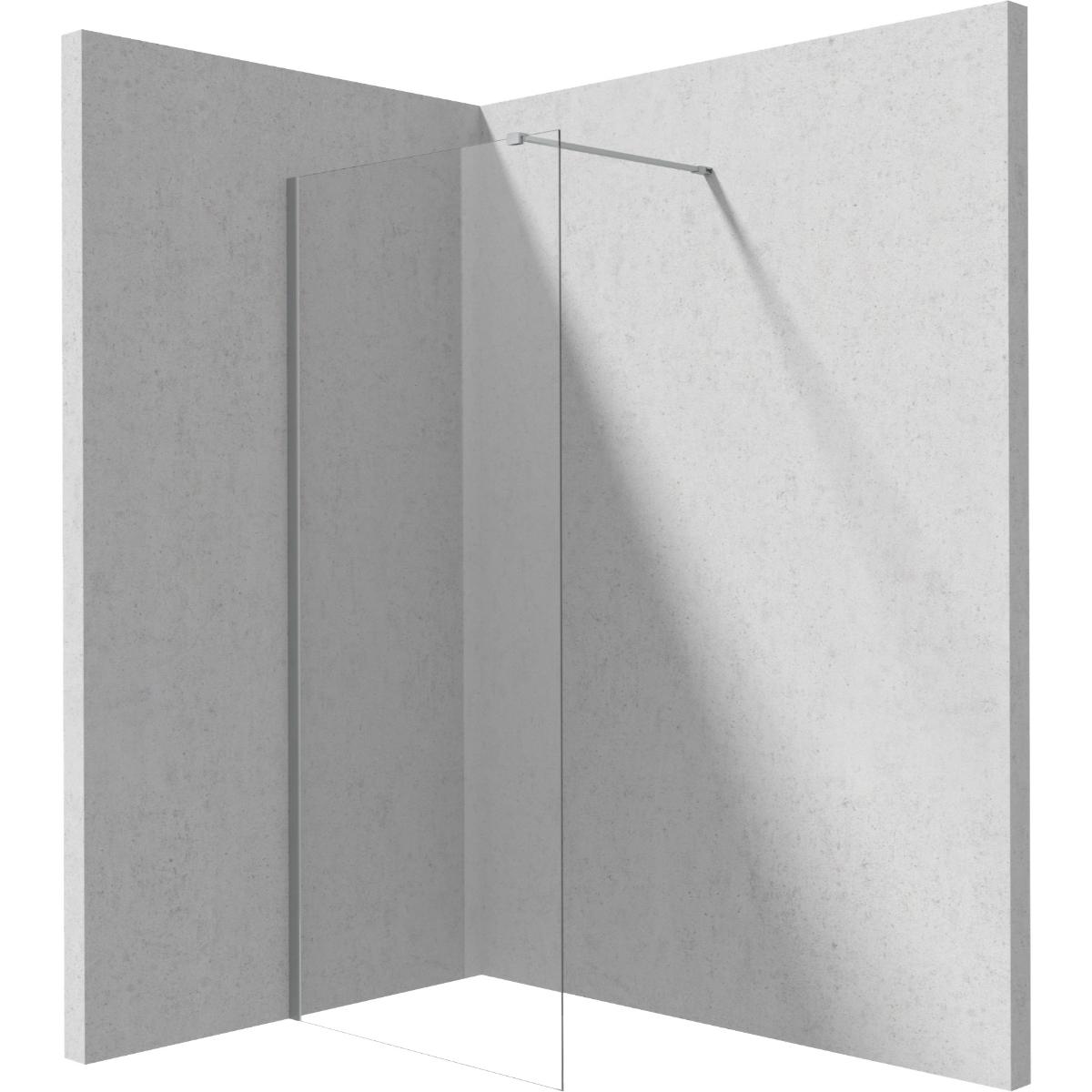 KTJ_F30P
Shower enclosure Deante Prizma 100x195 cm, brushed steel
Tarnija laos · 21 tkOriginal price was: 256.47 €.187.23 €Current price is: 187.23 €. -
SOODUS -20% KTJ_F31P
Shower enclosure Deante Prizma 110x195 cm, brushed steel
Tarnija laos · 18 tkOriginal price was: 303.14 €.242.52 €Current price is: 242.52 €. -
SOODUS -20% KTJ_F32P
Shower enclosure Deante Prizma 120x195 cm, brushed steel
Available to orderOriginal price was: 326.48 €.261.18 €Current price is: 261.18 €. -
SOODUS -20% KTJ_F38P
Shower enclosure Deante Prizma 80x195 cm, brushed steel
Tarnija laos · 6 tkOriginal price was: 209.80 €.167.83 €Current price is: 167.83 €. -
SOODUS -24% KTJ_F39P
Shower enclosure Deante Prizma 90x195 cm, brushed steel
Tarnija laos · 13 tkOriginal price was: 233.13 €.176.90 €Current price is: 176.90 €. -
SOODUS -20%
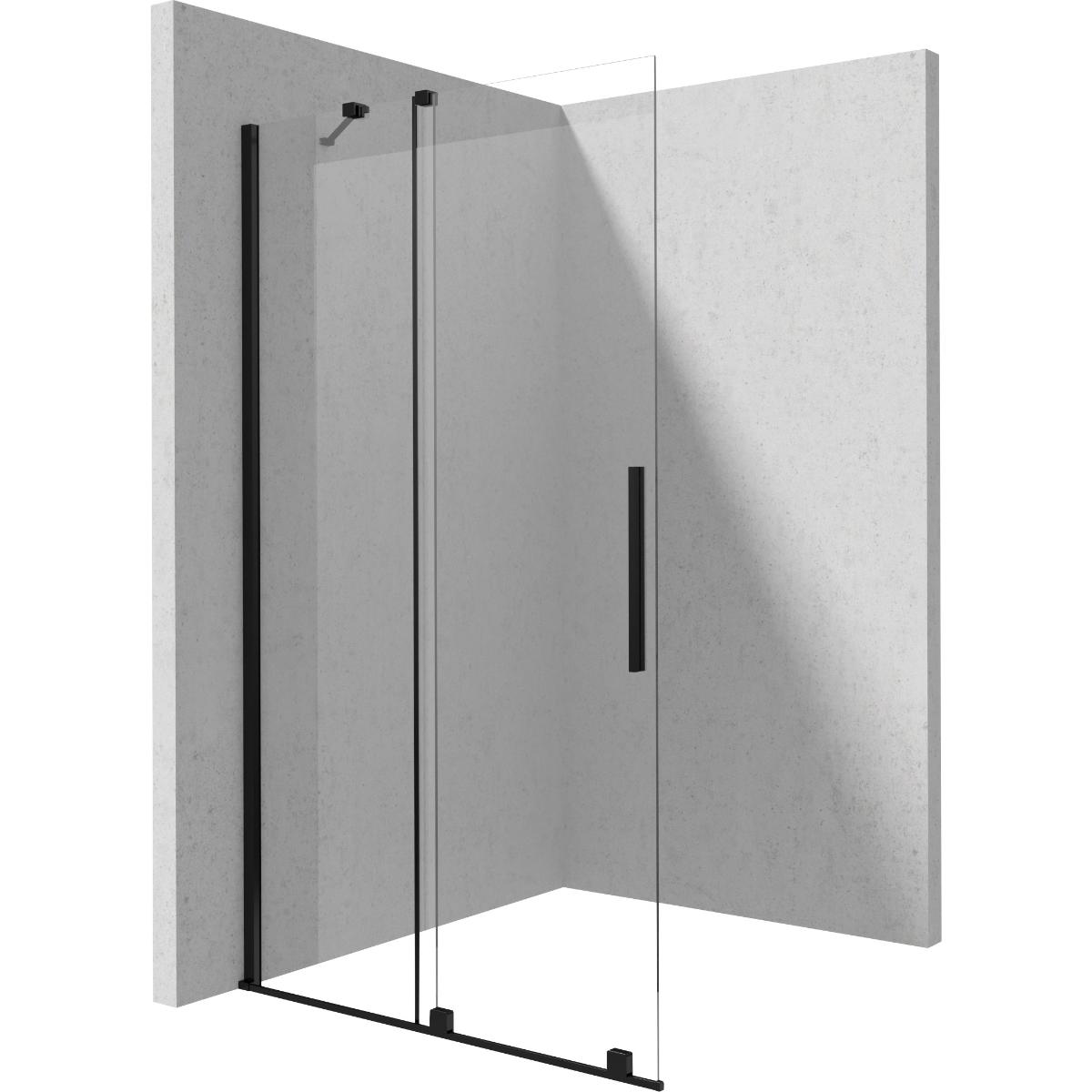 KTJ_N30R
Shower enclosure with sliding door Deante Prizma 100x195 cm, black
Available to orderOriginal price was: 373.15 €.298.52 €Current price is: 298.52 €. -
SOODUS -20%
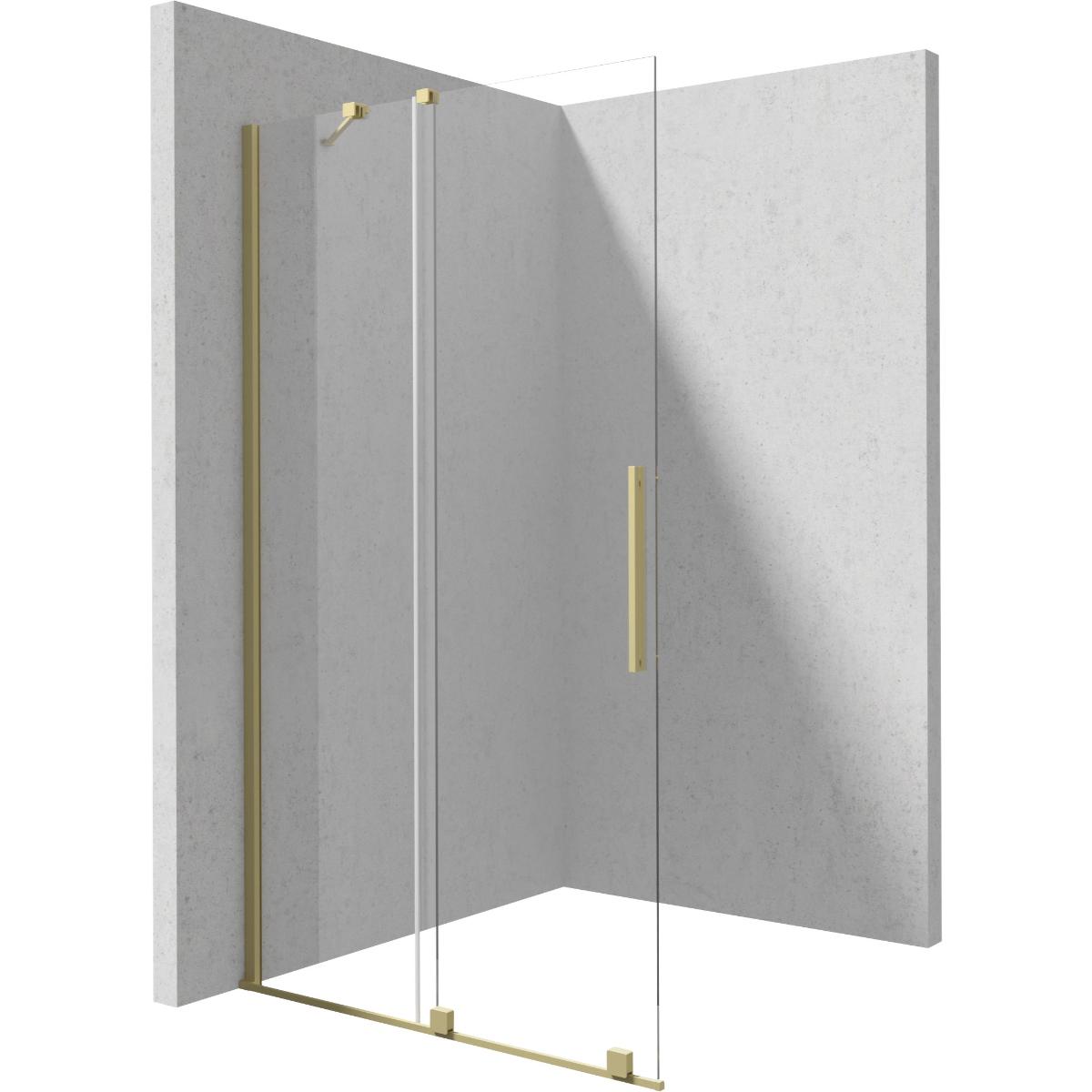 KTJ_R30R
Shower enclosure with sliding door Deante Prizma 100x195 cm, brushed gold
Available to orderOriginal price was: 396.49 €.317.19 €Current price is: 317.19 €. -
SOODUS -20%
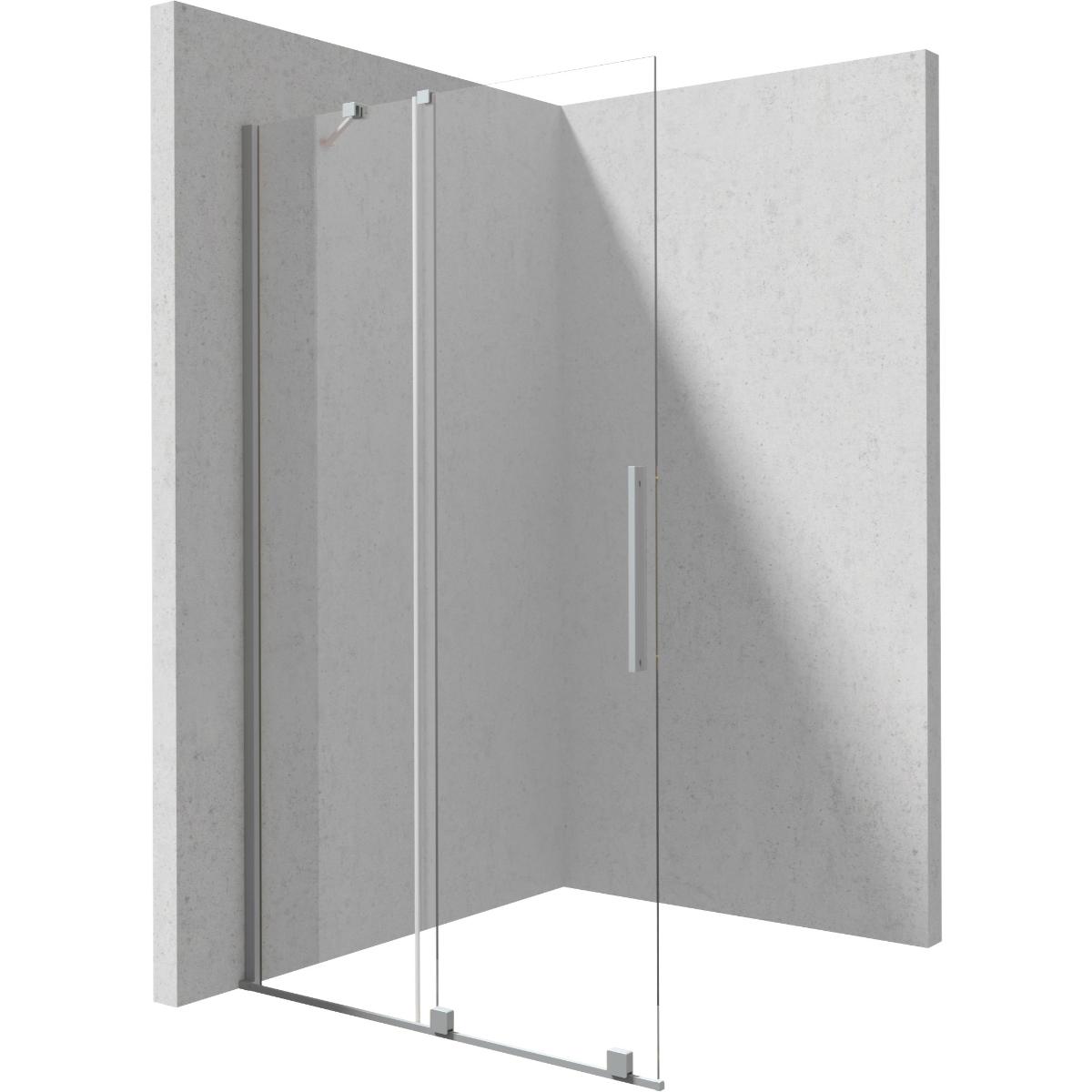 KTJ_F30R
Shower enclosure with sliding door Deante Prizma 100x195 cm, brushed steel
Tarnija laos · 22 tkOriginal price was: 396.49 €.317.19 €Current price is: 317.19 €. -
SOODUS -20%
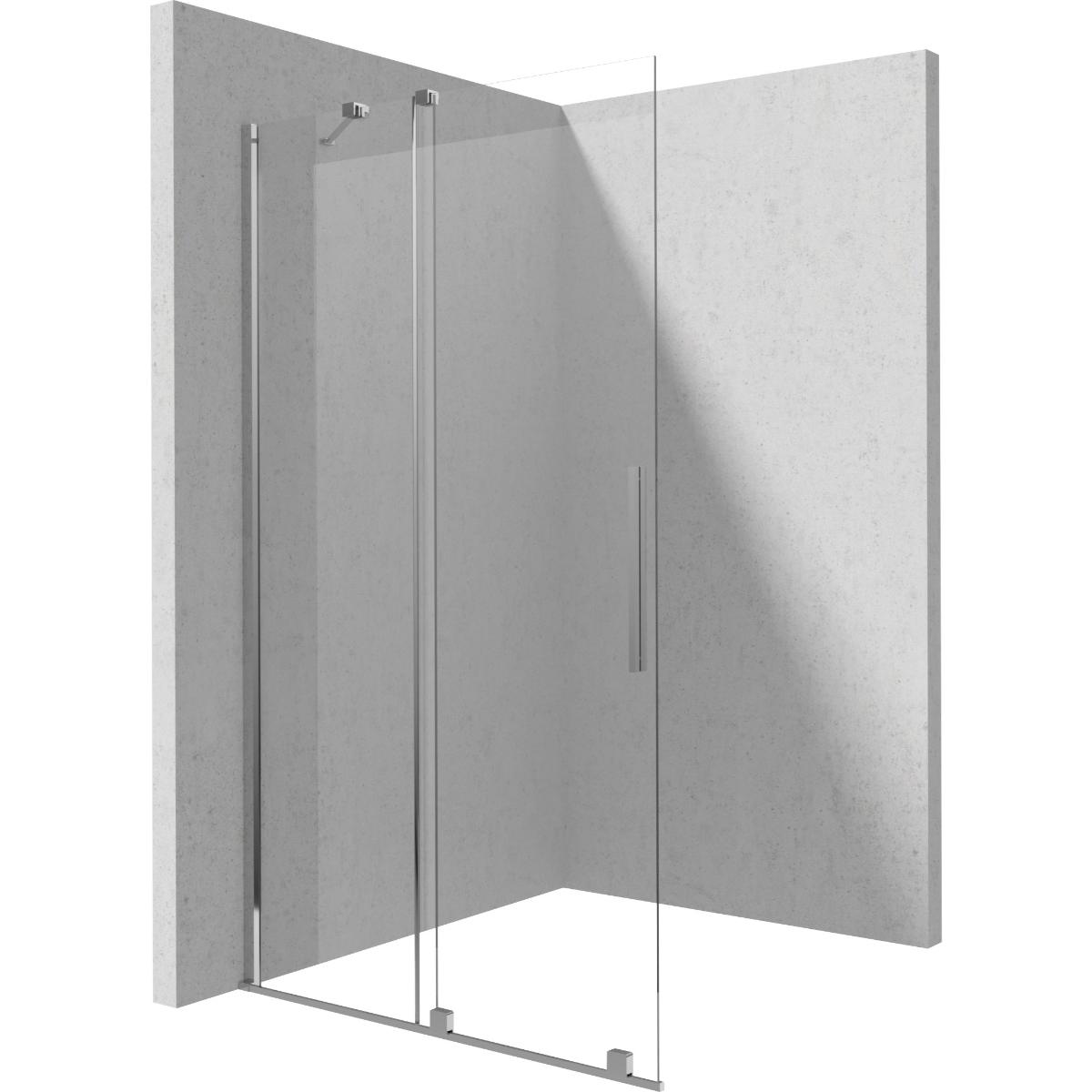 KTJ_030R
Shower enclosure with sliding door Deante Prizma 100x195 cm, chrome
Tarnija laos · 4 tkOriginal price was: 349.82 €.279.86 €Current price is: 279.86 €. -
OTSAS
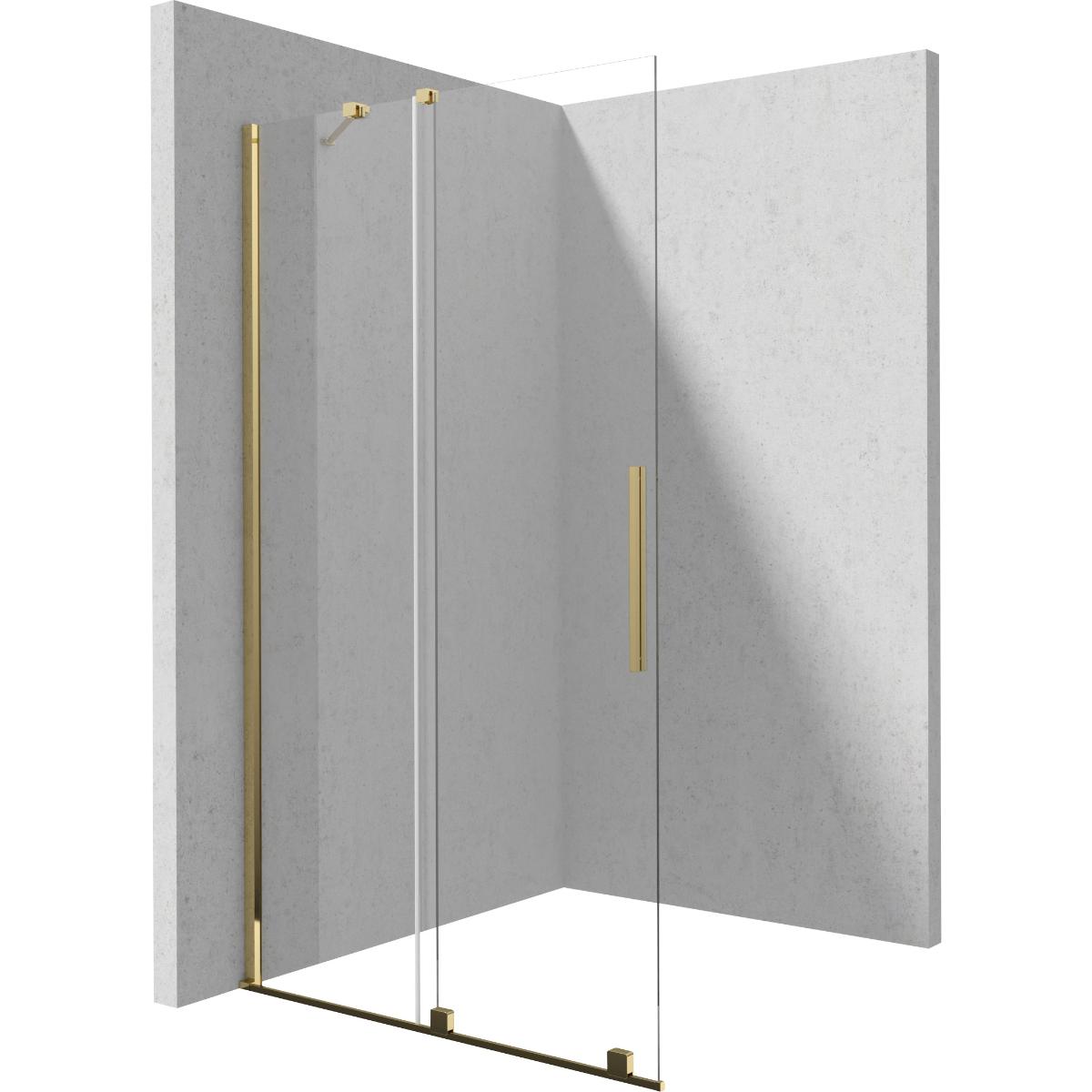 KTJ_Z30R
Shower enclosure with sliding door Deante Prizma 100x195 cm, gold chrome
Out of stock -
SOODUS -27%
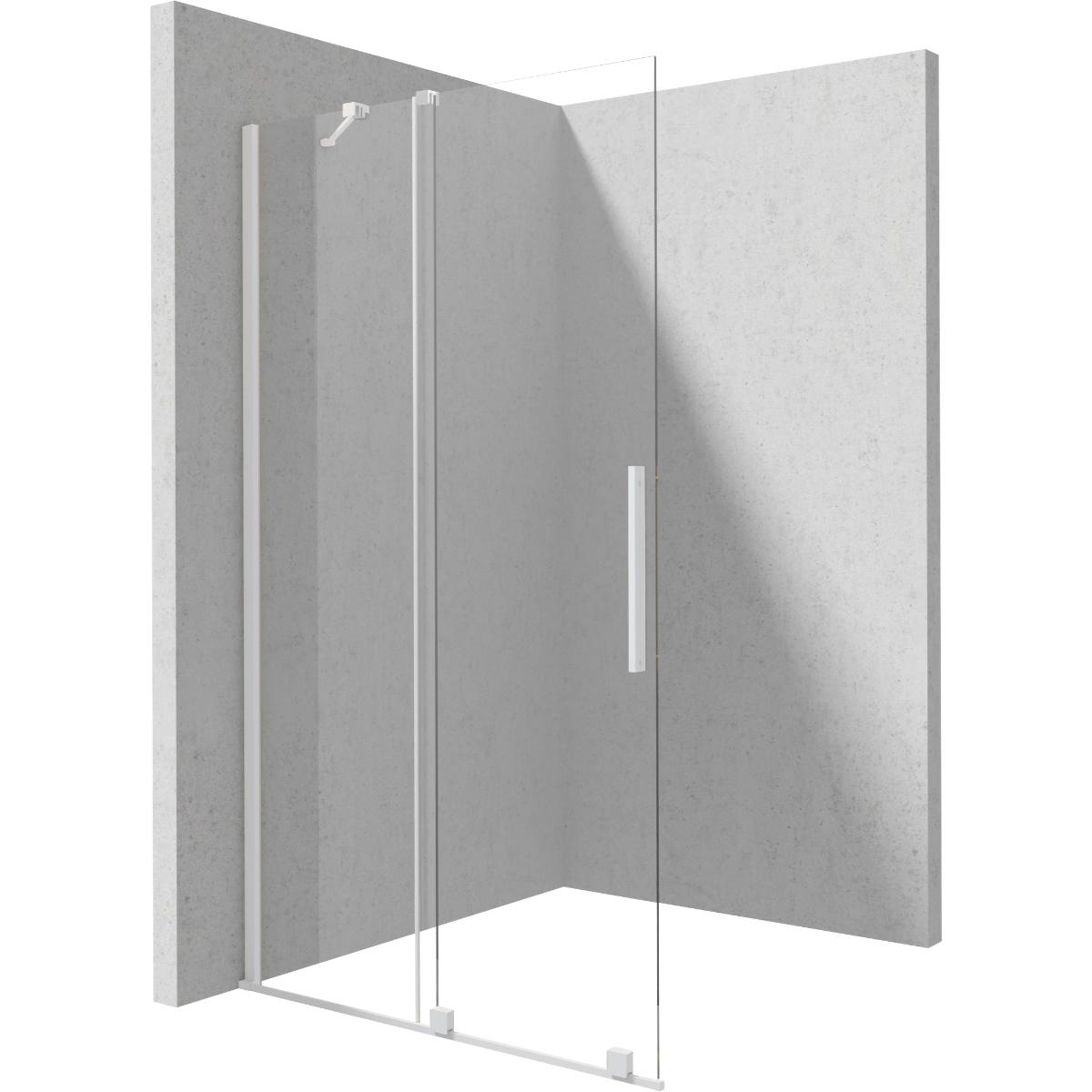 KTJ_A30R
Shower enclosure with sliding door Deante Prizma 100x195 cm, white
Tarnija laos · 8 tkOriginal price was: 373.15 €.272.90 €Current price is: 272.90 €. -
SOODUS -27% KTJ_N32R
Shower enclosure with sliding door Deante Prizma 120x195 cm, black
Tarnija laos · 100+ tkOriginal price was: 396.49 €.289.90 €Current price is: 289.90 €. -
SOODUS -20% KTJ_R32R
Shower enclosure with sliding door Deante Prizma 120x195 cm, brushed gold
Available to orderOriginal price was: 419.81 €.335.85 €Current price is: 335.85 €. -
SOODUS -27% KTJ_F32R
Shower enclosure with sliding door Deante Prizma 120x195 cm, brushed steel
Available to orderOriginal price was: 419.81 €.306.90 €Current price is: 306.90 €. -
SOODUS -27% KTJ_032R
Shower enclosure with sliding door Deante Prizma 120x195 cm, chrome
Tarnija laos · 31 tkOriginal price was: 373.15 €.272.90 €Current price is: 272.90 €. -
KTJ_Z32R
Shower enclosure with sliding door Deante Prizma 120x195 cm, gold chrome
Tarnija laos · 30 tk -
SOODUS -20% KTJ_A32R
Shower enclosure with sliding door Deante Prizma 120x195 cm, white
Tarnija laos · 22 tkOriginal price was: 396.49 €.317.19 €Current price is: 317.19 €. -
SOODUS -20% KTJ_N34R
Shower enclosure with sliding door Deante Prizma 140x195 cm, black
Tarnija laos · 16 tkOriginal price was: 443.15 €.354.52 €Current price is: 354.52 €. -
SOODUS -20% KTJ_R34R
Shower enclosure with sliding door Deante Prizma 140x195 cm, brushed gold
Available to orderOriginal price was: 466.49 €.373.19 €Current price is: 373.19 €. -
SOODUS -20% KTJ_F34R
Shower enclosure with sliding door Deante Prizma 140x195 cm, brushed steel
Available to orderOriginal price was: 466.49 €.373.19 €Current price is: 373.19 €. -
SOODUS -20% KTJ_034R
Shower enclosure with sliding door Deante Prizma 140x195 cm, chrome
Available to orderOriginal price was: 419.81 €.335.85 €Current price is: 335.85 €. -
KTJ_Z34R
Shower enclosure with sliding door Deante Prizma 140x195 cm, gold chrome
Tarnija laos · 6 tk -
SOODUS -20% KTJ_A34R
Shower enclosure with sliding door Deante Prizma 140x195 cm, white
Tarnija laos · 13 tkOriginal price was: 443.15 €.354.52 €Current price is: 354.52 €.

Renovating your home bathroom is an exciting but challenging journey. One of the most important decisions that will define the look of your space is creating the right wash basin. Modern shower enclosures and walls offer endless possibilities – from minimalist and almost invisible glass surfaces to luxurious and multifunctional cubicles. But which solution is right for your home? Should you prefer a spacious and airy walk-in wall or a closed cubicle that keeps all the heat and moisture inside? In this comprehensive guide, we will make it easy for homeowners. We don't just talk about design, we dive deep into functionality, material durability and the specifics of bathroom planning . We will learn how to choose the right glass thickness, how to match new shower enclosures and walls with other technology in the room and what tricks will keep the glass sparkling for years. Regardless of whether you are doing a large new build or a more modest bathroom renovation , read on and design your bathroom into a real personal home spa! Why are the right shower enclosures and walls crucial in the bathroom? The bathroom is often the smallest but most heavily used room in the home. Every square inch counts, and visual harmony directly affects our mood. A well-chosen washing area is the anchor of this space. How a shower enclosure affects the spaciousness and functionality of a room Decorating a small bathroom requires some cleverness. A massive, opaque shower enclosure or one with wide white plastic profiles can visually compress a small space even more, creating a claustrophobic feeling. On the other hand, shower enclosures and walls made of clear glass allow light to flow freely through the space, making even a tiny bathroom feel more spacious and airy. As a homeowner, you also need to consider family dynamics. If you have small children or pets in the family, a shower enclosure with a high edge may be more practical to contain water splashes. However, if you are thinking about the future and prefer a universal design (for example, wheelchair accessibility or suitability for the elderly with mobility difficulties), a smooth floor without steps and an elegant shower wall are undoubtedly the best choice. Waterproof and everyday comfort Unique perspective: Many customers don't realize that closed shower enclosures and open shower walls have radically different acoustics and thermal insulation. A closed enclosure keeps all the steam and heat inside – you step inside and it's like you're in a little warm cocoon. However, this means that all that steam has to be quickly vented out of the room after opening the doors. An open walk-in glass shower enclosure, on the other hand, allows the heat to dissipate, which means that in a cooler bathroom you may feel a slight draft while showering. This is why an open wall is ideal for bathrooms with strong underfloor heating. Shower enclosure vs. Walk-in shower enclosure: Which is best for your home? This is probably the first crossroads every homeowner reaches. The choice depends largely on budget, the ability to build floor slopes, and personal taste. Classic enclosed shower cabin – privacy and additional features Complete shower cabins, including luxury massage cabins , are like a room within a room. They are relatively easy to install, as they do not require special floor slopes (water flows to the base of the cabin itself) and offer maximum protection against water damage – even if the cabin is located in a room with wooden floors, the risk of water leaking onto the floor is minimal. Pros: Foolproof water resistance, often include a radio, back massage jets and a ceiling shower, retain heat well. Cons: Visually take up a lot of space, plastic parts and a lot of joints make cleaning tedious, often more old-fashioned in design. Modern walk-in shower enclosure – airiness and design freedom The walk-in shower enclosure is an undeniable trend of recent years. It usually consists of one or two smooth glass panels that are attached to the wall and floor, leaving the entrance completely open. This solution blends into the room and lets the beautiful tile selection in the bathroom shine. Pros: Extremely minimalist and luxurious look, very easy to clean (few profiles and corners), ideal for bathrooms with special shapes. Cons: Requires impeccable shower enclosure installation and perfectly constructed floor slopes, water can splash into the room more easily from the open end, in a cooler room, warm steam does not keep around the body. Materials and design trends: Glass and profiles High-quality shower enclosures and walls must withstand thousands of uses and cleanings. Here, the choice of materials is absolutely critical. Safety and thickness of tempered safety glass Today, shower solutions exclusively use safety glass. Tempered glass shower walls are safe if broken – they break into hundreds of small, blunt pieces that do not cut, similar to the side window of a car. The thickness of the glass is an indicator of quality. Cheaper models use 4–5 mm thick glass, which can "spring" slightly when opening the doors. The gold standard and the most durable feeling are 6 mm and 8 mm thick glasses. Thicker glass stands more securely in place even without massive profiles, allowing the creation of airy and frameless solutions . In addition to classic transparent glass, gray-tinted smoked glass and discreet matte or patterned glass (fluted glass) are gaining popularity. Black profiles and frameless design Bold contours are the order of the day in interior design. A shower wall with a black profile brings a sharp, industrial and extremely modern nuance to a bright bathroom, reminiscent of elegant studio windows. But there is one small catch for the homeowner: in areas with very hard water (such as Northern Estonia), limescale stains tend to show up much faster on a matte black surface than on classic chrome. If you want more maintenance-free luxury, brushed brass (gold) or brushed stainless steel are safer and equally stylish options. How to combine a shower solution with the rest of the plumbing? Your new shower enclosures and walls should not exist in isolation in a room. Their potential will only be realized when they are cleverly and harmoniously integrated with the rest of the plumbing . Shower faucet and shower channel as parts of a whole If you have chosen a spacious glass walk-in wall, the crowning glory is a high-quality and powerful Shower Faucet . Systems with a large rain shower (ceiling shower) or faucets recessed into the wall are particularly popular, which keep the look of the room as clean as possible. However, if your bathroom also has space for a bathtub (or you use a bathtub wall), it is crucial to ensure style unity – for example, the bathtub faucet should be from exactly the same design series and finish as the equipment used in the shower area. In open washing areas, the biggest challenge is to quickly drain water. A traditional drain in the middle of the floor requires an "envelope slope" and small mosaic tiles, which often spoil the smooth design. A favorite solution among designers is a long and elegant Shower Channel , which is installed against the wall. This allows the use of large ceramic tiles throughout the bathroom and creates a slope in only one direction. Should I install it on the floor or use a shower tray? If building floor slopes or installing a gutter (for example in older apartment buildings) is difficult, this does not mean that you have to settle for an old plastic cabin. A modern shower tray is extremely thin (sometimes only 3-4 cm) and made of strong stone mass. A non-slip shower tray provides a safe foothold and minimalist glass walls can also be installed on it very successfully. Using a shower tray significantly reduces the risks of waterproofing and makes tile maintenance easier, because there are no floor joints where soap could accumulate. Shower Enclosure and Wall Maintenance: Tips for Longevity Even the most expensive and beautiful glass solution loses its charm when it is covered in dried water beading and soap scum. As a homeowner, the right maintenance routine is your best friend. How to prevent limescale and water stains on glass? To avoid cleaning, it is worth checking when buying whether shower cabins and walls have been treated with a special water-repellent nano-coating at the factory. This protective layer fills the microscopic pores of the glass, making the surface extremely slippery. Water, soap and dirt cannot adhere to the surface, but flow down in "pearls". If your wall does not have this coating, the cheapest and most effective everyday solution is a silicone window scraper. Form a habit of wiping the glass dry with a few strokes after each (or at least the last family member's) shower – it takes 10 seconds, but it will save you hours of weekend scrubbing! For deep cleaning, avoid rough abrasive sponges that scratch the glass and damage the protective layer. Spray a natural solution of citric acid and water on the glass, let it work for a while and rinse with warm water – the result is sparkling clean and environmentally friendly. Quick summaries and recommendations Consider the specifics of the room: If the bathroom is small and has underfloor heating, a spacious walk-in shower enclosure is ideal. In colder rooms and if you are concerned about splashing water, choose a full-fledged cabin. Glass thickness matters: Invest in 6–8 mm thick tempered glass shower walls , which are stable, safe, and have a luxurious appearance. Systemic approach: Your shower solution must match your shower faucet and water drain ( Duširenn ) to ensure proper water movement and prevent flooding. Black finish is trendy, but demanding: A shower wall with a black profile is gorgeous, but in areas with hard water, it requires dedicated and frequent drying. A shower tray reduces risks: If you want a minimalist design but are afraid of building floor slopes, an ultra-thin stone shower tray is a safe and very aesthetic compromise. Frequently asked questions Does the walk-in shower wall splash too much water into the bathroom? Splashing water onto the floor is a common problem with open walls. This can be prevented with the right dimensions: the length of the glass in the walk-in wall should ideally be at least 100–120 cm. A properly installed shower channel and a sufficient floor slope (usually 1.5–2%) also play a role , which drains the water quickly before it spills. What is nano-coating and is it necessary? Nano-coating (also known as EasyClean / Anti-Plaque) is a special glass surface treatment that smooths the micro-porosity of the glass. It is highly recommended because it repels water and dirt, making tempered glass shower enclosures much easier to clean and reducing limescale build-up. Can I install shower glass myself? Installing a shower enclosure requires precision and often requires the strength of two people (as 8 mm glass is very heavy). In the case of plaster walls, you need to make sure that there is reinforcement behind the wall to attach the profiles. If you do not have previous experience and special diamond drill bits (for drilling tiles), it is better to leave this work to professionals. Can a shower tray be installed over ceramic tiles? Yes, modern shower trays are often installed directly on the tiled floor or even tiled flush with the floor, leaving a completely step-free entrance. It is important to ensure that the joints between the tray and the wall are properly sealed with silicone. How to clean shower doors and tracks? The sliding tracks of enclosed shower enclosures are often magnets for dirt. Many modern shower enclosures have doors that snap off the rollers at the bottom, making it easy to clean the tracks. Use an old toothbrush and a mild citric acid solution to clean the tracks to prevent soap scum from building up.