
Siphon and drain.
Imagine this: you walk into your beautiful, newly renovated bathroom after a long day at work, but you’re greeted not by the smell of fresh cleanliness, but by…
-
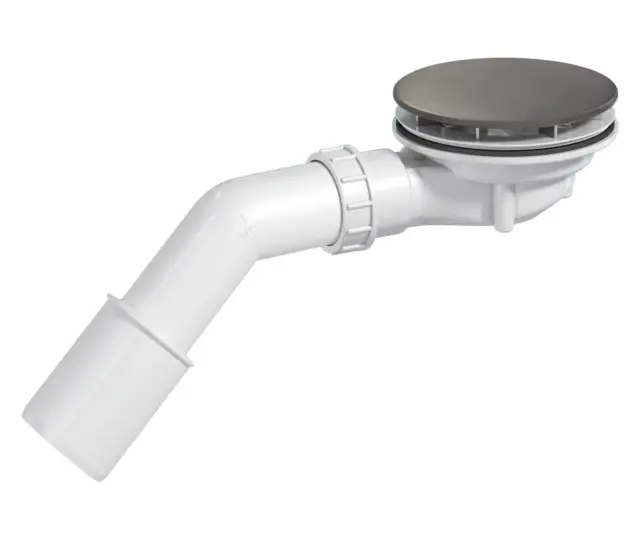 NHC_D29D
Deante low shower tray waste 90 mm, titanium
Supplier stock · 53 pcs58.11 € 3 × 19.37 € -
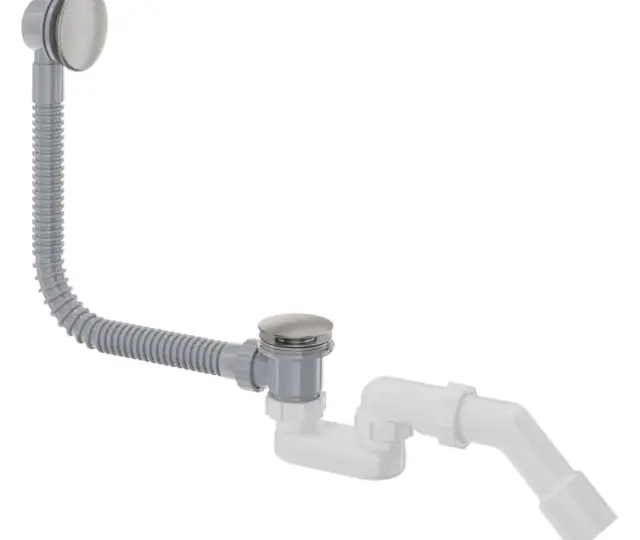 NHC_F57B
Deante Prizma bath waste with Click-Clack plug and overflow, brushed steel
Supplier stock · 27 pcs69.77 € 3 × 23.26 € -
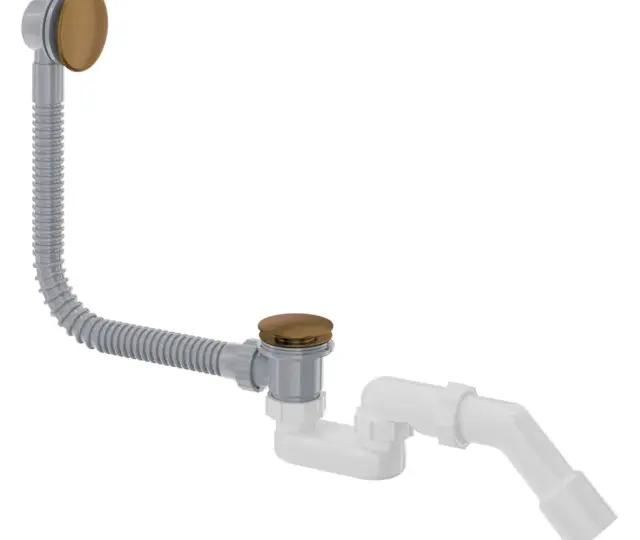 NHC_C57B
Deante Prizma bath waste with Click-Clack stopper and overflow, brushed bronze
Supplier stock · 100+ pcs69.77 € 3 × 23.26 € -
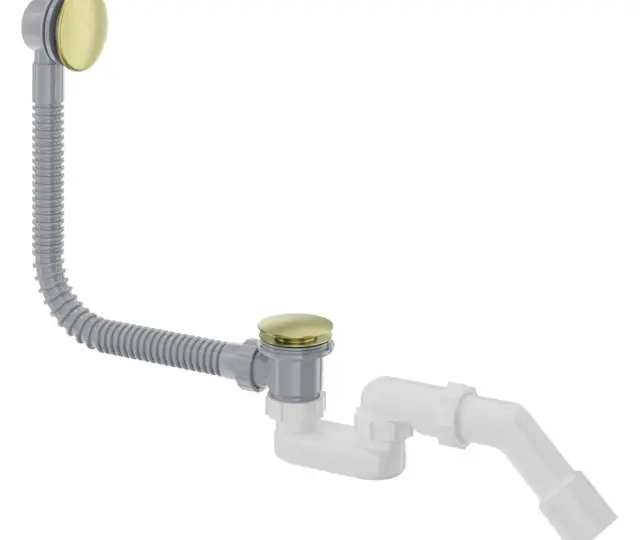 NHC_R57B
Deante Prizma bath waste with Click-Clack stopper and overflow, brushed gold
Supplier stock · 100+ pcs69.77 € 3 × 23.26 € -
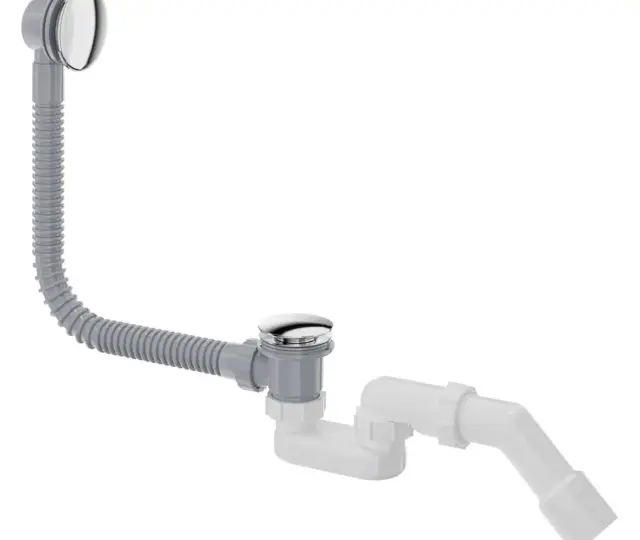 NHC_057B
Deante Prizma bath waste with Click-Clack stopper and overflow, chrome
Supplier stock · 55 pcs44.11 € 3 × 14.70 € -
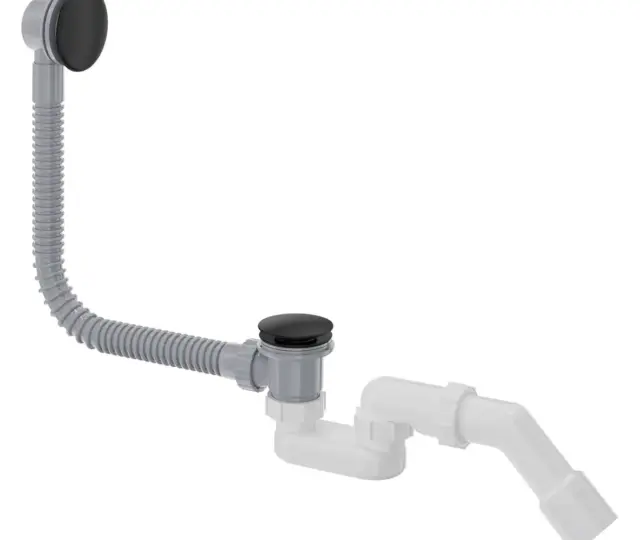 NHC_N57B
Deante Prizma bath waste with Click-Clack stopper and overflow, matt black
Supplier stock · 100+ pcs53.44 € 3 × 17.81 € -
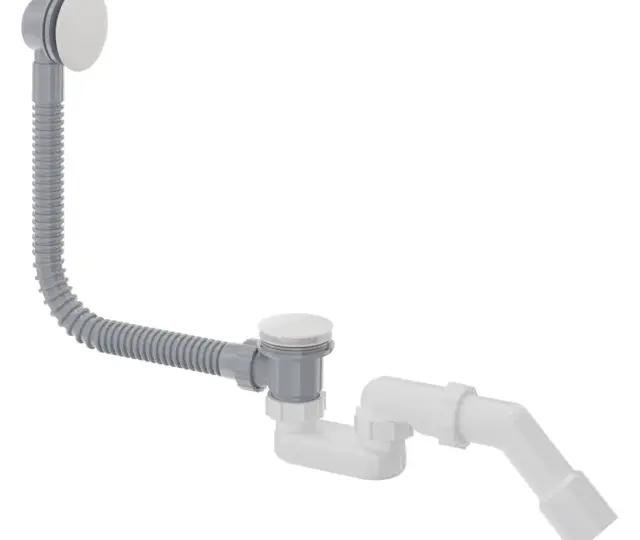 NHC_A57B
Deante Prizma bath waste with Click-Clack stopper and overflow, matt white
Supplier stock · 100+ pcs53.44 € 3 × 17.81 € -
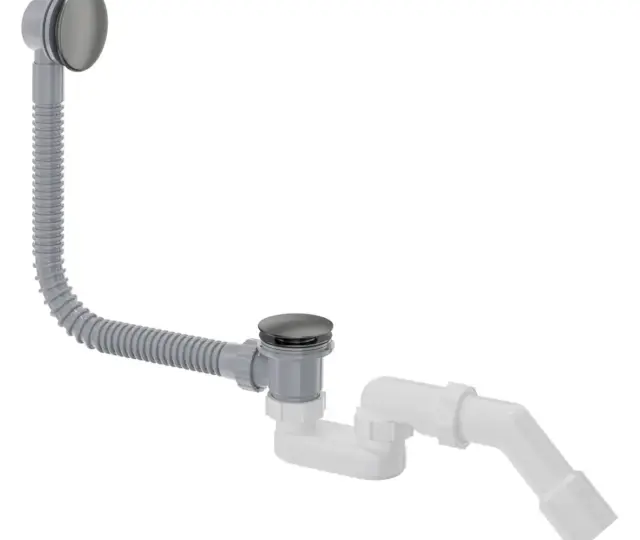 NHC_D57B
Deante Prizma Click-Clack bath waste with overflow, titanium
Supplier stock · 100+ pcs69.77 € 3 × 23.26 € -
OTSAS
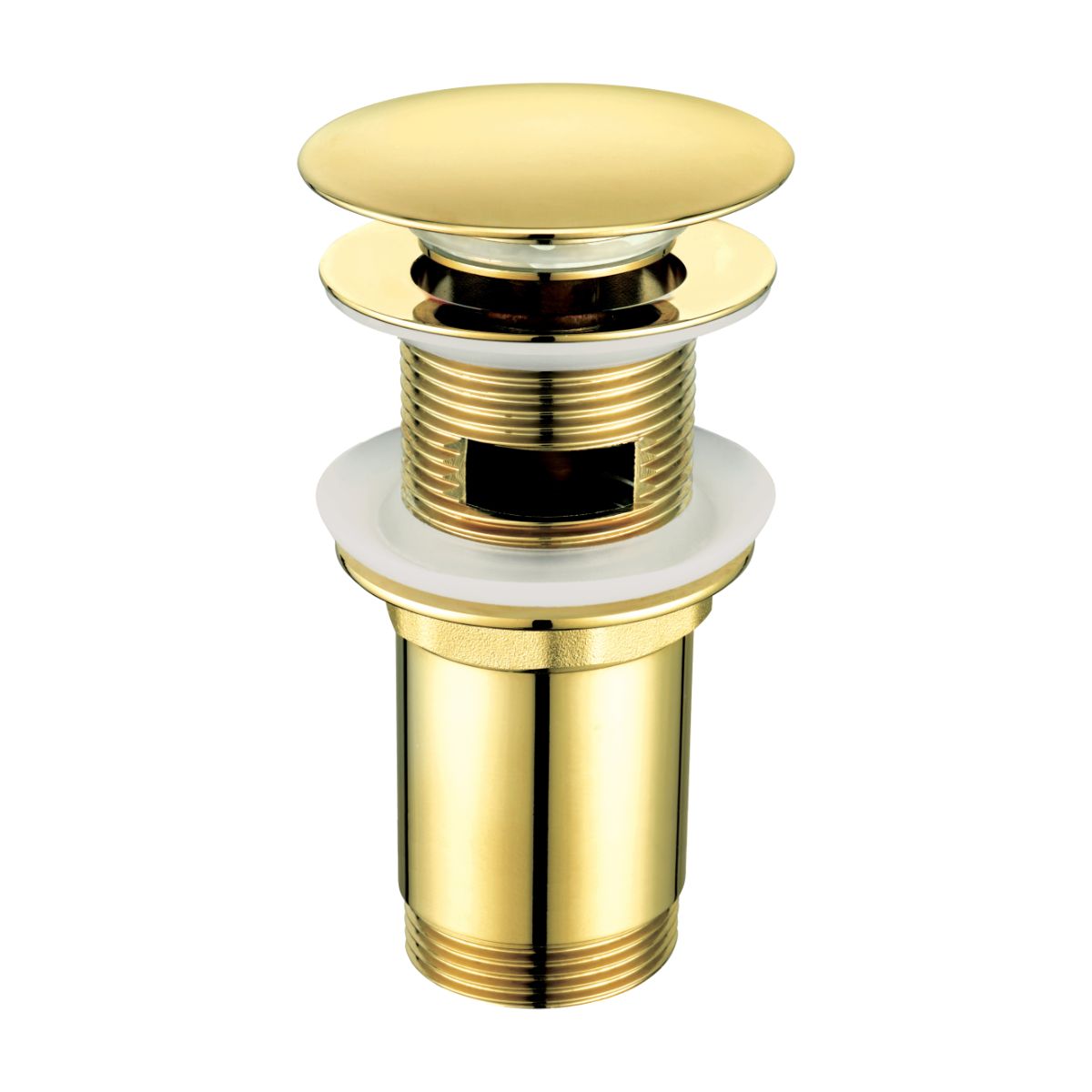 NHC_Z10U
Gold chrome sink drain with Click system 1 1/4"
Out of stock29.38 € 3 × 9.79 € -
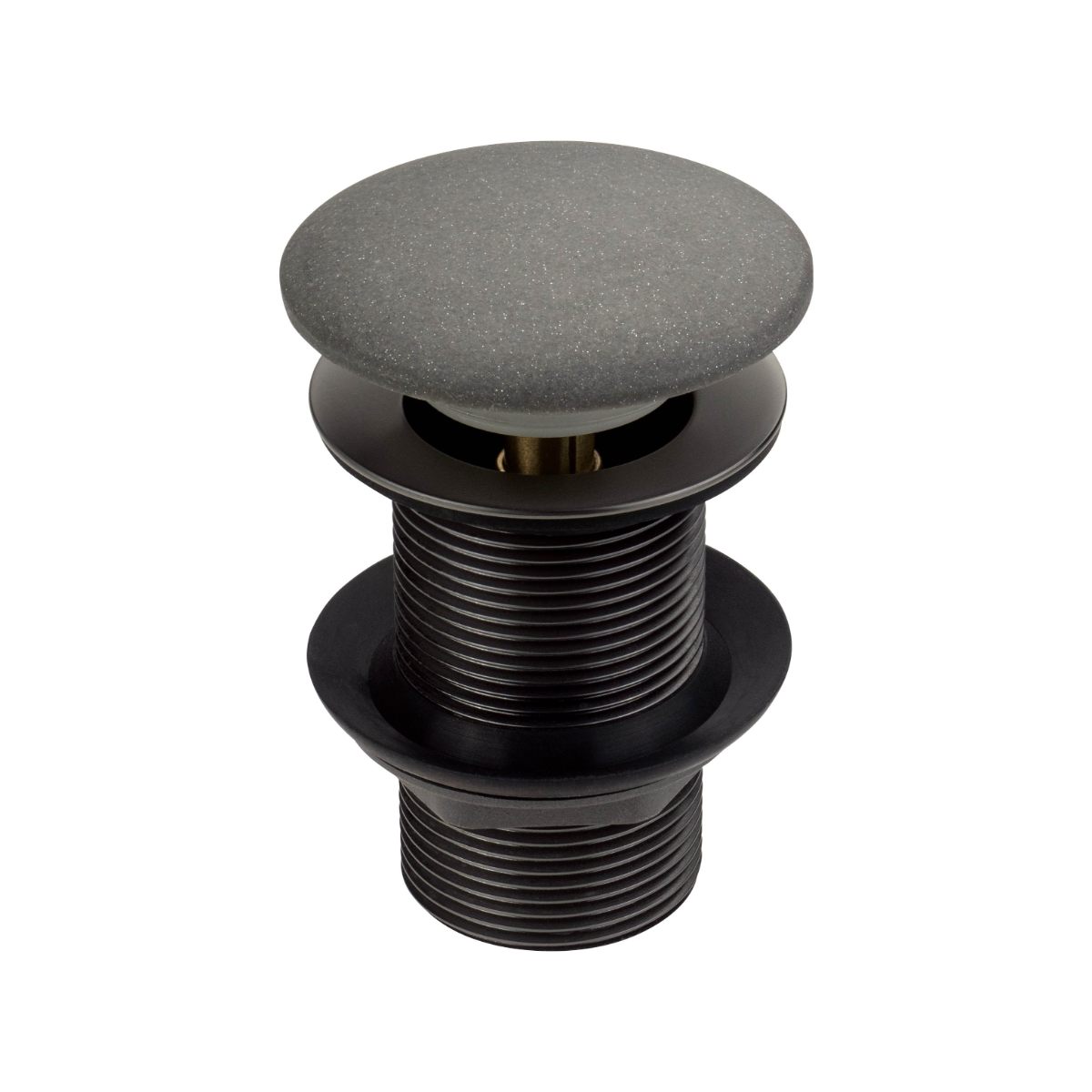 NHC_T12A
Matt anthracite sink drain with Click system 1 1/4", with composite cover
Supplier stock · 100+ pcs37.10 € 3 × 12.37 € -
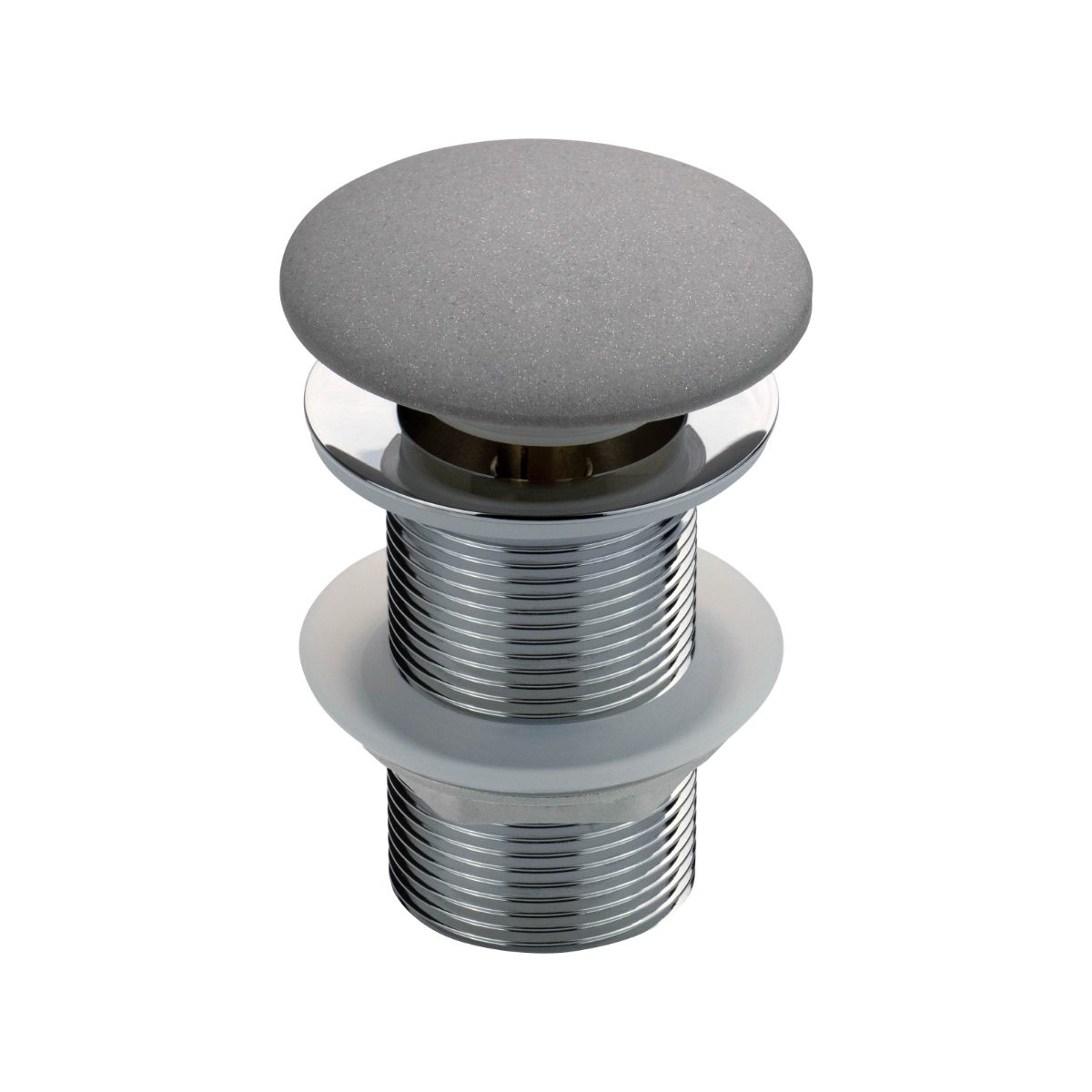 NHC_S12A
Matt grey sink drain with Click system 1 1/4", with composite cover
Supplier stock · 100+ pcs37.10 € 3 × 12.37 € -
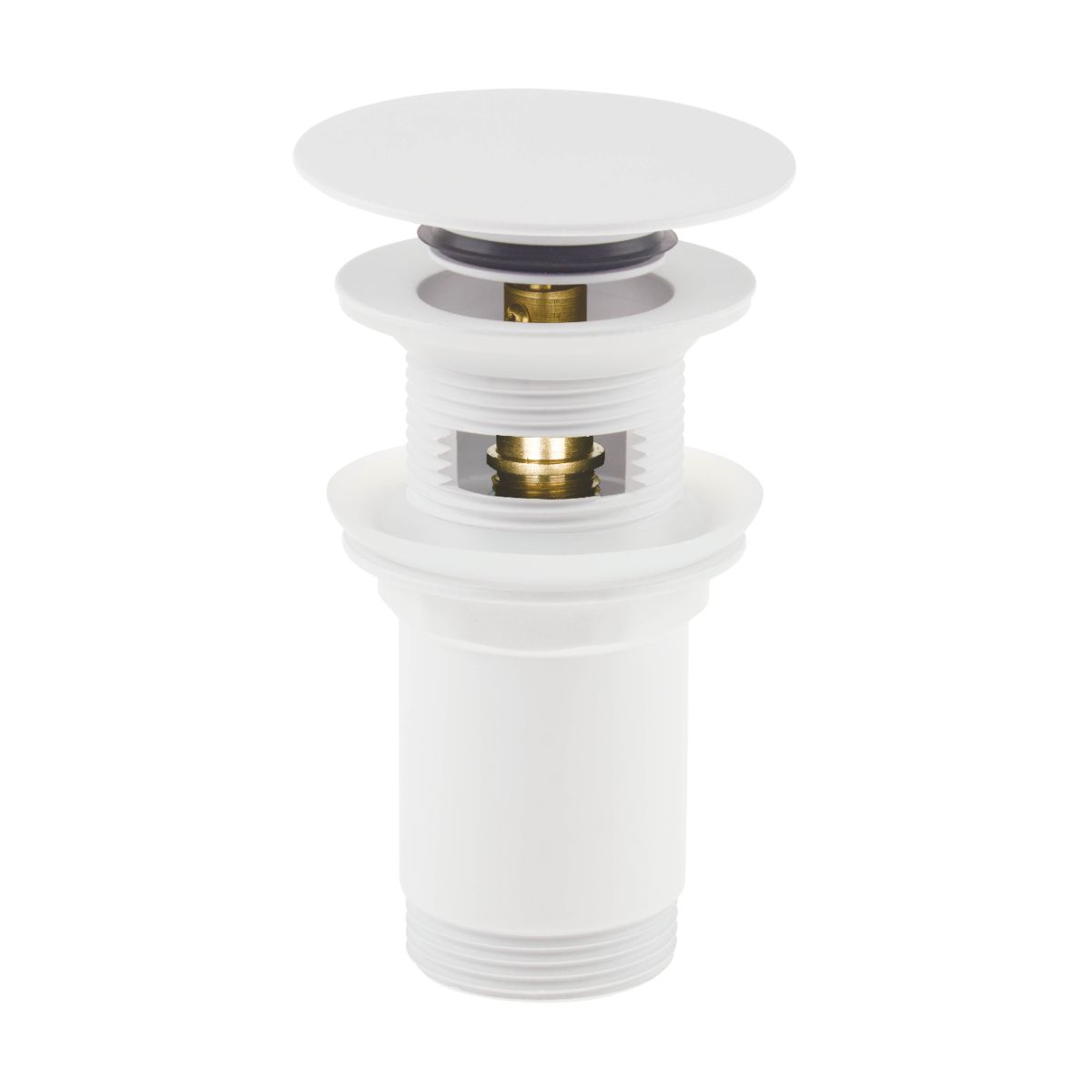 NHC_A10U
Matt white sink drain with Click system 1 1/4"
Supplier stock · 100+ pcs30.11 € 3 × 10.04 € -
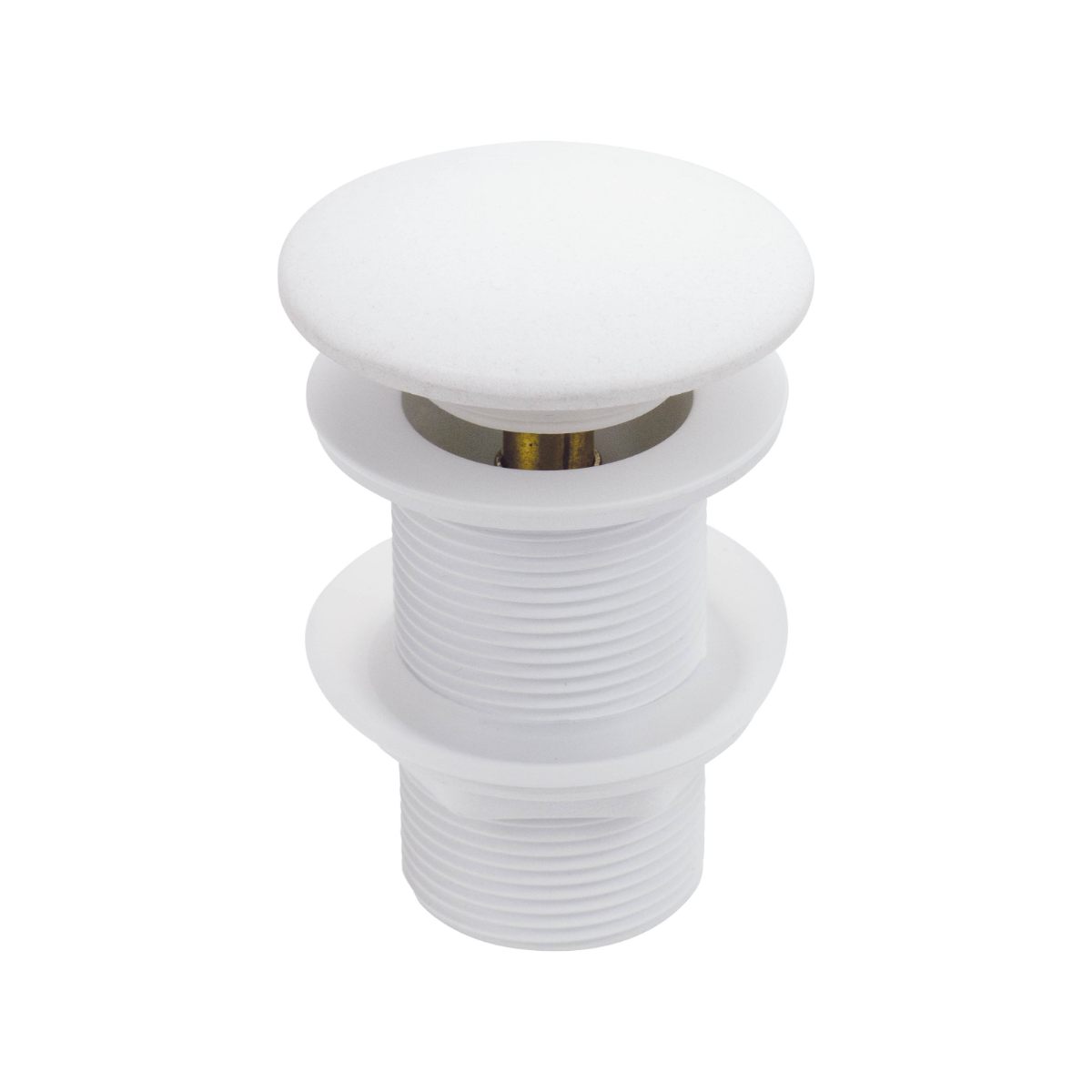 NHC_A12A
Matt white sink drain with Click system 1 1/4", with composite cover
Available to order37.10 € 3 × 12.37 € -
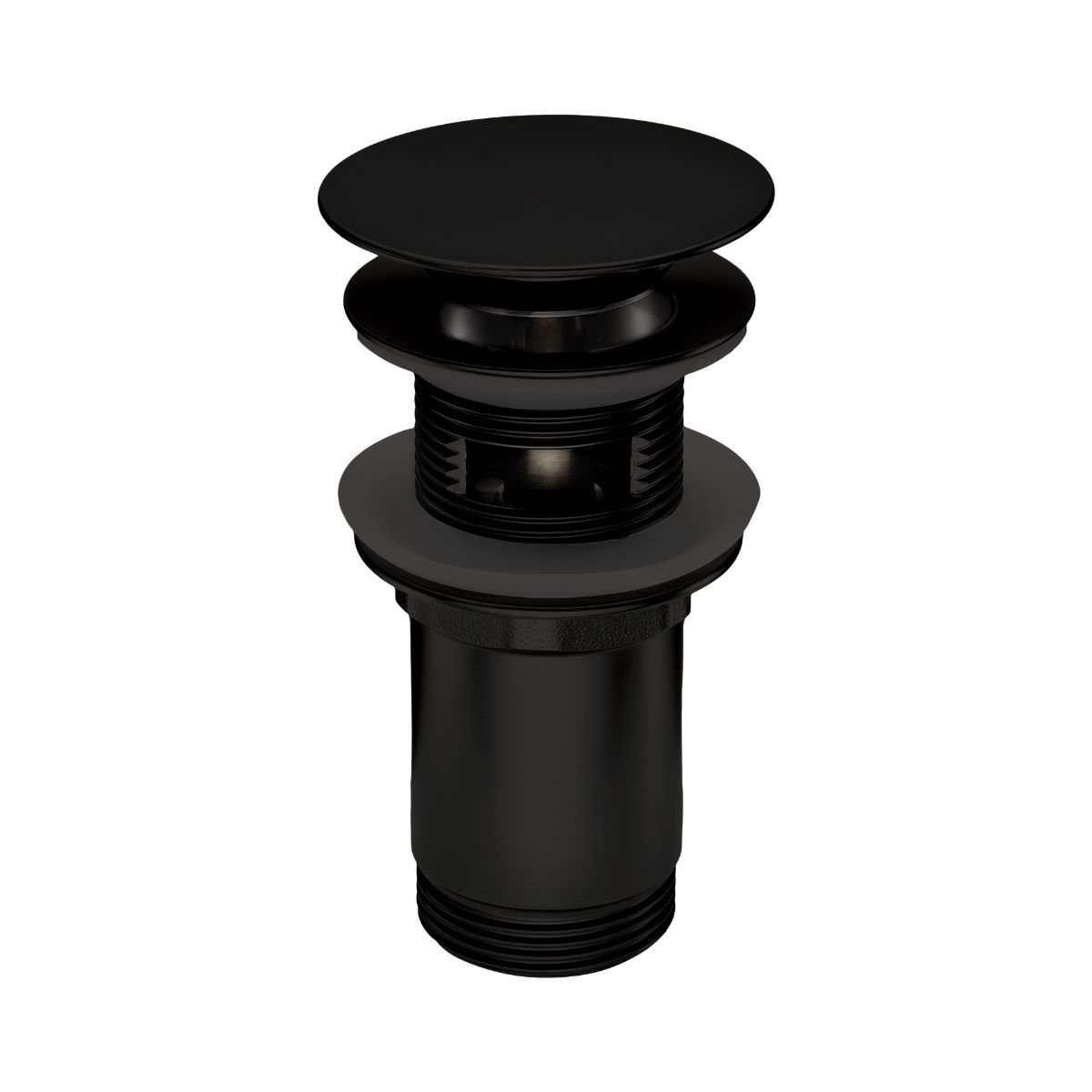 NHC_N10U
Matte black sink drain with Click system 1 1/4"
Supplier stock · 100+ pcs25.43 € 3 × 8.48 € -
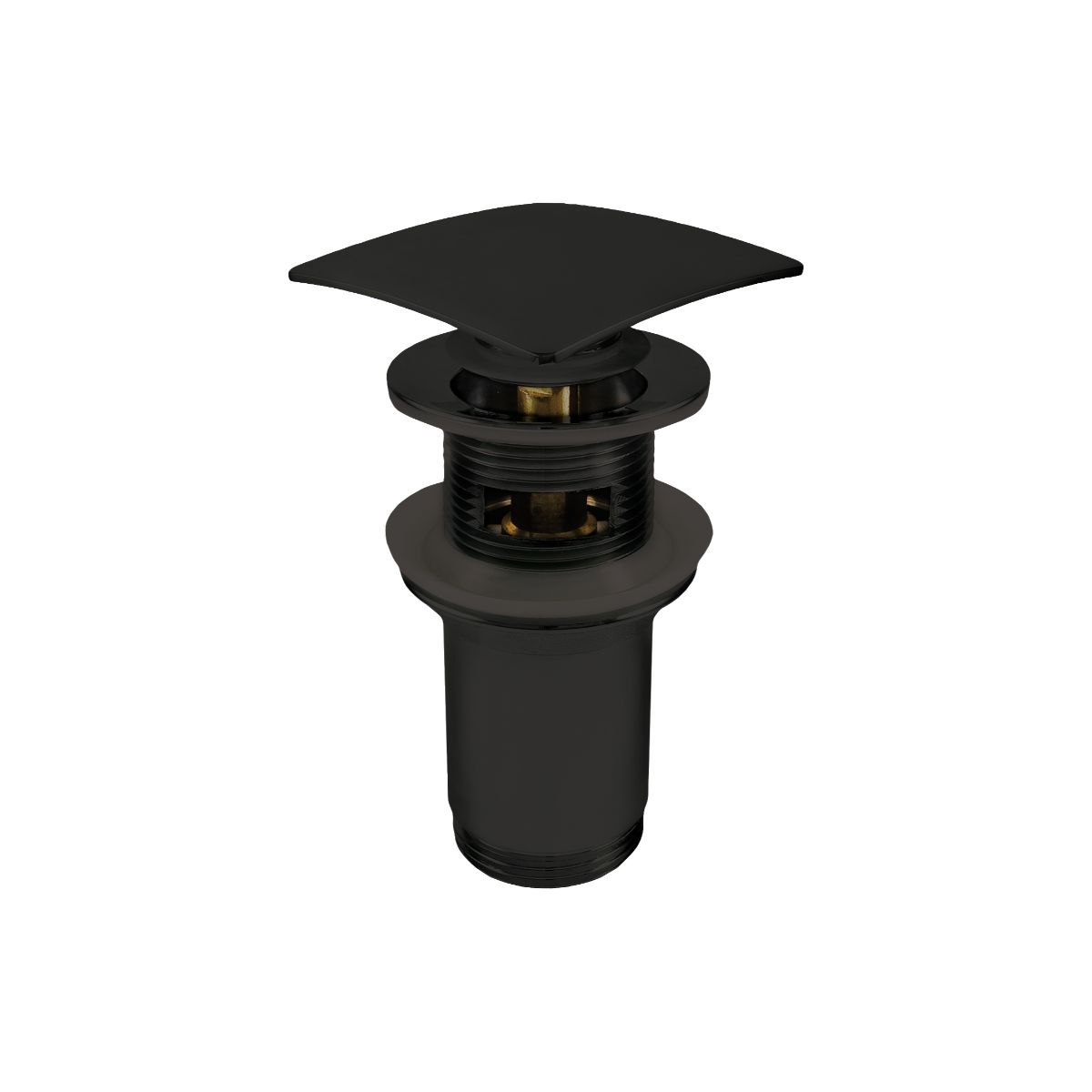 NHC_N11U
Matte black sink drain with Click system 1 1/4", square
Supplier stock · 100+ pcs25.43 € 3 × 8.48 € -
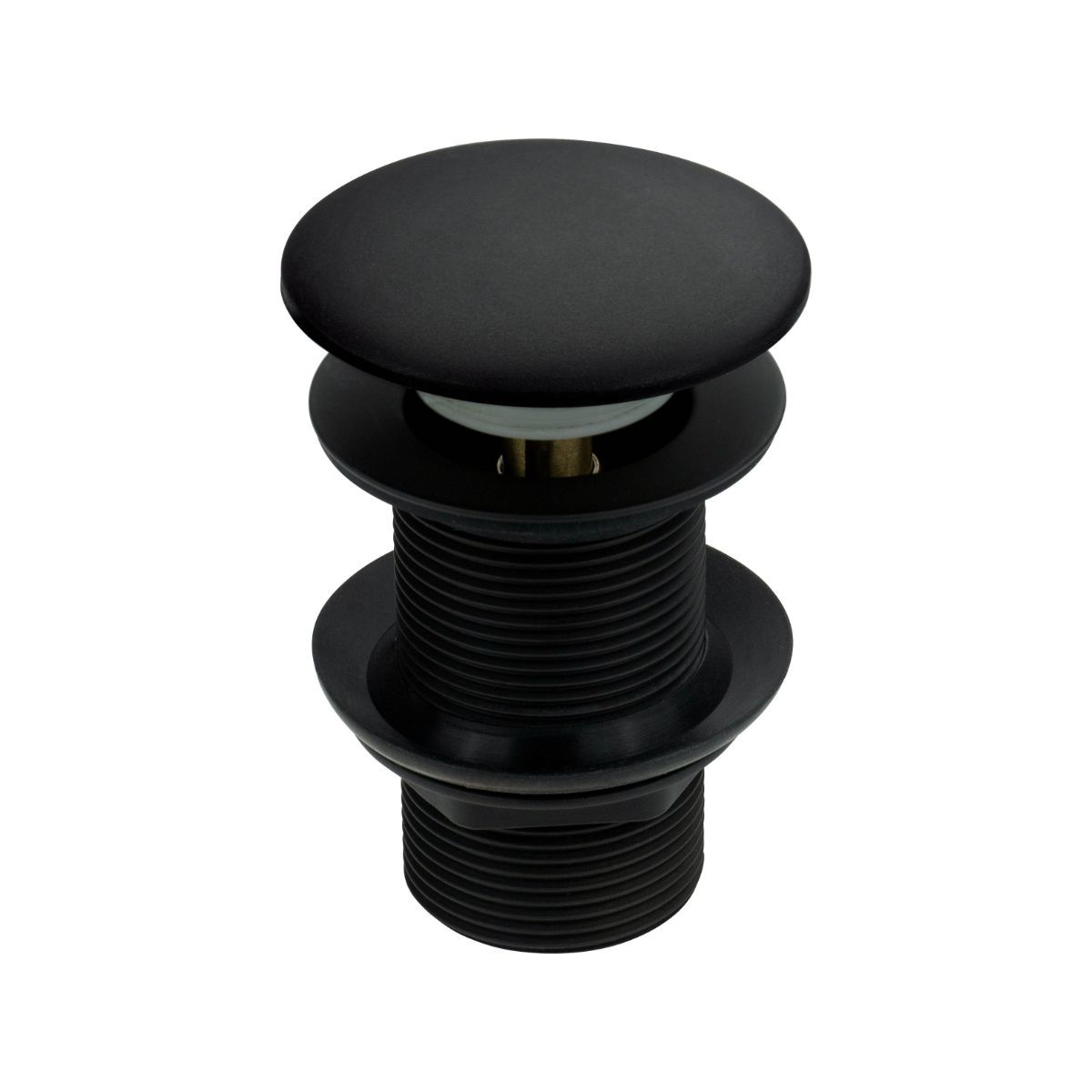 NHC_N12A
Matte black sink drain with Click system 1 1/4", with composite cover
Available to order37.10 € 3 × 12.37 € -
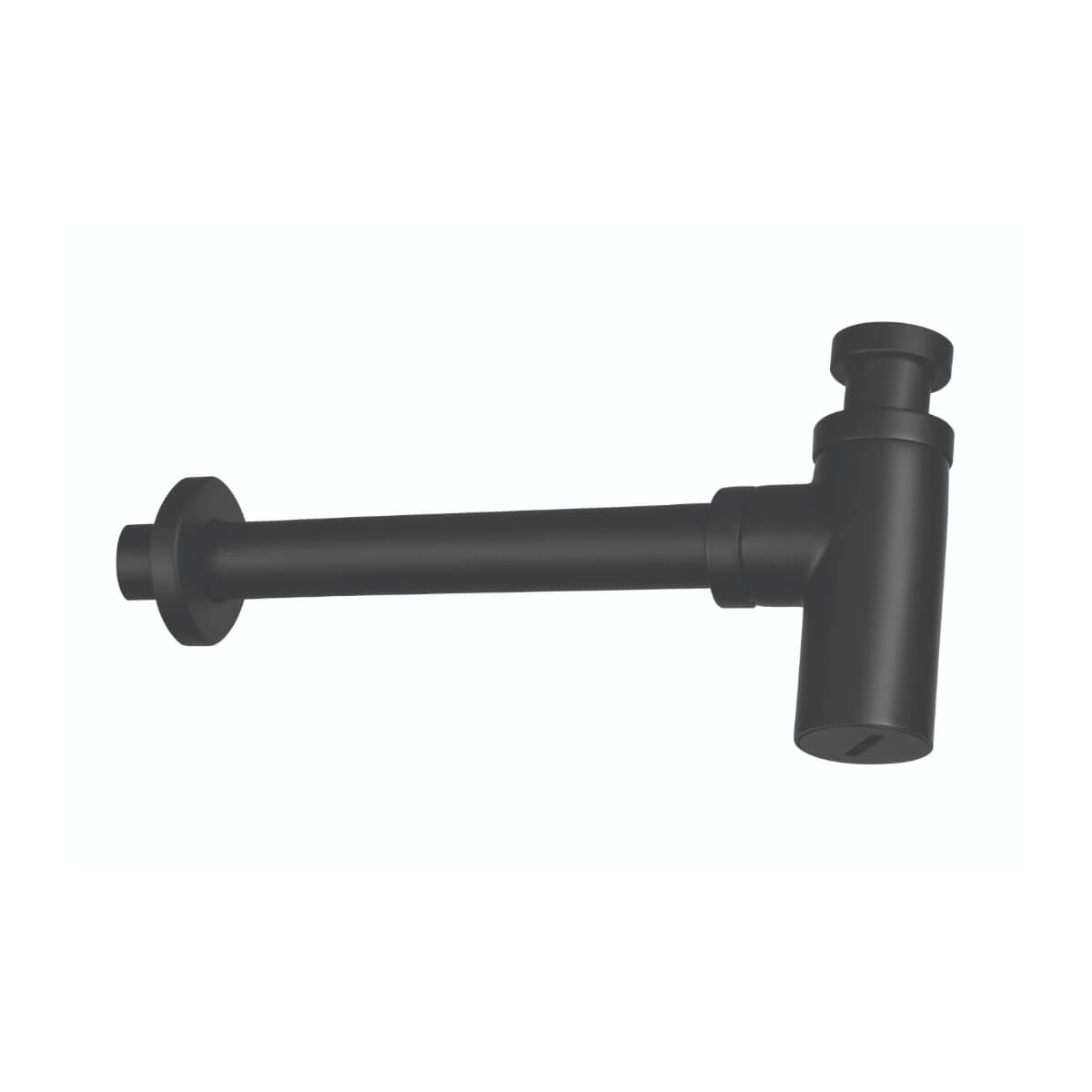 NHC_B31K
Sink siphon Lux 1 1/4″, black brass
Supplier stock · 100+ pcs72.11 € 3 × 24.04 € -
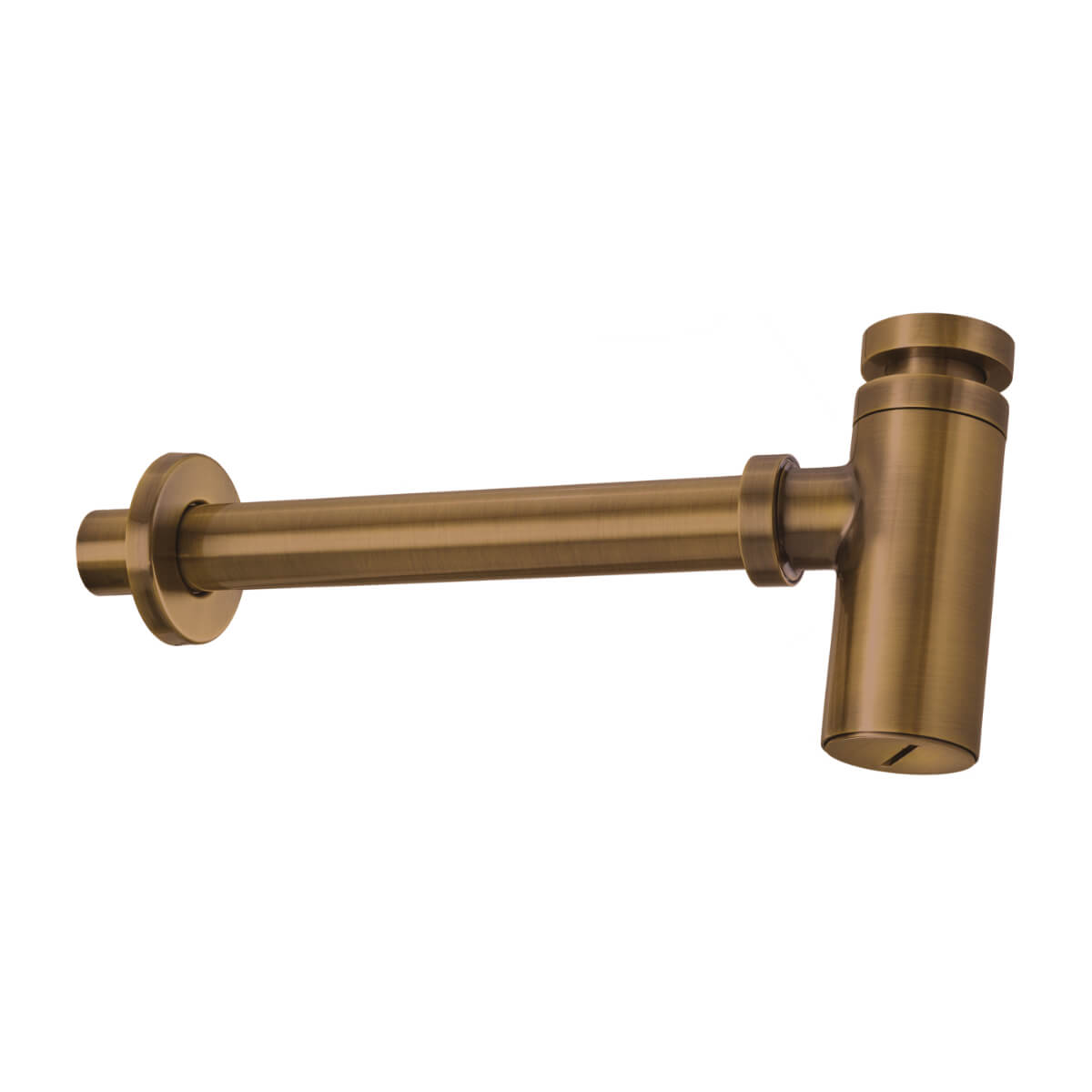 NHC_C31K
Sink siphon Lux 1 1/4″, brushed bronze brass
Available to order79.11 € 3 × 26.37 € -
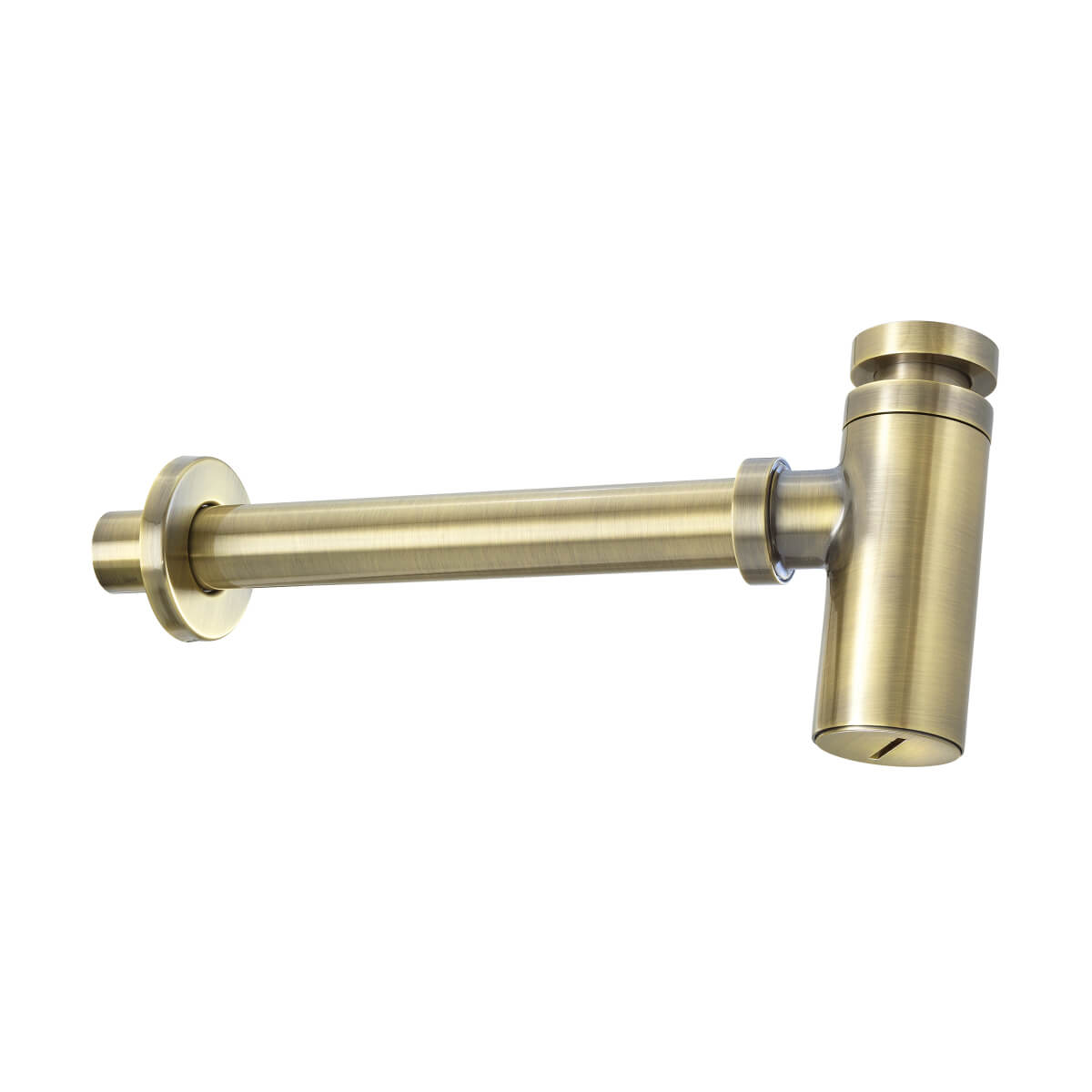 NHC_M31K
Sink siphon Lux 1 1/4″, brushed copper brass
Supplier stock · 10 pcs74.44 € 3 × 24.81 € -
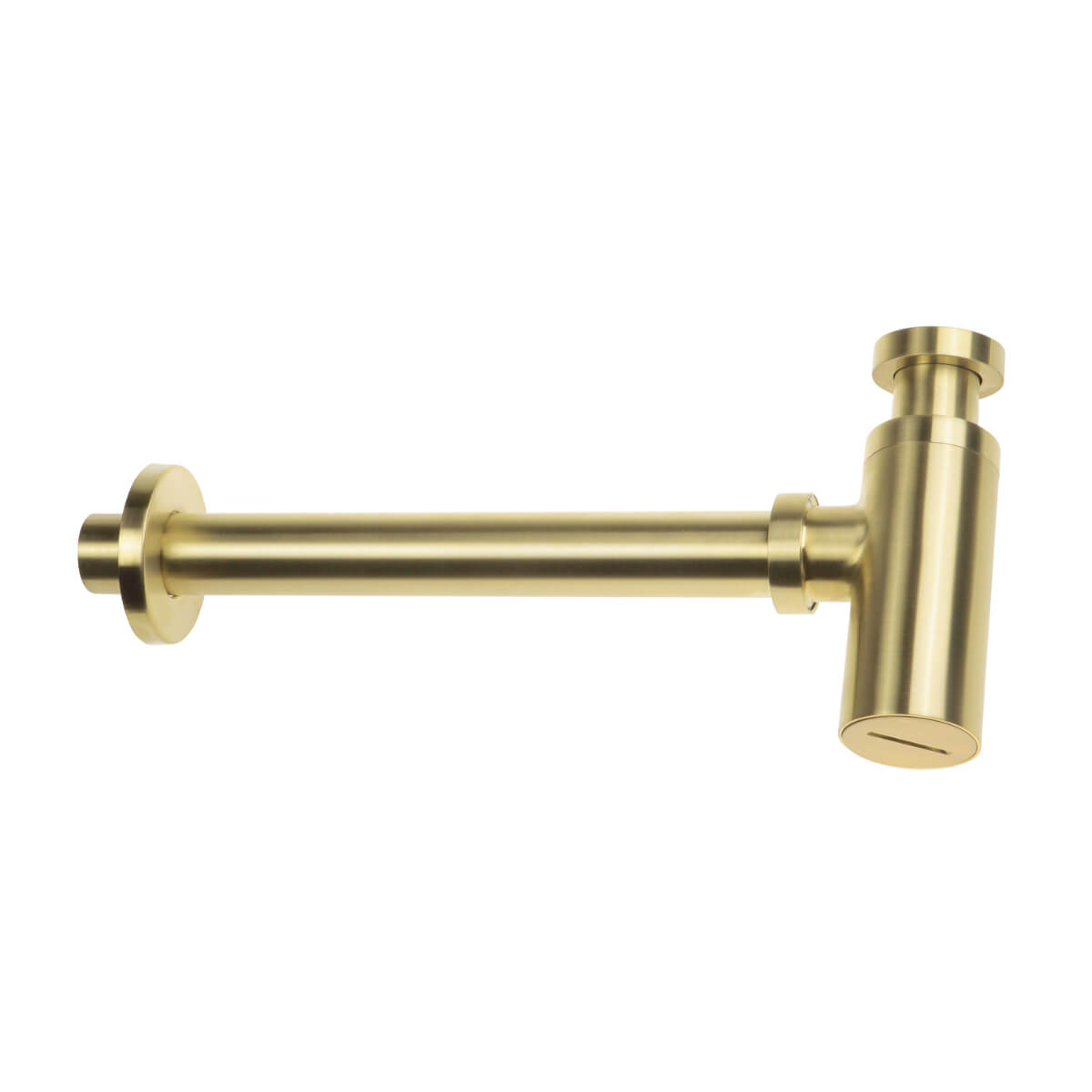 NHC_R31K
Sink siphon Lux 1 1/4″, brushed gold brass
Supplier stock · 100+ pcs79.11 € 3 × 26.37 € -
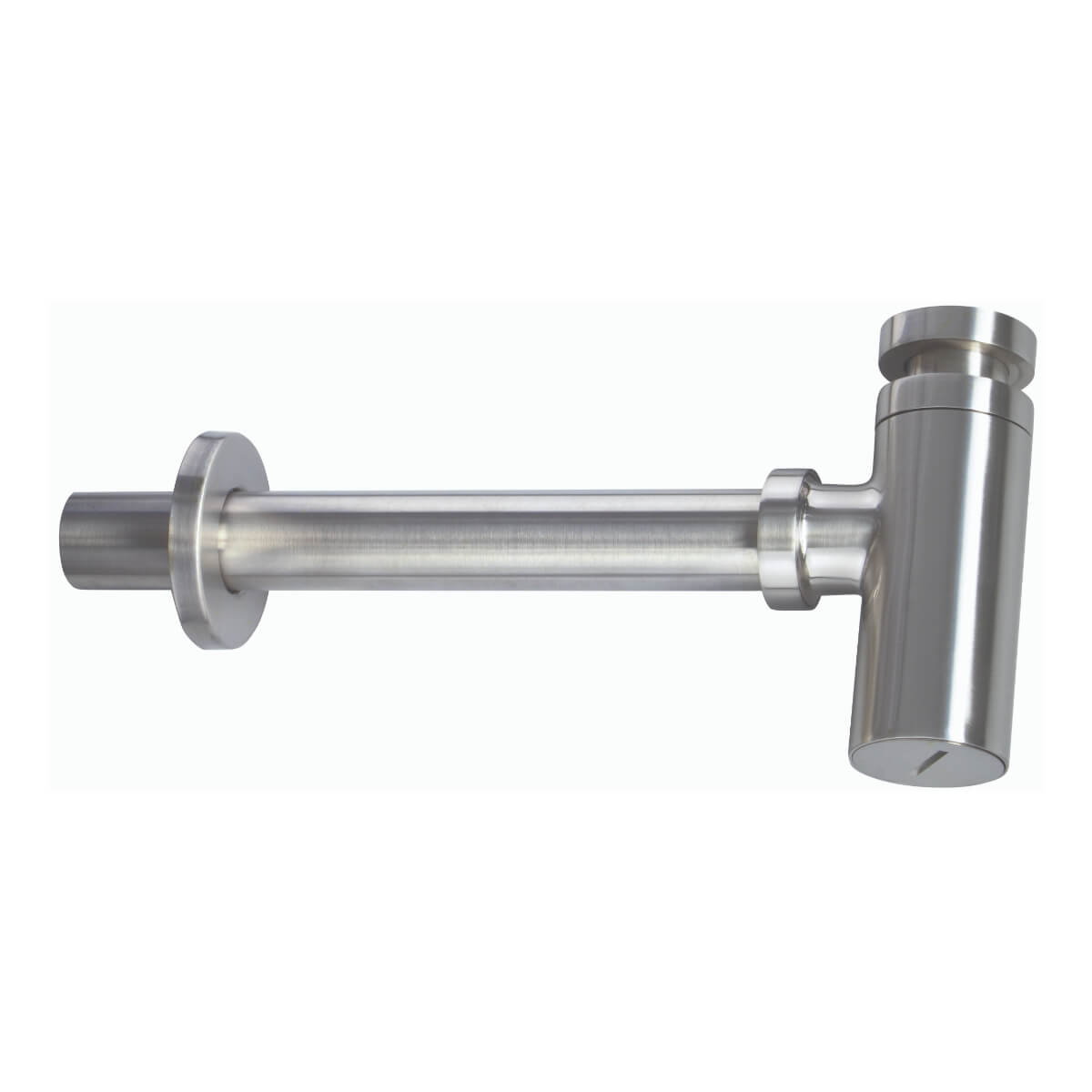 NHC_F31K
Sink siphon Lux 1 1/4″, brushed steel brass
Available to order74.44 € 3 × 24.81 € -
SOODUS -10%
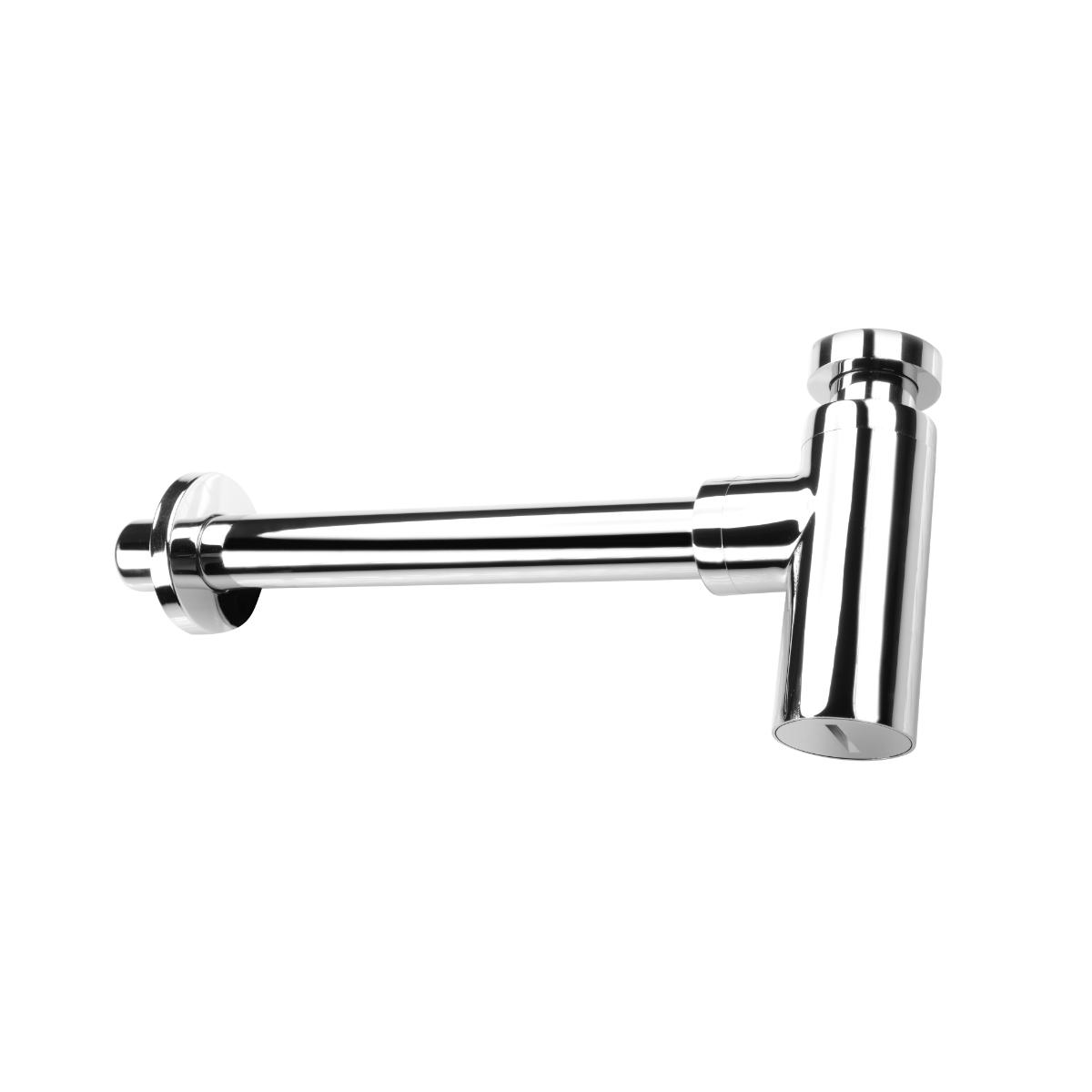 NHC_031K
Sink siphon Lux 1 1/4″, chrome-plated brass
Supplier stock · 100+ pcsOriginal price was: 62.00 €.55.90 €Current price is: 55.90 €. 3 × 18.63 € -
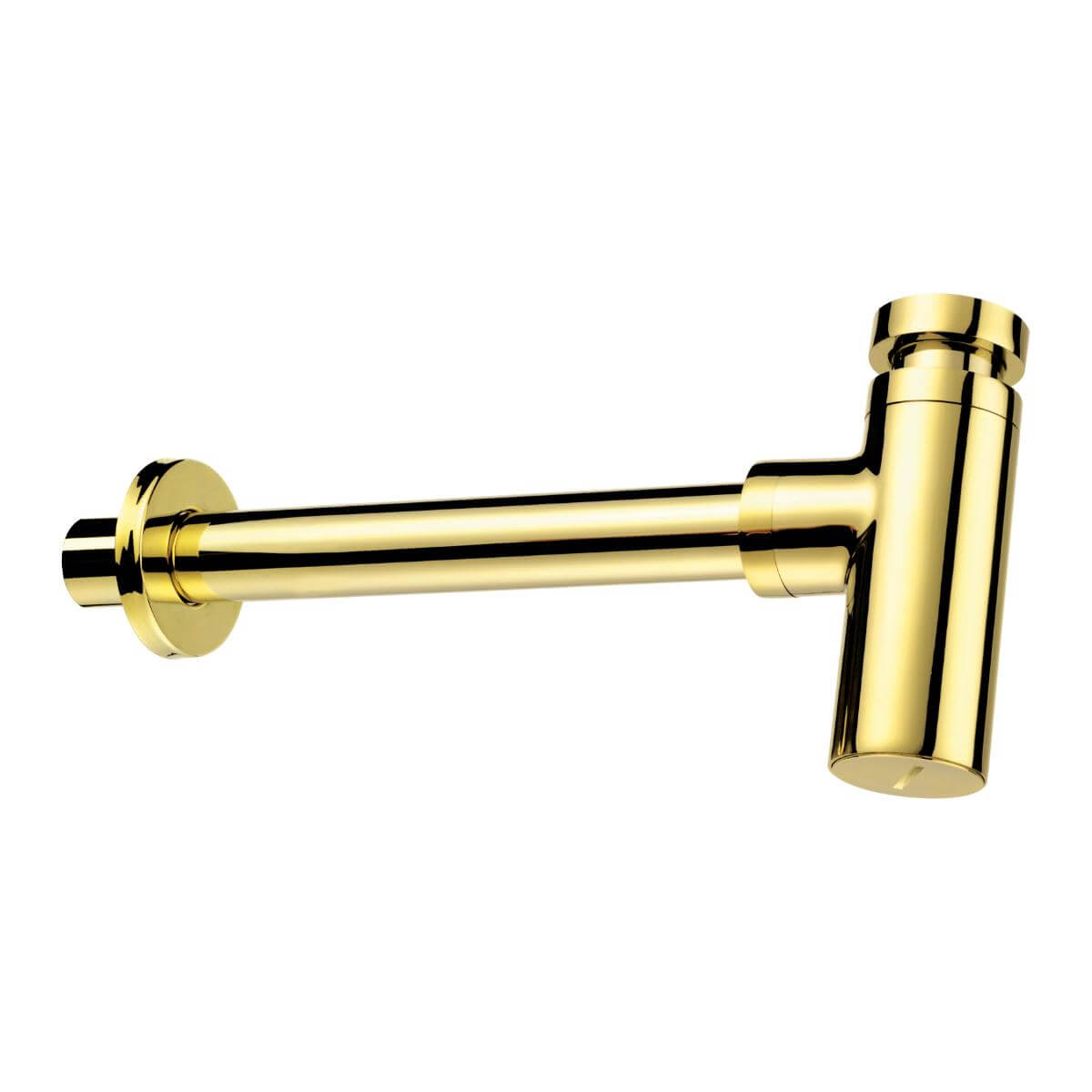 NHC_Z31K
Sink siphon Lux 1 1/4″, gold chrome brass
Supplier stock · 100+ pcs69.77 € 3 × 23.26 € -
 NHC_D31K
Sink siphon Lux 1 1/4″, titanium brass
Supplier stock · 8 pcs72.11 € 3 × 24.04 €
Continue where you left off
Imagine this: you walk into your beautiful, newly renovated bathroom after a long day at work, but you’re greeted not by the smell of fresh cleanliness, but by an unpleasant and disturbing sewer smell. How is this possible? Most often, the answer lies in one small but critical plumbing detail that often goes unnoticed – the siphon . This seemingly simple piece of pipe under the sink is the real hero of your home, preventing both bad odors and blockages in the pipes. As a homeowner, sooner or later you will encounter the need to replace or maintain this important detail. Whether you’re doing a major kitchen renovation or simply want to update your guest toilet, choosing and maintaining the right siphon is a vital skill. In this comprehensive guide, we’ll break down how this clever device works, what different models are available on the market, and how to choose the perfect trap for both your new bathroom sink and your demanding kitchen sink . We also provide practical advice for independent installation and regular maintenance to ensure your plumbing works flawlessly for years. What is a Siphon and Why Is It Indispensable in Your Home? At first glance, looking under the sink, it might seem like the water could flow straight into the sewer – why is there this strange bent or bottle-shaped pipe built in between? In fact, the siphon (also known as a stink trap in the vernacular ) is one of the smartest inventions in the history of plumbing, fulfilling several indispensable roles in your household. The working principle of a siphon or stink trap The principle of operation of a siphon is based on a simple but ingenious law of physics – the water trap. Regardless of the design of sink siphons , they all have one thing in common: their shape is designed in such a way that after the water is drained, a small amount of water is always retained in the system. This water forms a physical plug, or water trap, in the plumbing. This water plug separates the clean air in your living space directly from the sewage system, where methane and other unpleasant-smelling, sometimes even toxic gases are produced. Without a proper sink drainage system and water trap, these gases would flow directly into your room. Unique perspective: Many homeowners are unaware that when they leave home for an extended vacation (for example, for several weeks or months), the water in the guest bathroom siphon can simply evaporate. When the water trap disappears, the smell of sewage freely enters the room. A simple trick is to pour a drop of cooking oil into each drain before a long trip – this creates a thin film on the surface of the water, preventing water from evaporating. How a siphon protects the health of your home In addition to stopping odors, a trap is also the first line of defense against lost items and major blockages. If you accidentally drop your wedding ring down the drain in the bathroom, it won't immediately rush into the main sewer, but will mostly remain at the bottom of the trap . It also traps most of the hair, toothpaste residue, and food particles in the kitchen. While this means you have to deal with regular trap cleaning , it's many times cheaper and easier than having an expensive plumbing service unclog a deep-seated blockage. Different Types of Siphons and Their Uses When you go to a hardware store, you'll be greeted by a variety of solutions – plastic, metal, tubular, and bottle-shaped. Choosing the right product directly depends on where you're installing it and how much free space you have under the cabinet. Bottle Siphon – Classic and Practical The most common type in Estonian homes is undoubtedly the bottle siphon . As the name suggests, its lower part resembles a small bottle or cup. Water flows in from above, fills the lower part of the bottle and is then forced out into the sewer through a side pipe located higher up. Its biggest advantage for the homeowner is the ease of maintenance. Cleaning the siphon is a breeze with the bottle model: all you need to do is unscrew the bottom cap (by placing a small bowl underneath beforehand) to remove any dirt that has accumulated there or any jewelry that has fallen in. Visually more beautiful, chrome-plated metal bottle siphons are ideal for places where the base of the sink remains open (for example, in the case of designer sinks). Torus siphon (U-shaped) – Space-saving and fast A torus siphon (often U- or S-shaped) is a continuous pipe bent with smooth curves. Their main advantage is a very smooth water flow. Since there are no sharp corners and a "bottle" bottom, dirt is washed through much more easily. They are ideal for under kitchen sinks , where the water contains a lot of grease and food debris, which could otherwise quickly clog the bottle siphon. The U-shaped design is also often able to self-clean better than other models. The disadvantage is that they take up more space in depth and in the event of a blockage, the entire pipe must be disconnected, not just one plug. Specific solutions: Bathtubs and washing machines Some situations require a special approach. For example, a classic bottle will not fit under a bathtub or shower tray, so special low siphons are installed there. Many modern models also have an additional inlet for connecting the drain of a washing machine or dishwasher. There is also a flexible pipe (bellows pipe), which is used only in extreme cases, when the sewer pipe is placed inside the wall at a very inconvenient angle. But it is worth remembering: grease and dirt accumulate between the ribs of a flexible pipe the fastest, causing blockages in the pipeline more often . How to Choose the Right Siphon for Different Rooms? Each room in your home has different demands on plumbing. What works perfectly in the bathroom may not hold up at all in the kitchen. Bathroom sink and its specifics In the bathroom, the main causes of concern are hair, shaving cream and soap scum, which tend to stick to the walls of the pipes. If you have chosen a stylish and new bathroom sink for your home , you definitely want the technology underneath it to be just as functional. A bottle siphon is perfect for the bathroom . If the sink is mounted on the wall and the pipes are visible, invest in a chrome-plated brass siphon – it is durable and looks luxurious. However, if the sink is located in a cabinet with drawers, you should pay attention to space-saving models. They direct the water directly from under the sink to the wall, and only there is the water trap part. This ingenious solution allows you to carry out the bathroom plumbing so that the top drawer of the cabinet does not need a large cutout for the pipe. Kitchen sinks and food waste challenges The kitchen is the workshop of every home. Modern kitchen sinks have to cope with large volumes of water, hot grease and food particles. Therefore, installing a kitchen sink also requires a larger and higher-capacity siphon, usually a smooth U-shaped pipe siphon with a diameter of 40 mm or 50 mm (in the bathroom it is often 32 mm). For the kitchen, it is extremely important to choose a model that has the necessary additional nozzles (connection ends). If you have a dishwasher, its drain hose should be connected directly to the sink siphon. This saves you from having to build a separate sewer connection. If you are installing a double-bowl sink, you need a double siphon that seamlessly connects the drains of both bowls into one whole. Space-saving siphons for narrow cabinets Unique solution: One of the most common frustrations among homeowners is installing a waste bin system in a kitchen cabinet, where a huge siphon is in front. The new generation of space-saving sink siphons is designed so that the water is directed directly from the bottom of the sink vertically towards the back wall of the cabinet. This design leaves the front of the cabinet completely free, allowing you to install bulky sorting bins without making any compromises. Installing a Siphon: Do It Yourself or Call a Plumber? The good news is that replacing a standard siphon is one of the easiest plumbing jobs that the vast majority of homeowners can do themselves. It doesn't require any special knowledge or expensive tools. Required tools and preparation Installing plumbing under a sink requires only a little preparation. You will need: A bucket or shallow bowl (to collect old water). Handkerchief and paper. A flashlight (it's always dark under the cupboard). If necessary, use a pipe wrench, although most plastic parts are designed to be tightened by hand. You don't even need to turn off the main tap in your apartment before you start working, as you won't be touching any pressurized water pipes (unless you're changing the faucet). Just make sure no one turns on the tap while you're working! Step-by-step installation instructions for the do-it-yourselfer Remove the old trap: Place a bucket directly under the trap. Loosen the nuts that connect the trap to the sink drain valve and the drain pipe. Be prepared for smelly water and filth to come out of the pipe. Clean the connections: Carefully clean the end of the sewer pipe coming from inside the wall and the thread under the sink. The new gasket needs a clean surface to seal tightly. Install new gaskets correctly: When assembling a new siphon , the position of the gaskets is critical. The tapered (conical) gaskets must always face the sharper end of the pipe connection, not the nut! Hand tightening: Connect the parts together. Very important: Plastic nuts should generally only be tightened by hand! Using pliers can easily crack the plastic or overtighten the thread, leading to inevitable leakage. Leak Check: Once everything is together, place dry paper towels under the joints and let the water run. If the paper stays dry, you've done a great job! Siphon Cleaning and Maintenance: Prevent Clogs In order for your sink drain to work perfectly, it needs regular attention. Timely plumbing maintenance will prevent you from having to wash dishes in stagnant water. Natural vs. Chemical Cleaning Products If you notice that the water is starting to drain more slowly, your first instinct is to grab a strong chemical drain cleaner from the store. However, as a homeowner, you should know that the constant use of harsh chemicals will damage the rubber seals of the siphon in the long run, making them brittle and causing leaks. What’s more, gels poured into grease in the kitchen can form hard soapy blockages that are impossible to remove later. Try natural solutions first. Pour half a cup of baking soda down the drain, followed by half a cup of vinegar. Let the mixture (which will start to foam up) sit for 15-20 minutes, then rinse with plenty of hot (not boiling!) water. This method dissolves soap residue and kills bacteria, effectively removing the smell of sewage . How to remove and clean the odor trap? If home remedies no longer help, the best method is mechanical cleaning. Put a bucket under the sink. For a bottle siphon, simply unscrew the bottom cap. Remove any hair, grease or coffee grounds that have accumulated there. Wash the loose part under warm water (preferably in another sink). Make sure the rubber O-ring is clean in place and screw the cap back on. This simple operation, which takes less than 5 minutes, restores 100% of the normal flow of water. Quick Summaries A water trap is vital: The main purpose of a siphon is to keep water in your pipe bend to stop toxic sewer gases from entering your home. Choose the right type: An easy-to-clean bottle siphon is suitable for the bathroom, while a pipe siphon that better passes grease and food waste is suitable for the kitchen. Think about space: Space-saving models that route the pipe directly against the wall leave much more valuable storage space in the sink cabinet or kitchen cupboard. Avoid chemicals: Constantly using a strong pipe cleaner will damage rubber seals. Prefer baking soda and vinegar or mechanical cleaning. Easy DIY: Installing a new stink trap is a quick and easy project, but remember – always tighten the plastic nuts by hand only, not with pliers! Frequently Asked Questions (FAQ) Why does my bathroom constantly smell like sewage? The most likely cause is that the water in your trap has either evaporated (for example, in a sink that is rarely used) or the trap is installed incorrectly so that a strong flow of water draws the water trap empty (the so-called vacuum effect). The seals may also be old, allowing the smell to pass through. Can I use flexible bellows everywhere? Flexible bellows is convenient for installing pipes in tight spaces, but it should only be used as a last resort. Dirt, grease and hair quickly accumulate between the folds of the bellows, causing constant blockages in the pipes . What to do if the water drains very slowly in the sink? The first step is to try natural siphon cleaning (soda and hot water). If that doesn't work, put a bucket under the sink, unscrew the bottom of the bottle siphon and clean it mechanically to remove any dirt that has accumulated there. Also clean the cross by the drain opening. Is the same siphon used in the kitchen and bathroom? No, as a rule they are different. In the kitchen, the standard diameter of drain pipes is often 50 mm to cope with the larger volume of water and grease, and pipe siphons are preferred. In the bathroom, 32 mm or 40 mm bottle siphons are common, which effectively trap hair and smaller objects. How often should you replace a siphon? A good quality plastic or chrome-plated metal siphon can last 10-15 years. It only needs to be replaced if the plastic has become very brittle, the threads are worn and no longer hold water, or if you are replacing a sink and the old system is no longer compatible with the new one.