
Facade cladding and material.
Facade cladding and material are a building's calling card and a protective layer in one. A correctly chosen solution will withstand moisture, cold, UV radiation and temperature fluctuations…
-
OTSAS
 5300862
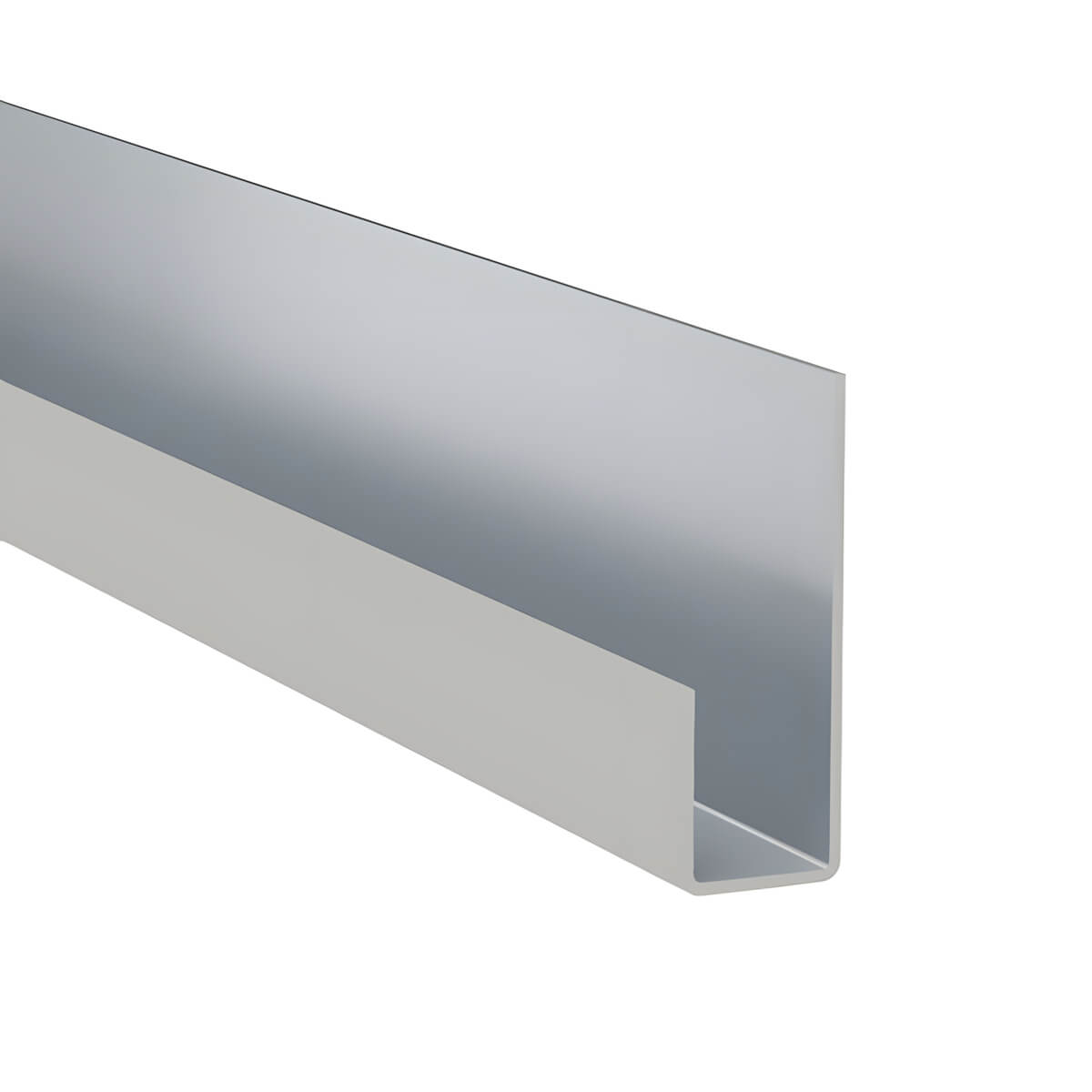
Painted aluminum J-profile Hardie VL MetalTrim slate gray 3000 mm, 10 pcs.
Out of stock440.86 € 3 × 146.95 € -
OTSAS
 5300861
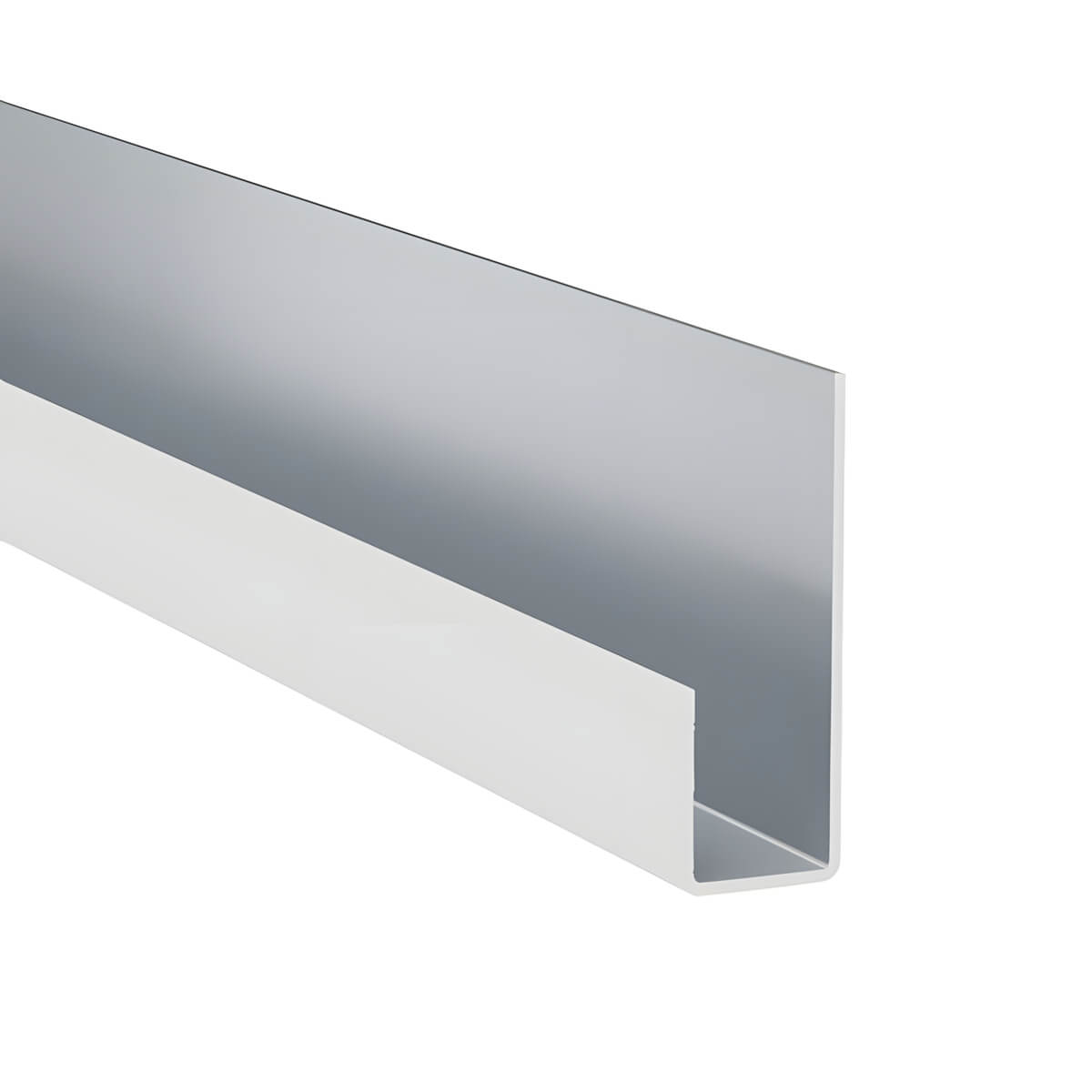
Painted aluminum J-profile Hardie VL MetalTrim snow white 3000 mm, 10 pcs
Out of stock440.86 € 3 × 146.95 € -
SOODUS -15% LAOTOODE
 4031364
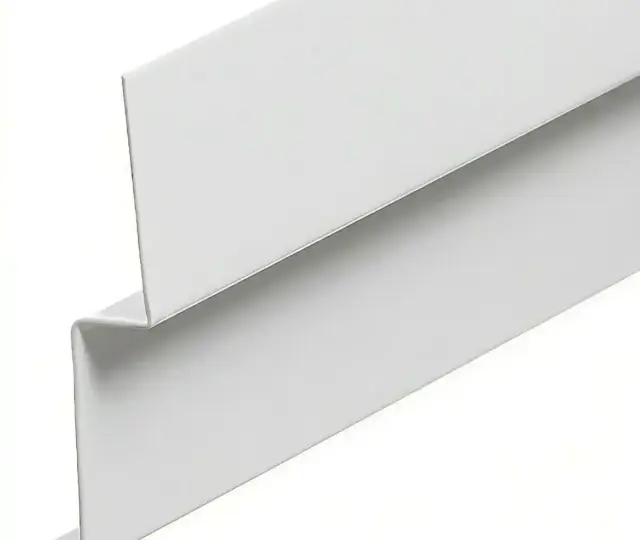
Painted aluminum starting profile Cedral LAP C01 White, 3000mm, 4031364
40 in stockOriginal price was: 30.96 €.26.31 €Current price is: 26.31 €. 3 × 8.77 € -
SOODUS -15% LAOTOODE
 4031365
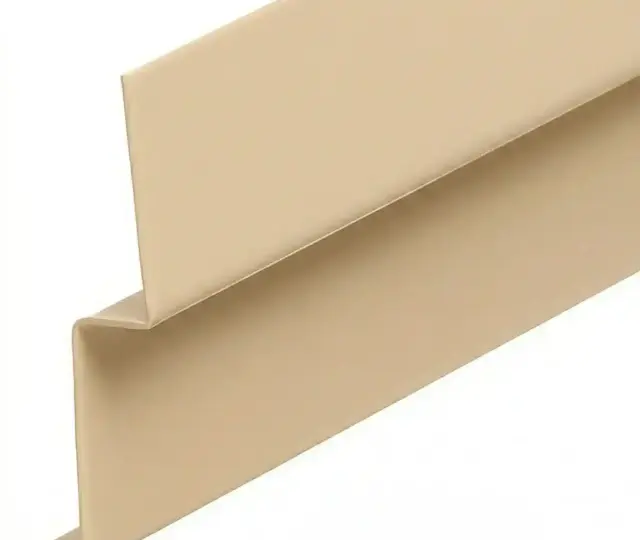
Painted aluminum starting profile Cedral LAP C02 Vanilla White, 3000mm, 4031365
12 in stockOriginal price was: 30.96 €.26.31 €Current price is: 26.31 €. 3 × 8.77 € -
SOODUS -15% LAOTOODE
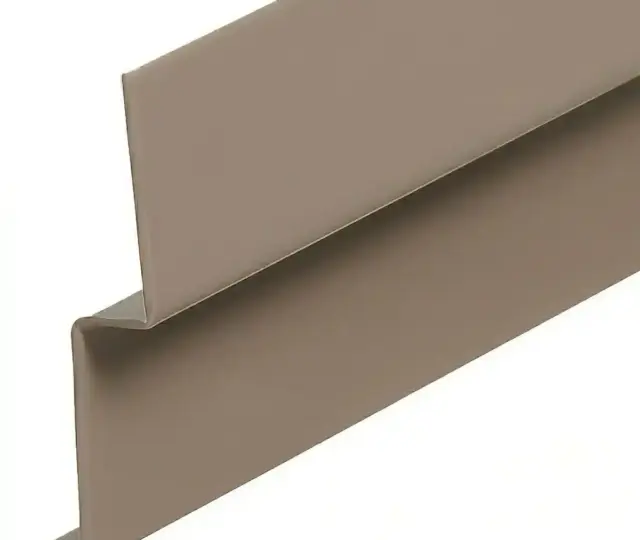 4031366
Painted aluminum starting profile Cedral LAP C03 Clay Brown, 3000mm, 4031366
20 in stockOriginal price was: 30.96 €.26.31 €Current price is: 26.31 €. 3 × 8.77 € -
SOODUS -15% LAOTOODE
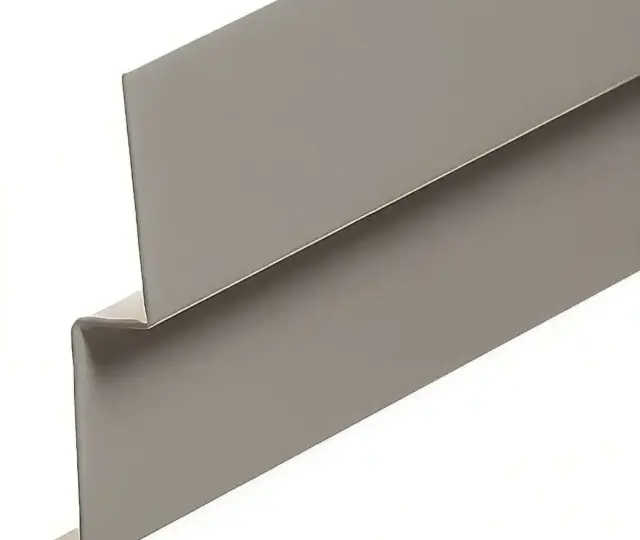 4031368
Painted aluminum starting profile Cedral LAP C05 Platinum Grey, 3000mm, 4031368
33 in stockOriginal price was: 30.96 €.26.31 €Current price is: 26.31 €. 3 × 8.77 € -
SOODUS -15%
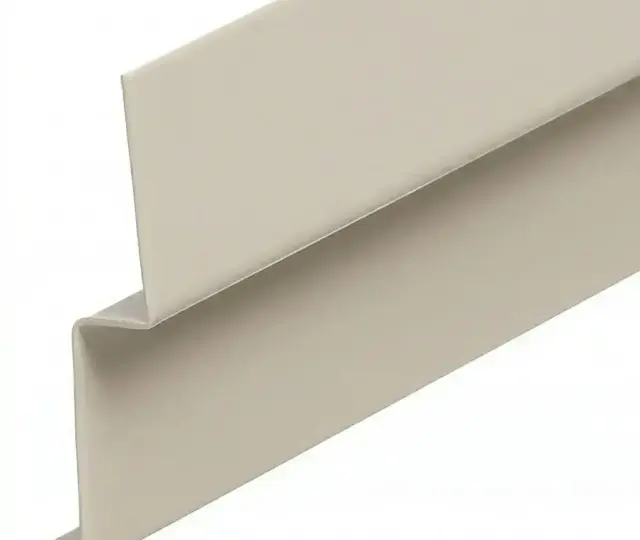 4031370
Painted aluminum starting profile Cedral LAP C07 Chalk White, 3000mm, 4031370
Available to orderOriginal price was: 30.96 €.26.31 €Current price is: 26.31 €. 3 × 8.77 € -
SOODUS -15%
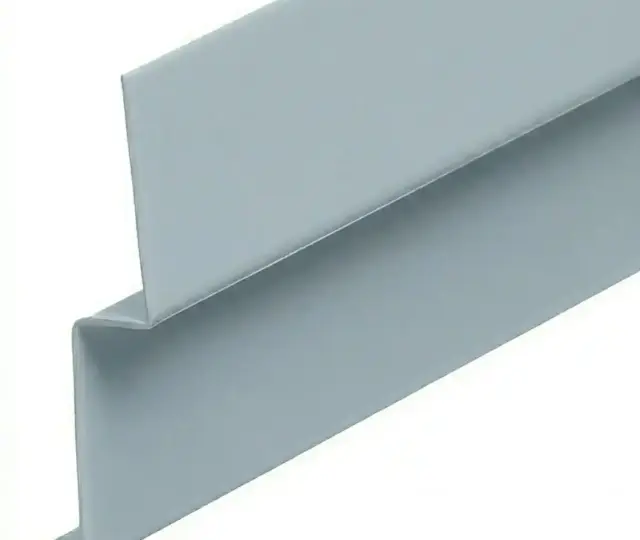 4031373
Painted aluminum starting profile Cedral LAP C10 Sky Blue, 3000mm, 4031373
Available to orderOriginal price was: 30.96 €.26.31 €Current price is: 26.31 €. 3 × 8.77 € -
SOODUS -15%
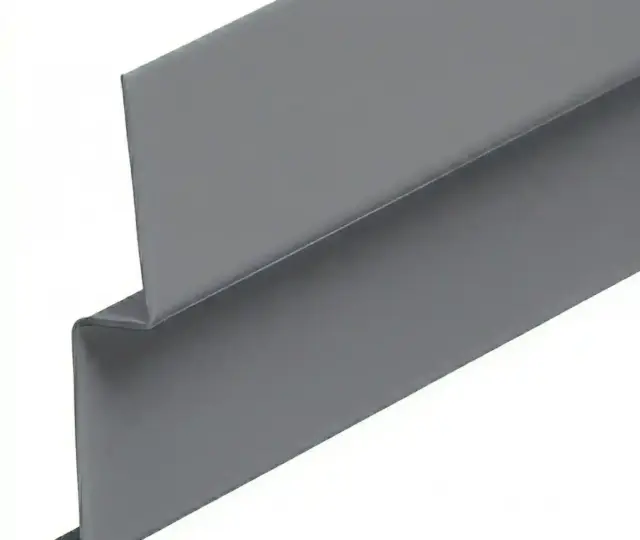 4031378
Painted aluminum starting profile Cedral LAP C15 Steel Grey, 3000mm, 4031378
Available to orderOriginal price was: 30.96 €.26.31 €Current price is: 26.31 €. 3 × 8.77 € -
SOODUS -15% LAOTOODE
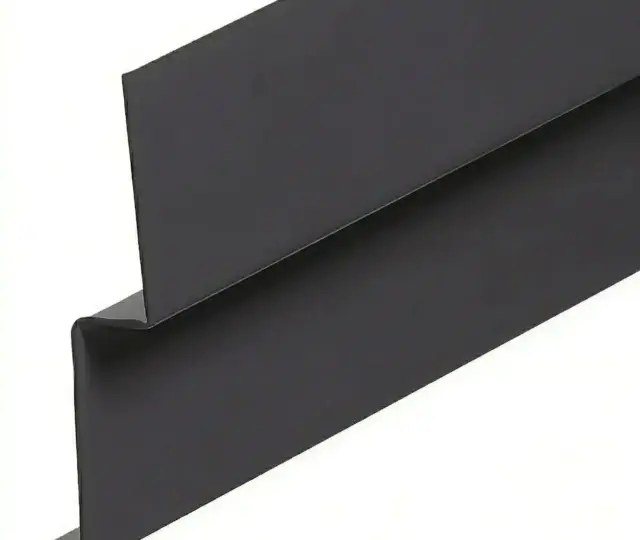 4031381
Painted aluminum starting profile Cedral LAP C18 Slate Grey, 3000mm, 4031381
20 in stockOriginal price was: 30.96 €.26.31 €Current price is: 26.31 €. 3 × 8.77 € -
SOODUS -15%
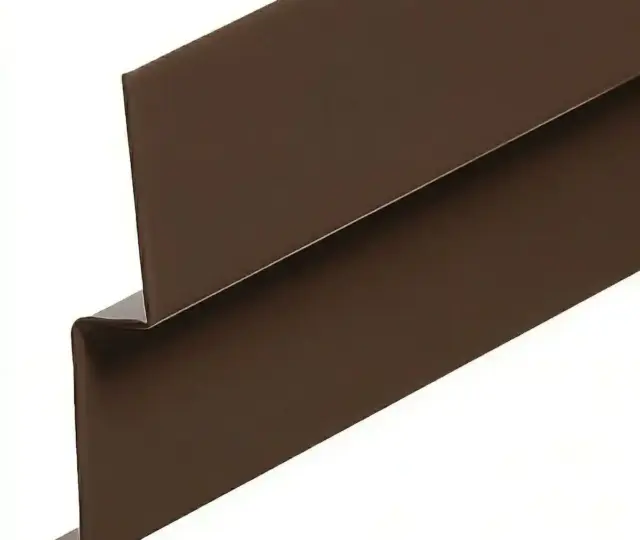 4072836
Painted aluminum starting profile Cedral LAP C21 Walnut Brown, 3000mm, 4031383
Available to orderOriginal price was: 30.96 €.26.31 €Current price is: 26.31 €. 3 × 8.77 € -
SOODUS -15%
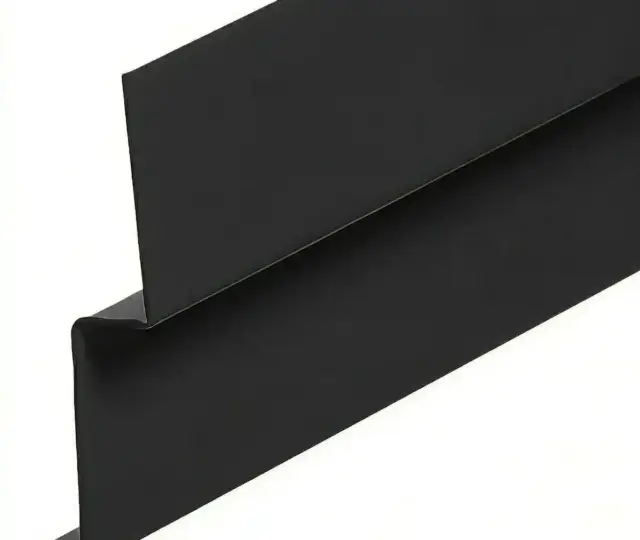 4031388
Painted aluminum starting profile Cedral LAP C50 Black, 3000mm, 4031388
Available to orderOriginal price was: 30.96 €.26.31 €Current price is: 26.31 €. 3 × 8.77 € -
SOODUS -15%
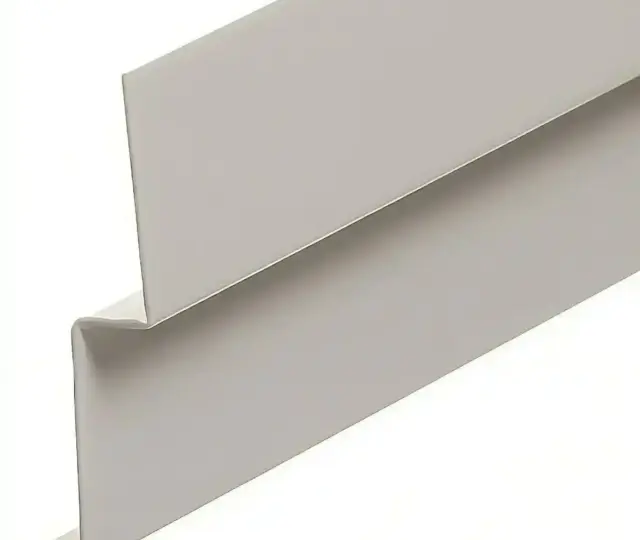 4032567
Painted aluminum starting profile Cedral LAP C51 Silver Grey, 3000mm, 4032567
Available to orderOriginal price was: 30.96 €.26.31 €Current price is: 26.31 €. 3 × 8.77 € -
SOODUS -15%
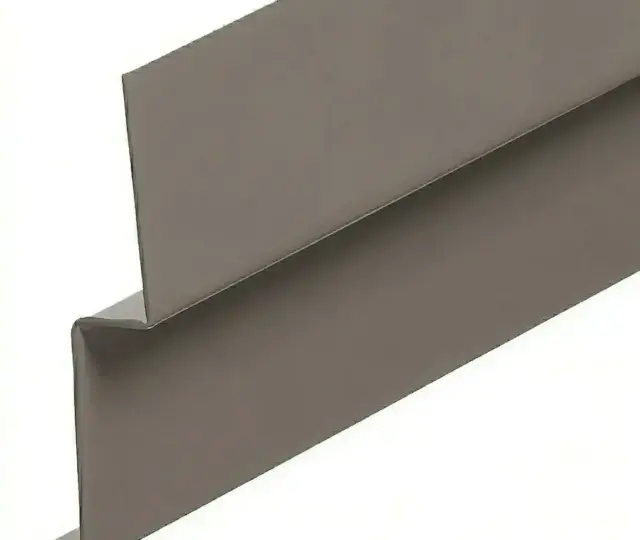 4032568
Painted aluminum starting profile Cedral LAP C52 Pearl Grey, 3000mm, 4032568
Available to orderOriginal price was: 30.96 €.26.31 €Current price is: 26.31 €. 3 × 8.77 € -
SOODUS -15%
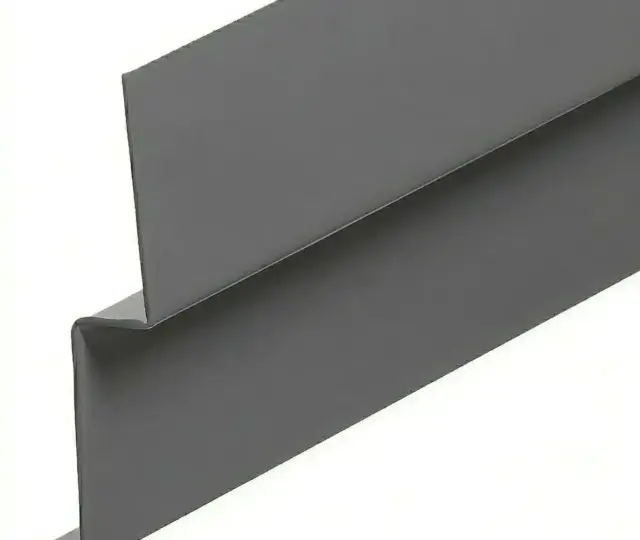 4032570
Painted aluminum starting profile Cedral LAP C54 Pewter Grey, 3000mm, 4032570
Available to orderOriginal price was: 30.96 €.26.31 €Current price is: 26.31 €. 3 × 8.77 € -
SOODUS -15%
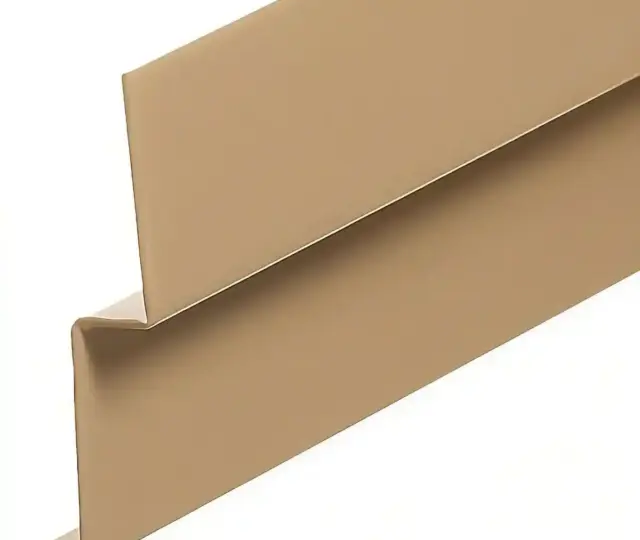 4088850
Painted aluminum starting profile Cedral LAP C71 Sand Yellow, 3000mm, 4051126
Available to orderOriginal price was: 30.96 €.26.31 €Current price is: 26.31 €. 3 × 8.77 € -
SOODUS -15%
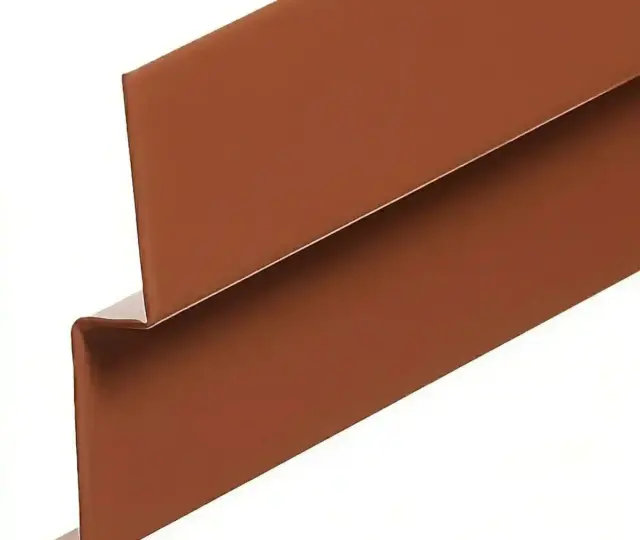 4088860
Painted aluminum starting profile Cedral LAP C72 Brick Red, 3000mm, 4051127
Available to orderOriginal price was: 30.96 €.26.31 €Current price is: 26.31 €. 3 × 8.77 € -
SOODUS -15%
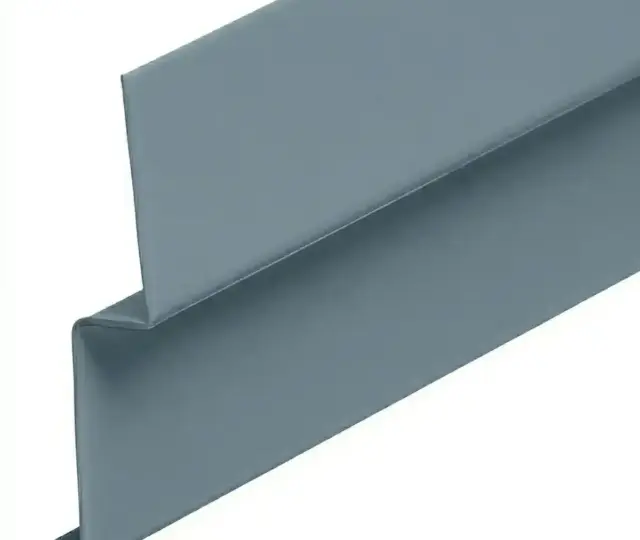 4088870
Painted aluminum starting profile Cedral LAP C73 Ocean Blue, 3000mm, 4051128
Available to orderOriginal price was: 30.96 €.26.31 €Current price is: 26.31 €. 3 × 8.77 € -
SOODUS -15%
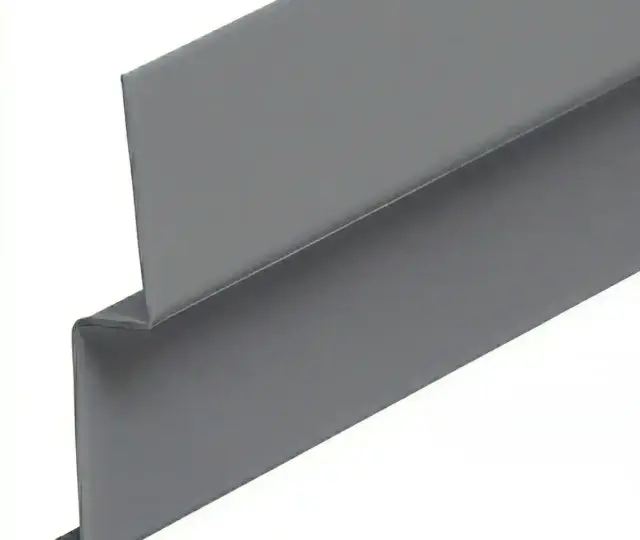 4088880
Painted aluminum starting profile Cedral LAP C74 Basalt Grey, 3000mm, 4051129
Available to orderOriginal price was: 30.96 €.26.31 €Current price is: 26.31 €. 3 × 8.77 € -
SOODUS -15%
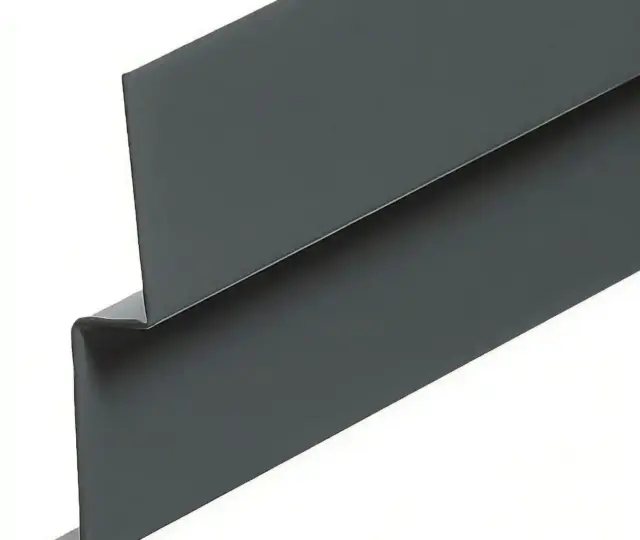 4088890
Painted aluminum starting profile Cedral LAP C75 Metal Green, 3000mm, 4051130
Available to orderOriginal price was: 30.96 €.26.31 €Current price is: 26.31 €. 3 × 8.77 € -
SOODUS -15%
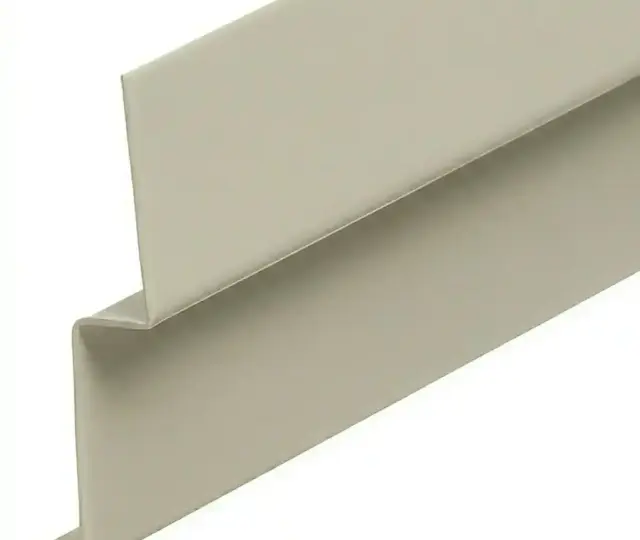 4088899
Painted aluminum starting profile Cedral LAP C76 Tea Green, 3000mm, 4051131
Available to orderOriginal price was: 30.96 €.26.31 €Current price is: 26.31 €. 3 × 8.77 € -
SOODUS -15%
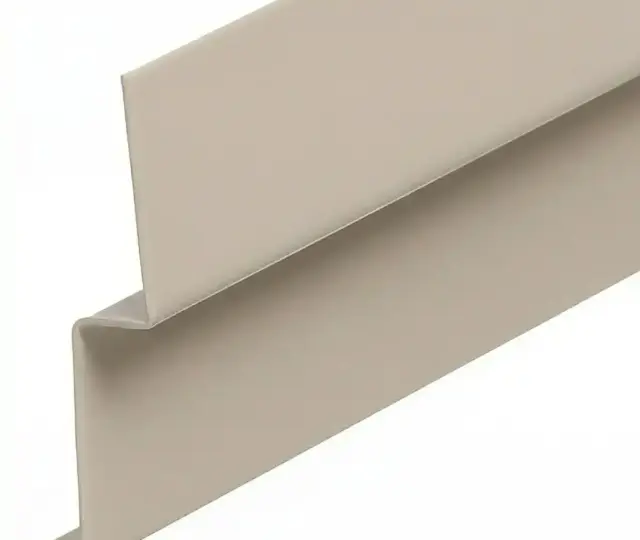 4088909
Painted aluminum starting profile Cedral LAP C77 Pebble Grey, 3000mm, 4051132
Available to orderOriginal price was: 30.96 €.26.31 €Current price is: 26.31 €. 3 × 8.77 € -
SOODUS -15%
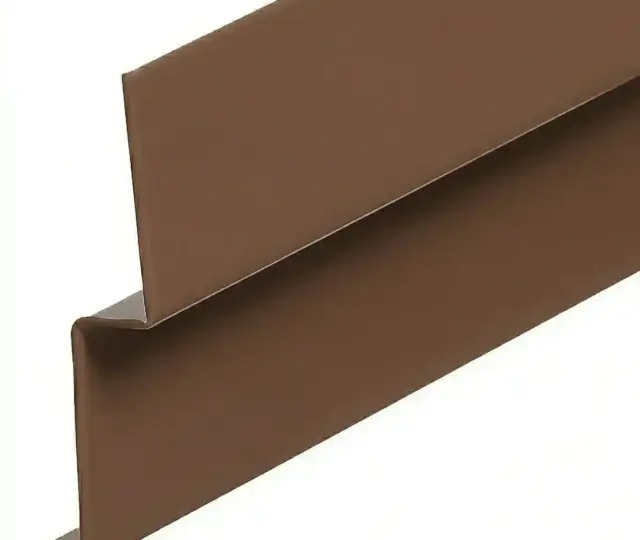 4088919
Painted aluminum starting profile Cedral LAP C78 Cocoa Brown, 3000mm, 4051133
Available to orderOriginal price was: 30.96 €.26.31 €Current price is: 26.31 €. 3 × 8.77 € -
SOODUS -15% LAOTOODE
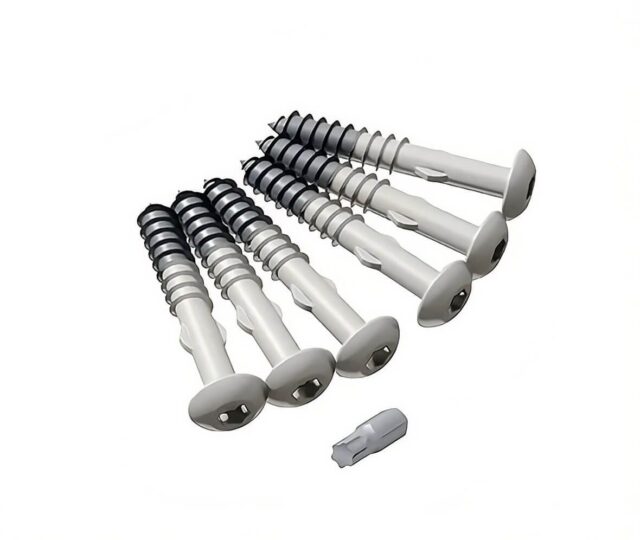 4043161
Painted Cedral siding screws 4.8 x 38 mm C01 White, 100 pcs
700 in stockOriginal price was: 42.36 €.36.01 €Current price is: 36.01 €. 3 × 12.00 €
Continue where you left off
Facade cladding and material are a building's calling card and a protective layer in one. A correctly chosen solution will withstand moisture, cold, UV radiation and temperature fluctuations in the Estonian climate, while keeping the house's appearance presentable for years. In the Nordhauser selection, you will find facade materials that are suitable for both private houses, terraced houses and development projects. What is facade cladding and why is its choice critical? Facade cladding is a building's outer layer system that affects four things at once: durability, maintenance requirements, energy efficiency and aesthetics. The wrong choice can mean faster wear, higher maintenance costs and premature repairs. The right choice provides a long life, stable appearance and better comfort of use for the entire building. If you are looking for a practical basis, first look at our selection of facade cladding and materials and then move on to specific solutions. Why choose a high-quality facade solution? Weather resistance – the material withstands rain, snow, freeze-thaw cycles and UV. Long lifespan – a properly selected system reduces the frequency of repair cycles. Lower maintenance load – less painting, repairs and aftercare. Visual value – the facade determines the overall impression and market value of a building. Systemic performance – material + accessories + installation must work together. Price range and final price formation The final price of a facade solution is not determined solely by the price per square meter. In practice, the total cost consists of materials, accessories, substructure, work volume and logistics. Therefore, two “similarly priced” products can ultimately result in very different project budgets. The final price is most influenced by: the type of material and finish chosen; the condition of the substrate and the need for preparation; accessories (profiles, fasteners, seals, joints); installation complexity (corners, openings, joints, height); delivery method and accessibility of the object. How to choose the right facade material? A practical choice starts with the question: what is the priority of the project — minimal maintenance, a solid result in the Estonian climate, a specific visual, or an optimized budget? If the priority is clear, the decision is much easier. 1) Set a usage profile Is it a permanent residence, a summer house, or a rental property? The more intensive the use and the higher the level of expectations, the more important it is to choose a stable, low-maintenance solution. 2) View maintenance load over 10+ years A cheaper initial investment may not be the cheapest overall cost. A material that requires frequent maintenance or repainting may prove more expensive in the long run. 3) Plan the system as a whole A facade is not just a board or a slab. The result also depends on the right choice of accessories. Be sure to also look at the facade accessories and auxiliary materials to ensure that the system is technically correct. Common facade solutions and when to prefer them Fiber cement siding – a strong choice if you want low maintenance and a durable appearance; well suited to the Estonian climate. Facade tiles – suitable for solutions with more modern architecture and clearer designs. Baseboard finishing materials – critical for moisture resistance and protection of the lower zone; see also baseboard selection . If you are considering fiber cement, also read the practical comparison: Exterior siding: wood vs. fiber cement . Installation and delivery: what to consider before ordering? check the straightness and moisture regime of the substrate; specify connections to windows, doors and plinths; plan accessories together with the main product, not “later”; confirm the delivery time before the installation start date; Allow 5–10% margin depending on the cuts and complexity of the object. 5 common mistakes that make a facade project expensive The choice is made only based on the price per m² – accessories and maintenance are not taken into account. Accessories are purchased “arbitrarily” – which can result in connection problems and moisture risk. Substrate preparation is left weak – reducing the life of the system. Measuring the object is inaccurate – causing material shortages or excess scrap. Delivery time is not planned – breaks in installation increase labor costs. Checklist before purchase I have set the project priority (maintenance / price / appearance / lifespan). I have checked the dimensions, openings, and more complex knots. I choose the main product with matching accessories in one package. I know the expected installation schedule and delivery time. I calculate the margin percentage and possible cutting losses. I compare at least two technically correct solutions, not just the price. Frequently asked questions Is a more expensive facade material always better? Not always. What matters is compatibility with your facility, maintenance expectations, and installation solution. The right system is the one that works as a whole. Can I choose accessories later? We recommend selecting accessories immediately together with the main product to avoid compatibility issues and installation delays. How much stock should be ordered for the material? Mostly 5–10%, depending on the complexity of the object and cutting volumes. Does the choice of facade solution affect the value of the building? Yes. A high-quality and well-maintained facade increases both visual value and buyer confidence. See more: facade cladding and materials , facade accessories and fiber cement facade panels .