
Ceramic tiles.
Ceramic tiles are one of the most popular and durable finishing materials in both home and public space interior design. Thanks to its versatility, aesthetics and easy maintenance,…
-
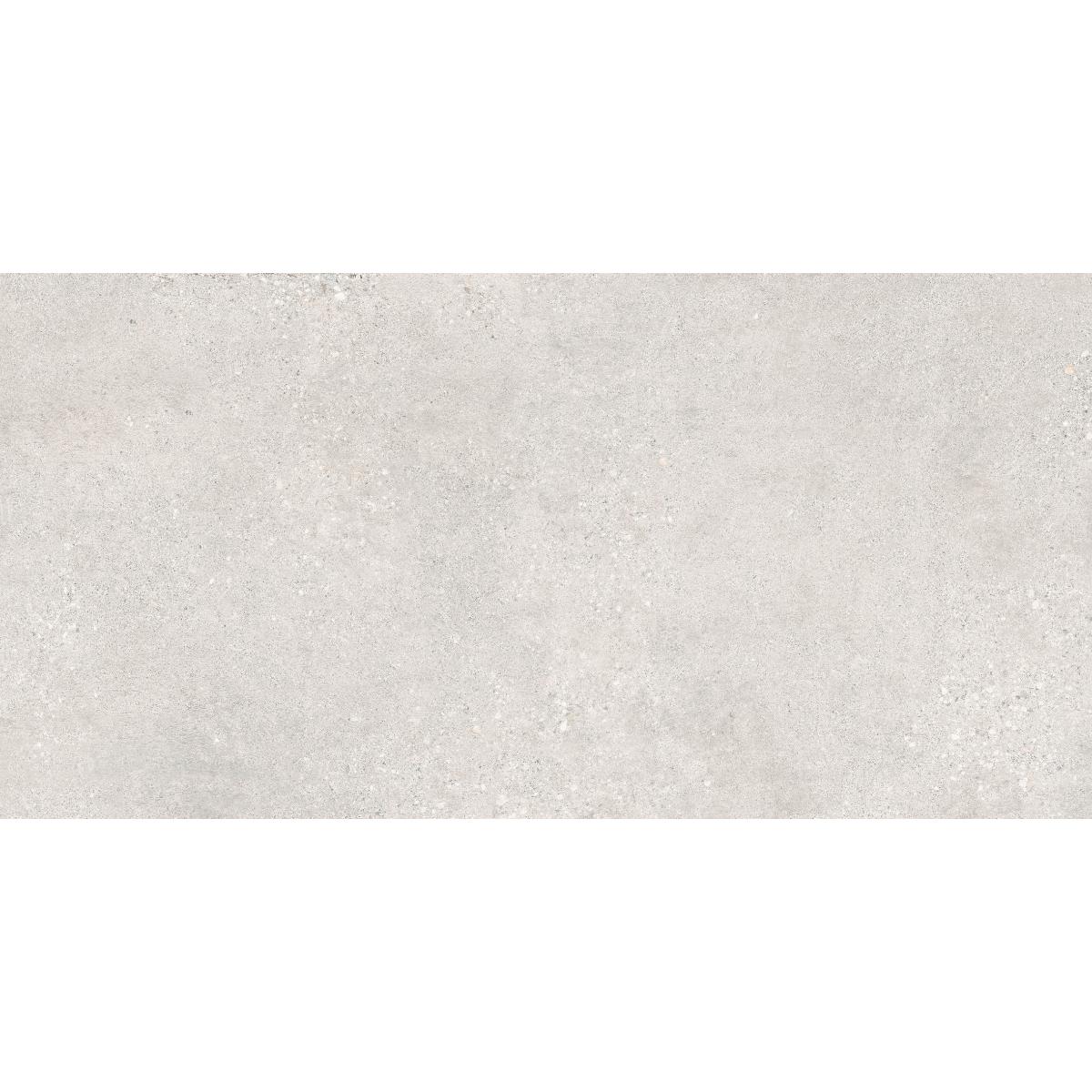 9V2900
Floor tile Cemento Sassolino, gray 1200 x 600 x 10 mm, 1.44 m²
Available to order29.59 € 20.71 €/m² (usable area) -
LAOTOODE
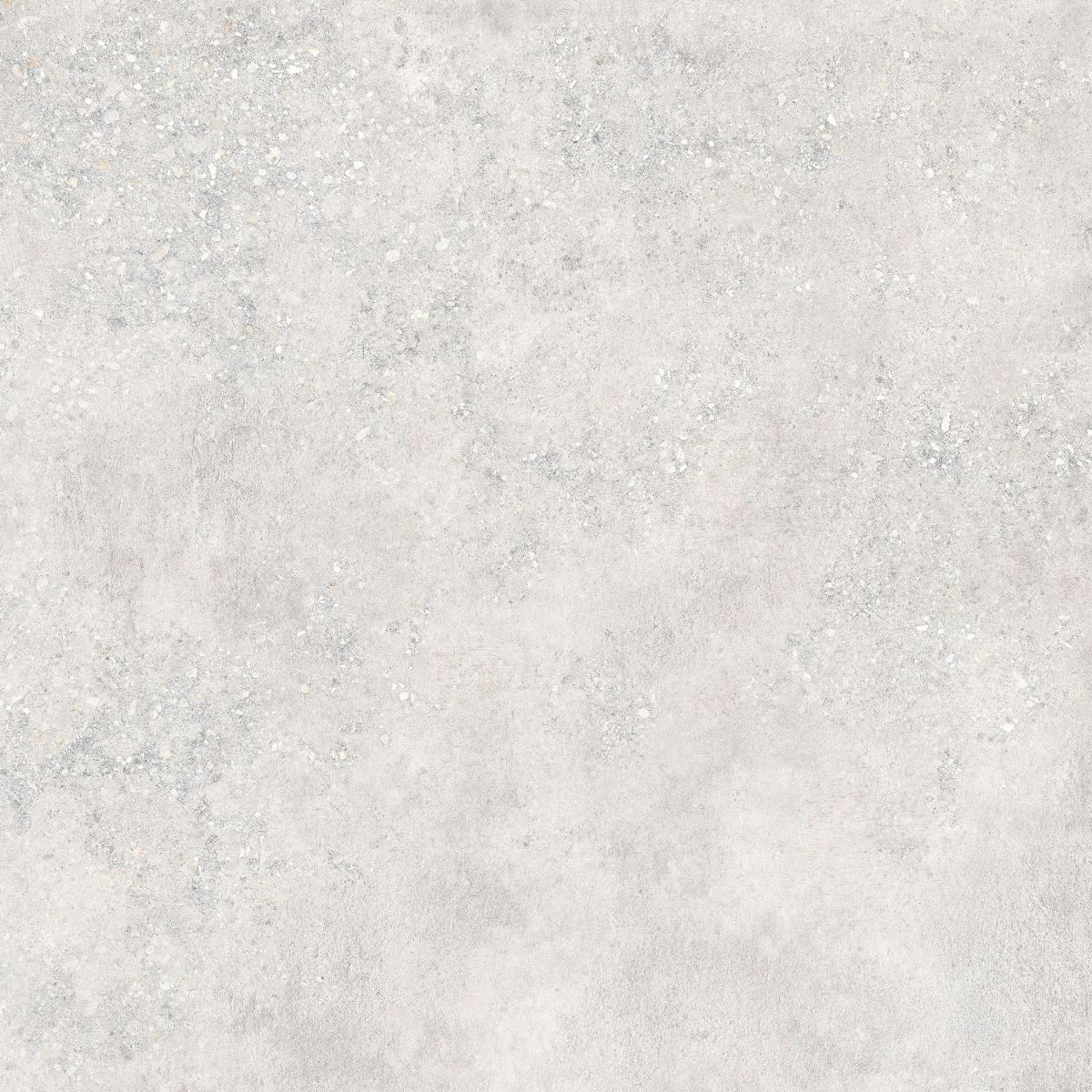 9V2520
Floor tile Cemento Sassolino, gray 600 x 600 x 10 mm, 1.08 m²
51 in stock22.20 € 20.65 €/m² (usable area) -
SOODUS -10% LAOTOODE
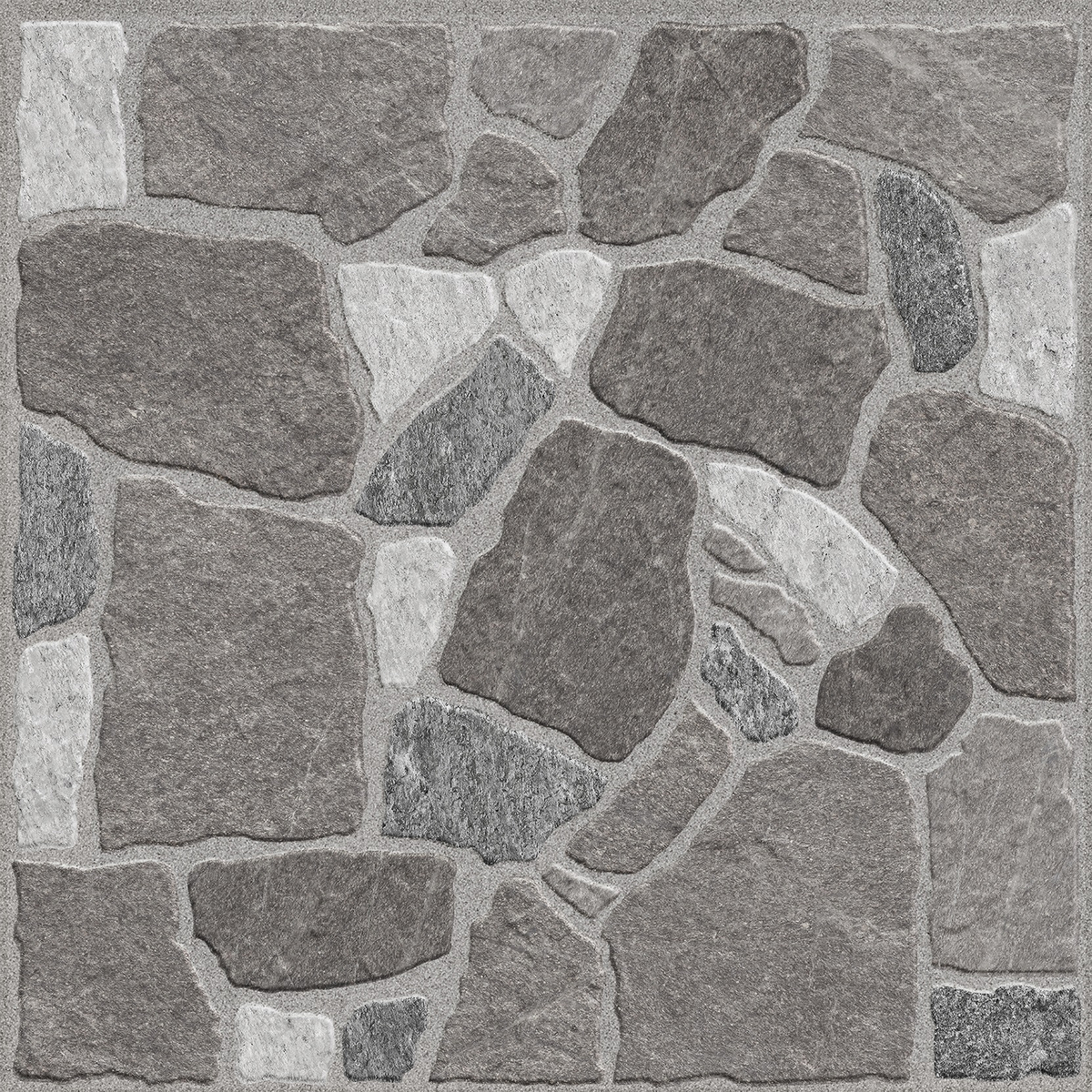 2F2830
Floor tile Cortile 400 x 400 x 8 mm, 1.12 m² per package
1 in stockOriginal price was: 18.05 €.16.24 €Current price is: 16.24 €. 14.62 €/m² (usable area) -
SOODUS -10% LAOTOODE
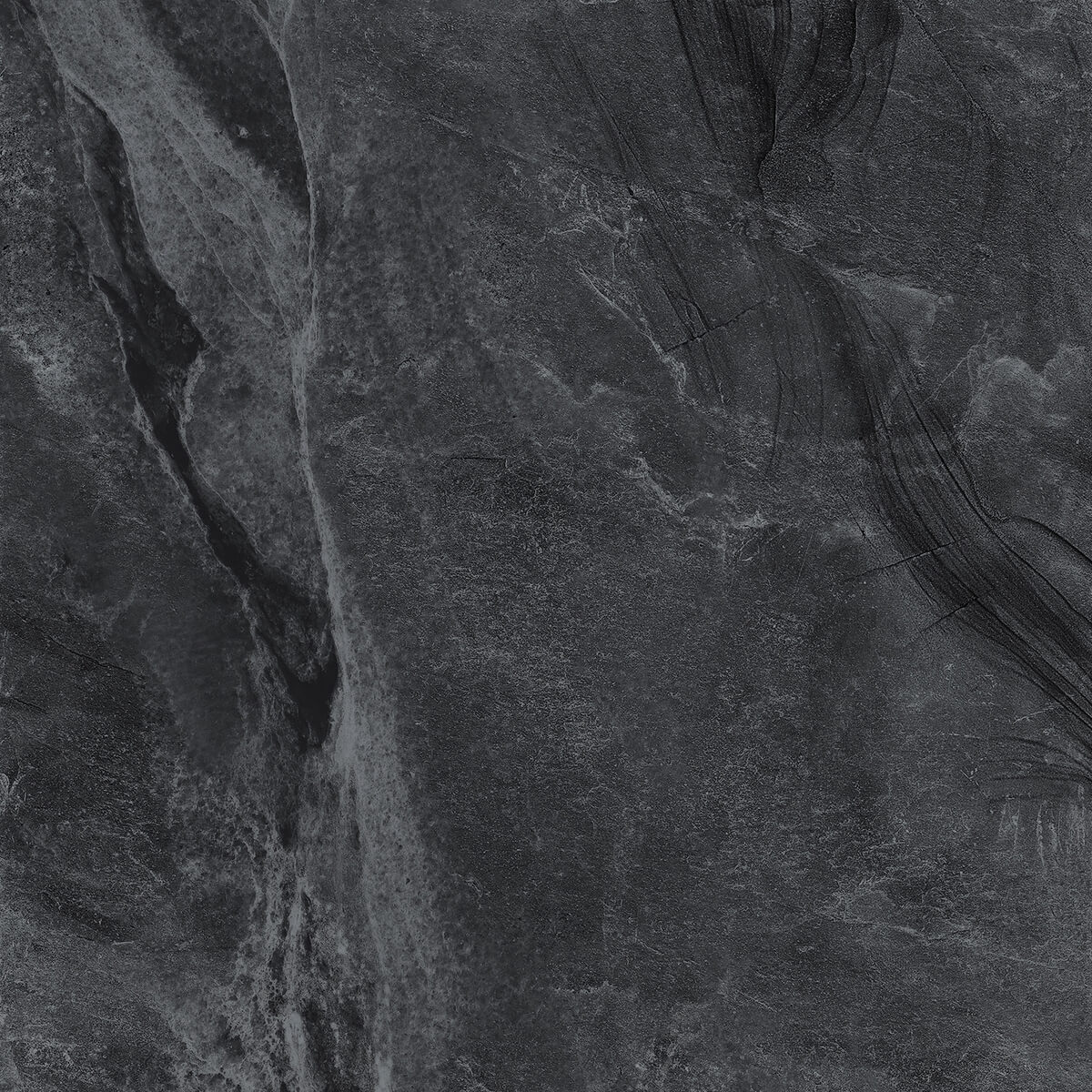 DRC580
Floor tile Dark Rock 600 x 600 x 8 mm, 1.44 m² per package
42 in stockOriginal price was: 24.80 €.22.32 €Current price is: 22.32 €. 15.62 €/m² (usable area) -
LAOTOODE
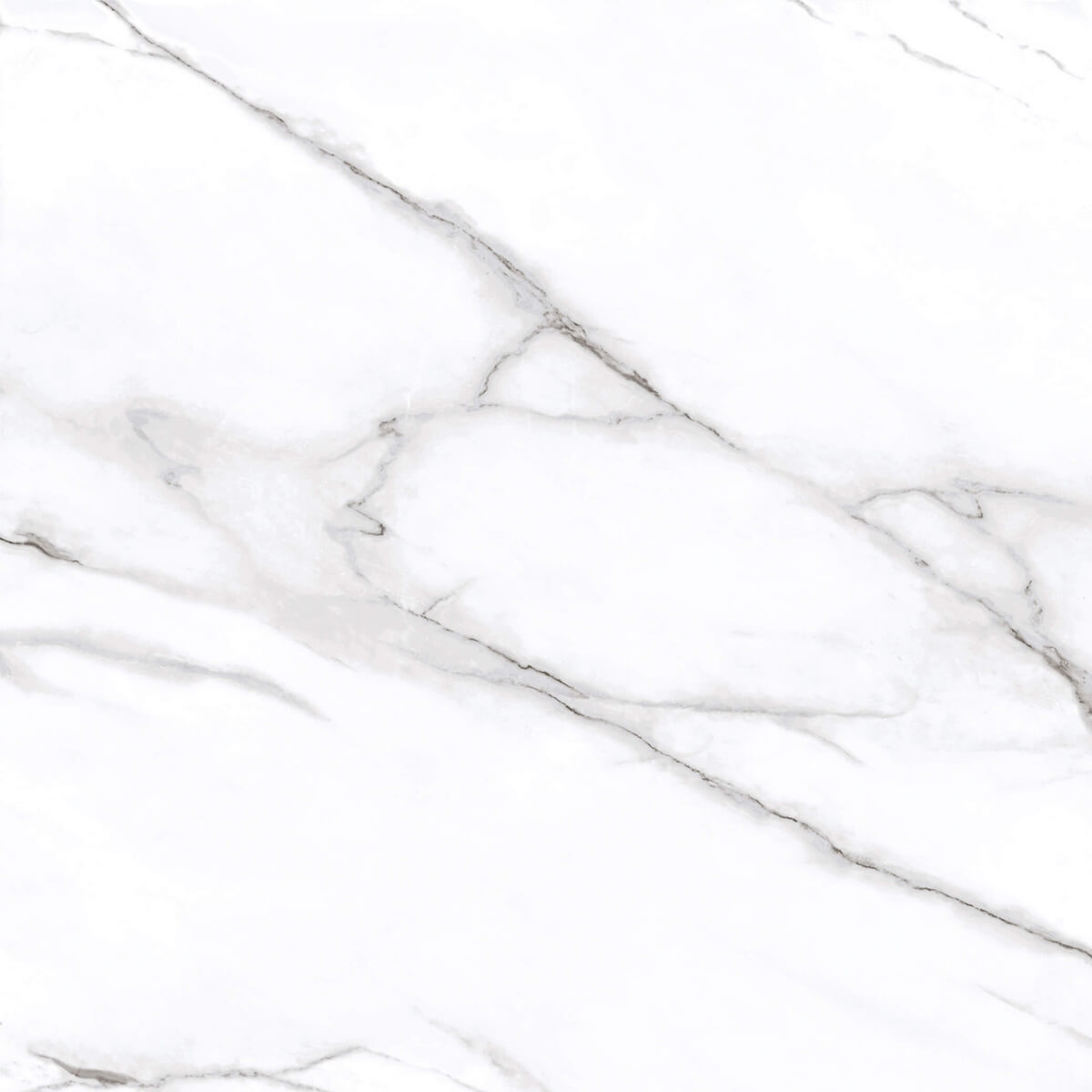 860830
Floor tile Elba white 400 x 400 x 7 mm, 1.12 m² per package
7 in stock16.99 € 15.29 €/m² (usable area) -
SOODUS -10% LAOTOODE
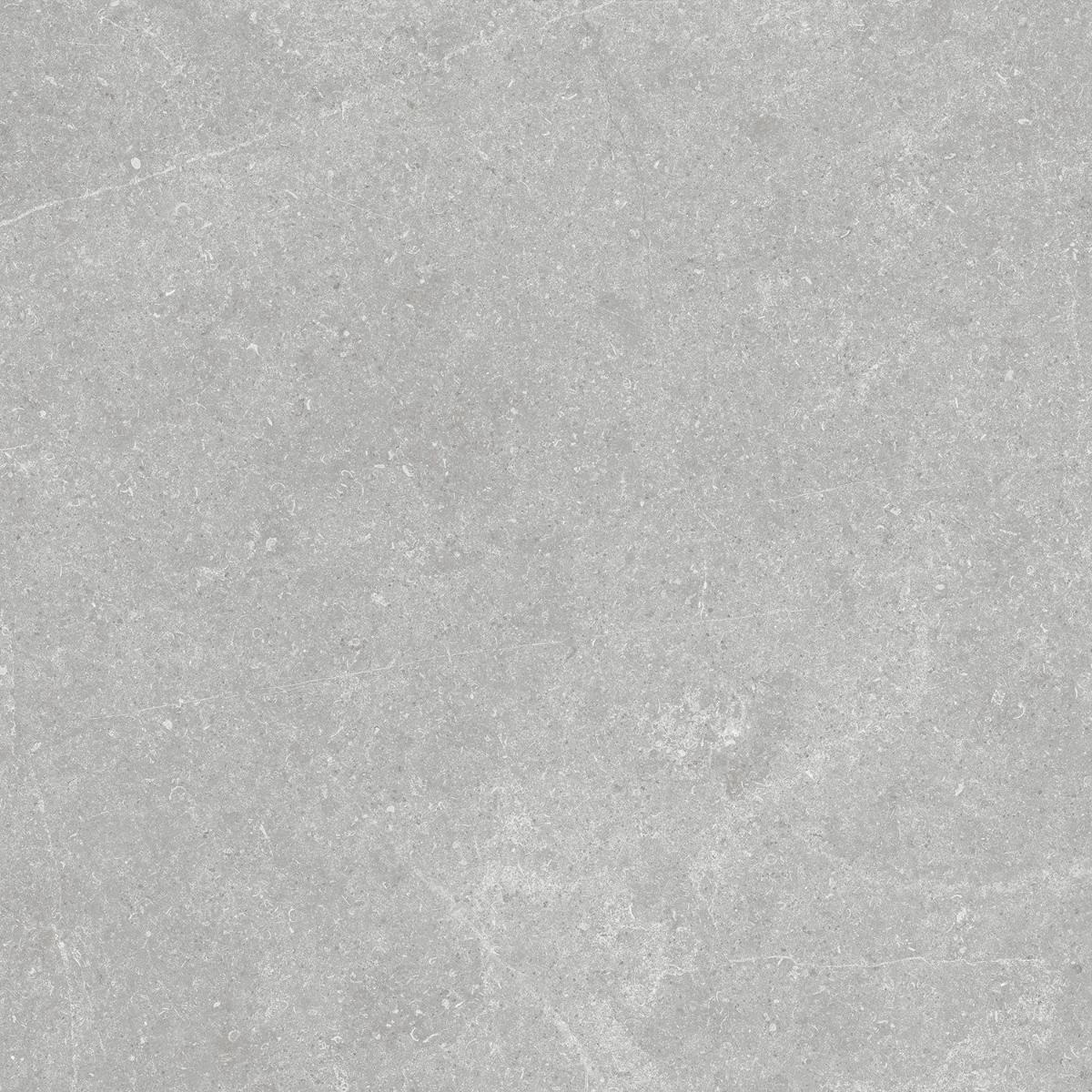 ES2580
Floor tile Essential grey 600 x 600 x 8 mm, 1.44 m² per package
98 in stockOriginal price was: 22.32 €.20.09 €Current price is: 20.09 €. 14.06 €/m² (usable area) -
SOODUS -10% LAOTOODE
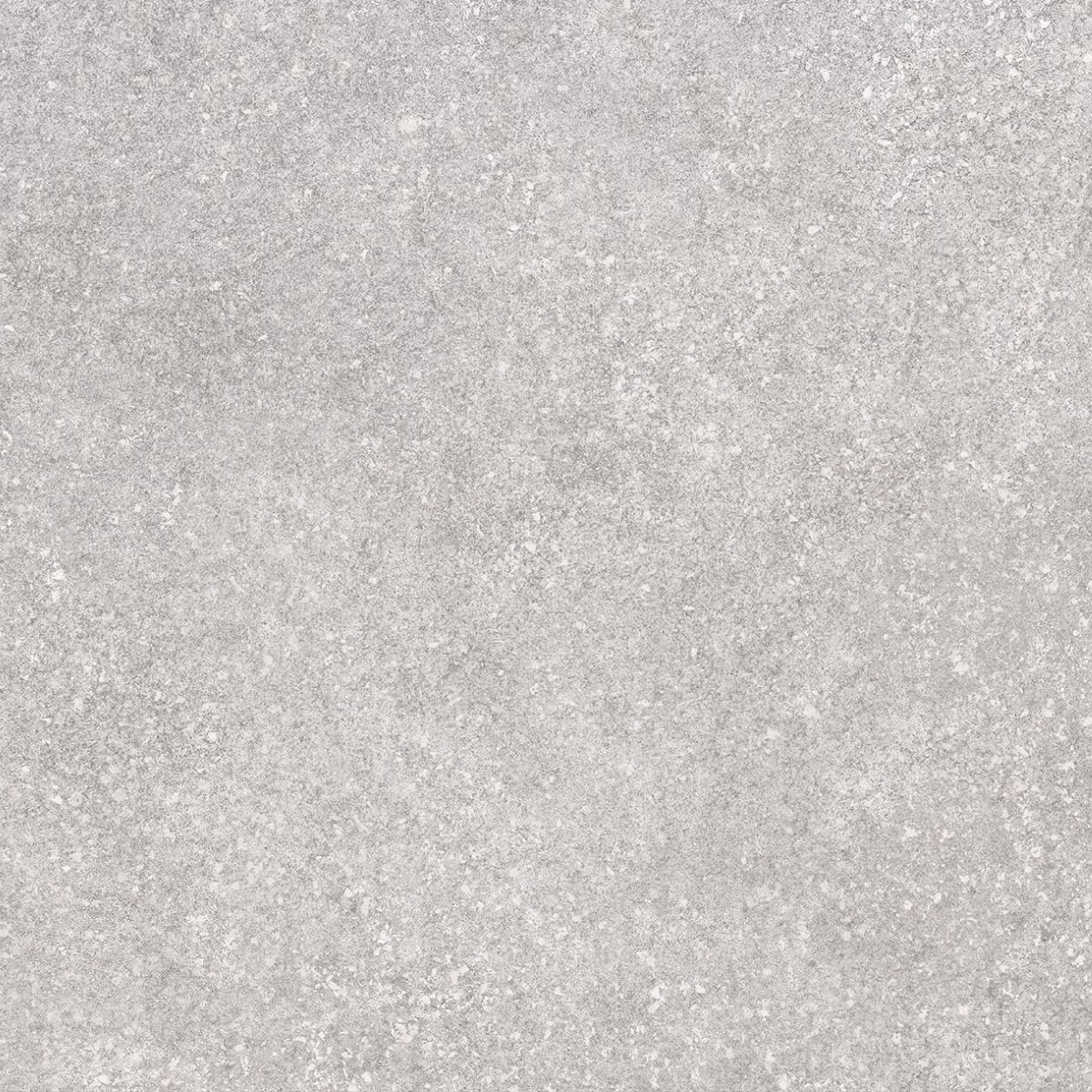 3N2730
Floor tile Forte grey 300 x 300 x 6 mm, 1.35 m² per package
67 in stockOriginal price was: 18.60 €.16.74 €Current price is: 16.74 €. 12.56 €/m² (usable area) -
SOODUS -10% LAOTOODE
 JO2520
Floor tile Joy grey 600 x 600 x 10 mm, 1.44 m² per package
75 in stockOriginal price was: 19.84 €.17.86 €Current price is: 17.86 €. 12.50 €/m² (usable area) -
SOODUS -10% LAOTOODE
 JOG520
Floor tile Joy light gray 600 x 600 x 10 mm, 1.44 m² per package
80 in stockOriginal price was: 19.84 €.17.86 €Current price is: 17.86 €. 12.50 €/m² (usable area) -
SOODUS -10% LAOTOODE
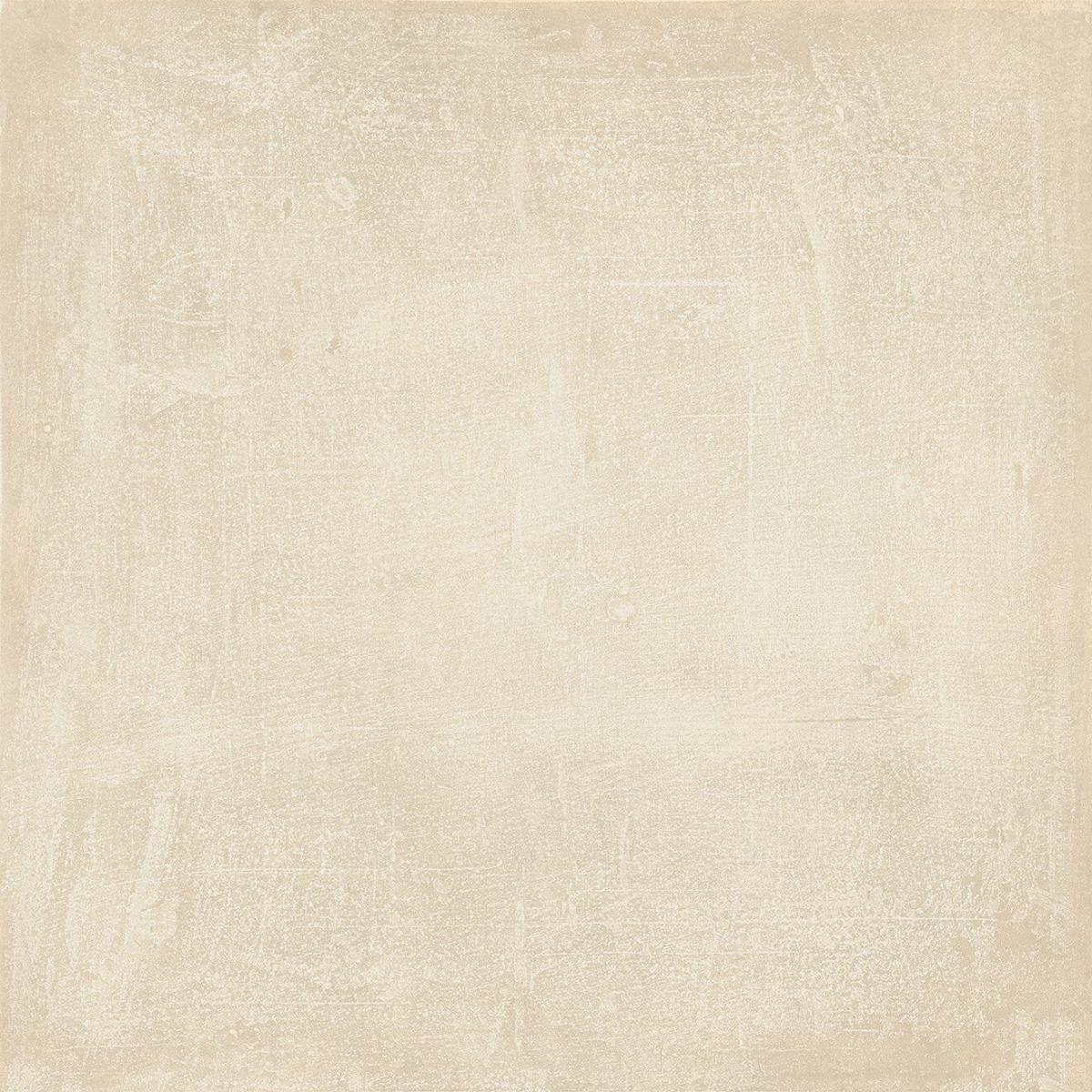 811580
Floor tile Kassel beige 600 x 600 x 8 mm, 1.44 m² per package
90 in stockOriginal price was: 27.28 €.24.55 €Current price is: 24.55 €. 17.19 €/m² (usable area) -
LAOTOODE
 8LG520
Floor tile Lucido light gray 600 x 600 x 10 mm, 1.12 m²
8 in stock24.40 € 21.96 €/m² (usable area) -
SOODUS -30% LAOTOODE
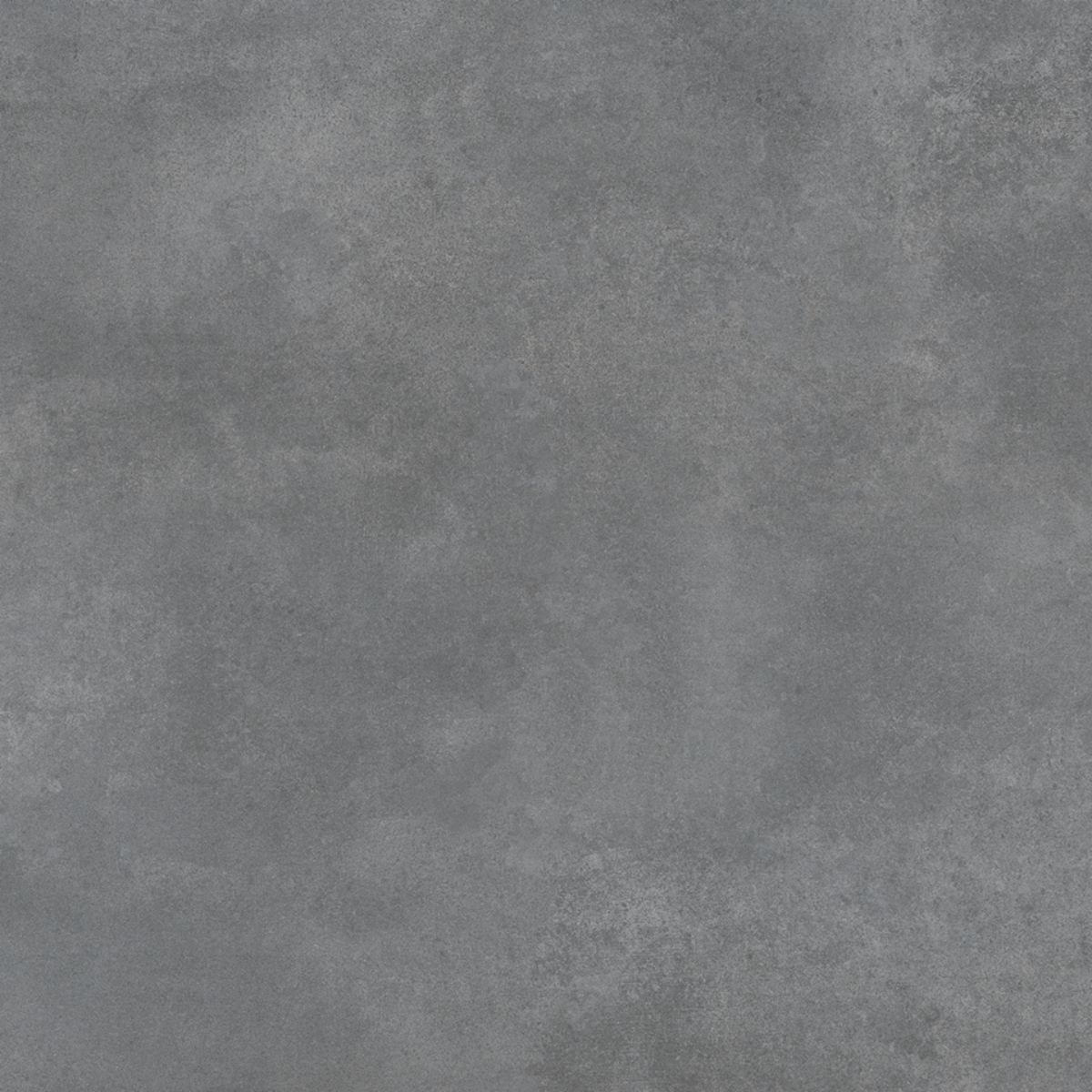 MALAGAGREY60
Floor tile Malaga grey matt 600 x 600 x 8 mm, 1.44 m² per package
261 in stockOriginal price was: 28.78 €.20.15 €Current price is: 20.15 €. 14.11 €/m² (usable area) -
SOODUS -10% LAOTOODE
 MPC580
Floor tile Marmo Perlanera black 600 x 600 x 10 mm, 1.08 m²
1 in stockOriginal price was: 28.11 €.25.30 €Current price is: 25.30 €. 23.53 €/m² (usable area) -
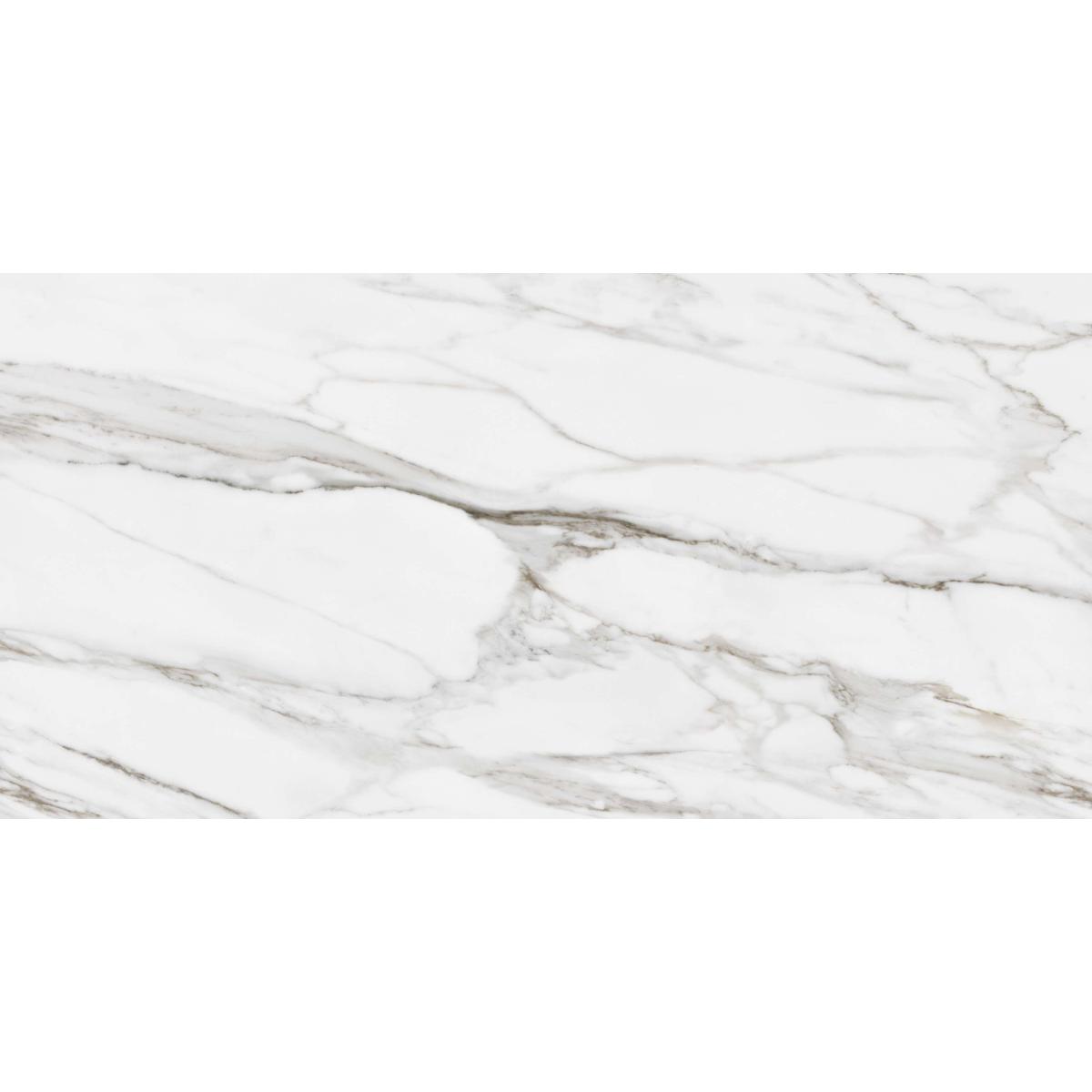 MV09P0
Floor tile Marmo Verona 1200 x 600 x 10 mm, 1.44 m²
Available to order24.80 € 17.36 €/m² (usable area) -
SOODUS -10% LAOTOODE
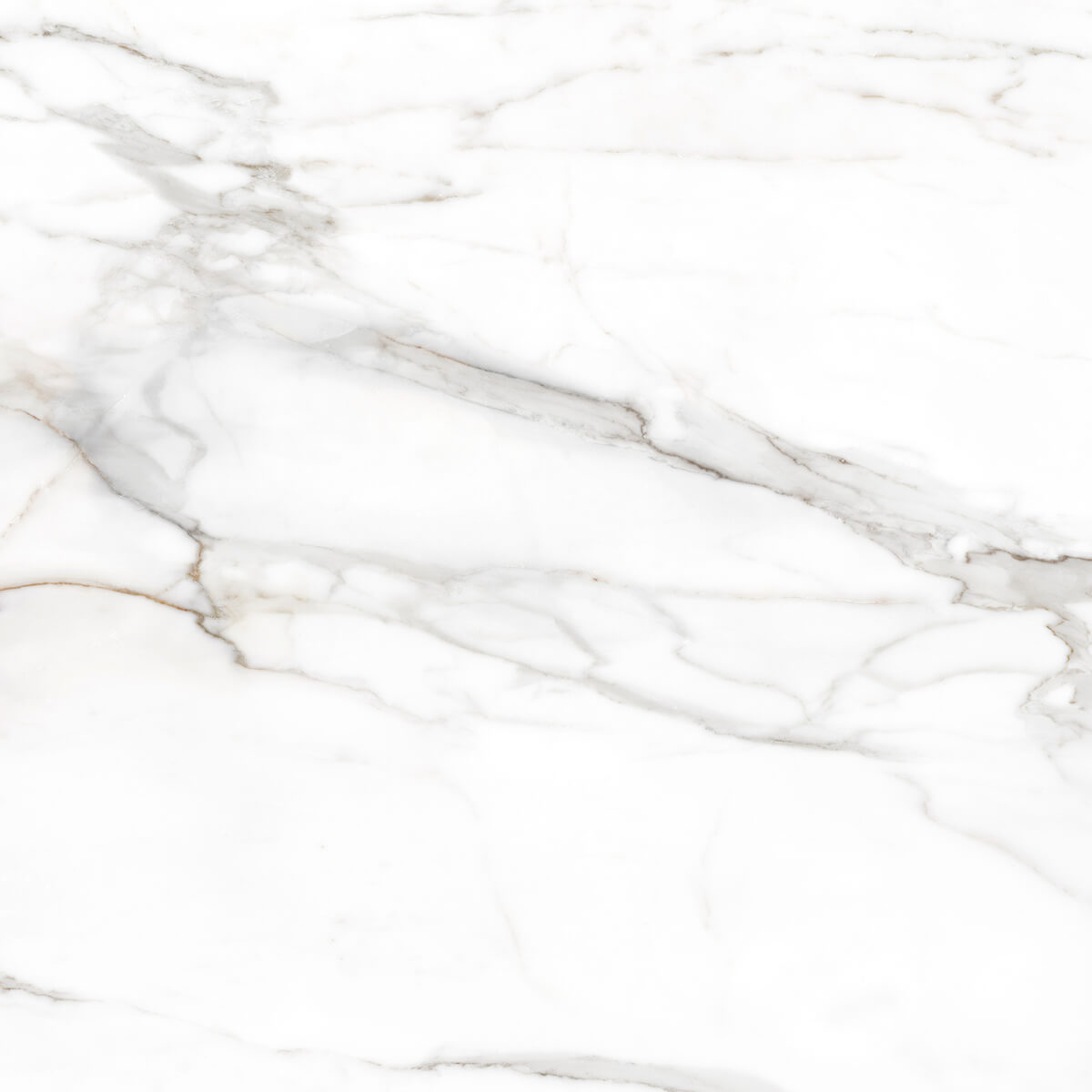 MV0580UUS
Floor tile Marmo Verona 600 x 600 x 8 mm, 1.44 m² per package
84 in stockOriginal price was: 24.80 €.22.32 €Current price is: 22.32 €. 15.62 €/m² (usable area) -
SOODUS -10% LAOTOODE
 781580
Floor tile Metallica beige 600 x 600 x 8 mm, 1.44 m² per package
30 in stockOriginal price was: 26.04 €.23.44 €Current price is: 23.44 €. 16.41 €/m² (usable area) -
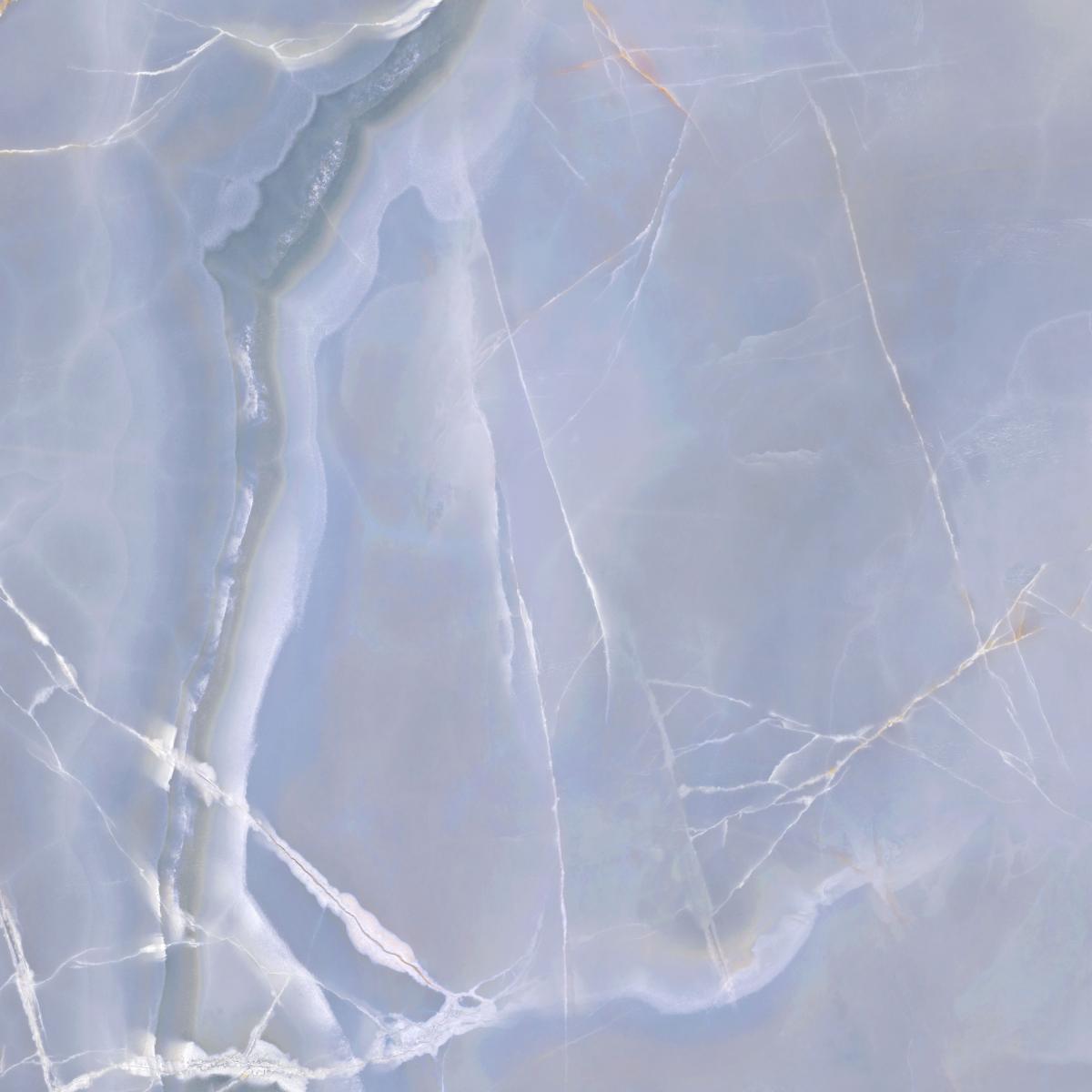 7А3580
Floor tile Onyx blue 600 x 600 x 8 mm, 1.44 m²
Available to order27.28 € 19.10 €/m² (usable area) -
SOODUS -30% LAOTOODE
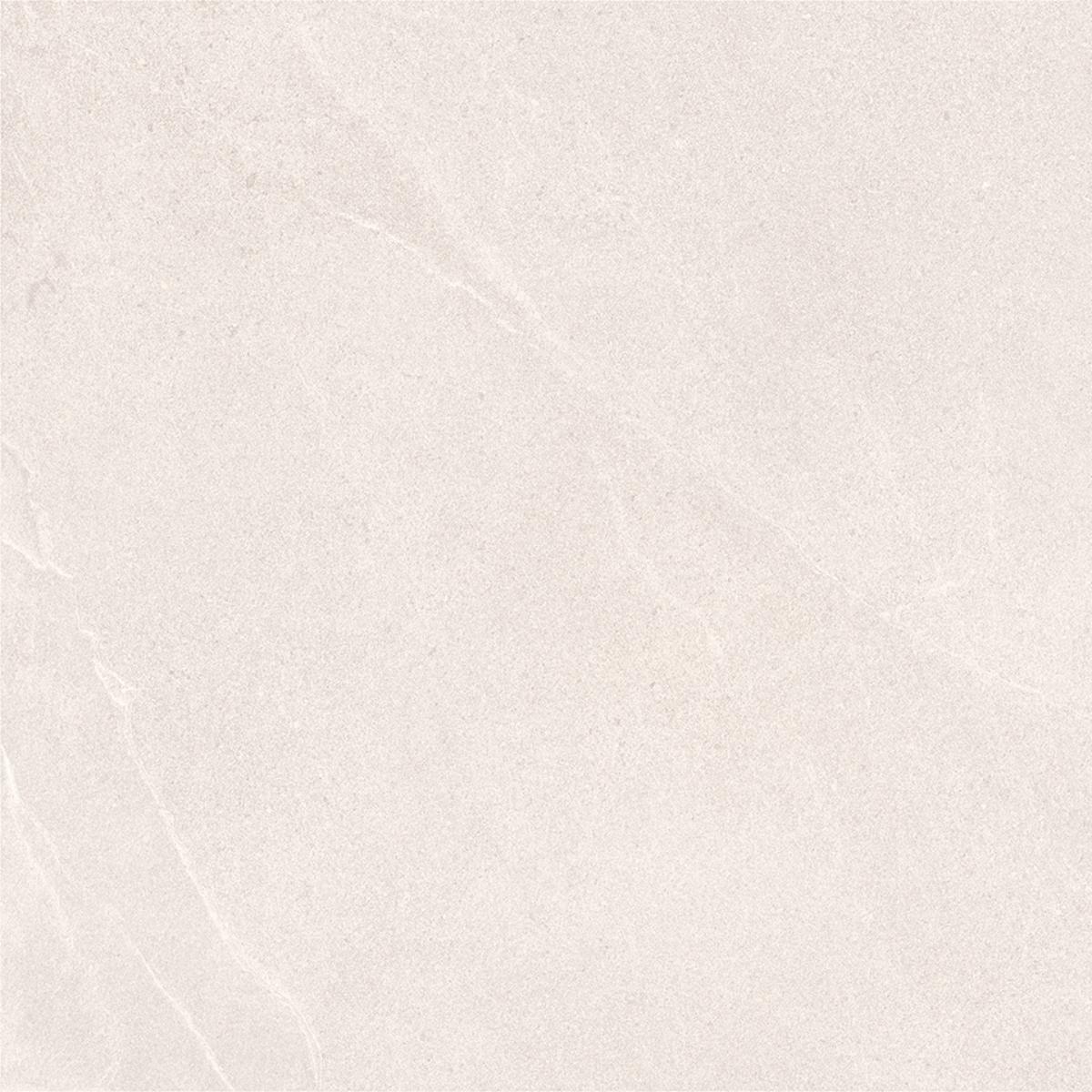 OXIDEWHITE60
Floor tile Oxide white matt 600 x 600 x 8 mm, 1.44 m² per package
106 in stockOriginal price was: 28.78 €.20.15 €Current price is: 20.15 €. 14.11 €/m² (usable area) -
SOODUS -10% LAOTOODE
 7F1730
Floor tile Sabbia beige 300 x 300 x 6 mm, 1.35 m² per package
1 in stockOriginal price was: 19.29 €.17.36 €Current price is: 17.36 €. 13.02 €/m² (usable area) -
LAOTOODE
 9AC580
Floor tile Saint Laurent black 600 x 600 x 8 mm, 1.44 m²
90 in stock26.04 € 18.23 €/m² (usable area) -
SOODUS -10% LAOTOODE
 9A0580UUS
Floor tile Saint Laurent white 600 x 600 x 8 mm, 1.44 m²
104 in stockOriginal price was: 27.28 €.24.55 €Current price is: 24.55 €. 17.19 €/m² (usable area) -
SOODUS -30%
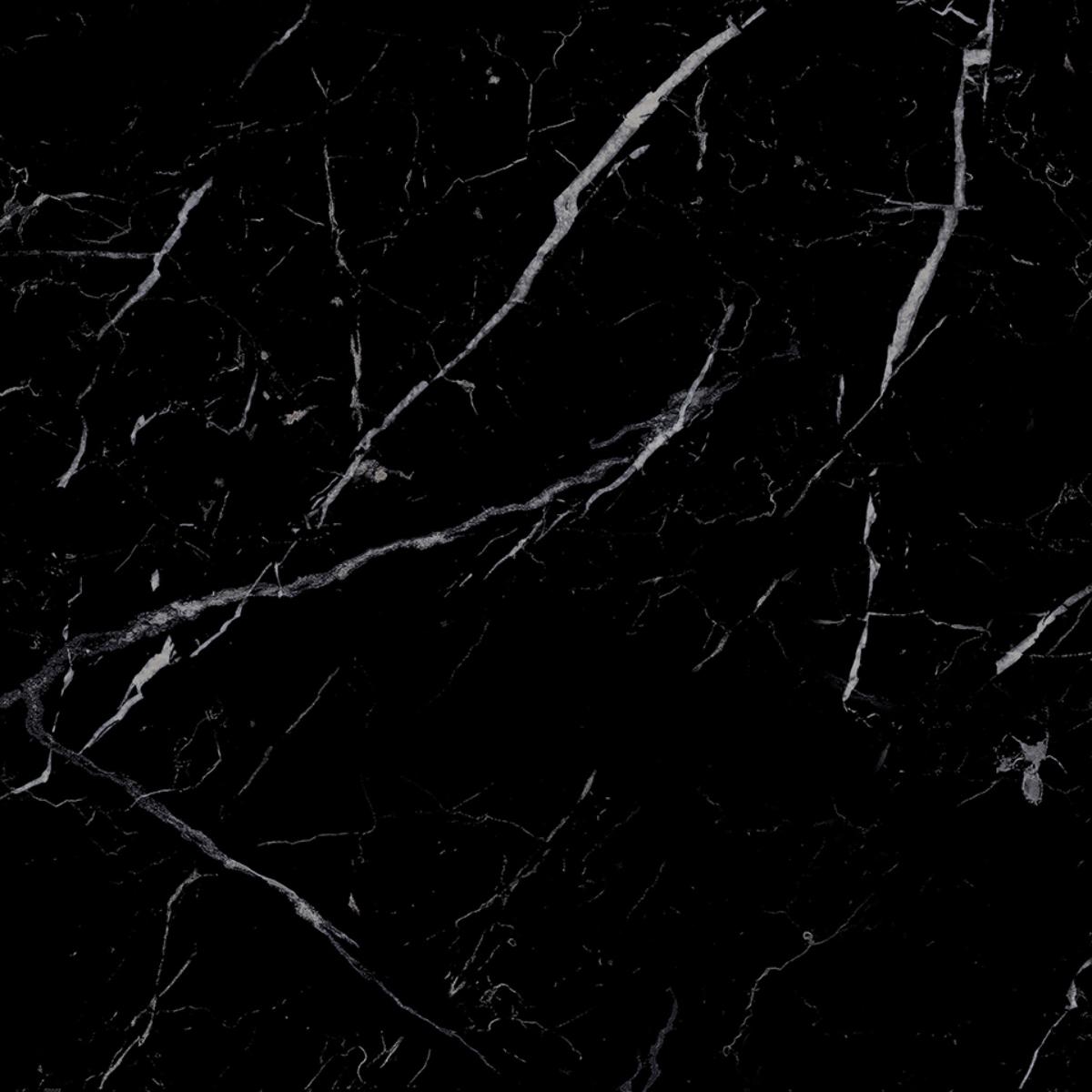 SIMBABLACK60
Floor tile Simba Black high gloss 600 x 600 x 8 mm, 1.44 m² per package
Available to orderOriginal price was: 28.78 €.20.15 €Current price is: 20.15 €. 14.11 €/m² (usable area) -
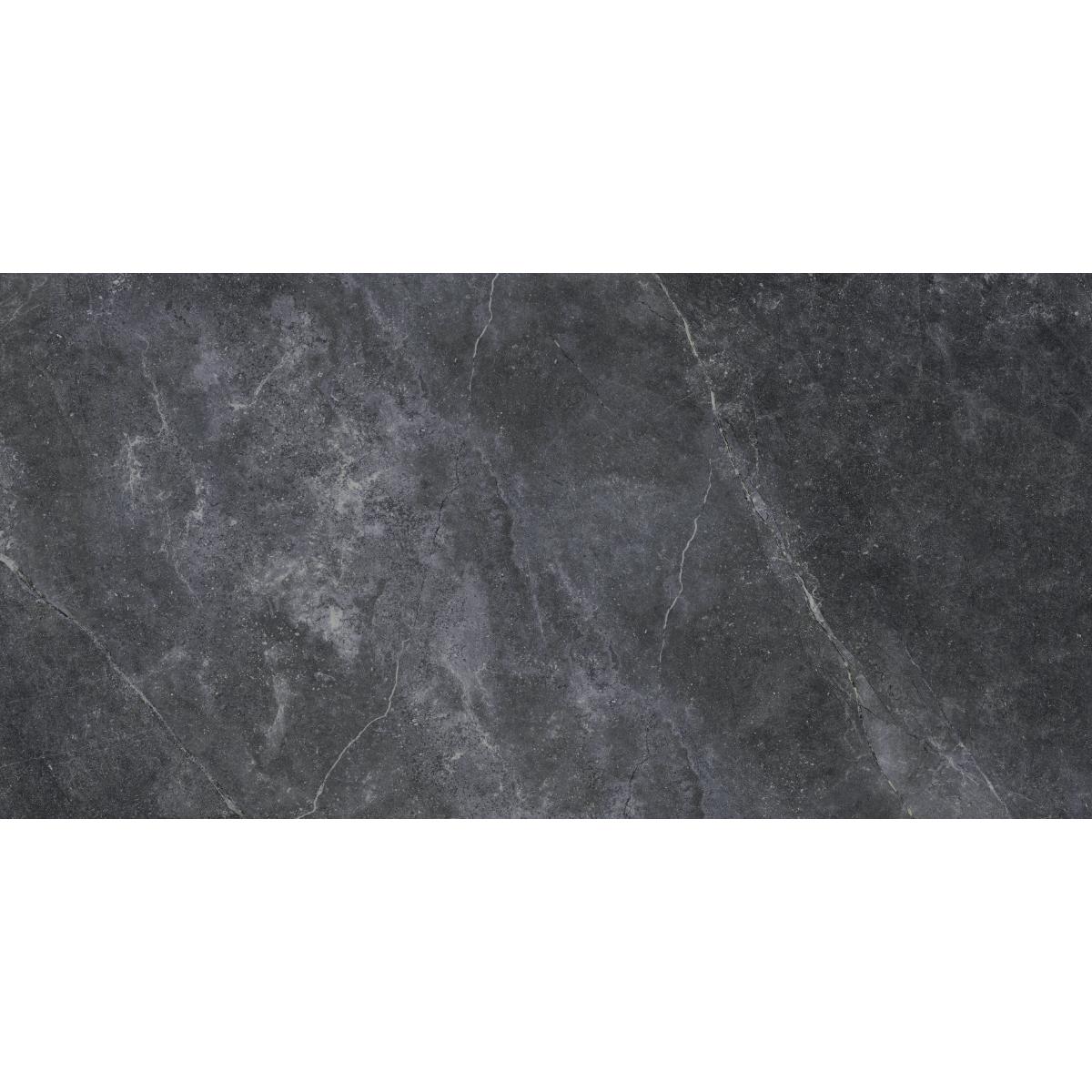 5VС9P0
Floor tile Space Stone black 1200 x 600 x 10 mm, 1.44 m² per package
Available to order36.99 € 25.89 €/m² (usable area) -
SOODUS -10% LAOTOODE
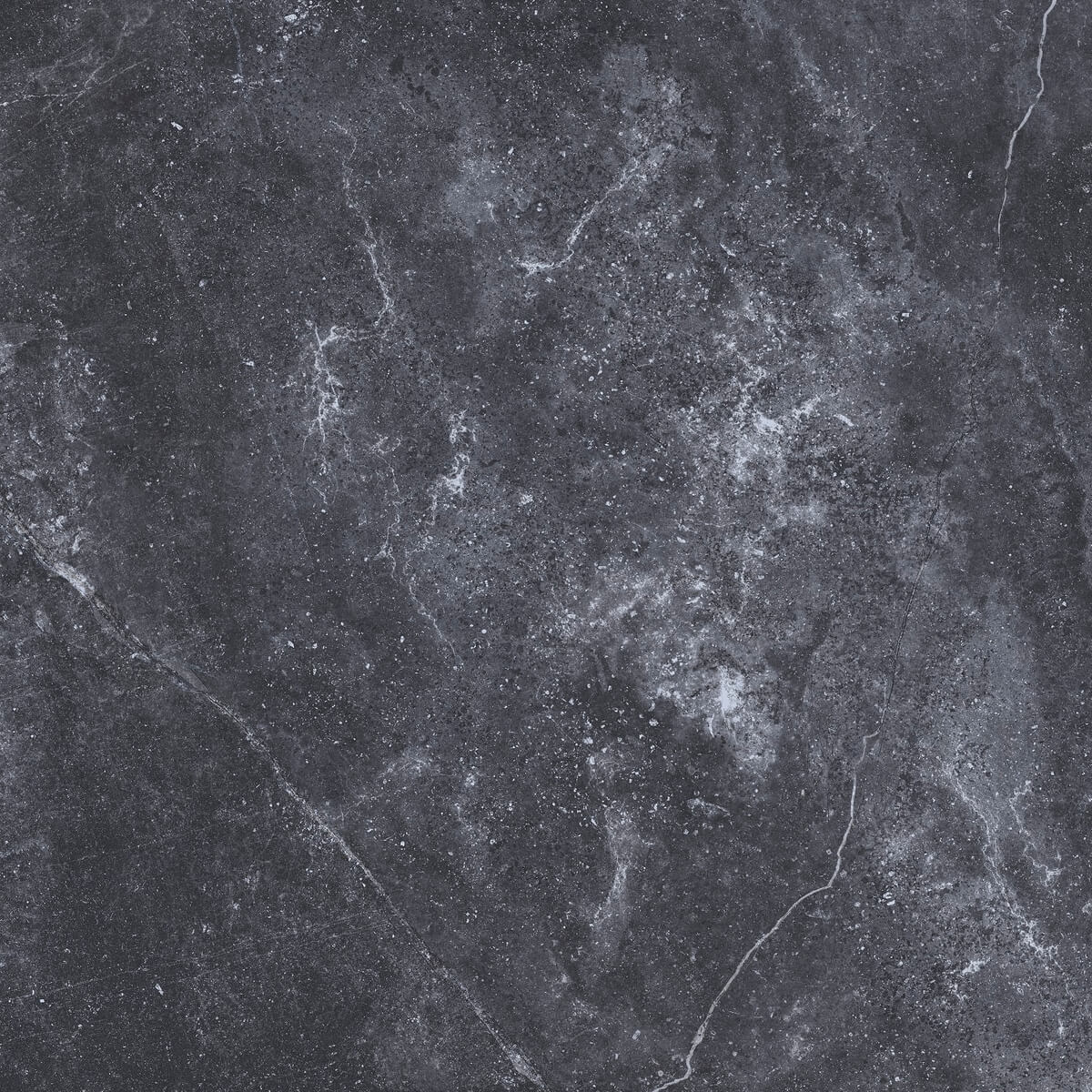 5VC500
Floor tile Space Stone black 595 x 595 x 11 mm, 1.062 m² per package
3 in stockOriginal price was: 27.53 €.24.78 €Current price is: 24.78 €. 23.54 €/m² (usable area)
Ceramic tiles are one of the most popular and durable finishing materials in both home and public space interior design. Thanks to its versatility, aesthetics and easy maintenance, ceramic tiles are an ideal choice for floors, walls and outdoor areas. Ceramic tiles are perfect for any room, be it a bathroom, kitchen, hallway, living room or terrace. Ceramic tiles are durable, heat-resistant and moisture-resistant finishing material with very low water absorption, especially in the case of porcelain tiles. Thanks to their wear resistance and diverse design options, tiles are suitable for creating both modern and classic interiors. If you are looking for high-quality and stylish solutions, then Golden Tile brand ceramic tiles are an excellent choice. Below we will introduce you to different types of ceramic tiles in more detail so that you can find the best solution for your project. Floor tiles Ceramic floor tiles are generally designed to withstand everyday wear and tear. However, it is important to understand that not all ceramic tiles are suitable for public spaces with high traffic, such as shopping malls, public institution lobbies, etc. The exact suitability of the tile depends on the PEI wear class (1–5): PEI 1–2: only for walls or rooms with low load; PEI 3–5: suitable for floors, including high-use areas. Floor tiles are available in different sizes, finishes and colours. A matt finish is perfect for creating a modern interior, while glossy surfaces give the room an elegant and bright look. Ceramic floor tiles that imitate natural marble, concrete or wood are also popular today – this way you can combine a natural look with the practicality of ceramics. Slip resistance is also important, especially in wet rooms. Therefore, it is worth choosing ceramic floor tiles with a special coating for the bathroom and hallway floor, which ensure safe use even when wet. More information about slip resistance classes and choosing a tile can be found on our blog, for example “ Slip-resistant floor tiles , what does the R value mean ”. Wall tiles Ceramic wall tiles are a great choice if you want to add both practicality and beauty to the walls of a room. Ceramic wall tiles protect surfaces from moisture and dirt, while being easy to clean and long-lasting. Similar to floor tiles, wall tiles are also available in a variety of formats – from small mosaics to large tiles that create a luxurious and uniform surface. The most common standard sizes of ceramic wall tiles are usually rectangular, such as 100 × 300 mm; 300 × 600 mm. In recent years, large-format tiles, such as 1200 × 600 mm, have also gained popularity, and are particularly well-suited for creating a modern and uniform interior. Behind the kitchen worktop, bathroom walls or even the focal wall in the living room – all of these gain character and an easy-to-maintain finish when using high-quality ceramic wall tiles. Bathroom tiles The bathroom is a room where ceramic tiles show their strength and practicality best. Bathroom floor and wall coverings must withstand moisture, temperature fluctuations and frequent cleaning – that is why ceramic tiles are the most sensible choice here. Ceramic bathroom tiles allow you to create an aesthetic and hygienic space. Bathroom tiles can be in neutral tones to achieve a calm spa feel, or contrasting and patterned to give the bathroom personality. When choosing ceramic bathroom tiles, you should pay attention mainly to slip resistance and tile size. Large-format tiles create a luxurious and spacious look, reducing the number of joints and simplifying maintenance. Smaller tiles, such as mosaics, are perfect for shower corners and curved surfaces. Small-sized tiles help create unnoticeable floor slopes to direct water drainage. Wall tiles for the kitchen Ceramic tiles are indispensable in the kitchen, especially in the area behind the worktop. Wall tiles for the kitchen protect the wall from water, grease splashes and heat and make the surface easy to clean. Ceramic wall tiles in the kitchen can be both minimalist and neutral, as well as eye-catching and decorative. Modern hexagon or metro-style tiles bring personality to the room and are well suited to both classic and modern kitchens. When choosing a kitchen wall tile, it is also worth considering the lighting – a glossy tile reflects light and makes the room visually more spacious, while a matte surface creates a calmer and cozier atmosphere. Terrace tiles Outdoor patio tiles must be frost-resistant and have low water absorption, and porcelain tiles typically offer this. Similar to wet rooms, outdoor tiles must also have a non-slip surface. Ceramic tile maintenance Ceramic tile maintenance is generally easy, but choosing the right cleaning products is extremely important. Cleaning products are divided into three main groups based on their chemical composition: alkaline, acidic and neutral. Their use should be based on the nature of the dirt, as the wrong cleaning product can damage the grout between the tiles and, in the worst case, the tile surface. Alkaline cleaning products (pH above 7) are well suited for removing grease, oil and other organic dirt. They dissolve grease particles effectively, which is why they are particularly useful behind kitchen worktops and for cleaning floors. However, frequent use of very strong alkaline products (pH 12) should be avoided, as this can break down the grout over time. Acidic cleaning products (pH below 7) are mainly suitable for removing limescale or rust residues, but they should be used with extreme caution. Since most grouts are cement-based and therefore alkaline, the acid can cause them to break down and crumble. If used for a long time, acidic substances can damage both the grout and the glazed surface of the tiles, which is why manufacturers do not recommend them for regular maintenance. Neutral cleaning agents (pH 7) are the safest and therefore the preferred choice for daily maintenance of ceramic tiles. They do not react with the grout or the tile surface, but they remove normal dirt effectively.