
Eternit roof accessories.
When you are on site, as a builder, you know very well: a roof is only as strong and watertight as its weakest node. Often, hours are spent…
-
SOODUS -18% LAOTOODE
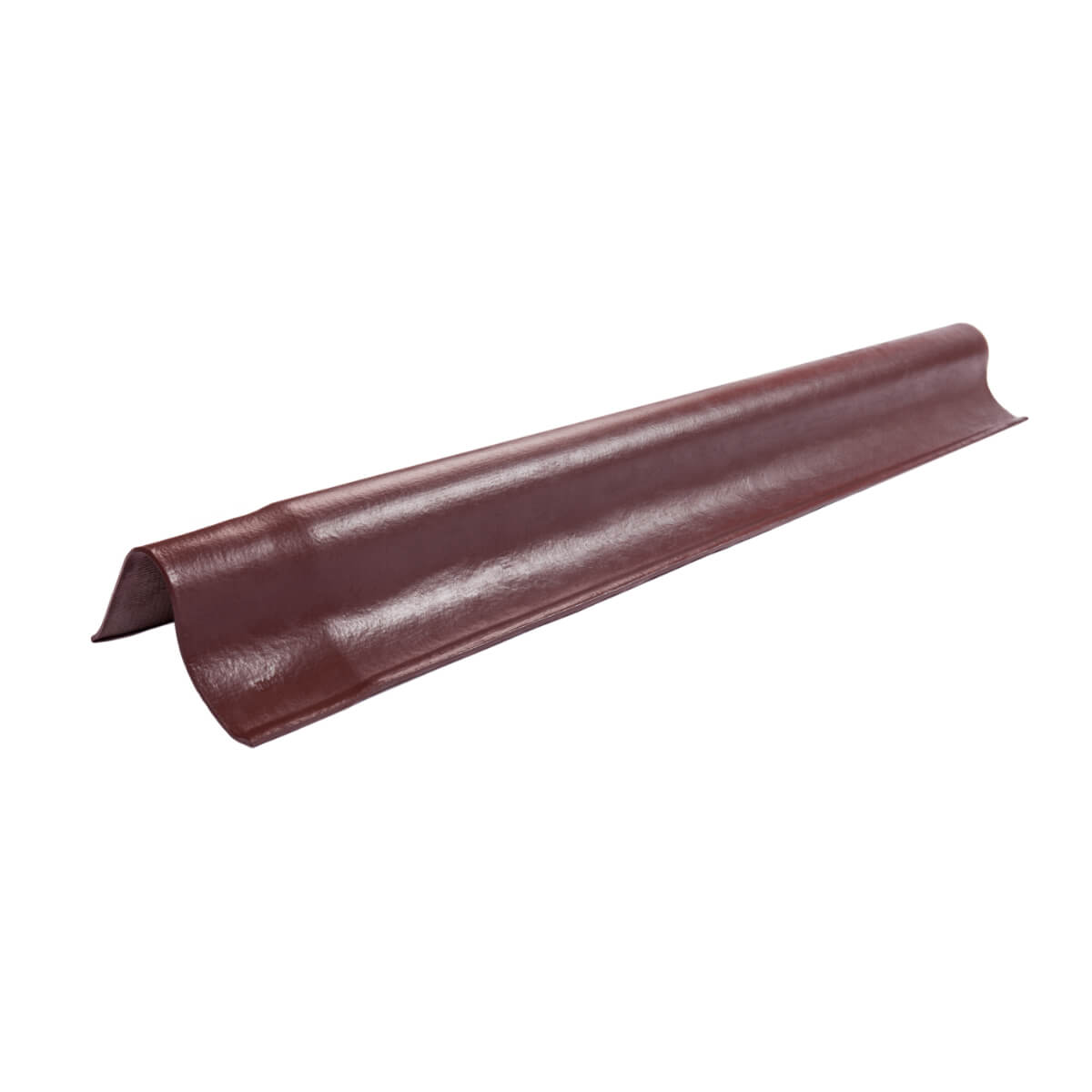 25076
25076Eternit corrugated sheet right cherry red S-edge cover 1620 mm
16 in stockOriginal price was: 28.23 €.23.29 €Current price is: 23.29 €. 3 × 7.76 € -
SOODUS -18% LAOTOODE
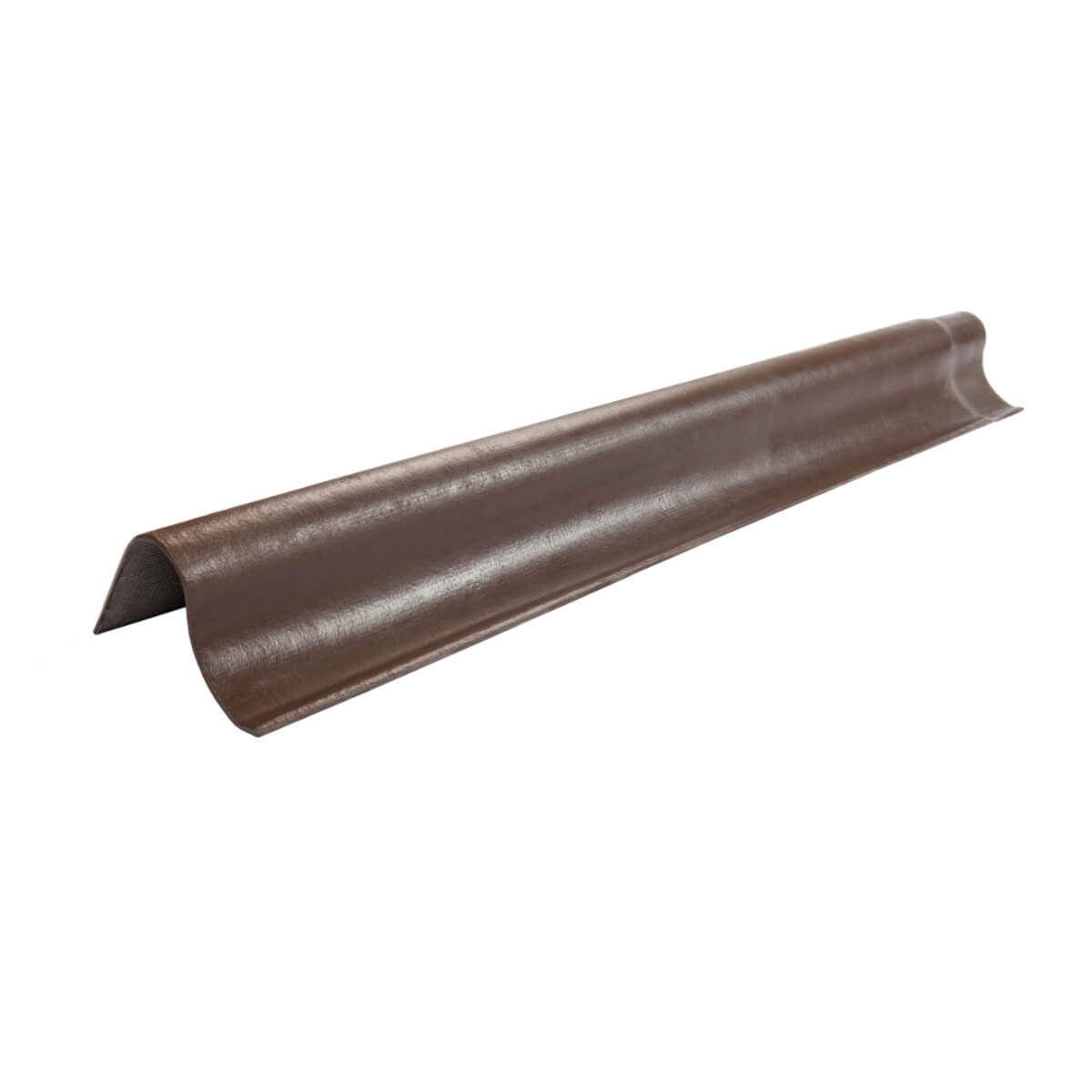 25073-V
Eternit corrugated sheet left brown S-edge cover 1620 mm
109 in stockOriginal price was: 28.23 €.23.29 €Current price is: 23.29 €. 3 × 7.76 € -
SOODUS -14% LAOTOODE
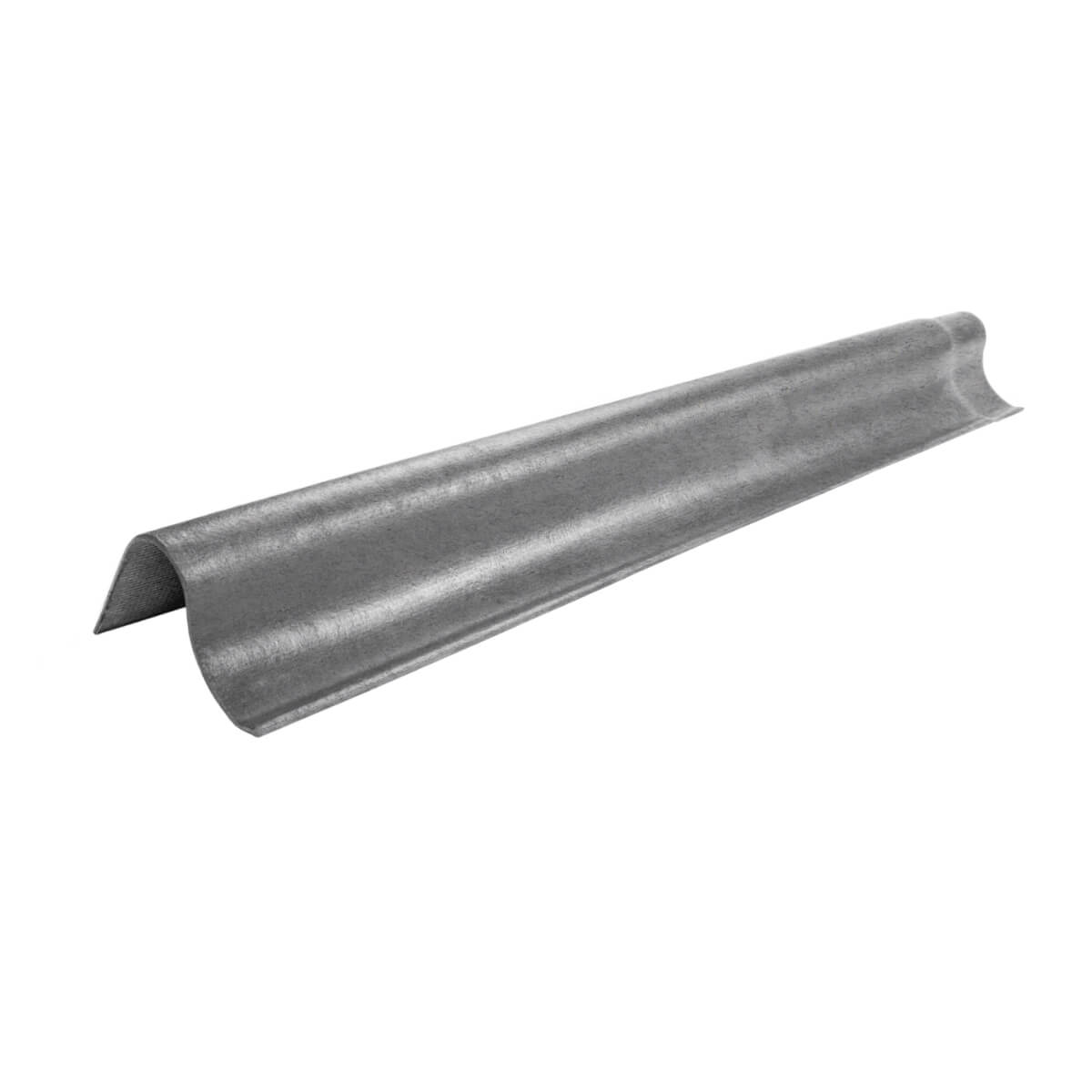 25071-V
Eternit corrugated sheet left unpainted S-edge cover 1620 mm
8 in stockOriginal price was: 25.62 €.22.01 €Current price is: 22.01 €. 3 × 7.34 € -
SOODUS -18% LAOTOODE
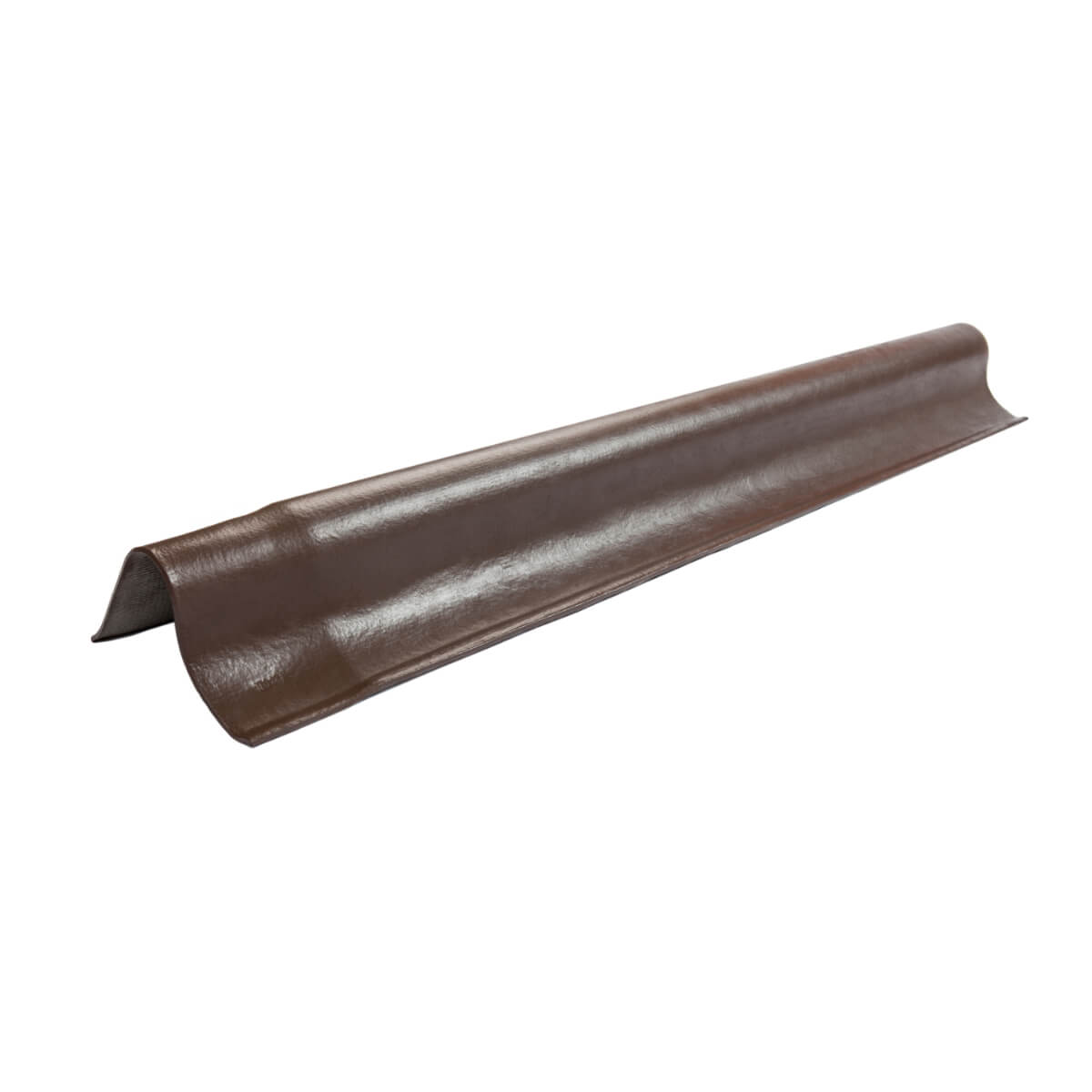 25073
25073Eternit corrugated sheet right brown S-edge cover 1620 mm
84 in stockOriginal price was: 28.23 €.23.29 €Current price is: 23.29 €. 3 × 7.76 € -
LAOTOODE
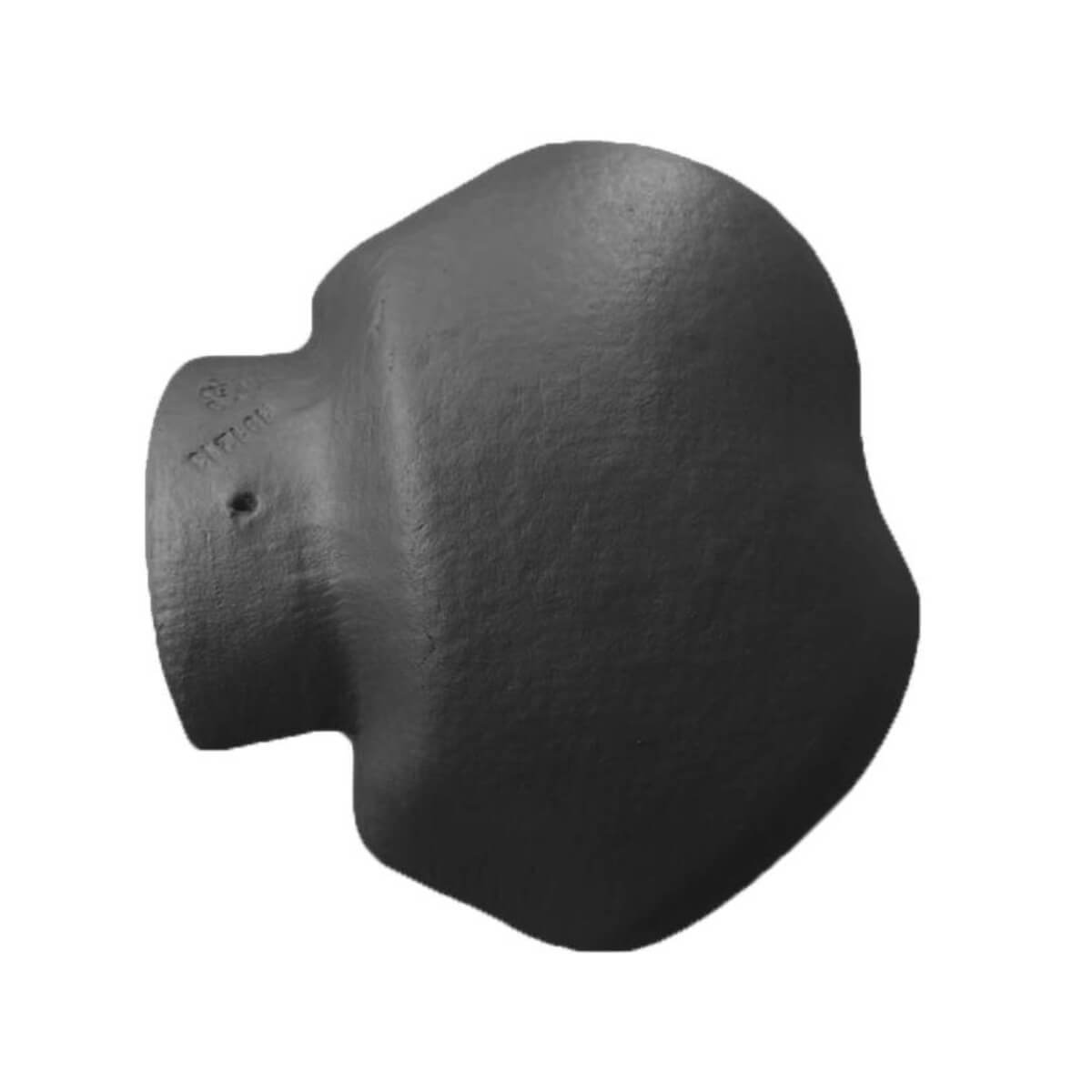 190519-01
Eternit corrugated sheet Y-profile brush stone anthracite
In stock29.35 € 3 × 9.78 € -
LAOTOODE
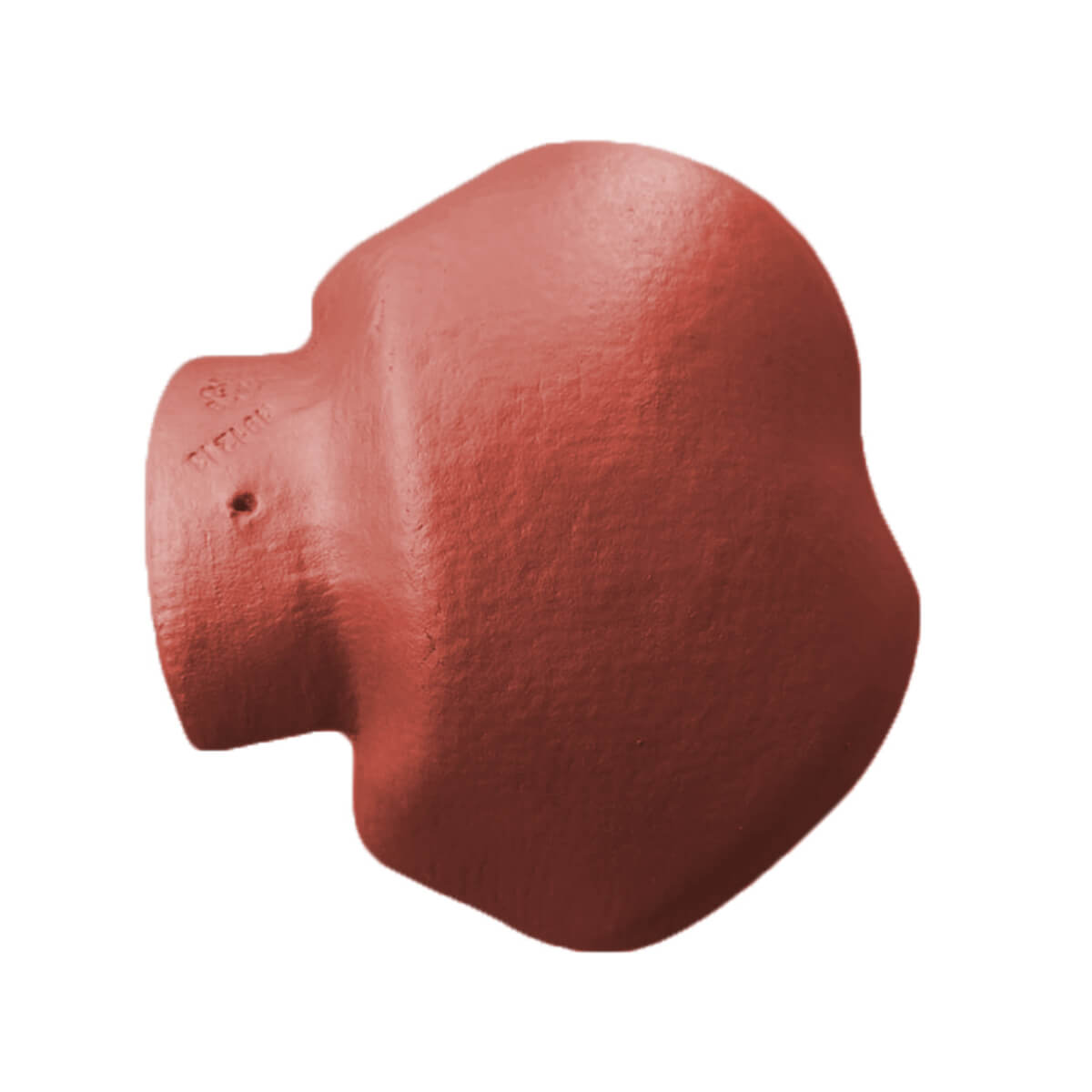 190513
Eternit corrugated sheet Y-profile brush stone dark red
10 in stock29.35 € 3 × 9.78 € -
LAOTOODE
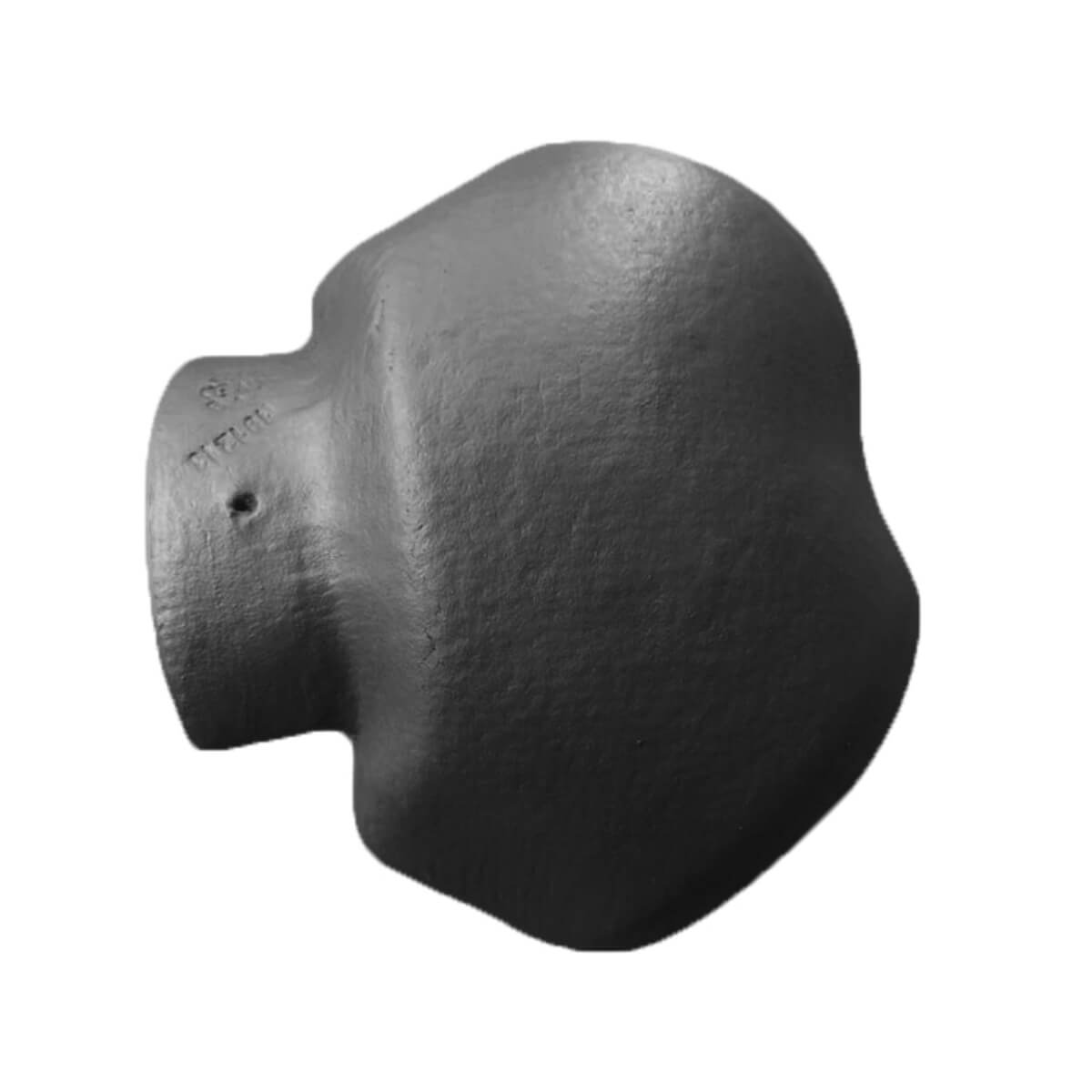 190519
Eternit corrugated sheet Y-profile brush stone graphite
6 in stock29.35 € 3 × 9.78 € -
LAOTOODE
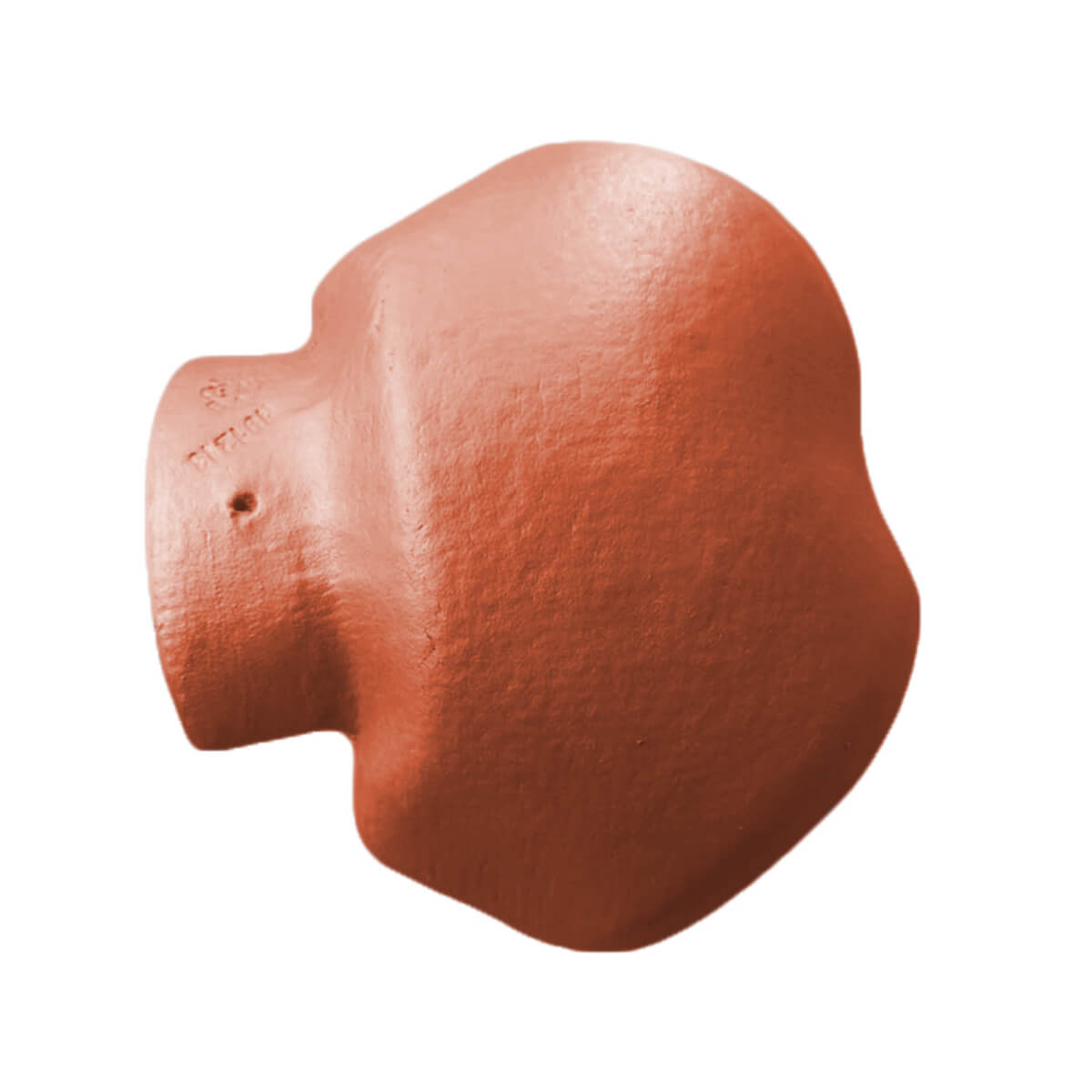 271001
Eternit corrugated sheet Y-profile ridge stone brick red
10 in stock29.35 € 3 × 9.78 € -
LAOTOODE
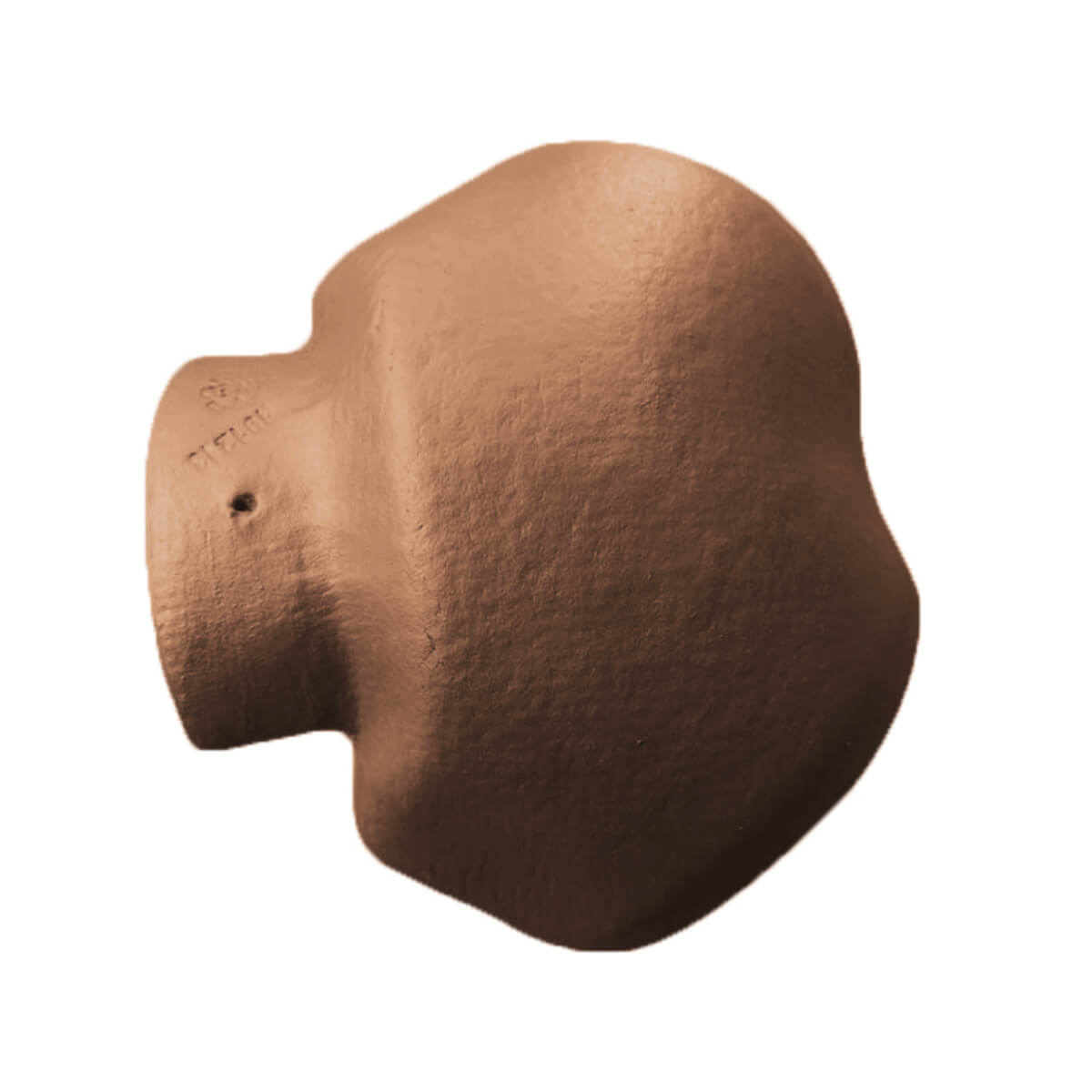 166433
Eternit corrugated sheet Y-profile, brush stone brown
9 in stock29.35 € 3 × 9.78 € -
LAOTOODE
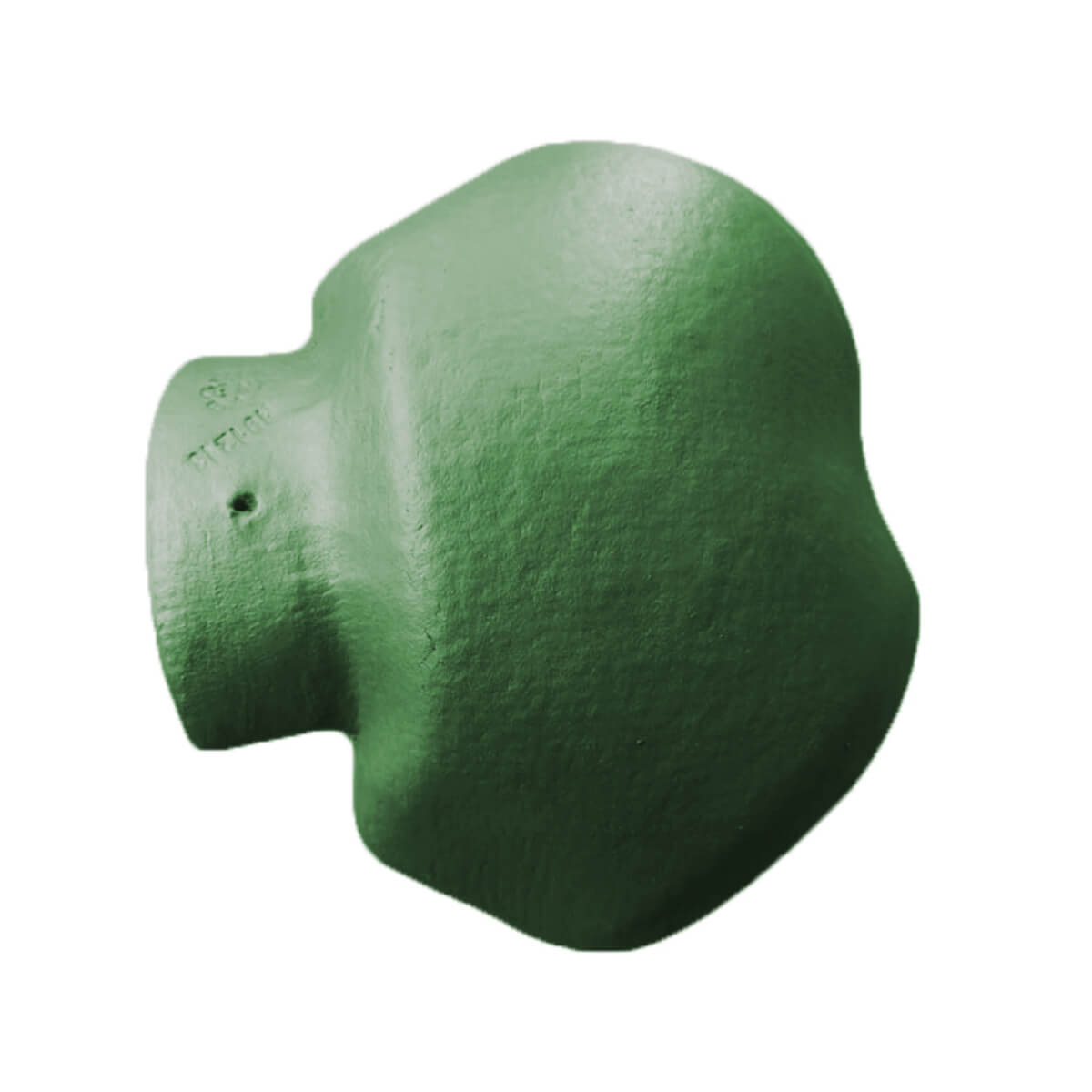 271005
Eternit corrugated sheet Y-profile, brush stone green
9 in stock29.35 € 3 × 9.78 € -
LAOTOODE
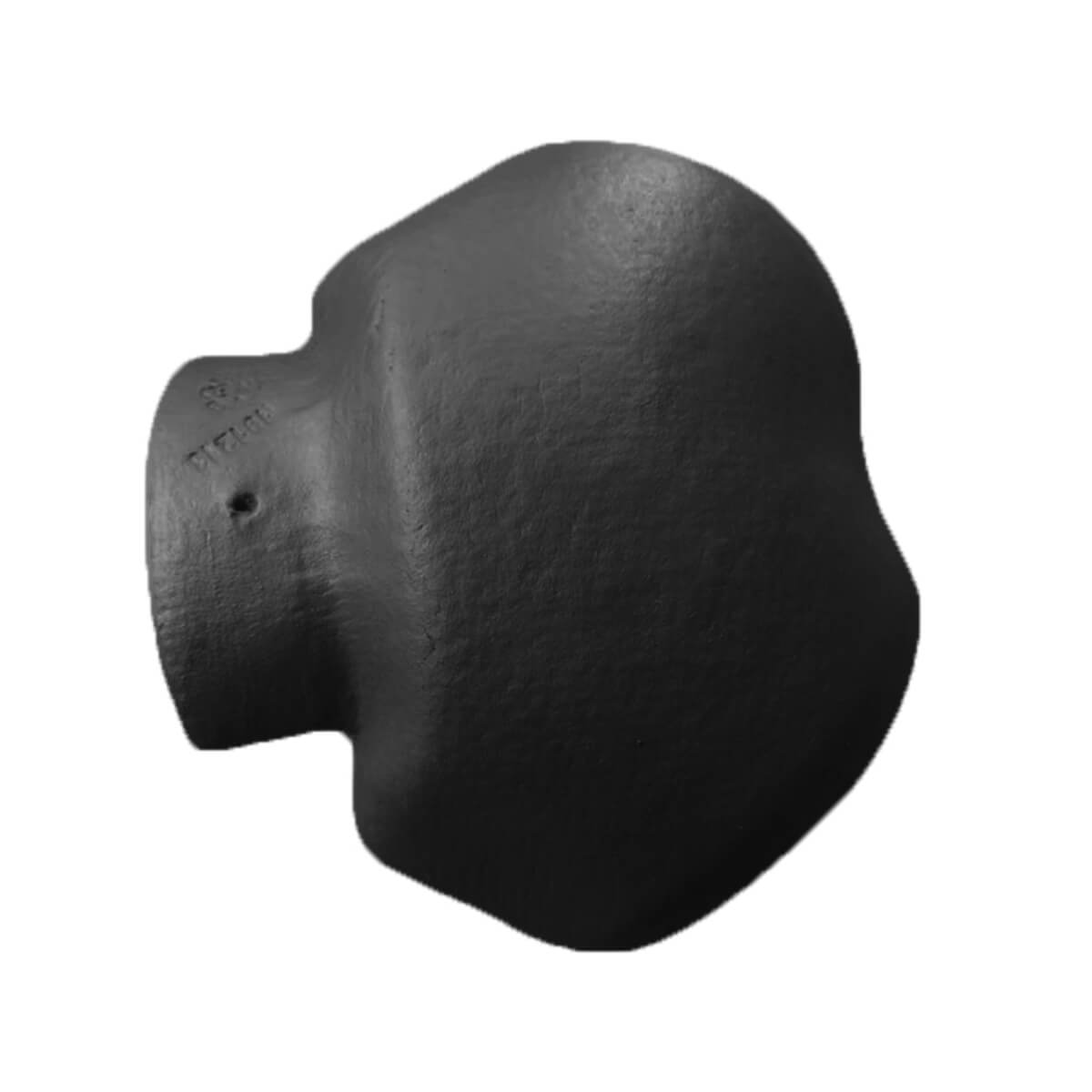 190516
Eternit corrugated sheet Y-profile, brush stone, black
13 in stock29.35 € 3 × 9.78 € -
LAOTOODE
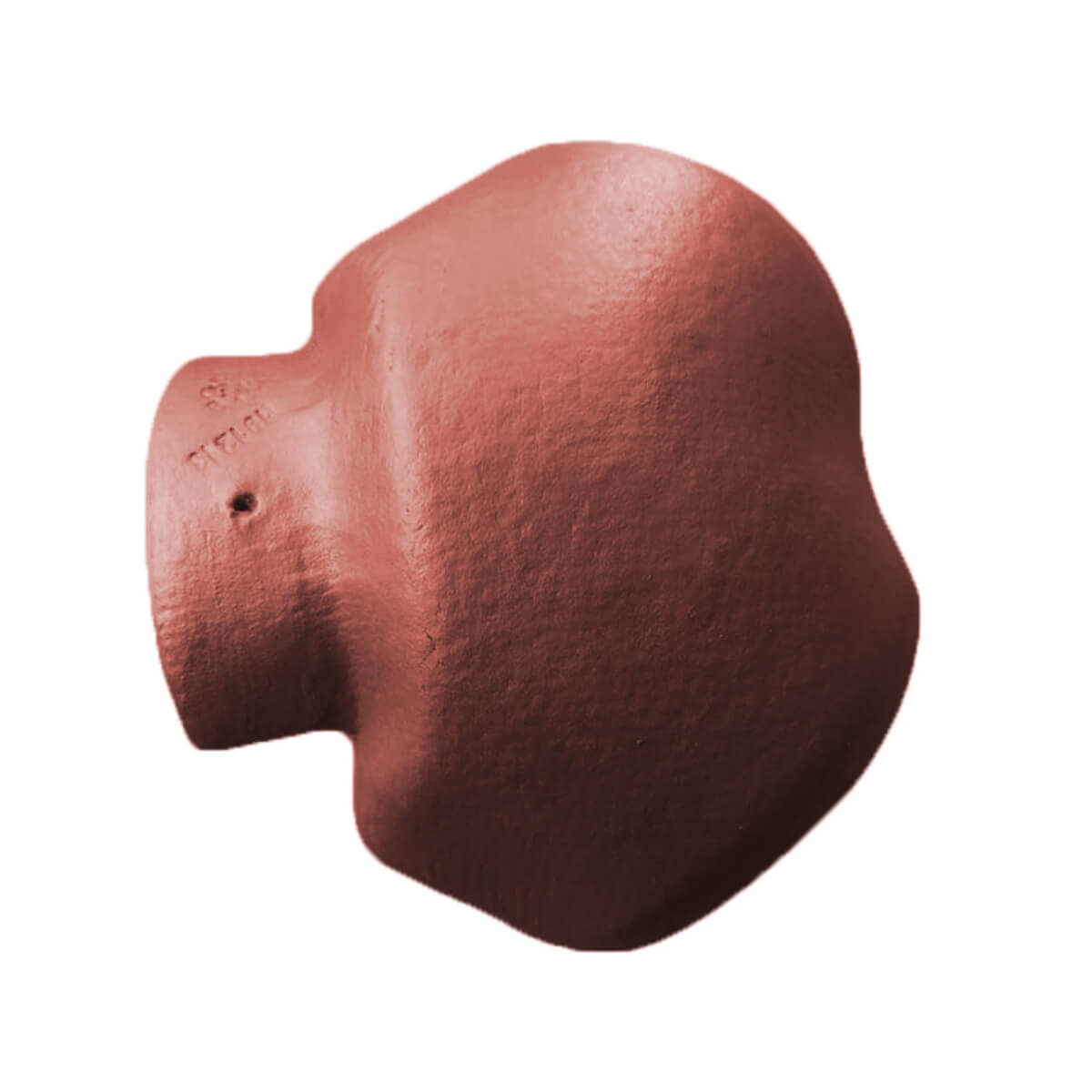 190514
Eternit corrugated sheet Y-profile, ridge stone, cherry red
14 in stock29.35 € 3 × 9.78 € -
LAOTOODE
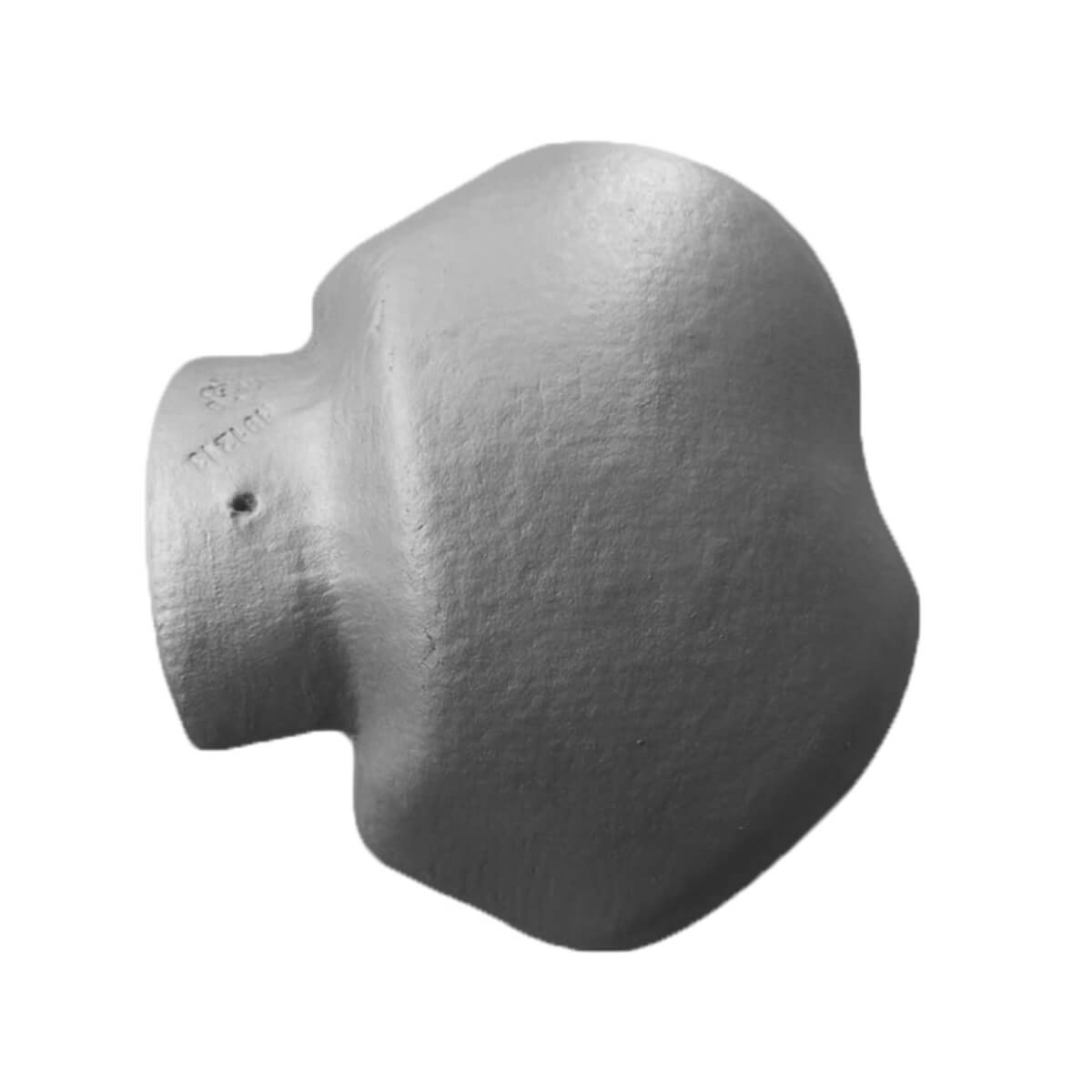 90807
90807Eternit corrugated sheet Y-profile, unpainted, ridge stone
15 in stock29.35 € 3 × 9.78 € -
LAOTOODE
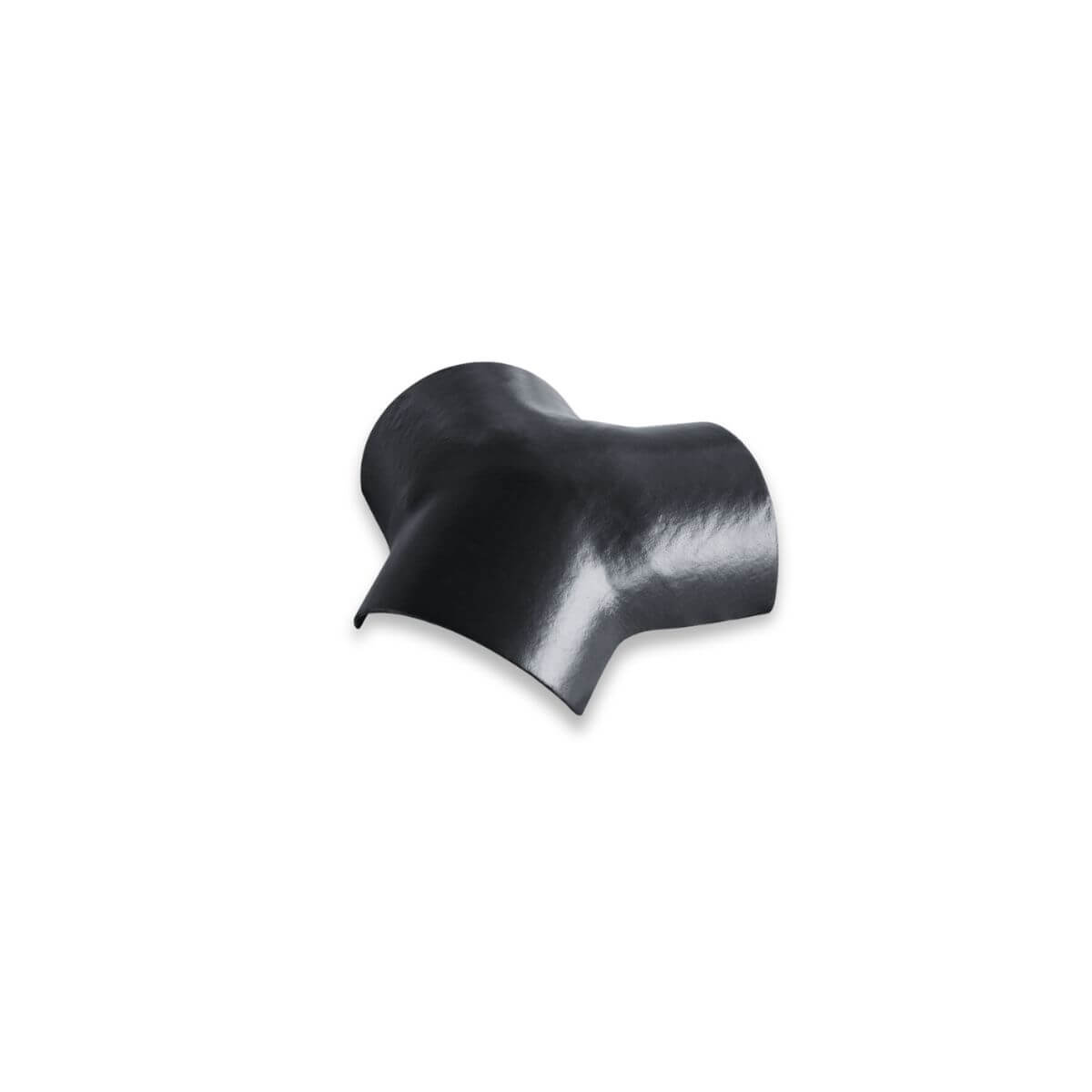 F190516
Fibrodah corrugated sheet black Y-profile ridge stone
In stock28.50 € 3 × 9.50 € -
LAOTOODE
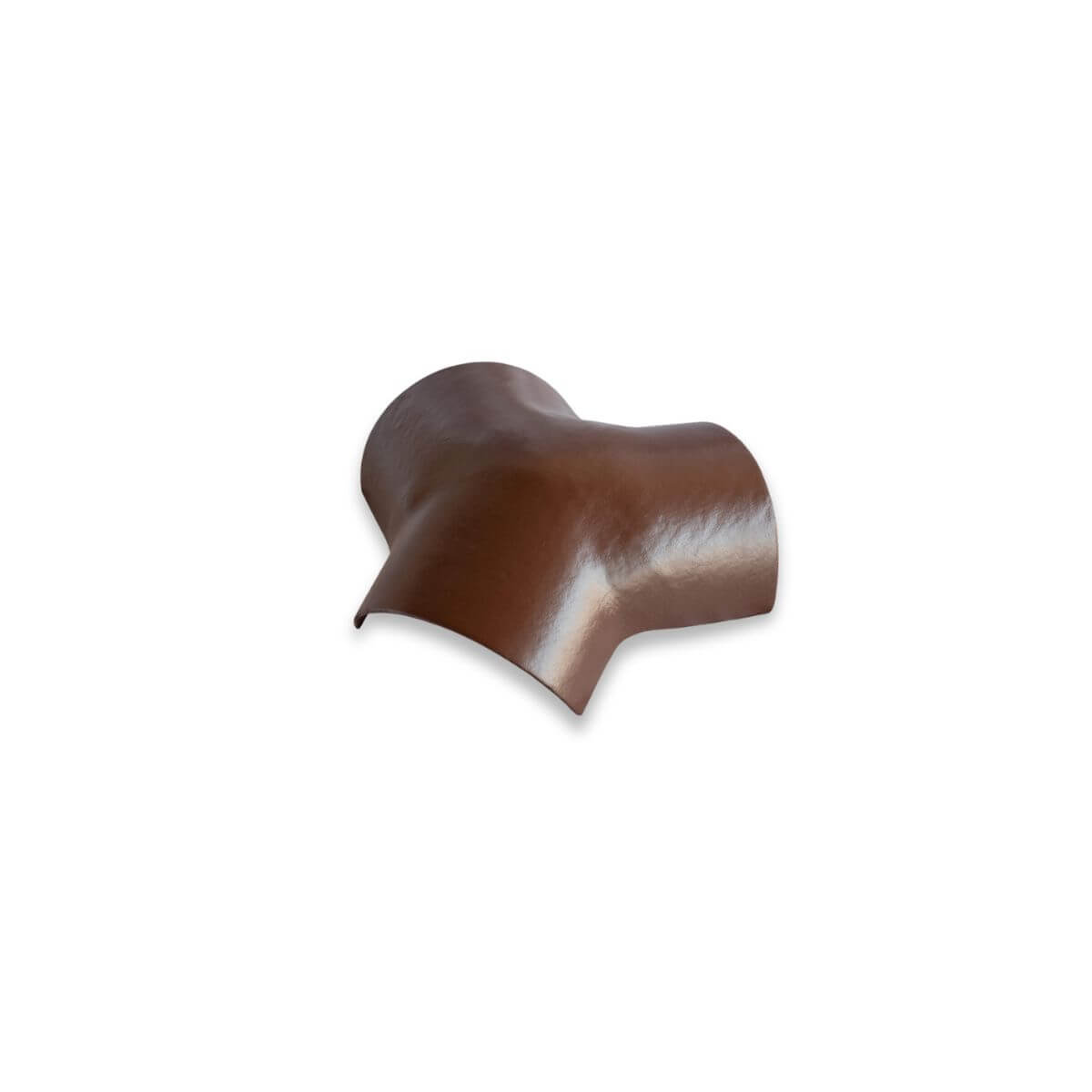 F166433
Fibrodah corrugated sheet brown Y-profile ridge stone
In stock28.50 € 3 × 9.50 € -
LAOTOODE
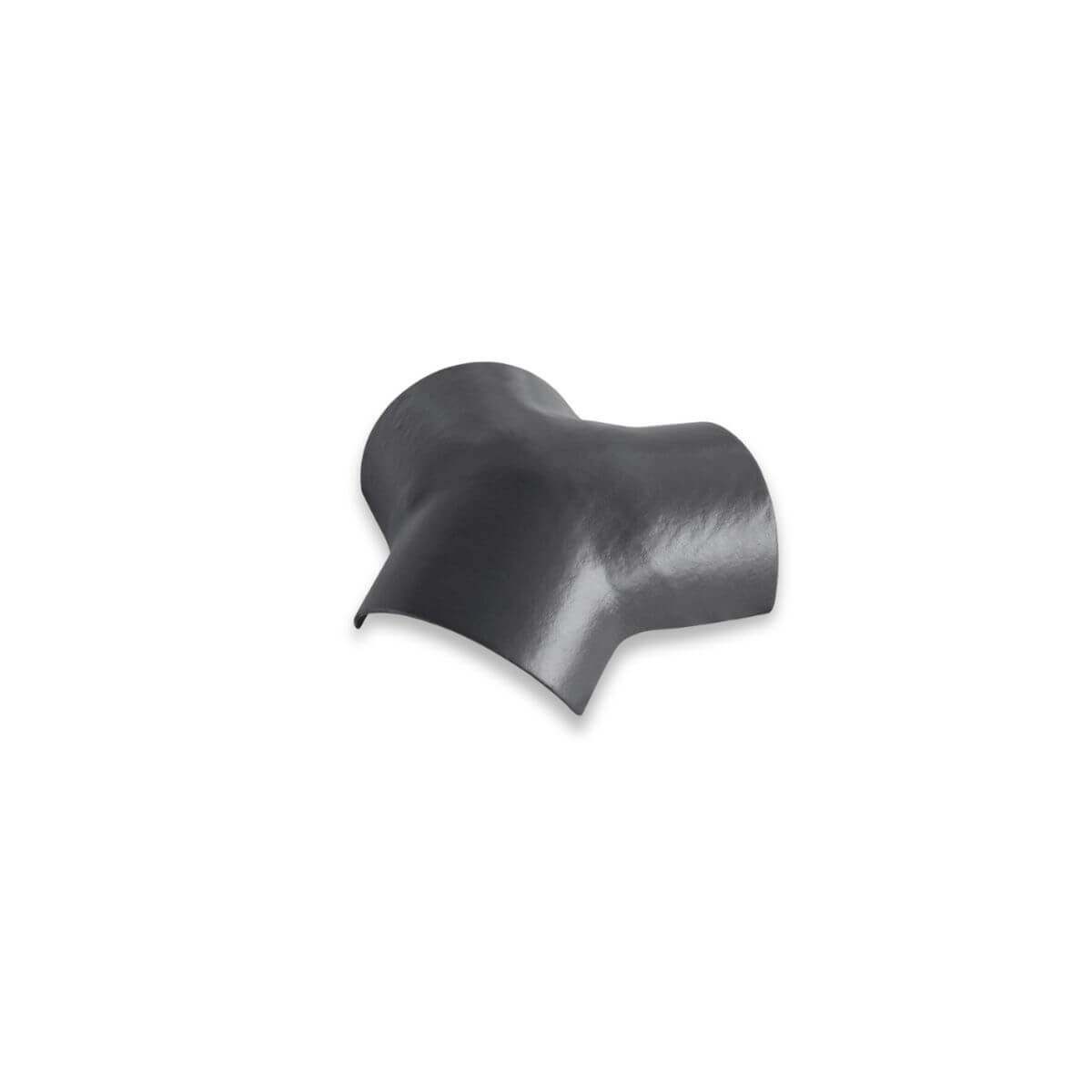 F190519
Fibrodah corrugated sheet graphite Y-profile brush stone
In stock28.50 € 3 × 9.50 € -
SOODUS -18% LAOTOODE
 25077-V
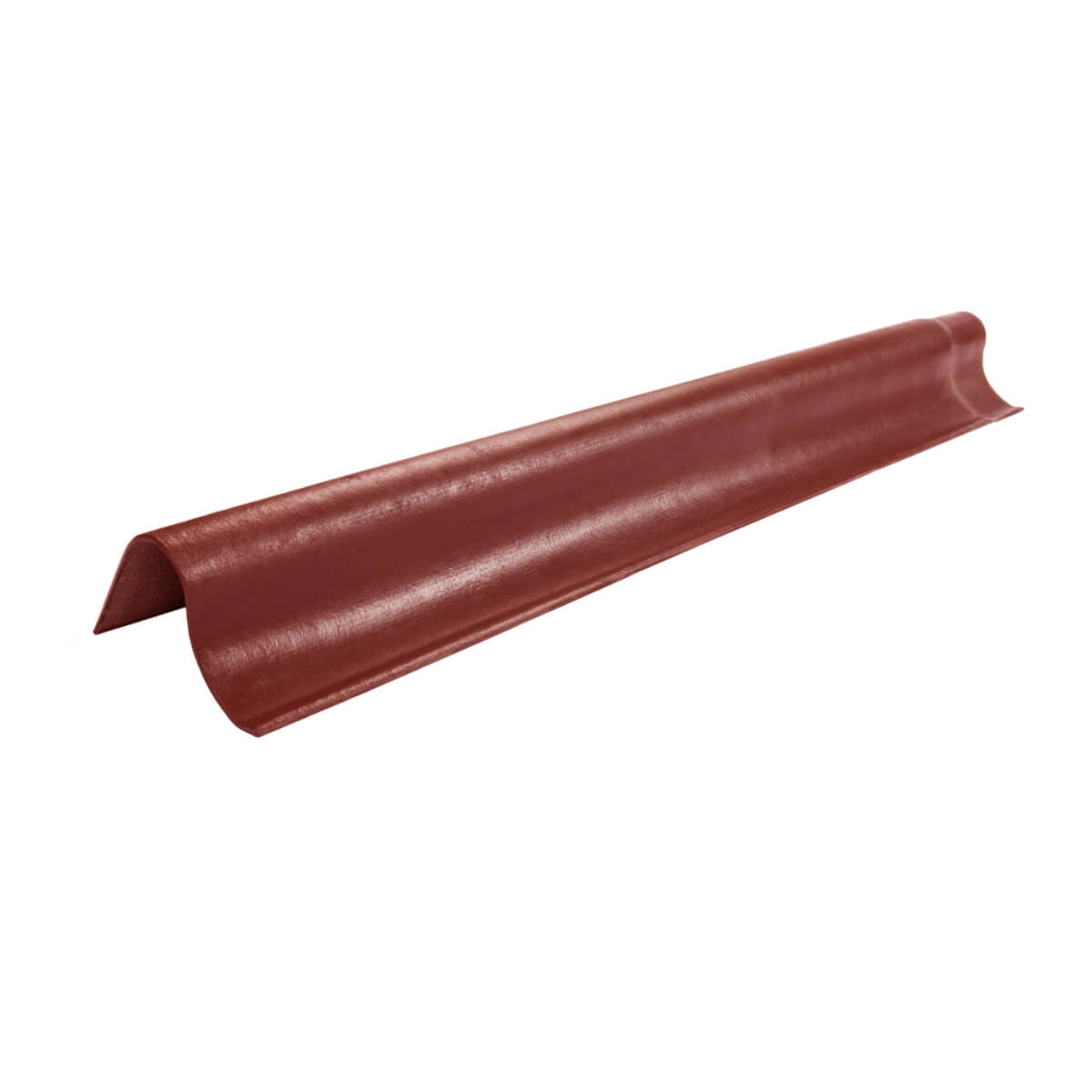
Eternit corrugated sheet left dark red S-edge cover 1620 mm
12 in stockOriginal price was: 28.23 €.23.29 €Current price is: 23.29 €. 3 × 7.76 € -
SOODUS -18% LAOTOODE
 25077
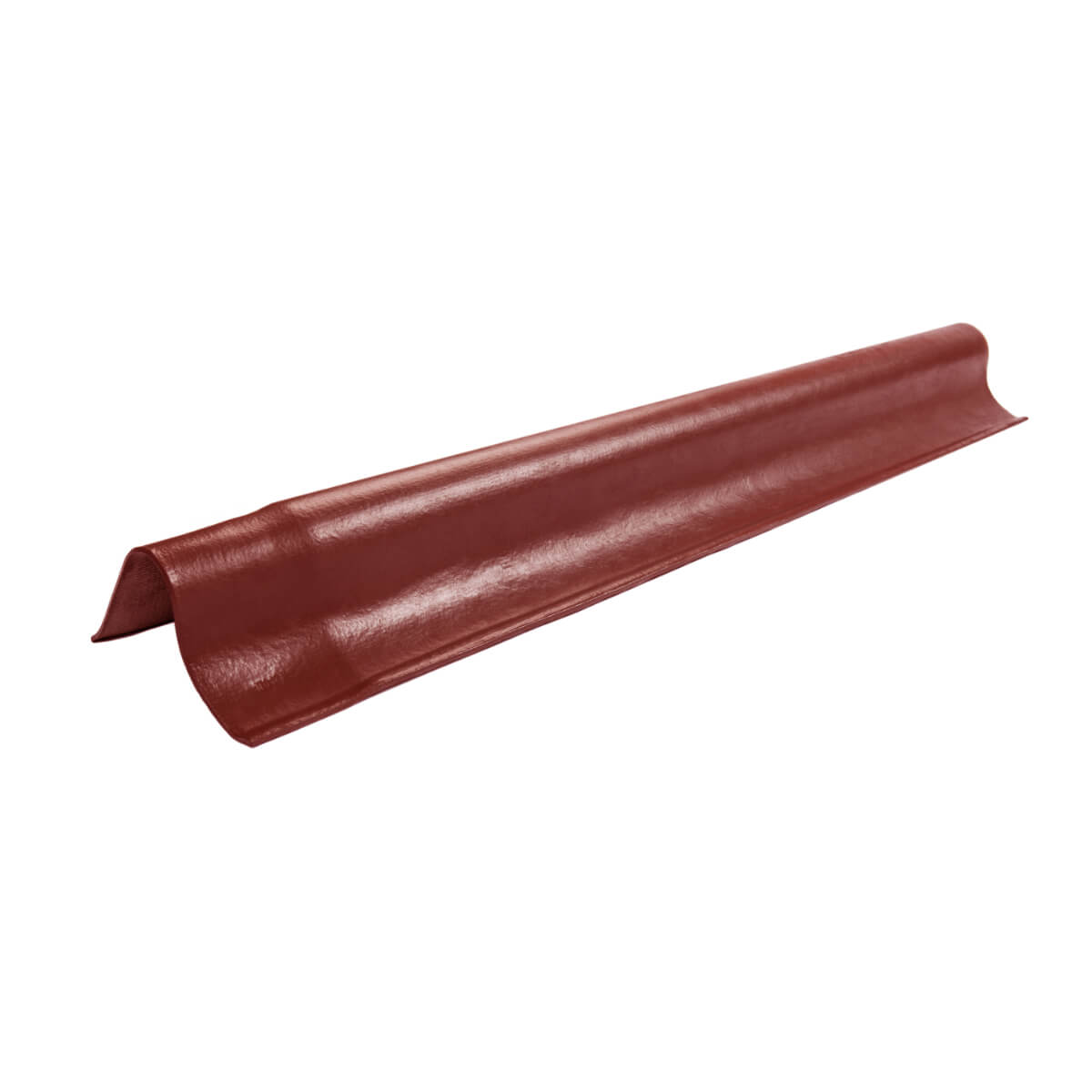
25077Eternit corrugated sheet right-hand dark red S-edge cover 1620 mm
6 in stockOriginal price was: 28.23 €.23.29 €Current price is: 23.29 €. 3 × 7.76 € -
SOODUS -14% LAOTOODE
 25071
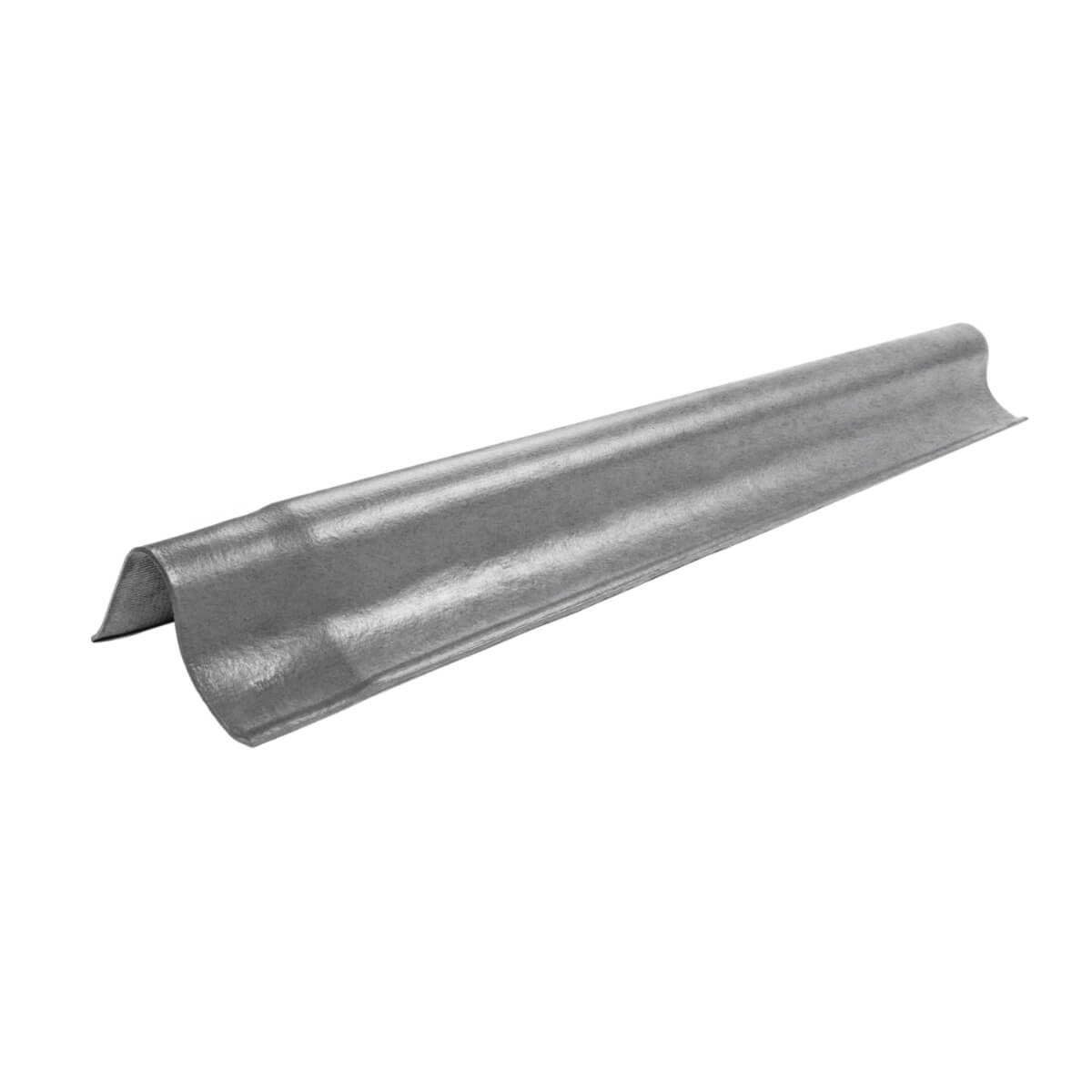
25071Eternit corrugated sheet right-hand unpainted S-edge cover 1620 mm
13 in stockOriginal price was: 25.62 €.22.01 €Current price is: 22.01 €. 3 × 7.34 € -
SOODUS -18% LAOTOODE
 25074-V
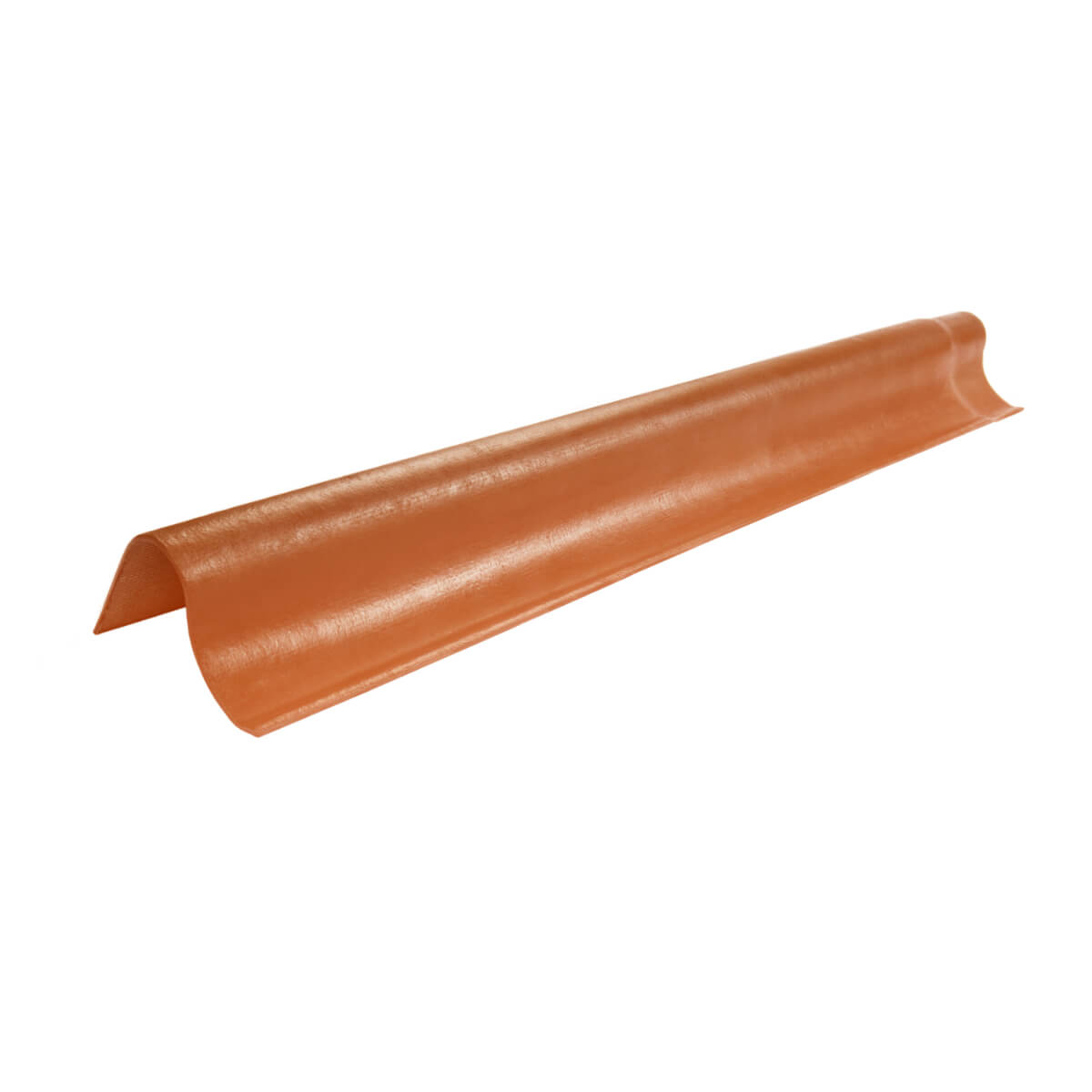
Eternit corrugated sheet left brick red S-edge cover 1620 mm
17 in stockOriginal price was: 28.23 €.23.29 €Current price is: 23.29 €. 3 × 7.76 € -
SOODUS -18% LAOTOODE
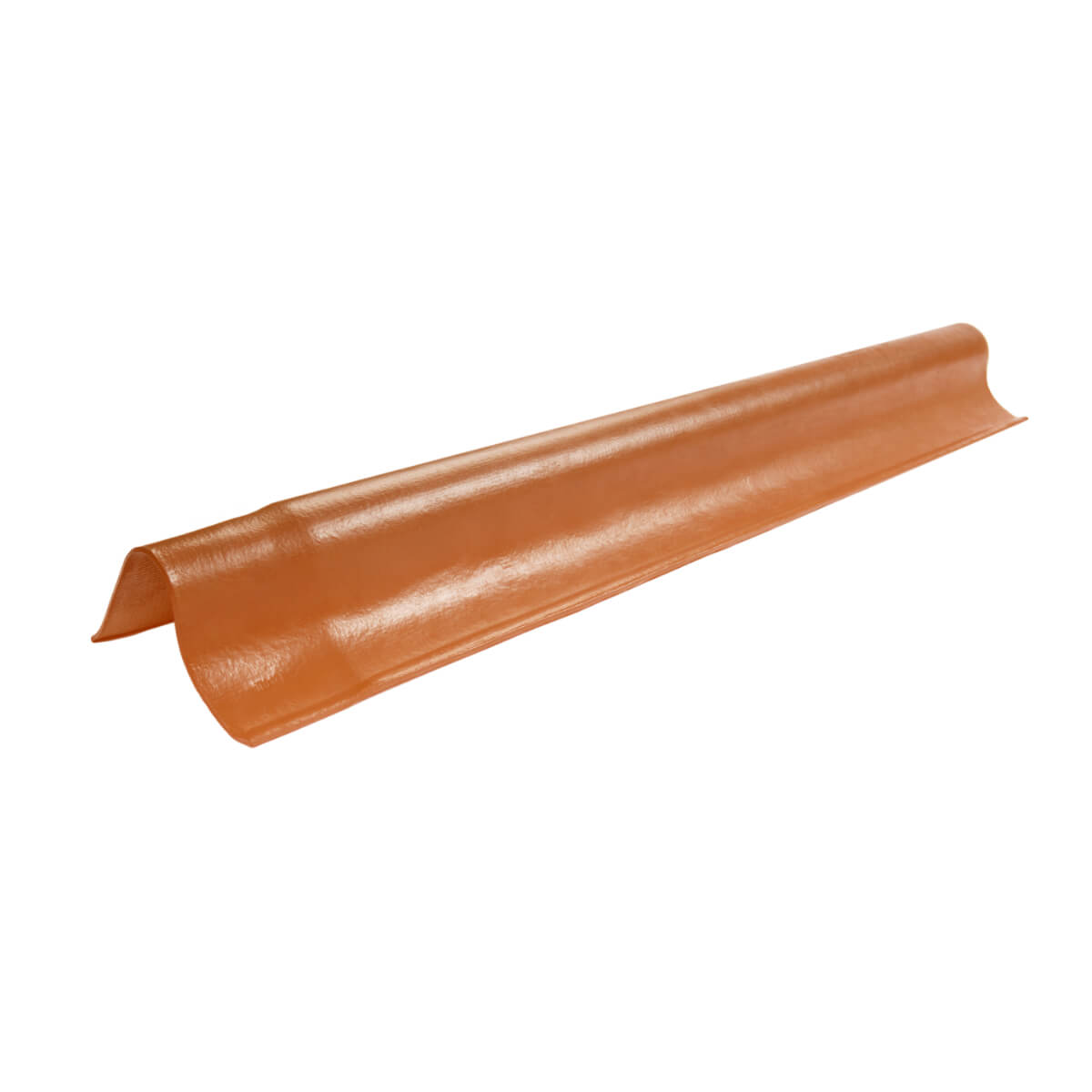 25074
25074Eternit corrugated sheet right brick red S-edge cover 1620 mm
44 in stockOriginal price was: 28.23 €.23.29 €Current price is: 23.29 €. 3 × 7.76 €
Continue where you left off
When you are on site, as a builder, you know very well: a roof is only as strong and watertight as its weakest node. Often, hours are spent choosing the main covering, but the details that actually hold the entire system together are forgotten. Eternit roof accessories are not just an "extra sale" or a secondary detail from the manufacturer; they are the backbone of the longevity, storm resistance and visual integrity of the entire roof. When you install a new roof for a customer and use modern Eternit corrugated sheet material, the customer expects a solution that will last for decades without any problems. Using cheap, unsuitable or incorrectly installed accessories will sooner or later lead to leaky penetrations, loose ridge tiles and – worst of all – annoying and expensive warranty calls that waste your valuable time. In this comprehensive guide, we'll break down in detail what the right Eternit fasteners are , how to finish ridges and eaves, and what tricks will help you avoid critical mistakes when installing fiber cement boards. We'll explain why original accessories are every professional's best friend! Why are original Eternit roof accessories critical? The construction market is highly competitive and there is often a temptation to save money on materials by replacing original fiber cement or specially tested accessories with cheaper smooth metal sheets or random screws. However, this is saving in the wrong place, which can destroy the health of the entire roof structure. Ensuring watertightness and storm resistance on site Modern fiber cement board is a living material. It reacts to temperature changes differently than metal or wood. The right accessories for an eternit roof are designed with exactly the same coefficient of thermal expansion as the corrugated sheets themselves. If you combine fiber cement with the wrong metal accessories and fasten them together too rigidly, the metal will start to "chew" microcracks into the material with temperature fluctuations. Also, the original accessories – whether they are ridge tiles or fluted boards – are molded exactly according to the profile of the wave. This ensures maximum wind and water tightness in stormy winds, which is almost impossible to achieve on a straight smooth corrugated sheet without using kilograms of sealant. However, the sealant breaks down over the years when exposed to UV radiation. Long-term customer warranty and builder peace of mind Another important aspect is legal. Most manufacturers provide a long, often 30-year material warranty for their corrugated fiber cement boards. However, this warranty is usually only valid if specified Eternit fasteners and original accessories have been used. If a storm damages the site and it turns out that you have used cheap screws without seals or self-bent ridge tiles that do not provide sufficient ventilation, the manufacturer's warranty is void and the responsibility falls entirely on the builder. A smart builder buys materials and accessories in a set. If the client is still considering solutions, it is a good idea to direct them to Eternit sales offers to assemble the entire system from one place. This minimizes logistical headaches and ensures 100% compatibility of the parts. Correct ridge solutions and ventilation The ridge is the highest point of the roof and the most demanding area in terms of structural physics. It must be tight enough to keep snow and rain out, but open enough to allow all moisture that accumulates under the roof structure to vent freely. Fiber cement brush details vs. sheet metal brushes The cleanest and most technically durable result is achieved by original fiber cement ridge elements (ridge stones or 2-piece ridge boards). Since they are made of exactly the same material and in the same color as the roof tiles, they age and fade evenly over time. Using a regular roof ridge tile on corrugated iron leaves large gaps between the ridges and valleys of the tiles. Sealing these gaps is time-consuming and uneven, which often makes the ridge visually disturbing to the homeowner. Original fiber cement parts "sit" on the wave much more logically, giving the building a more massive and finished look. The role of the brush seal and its correct installation Regardless of whether you use the original ridge tile or have to use metal due to circumstances, a breathable ridge seal is an absolutely critical element . This is a special tape or ridge sealing tape sold in rolls, with stretchable corrugated aluminum at the edges and a breathable membrane or dense ridge in the middle (the so-called "hedgehog"). A unique tip from the site: A very common mistake is to over-stretch the ridge seal during installation. Always apply the tape loosely, carefully pressing the sticky edges to the bottom of the wave, rather than pulling it tight over the ridges. If the tape is tight, summer heat or winter frost will tear the sticky part from the bottom of the wave and snow will find its way directly onto or between the underlay. The ridge seal prevents birds, insects and fine snow from entering the roof structure, while allowing warm and moist air to escape freely. Professional finishing of gables and eaves Eaves and gables (the ends of the roof) are exposed to the most direct wind load. Poorly attached gable elements are the first to fly off in autumn storms. Veneered boards and fiber cement veneered panels There are two main ways to finish the gable end: either build a wooden wind box with covering sheets or use special fiber cement gable sheets . The latter give the roof a very uniform and monolithic look. S-shaped or L-shaped asymmetrical gable elements are attached directly to the corrugated sheet and to the gable board. When installing, it is important to ensure that the overlap of the gable sheets matches the overlap of the corrugated sheet (usually 150 mm) and that they are screwed at least at two points. If you use wood and sheet metal to finish the gable, make sure that there is a proper seal under the edge of the sheet metal, which prevents the wind from pushing water under the corrugated sheet. Installing eaves ridge and bird barrier The eaves node is where the roof receives incoming air. Unfortunately, birds also love this place. A bird barrier for the roof , or eaves comb, is a special plastic or metal profile with flexible teeth, which is installed on the first row of rafters, directly under the corrugated sheet. Why is it vital? If you leave the bottoms of the waves open at the eaves, birds are very likely to build nests there. Nesting material prevents critical roof ventilation , which quickly leads to rotting of the rafters and rafters. In addition, birds often tear off the breathable underlay with their claws. The eaves comb is installed with nails or clips before the tiles are installed and must closely follow the lower profile of the corrugated sheet. Fasteners: Only the right screws guarantee quality It may seem unbelievable, but often the biggest mistakes are made in the selection of the smallest details – screws. Fasteners are not a place to count pennies. Selection and length of roofing screws with EPDM seal To fix Eternit corrugated sheets, you must use exclusively special self-drilling roofing screws with a gasket . Their length depends on the height of the wave. In the case of a high wave (for example, 51 mm), the length of the screw must be at least 100-110 mm so that it passes through the sheet, reaches the batten and has sufficient tensile strength. The material of the gasket is very important. Always insist on EPDM rubber (ethylene-propylene-diene-monomer) washers! A regular rubber coating or plastic washer dries out in the sun to become brittle in a couple of years, cracks and water begins to drip into the batten along the screw thread. EPDM retains its elasticity at temperatures from -40 to +100 degrees for decades, ensuring absolute water tightness of the screw hole. Fastening from the crest of the wave: the golden rule This cannot be stressed enough: corrugated fiber cement board is always fastened from the crest of the wave . If you drive a screw into the bottom of the wave (as is sometimes done with tin roofs), you will create hundreds of guaranteed leaks on the roof, because all the rainwater will flow directly into the bottom of the wave. When screwing in the screw, the clutch of the cordless drill must be adjusted so that the rubber washer is pressed lightly against the board, sealing the hole, but does not crush the wave crest. A screw that is tightened too tightly creates tension in the board, which leads to the board cracking along the wave with the first frosts. Special eternit fasteners often also have a small "wing" on the shank, which mills the hole in the board slightly wider than the screw thread – this allows the board to move easily during thermal expansion without the screw breaking it. Penetrations and roof safety accessories for fiber cement The roof is not just a smooth surface. Ventilation pipes and chimneys come through it, and it must be possible to move around safely and perform maintenance work. Solving these problems is often the biggest challenge for a builder. Sealing ventilation and chimney penetrations It is easy to install a penetration on a regular smooth sheet metal, but the profile of the corrugated sheet makes it difficult. Penetrations to an Eternit roof always require penetration kits with a specially shaped base plate for the corrugated sheet. These kits copy the shape of the wave, ensuring that water flows smoothly past them. During installation, the base plate of the penetration must always be sealed with the included butyl compound or weatherproof MS polymer. The area around chimneys is a classic area of concern. Special self-adhesive, stretchable aluminum or lead chimney tapes (such as Wakaflex) must be used there, which are folded tightly into the wave profile and covered with a sheet metal strip on top. Using a rigid smooth sheet metal behind the chimney on the corrugated sheet leaves too large gaps where the wind presses snow in. Snow guards and roof bridges on corrugated sheet Legislation requires that the roof must have appropriate roof safety products – safety rope attachments, roof bridges for Eternit and ladders so that the chimney sweep can do his job. Snow guards are mandatory above doors and walkways. A completely different logic applies here compared to fixing the slab itself! Since the roof bridge or snow guard has to bear an enormous weight, their special brackets (legs) are attached from the bottom of the wave directly through the roof covering to the rafter or rafter. For this purpose, these Eternit roof accessories come with thick, massive rubber blocks (seals) that follow the shape of the bottom of the wave. When installing them, extreme care must be taken to ensure that the holes are hermetically sealed. Carrying the weight from the crest of the wave would immediately break the slab. Quick summaries Avoid analogues: The lifespan and warranty of the corrugated sheet are guaranteed only by original and profile-compatible Eternit roof accessories . Screw from the ridge: Fasten the roof tiles exclusively from the ridge of the wave with special screws with EPDM washers. Do not overtighten the screw! Weight to the bottom: Unlike slabs, attach load-bearing safety products (snow guards, bridge legs) directly to the batten from the bottom of the wave using thick gaskets. Seal the ridge breathablely: Always use a breathable ridge seal (rolled material) on the ridge to keep out birds and snow while maintaining roof ventilation. Eaves protection: Bird barriers or eaves combs on the first rafter are mandatory to prevent the rafters from rotting due to bird nests. Frequently asked questions Can I fix fiber cement board with regular corrugated roofing screws? No. Corrugated roofing screws are too short to fix from the ridge of the corrugated sheet and do not have a special "wing" or expansion space that would allow the board to move in the event of thermal expansion. This will inevitably lead to cracking of the boards. Only use special corrugated roofing screws. Why are original corrugated sheets better than sheet metal L-slats? Original fiber cement corrugated sheets have exactly the same thermal expansion as the corrugated sheets themselves, which avoids micro-damages caused by the materials "playing" with each other. In addition, they do not rattle in the wind and age in the same tone as the rest of the roof. Does a breathable underlayment replace a ridge cap? No. A breathable underlayment is a roofing membrane that sits under the battens and protects the insulation. A ridge cap is installed on top of the battens, directly under the ridge cap or ridge tile. Its purpose is to prevent snow and debris from getting onto the roof battens and into the ventilation gap. How many screws should be installed per Eternit board? For standard long boards (e.g. 1750 mm), it is usually recommended to install at least 4-6 screws per board, depending on the wind area. The screws are installed in the corners of the board (second wave from the edge) and in the middle, ensuring stability against wind uplift. How to clean fiber cement board before sealing a penetration? Before installing butyl tapes, ridge seals or other self-adhesive Eternit roof accessories, the board surface must be absolutely dry, dust-free and grease-free. Clean the surface carefully with a rough brush and, if necessary, use a special construction surface cleaner (primer) to ensure 100% adhesion of the tape.