
Roof penetration.
Every experienced builder knows that there is nothing worse than a phone call from a client during the first strong autumn storm, reporting that the roof is leaking…
-
SOODUS -15% LAOTOODE
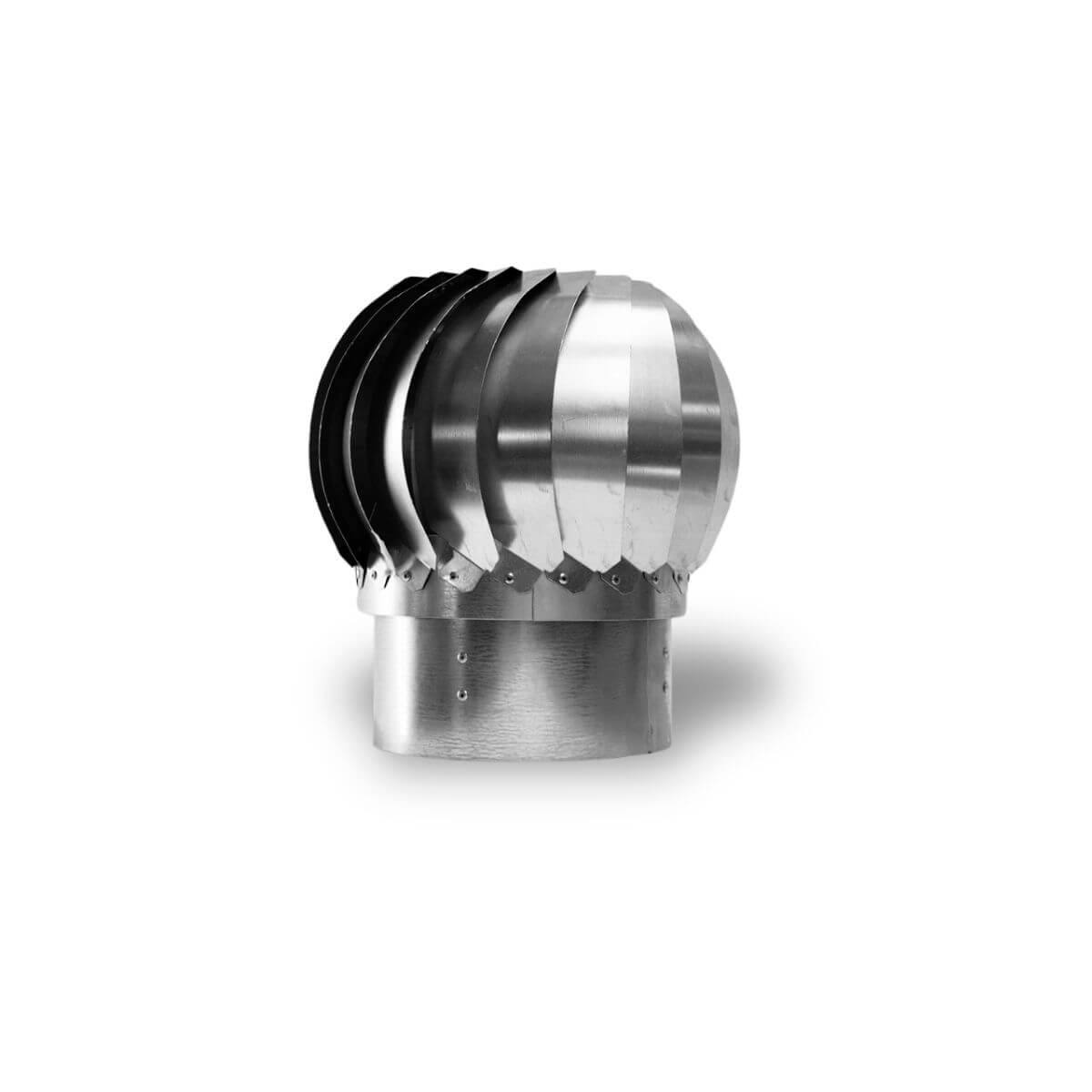 AVD-150-1ZS
Self-rotating wind fan AVD 150 mm
24 in stockOriginal price was: 75.64 €.64.31 €Current price is: 64.31 €. -
SOODUS -14% LAOTOODE AVD-200-1ZS
Self-rotating wind fan AVD 200 mm
9 in stockOriginal price was: 106.64 €.91.90 €Current price is: 91.90 €. -
SOODUS -15% LAOTOODE AVD-250-1ZS
Self-rotating wind fan AVD 250 mm
3 in stockOriginal price was: 131.44 €.111.74 €Current price is: 111.74 €. -
SOODUS -15% LAOTOODE AVD-400-1ZS
Self-rotating wind fan AVD 400 mm
5 in stockOriginal price was: 167.40 €.142.31 €Current price is: 142.31 €. -
LAOTOODE
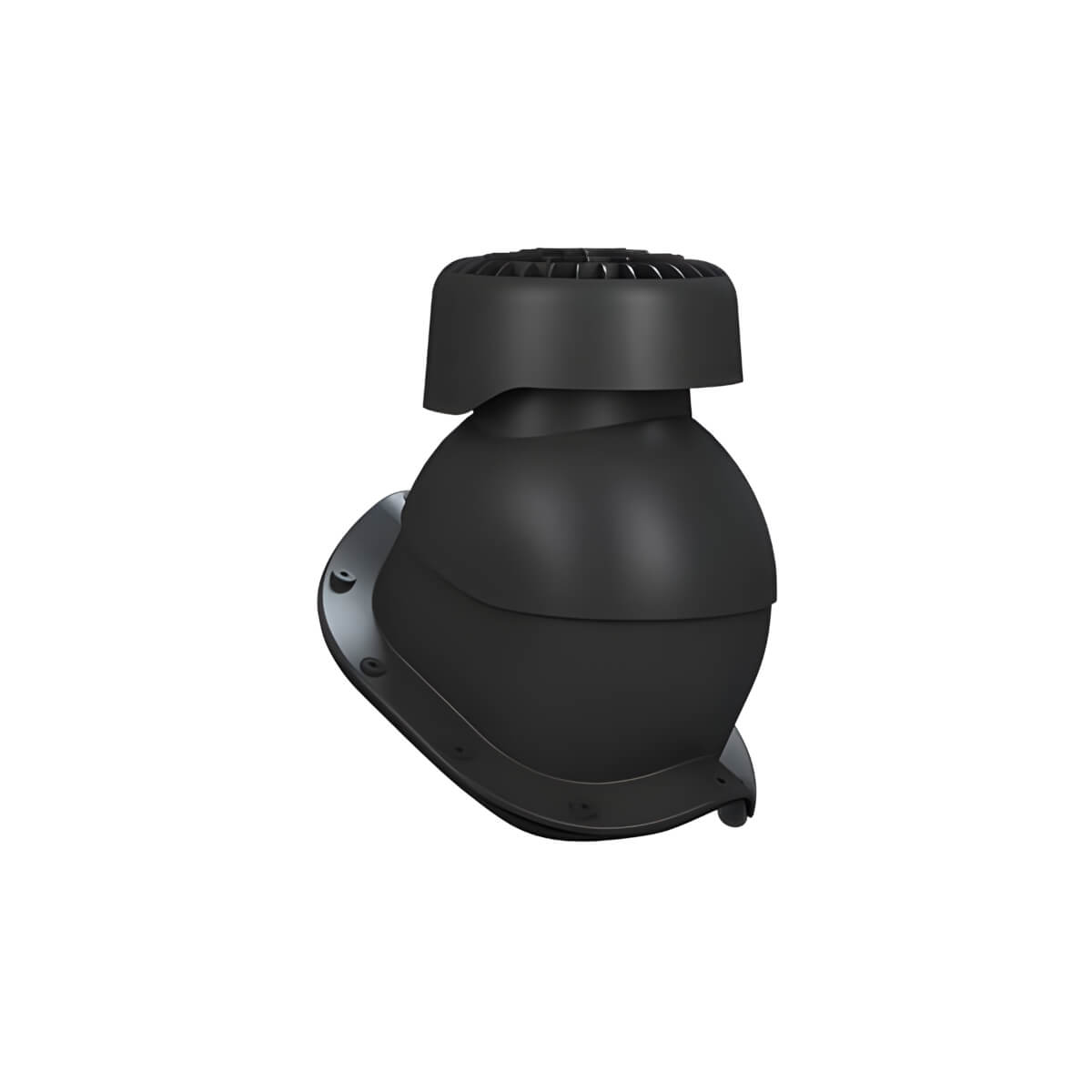 5-3K84V06
Sewerage penetration for eight-wave corrugated sheet Wirplast Perfekta V black Ø110mm
11 in stock74.40 € -
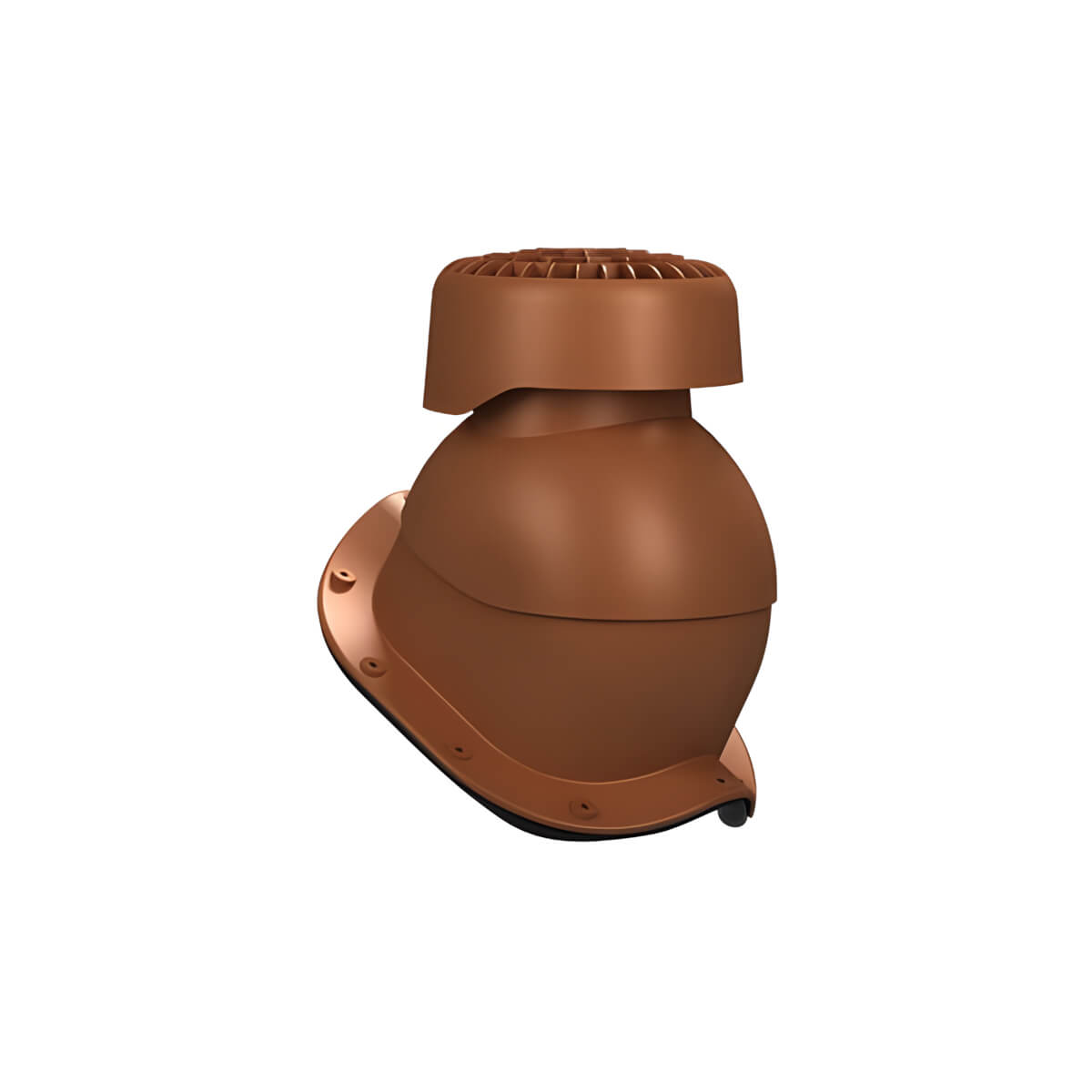 5-3K84V07
Sewerage penetration for eight-wave corrugated sheet Wirplast Perfekta V brick red Ø110mm
Available to order74.40 € -
LAOTOODE
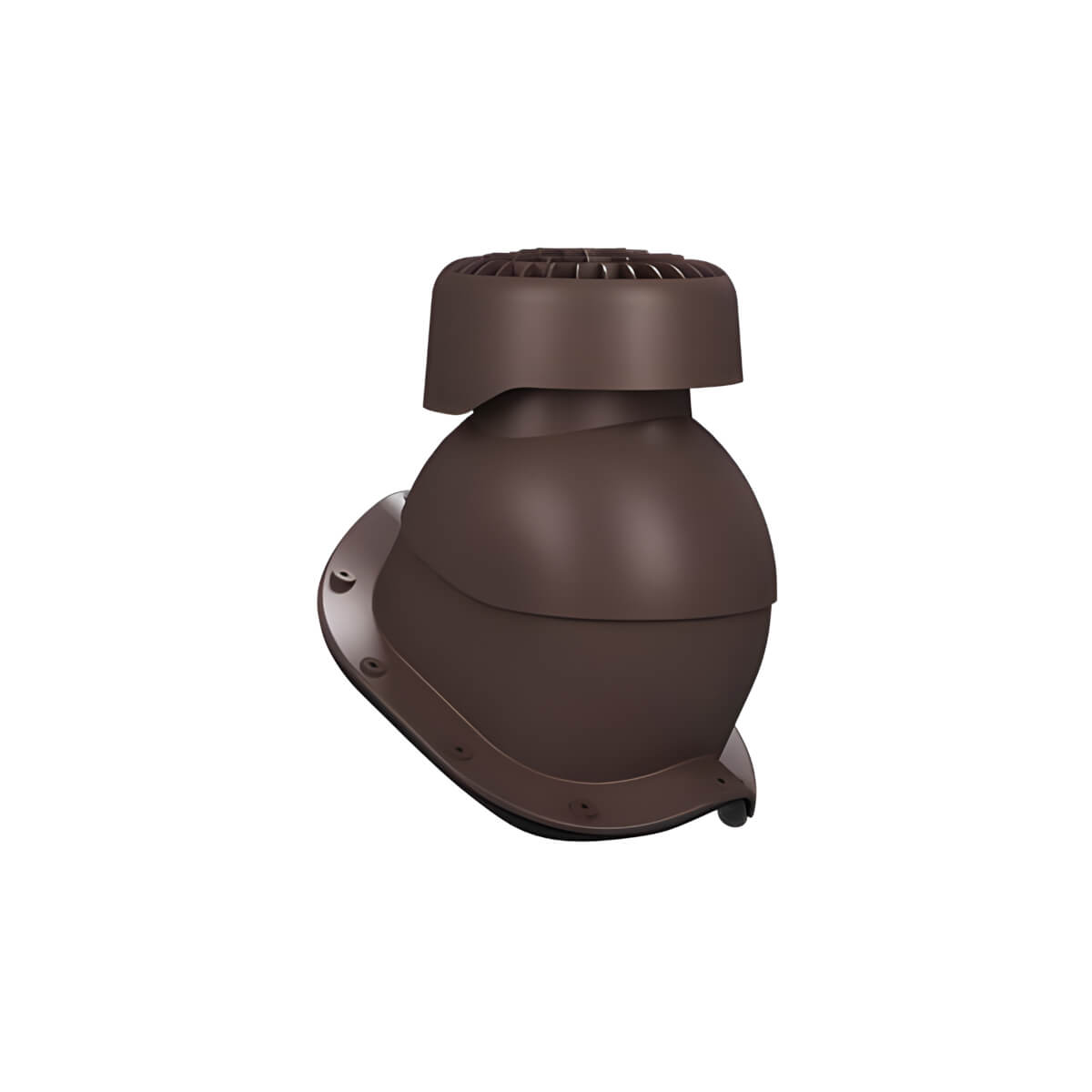 5-3K84V02
Sewerage penetration for eight-wave corrugated sheet Wirplast Perfekta V brown Ø110mm
15 in stock74.40 € -
LAOTOODE
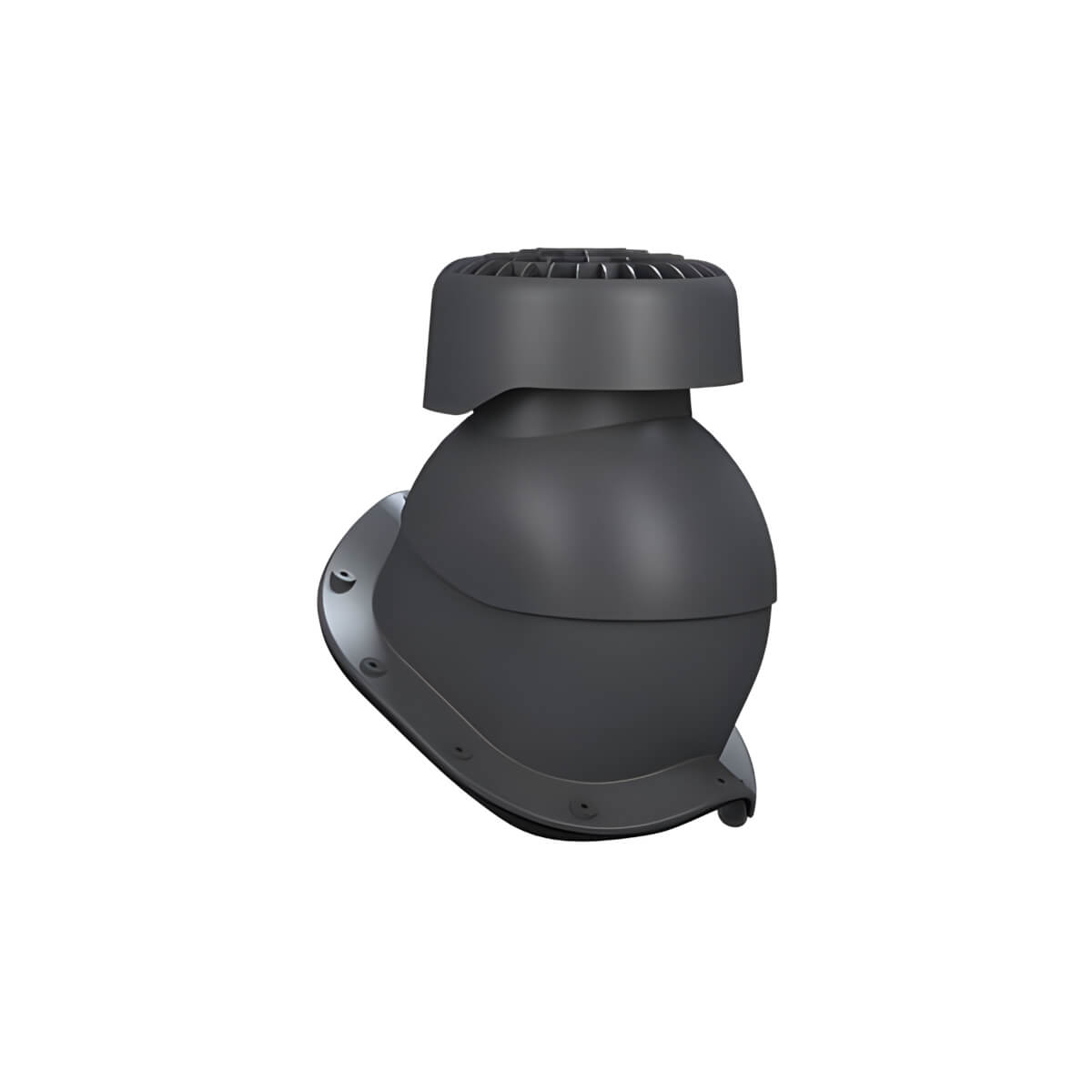 5-3K84V03
Sewerage penetration for eight-wave corrugated sheet Wirplast Perfekta V graphite Ø110mm
11 in stock74.40 € -
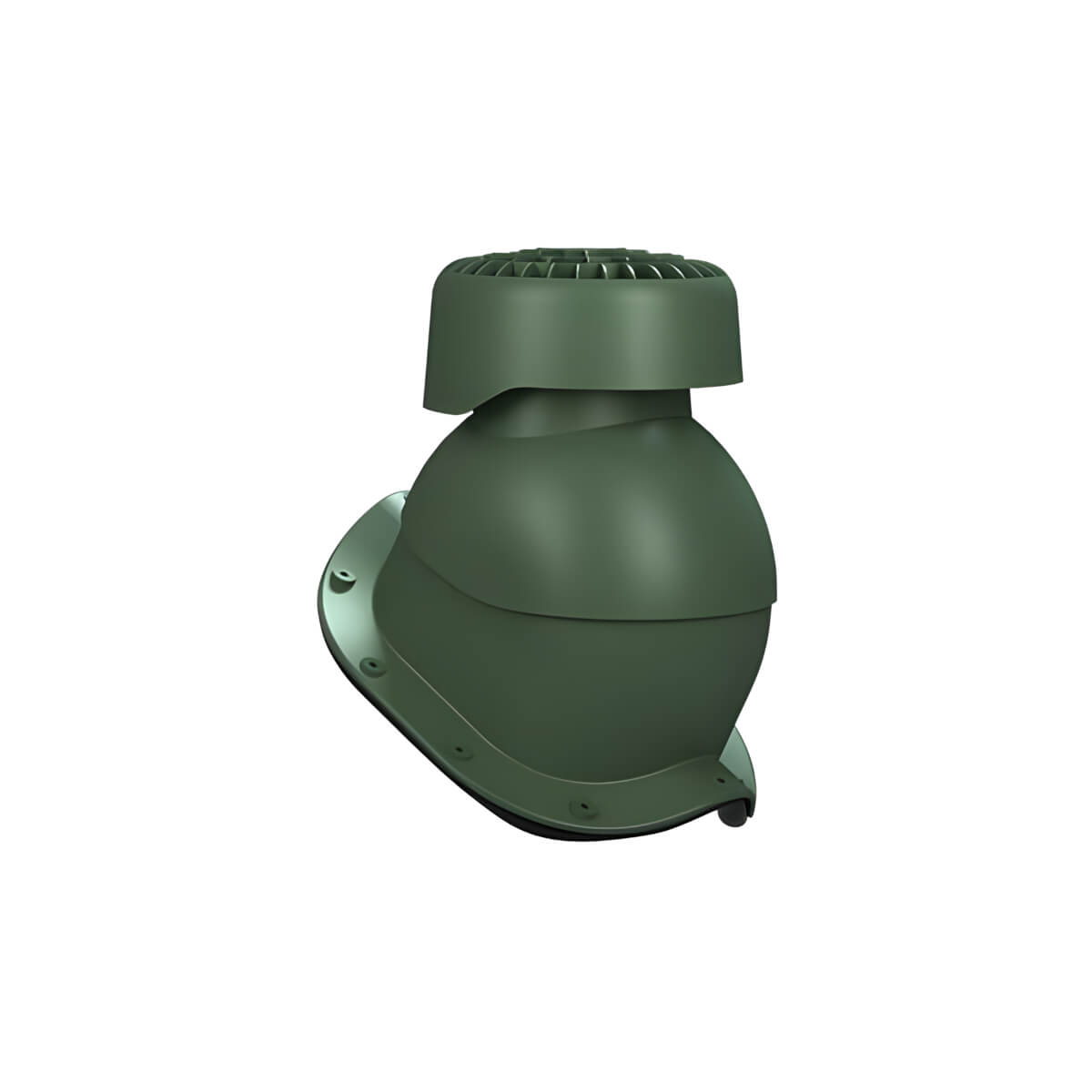 5-3K84V05
Sewerage penetration for eight-wave corrugated sheet Wirplast Perfekta V green Ø110mm
Available to order74.40 € -
 5-3K84V04
Sewerage penetration for eight-wave corrugated sheet Wirplast Perfekta V red Ø110mm
Available to order74.40 € -
LAOTOODE 5-3K84E06
Sewerage penetration for five-wave corrugated sheet Wirplast Perfekta E black Ø110mm
5 in stock74.40 € -
5-3K84E07
Sewerage penetration for five-wave corrugated sheet Wirplast Perfekta E brick red Ø110mm
Available to order74.40 € -
5-3K84E02
Sewerage penetration for five-wave corrugated sheet Wirplast Perfekta E brown Ø110mm
Available to order74.40 € -
LAOTOODE 5-3K84E03
Sewerage penetration for five-wave corrugated sheet Wirplast Perfekta E graphite Ø110mm
6 in stock74.40 € -
5-3K84E05
Sewerage penetration for five-wave corrugated sheet Wirplast Perfekta E green Ø110mm
Available to order74.40 € -
5-3K84E04
Sewerage penetration for five-wave corrugated sheet Wirplast Perfekta E red Ø110mm
Available to order74.40 € -
LAOTOODE
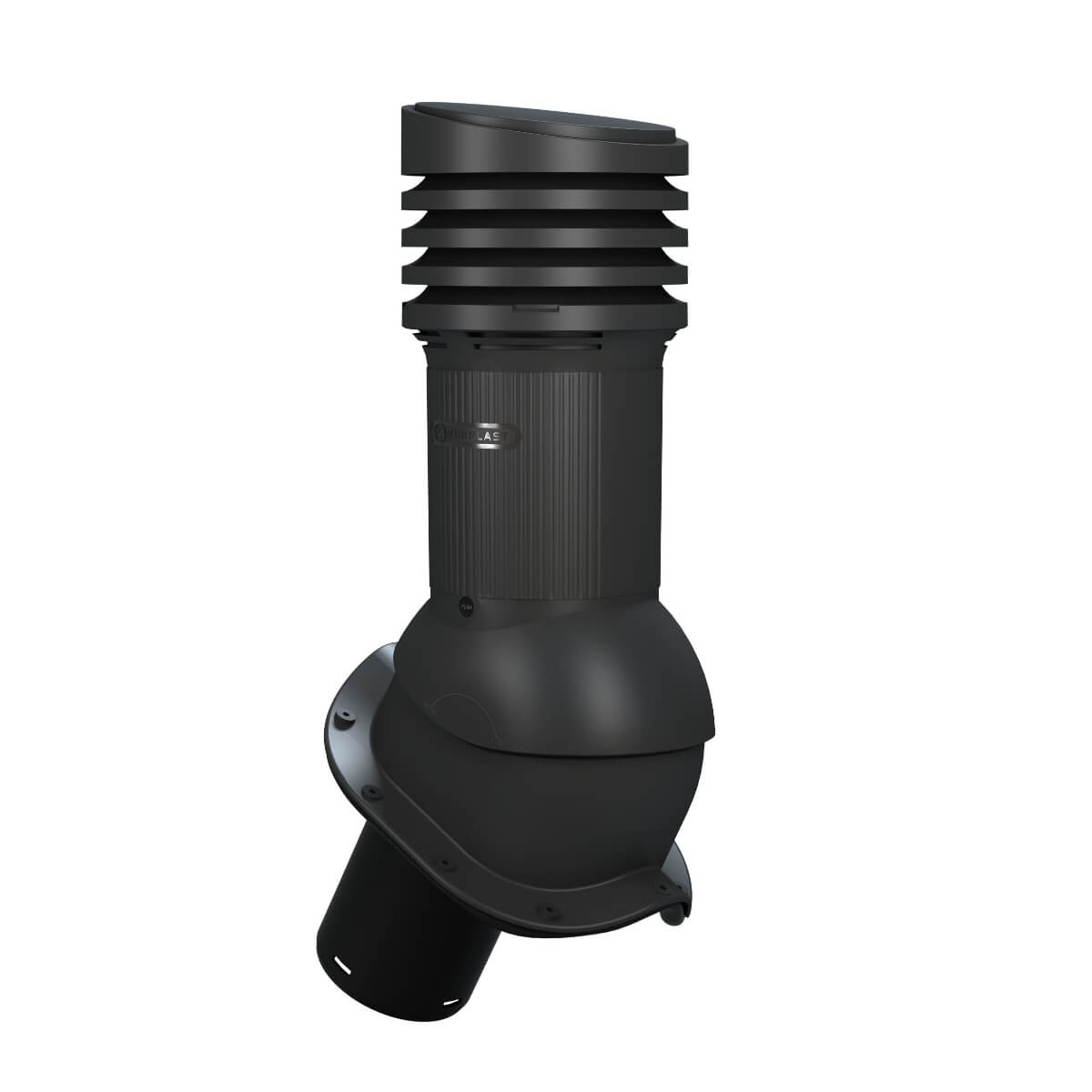 5-9E26V06
Ventilation duct for eight-wave corrugated sheet Wirplast Perfekta V black Ø125mm, insulated
16 in stock111.60 € -
LAOTOODE
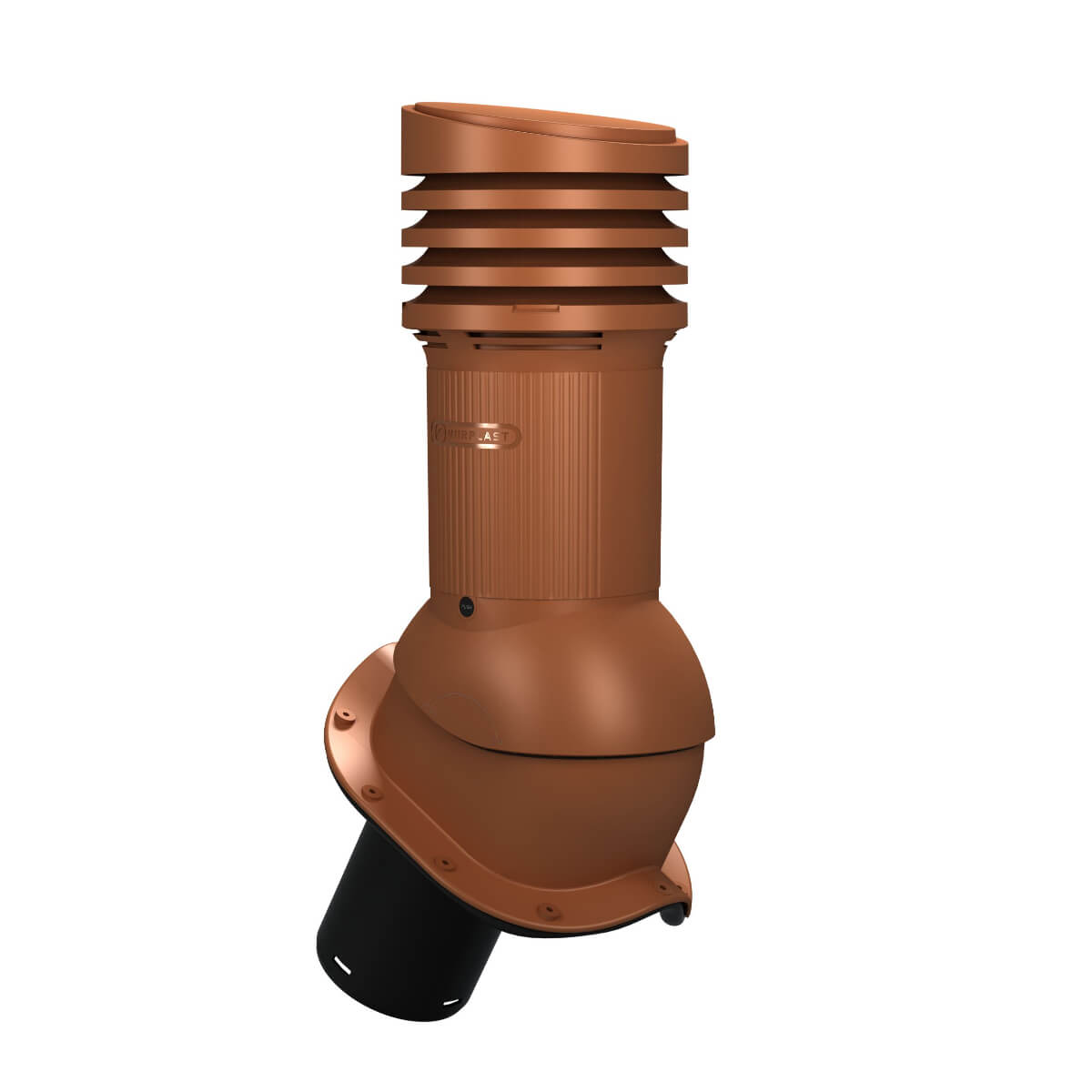 5-9E26V07
Ventilation duct for eight-wave corrugated sheet Wirplast Perfekta V brick red Ø125mm, insulated
1 in stock111.60 € -
LAOTOODE
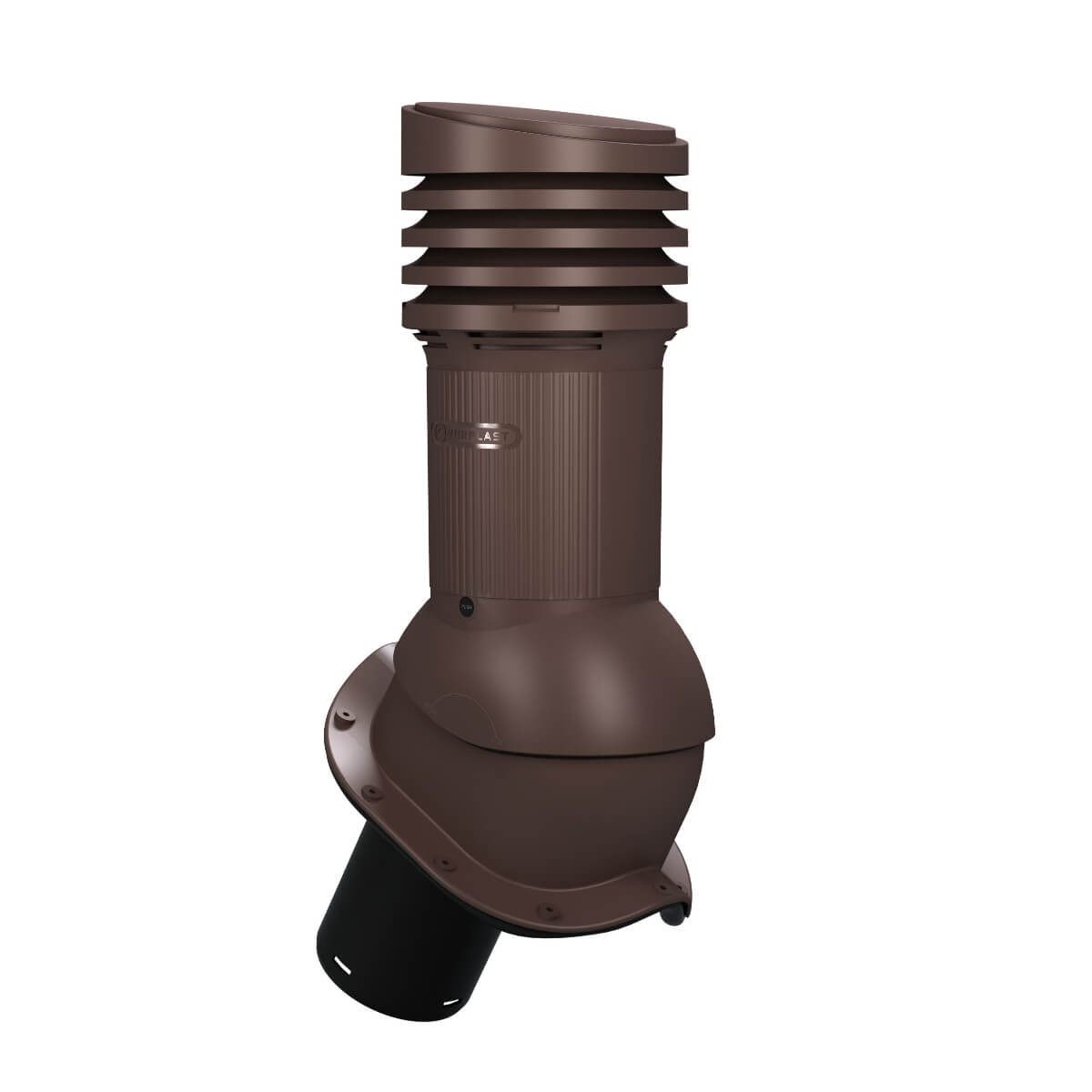 5-9E26V02
Ventilation duct for eight-wave corrugated sheet Wirplast Perfekta V brown Ø125mm, insulated
29 in stock111.60 € -
LAOTOODE
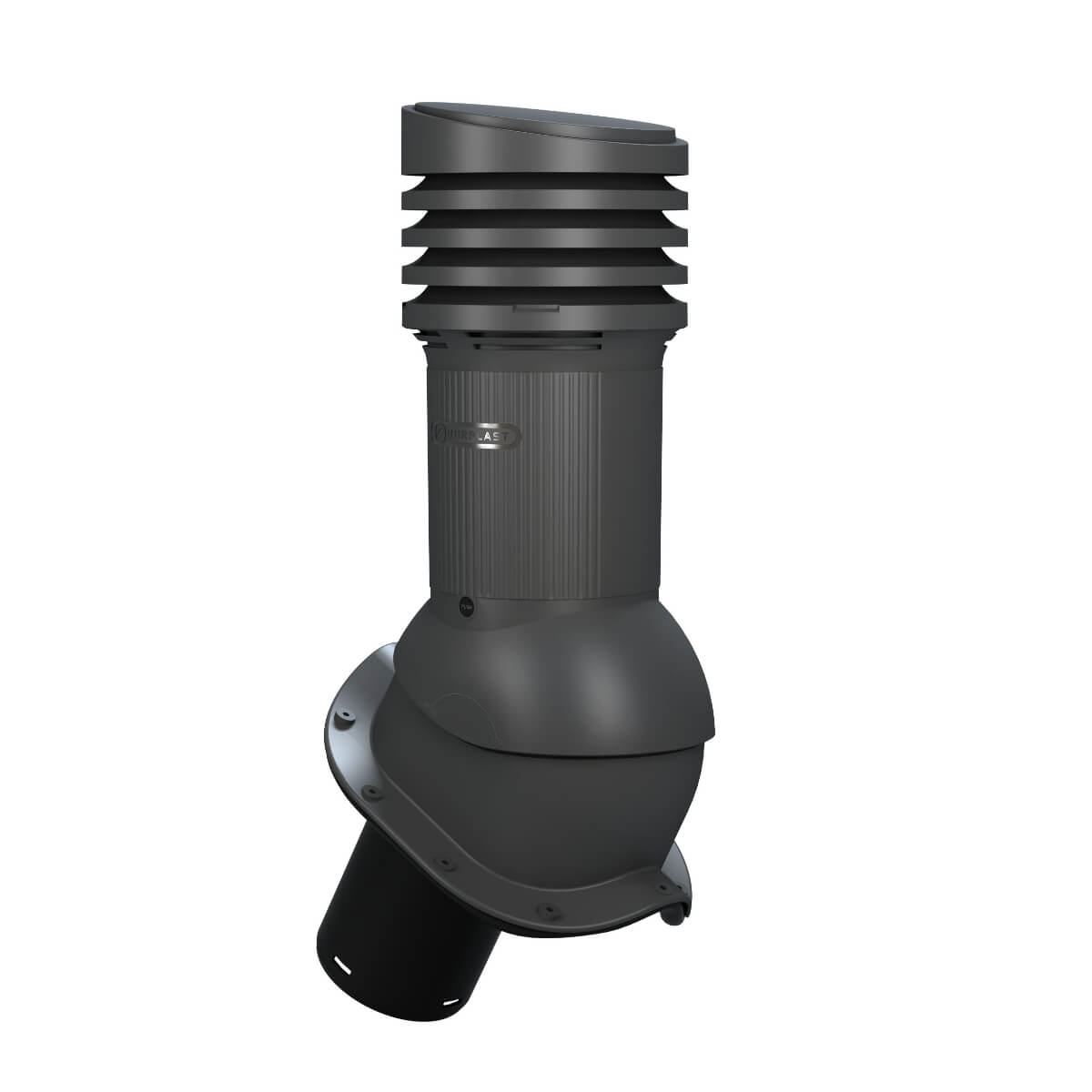 5-9E26V03
Ventilation duct for eight-wave corrugated sheet Wirplast Perfekta V graphite Ø125mm, insulated
16 in stock111.60 € -
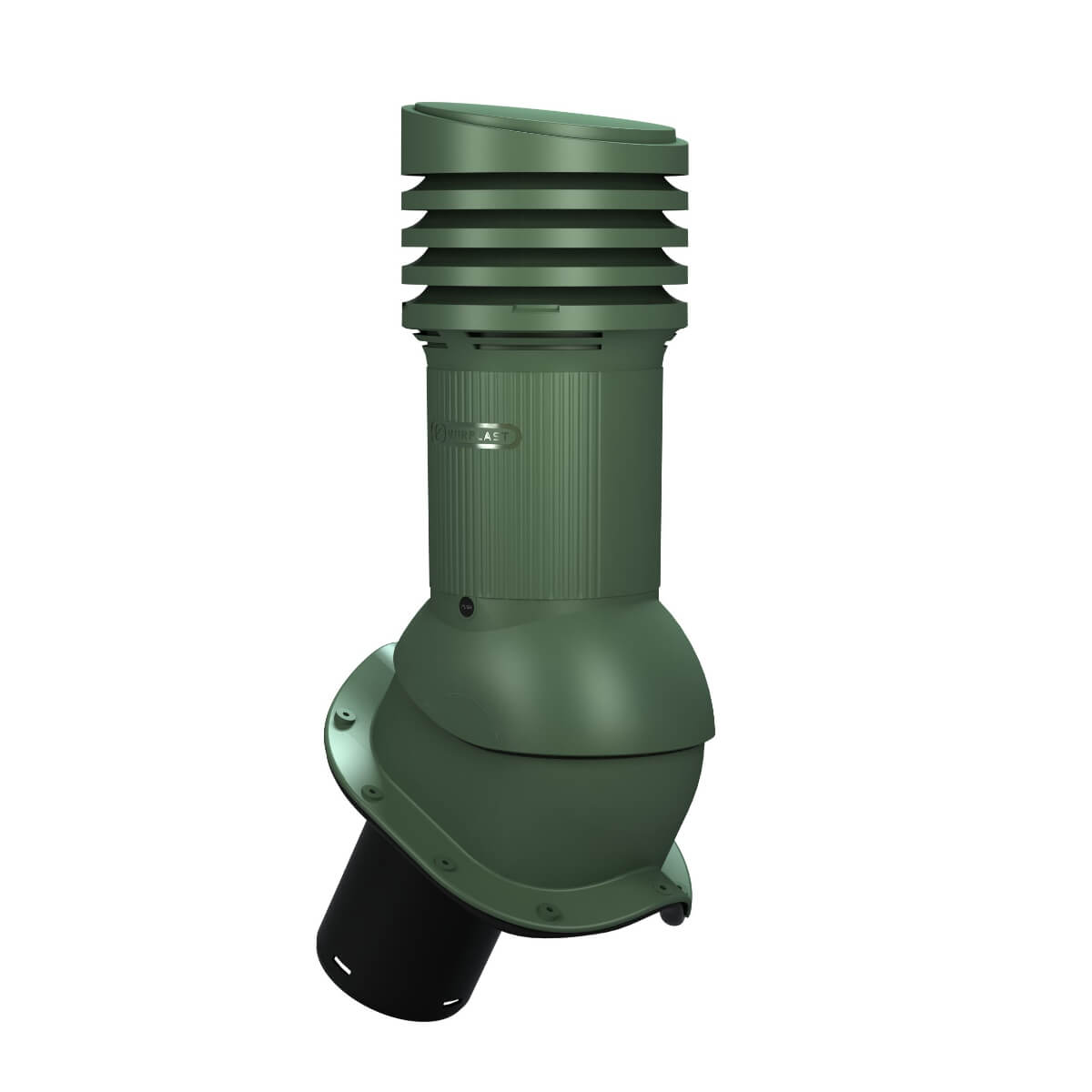 5-9E26V05
Ventilation duct for eight-wave corrugated sheet Wirplast Perfekta V green Ø125mm, insulated
Available to order111.60 € -
LAOTOODE
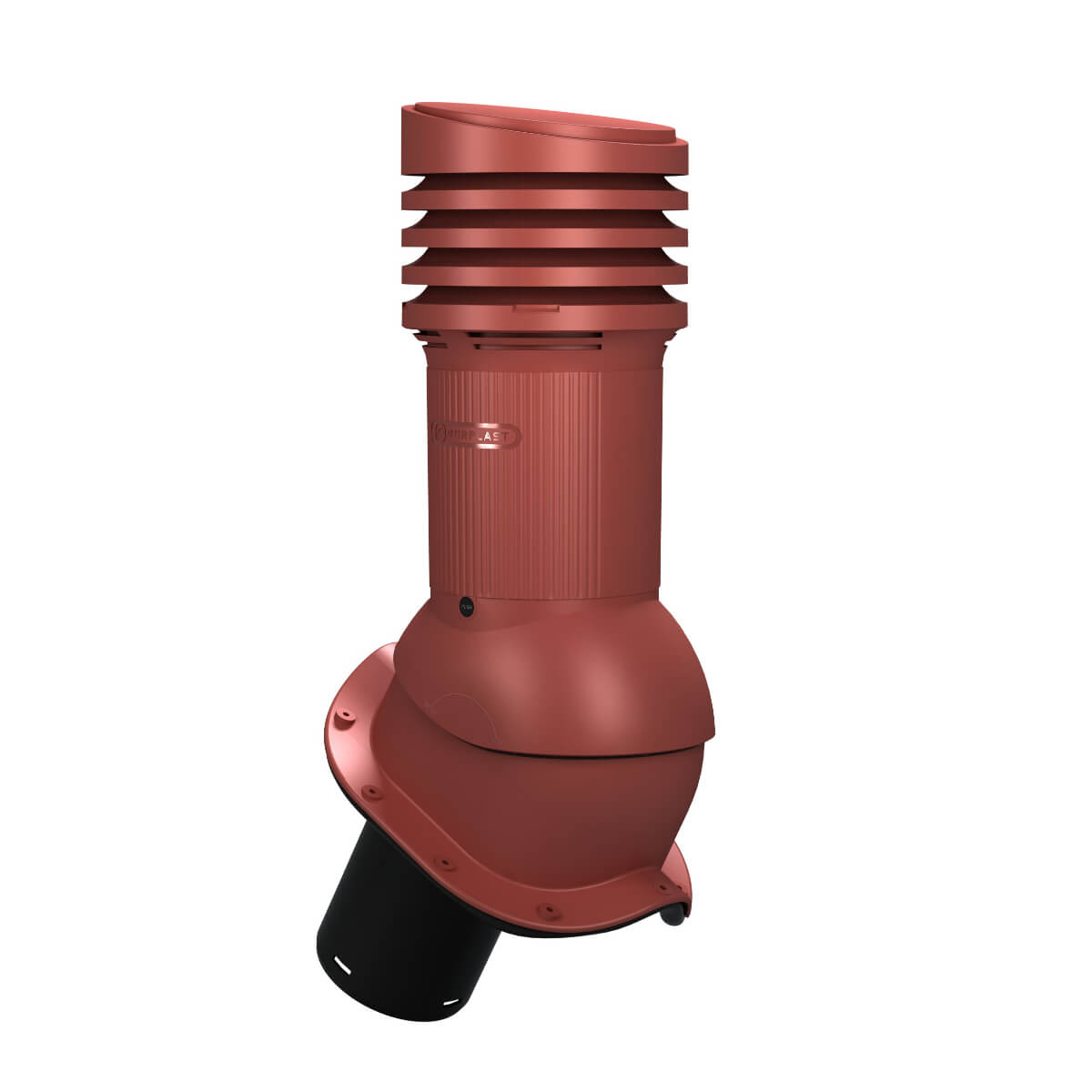 5-9E26V04
Ventilation duct for eight-wave corrugated sheet Wirplast Perfekta V red Ø125mm, insulated
13 in stock111.60 € -
LAOTOODE 5-9E26E06
Ventilation duct for five-wave corrugated sheet Wirplast Perfekta E black Ø125mm, insulated
9 in stock111.60 € -
LAOTOODE 5-9E26E07
Ventilation duct for five-wave corrugated sheet Wirplast Perfekta E brick red Ø125mm, insulated
8 in stock111.60 €
Every experienced builder knows that there is nothing worse than a phone call from a client during the first strong autumn storm, reporting that the roof is leaking water. In nine cases out of ten, the problem is not a broken roof covering , but an incorrectly executed or inadequately sealed roof penetration . This is the most critical node of any roof structure, where water and wind tightness, building physics and thermal expansion of materials come together. In this comprehensive guide, we will dive into the intricacies of installing roof penetrations from a professional's perspective . We will talk about why regular silicone does not work on the roof, how to route the ventilation pipe through the roof so that it does not cause condensation, and what are the specific solutions for different profiles, including the popular Eternit corrugated sheet covering. Regardless of whether you are a professional who builds roofs on site every day or a general builder who wants to update your knowledge, in this article you will find practical tips and solutions that will help you avoid costly warranty work and ensure a carefree living environment for the customer for decades. What makes the roof penetration the most critical node in the roof? Every time you cut a hole in the roofing and underlayment, you are compromising the integrity of the building’s most important protective shield. A roof penetration is not just a piece of plastic or metal pipe that reaches into the sky; it is a complex system that must withstand extreme weather conditions. In summer, the temperature of the roof surface can rise above +70 °C, while in winter it drops below -30 °C. Such temperature fluctuations put enormous strain on the materials (both the roofing and the penetration itself). Waterproofing and building physics The primary function of a penetration is to keep water out of the building. But as a builder, you know that water does not always fall straight down from above. Strong winds create wind pressure that can push rainwater and fine snow uphill through even the smallest cracks. Therefore, every proper roof penetration must be equipped with a profile that fits exactly with the profile, which smoothly directs the water along the penetration to the underlying roof tile or tile. In addition to external water, an even more insidious enemy is internal moisture. Roof ventilation is essential, but when air coming from a warm interior space (such as a bathroom or kitchen) moves through a cold attic and roof penetration, the formation of a dew point is inevitable. Unique perspective from the site: Many "roof curls" that cause builders to be called in for warranty work are not actually external leaks at all! Instead, it is condensation that forms on the inner surface of the penetration pipe, which flows back down the pipe and drips into the insulation or ceiling panel. The solution is to always use factory-insulated (heated) penetration pipes that lead the dew point outside the roof, and ensure that the vapor barrier is taped around the pipe with a special elastic tape. The role of the underlayment at the penetration The roof underlay is your second (and often life-saving) line of defense. If snow falls between the profiles or condensation forms under the roof covering, the underlay must safely guide it to the eaves. The underlay penetration of the roof underlay must be handled with special care. When making a hole in the underlay, it must be cut in a "fir-tree shape" or with diagonal cuts and the edges must be turned up, taping them tightly against the penetration pipe. Modern penetration kits include a special underlay sealing ring that is tightened around the pipe and glued to the underlay – this is a detail that will be hard to save on later. The main types of roof penetrations and their purposes On a construction site, you will encounter many different systems that need to be removed from the roof. Each of them has its own specifics and requirements that must be taken into account during installation. Ventilation pipes and air vents The most common roof penetration is related to ensuring the indoor climate of the building. They are broadly divided into two: Active ducts: These are connected to the building's forced ventilation, kitchen hood or sewer ventilation. As mentioned earlier, they must be insulated to prevent condensation. When it comes to sewer ventilation, it is important to remember that a rain cap must not be installed on it, because in winter the warm and humid air coming out of it freezes on the cap and completely blocks the pipe, which in turn empties the water locks in the rooms. Passive fans (roof ventilation valves): These are designed to ventilate the roof structure itself (the ventilation gap between the insulation and the roof covering) to prevent rafter rot. They are usually installed close to the ridge and do not require internal thermal insulation. Antenna and cable penetrations Nowadays, more and more solar panels are being installed on roofs, which means an increased need for antenna bushings and cable wells. Such a bushing is usually a stepped rubber "rubber", the end of which is cut to fit the diameter of the cable or pipe. It is important to always cut the hole slightly smaller than the diameter of the cable so that the rubber squeezes tightly around the cable. It is also necessary to leave a small "water loop" (a U-shaped depression pointing downwards) on the cable before the bushing, so that water running along the cable drips down before it reaches the rubber seal. Chimney penetrations and fire safety Chimney penetration through the roof is a completely separate science, where fire safety is a critical factor in addition to water resistance. In the case of modular chimneys, the manufacturer's specified fire safety gaps must be observed (usually 50 mm from combustible materials). Special non-combustible EPDM rubber or silicone flanges are used to seal the penetration, which can withstand very high temperatures (up to +250 °C). Penetration installation for various roof coverings The same roof penetration is not suitable for every roof. Manufacturers offer special base plates, or penetration elements, that exactly copy the profile of the roofing material. This is the most important visual and watertight detail when installing a roof penetration . Roof penetration and corrugated eternit sheet If you are renovating or building a new roof on a site where corrugated eternit sheeting has been chosen as the material , you need to be especially careful when planning the penetration. Eternit is a corrugated material and a smooth base plate will not fit. Special penetration elements that match the profile of the corrugated sheeting are available on the market (they are often marked "Eternit" or "Baltic"). It is important to follow the crests and valleys of the wave during installation. Tips for matching with a wave profile Location: Try to position the roof penetration so that its upper edge is as close to the roof ridge as possible or so that the tile coming from above generously covers the upper edge of the penetration (at least 150 mm overlap). Sealing: The included butyl sealant or EPDM rubber sealing tape must be installed between the Eternit and the plastic plate of the penetration. Fixing: Always fix the penetration with special roofing screws (with a seal) from the crest of the wave , not from the bottom! Water flows from the bottom of the wave and putting a screw there is a guaranteed leak. (Hint for the builder: If the client is still looking for materials, it is worth exploring the offers for eternit sales to get the entire roof system with original penetrations from one place, ensuring 100% compatibility of the profiles). Specific features of tin and stone roofs A lead-through to a sheet metal roof (stone profile or trapezoidal profile) requires a specially shaped plastic or rubber edge for the profile sheet. In the case of a classic profile (rolled profile), a smooth edge is used, which is sealed with special butyl mastic and tightly fastened to the smooth sheet metal with screws, preventing the rolls from cutting through. In the case of a stone roof, the lead-through element replaces one or more roofing tiles. It is often a concrete or plastic detail that engages with the adjacent tiles using exactly the same locking system, making the installation relatively "Lego-like" and very reliable. Typical installation mistakes that every builder should avoid Correcting construction errors is expensive and eats into the builder's profits. Analyzing hundreds of roofing jobs, patterns emerge where mistakes are made most often. Sealing penetrations requires meticulousness. Condensation and incorrect insulation This is mistake number one! If you are routing a ventilation pipe through the roof , the entire pipe running through the cold zone (attic) must be insulated with at least 50 mm (recommended 100 mm) of wool covered with foil. Even more critical is the connection between the flexible pipe (bellows) and the roof penetration itself. This joint is often left bare. The result is a cold bridge, condensation and moldy insulation. It is also often forgotten to seal the vapor barrier film around the pipe penetration inside the room – this allows moisture from the entire house to penetrate directly into the attic. Incorrect choice of sealants Hired helpers often grab the first silicone tube they come across. But classic sanitary silicone or acrylic sealant is not suitable for a roof . UV radiation, ozone and large temperature fluctuations make them brittle in a few years, they crack and come loose. Penetration seals require chemistry that remains elastic for decades. Always use weatherproof MS polymer or special butyl compounds/tapes for roofing work . Butyl tape is especially good because it never dries completely rock-hard, but retains its adhesiveness and elasticity, moving with the thermal expansion of the roof covering. Before applying the sealant, the sheet metal or eternit must be completely free of dust and oils – using a cleaning cloth and Brake Cleaner (or a special surface cleaner) is a mandatory step! Innovations in the roof penetration market Roofing product manufacturers are constantly developing their systems to make life easier for builders and eliminate human error. One major innovation is the integrated spirit levels in the penetration pipe caps. While in the past, the builder had to balance the spirit level on a slippery pipe in the rain to get it perfectly vertical, now many top manufacturers (such as the widely used Vilpe penetrations ) have a small spirit level cast directly into the product cap. Another important trend is modularity and flexibility . In the past, you had to buy a penetration with a precise slope. Today, you buy a base plate according to the profile (e.g. roofing ) and an adjustable pipe section, which, thanks to a spherical joint, allows you to set the pipe vertical on roof slopes between 15° and 50° without any effort. This reduces inventory and ordering errors. Quick summaries for the builder The underlay is a lifeline: Never leave the underlay sealing ring unfitted. It safely directs condensate and any leakage water away from the pipe. Screws on the crest of the wave: For corrugated materials (such as Eternit corrugated sheet or trapezoidal profile), always install the penetration fixing screws on the crest of the wave, avoiding the water flow path. The right chemistry: Forget regular silicone! Use exclusively UV-resistant MS polymer or butyl mastic on the roof. Insulate carefully: Any active ventilation pipe through the roof must be fully insulated in the cold zone to prevent "internal rain" or condensation. The vent does not have a cap: Do not install a rain cover (cap) on the sewer vent pipe, as winter frost will clog it. Frequently Asked Questions Why does my installed roof penetration leak in the winter, even though I sealed it tightly with MS polymer on the roof? Most likely, it is not an external leak. When warm air from the interior comes into contact with a cold pipe section (which is poorly insulated), condensation forms on the inside of the pipe, which flows down the pipe and drips into the insulation or ceiling. Can I put a rain cap on the sewer vent pipe to prevent rainwater from entering the system? No. The sewer pipe releases very humid and warm air. In the winter, when temperatures are below freezing, this moisture freezes on the rain cap (rain cover), forming an ice plug that blocks the vent. Rainwater is not a problem in the system, as it flows into the sewer anyway. What kind of penetration should you use on an old Eternit roof? If you are maintaining an old roof or ordered new material through Eternit sales campaigns, you must use a plastic base plate that exactly matches the Eternit wave pitch. When installing, secure it with butyl tape and screw the screws only into the crests of the waves. What to do if the opening in the underlay is accidentally cut too large? Don't leave it like that! Patch the underlay with special breathable underlay tape, building a tight collar around the pipe. Even better, buy a separate underlay grommet (a rubber or plastic flange) that is glued tightly to the underlay and tightened around the pipe. Can solar panel cables be routed through the same ventilation duct as other air? No, this is against electrical and fire safety requirements. To route cables through the roof, a separate stepped rubber grommet (called an antenna grommet or cable well) must be used , which is tightly sealed around the cable sheath.