
Floor tiles.
Renovating your home is an emotional journey, where every decision will affect your family’s daily quality of life for decades. One of the most lasting and important choices…
-
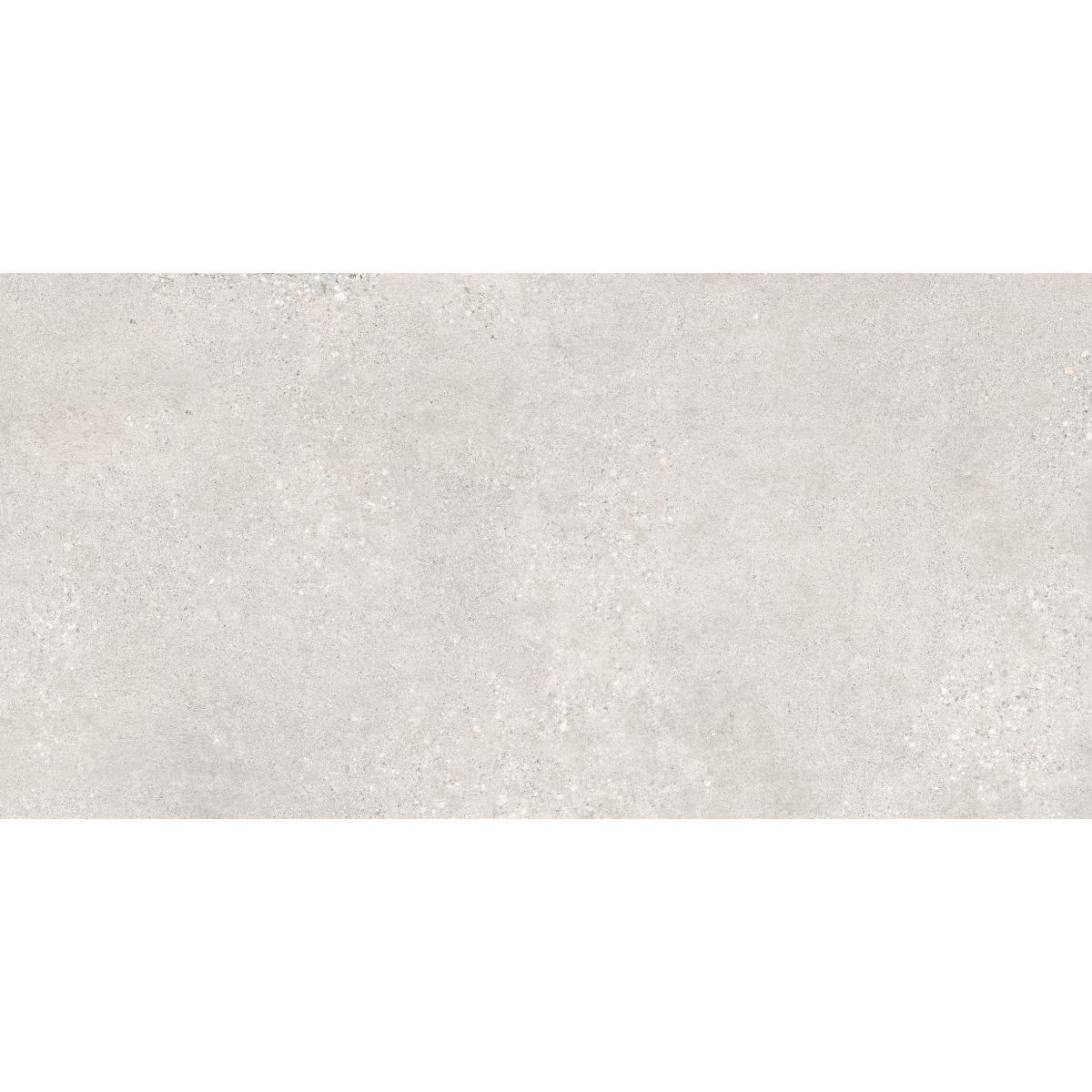 9V2900
Floor tile Cemento Sassolino, gray 1200 x 600 x 10 mm, 1.44 m²
Available to order29.59 € 20.55 €/m² (usable area) 3 × 9.86 € -
LAOTOODE
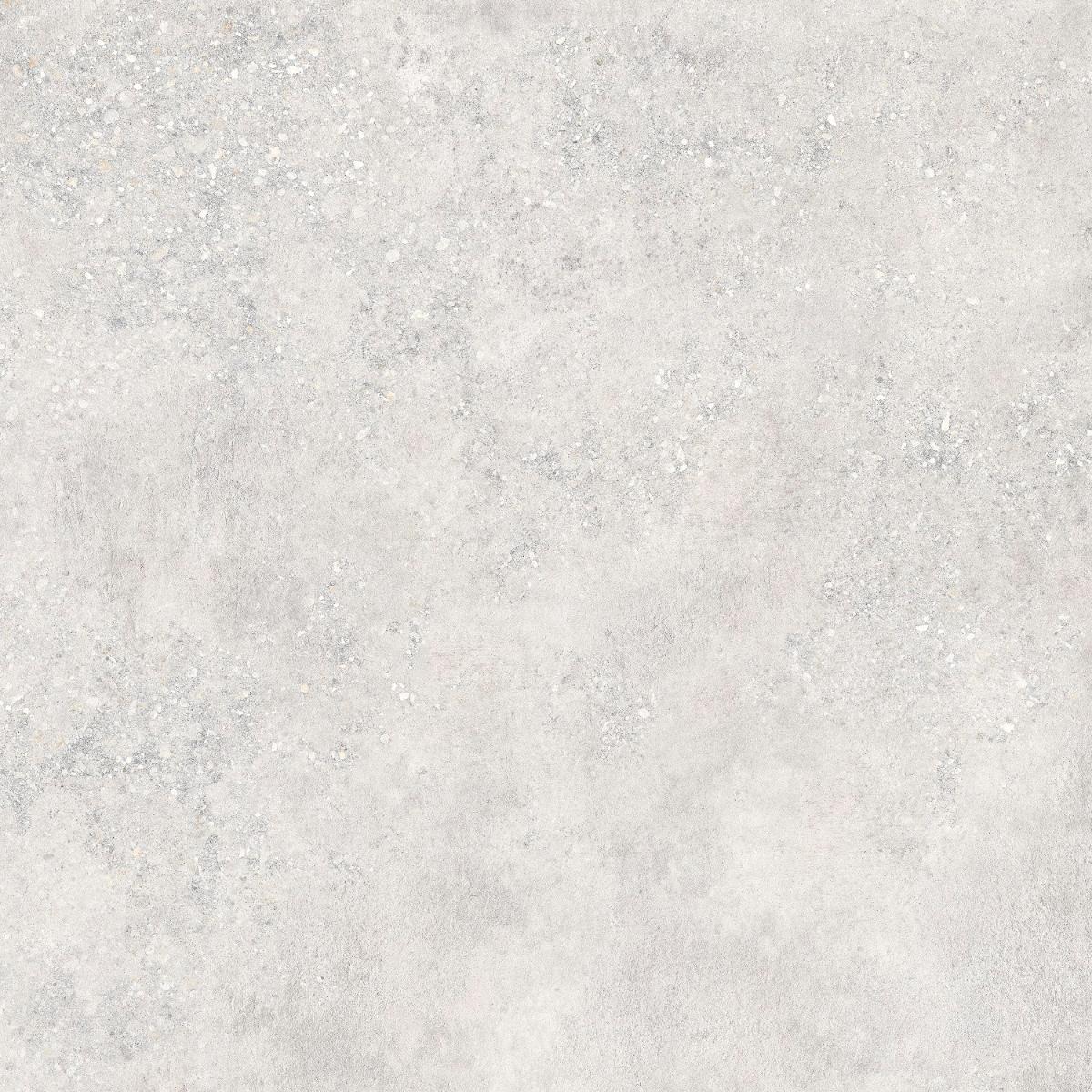 9V2520
Floor tile Cemento Sassolino, gray 600 x 600 x 10 mm, 1.08 m²
50 in stock22.20 € 20.55 €/m² (usable area) 3 × 7.40 € -
SOODUS -10%
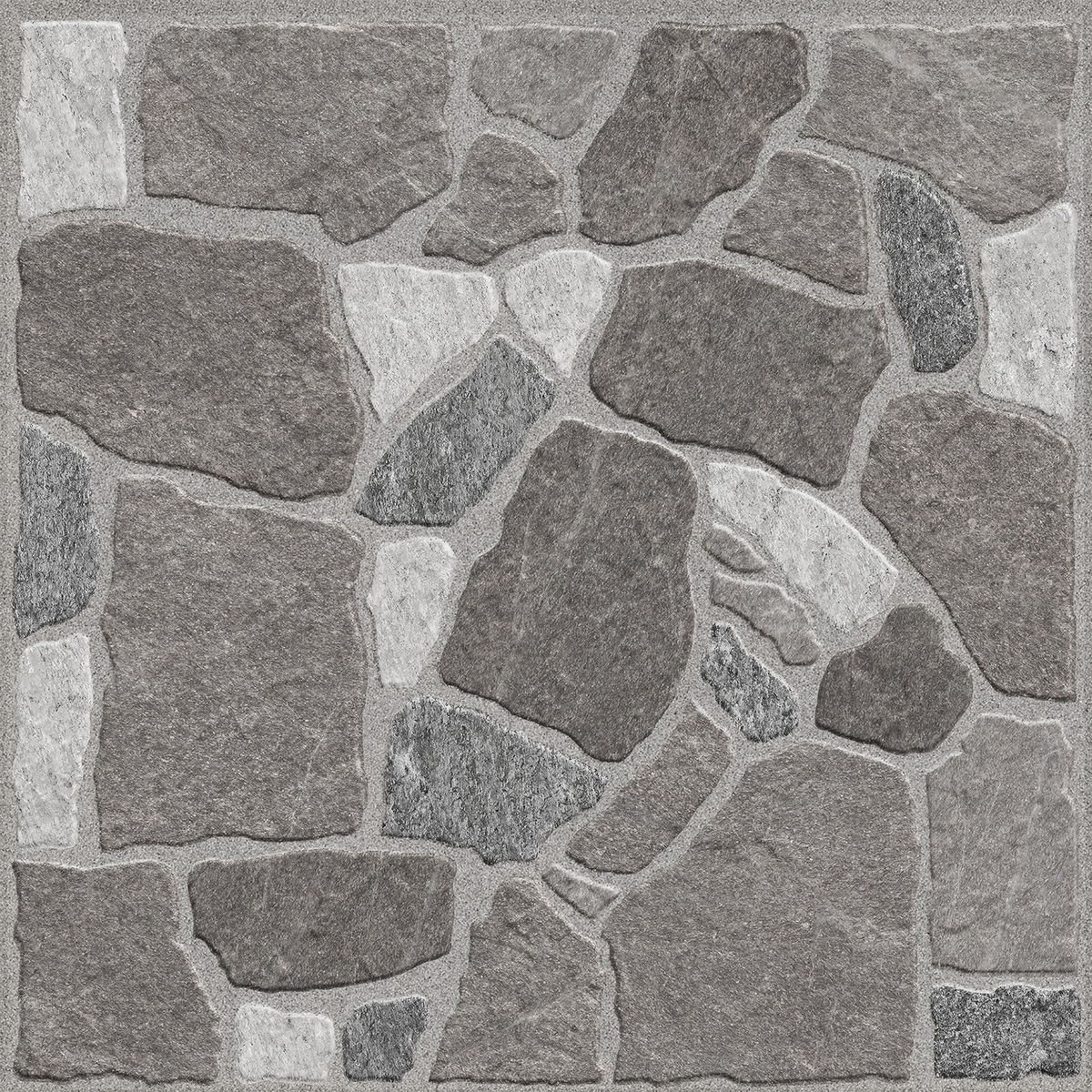 2F2830
Floor tile Cortile 400 x 400 x 8 mm, 1.12 m² per package
Available to orderOriginal price was: 18.05 €.16.24 €Current price is: 16.24 €. 14.50 €/m² (usable area) -
SOODUS -10% LAOTOODE
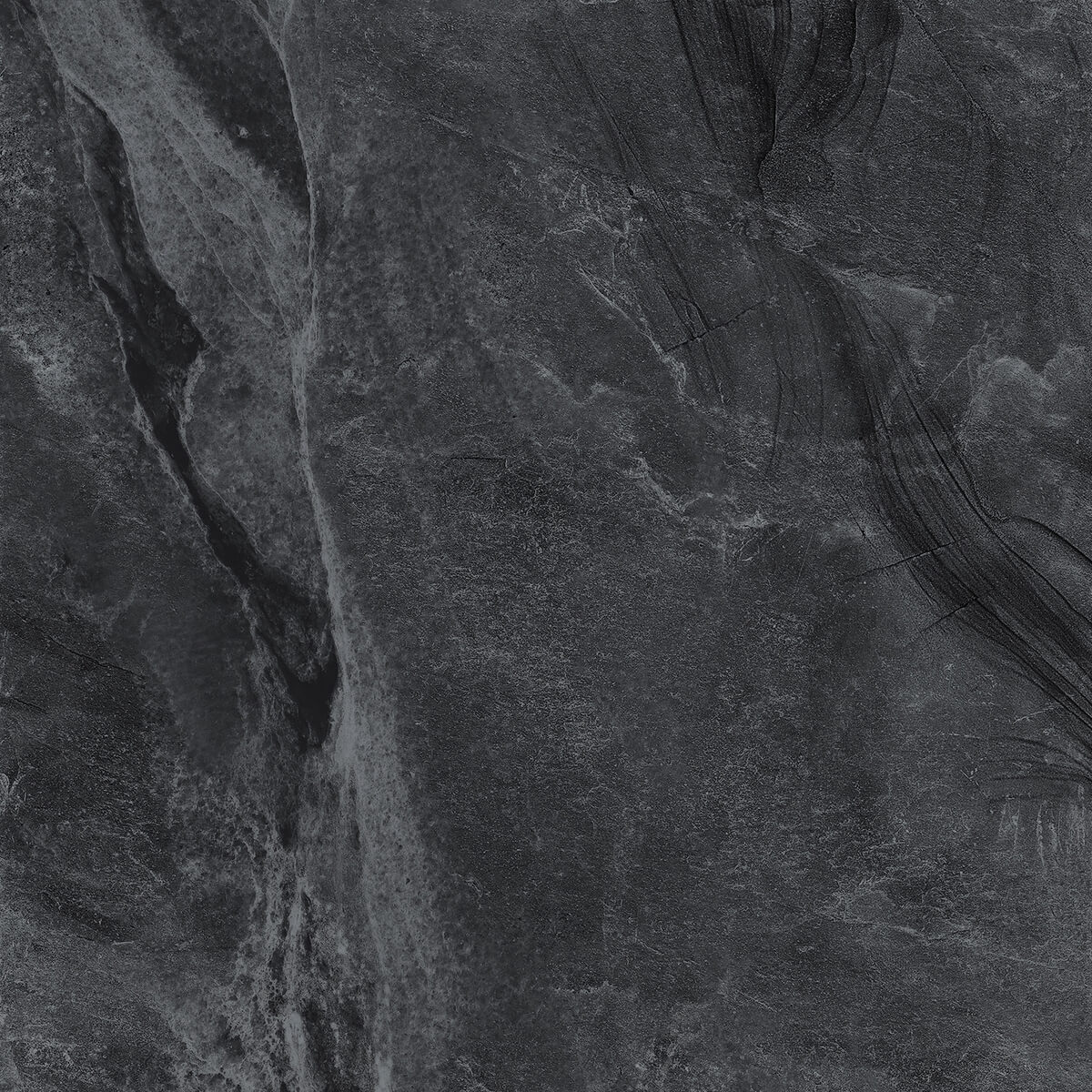 DRC580
Floor tile Dark Rock 600 x 600 x 8 mm, 1.44 m² per package
41 in stockOriginal price was: 24.80 €.22.32 €Current price is: 22.32 €. 15.50 €/m² (usable area) 3 × 7.44 € -
 860830
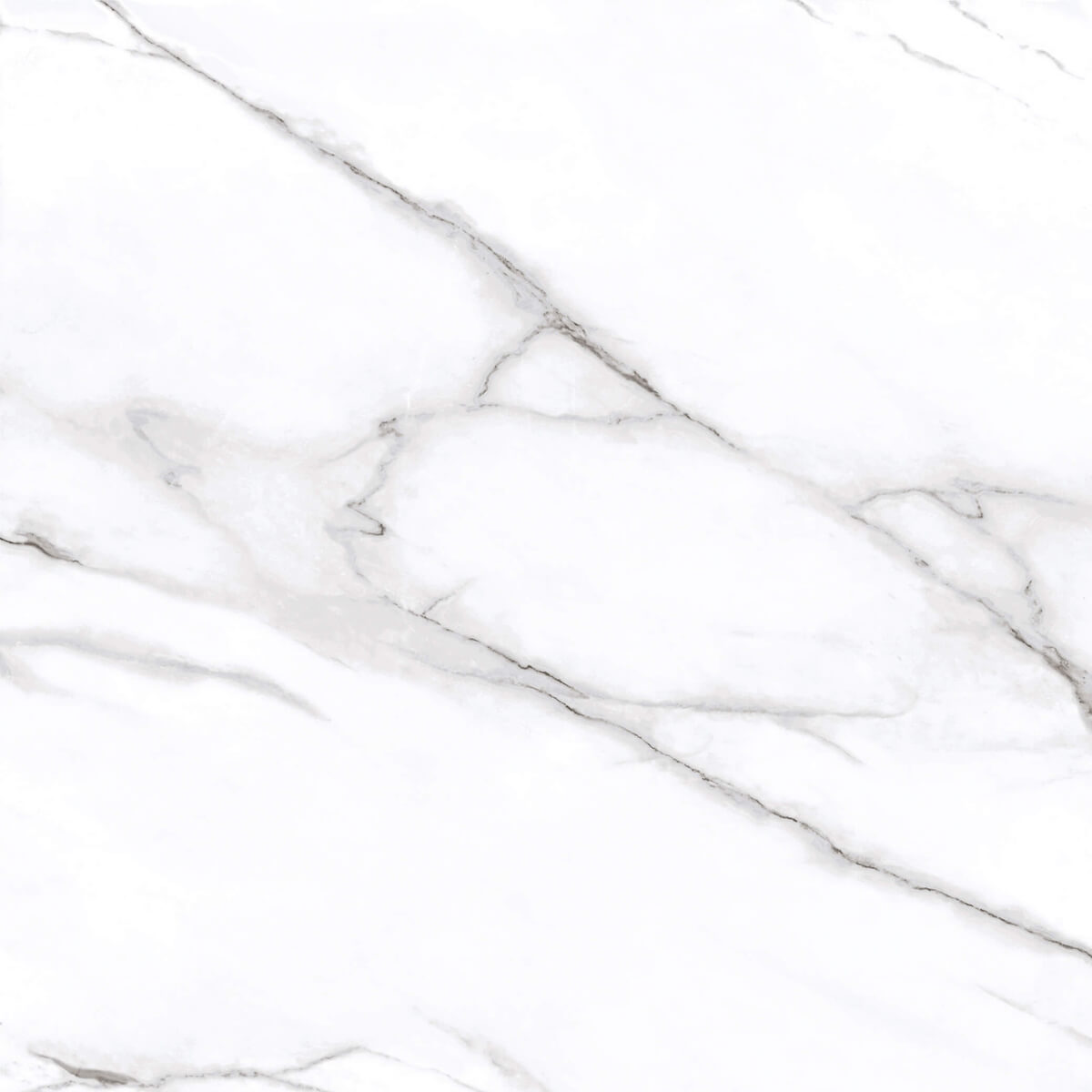
Floor tile Elba white 400 x 400 x 7 mm, 1.12 m² per package
Available to order16.99 € 15.17 €/m² (usable area) -
SOODUS -10% LAOTOODE
 ES2580
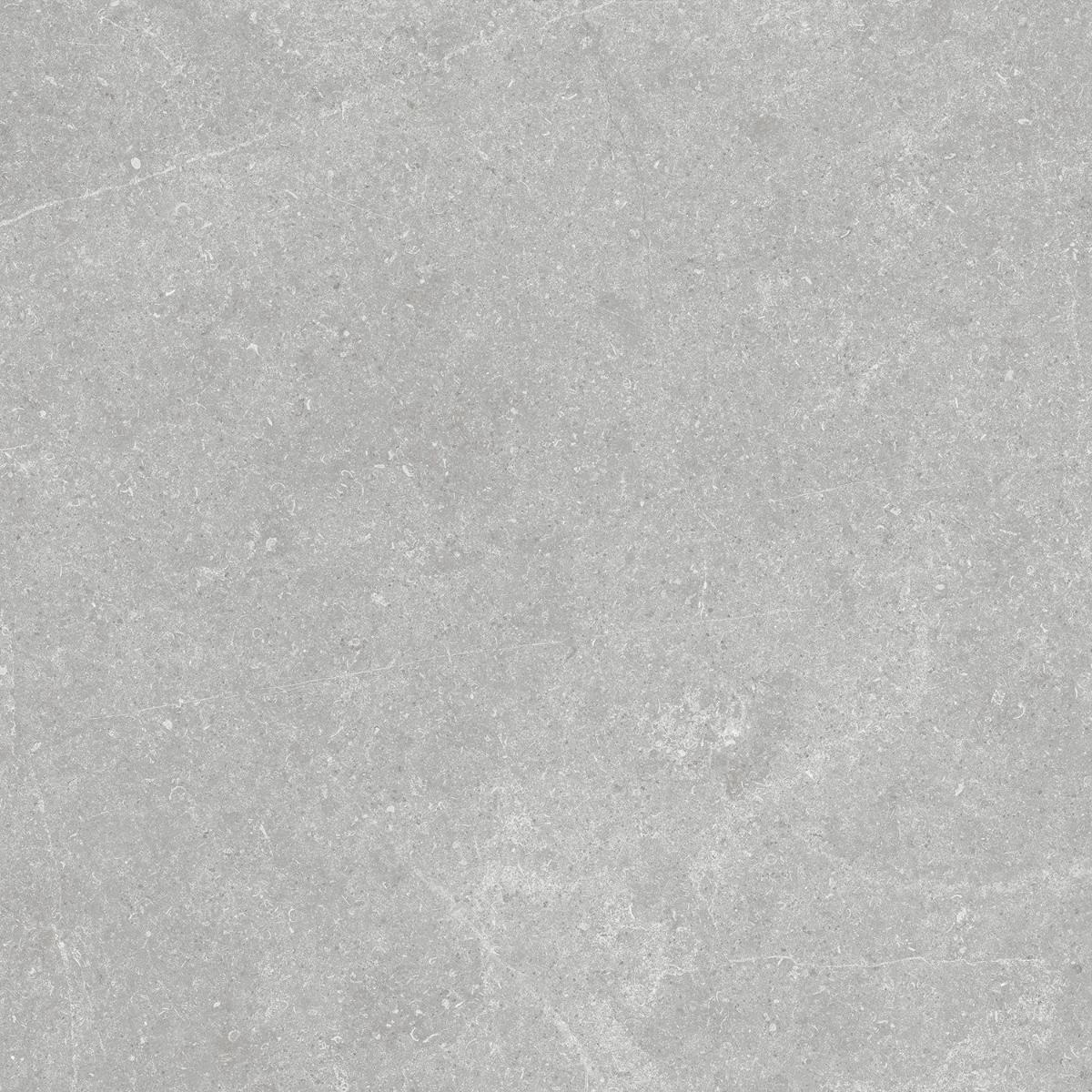
Floor tile Essential grey 600 x 600 x 8 mm, 1.44 m² per package
96 in stockOriginal price was: 22.32 €.20.09 €Current price is: 20.09 €. 13.95 €/m² (usable area) 3 × 6.70 € -
SOODUS -10% LAOTOODE
 3N2730
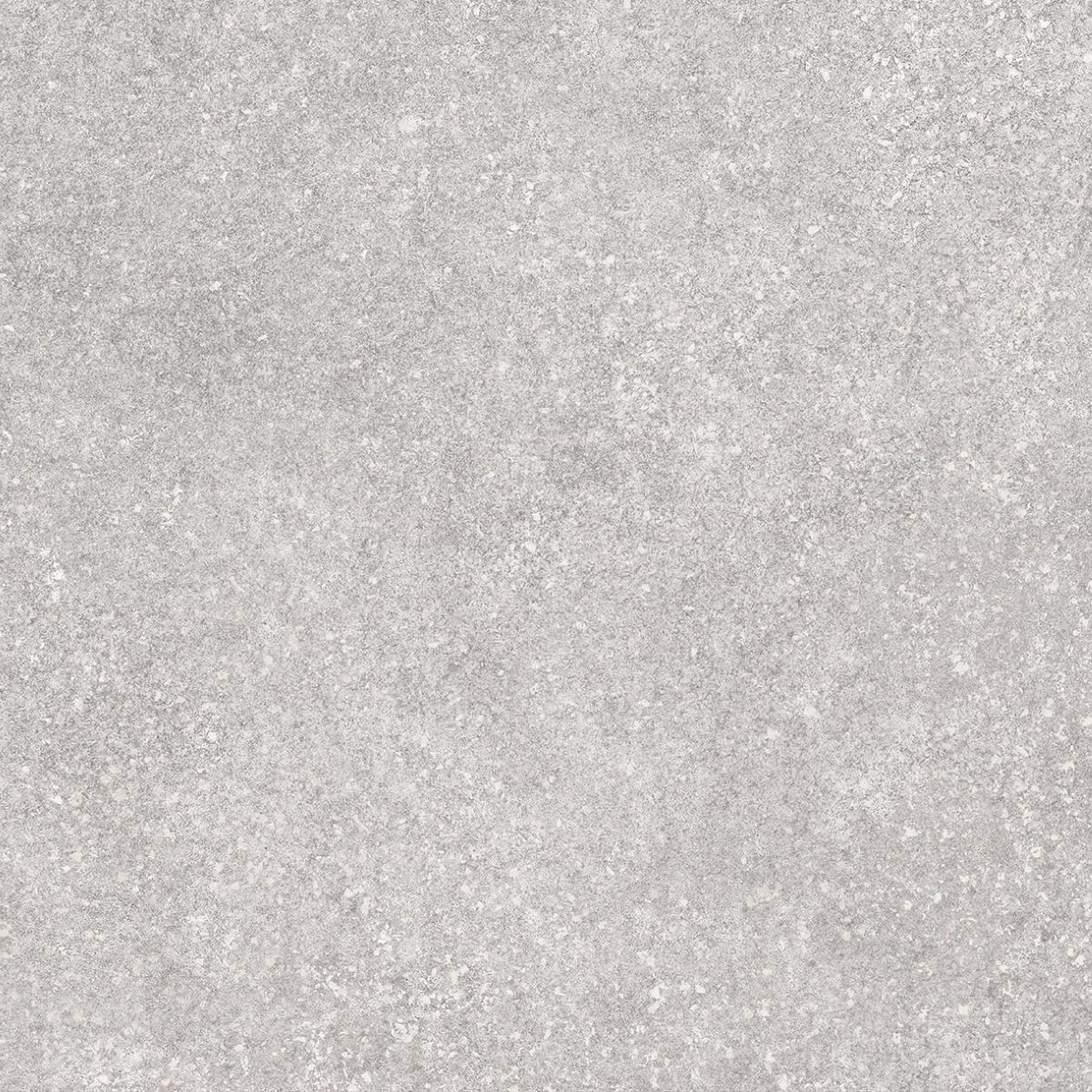
Floor tile Forte grey 300 x 300 x 6 mm, 1.35 m² per package
64 in stockOriginal price was: 18.60 €.16.74 €Current price is: 16.74 €. 12.40 €/m² (usable area) -
SOODUS -10% LAOTOODE
 JO2520
Floor tile Joy grey 600 x 600 x 10 mm, 1.44 m² per package
68 in stockOriginal price was: 19.84 €.17.86 €Current price is: 17.86 €. 12.40 €/m² (usable area) -
SOODUS -10% LAOTOODE
 JOG520
Floor tile Joy light gray 600 x 600 x 10 mm, 1.44 m² per package
79 in stockOriginal price was: 19.84 €.17.86 €Current price is: 17.86 €. 12.40 €/m² (usable area) -
SOODUS -10% LAOTOODE
 811580
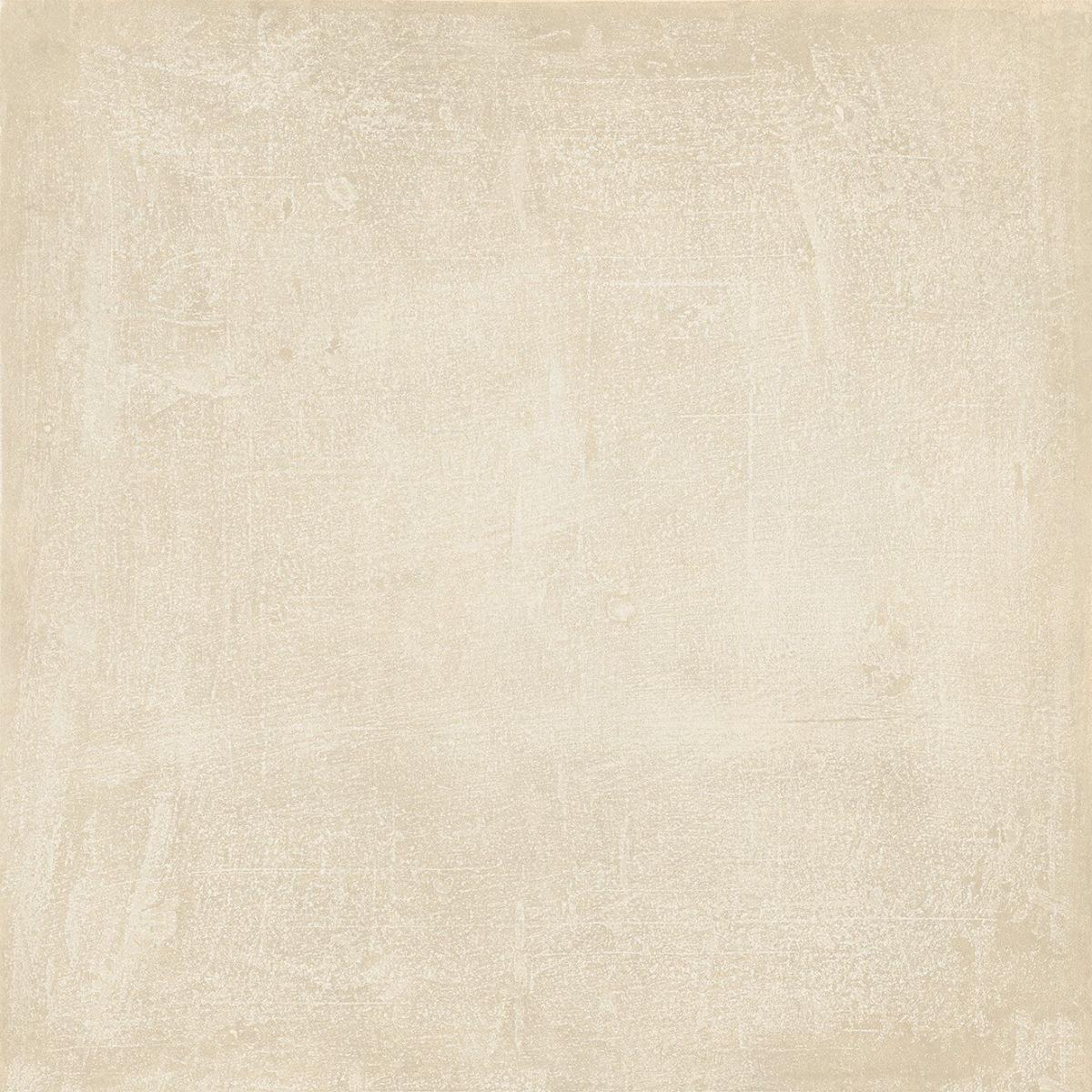
Floor tile Kassel beige 600 x 600 x 8 mm, 1.44 m² per package
78 in stockOriginal price was: 27.28 €.24.55 €Current price is: 24.55 €. 17.05 €/m² (usable area) 3 × 8.18 € -
LAOTOODE
 8LG520
Floor tile Lucido light gray 600 x 600 x 10 mm, 1.08 m²
8 in stock24.40 € 22.59 €/m² (usable area) 3 × 8.13 € -
SOODUS -30% LAOTOODE
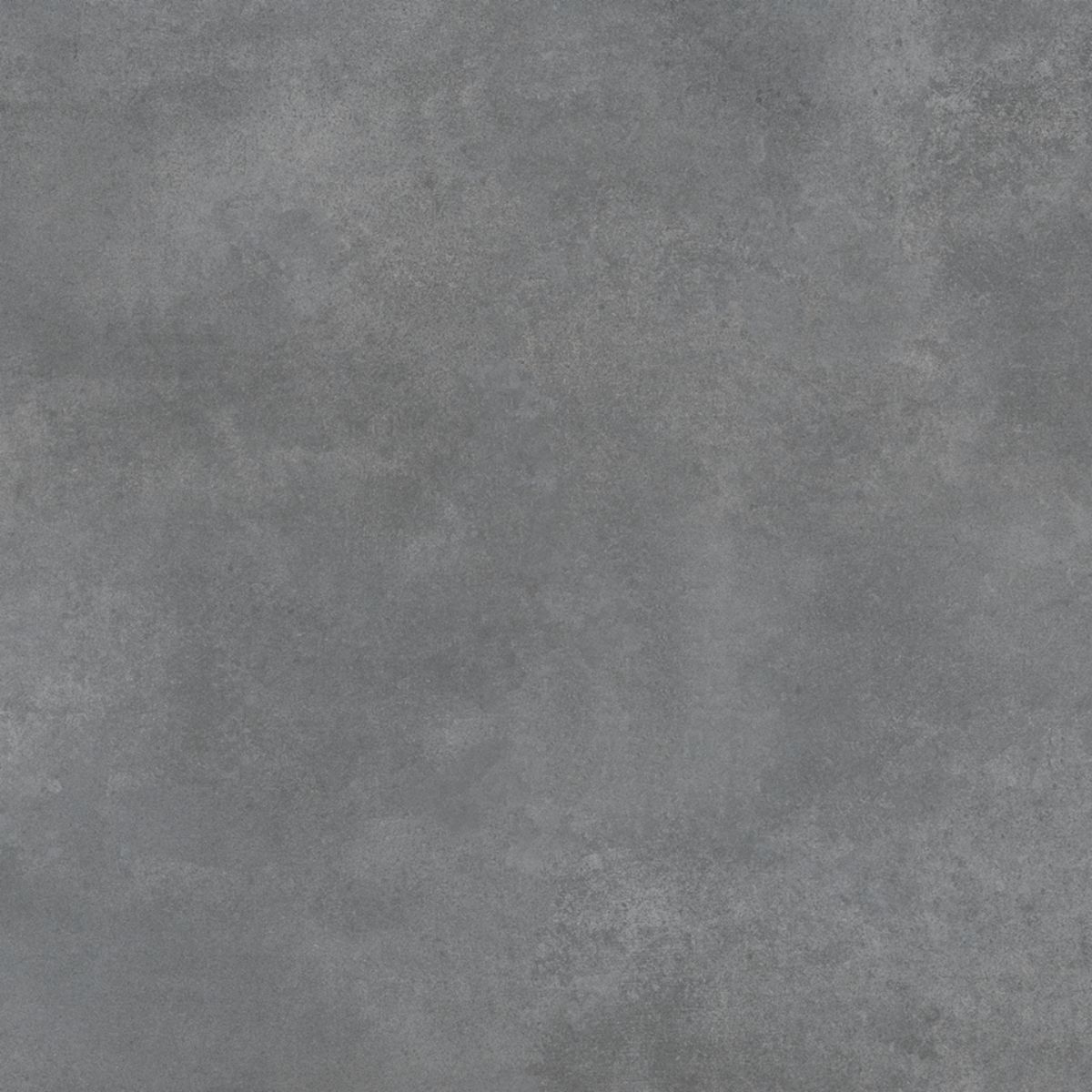 MALAGAGREY60
Floor tile Malaga grey matt 600 x 600 x 8 mm, 1.44 m² per package
253 in stockOriginal price was: 28.78 €.20.15 €Current price is: 20.15 €. 13.99 €/m² (usable area) 3 × 6.72 € -
SOODUS -10% LAOTOODE
 MPC580
Floor tile Marmo Perlanera black 600 x 600 x 10 mm, 1.44 m²
70 in stockOriginal price was: 28.11 €.25.30 €Current price is: 25.30 €. 17.57 €/m² (usable area) 3 × 8.43 € -
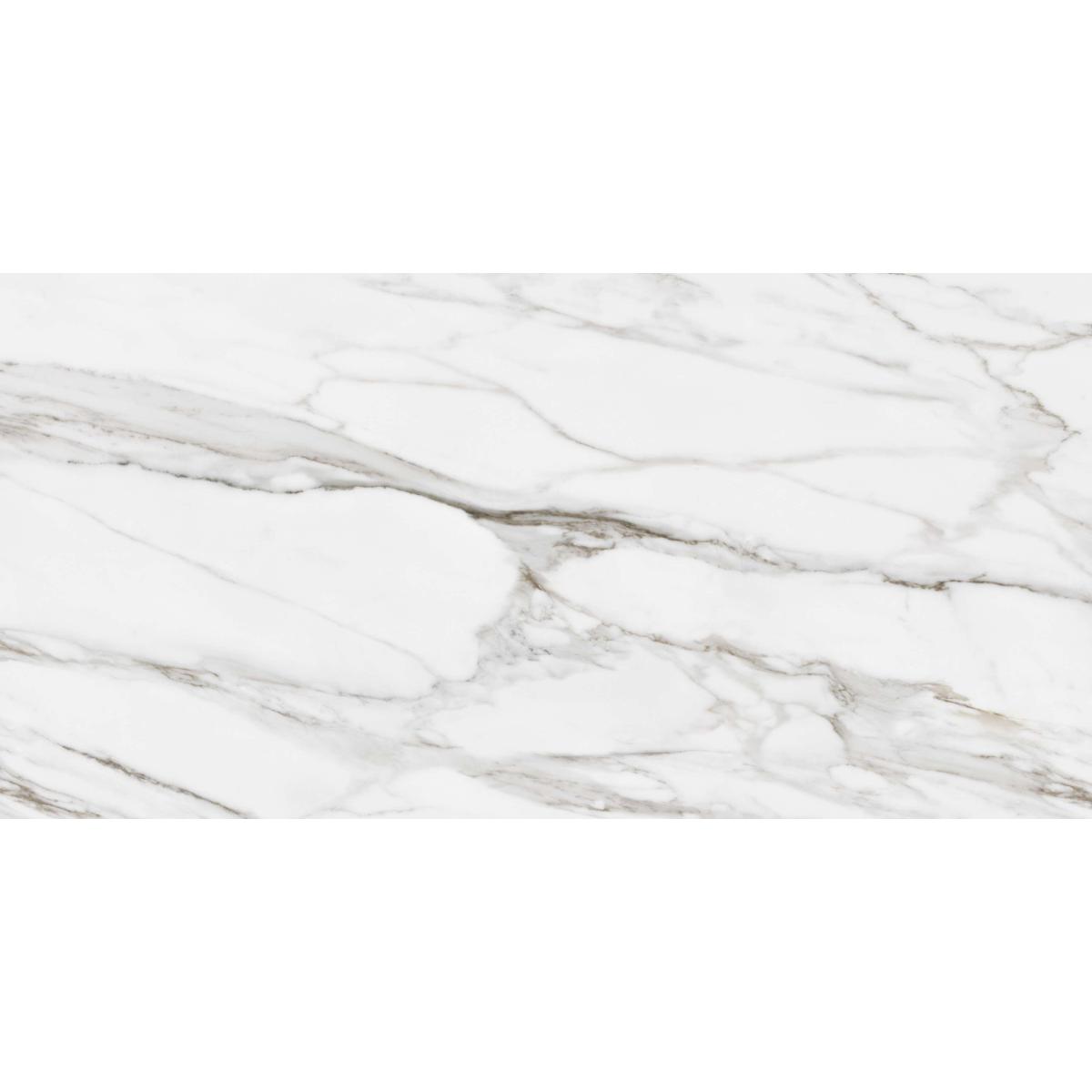 MV09P0
Floor tile Marmo Verona 1200 x 600 x 10 mm, 1.44 m²
Available to order24.80 € 17.22 €/m² (usable area) 3 × 8.27 € -
SOODUS -10% LAOTOODE
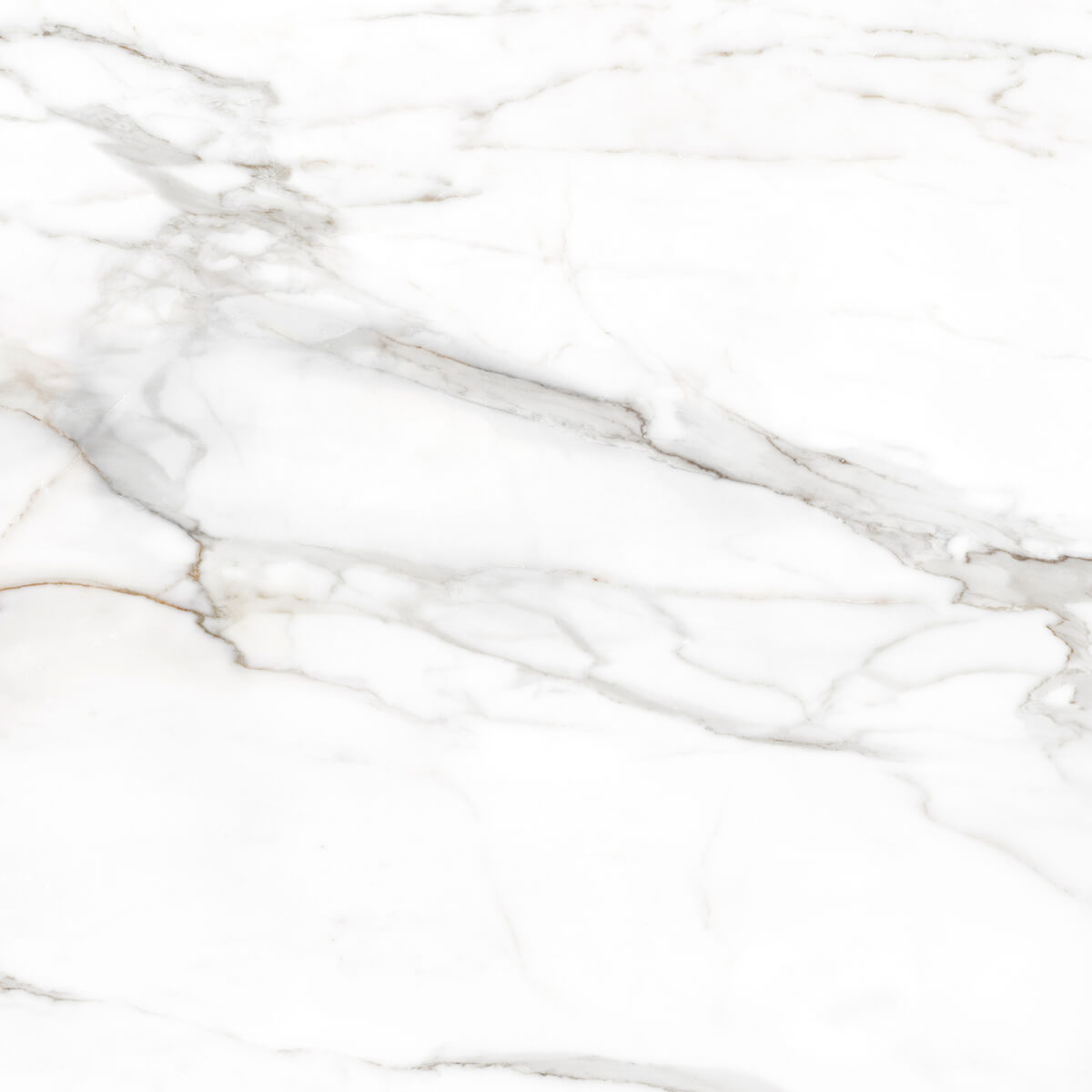 MV0580UUS
Floor tile Marmo Verona 600 x 600 x 8 mm, 1.44 m² per package
1 in stockOriginal price was: 24.80 €.22.32 €Current price is: 22.32 €. 15.50 €/m² (usable area) 3 × 7.44 € -
SOODUS -10% LAOTOODE
 781580
Floor tile Metallica beige 600 x 600 x 8 mm, 1.44 m² per package
26 in stockOriginal price was: 26.04 €.23.44 €Current price is: 23.44 €. 16.28 €/m² (usable area) 3 × 7.81 € -
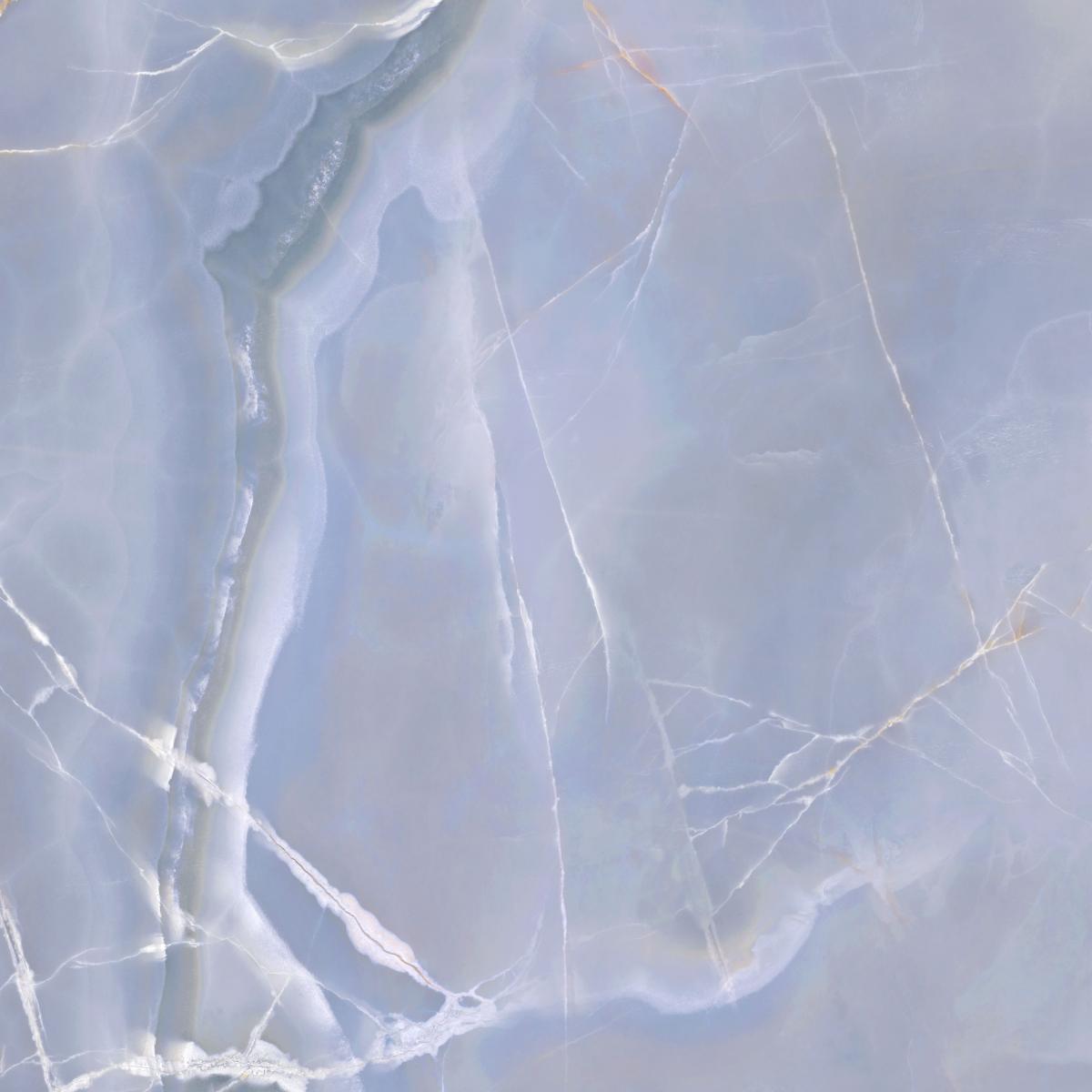 7А3580
Floor tile Onyx blue 600 x 600 x 8 mm, 1.44 m²
Available to order27.28 € 18.94 €/m² (usable area) 3 × 9.09 € -
SOODUS -30% LAOTOODE
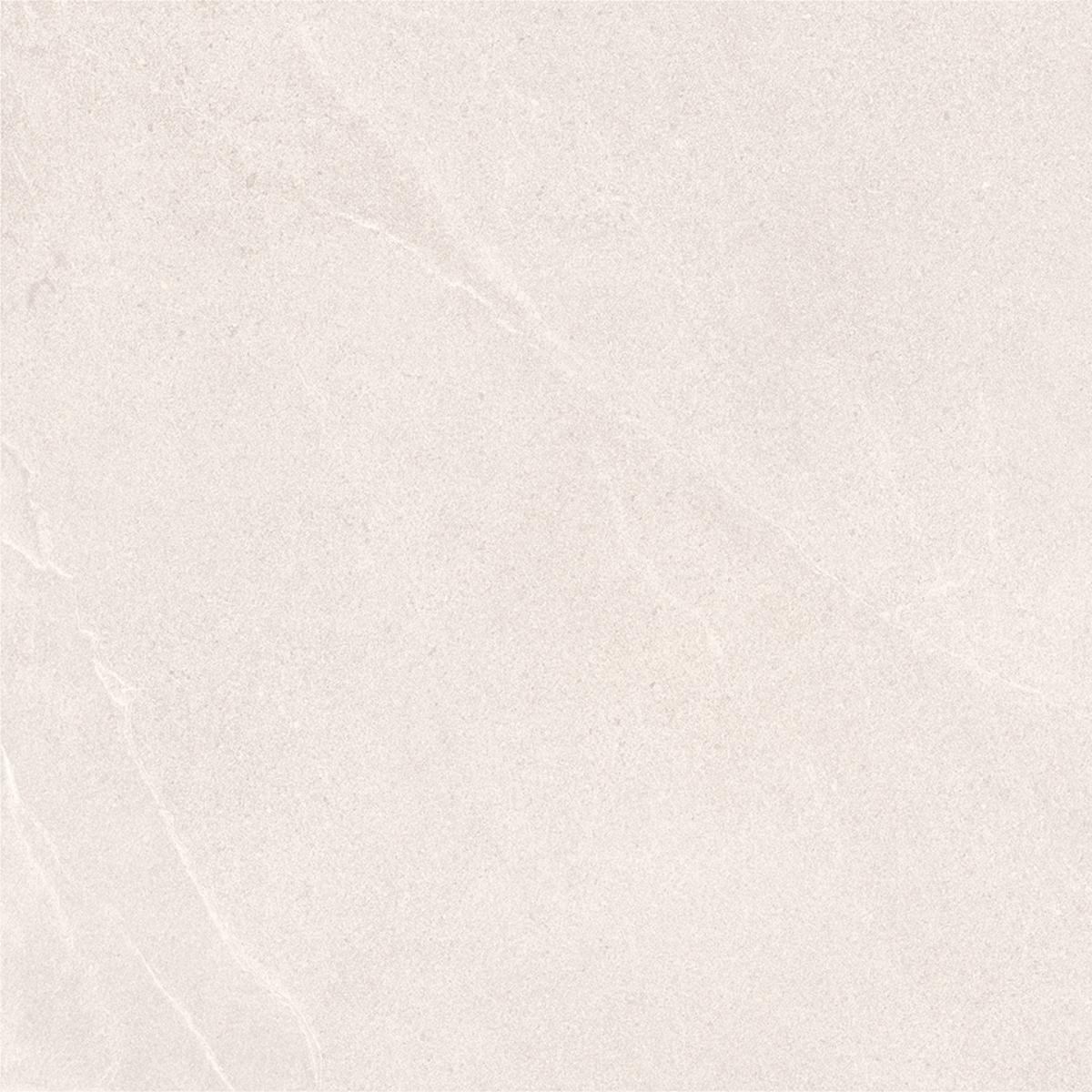 OXIDEWHITE60
Floor tile Oxide white matt 600 x 600 x 8 mm, 1.44 m² per package
98 in stockOriginal price was: 28.78 €.20.15 €Current price is: 20.15 €. 13.99 €/m² (usable area) 3 × 6.72 € -
SOODUS -10% LAOTOODE
 7F1730
Floor tile Sabbia beige 300 x 300 x 6 mm, 1.35 m² per package
1 in stockOriginal price was: 19.29 €.17.36 €Current price is: 17.36 €. 12.86 €/m² (usable area) -
LAOTOODE
 9AC580
Floor tile Saint Laurent black 600 x 600 x 8 mm, 1.44 m²
139 in stock26.04 € 18.08 €/m² (usable area) 3 × 8.68 € -
SOODUS -10% LAOTOODE
 9A0580UUS
Floor tile Saint Laurent white 600 x 600 x 8 mm, 1.44 m²
10 in stockOriginal price was: 27.28 €.24.55 €Current price is: 24.55 €. 17.05 €/m² (usable area) 3 × 8.18 € -
SOODUS -30%
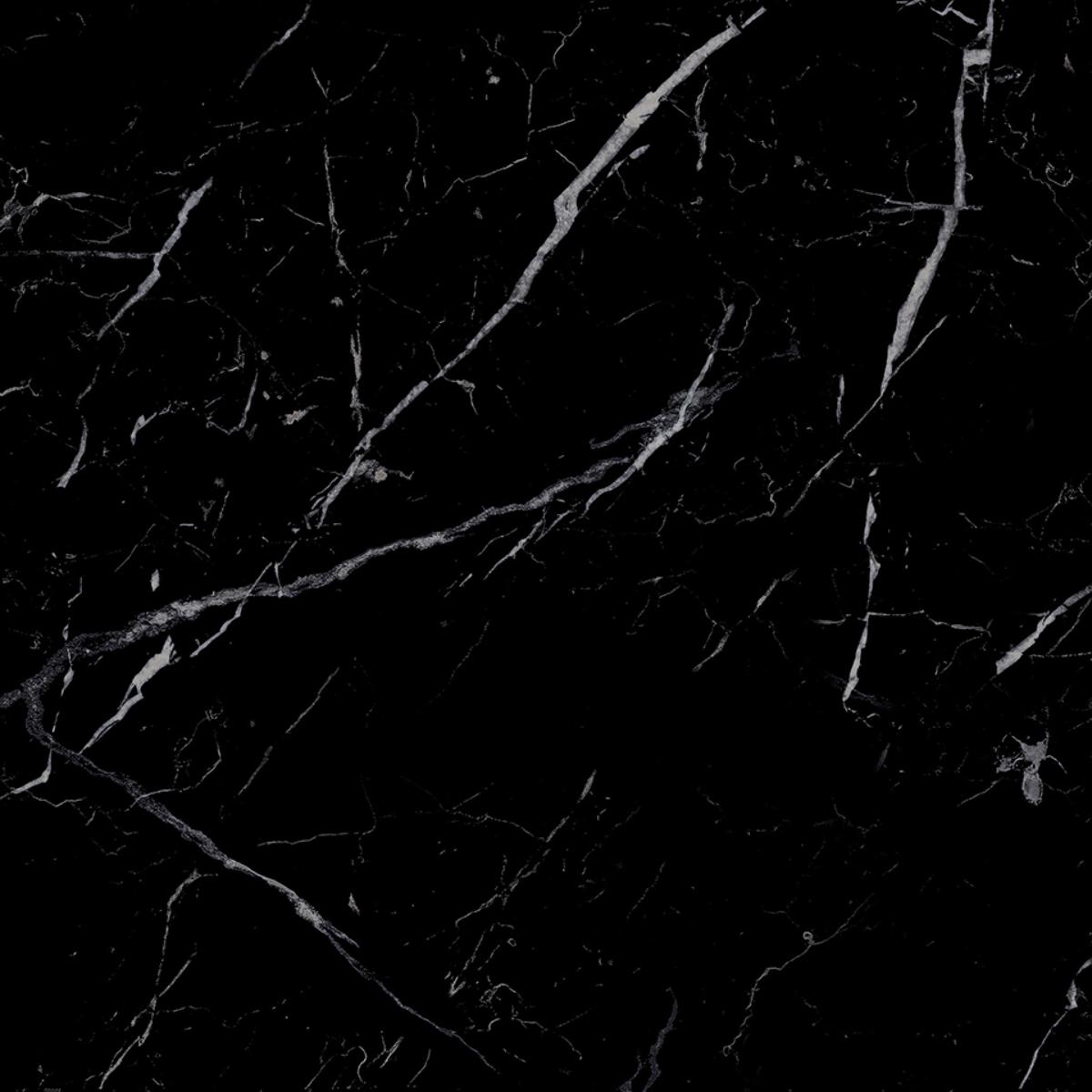 SIMBABLACK60
Floor tile Simba Black high gloss 600 x 600 x 8 mm, 1.44 m² per package
Available to orderOriginal price was: 28.78 €.20.15 €Current price is: 20.15 €. 13.99 €/m² (usable area) 3 × 6.72 € -
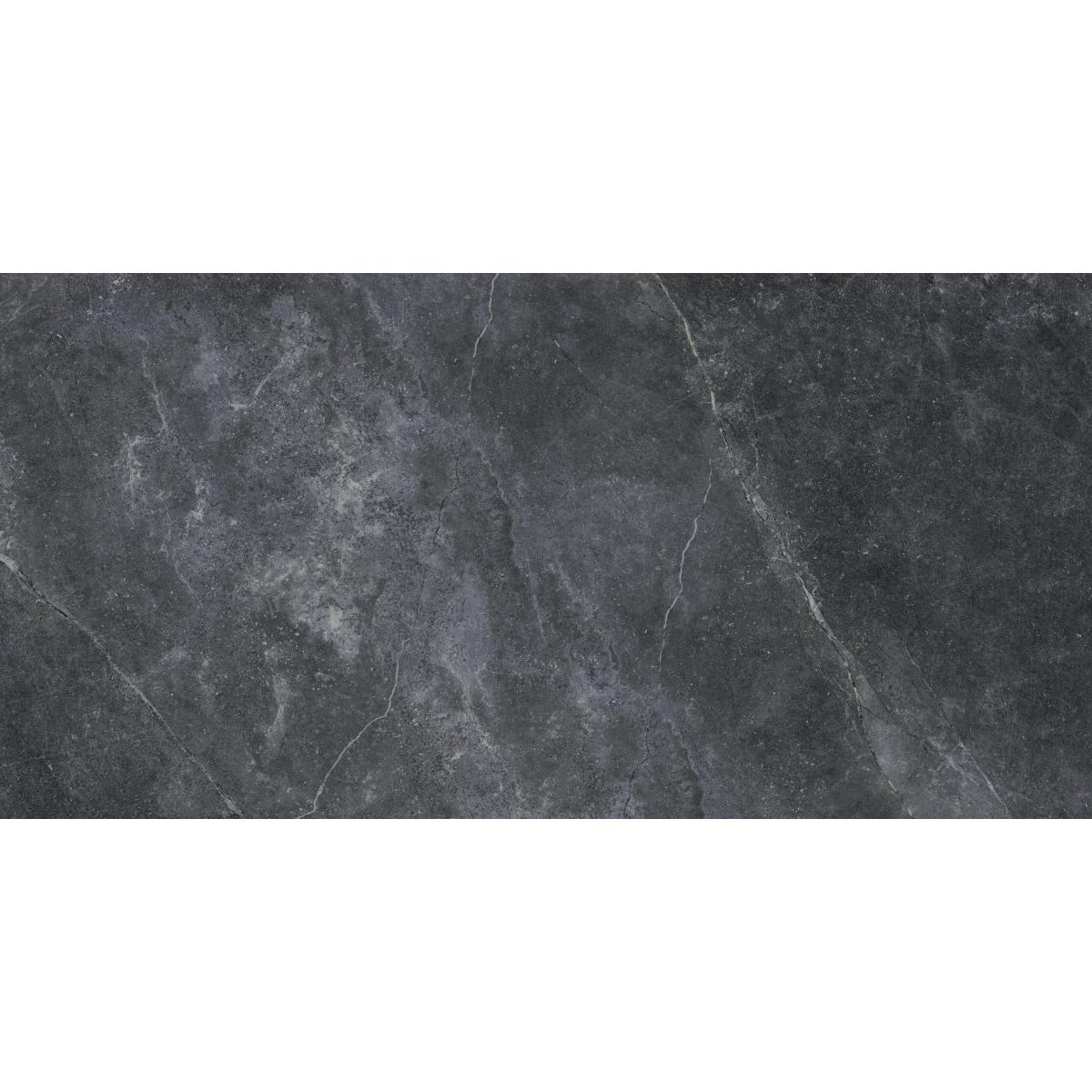 5VС9P0
Floor tile Space Stone black 1200 x 600 x 10 mm, 1.44 m² per package
Available to order36.99 € 25.69 €/m² (usable area) 3 × 12.33 € -
SOODUS -10% LAOTOODE
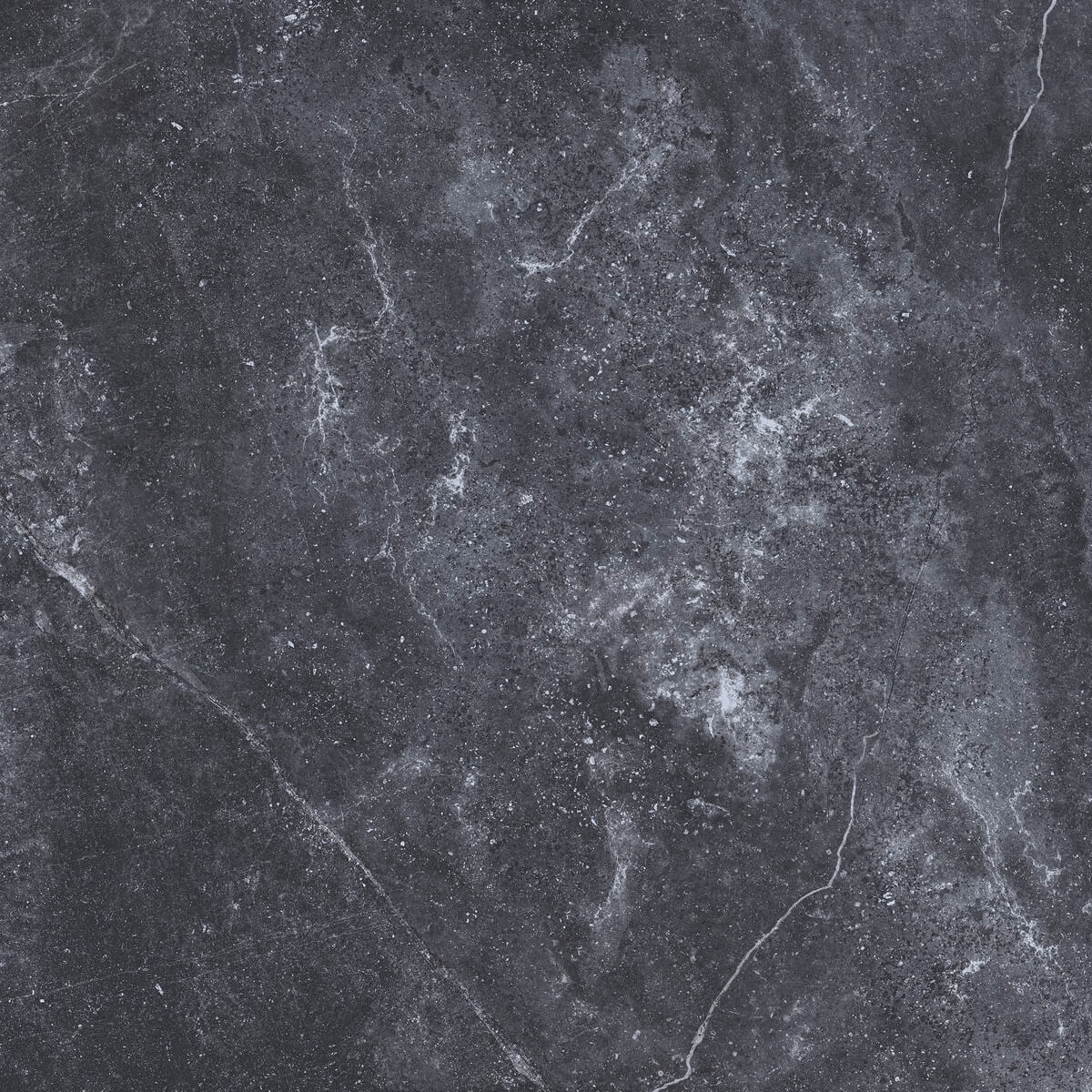 5VC500
Floor tile Space Stone black 595 x 595 x 11 mm, 1.062 m² per package
3 in stockOriginal price was: 27.53 €.24.78 €Current price is: 24.78 €. 23.33 €/m² (usable area) 3 × 8.26 €
Everything you need to know.
- Durability and long life
- Underfloor heating and energy efficiency
- Hallway and kitchen: Practicality comes first
- Bathroom: Safety and waterproofing
- Living room and bedroom: Design and warmth
- Ceramic tiles – classic and affordable
- Full-body porcelain – ultimate strength
- Wood-effect tiles – the beauty of nature without the hassle
- Large-sized tiles and joint-free surfaces
- Substrate preparation is the key
- Grout selection and cleaning
Renovating your home is an emotional journey, where every decision will affect your family’s daily quality of life for decades. One of the most lasting and important choices in this process is finding the right flooring. While wood and laminate are popular, floor tiles are arguably the most durable, hygienic and versatile solution for your home. As a homeowner, however, you may feel a little lost in the tile department of a hardware store – the choice ranges from thousands of shades, sizes and materials.
Should you prefer a warm wood decor or a modern concrete imitation? Which slip resistance class is suitable for the bathroom and which for the hallway? In this comprehensive guide, we make floor tiles and their selection logical and easy for you. We talk honestly about the differences in materials, share interior designer tips for planning rooms and reveal the secrets of how to ensure that your new floor remains impeccable for generations. Let’s take the first step together towards the home of your dreams!
Why are floor tiles the perfect choice for your home?
In the world of flooring, floor tiles are real heavyweights. They are no longer reserved for damp rooms, but have taken over the entire home – from the hallway and kitchen to the cozy living room. But what makes them the undisputed favorite of homeowners?
Durability and long life
Unlike wooden floors, which can be irreparably scratched by high-heeled shoes or pet nails, high-quality floor tiles are virtually wear-resistant. They will not fade in intense sunlight, will not be afraid of spilled red wine, and will not swell when exposed to moisture. If you invest in good quality tiles, you can be sure that they will look exactly the same twenty years from now as they did the day they were installed. This makes them one of the most cost-effective solutions in the long run. Special attention should be paid to areas with heavy traffic, where sand and moisture are brought in from outside – a tiled floor is indispensable there.
Underfloor heating and energy efficiency
Unique perspective: Many people are afraid of tiles because they feel cold underfoot. In reality, floor tiles and hydronic floor heating (floor heating and tiles) are the most ingenious combination for increasing the energy efficiency of your home. Unlike wood or laminate, which act as insulators and prevent the spread of heat, ceramics and porcelain have excellent thermal conductivity and heat capacity.
This means that the tiles store the heat from the heating water and radiate it evenly into the room for a longer period of time, even when the heating system is currently turned off. In the era of smart thermostats, this allows you to direct the heating to the more favorable night hours – the massive tiled floor acts as an insulation battery, keeping the room warm throughout the day, thereby helping you significantly save on heating costs.
How to choose the right floor tiles for each room?
Every room in your home has its own specific function and load. What looks great in a bedroom may not hold up in a messy hallway.
Hallway and kitchen: Practicality comes first
The hallway is the calling card of the home, but it is also the zone that is treated the most harshly. Snow is brought here in winter, dirt in autumn and sand in summer. Therefore, the floor tiles in the hallway must be highly wear-resistant (PEI class 4 or 5). In terms of design, it is smart to avoid completely monochromatic and high-gloss surfaces – every small speck of dust or dried drop of water will immediately stand out. Instead, choose a gently patterned pattern, such as one that imitates natural stone or concrete.
In the case of the kitchen (kitchen floor tiles), stain resistance and cleanability are of critical importance. Since sharp objects (such as knives) or heavy pots are often dropped in the kitchen, a strong porcelain tile is the best choice. Also, avoid tiles with too deep a texture in the kitchen, because grease and dirt tend to accumulate in between them, which makes cleaning the floor tiles a real headache.
Bathroom: Safety and waterproofing
The biggest risk in the bathroom is slipping on wet surfaces. Therefore, bathroom tiles should always be selected according to their slip resistance rating (R-value). It is recommended to choose tiles with a rating of R9 or R10 (slip-resistant floor tiles) for your home bathroom. If you plan to build a walk-in shower without steps, you could use surfaces with a hardness of R11 in the shower area or install mosaic tiles there. Mosaic tiles have a lot of joints and they create a natural "brake" underfoot, reducing the risk of slipping to a minimum.
Living room and bedroom: Design and warmth
In living spaces, aesthetics come first. The goal here is to create a cozy and warm atmosphere. Today, it is extremely popular to smoothly and without thresholds transfer the tiled surface from the hallway to the living room and open kitchen. This makes the home visually much more spacious and makes the life of the robot vacuum cleaner much easier!
Material Comparison: Ceramic vs. Porcelain
When you look around a hardware store, you'll often see the terms "ceramic tile" and "solid-mass tile" (porcelain). While they may appear identical visually, their physical properties are drastically different.
Ceramic tiles – classic and affordable
Traditional ceramic tiles are made from clay and fired in a kiln. They are coated with a glaze that gives the tile its color and pattern. Ceramics are generally softer and easier to cut, making tiling easier for the homeowner or do-it-yourselfer. They are great for walls and lower-traffic floors (such as guest bathrooms). However, they have a relatively high water absorption rate (often over 3%), which means they can freeze and crack when exposed to the elements outdoors or in very cold conditions.
Full-body porcelain – ultimate strength
If you are looking for the best possible durability, the solution is ceramic floor tiles made of porcelain (full-body tiles). Porcelain is produced from much finer clay and fired at extremely high temperatures. The result is an extremely dense material with a water absorption of less than 0.5%. Unique knowledge:
Full-body tiles (porcelain tiles) mean that even if you manage to break a shard off this tile (which is very difficult), the tile is made of the same material and the same color throughout its thickness. In the case of traditional glazed ceramic tiles, red or white clay appears under the shard, which is visually very disturbing. Porcelain is the only right choice for hallways and kitchens with heavy traffic.
Latest trends: Oversized and natural textures
The world of tiles is developing at a tremendous speed, and what was fashionable ten years ago has been replaced by completely new technologies today. Digital printing has revolutionized the world – modern floor tiles can imitate natural materials so faithfully that it is almost impossible to distinguish them from the original with the naked eye.
Wood-effect tiles – the beauty of nature without the hassle
Wooden floors are a big favorite of Estonians, but maintaining them (oiling, varnishing, preventing scratches) can be tedious. This is where wood-effect floor tiles come to the rescue. These elongated tiles look exactly like oak, ash or walnut, even copying the wood grain and knots. Combined with underfloor heating, they offer the warm visuals of wood, while being water and wear-resistant. This is an ideal solution for country homes or dog owners, for example.
Large-sized tiles and joint-free surfaces
Another massive trend is large-sized floor tiles (e.g. 60×60 cm, 60×120 cm or even 120×240 cm). The larger the tile, the fewer joints there are on the floor. Fewer joints means a cleaner, more minimalist and more spacious-looking space. In addition, joints are always the weakest (and most difficult to clean) link in a tiled surface.
Large tiles, especially those with a concrete or delicate marble pattern, visually make even a small bathroom or hallway appear many times larger. However, their installation requires a perfectly smooth substrate and a professional tiler.
Floor tile installation and maintenance
You've found the perfect tiles! In order for the result to be flawless, it is necessary to undergo proper floor tile installation and ensure proper maintenance afterwards.
Substrate preparation is the key
The golden rule of tiling is: "The end result is only as good as the substrate." The substrate must be load-bearing, clean and absolutely flat. Before tiling, the floor often needs to be poured over with a self-leveling compound. In bathrooms, proper waterproofing (moisture barrier) is also critical to prevent water from entering the structures. Tiling work with large-sized tiles also requires double-gluing (tile adhesive is applied to both the floor and the back of the tile) to prevent voids from forming under the tile, which could cause the tile to break if something heavy falls on it.
Grout selection and cleaning
The beauty of your floor largely depends on the joints. Choosing the wrong grout can ruin the appearance of even the most expensive tile. Unique tip: Never choose a light-colored grout for your hallway or kitchen! Even if the tile itself is light-colored, the grout will absorb dirt over time and become unsightly. Prefer epoxy grout to cement-based grout, especially in the kitchen and shower area. Epoxy grout is completely waterproof, does not absorb grease or dirt, and can hardly be stained with anything.
Cleaning the floor tiles themselves is a breeze – all you need is warm water and a neutral pH detergent. Avoid strong acids and abrasive scrubbing pastes, which can damage the joints.
Quick summaries
- Tiles save on heating costs: When combined with underfloor heating, floor tiles act as an insulation battery, keeping the room warmer for longer.
- Ceramic vs. Porcelain: Always choose a more waterproof and stronger porcelain tile (full-body tile) for the hallway and kitchen; ceramic is suitable for walls or light-duty rooms.
- Bathroom safety: Choose tiles with at least R9 or R10 slip-resistant rating for wet rooms.
- Size expands the space: Large-sized tiles (fewer joints) make a small room visually much larger.
- Grout is important: In areas with heavy use, avoid light-colored grout and prefer a completely maintenance-free epoxy grout.
Frequently asked questions
- Can ceramic tiles be installed outdoors or on a terrace? Regular ceramic tiles are not suitable for outdoors because their water absorption is too high and they can break when frozen in winter. Special frost-resistant full-body or porcelain tiles should always be chosen for outdoors and terraces.
- How big should the joint be between floor tiles? For modern, rectified (with laser-cut edges at a precise right angle), the joint can be minimal, around 1.5–2 mm. For larger and more uneven tiles, a joint of 3–4 mm is usually left to compensate for material play and possible fluctuations in the substrate.
- Can I immediately lay new tiles on top of old floor tiles? Yes, it is possible, provided that the old tiles are firmly attached and the substrate is stable. This is called "tile-on-tile" installation. The old surface must be roughened and treated with a special adhesion dispersion (primer). However, keep in mind that this will raise the floor level, which may cause problems with opening doors.
- How to remove dirt from floor tile grout? For regular cleaning, a paste of baking soda and water can be used, which can be rubbed in with an old toothbrush. For more stubborn dirt, you can use special grout cleaners. If you want to get rid of the dirt permanently, consider removing the old grout and replacing it with a dirt-repellent epoxy grout.
- Are wood-effect tiles slippery? As a rule, they are not. High-quality wood-effect tiles have a wood-like embossed texture that adds grip underfoot, making them a very safe choice for hallways or for families with children and pets.