
Roofing and roofing material.
Every experienced builder knows that building or renovating a house is like assembling a complex puzzle, where every detail has to fit perfectly. But no other element has…
-
SOODUS -16% LAOTOODE
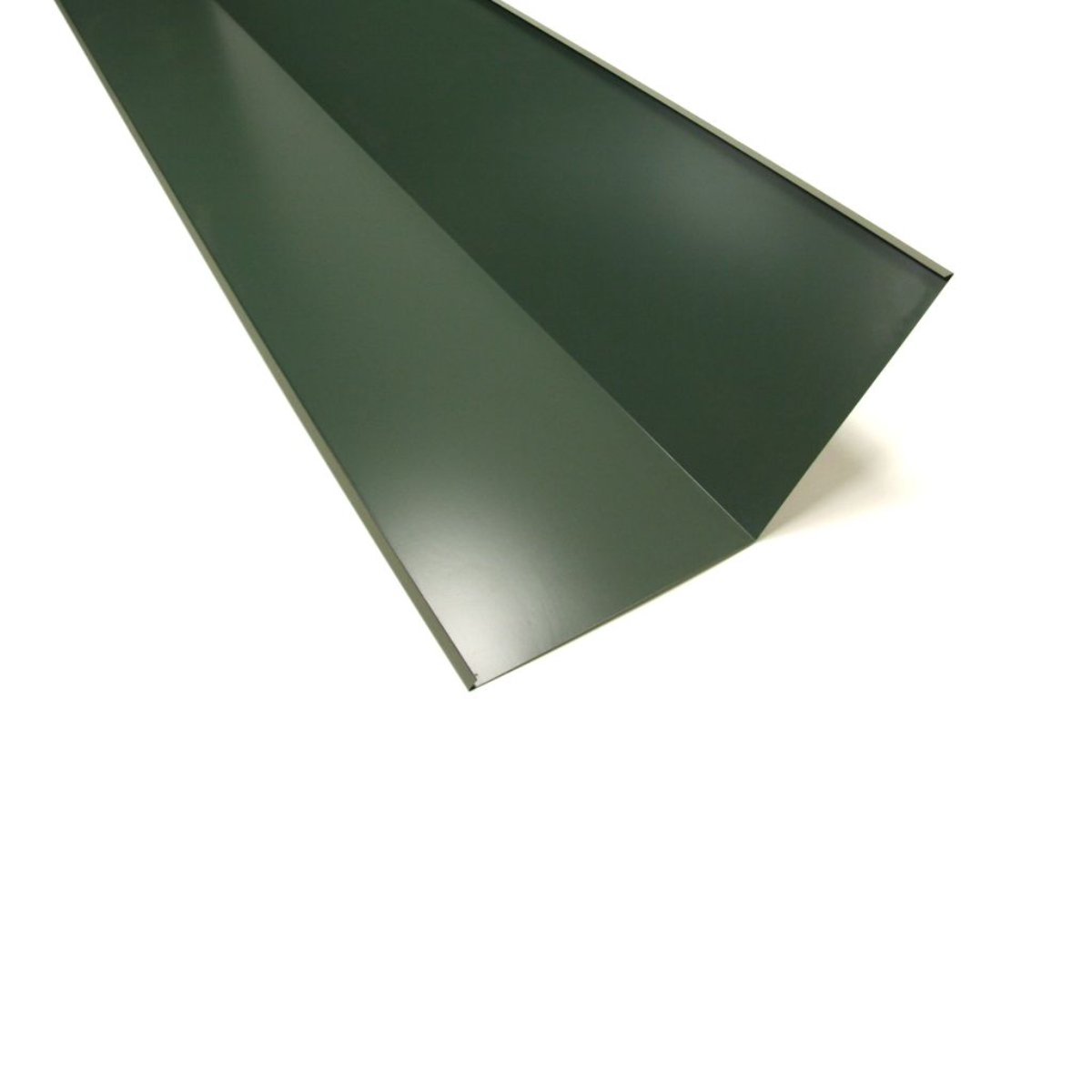 ET-NP-RR11
Painted green gutter plate 2000 x 300 x 300 mm
23 in stockOriginal price was: 41.48 €.35.01 €Current price is: 35.01 €. 3 × 11.67 € -
SOODUS -3% LAOTOODE
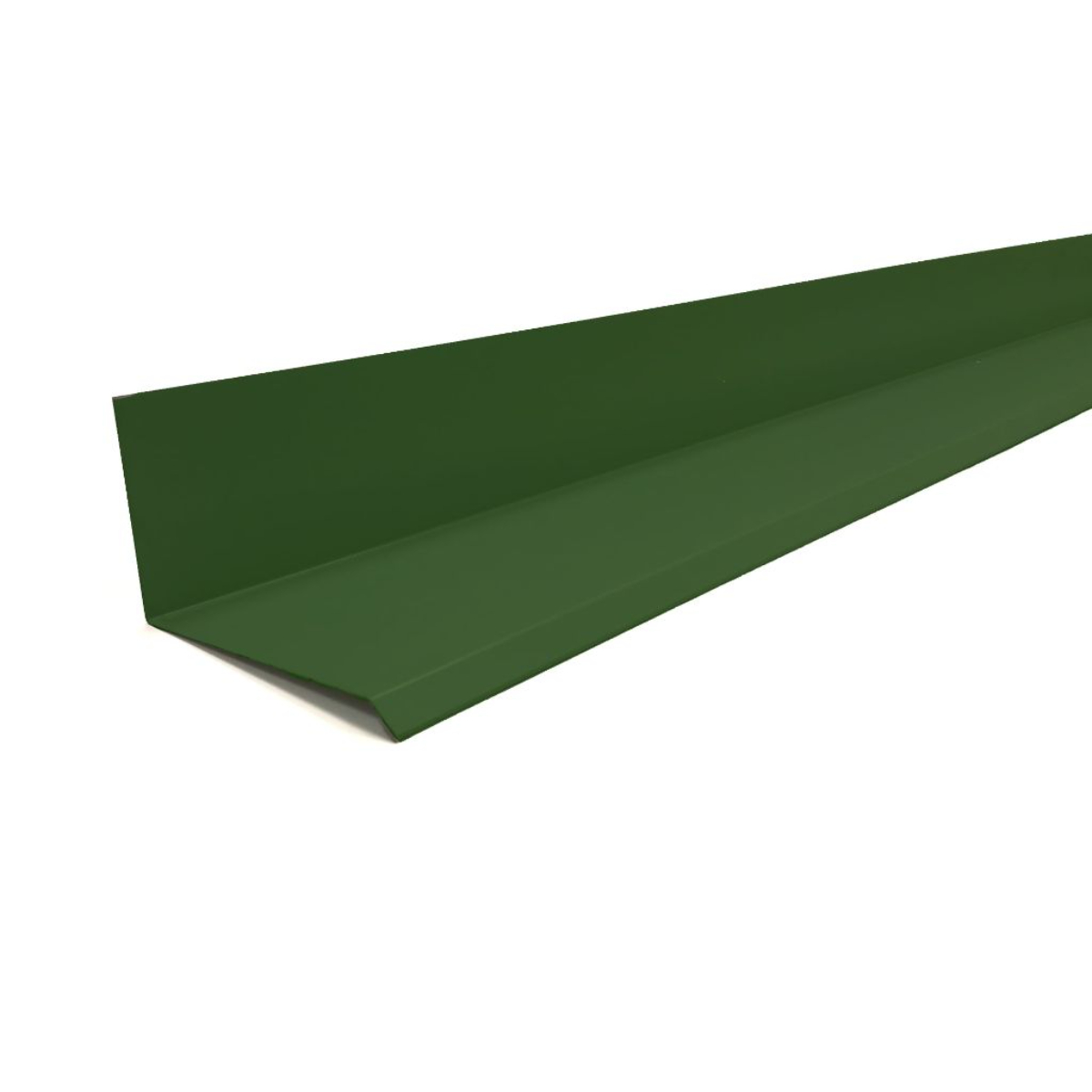 ET-LT-RR11
Painted green joint sheet 2000 x 150 x 100 mm
76 in stockOriginal price was: 18.60 €.18.00 €Current price is: 18.00 €. -
SOODUS -16% LAOTOODE
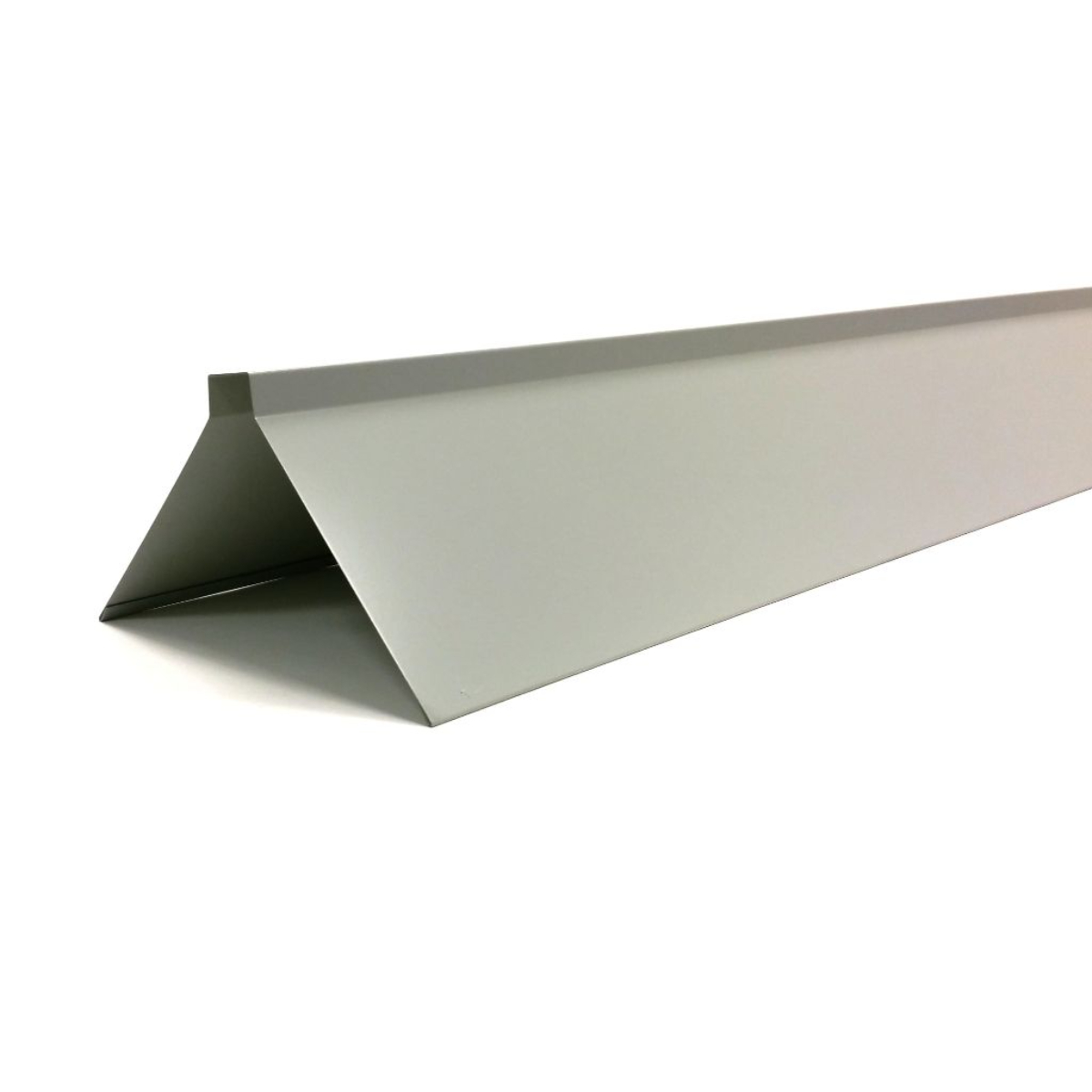 ET-HP-RR21
Painted grey brushed metal sheet 2000 x 150 x 150 mm
49 in stockOriginal price was: 26.11 €.22.01 €Current price is: 22.01 €. 3 × 7.34 € -
SOODUS -16% LAOTOODE
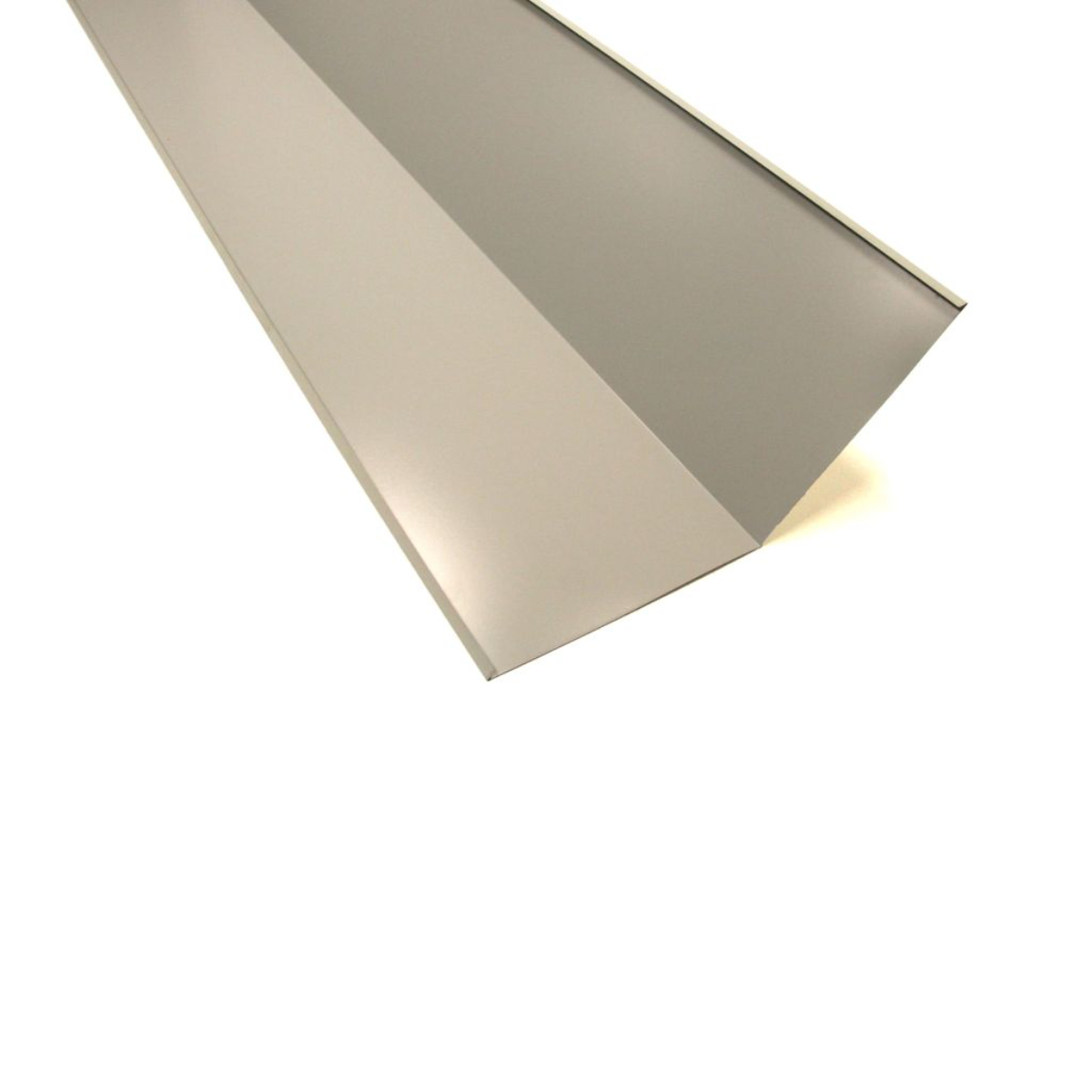 ET-NP-RR21
Painted grey gutter plate 2000 x 300 x 300 mm
21 in stockOriginal price was: 41.48 €.35.01 €Current price is: 35.01 €. 3 × 11.67 € -
SOODUS -3% LAOTOODE
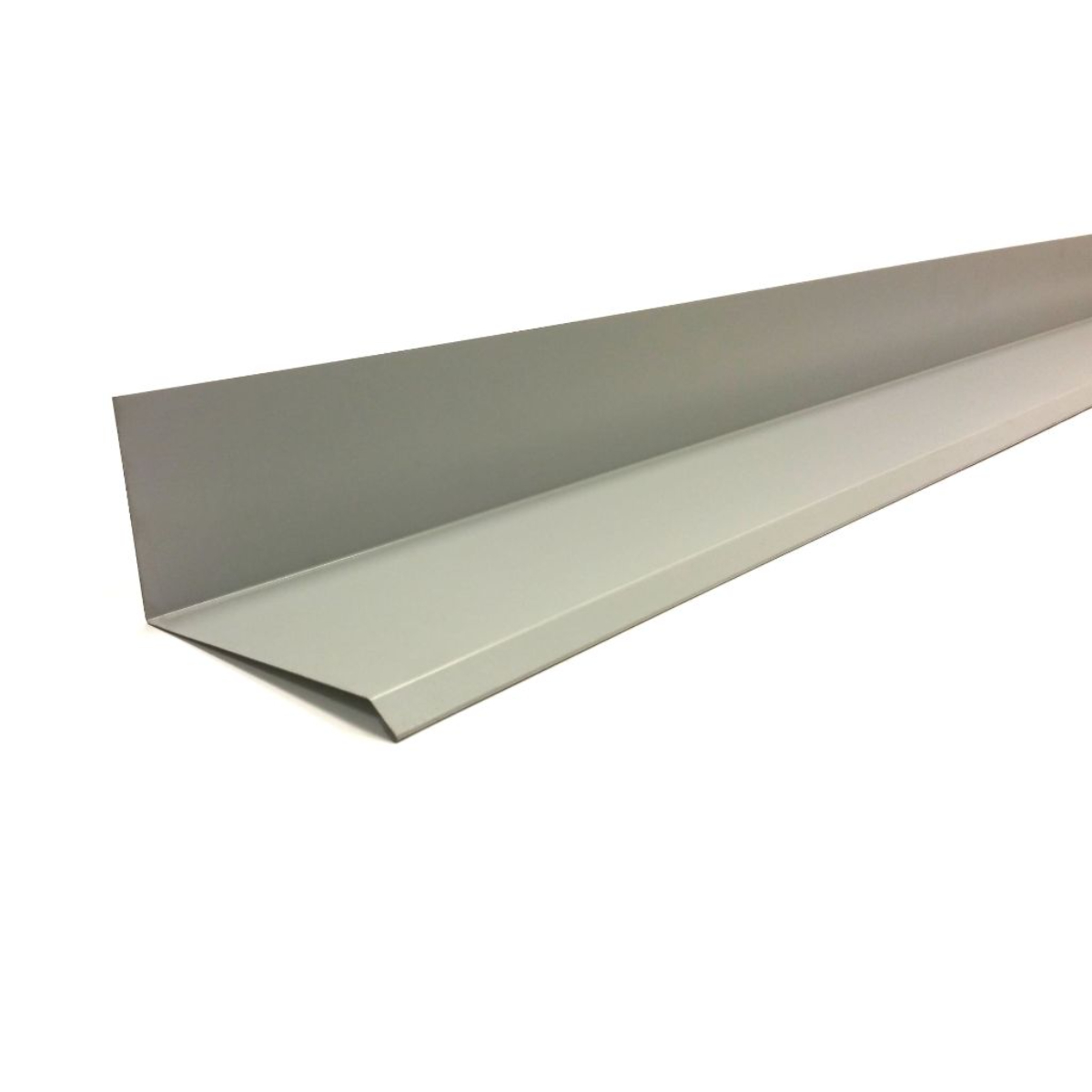 ET-LT-RR21
Painted grey joint sheet 2000 x 150 x 100 mm
57 in stockOriginal price was: 18.60 €.18.00 €Current price is: 18.00 €. -
SOODUS -5% LAOTOODE
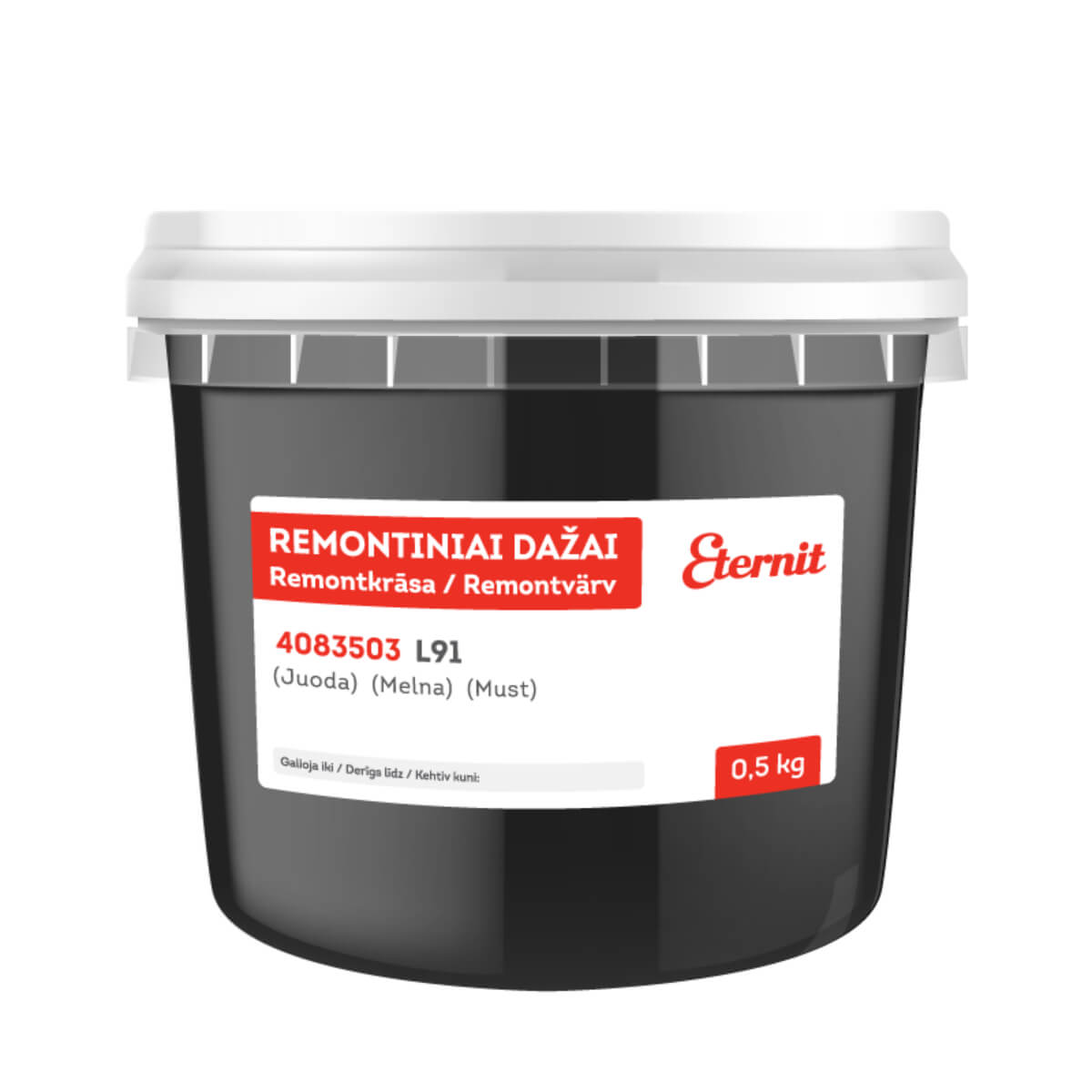 1002
1002Repair paint Eternit black 0.5 kg
In stockOriginal price was: 28.30 €.27.00 €Current price is: 27.00 €. 3 × 9.00 € -
SOODUS -5% LAOTOODE
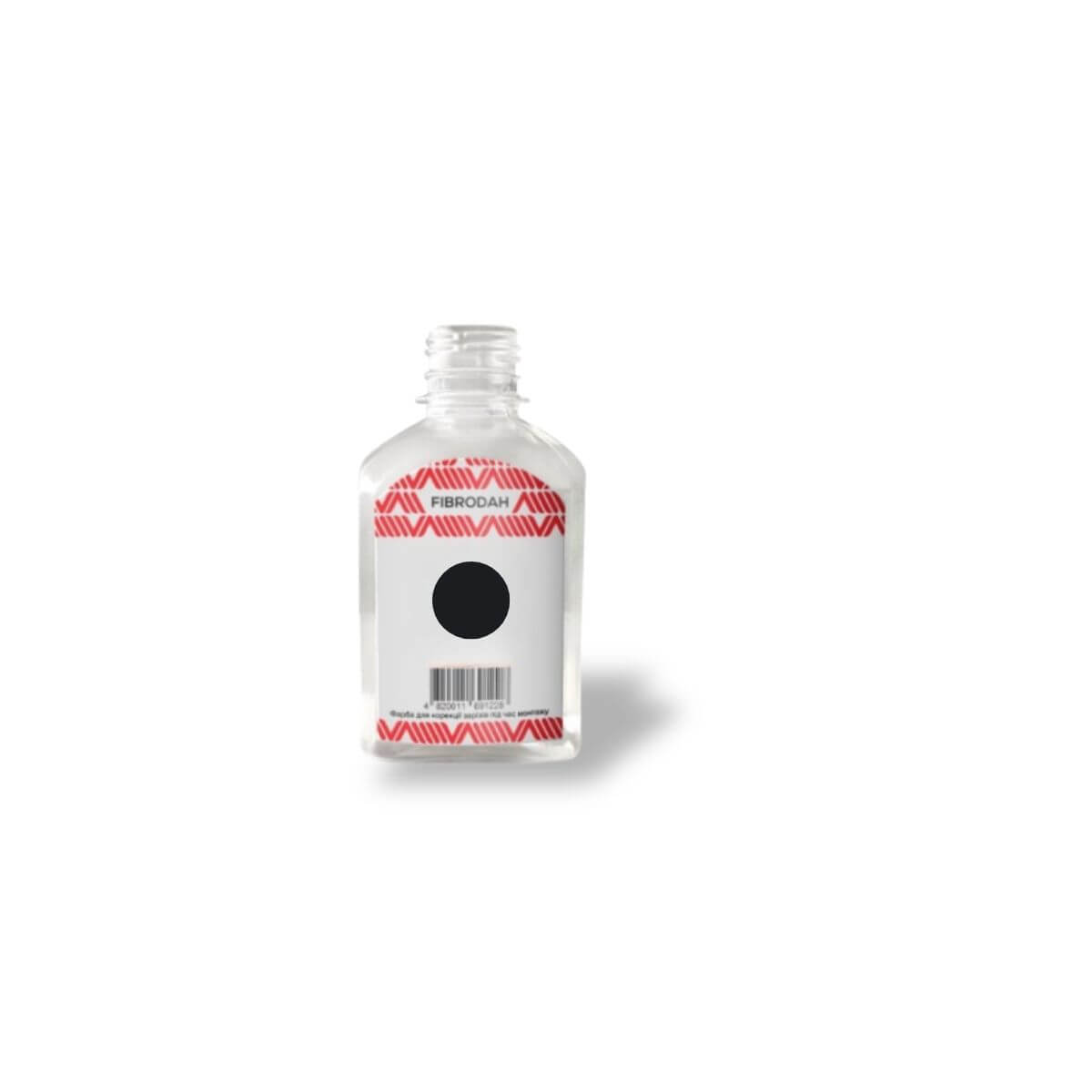 F1002
F1002Repair paint Fibrodah black 0.24 kg
In stockOriginal price was: 28.30 €.26.99 €Current price is: 26.99 €. 3 × 9.00 € -
LAOTOODE
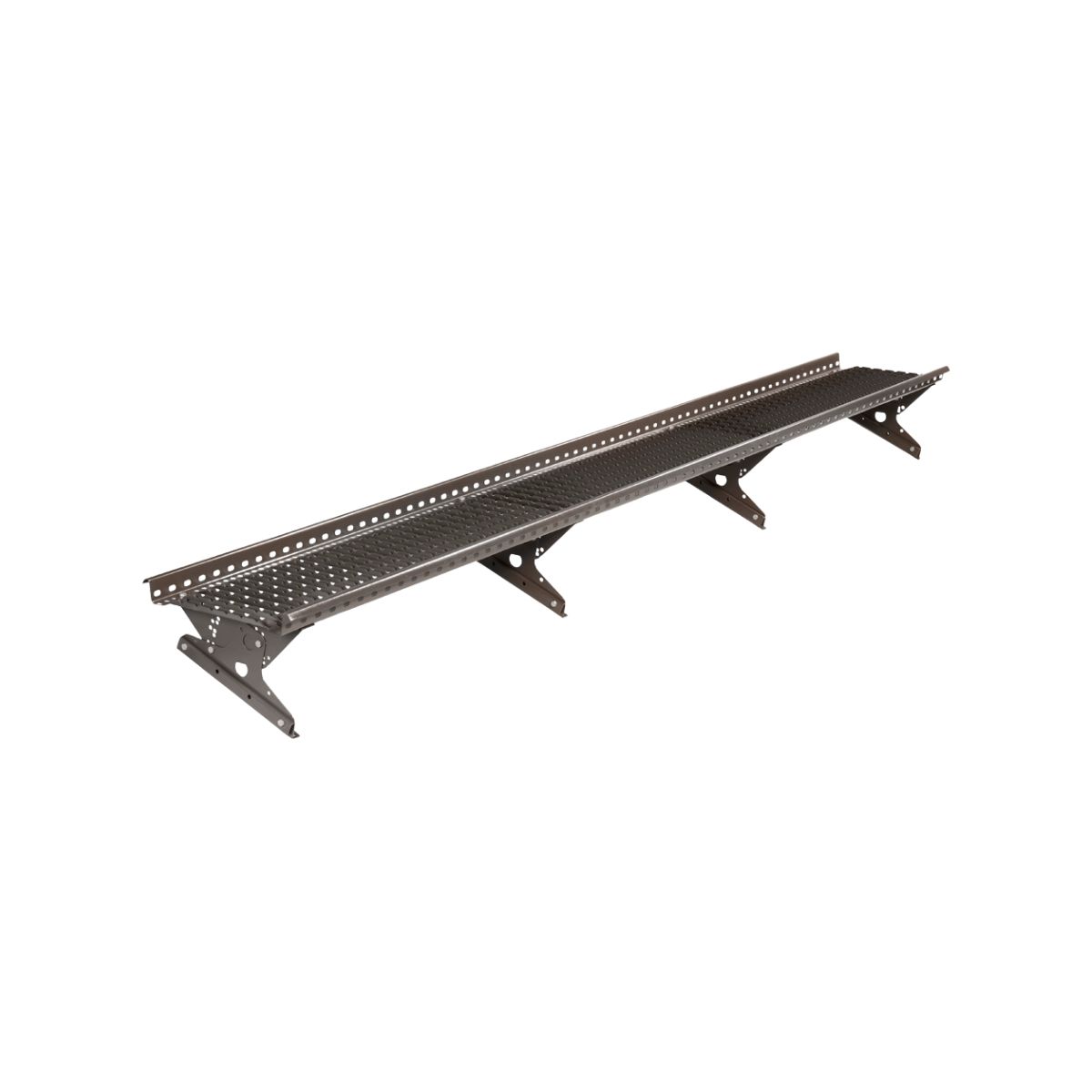 KOMP3501-RR32
Roof bridge RR32 brown, for Eternit roof, 3000 mm
In stock386.31 € 3 × 128.77 € -
LAOTOODE
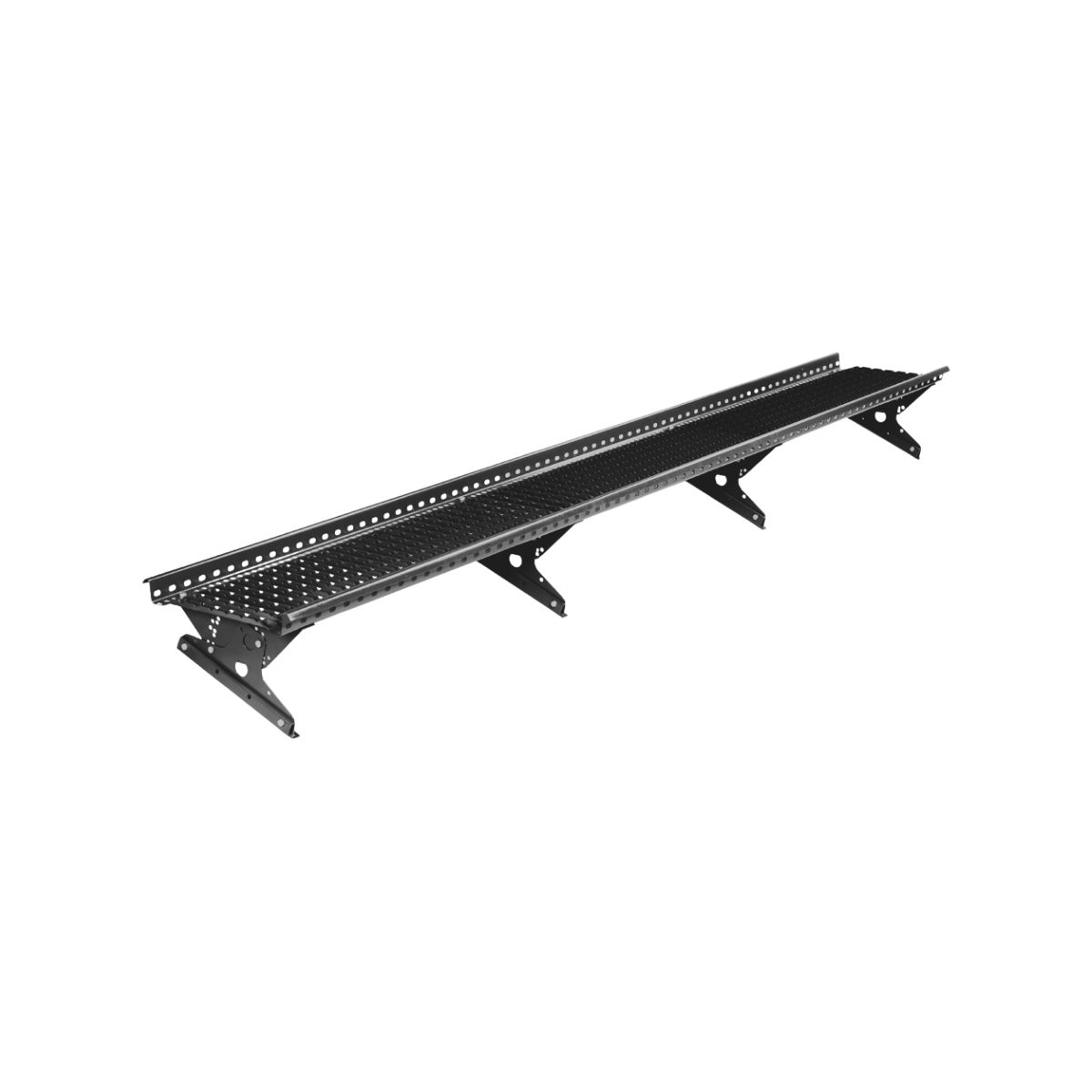 KOMP3501-RR33
Roof bridge RR33 black, for Eternit roof, 3000 mm
In stock386.31 € 3 × 128.77 € -
LAOTOODE
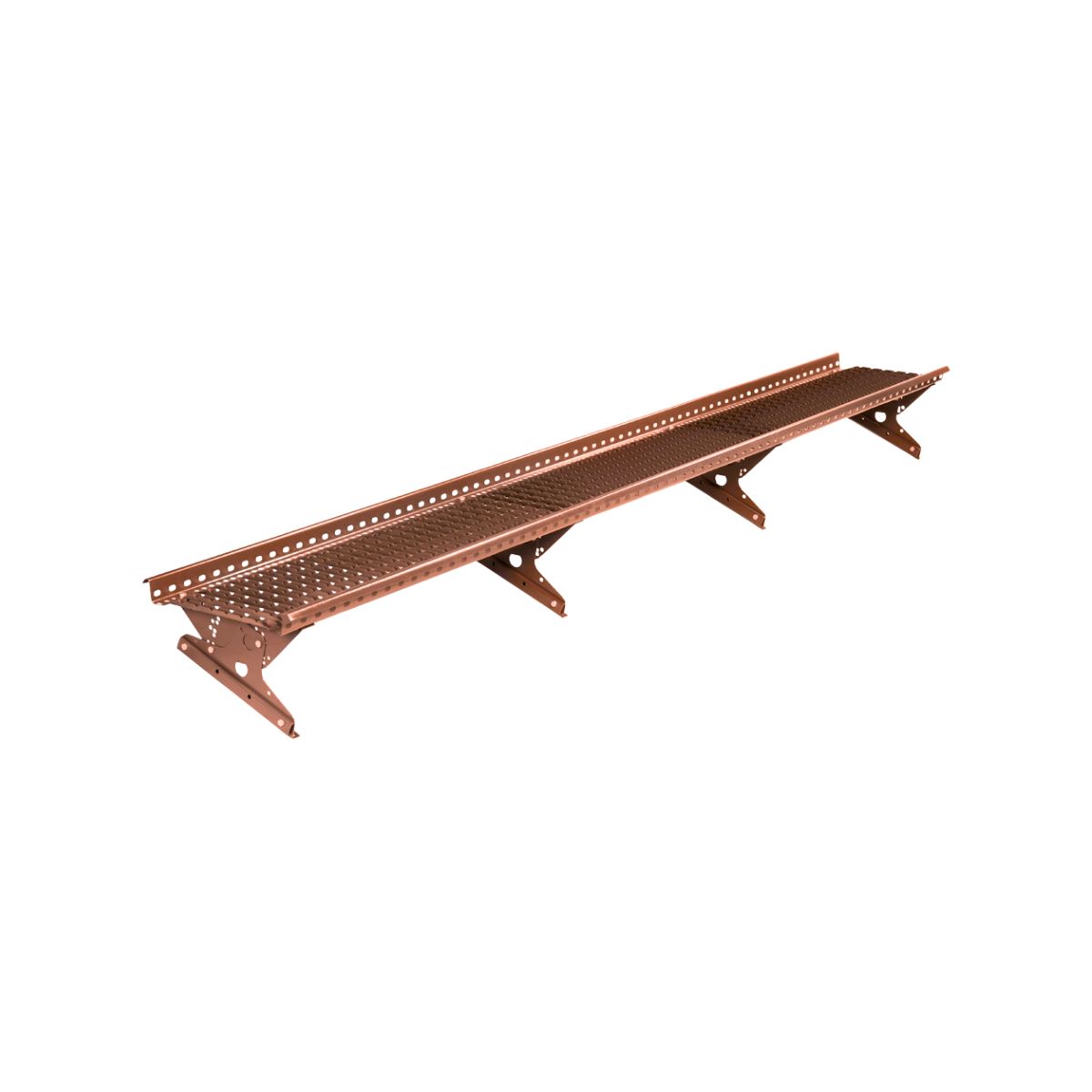 KOMP3501-RR750
Roof bridge RR750 brick red, for Eternit roof, 3000 mm
In stock386.31 € 3 × 128.77 € -
LAOTOODE
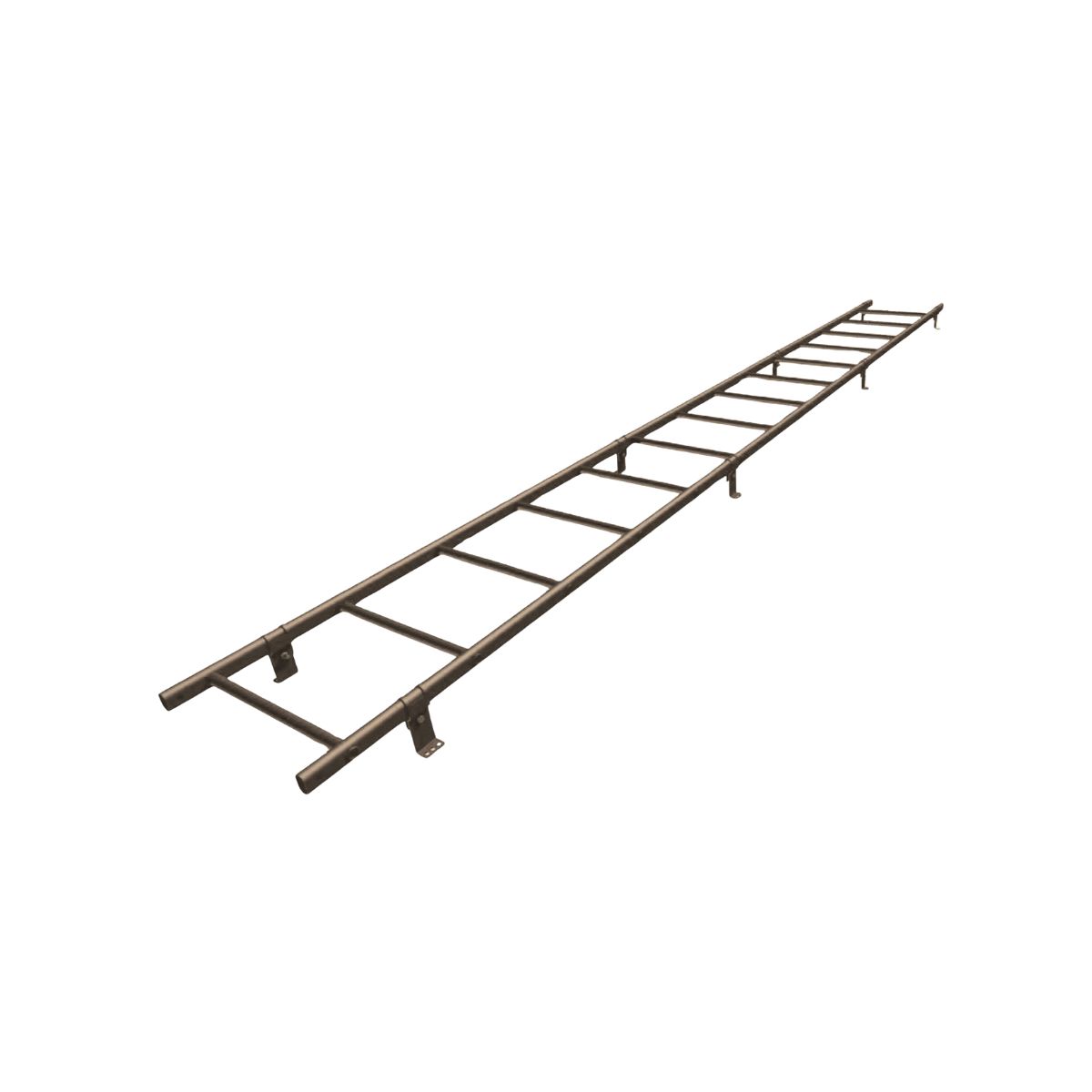 KOMP5701-RR32
Roof rafters RR32 brown, for Eternit roof, 3000 mm
In stock208.36 € 3 × 69.45 € -
LAOTOODE
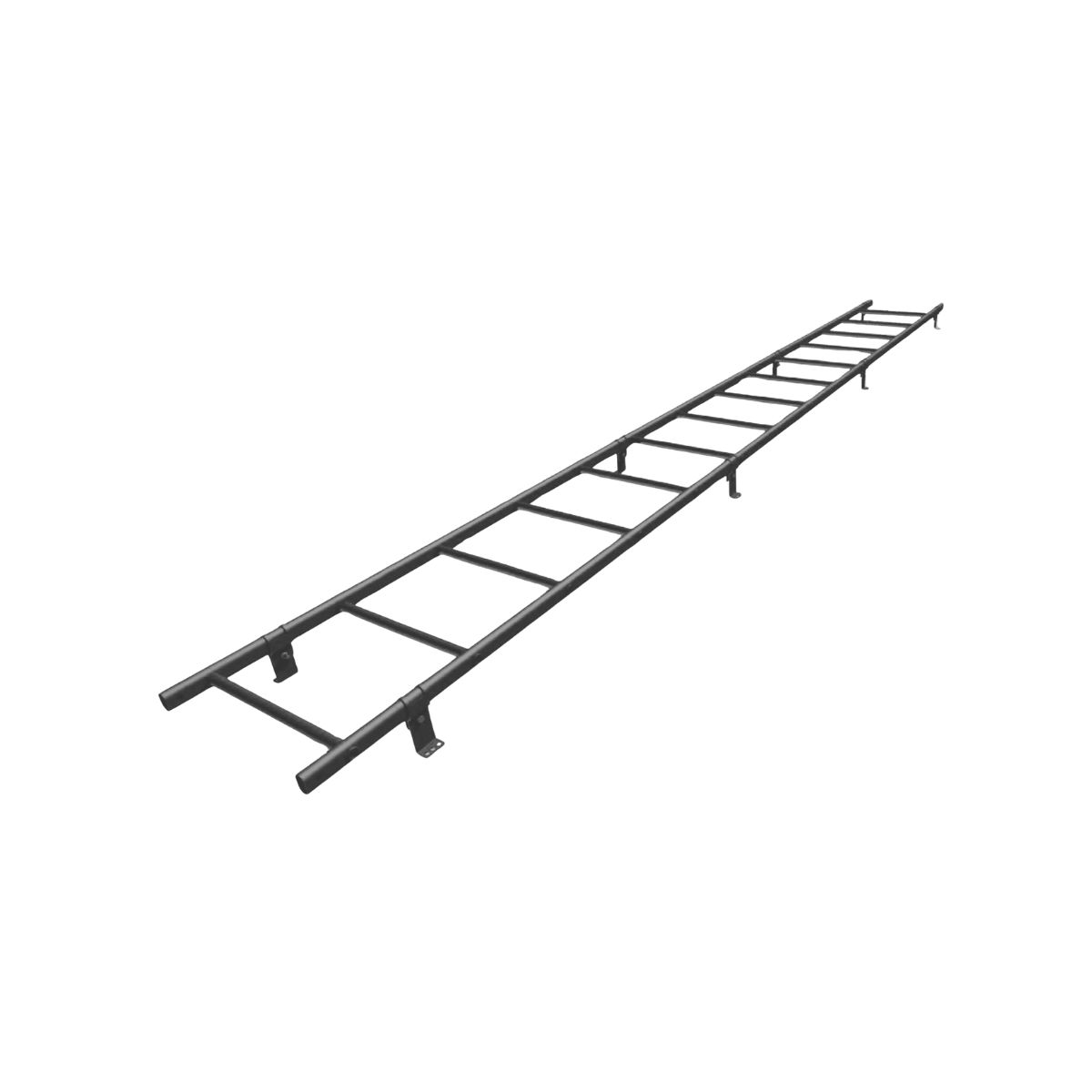 KOMP5701-RR33
Roof rafters RR33 black, for Eternit roof, 3000 mm
In stock208.36 € 3 × 69.45 € -
LAOTOODE
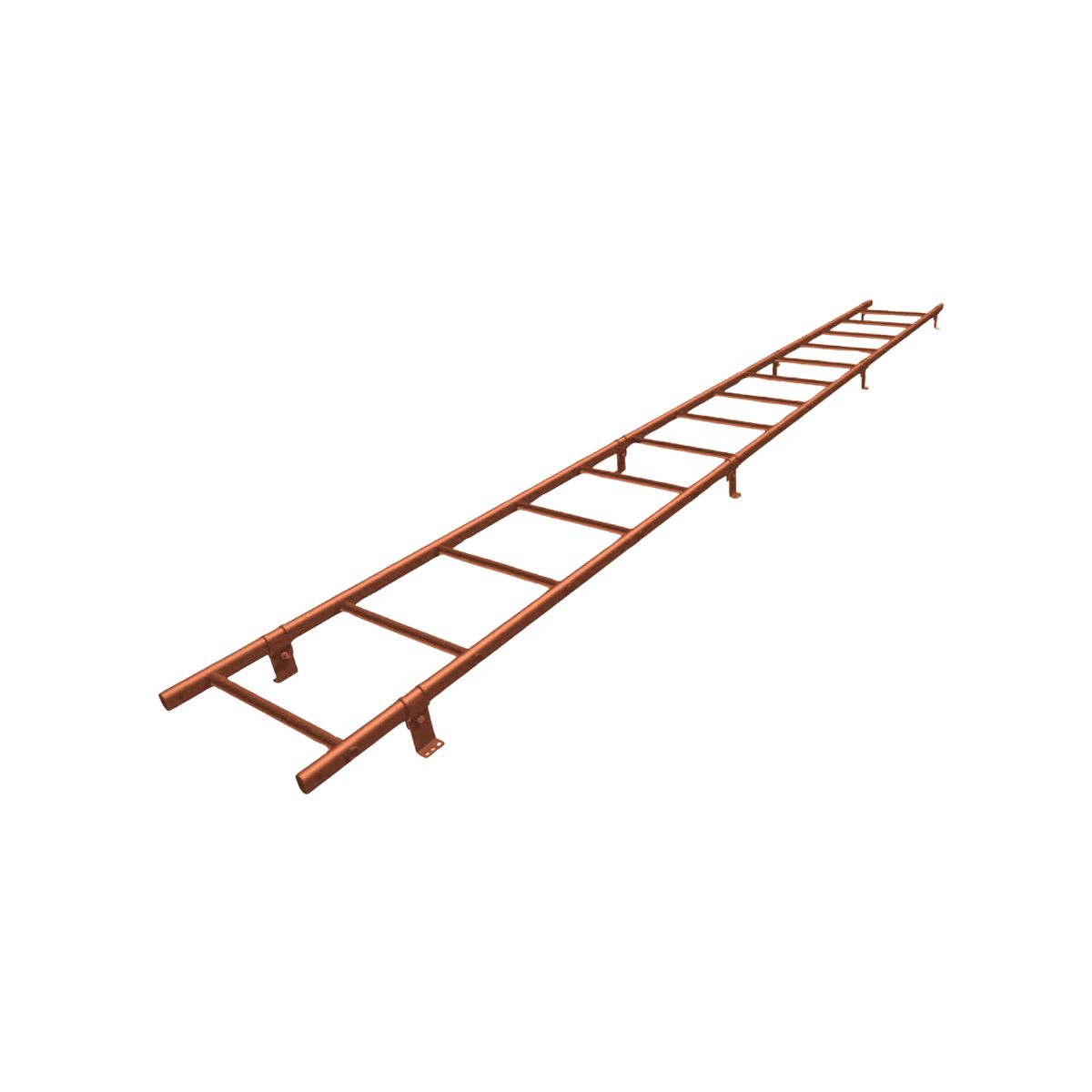 KOMP5701-RR750
Roof rafters RR750 brick red, for Eternit roof, 3000 mm
In stock208.36 € 3 × 69.45 € -
LAOTOODE
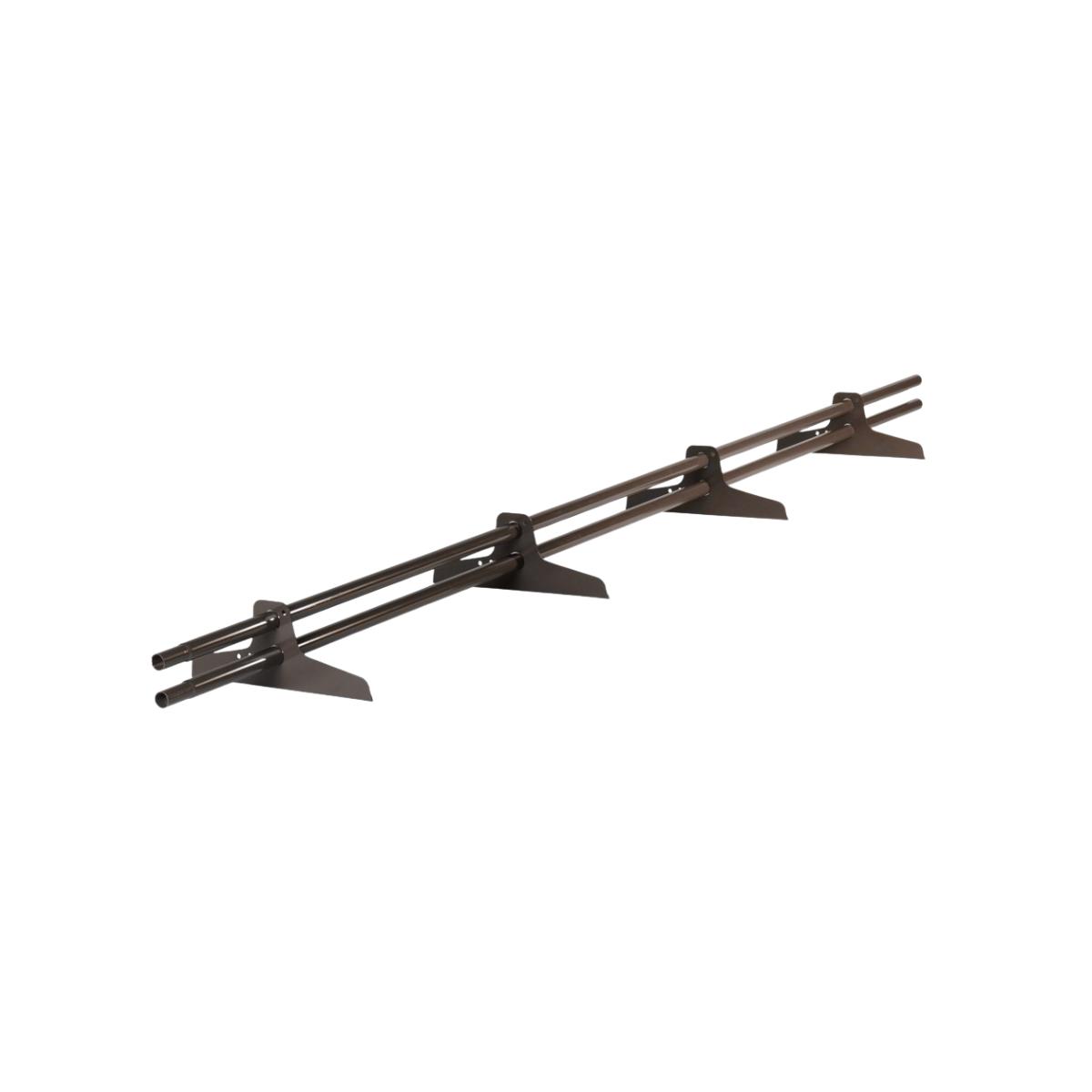 KOMP3793-RR32
Roof snow guard RR32 brown with two pipes, for Eternit roof, 3000 mm
In stock142.25 € 3 × 47.42 € -
LAOTOODE
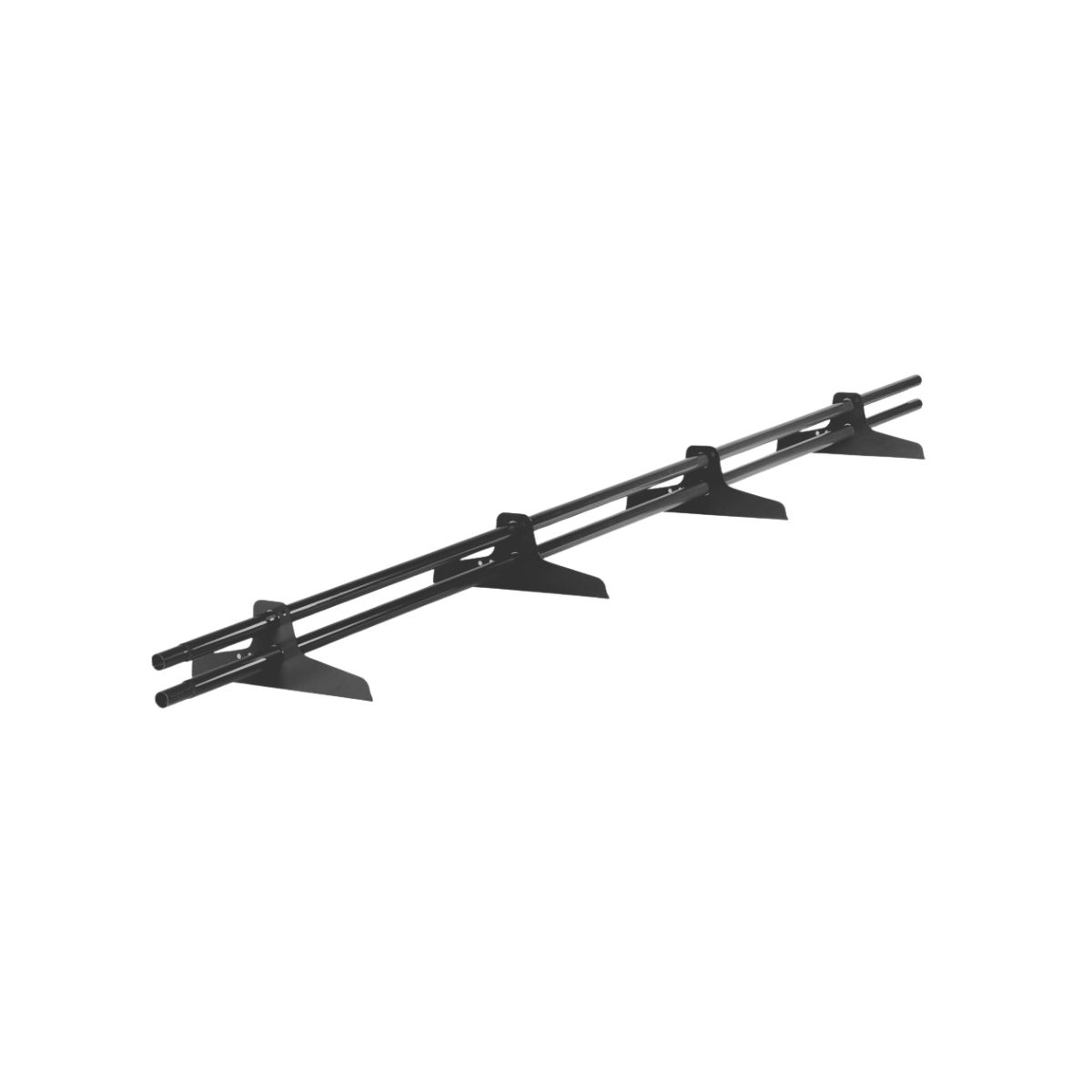 KOMP3793-RR33
Roof snow guard RR33 black with two pipes, for Eternit roof, 3000 mm
In stock142.25 € 3 × 47.42 € -
LAOTOODE
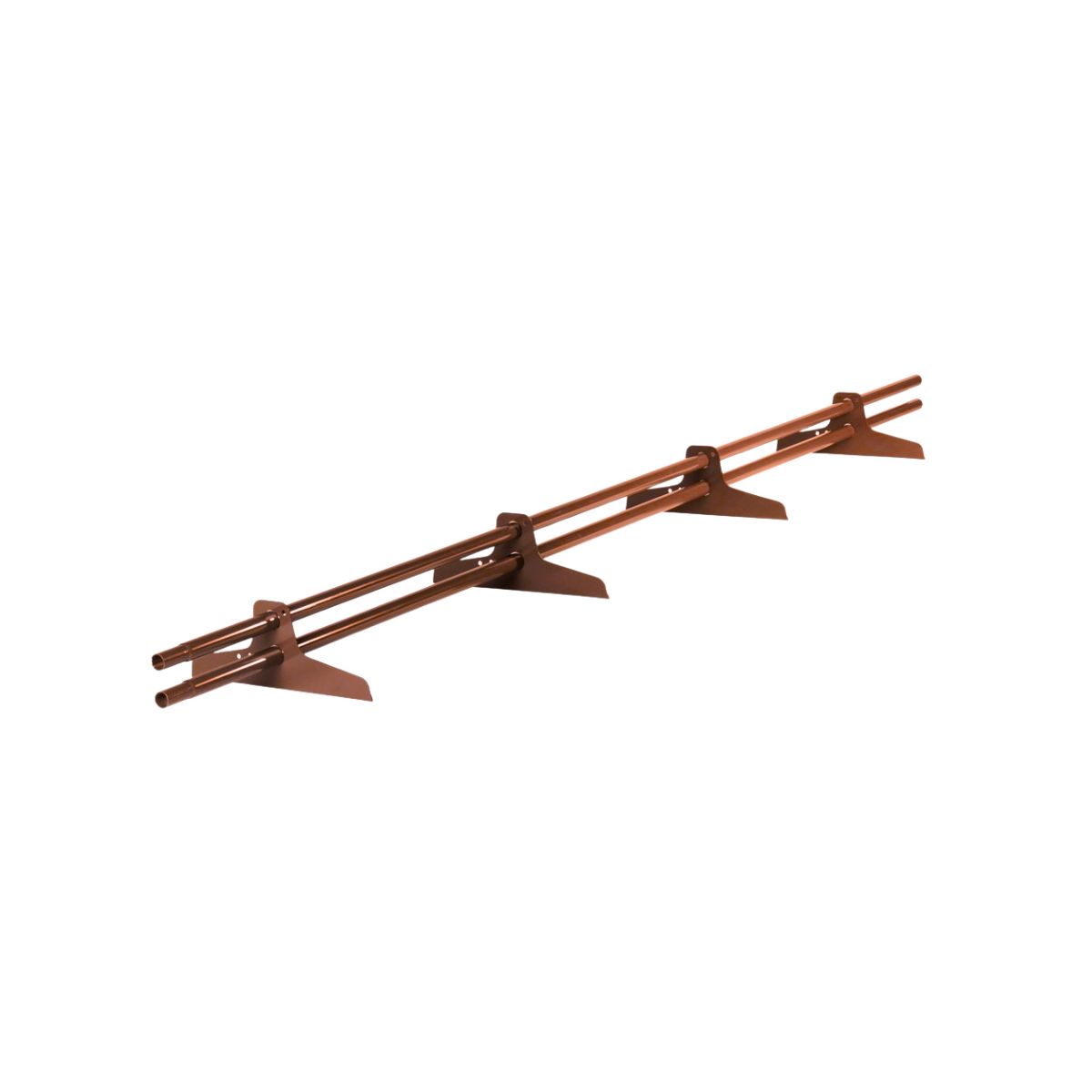 KOMP3793-RR750
Roof snow guard RR750 brick red with two pipes, for Eternit roof, 3000 mm
In stock142.25 € 3 × 47.42 € -
LAOTOODE
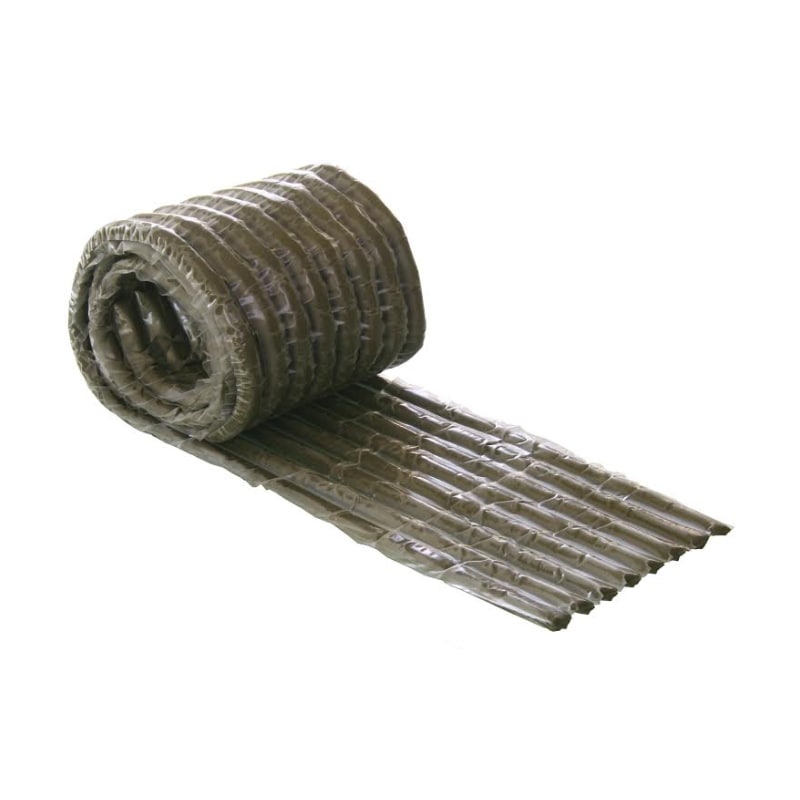 10052
10052Sealing cord for eternit 1100 mm
176 in stock16.86 € -
SOODUS -15% LAOTOODE
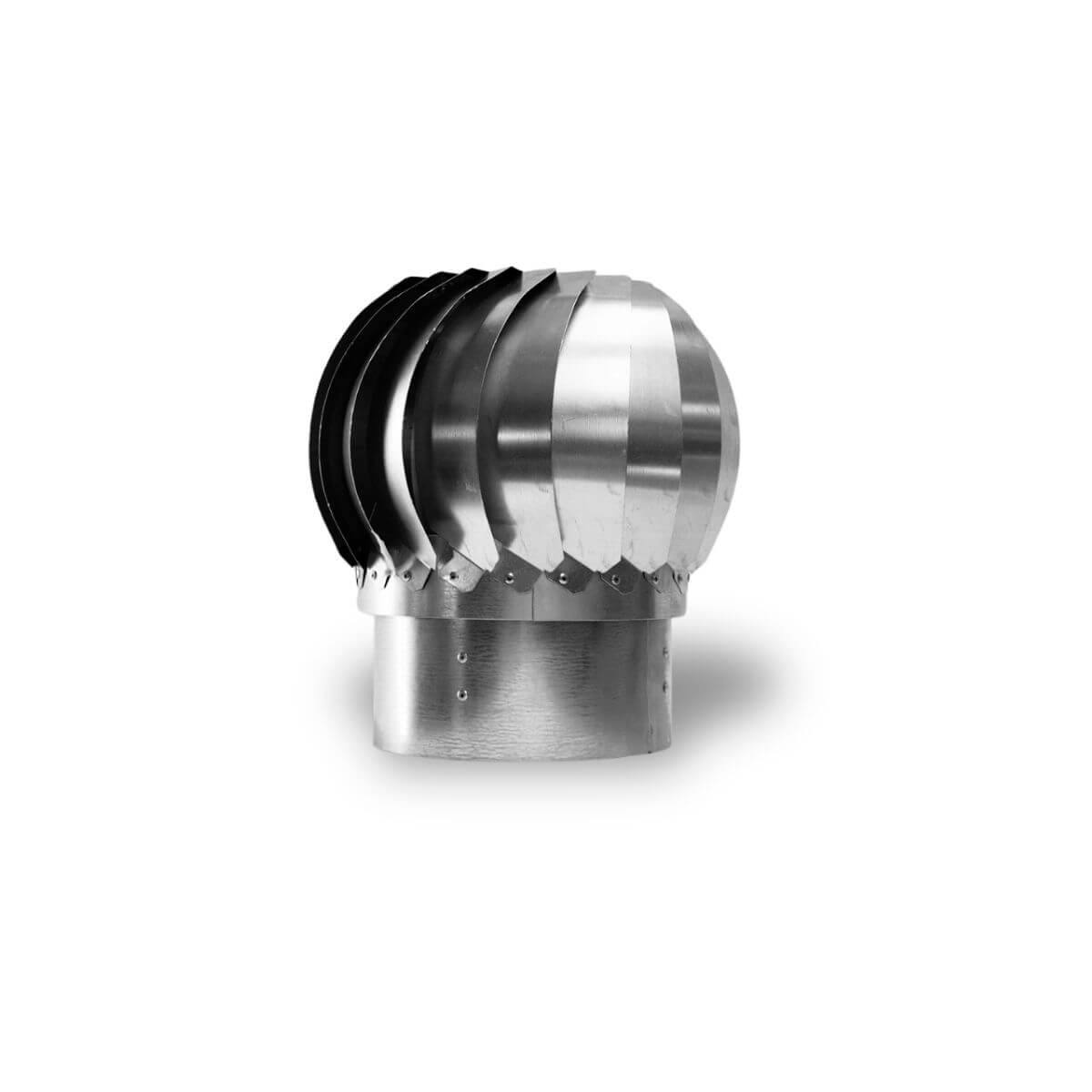 AVD-150-1ZS
Self-rotating wind fan AVD 150 mm
23 in stockOriginal price was: 75.64 €.64.31 €Current price is: 64.31 €. 3 × 21.44 € -
SOODUS -14% LAOTOODE AVD-200-1ZS
Self-rotating wind fan AVD 200 mm
9 in stockOriginal price was: 106.64 €.91.90 €Current price is: 91.90 €. 3 × 30.63 € -
SOODUS -15% LAOTOODE AVD-250-1ZS
Self-rotating wind fan AVD 250 mm
3 in stockOriginal price was: 131.44 €.111.74 €Current price is: 111.74 €. 3 × 37.25 € -
SOODUS -15% LAOTOODE AVD-400-1ZS
Self-rotating wind fan AVD 400 mm
5 in stockOriginal price was: 167.40 €.142.31 €Current price is: 142.31 €. 3 × 47.44 € -
LAOTOODE
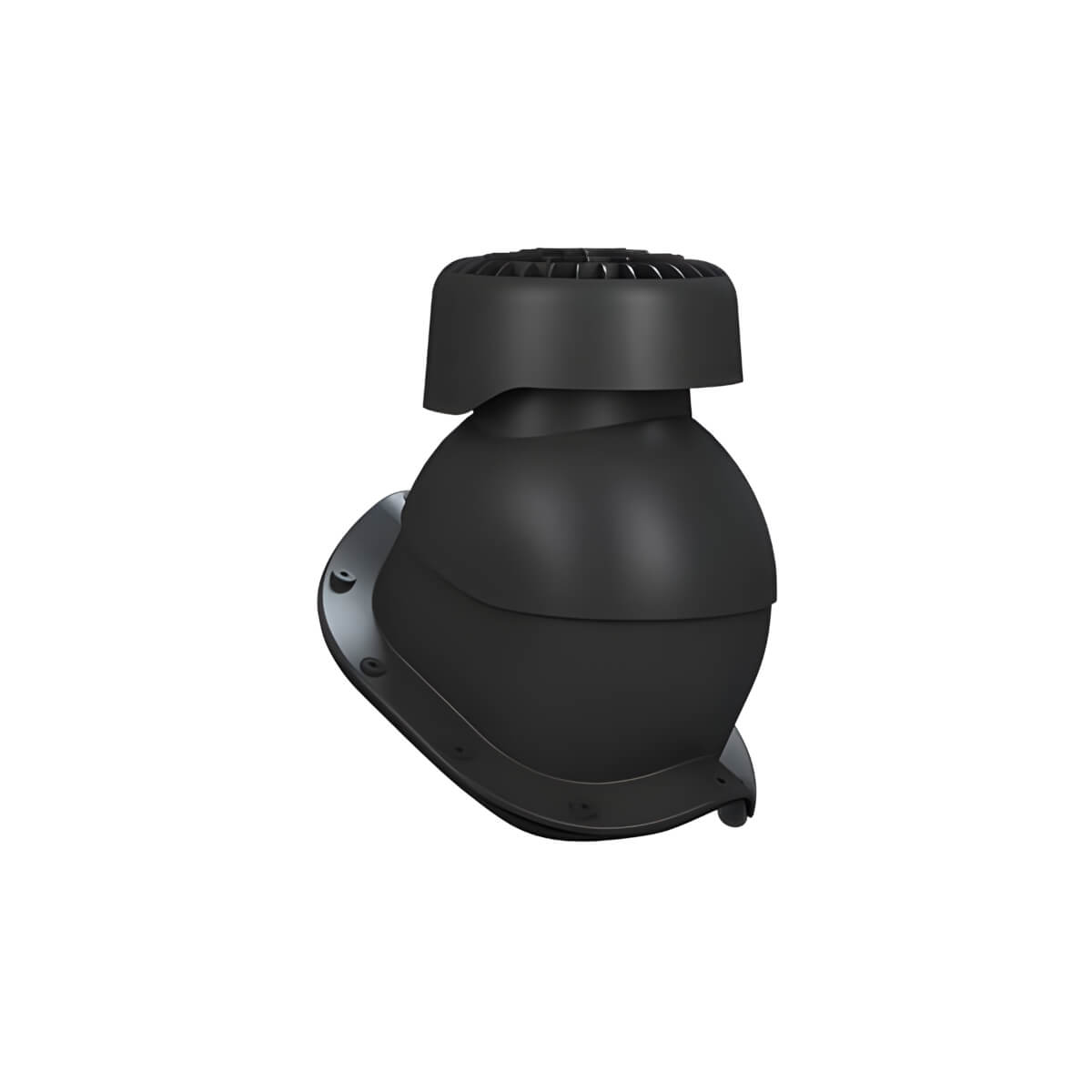 5-3K84V06
Sewerage penetration for eight-wave corrugated sheet Wirplast Perfekta V black Ø110mm
10 in stock74.40 € 3 × 24.80 € -
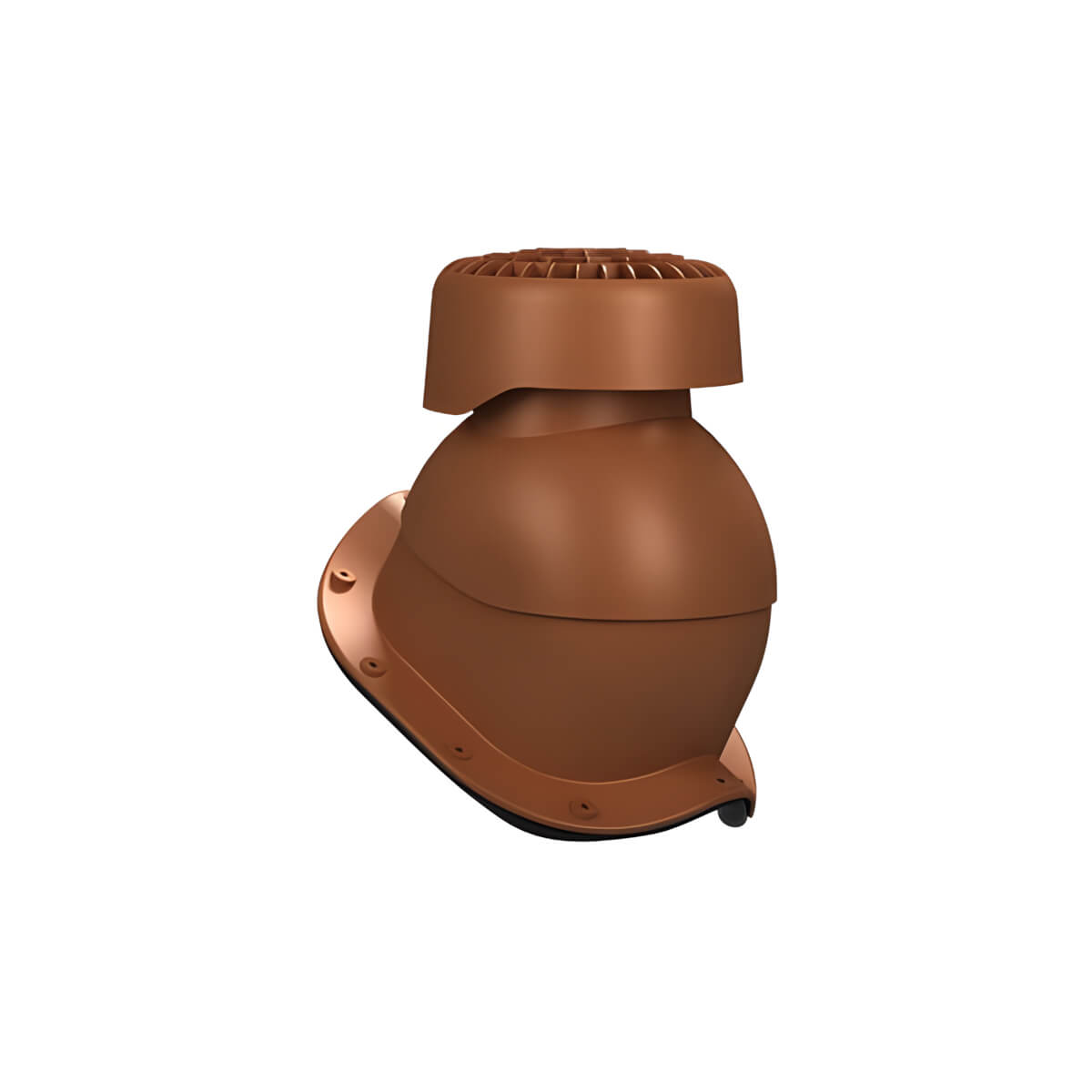 5-3K84V07
Sewerage penetration for eight-wave corrugated sheet Wirplast Perfekta V brick red Ø110mm
Available to order74.40 € 3 × 24.80 € -
LAOTOODE
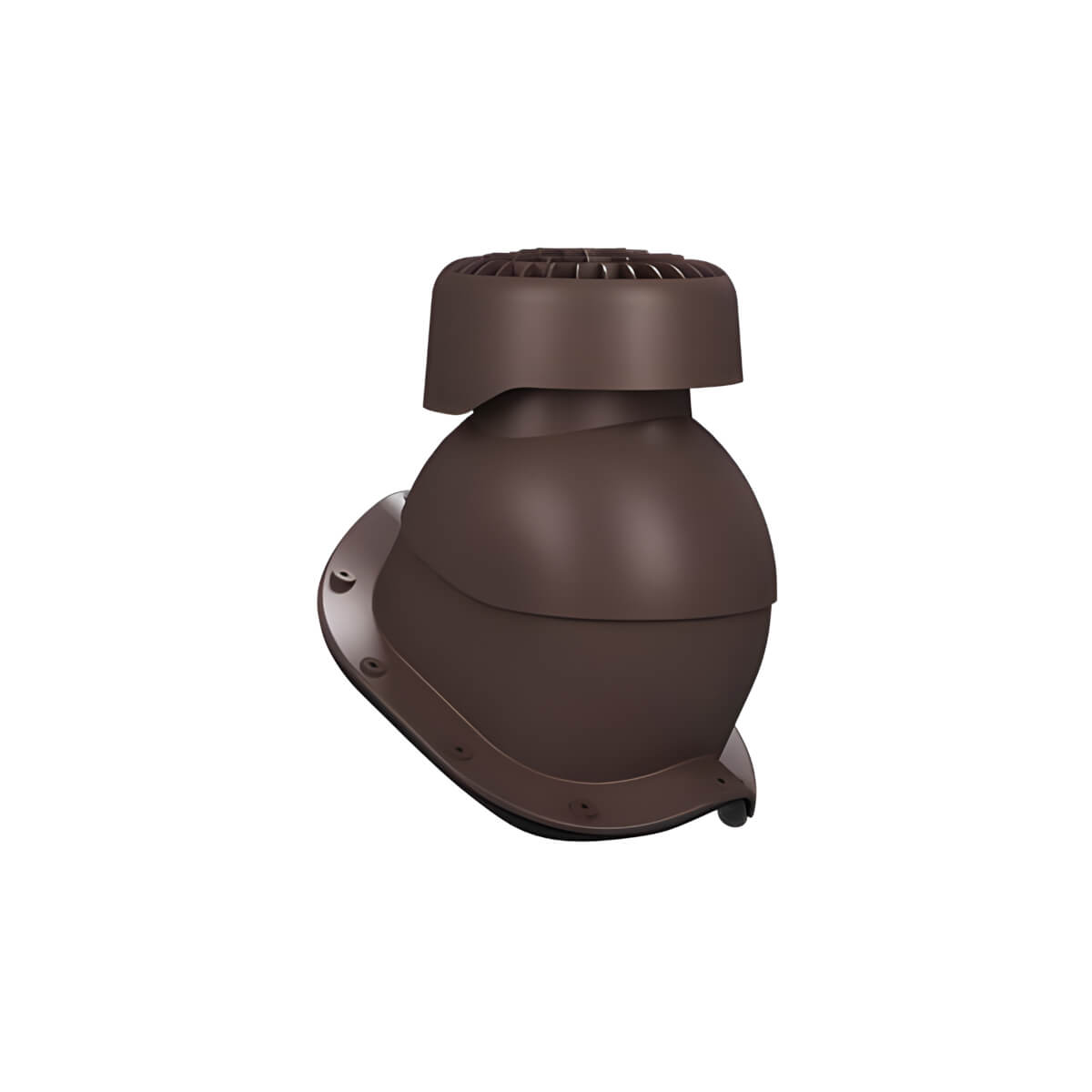 5-3K84V02
Sewerage penetration for eight-wave corrugated sheet Wirplast Perfekta V brown Ø110mm
8 in stock74.40 € 3 × 24.80 €
Every experienced builder knows that building or renovating a house is like assembling a complex puzzle, where every detail has to fit perfectly. But no other element has to withstand such a load and the vagaries of the weather as the fifth facade of a building, or the roof. The right roofing is not just a visual choice; it dictates the structure of the entire roof structure, the pitch of the rafters, the speed of installation and, most importantly, your peace of mind as a builder for many years of warranty. In this comprehensive guide, we look at the comparison of modern roofing materials through the eyes of a builder . We don't just stop at what is beautiful, but delve into what makes working on the site more efficient and ensures a long-lasting result for the client. We talk about steel, stone and the increasingly popular fiber cement. We also analyze roof slopes, the importance of a breathable underlay, and give practical recommendations on how to advise the client to avoid later misunderstandings. Whether you're looking to build a complex new building or renovate the roof of an old farmhouse , you'll find valuable technical information and work methods here. Steel and stone roofs: Pros and installation nuances In the construction market, roofing is often a choice between two common extremes: either a light and quickly installed steel profile or a heavy but durable roof tile. Both have their own clear advantages and specific installation requirements that every construction master must master in detail. The speed and risk of condensation on tin roofs Metal roofs, whether classic profile, trapezoidal profile or stone pattern steel roofing, are loved by builders for their lightness and high installation speed. Their weight is usually in the range of 4–5 kg/m², which means that the cross-sections of the rafters and supporting structures can be more optimal. The installation of a classic profile is fast, but requires perfectly aligned battens, because every small unevenness is reflected on the surface of the smooth metal sheet as unsightly "waves". Critical building physics knot: The biggest enemy of a metal roof is condensation. Untempered metal sheet cools down quickly at night, creating heavy condensation on its lower surface. Therefore, a proper ventilation gap and a high-quality (preferably with an anti-condensation layer or breathable) underlay are absolutely vital when installing a metal roof . Without effective ventilation, the battens will rot in just a couple of years, regardless of how high-quality the outer roof covering is . Roofing Tile: The Longevity of a Heavyweight Clay and concrete tiles represent the heavyweights of roofing materials, weighing 40–50 kg/m². For the builder, this means planning stronger rafters and physically more difficult work on the site. But there is also a big advantage here: the mass of the stone perfectly dampens rain and wind noise, and the long lifespan of the roof (often 50–100 years) makes it a valuable investment in the eyes of the customer. A unique perspective for the builder: Laying a stone roof is actually less weather-sensitive than installing large metal tiles in stormy weather. In addition, if the site has a roof with complex geometry (many eaves, extensions and openings), cutting and fitting small tiles is often more material-saving and locally flexible than operating with long metal tiles. Installing roof tiles requires precise calculation of the pitch of the rafters according to the roof slope and type of tile. Asbestos-free eternit: Return and practicality on site When old asbestos shingles have outlived their usefulness, customers often look for a similar, but safe and modern alternative. Here, asbestos-free fiber cement board is making a powerful comeback. This roofing material has regained its popularity among builders due to its excellent technical properties and ease of installation, making it a particularly popular choice for roof renovations . Advantages of fiber cement board for the builder Modern eternit corrugated sheet is made from a mixture of cement, cellulose and PVA fibres. This makes the sheet strong, but at the same time flexible enough to withstand minor movements of the structure. Unlike sheet metal, eternit does not rattle in the rain and is a breathable material, which reduces the risk of condensation. For the builder, the installation of corrugated sheet is logical and fast. Large tiles quickly cover large surfaces, while smaller-format tiles are suitable for more complex roofs. The material is cut with an angle grinder equipped with a special diamond disc (cutting with a regular disc or circular saw produces too much dust) and the installation does not require special equipment. A smart builder knows that eternit sales often offer favorable project prices, which allows them to offer the client a very competitive final price with a decent margin on labor costs. Complete solution ensures water tightness One of the most common mistakes made by inexperienced crews is replacing original accessories with cheap analogues. A truly watertight and weatherproof assembly is only achieved when the right accessories are used. OriginalEternit roof accessories – from breathable ridge seals to drill steel screws with special seals – are designed precisely for the profile of the corrugated sheet. When fixing corrugated sheet, screws must always be driven from the crest of the wave , not from the bottom! Water flows from the bottom of the wave, and an incorrectly installed screw is a potential leak. You also need to be extremely precise when cutting the corners of the sheet (where four sheets meet at one point) to avoid the material being under tension and later cracking. Roof Slope and Building Physics: Rules You Shouldn't Break A competent builder never just looks at the appearance of a roof covering, but always starts with mathematics – specifically, the slope of the roof. This physical parameter mercilessly dictates which material can be used. Minimum slopes for different materials Each manufacturer has their own specific requirements, but the general rules of thumb are as follows: Classic profile and rolled sheet metal: Thanks to their strong joints, they can be installed on lower slopes, usually from 8–11 degrees. Trapezoidal and stone profiles: Require a slope of at least 11–14 degrees to prevent water from flowing over the profile crest or penetrating between the joints with wind. Roof tiles and fiber cement board (Eternit): These materials are not 100% waterproof in themselves in case of storm winds and gusts. Their safe roof slope usually starts at 14–15 degrees. For lower slopes, a 100% waterproof sub-roof must be built (for example, a full board covered with SBS roll material), which acts as the actual waterproofing. Underlayment – the invisible savior of the roof If the top roofing is the umbrella of the house, then the underlay is its raincoat. Depending on the location of the insulation (either directly between the rafters or on the ceiling), either a breathable underlay or a non-breathable anti-condensation underlay is chosen. Today, experts increasingly recommend using high-quality breathable membranes that are installed directly against the insulation, eliminating the need to build a complicated and labor-intensive lower ventilation gap. The overlaps of the underlay must be taped – during a strong storm, fine snow is often forced in between the roofing, and meltwater can reach the insulation through an untaped underlay. Roofing work here requires meticulous precision. Installation efficiency and customer advice A good builder is not just an installer, but a trusted advisor to the client. The type of roofing you choose (or recommend) for a project will affect both the speed of your team's work and the reputation of your company. How to sell the right solution to the customer? Often, a client comes to a builder wanting to get the "cheapest sheet metal", without considering the location and architecture of the building. Your job is to explain the risks. For example, if the house is located under tall pine trees, a rough-surfaced stone roof or rough bitumen shingles are a bad choice, because thorns and moss accumulate there very quickly. Smooth sheet metal or fiber cement with a special paint coating is a much more foolproof and easier to maintain solution in such an environment. Logistics also need to be discussed. Large roof tile bases require proper lifting equipment and a strong loading platform on the site. If the site is located on a narrow side street or in a soft forest, manually moving light sheet metal or medium-sized eternit sheets may be the only realistic option that saves expensive crane hours. Occupational safety and time management Roof installation is a high-risk job. The choice of material often dictates safety measures. The laying of a stone roof is done gradually from the bottom up and provides a solid support surface for the feet in the form of battens. However, the large tiles of a tin roof are like sails in windy weather, making installation dangerous and often impossible. Always plan roofing work with a margin and make sure that the new roof covering and all necessary seals are physically present on the site before demolishing the old roof. Being caught in a storm with an open roof is every builder's worst nightmare. Quick Takeaways for the Builder Pay attention to ventilation: Every roof covering needs to breathe. Without proper battens and ventilation gaps, the substructure will rot, regardless of the price of the outer material. Monitor the roof slope: Don't compromise! If the slope is less than 14 degrees, avoid a stone roof or cement tile, or install a 100% waterproof SBS underlayment. The underlayment is a priority: Tape underlayment overlaps and penetrations (chimneys, ventilation pipes) carefully – this prevents condensation and damage from frozen snow. Use original accessories: Use seals and screws that fit the profile exactly, especially for fiber cement and stone roofs. Logistics and safety: When choosing materials, consider the accessibility of the site and the possibility of using cranes. Frequently asked questions What is the minimum roof slope for installing Eternit (fiber cement board)? Under normal conditions and with standard installation, the minimum safe slope for fiber cement boards is 14-15 degrees. If the slope is lower, a 100% waterproof underlayment (for example, SBS roll material on a full board) must be installed, which takes on the role of waterproofing. Should the breathable underlayment be installed tight or with a slight sag? Modern breathable membranes, which are installed directly against the insulation, are more likely to be installed with a slight sag, avoiding large pockets where water or snow could collect. Anti-condensation (non-breathable) membranes, which require double ventilation, should be installed with a sag of about 1-2 cm between the rafters to allow condensation to drain safely into the eaves, away from the ventilation slats. How to cut fiber cement boards (Eternit) correctly on site? Only a special angle grinder equipped with a diamond blade or a slow-speed circular saw equipped with dust extraction may be used for cutting. Cutting boards must be done in the open air. Breaking or cutting with a conventional abrasive disc produces a dangerous amount of fine dust and can damage the board. Can new fiber cement board be installed on the same rafter instead of old asbestos eternit? It is often possible if the old rafter (usually 50×50 mm wood) is in good condition and not rotten. The profiles of the new corrugated boards are often designed with the same dimensions as the old eternit, allowing the use of the existing rafter pitch. However, the health of the rafter must always be critically assessed! Why does the underlayment of a metal roof break even though it has just been installed? The most common cause is UV damage. Underlayments can usually only withstand direct sunlight for 3-4 weeks (depending on the manufacturer). If you leave the underlayment exposed for a long time before the final roofing is installed, the material will lose its strength and tear at the first strong wind.