
Grab bars.
In a wet, slippery environment, a grab bar is one of the most important safety and support features: it helps prevent slips, gives stable support as you move…
-
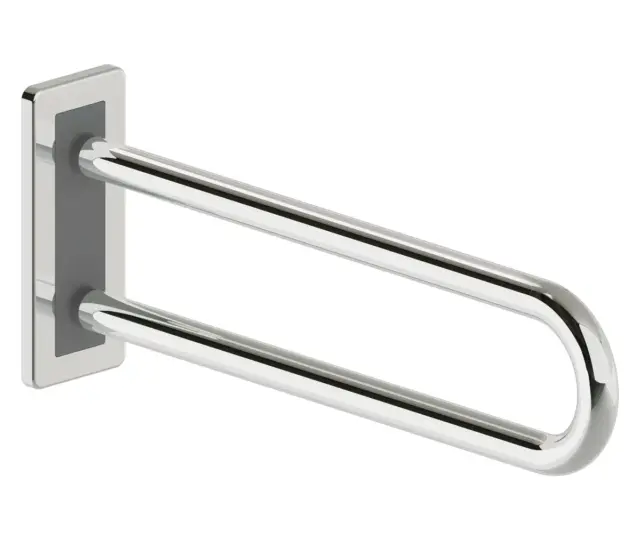 NIL_041S
Deante Lehnen fixed grab bar 60 cm, polished steel/anthracite
Supplier stock · 2 pcs220.32 € 3 × 73.44 € -
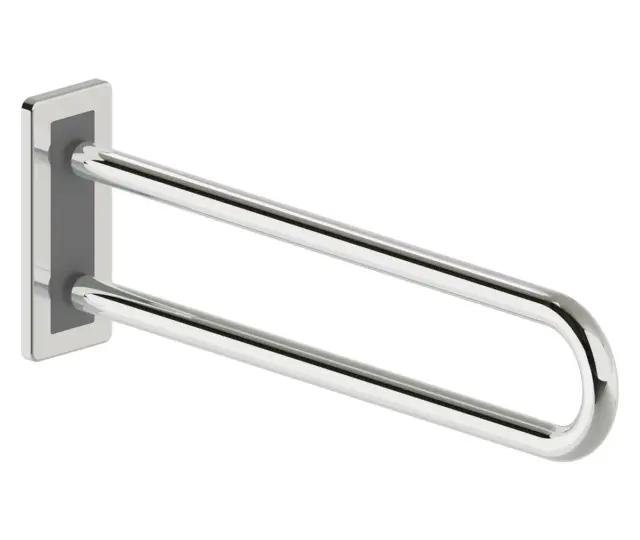 NIL_042S
Deante Lehnen fixed grab bar 70 cm, polished steel/anthracite
Supplier stock · 10 pcs220.32 € 3 × 73.44 € -
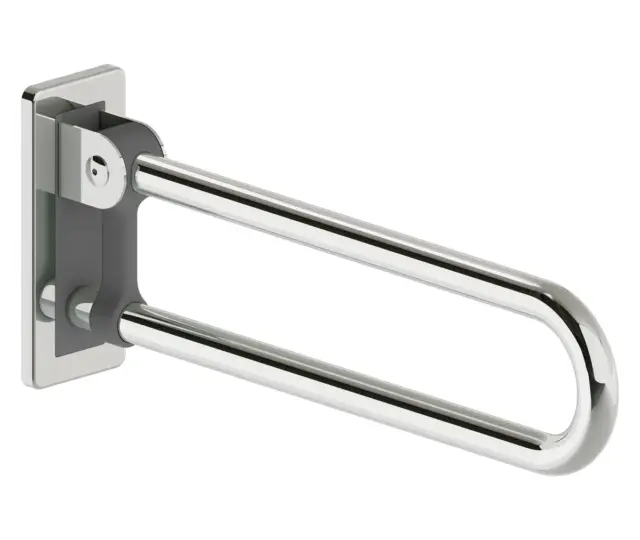 NIL_041D
Deante Lehnen folding grab bar 60 cm, polished steel/anthracite
Supplier stock · 12 pcs278.80 € 3 × 92.93 € -
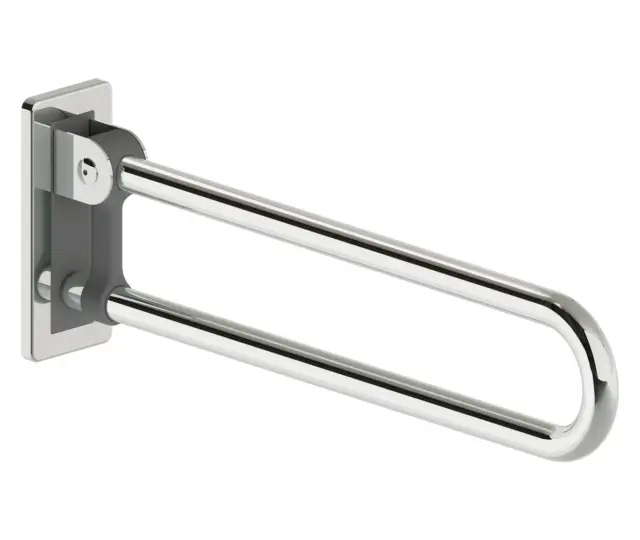 NIL_042D
Deante Lehnen folding grab bar 70 cm, polished steel/anthracite
Supplier stock · 7 pcs292.08 € 3 × 97.36 € -
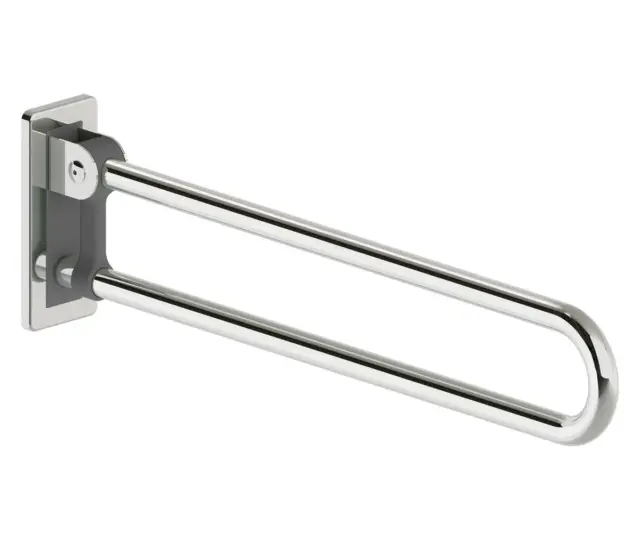 NIL_043D
Deante Lehnen folding grab bar 85 cm, polished steel/anthracite
Available to order331.95 € 3 × 110.65 € -
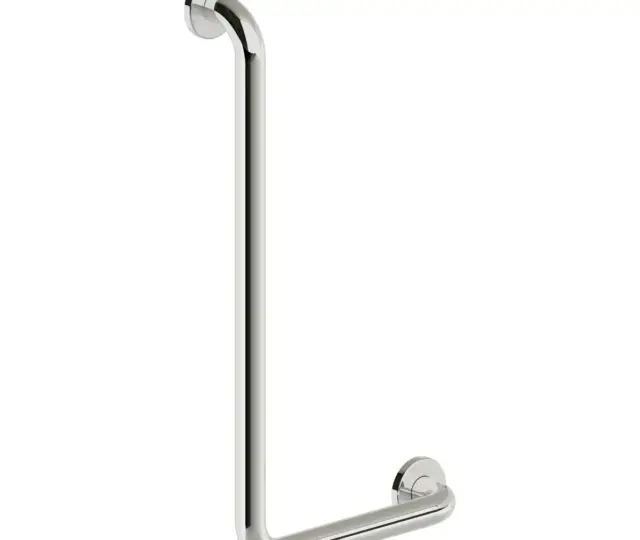 NIL_0L1D
Deante Lehnen left L-shaped grab bar 67 × 37 cm, polished steel/chrome
Supplier stock · 5 pcs164.51 € 3 × 54.84 € -
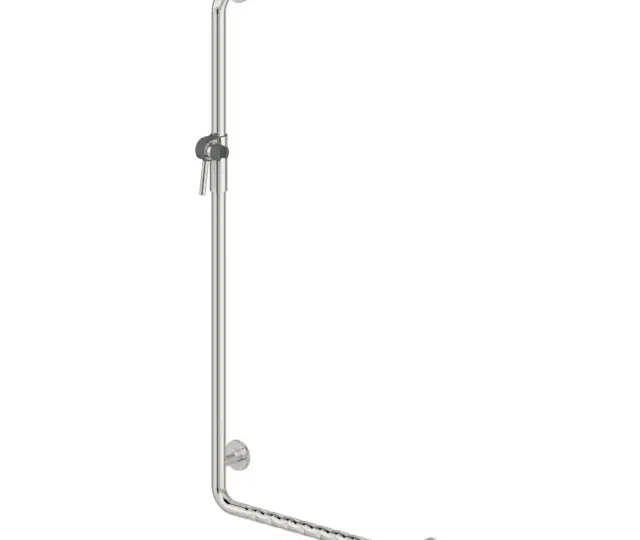 NIL_0L2D
Deante Lehnen left L-shaped grab bar with shower head holder 127 × 67 cm, polished steel/anthracite
Supplier stock · 3 pcs531.29 € 3 × 177.10 € -
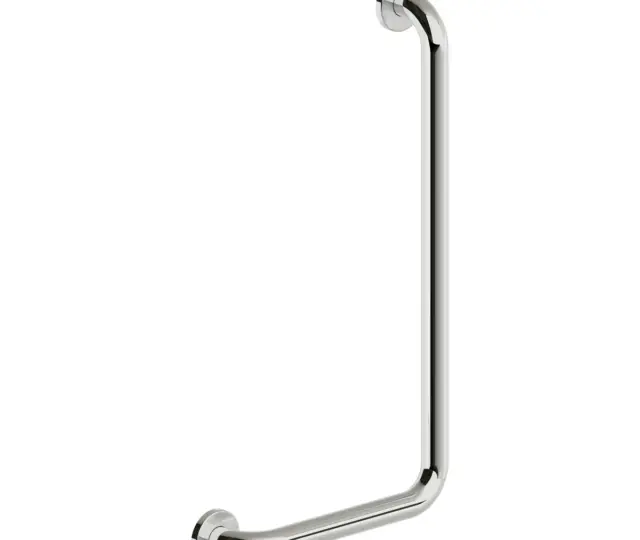 NIL_0P1D
Deante Lehnen right L-shaped grab bar 67 × 37 cm, polished steel/chrome
Supplier stock · 3 pcs164.51 € 3 × 54.84 € -
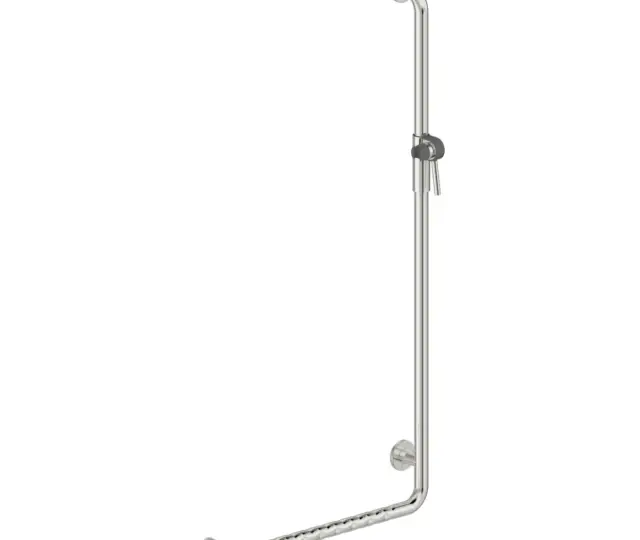 NIL_0P2D
Deante Lehnen right L-shaped grab bar with shower head holder 127 × 67 cm, polished steel/anthracite
Supplier stock · 4 pcs531.29 € 3 × 177.10 € -
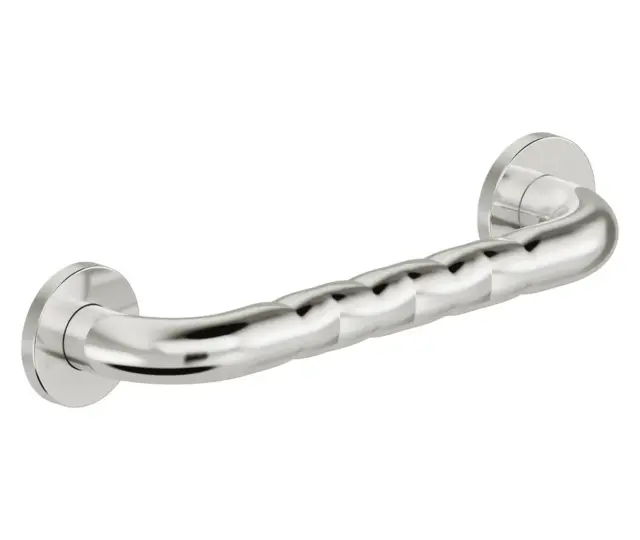 NIL_341A
Deante Lehnen straight grab bar with grooved grip surface 30 cm, polished steel
Available to order95.42 € 3 × 31.81 € -
 NIL_341B
Deante Lehnen straight grab bar with grooved grip surface 40 cm, polished steel
Available to order114.02 € 3 × 38.01 € -
 NIL_341C
Deante Lehnen straight grab bar with grooved grip surface 60 cm, polished steel
Available to order161.86 € 3 × 53.95 € -
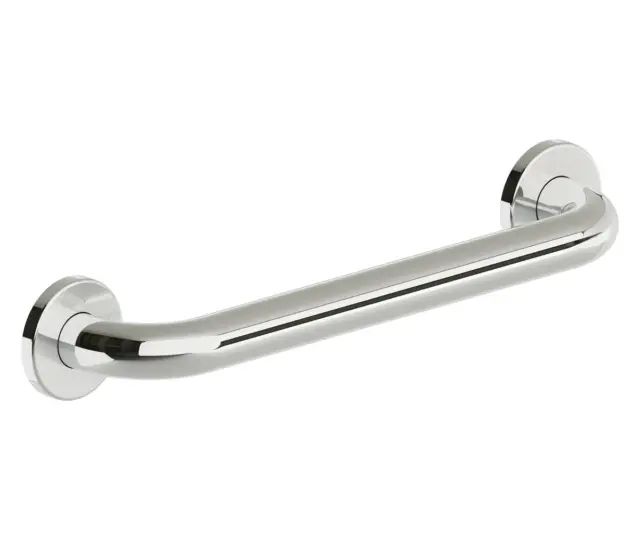 NIL_041A
Deante Lehnen straight smooth grab bar 30 cm, polished steel/chrome
Supplier stock · 8 pcs71.50 € 3 × 23.83 € -
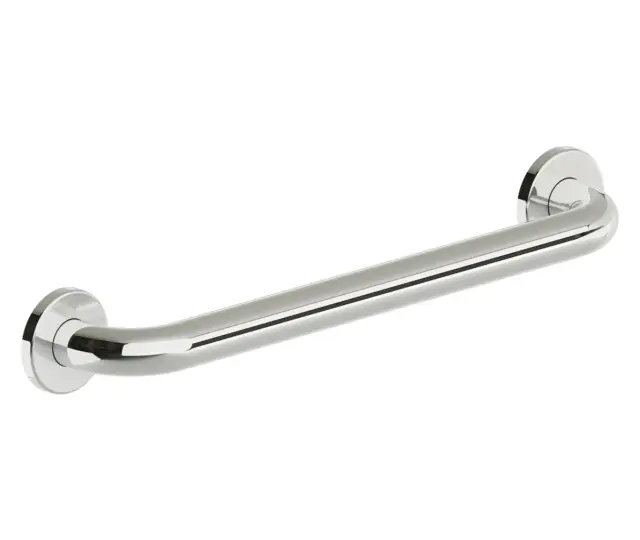 NIL_041B
Deante Lehnen straight smooth grab bar 45 cm, polished steel/chrome
Available to order84.78 € 3 × 28.26 € -
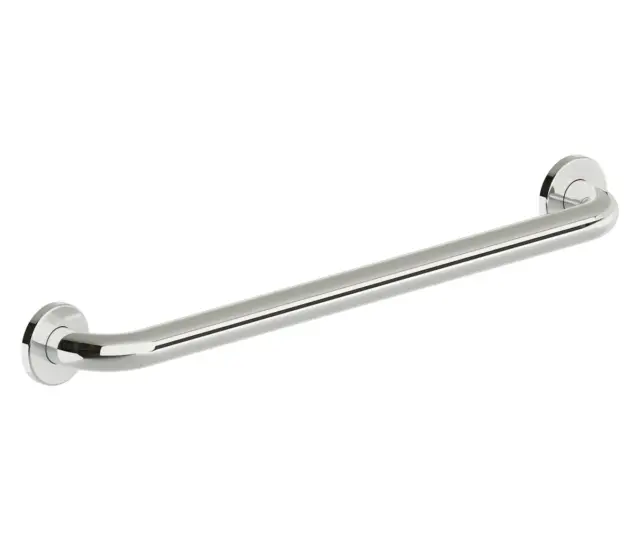 NIL_041C
Deante Lehnen straight smooth grab bar 60 cm, polished steel/chrome
Supplier stock · 4 pcs100.73 € 3 × 33.58 € -
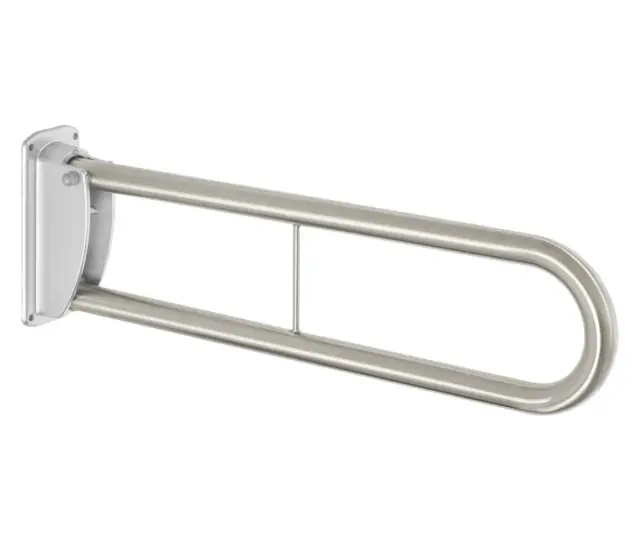 NIV_041D
Deante Vital folding grab bar 77 cm, polished steel
Supplier stock · 62 pcs128.12 € 3 × 42.71 € -
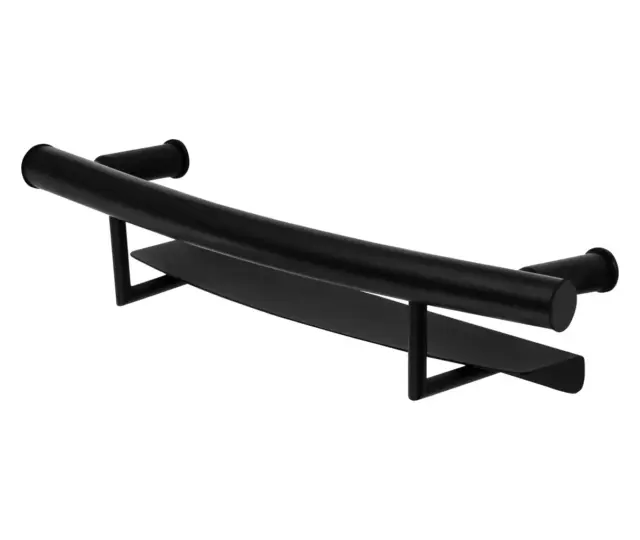 NIV_B41L
Deante Vital grab bar with shelf 52 cm, matt black
Supplier stock · 14 pcs46.20 € 3 × 15.40 € -
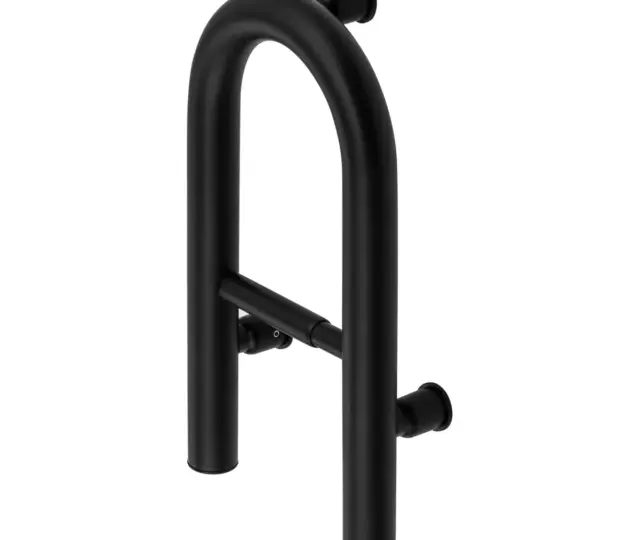 NIV_B41F
Deante Vital grab bar with toilet paper holder 34 cm, matt black
Supplier stock · 59 pcs46.20 € 3 × 15.40 € -
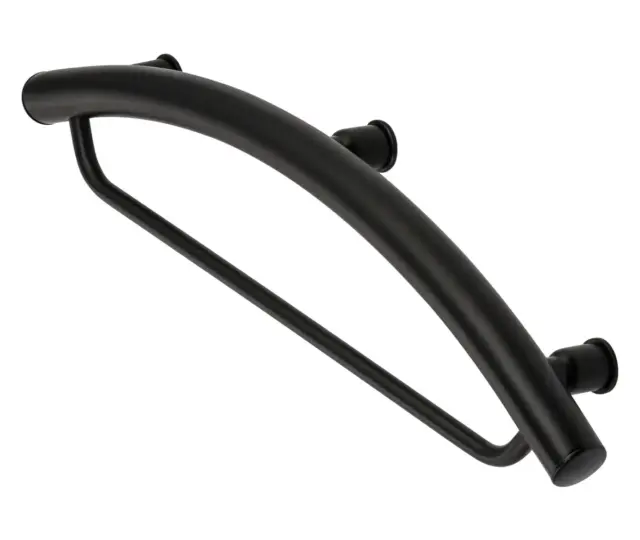 NIV_B41H
Deante Vital grab bar with towel holder 55 cm, matt black
Supplier stock · 100+ pcs46.20 € 3 × 15.40 € -
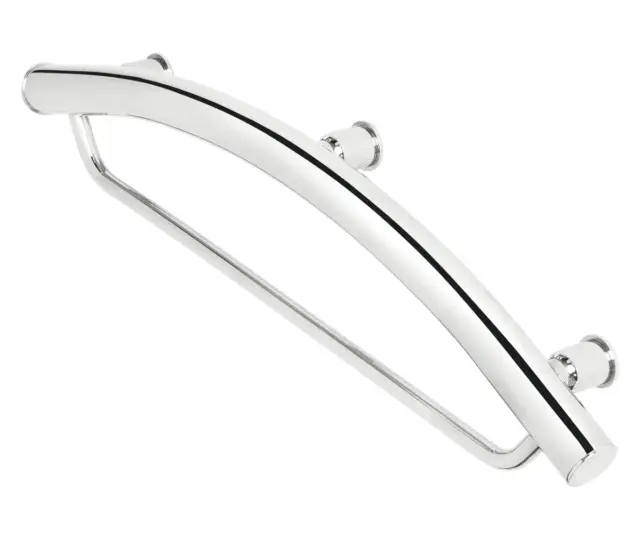 NIV_041H
Deante Vital grab bar with towel holder 55 cm, polished steel
Supplier stock · 45 pcs34.53 € 3 × 11.51 € -
OTSAS
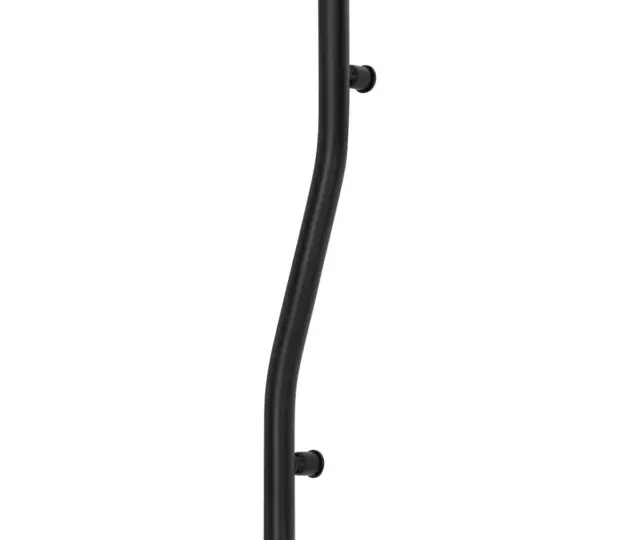 NIV_B41I
Deante Vital multi-directional straight grab bar 62 cm, matt black
Out of stock46.20 € 3 × 15.40 € -
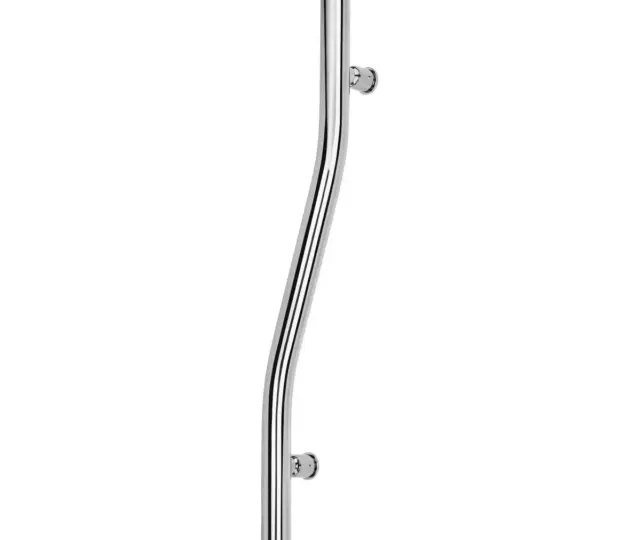 NIV_041I
Deante Vital multi-directional straight grab bar 62 cm, polished steel
Supplier stock · 63 pcs34.53 € 3 × 11.51 € -
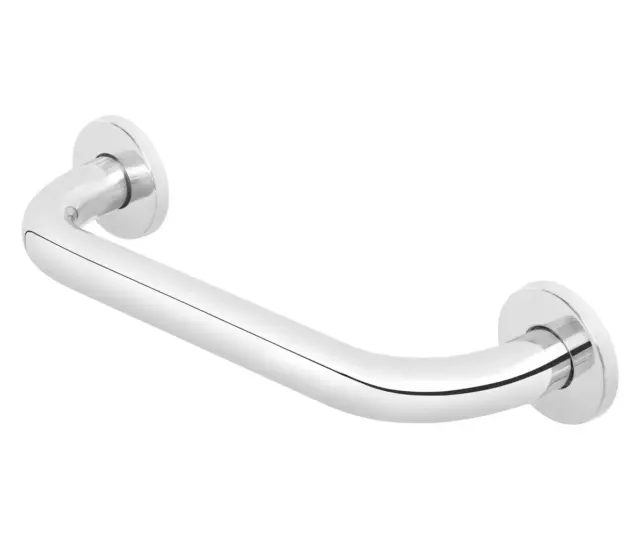 NIV_041A
Deante Vital straight grab bar 38 cm, polished steel
Supplier stock · 100+ pcs46.44 € 3 × 15.48 € -
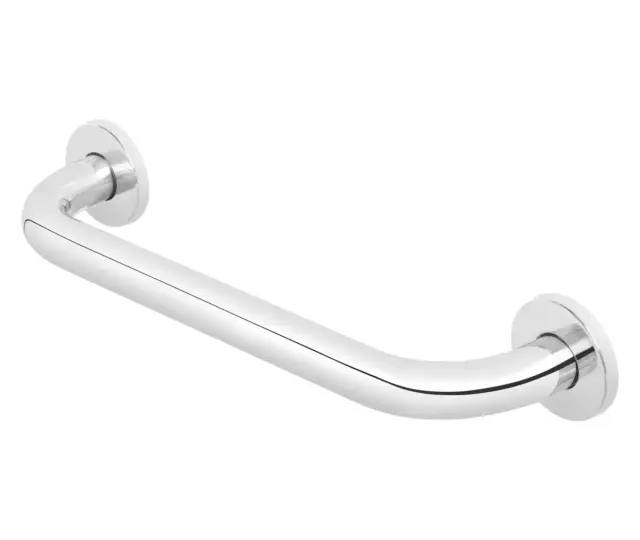 NIV_041B
Deante Vital straight grab bar 53 cm, polished steel
Supplier stock · 100+ pcs46.44 € 3 × 15.48 €
Continue where you left off
Everything you need to know.
- Straight horizontal and vertical rails
- 135-degree angled grab bars
- Fold-up toilet grab bars
- Surface finish and preventing slips
- Load capacity and diameter
- Working together with a shower seat
- Saving space and keeping the floor clear around the toilet
- Fixing to lightweight stud walls
- Keeping the waterproofing intact
- 1. What is the difference between an ordinary towel rail and a grab bar?
- 2. Are suction-cup grab bars safe?
- 3. At what height should a grab bar be fitted above the bath?
- 4. How do you clean and care for grab bars?
- 5. Can a grab bar be fitted to an already tiled wall without renovation?
In a wet, slippery environment, a grab bar is one of the most important safety and support features: it helps prevent slips, gives stable support as you move and offers peace of mind during everyday hygiene routines. It is an ergonomic handrail anchored specifically to the wall or floor and designed to withstand considerable pulling and pushing loads. Unlike ordinary towel holders or soap dishes, which can tear out of the wall under weight, a certified grab bar is made from corrosion-resistant materials and fitted with reinforced fixings.
In the modern home, a grab bar has long since stopped being a hospital-style aid; it is now a stylish, functional design element that blends seamlessly into the overall look of the bathroom. It provides valuable support for older family members, people with reduced mobility, pregnant women and anyone recovering from an injury or simply wanting a safer place to wash. In this in-depth guide we look at the main types of grab bar, installation heights, wall structure requirements and how they work together with other bathroom solutions.
1. Main types of grab bar and ergonomic design
When choosing a grab bar, consider the specific area of the room and how the user moves. Different activities call for support surfaces in different directions and shapes.
Straight horizontal and vertical rails
A straight grab bar (30–90 cm long) is the most versatile solution. Fitted vertically, it gives a secure grip when getting into and out of the bath or shower. Fitted horizontally or diagonally, it provides continuous support when moving along the wall or helps you keep your balance while washing.
135-degree angled grab bars
Angled models combine the advantages of horizontal and diagonal support. The sloping section supports the wrist and forearm at a natural angle when getting up from the bath or a seat, while the horizontal section gives firm support when standing.
Fold-up toilet grab bars
Long support arms (often 60–85 cm) fitted beside the toilet make sitting down and getting up safe. When support isn’t needed, the arm folds up easily against the wall, leaving enough room to manoeuvre for a wheelchair or other family members.
2. Materials, grip surfaces and load capacity
When you grab hold with a wet hand, slip resistance is vital. That is why the material and surface finish must meet strict safety standards.
Surface finish and preventing slips
A shiny chrome-plated tube can slip under a wet, soapy hand. Safer alternatives are brushed stainless steel, metal with milled grooves or special grab bars with an antimicrobial, ribbed polyamide coating, which give a secure grip even with little hand strength.
Load capacity and diameter
According to the standards, a quality grab bar must withstand a static point load of at least 150 kg (up to 250 kg for special solutions). The ergonomically correct tube diameter for an adult is 30–35 mm, with enough clearance between the bar and the wall (at least 45–55 mm) so that your hand can’t get trapped against the wall if you slip.
3. A safe, complete bathroom and ergonomic layout
A well-thought-out bathroom takes into account how people move through the whole room, from the entrance to the washing and toilet areas.
Working together with a shower seat
In the shower area, maximum comfort and safety come from combining a wall- or floor-mounted shower seat with a grab bar fitted next to it. This lets you steady yourself firmly when sitting down and getting up, avoiding a sudden loss of balance on the wet floor of a walk-in shower.
Saving space and keeping the floor clear around the toilet
To make it easier to sit down on the toilet and get up again, grab bars are fitted 35–40 cm from the centre of the toilet, at a height of 70–80 cm above the floor. For open, unobstructed access, a wall-hung toilet is the ideal fit here. As wall-hung ceramics leave the floor underneath completely clear, there is nothing in the way when moving with a wheelchair or walking frame, and cleaning and disinfecting the room is quick and effortless.
4. Installation requirements, wall anchors and ensuring safety
Every grab bar is only as strong as the surface and the screw fixings behind it. The wrong installation techniques can create a false sense of security.
Fixing to lightweight stud walls
On plasterboard partition walls, a grab bar must never be fixed with plasterboard plugs alone. When building the wall, fit at least a 20–30 mm thick water-resistant plywood or timber reinforcement board between the studs. When retrofitting, the anchors must go directly into the metal studs, or you must use special metal cavity wall anchors that spread the load over a wide area.
Keeping the waterproofing intact
When drilling tiles, use special diamond or tile drill bits with the hammer function off, to avoid cracking the tile. Before driving in the screws, fill the drilled holes and screw heads with neutral sanitary silicone so that moisture can’t get behind the ceramic and damage the waterproofing layer.
Key points
A durable, attractive grab bar is a practical investment in the long-term safety and accessibility of your home. The right material, a comfortable grip diameter and professional installation give family members of all ages confidence and make the bathroom a comfortable, barrier-free space.
If you are planning to renovate your bathroom or want to make your toilet safer and more functional, think through the whole fit-out. Explore our range and find the right shower seat for comfortable washing and a space-saving wall-hung toilet in the Nordhauser online shop to create a harmonious, clean and safe bathroom for years to come.
-
A vital safety feature: A properly fitted grab bar helps prevent slips and lets you manage independently in the bathroom.
-
Choose a slip-resistant surface: Go for brushed stainless steel or grip surfaces with a textured polyamide coating rather than shiny chrome.
-
Ergonomic installation height: The standard height for horizontal support is 85–90 cm from the floor; next to the toilet, 70–80 cm.
-
A load-bearing substrate: When fitting to lightweight walls, you need plywood reinforcement inside the wall or fixing into the studs to ensure the load capacity.
-
Complete accessibility: Combine grab bars with a stable shower seat and wall-hung sanitary ceramics to keep the floor clear and safe.
Frequently asked questions (FAQ)
1. What is the difference between an ordinary towel rail and a grab bar?
A towel rail is designed to carry only the weight of fabric (a few kilograms), and its fixings will break under a person’s body weight. A certified grab bar is designed to withstand a pulling load of at least 150 kg and meets medical safety standards.
2. Are suction-cup grab bars safe?
Suction-cup grab bars are only suitable for temporary use when travelling or for light balance support on perfectly smooth tiles. They can’t take your full body weight and may suddenly lose suction when the temperature or humidity changes. For a permanent solution, screw fixing is the only safe option.
3. At what height should a grab bar be fitted above the bath?
Above the bath, a horizontal grab bar is usually fitted 10–15 cm above the rim of the bath so that it is easy to grab while sitting. A vertical grab bar to help you get in is fitted on the end wall of the bath at a height of 80–160 cm from the floor.
4. How do you clean and care for grab bars?
A soft microfibre cloth and neutral soapy water or a non-abrasive bathroom cleaner are all you need. Avoid strong acids and chlorine bleach, which can damage the passive layer of the metal or the plastic surface.
5. Can a grab bar be fitted to an already tiled wall without renovation?
Yes, if it is a solid masonry wall (concrete, brick) or if a timber reinforcement board was fitted when the lightweight wall was built. The ceramic tiles are carefully drilled through with a special diamond bit and the bar is fixed with heavy-duty plugs.