
Slip-resistant floor tiles are more than just a practical choice – they are an investment in your safety and peace of mind.Hundreds of accidents occur in homes every year due to slippery floors, whether it’s a wet bathroom or an icy patio. The right flooring can be the difference between a happy evening and an unexpected visit to the emergency room.
But the world of ceramic tiles is colorful and technical. R9, R10, R11… these codes can seem confusing at first glance. What do they mean and how do you choose the right solution for your space? In this article, we’ll break down the slip resistance standards, help you navigate the “R” rating system, and provide practical advice for tiling your bathroom, kitchen, and patio.
What are non-slip floor tiles?
Non-slip floor tiles are ceramic floor tiles with a special surface treatment or texture, the purpose of which is to increase friction between the foot and the floor. This property becomes critical in wet and humid conditions, where a layer of water between the tile and the sole can create a so-called aquaplaning effect.
In Europe, there are two main methods used to measure slipperiness:
- British Pendulum Test : Measures the coefficient of friction of an already installed floor. The result (μ value) must be at least 40 for the floor to be considered slip-resistant.
- German slope test (DIN 51130): This is a laboratory test where a person walks on an oiled slope. The slope angle determines the R-value of the board on a scale of R9–R13.
In this article, we will focus primarily on the R system, as it is the most common designation when purchasing tiles.
The R-Rating System: What Do the Numbers Mean?
The golden rule is simple: the higher the R-number, the rougher and more slip-resistant the tile . However, a rougher surface often means more difficult cleaning, so it's important to find a balance.
R9 – low slip resistance
R9 is the lowest classification on the slip-resistant floor tile scale. These tiles often have a smooth and easy-to-clean surface.
- Area of use : dry interior spaces, such as living rooms, bedrooms and dining rooms.
- Not suitable for : shower cubicles, saunas or outdoor areas where there is a risk of water and moisture.
R10 – medium slip resistance (domestic gold standard)
This is the most popular choice for domestic use. R10 tiles offer a good compromise between safety and cleanability.
- Area of use : hallways, kitchens, bathrooms and utility rooms.
- Note : Also suitable for certain outdoor conditions if the tile is frost-resistant, but may not be suitable for wet terraces.
R11 – high slip resistance
These tiles have a noticeably rough texture and are designed for places where water is a frequent visitor.
- Area of use : terraces, balconies, outdoor kitchens, saunas and spas.
- Advantage : safe in both dry and wet environments.
R12 and R13 – industrial slip resistance
These are usually unglazed and very rough tiles used in commercial and industrial areas.
- Area of use (R12) : communal showers, swimming pool edges, changing rooms, industrial kitchens.
- Area of use (R13) : industry and other extremely slippery environments.
- Warning : Cleaning these tiles is time-consuming and may require special machine washing.
How to choose the right tile for each room?
There is no one universal tile that is perfect for every space. The choice depends on the function of the room and the frequency of exposure to water.
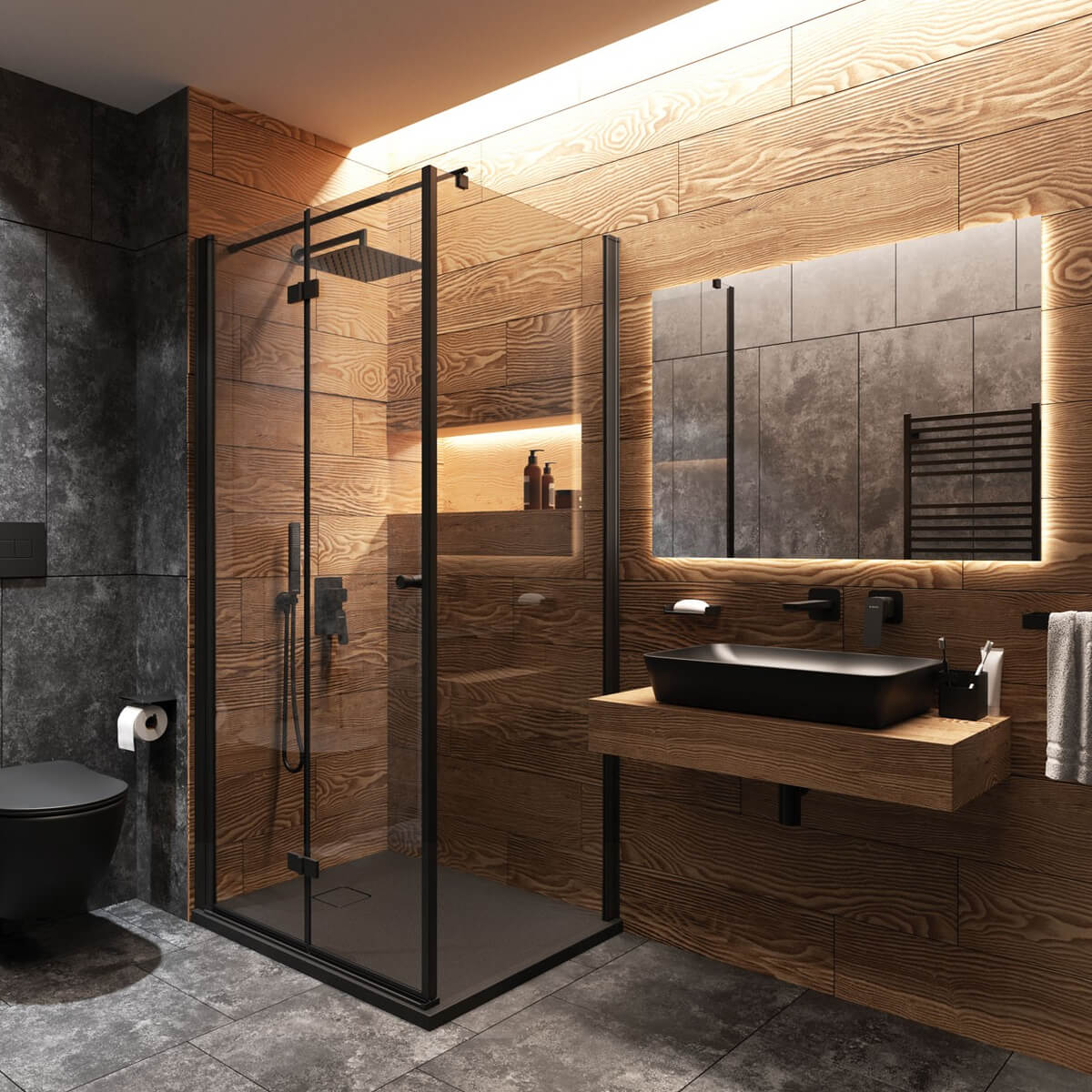
Bathroom floor tiles
The bathroom is the most dangerous room in the home in terms of slipping. Wet floors after a shower or bath are a common occurrence.
- Recommendation : R10 is an ideal choice. It provides sufficient grip on the bathroom tile to prevent it from falling, but is smooth enough to make soap scum and limescale easy to remove. You can also consider R11 tiles on the shower floor or a separate shower tray for added safety.
Kitchen floor tiles
We spend a lot of time in the kitchen, and there is a great risk of water, grease, or food residue getting on the floor.
- Recommendation : R10 is usually sufficient, but if there are children or elderly people in the family who may move around in the kitchen, R11 offers extra security.
Terrace and balcony floor tiles
Outdoor conditions add additional hazards such as rain, snow and ice. A smooth surface becomes a skating rink when wet.
- Recommendation : at least R10, but even better is R11. Be sure to make sure the tile you choose is also frost resistant to prevent cracking in winter.
Living room and bedroom floor tiles
Here, the risk of water damage is minimal and the priority is comfort and visual beauty.
- Recommendation : R9. A smooth surface is more pleasant underfoot and collects less dust.
Safety and cleaning: the eternal compromise
One important aspect that is often overlooked is maintenance. There is a simple rule of thumb: the higher the slip resistance, the more difficult it is to clean the floor.
- Why? Tiles with a high R-value (R11+) have a deep relief and rough texture . Dirt, grime, and calcium deposits "catch" in the pores and bumps of the tile, making it difficult to clean with a regular mop. The mop may simply slide across the surface or even leave fibers stuck to the tile.
- Solution: For R11 and R12 tiles, it may be necessary to use a brush or pressure washer (outdoors). Indoors, tiles that are too rough should be avoided unless you are prepared to spend more time scrubbing them.
Frequently asked questions
Kas ma võin kasutada R9 plaati vannitoas, kui panen maha vannitoavaiba?
Vannitoavaip aitab, ei kata see kogu põrandat. Vesi võib sattuda vaiba alla või selle kõrvale, tekitades ikkagi libisemisohu. Spetsialistid soovitavad tungivalt kasutada vannitoas vähemalt R10 klassiga plaate, et tagada turvalisus kogu ruumi ulatuses.
Kuidas puhastada väga karedaid (R11-R13) plaate?
Karedad plaadid koguvad mustust pooridesse. Tavalise mopi asemel on tõhusam kasutada harja ja rohket vett või aurupesurit. Välistingimustes on parim abiline survepesur. Vältige seebiseid puhastusvahendeid, mis võivad jätta karedale pinnale libeda kihi.
Mis vahe on glasuuritud ja glasuurimata libisemiskindlal plaadil?
Glasuuritud plaatidele (sageli R9-R10) antakse karedus pinnatöötlusega või spetsiaalse glasuuriga. Glasuurimata plaadid (tihti R12-R13) on oma olemuselt kareda struktuuriga keraamiline mass. Viimased on vastupidavamad kulumisele, kuid raskemini puhastatavad ja visuaalselt tagasihoidlikumad.
Kas libisemiskindlus kulub aja jooksul maha?
Jah, eriti intensiivse kasutusega käiguteedel (nt esikud, ühiskondlikud ruumid). Mustus ja kulumine võivad aja jooksul plaadi pinda siluda. Seetõttu on oluline valida õige kulumiskindlusega (PEI klass) plaat ja seda regulaarselt süvapesuga hooldada.
Kas terrassiplaadid peavad olema tingimata R11?
Soovituslik on R11, kuna terrassil on lisaks veele ohuks ka lehed, muld ja sammal, mis muudavad pinna libedaks. R10 võib olla piisav kaetud terrassil, kuhu vihm ja lumi otseselt ei saja, kuid avatud terrassil on R11 või isegi R12 kindlam valik.